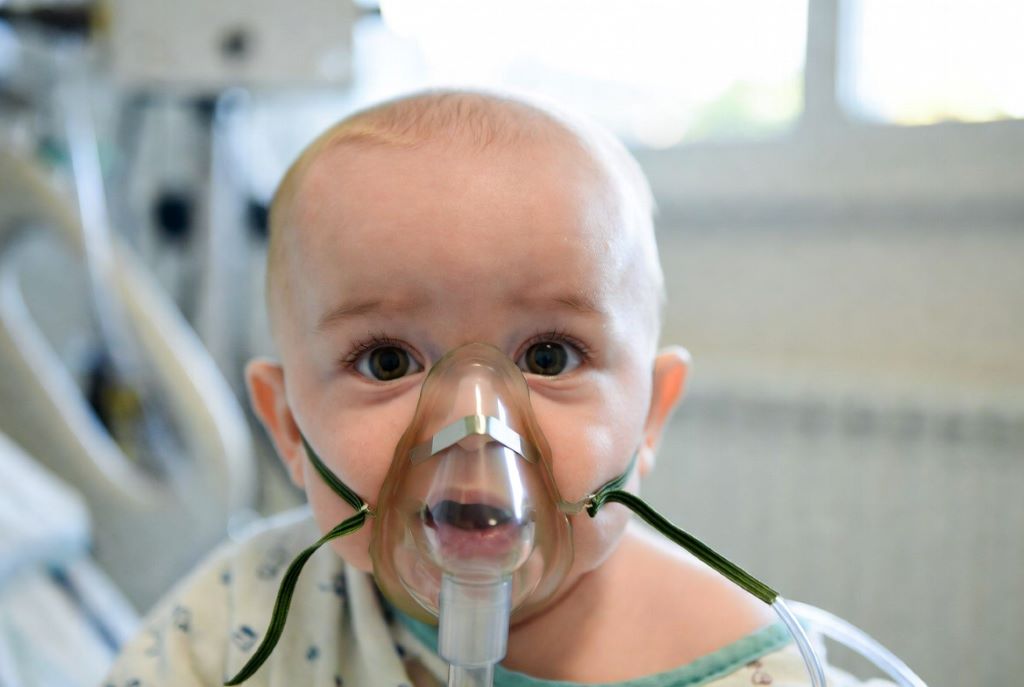
Sudy finds early treatment was associated with a 31% lower likelihood of ICU admission
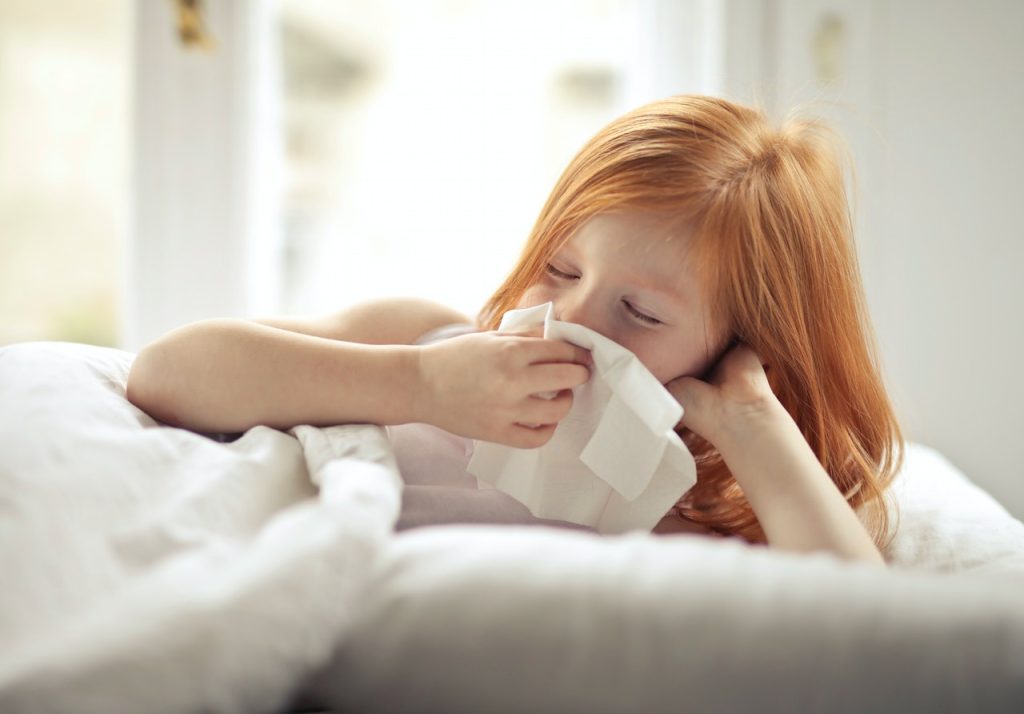
Photo by Andrea Piacquadio on Unsplash
A new US study finds antiviral treatment is linked to fewer intensive care unit (ICU) admissions and shorter hospital stays for children hospitalised with influenza. The study, published in JAMA Pediatrics and led by experts at the University of Colorado Anschutz, is one of the most comprehensive real-world evaluations of antiviral treatment in paediatric influenza to date.
The research found that children who received early treatment with antiviral treatment, in this case oseltamivir, were 31% less likely to be admitted to an ICU and had shorter hospital stays than those who did not receive the antiviral.
The findings come as use of antiviral medications among hospitalised children with influenza has declined despite national guidelines recommending treatment for suspected or confirmed cases.
“After one of the most severe influenza seasons in the past two decades, these findings reinforce the importance of treating children with influenza who are hospitalised. Our findings show that oseltamivir treatment can decrease the risk of needing critical care, even if started beyond the first two days of the start of the illness,” said the paper’s senior author Suchitra Rao, MD, professor in the department of paediatrics at the University of Colorado Anschutz School of Medicine and infectious disease specialist at Children’s Hospital Colorado.
One of the largest and most rigorous real-world evaluations
The researchers looked at data from more than 7000 paediatric hospitalisations captured through a FluSurv-NET, a CDC-supported surveillance network that captures laboratory-confirmed influenza hospitalisations. The data spanned 13 states and eight influenza seasons.
Unlike many earlier observational studies, this research accounted for when symptoms began and when antiviral treatment started, providing stronger real-world evidence on the effectiveness of oseltamivir in hospitalised children.
“Earlier studies were often missing key information about when children became sick or whether they started antiviral treatment before being hospitalised, making it harder to evaluate the medication’s effectiveness. By capturing those details and using advanced statistical methods, we were able to produce stronger real-world evidence to inform the care of children hospitalised with influenza,” adds Rao.
The findings reinforce current national recommendations that children hospitalised with suspected or confirmed influenza receive an antiviral medication as soon as possible.
Children hospitalised with severe pneumonia can safely switch from injectable to oral antibiotics once they begin to recover, allowing many to return home sooner and complete treatment outside hospital, according to a major clinical trial involving 13 hospitals in Southern Africa.
The new results were published in The Lancet. The trial involved partners across Europe and Africa and was led with researchers at City St George’s, University of London.
Pneumonia remains one of the leading infectious killers of children worldwide, particularly in low- and middle-income countries. Current World Health Organization (WHO) guidelines recommend five days of injectable antibiotics for children hospitalised with severe community-acquired pneumonia, often requiring them to stay in hospital even after they have already substantially improved.
Longer hospital stays are more expensive, placing a higher burden on already pressurised healthcare systems and facilities, whilst increasing the risk of hospital-acquired antibiotic-resistant infections and impacting the wellbeing of the children and their families.
The PediCAP trial is one of the largest studies to assess antibiotic treatment for severe childhood pneumonia in Africa. The study enrolled 1101 children aged two months to six years with community-acquired pneumonia that developed outside hospital but was severe enough to require hospital treatment. Thirteen hospitals across South Africa, Uganda, Zambia, Zimbabwe and Mozambique contributed to the study.
All children in the trial began treatment with a WHO-recommended injectable antibiotic. Some were assigned to switch to either oral amoxicillin or oral amoxicillin-clavulanate when their condition had improved, as confirmed by a healthcare worker. Researchers compared these children to those who received the WHO-recommended injectable treatment for the full five days.
Children who switched to oral antibiotics recovered just as well as those who remained on injectable treatment for five days. Rates of hospital readmission or death within 28 days were similar across all groups – 6% for oral amoxicillin, 7% for oral amoxicillin-clavulanate and 6% for injectable antibiotics – showing that an early switch to oral treatment is a safe and effective strategy.
The standard amoxicillin performed just as well as the broader-spectrum antibiotic amoxicillin-clavulanate, supporting the use of a treatment that is cheaper and widely available.
Researchers also compared how well children recovered with different durations of antibiotic treatment, ranging from four to eight days in total. A total antibiotic course of four to five days was as effective as longer courses of seven or eight days, suggesting many children can be treated successfully with substantially less antibiotic exposure than is often used in practice.
Children who switched to oral antibiotics left hospital around one day earlier compared to those who remained on injectable treatment for the full five days.
Co-lead author Dr Michelle Clements, based at UCL Innovative Clinical Trials Unit, said: “PediCAP is the first large-scale study to use an innovative multi-arm trial design, which we developed here at UCL, to evaluate different antibiotics and treatment durations at the same time. Rather than simply comparing one short course with one longer course, this approach allowed us to establish that the shortest studied treatment strategy was effective and safe, while also helping us to understanding the relationship between treatment length and effect.
“By generating robust evidence more efficiently, this trial design has helped answer questions that we hope will support changes to global treatment guidelines and improve care for millions of children with pneumonia worldwide.”
Co-lead author Professor Julia Bielicki, from City St George’s, University of London, said: “Every year millions of children around the world are admitted to hospital with severe pneumonia. Our study shows that once a child is clinically improving, it is safe to switch from injectable to oral antibiotics, and complete treatment at home.
“This simple change could help children get back to their families sooner, reduce pressure on busy hospitals, lower healthcare costs and avoid sometimes catastrophic financial impacts on families from lost caregiver earnings. Because amoxicillin is affordable and widely available, these findings have the potential to change clinical practice and improve care for children around the world.”
The trial was funded by the European Union’s EDCTP2 programme and sponsored by the Penta Foundation.
Every year, untreated tooth decay sends thousands of young children to emergency departments for dental problems doctors can’t treat. Many eventually undergo surgery under general anaesthesia, while others endure pain and infection.
A simple, inexpensive liquid called silver diamine fluoride, or SDF, could spare many of those children. Applied to a cavity with a tiny sponge-tipped applicator in about a few second’s time per tooth, SDF arrests decay without drilling, shots or sedation.
Dentists have used SDF successfully for decades in many countries, and off label in the United States since 2014, when it was approved as a medical device to treat tooth sensitivity. However, it has lacked the large US population clinical trials for efficacy and safety that are needed for FDA approval as a drug to treat cavities.
Now, a University of Michigan-led clinical trial has produced that evidence.
Published in JAMA Pediatrics, the Phase III trial enrolled 830 children under age 6 who were recruited through dental offices, pediatric medical practices, Head Start and Early Head Start programs in Michigan, New York and Iowa.
Researchers found that 38% SDF arrested tooth decay in more than half of children’s affected baby teeth when treated at 6-month intervals. Unlike conventional treatment, which removes part of the tooth before placing a filling, SDF is simply painted onto the cavity.
“This is a very effective and safe treatment – even in children as young as 1,” said Margherita Fontana, professor of dentistry at the University of Michigan School of Dentistry and the study’s lead investigator.
Tooth decay is the most common chronic disease of childhood, affecting more than 40% of US children. Left untreated, cavities can cause severe pain, infection, difficulty eating and sleeping, missed school and repeated medical visits.
SDF may be especially valuable for very young children, older adults, people with developmental or physical disabilities, patients with severe dental anxiety, and others who cannot easily tolerate or access conventional dental treatment, Fontana said.
Its primary drawback is cosmetic, she said. The silver permanently darkens the decayed portion of the tooth.
“If we want more children and families to benefit from this treatment, we need rigorous evidence showing both that it works and that it’s safe. From a public health perspective, if we want broader implementation across the United States, including in medical settings, we need carefully collected data in U.S. populations, and we now have that,” Fontana said.
The study began in 2018 and progressed even with the challenges of the COVID-19 pandemic.
“In medicine, clinicians want high-quality evidence before changing practice,” Fontana said. “It is important to have data they can refer to because young children often see paediatricians years before they ever visit a dentist, broader acceptance could allow many more cavities to be treated while a referral to a dental home is successful, and before they become painful, infected or require surgery.”
The product used in this trial, Advantage Arrest 38% SDF, was provided by Elevate Oral Care.
Amr Moursi, professor of paediatric dentistry at New York University College of Dentistry, said the study provides important data for broadening use of SDF.
“Our results support FDA approval of SDF for managing arrest of tooth decay in young children. Removing SDF from off-label status would be an important innovation which could lead to increased utilisation by providers, enhanced payments by insurers and more consistent product quality,” said Moursi, a co-principal investigator on the study.
For some children, reapplying SDF every few months may be all that’s needed until the baby tooth naturally falls out. For adults, it may serve as a long-term treatment or as a bridge until restorative procedure is affordable or practical.
“For almost anyone, this can arrest the decay and stop the infection and the pain it causes,” Fontana said. “This could benefit many people.”
It happens just when you need to leave. Bags are packed. Shoes are on. Then your child decides a jumper is impossible.
You say, “put your jumper on”.
They say, “I’m not cold”.
Do kids really not feel the cold like adults do? Or are they just expressing their independence? And when should you insist?
A clue from pain research
I study how children experience pain, and pain research offers one clue about this jumper battle.
A child may scrape their knee during a game and barely notice until the game stops. The scrape was there throughout, but chasing a friend or reaching the next base kept winning their attention.
Cold can slip into the background in a similar way. A child’s fingers may be cooling while the playground remains far more compelling. Then the game ends.
Their attention returns to their hands at around the same time their moving muscles stop producing so much heat. Suddenly, the jumper may seem like a better idea.
So “I’m not cold” can mean, “I can feel it and I’m comfortable”.
It can also mean, “the jumper feels worse” or “I want to keep playing”. Sometimes it means, “I am four years old and this has become a matter of principle”.
Similarly, when parents ask, “but aren’t you cold?” we’re often asking several questions at once.
Will you still be warm when you stop running? What if the wind picks up? How about later, when we’re standing still on the sideline at the soccer field?
Children report the present moment, and parents factor in the forecast.
What cold actually feels like
Your skin contains sensory nerve endings that respond as its temperature changes.
One cool-sensitive channel, called TRPM8, helps convert cooling at the skin into electrical activity in sensory nerves.
This is the same channel that menthol activates, which is why mint can make your mouth feel cool even when there’s no real temperature change.
And as you know with mint, a strong cooling sensation can sometimes become uncomfortable or even painful. Other factors such as wind, wetness, contact with cold surfaces, movement, and how much time we’re outside can all influence how we experience temperature.
For example, a parent who is standing still in a playground, clutching a coffee, may be acutely aware of the gap in their coat where the icy wind is sneaking in.
Children also differ from adults in body size, body composition, metabolism and how their circulation responds to cold.
One 2024 laboratory study, done indoors, looked at children aged six to nine. It found their sedentary metabolic rates (how much energy you’re burning when you’re resting) were around 39% higher compared to adults in the study.
Their skin was also warmer over parts of their torso, and the skin on their hands recovered temperature and bloodflow faster than adults after being exposed to the cold.
So it’s not that kids don’t feel cold at all, but they may have a quite different experience from an adult standing in the same air.
Bodies prepare for what comes next
We often learn about thermoregulation – how the body maintains its core temperature – as though the body were simply a thermostat. The body detects a temperature change, then bloodflow changes, and sweating or shivering bring it back towards the middle.
But our movement and behaviour also play an important role in maintaining this balance. When we’re cold we may walk into sunshine, curl up, or add a layer; when we’re hot we take one off. A child who keeps running may already be generating the warmth they need.
Bodies also prepare for expected demands. Researchers use the term allostasis to describe this wider process of how the body maintains stability through change.
Some adjustments happen automatically. For example, before we exercise, our heart rate and breathing begin adjusting for the work ahead. Others involve choices, such as moving into the sun, seeking shelter or reaching for warmer clothing.
But young children outsource some of this forecasting to adults.
Kids supply the live report from inside their body. We add the weather forecast and the schedule. We pack snacks for hunger that has yet to arrive, spare clothes for puddles yet to be found, and jumpers too.
What the jumper itself feels like
A jumper creates its own sensations. It may feel scratchy, bulky or restrictive. It can make climbing harder, then become hot and sweaty as soon as the child starts running.
Tags, seams and some fabrics can feel intensely unpleasant, especially for children with tactile sensitivities. Clothing tags and light touch, for example, can cause marked discomfort for some autistic children.
A child may genuinely prefer mildly cold skin over an irritating texture.
So it’s worth asking whether “aren’t you cold?” is the right question. Others may work better:
are you comfortable?
will you be running or sitting still?
would you rather wear the jumper or carry it?
These questions help children connect what they feel now with what they may need later.
When should parents insist?
Parents should be firmer when a child is very young, wet, unwell, exposed to strong wind or likely to remain outside for a long time.
Persistent shivering or numbness means it is time to get warm. Increasing clumsiness, unusual drowsiness, confusion or reduced responsiveness can indicate hypothermia, where the body’s core temperature has fallen dangerously low. Hypothermia is a medical emergency.
But for ordinary winter outings, flexible layers allow the plan to change. A jumper can be carried, added when activity slows, and removed when the child warms up again.
Your child reports the weather inside their body. You keep an eye on the weather outside it. A jumper in the bag lets your child feel heard, lets you keep the forecast in view, and lets everyone finally get out the door.
Socioeconomic status had greater effects on child health than parental smoking or alcohol consumption
Photography by Drew Hays on Unsplash
Family socioeconomic position may be a more important determiner of children’s health than parental behaviours such as smoking, drinking or caffeine consumption, according to a study published July 23rd in the open access journal PLOS Medicine by Gemma Sharp from the University of Exeter, UK, and colleagues.
According to the Developmental Origins of Health and Disease (DOHaD) hypothesis, prenatal and early childhood environmental exposures can affect a child’s health long-term. Most research, however, has focused on maternal behaviours and has not included fathers, the environment in which the parents live, and other factors. To better understand how environmental influences might impact child health, the authors of this study analysed data from four large studies of parents and children in the United Kingdom and Norway, including more than 230 000 participants, running several models to produce high confidence in the results. They looked at parental health behaviours including smoking, drinking, and caffeine consumption, as well as their socioeconomic position. They associated these variables with 72 different child health outcomes measured at six different time points, including size at delivery, body mass, hyperactivity, social communication, aggression, depressive symptoms, and more.
The authors found that maternal behaviours did not have larger effects than those of their partners. While 6% of the results found links between smoking and child health, 3% showed links for alcohol and 0.4% for caffeine, 15% of the child health effects were associated with the socioeconomic position of the child’s family. While the results are associations and based on observational data of families in the United Kingdom and Norway, the authors note that efforts to improve child health might be more effective if they are aimed at socioeconomic inequalities, rather than individual parent behaviour.
Gemma Sharp adds, “Our study suggests that the social and economic circumstances children grow up in may have a greater influence on their health than specific parental behaviours during pregnancy. By analysing data from more than 230 000 participants across four long-term studies, we found that socioeconomic disadvantage was more consistently linked to poorer child health outcomes than smoking, alcohol, or caffeine use by either parent.”
“One of the most interesting findings was that we didn’t see consistently stronger effects for mothers than for fathers. We often assume that a mother’s behaviours during pregnancy will have a larger impact on child health because of direct effects on the developing baby. However, we found that mothers’ and fathers’ smoking, alcohol, and caffeine use showed remarkably similar patterns of association with child health outcomes. This also points towards the importance of the wider family environment and social circumstances, rather than pregnancy-related behaviours alone, in shaping children’s health.”
Antimicrobial resistance in children is rising globally and will worsen over the next decade, threatening the effectiveness of life‑saving antibiotics, according to a world-first monitoring platform.
The findings, led by Murdoch Children’s Research Institute (MCRI) in collaboration with the University of Sydney, Clinton Health Access Initiative (CHAI) and The Chinese University of Hong Kong, analysed more than 106 000 infection samples from children, aged up to 18 years, across 82 countries, discovering that antibiotic resistance increased in every region between 2004 and 2022. Babies and children in intensive care and countries with fewer healthcare resources were the most affected.
Published in JAMA Pediatrics, the research found the increase is being driven largely by Gram-negative bacteria responsible for severe infections such as sepsis and pneumonia. Resistance rose most sharply to critical ‘Watch’ and ‘Reserve’ antibiotics, which the World Health Organization (WHO) classifies to limit overuse and help preserve their effectiveness when first-line treatments fail.
MCRI Associate Professor Penelope Bryant said the findings highlighted a widening gap between recommended antibiotic use and real‑world effectiveness, reinforcing the urgent need for improved surveillance, targeted antimicrobial stewardship and better access to effective antibiotics for children.
Forecasting future antimicrobial resistance
The newly launched AMR in Kids website, created by the study team, allows clinicians, researchers and policymakers to explore antibiotic resistance by country, bacteria and antibiotic class. It also provides region and pathogen-specific forecasts to 2035, helping researchers to identify emerging threats, inform treatment decisions and help guide public health planning.
MCRI and University of Sydney Dr Yanhong Jessika Hu said by combining almost two decades of global data with forecasting, the platform could identify where resistance was likely to emerge before it becomes an even greater clinical challenge.
Antimicrobial resistance occurs when bacteria evolve to withstand antibiotic treatment. As resistant bacteria emerge and spread through communities, infections become harder to treat. Children are especially vulnerable as they experience high rates of bacterial infections and have fewer antibiotic options than adults. In 2021, about 840,000 deaths in children under five years were associated with antimicrobial resistance.
“Antimicrobial resistance is one of the biggest threats to children’s health globally, but until now we haven’t had a clear picture of how it’s changing specifically in children,” Dr Hu said. “The AMR in Kids platform addresses a major gap by developing region and pathogen-specific forecasts for the next decade.”
Forecast modelling by the platform suggests that by 2035, some of the most dangerous pathogens could become highly resistant to last‑line treatments.
CHAI Senior Clinical Director Associate Professor Joseph Harwell said, “Better data is essential, but children can’t wait for perfect data. We need to use the best available evidence to guide action now.”
The research found two types of Gram-negative bacteria were driving antimicrobial resistance globally. Acinetobacter baumannii, which commonly causes hospital acquired bloodstream infections and pneumonia, showed the highest overall resistance. Klebsiella, causing urinary tract infections and liver abscesses, recorded the fastest increase, particularly in Southeast Asia, Eastern Europe and the Western Pacific. Alarmingly, resistance to last‑line carbapenem antibiotics is projected to rise substantially by 2035, reaching 82 per cent and 35 per cent, for each superbug, respectively.
Turning data into global action
Associate Professor Bryant said despite facing unique treatment challenges, children had been overlooked in global antibiotic resistance surveillance.
“Rising resistance to first- and now second-line drugs is the clinical reality for children,” she said. “Making antibiotic resistance in children visible, through AMR in Kids, is the first step towards changing its trajectory. By understanding where resistance is emerging and how it’s changing, we can better protect children now and preserve the effectiveness of antibiotics into the future.”
But Associate Professor Bryant said more action was needed on the global stage and measures specifically targeted towards children.
“In low-income countries we need to address unregulated antibiotic use and poor sanitation,” she said. “These countries need better access to diagnostic techniques and first-line antibiotics. Encouraging, Australia’s Department of Foreign Affairs and Trade has brought together experts including from the University of Melbourne and the WHO to develop solutions in the Western Pacific.
“In high-income countries, antibiotic overuse must be tackled across farming, veterinary, primary care and hospital settings, while infection control remains critical.
“We also need child-friendly antibiotic formulations, clearer dosing guidance and funding for trials on safely reducing antibiotic use. Consumers can help by talking with their GP about the risks of overprescribing antibiotics.”
Future therapies for respiratory syncytial virus (RSV) must target both the virus and its immune response to ensure babies get the best possible outcomes, finds a new study by researchers at UCL and Great Ormond Street Hospital for Children (GOSH).
RSV is the biggest cause of serious illness in babies, with over three million hospital admissions worldwide because of the virus every year. It causes wheezing and breathing difficulties, and in the worst cases babies end up in intensive care. Despite this, treatment options for infants who develop severe disease remain extremely limited.
As part of the new study, published in Nature Communications and funded by Animal Free Research UK and UK Research and Innovation (UKRI), researchers built a new lab model of baby lungs to show why RSV makes infants so much sicker than adults and allow them to test new treatments before they reach patients.
The miniature model of a baby’s airways was created using real infant airway cells, blood vessel cells and neutrophils (a type of white blood cell that acts as the immune system’s primary response to infection).
To compare with an adult response to RSV, the research team also made a model of an adult’s airways.
Dr Claire Smith (UCL Great Ormond Street Institute of Child Health), who led the study, said: “This model allows us to watch early immune responses unfold and study them in a human setting that reflects the infant airway. That’s something animal models often struggle to capture, especially when it comes to age-specific effects.”
When the models were infected with RSV, the team found that baby airway cells attracted far more white blood cells than adult airway cells did. This influx can block babies’ small airways and make it harder for them to breathe.
Neutrophils normally circulate in the blood but enter lung tissue in response to infection. In the baby airway model, researchers found that the neutrophils that entered the lung tissue were more activated and triggered a stronger inflammatory reaction than in the adult model.
This effect depended on the immune cells physically moving through the infected tissue, not just responding to chemical signals released by it, making this type of model essential for studying it.
This suggests it’s the infant airway itself, not just the virus, that ramps up the immune response and causes damage to the lungs.
First author, Dr Machaela Palor (UCL Great Ormond Street Institute of Child Health), said: “These findings help explain why RSV is often much more severe in infants than in adults. The paediatric airway actively shapes how immune cells behave during the infection.”
The researchers then tested two antiviral drugs (remdesivir and RSV604). Both stopped the virus from multiplying, but only RSV604 also calmed the overactive immune response, reducing levels of a key inflammatory protein released by white blood cells – high levels of which are linked to more severe RSV disease in babies.
Remdesivir had no effect on this, suggesting that not all antivirals are equal when it comes to protecting the infant airway from immune-driven damage.
This suggests that treating severe RSV in babies may require more than just stopping the virus – it may also be important to calm an overactive immune response.
The researchers hope their findings and the new approach to research on RSV will accelerate the development of treatments better tailored to infants.
Dr Smith said: “Our model gives us a way to assess both sides of the problem at once. We can not only ask whether the drug stops the virus but also whether it helps control immune response in the infant airway.
“This work reinforces the idea that age matters in respiratory infection. Understanding how infant airways shape immune responses will be key to designing safer and more effective RSV treatments.”
Sudden unexpected postnatal collapse during the first week of life is rare but can have deleterious consequences. A new study from Karolinska Institutet shows that the condition is more common than previously estimated and highlights measures that may reduce the risk.
Sudden unexpected postnatal collapse (SUPC) occurs when an apparently healthy newborn suddenly stops breathing and collapses during the first week of life. In a new study, published in the journal Acta Paediatrica, researchers investigated how common the condition is and when it occurs.
The researchers analysed approximately 483 000 births at seven maternity units in Stockholm between 2002 and 2022 and identified 149 cases of SUPC. This corresponds to 31 cases per 100 000 live births.
“It is important to remember that this is a very rare condition. According to our findings, it affects around 30 infants each year in Sweden, and two to four of these cases lead to death. Most cases occur during the infant’s first day of life,” says the study’s senior author, Eric Herlenius, paediatrician at Karolinska University Hospital and Professor of Paediatrics at the Department of Women’s and Children’s Health, Karolinska Institutet.
The study found that 81 per cent of collapses occurred during the first 24 hours after birth, with half taking place within four hours of delivery. Seven per cent of affected infants died and 26 per cent sustained permanent neurological injuries. Two-thirds of the cases occurred while the infant was sharing a bed with a parent.
“Skin-to-skin contact is important for newborn infants, but parents need to ensure that the baby’s airways are always clear and visible. Adults should not fall asleep while holding their baby skin to skin, and infants should not sleep in the same bed as their parents during the first three months of life,” says Eric Herlenius
The researchers point out that SUPC still lacks a specific diagnostic code, making the condition difficult to monitor. According to the researchers, this may have contributed to an underestimation of its true incidence.
Reviewed medical records
To identify cases, the researchers reviewed electronic medical records of infants born after at least 35 weeks of pregnancy. The records were searched for symptoms suggestive of collapse, such as episodes of apnoea, bluish skin discolouration, or sudden loss of muscle tone. Each suspected case was then assessed according to internationally established criteria for SUPC.
Since 2011, the researchers have also collected urine samples from affected infants and compared them with samples from healthy infants of the same age. They found higher levels of a prostaglandin E2 metabolite in infants who experienced SUPC during the first days of life, the same period during which most collapses occurred
“We believe that clearer guidelines for safe skin-to-skin care and safe sleep environments are needed and could help reduce the number of cases further,” says Eric Herlenius.
At the same time, the researchers aim to improve understanding of the biological mechanisms underlying the condition, including the elevated levels of prostaglandin E2 metabolite observed in some affected infants. By studying the relationship between these levels and the brainstem’s control of breathing, the researchers hope to gain a better understanding of why some newborns develop SUPC and, in some cases, sudden unexpected death.
An analysis of 86 000 Norwegian children found that the association between parental and childhood body weight is largely explained by shared genetics
AI image created with Gencraft
The association between parents’ body mass index (BMI) and their children’s childhood BMI may be primarily due to genetic inheritance rather than to any direct biological effect of parental weight during pregnancy, according to a new study published June 23rdin the open access journal PLOS Medicine by Tom Bond of the University of Bristol, UK, and colleagues from the University of Queensland, Australia and more.
Higher parental BMI is consistently associated with higher childhood BMI. It has been difficult for researchers to disentangle how much of this association is due to genetics and how much is due to biological effects of maternal weight during pregnancy. This may have implications for interventions that aim to control childhood BMI by targeting pre-conception parental weight.
In the new study, researchers analysed data from the Norwegian Mother, Father and Child Cohort Study, a prospective birth cohort of children born between 1999 and 2009. Data on 86 000 children, including their birth weight and BMI from six months to eight years of age, as well as appetite-related eating behaviours at age eight, was available in the dataset. The researchers looked at twin, sibling, and half-sibling relationships across multiple generations to directly quantify how much of the parent-child BMI association could be attributed to genetic confounding.
Maternal BMI was more strongly associated with offspring birth weight than paternal BMI, consistent with an effect of maternal body weight on birthweight through the environment inside the uterus. However, after birth the associations of maternal and paternal BMI with offspring BMI were broadly similar from age two to eight. Models showed that genetic effects explained an estimated 79% of the statistical association between a mother’s BMI and her child’s BMI at age 8, and 94% of the association for fathers. Higher parental BMI was also associated with obesity-related eating behaviours in children, including greater food responsiveness and emotional overeating, although the study was not able to conclusively determine how much of this was genetically driven.
The authors caution that these findings do not support the idea that childhood obesity is inevitable for children of heavier parents. Children who inherit a genetic predisposition to higher BMI may still express those genes differently depending on their environment. The results also do not argue against the importance of maternal health in pregnancy, the authors say. Maternal obesity is well established to increase risk of adverse perinatal outcomes for both mother and child.
“Our results may have important public health implications, when considered alongside prior evidence,” they write. “Maternal BMI may be unlikely to have a large causal effect on child BMI beyond birth… and any causal effect of paternal BMI on offspring childhood BMI is likely to be similar to or smaller than that of maternal BMI. Consequently, reductions in the BMI of either parent before pregnancy may be unlikely to cause large reductions in childhood adiposity.”
Tom Bond states, “Obesity runs in families, but it is difficult to work out why this is. Our results suggest that the link between a mother’s or father’s body mass index (BMI) and their children’s BMI up to age 8 is mostly due to inherited genes. Expectant parents should be encouraged to maintain a healthy weight, but this may not be enough to ensure that their children also have a healthy weight.”
David Evans notes, “We were interested in examining whether obesity in mothers during pregnancy might also have adverse effects on the risk of obesity in their offspring when the children get older. We found that whilst maternal body mass index during pregnancy was likely to adversely affect offspring birthweight, it didn’t appear to have large effects on risk of offspring obesity in later life beyond that explained through the transmission of genes from mothers to their offspring.”
Alexandra Havdahl adds, “Our findings suggest that the link between parents’ and children’s body mass index is driven largely by shared genes rather than by the intrauterine environment or parenting behaviour.”
Japanese study of more than 82 000 children finds that breastfed infants are less likely to have short sleep at age one
Photo by William Fortunato on Pexels
In contrast to the misconception that breastfed babies sleep less as breastmilk is easily digested, a new study of 82 918 infants found that children who received breast milk during the first six months of life were less likely to experience short sleep duration at one year of age than those who were exclusively fed formula. Using data from the Japan Environment and Children’s Study, the researchers proposed biological mechanisms that may help explain this association.
The World Health Organization (WHO) recommends exclusive breastfeeding for the first six months of life because of its many proven benefits, including protection against infections and support for healthy long-term development. However, perceptions that breastfed infants sleep less or require more frequent feeding than formula-fed infants remain common among parents and caregivers. Short sleep duration during infancy has also been linked to obesity, behavioural problems, and poorer cognitive performance later in life. Therefore, adequate sleep during this period is considered important for healthy physical and psychological development. Although infants are known to gradually develop longer and consolidated sleep periods, some caregivers choose formula feeding partly based on concerns about their child’s sleep.
To better understand the relationship between infant feeding and sleep, Ms. Yuri Nakagawa, a doctoral researcher at the University of Toyama, Japan, and colleagues analysed data from the nationwide Japan Environment and Children’s Study (JECS), one of the world’s largest birth cohort studies. The study examined 82 918 mother–infant pairs to investigate whether feeding practices during the first six months of life were associated with sleep duration at one year of age. The findings were published in the European Journal of Clinical Nutrition on March 31, 2026.
“WHO widely promotes breastfeeding, and most people are aware of the multiple health benefits it provides. Nevertheless, perceptions that breastfed infants sleep less, or that formula-fed infants sleep for longer periods, remain common. We wanted to provide solid evidence to bust this misconception,” says Ms Nakagawa, the study’s first author.
The mothers were given questionnaires at 6 months asking about the feeding practices they followed during the first six months for their babies. The children were then divided into four groups according to their feeding method. The first group consisted of infants fed exclusively with formula. The second group included infants who were breastfed for less than six months. The third group included infants who were breastfed throughout the six-month period while also receiving formula supplementation. The fourth group consisted of infants who were exclusively breastfed for six months. When the children reached one year of age, parents completed another questionnaire reporting their child’s sleep duration. Children sleeping less than 11 hours per day were considered to have insufficient sleep, based on the US National Sleep Foundation recommendations.
All groups that received breastmilk showed lesser chance of insufficient sleep compared to exclusively formula-fed infants. While infants who received only formula for the first six months had a 12.2% chance of having short sleep, the risk in infants breastfed for less than 6 months was only 10.2%. When breastfed for the entire six months and supplemented with formula, the risk further fell to 9.7%. The least risk of insufficient sleep at age one was for babies exclusively breastfed for the first six months, at 8.8%. After adjusting for a wide range of maternal, infant, and environmental factors, infants who were exclusively breastfed for six months had a 23% lower likelihood of short sleep duration compared with those fed only formula. The findings also showed a graded association, with longer breastfeeding duration associated with a progressively lower likelihood of short sleep.
“This study provides reassurance against the common perception that breastfed babies sleep less because breast milk is digested more rapidly,” says Ms Nakagawa. “Our findings suggest that such concerns should not discourage parents from considering breastfeeding and its many well-established benefits,” she adds.
The researchers proposed several possible explanations. While the nutritional composition of formula remains relatively constant, that of breast milk adapts to the changing needs of the infant. To help establish and regulate the baby’s internal clock and sleep–wake cycle, melatonin – a hormone that promotes sleep onset and improves sleep quality—is secreted into breast milk at night. Because newborns produce only small amounts of their own melatonin, breast milk-derived melatonin may help support the development of healthy sleep rhythms. In addition, breast milk contains tryptophan, an amino acid used to produce melatonin. Interestingly, tryptophan concentrations in breast milk have also been found to be higher at night.
Furthermore, growing evidence supports the gut–brain axis, a communication network linking intestinal bacteria and brain function. Breastfeeding is known to positively influence the development of a healthy infant gut microbiome. Differences in gut microbiota between breastfed and formula-fed infants may also contribute to the development of healthy sleep–wake patterns and sleep quality.