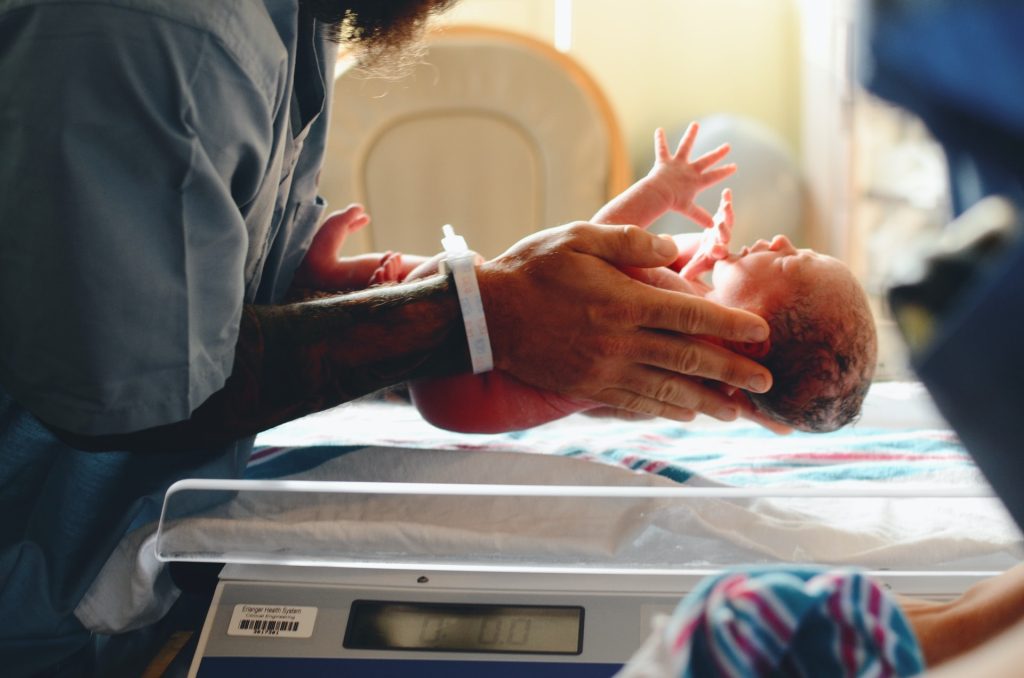
New post-portem study reveals over 80% of infection-related neonatal deaths in South Africa are preventable.
Photo by William Fortunato on Pexels
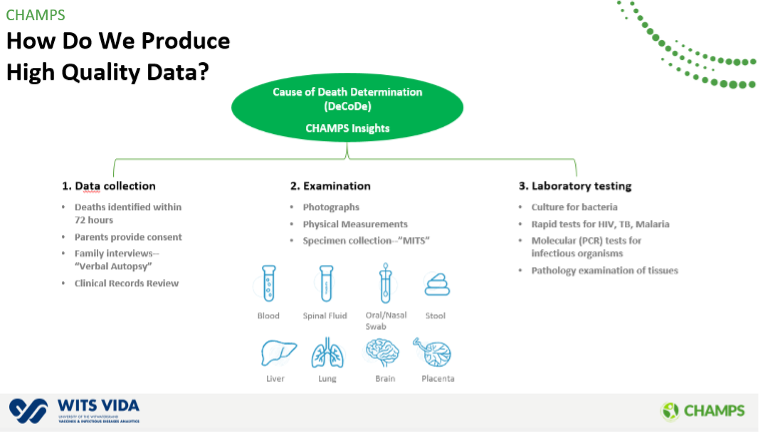
A groundbreaking study published in The Lancet Infectious Diseases Journal has identified that the vast majority of neonatal (newborn infant in the first 28 days of life) deaths caused by infections in South Africa and other low-and-middle-income countries could be prevented through improved clinical care and targeted medical interventions. The research, conducted by the Child Health and Mortality Prevention Surveillance (CHAMPS) network, utilised innovative post-mortem techniques that enables accurate identification of causes of death in low-resource settings. To provide the most granular look to date at what is killing newborns in these regions, more than 2600 neonatal deaths were analysed using minimally invasive tissue sampling (MITS).
Dominant Hospital Pathogens: In South Africa, Acinetobacter baumannii was the overwhelming driver of hospital-acquired infections, contributing to 74.3% of presumed hospital-acquired neonatal deaths.
Community-Acquired Threats: Group B Streptococcus (GBS) was identified as the leading cause of community-acquired neonatal deaths in South Africa, accounting for 30.6% of such cases, followed by Escherichia coli at 24.7%.
Emerging Fungal Risks: South Africa was the only site to report specific life-threatening fungal infections, including Candidozyma auris and Nakaseomyces glabratus, in the causal pathway to death.
Preventability: The modifiable factors identified to reduce these deaths include improvements in infection prevention and control (50.8%), clinical care (50.7%), and antenatal and obstetric care (42.2%).
The findings reveal that current empirical antibiotic treatments may be insufficient, particularly in high-burden settings where antimicrobial resistance is rising. The study also shows that infections often occur alongside other conditions such as prematurity and birth complications, indicating that neonatal deaths are driven by multiple, interconnected factors.
“These findings indicate an urgent need to review empirical antibiotic treatment for neonatal infections,” said Prof Shabir A. Madhi, Director of the South African Medical Research Council Vaccines and Infectious Diseases Analytics Research (Wits VIDA) Unit and lead author of the study. “The high prevalence of multidrug-resistant pathogens like K. pneumoniae and A. baumannii suggests our current standard protocols may no longer be sufficient. Alarmingly, some of these bacteria are resistant to all classes of antibiotics currently available.”
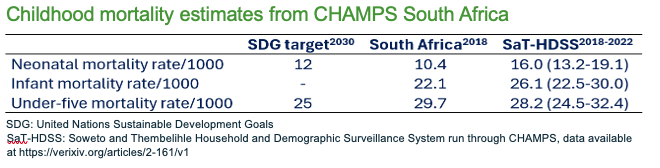
Nearly half of all deaths in children under five occur in the neonatal period, with the highest burden in Africa and South Asia. Importantly, local data further underscores the urgency of action. Within the Soweto and Thembelihle surveillance population, the neonatal mortality rate is estimated at 16.0 deaths per 1000 live births, significantly higher than both South Africa’s national estimate of 10 per 1000 and the Sustainable Development Goal (SDG) 2030 target of 12 per 1000 live births.
These findings highlight persistent inequalities in maternal and child health outcomes, even within urban settings, and reinforce the need for targeted, evidence-based interventions.
The MITS technique used at Wits VIDA uses needle biopsies rather than full autopsies to collect biological specimens. This method proved far more effective than traditional antemortem diagnostics, which failed to identify a pathogen in up to 73% of suspected sepsis cases in South Africa.
The study provides one of the most comprehensive, pathogen-specific analyses of neonatal deaths to date and ultimately, the study highlights a powerful opportunity. That most infection-related neonatal deaths are preventable.The CHAMPS consortium concludes that prioritising new maternal vaccines and strengthening hospital infection control are essential steps to reducing the high burden of neonatal mortality.
CHAMPS South Africa consistently shares its granular research findings with the National Department of Health (NDoH) through various channels to ensure this detailed evidence assists in developing targeted strategies to prevent neonatal infections. These data, which provide a precise look at the pathogens responsible for mortality, are intended to help the NDoH refine empirical antibiotic protocols and strengthen hospital infection control measures. Beyond policy-level engagement, CHAMPS collaborates with local communities to raise awareness regarding prevention strategies, specifically emphasizing the importance of early antenatal care booking and consistent attendance. By focusing on these modifiable factors, the initiative seeks to improve obstetric care and reduce the number of babies born “too soon or too small,” addressing the preterm birth complications that frequently underlie neonatal deaths.
About CHAMPS: The Child Health and Mortality Prevention Surveillance (CHAMPS) network is a global collaboration funded by The Gates Foundation. It aims to provide accurate data on the causes of childhood death to inform policy and save lives in high-mortality regions.
Newborns listening to Bach music predicted rhythm, but not melody, according to their brain waves
Human newborns can predict rhythmic structure from music, while they are not as good at expecting melodic changes. Image credit: Diego Perez-Lopez, PLOS, CC-BY 4.0
Babies are born with the ability to predict rhythm, according to a study published February 5th in the open-access journal PLOS Biology by Roberta Bianco from the Italian Institute of Technology, and colleagues.
It’s anticipating a beat drop, key change or chorus in a song you’ve never heard. Across all cultures, humans can inherently anticipate rhythm and melody. But are babies born with these behaviours, or are they learned? Research shows that by approximately 35 weeks of gestation, foetuses begin to respond to music with changes in heart rate and body movements. However, newborns’ ability to anticipate rhythm and melody is not fully understood.
To understand babies’ musical aptitudes, researchers played J.S. Bach’s piano compositions for an audience of 49 sleeping newborns. Musical stylings included 10 original melodies and four shuffled songs with scrambled melodies and pitches. While the babies listened, the researchers used electroencephalography – electrodes placed on the babies’ heads – to measure their brainwaves. When the babies’ brain waves showed signs of surprise, it meant they expected the song to go one way, but it went another.
The newborns tended to show neural signs of surprise when the rhythm unexpectedly changed; in other words, the miniature maestros had generated musical expectations based on rhythm. Previously, this result had been observed in non-human primates. The researchers found no evidence that the newborns tracked melody or were surprised by unexpected melodic changes, a skill that comes at an unknown exact point later in development.
According to the authors, understanding how humans become aware of rhythm can help biologists understand how our auditory systems develop. Future studies can investigate how exposure to music during gestation affects acquisition of rhythm and melody.
The authors add, “Are newborns ready for Bach? Newborns come into the world already tuned in to rhythm. Our latest research shows that even our tiniest 2-day old listeners can anticipate rhythmic patterns, revealing that some key elements of musical perception are wired from birth. But there’s a twist: melodic expectations – our ability to predict the flow of a tune – don’t seem to be present yet. This suggests that melody isn’t innate but gradually learned through exposure. In other words, rhythm may be part of our biological toolkit, while melody is something we grow into.”
Sanofi is pleased to share that the South African Health Products Regulatory Authority (SAHPRA) has granted registration for Beyfortus® (nirsevimab), a long-acting monoclonal antibody designed to protect infants against Respiratory Syncytial Virus (RSV).
Beyfortus® is the first long-acting monoclonal antibody designed to provide protection across the RSV season for all infants, including those born at term, preterm, or with underlying conditions. It is given as a single intramuscular dose just before or during the RSV season¹ and is expected to be available before the 2026 RSV season.
RSV is one of the leading causes of Lower Respiratory Tract Infections (LRTIs) such as bronchiolitis and pneumonia in young children, and a major driver of hospitalisation in infants under one year of age.3 Globally, RSV is responsible for 20 to 40% of pneumonia and 40 to 80% of bronchiolitis hospitalised cases among infants under one year of age.2
It was estimated that in a year, RSV caused around 33 million acute lower respiratory infections in children younger than five years, resulting in 3,6 million hospitalisations and over 100 000 RSV-attributable deaths globally3. RSV-related medical costs in this age group are estimated at €4.82 billion per year, including hospital, outpatient, and follow-up care7.
In South Africa, RSV infections occur year-round with a strong seasonality from February to May4. Each year in South Africa, there are approximately 96 000 cases of RSV severe acute respiratory illnesses in children under five years of age, and among newborns under one month, about one in seven requires admission for severe RSV9. The incidence and severity of RSV LRTI are highest in infants under 6 months of age, representing 22% of all-cause hospital admissions in this age group. 41% of the LRTI-related hospitalisations are attributable to RSV.5
RSV infections also have long lasting consequences as a first episode of RSV LRTI is associated with an increased risk of subsequent LRTIs. In addition, RSV is associated with recurrent wheezing in early childhood.6
Though risk factors such as prematurity and underlying conditions will increase the probability and severity of RSV infections in children, the majority of severe RSV outcomes occur in healthy full‑term infants. They represent the majority of ICU admissions (65.8%) and mechanical ventilation cases (59.8%) among RSV‑infected infants, and globally, healthy infants account for around 57% of RSV‑related deaths.10-11 For this reason, all infants are at risk of RSV disease.
A single dose of Beyfortus® provides immediate and season-long protection, lasting for at least five months, corresponding to a typical RSV season¹. In the MELODY phase III trial*, nirsevimab reduced medically attended RSV-LRTI by 74.5% and hospitalisations by 62.1% compared with placebo,8 while the HARMONIE real-world study found an 82.7% reduction in RSV-related hospitalisations through 180 days after immunisation14. Beyfortus® demonstrated a consistent safety profile across term, preterm, and high-risk infants, with the most common adverse reactions being mild rash (0.7%), fever (0.5%), and injection-site reactions (0.3%)¹.
Beyfortus® has also demonstrated its strong public health impact in real-world settings. Following its introduction in 2024 in Chile and in 2023 in Galicia, Spain, the effectiveness of Beyfortus® against RSV-related LRTI hospitalisations was estimated to be 76.4% and 85.9%, respectively. In Chile, Beyfortus® demonstrated 49.7% effectiveness against all-cause hospitalisation. 12-13
“RSV causes a great burden on families and the healthcare systems in South Africa and worldwide,” says Diane Buron, South Africa Medical Head for Sanofi Vaccines. “It is a leading cause of infant hospitalisation during the season and Beyfortus® has the potential to change that. With only one dose, babies will be effectively protected throughout the season and thousands of cases and hospitalisations can be averted.”
“Because the majority of RSV cases are in term and healthy infants,” says Buron “proposing this innovative and effective protection to all infants will have a significant impact on the families and healthcare system.”
More than 6 million infants worldwide have now received Beyfortus®, supported by over 40 real-world studies across four continents, in both the Northern and Southern hemispheres. The introduction of Beyfortus® in South Africa is a significant advancement in paediatric respiratory protection and supports the global goal of reducing preventable infant morbidity and mortality linked to RSV8.
*The Phase 3 MELODY trial was a randomised, double-blind, placebo-controlled trial conducted across 21 countries designed to determine the safety and efficacy of Beyfortus® against medically attended LRTD caused by RSV in healthy term and late preterm infants (35 weeks gestational age or greater) entering their first RSV season, including efficacy against severe disease such as hospitalisation, through 150 days after dosing. The primary endpoint was met, reducing the incidence of medically attended RSV LRTD by 74.5% (95% CI 49.6, 87.1; P<0.001) compared to placebo. The efficacy of Beyfortus® against the secondary endpoint of hospitalization was 62.1% (-8.6, 86.8). A pre-specified pooled analysis of the Phase 3 MELODY trial showed the efficacy of Beyfortus® against medically attended RSV LRTD and medically attended RSV LRTD with hospitalisation was 79.5% (95% CI 65.9, 87.7; P<0.0001) and 77.3% (95% CI 50.3, 89.7; P<0.001), respectively.
References
1. Sanofi-Aventis South Africa (Pty) Ltd. Beyfortus® Professional Information (PI). Version E, 2025-09-18. 2. Dangor et al. (2023) – Bronchiolitis v. bronchopneumonia: Navigating antibiotic use within the lower respiratory tract infection spectrum. S Afr Med J 113(6):e709
3. Li Y et al. Global, regional, and national disease burden estimates of acute lower-respiratory infections due to respiratory syncytial virus in children younger than 5 years in 2019: a systematic analysis. Lancet. 2022; 399: 92047–64. 4. National Institute for Communicable Diseases (NICD). Respiratory Syncytial Virus (RSV). Available at: https://www.nicd.ac.za/diseases-a-z-index/respiratory-syncytial-virus-rsv/ (Accessed January 2026). 5. Wedderburn CJ et al. Risk and rates of hospitalisation in young children: A prospective study of a South African birth cohort. PLOS Glob Public Health. 2024
6. Zar HJ et al. Early-life respiratory syncytial virus lower respiratory tract infection in a South African birth cohort: epidemiology and effect on lung health. Lancet Glob Health. 2020. 7. Zhang S et al. Cost of respiratory syncytial virus-associated acute lower-respiratory infection management in young children at the regional and global level: a systematic review and meta-analysis.J Infect Dis. 2020; 222(Suppl 7): S680–S687. 8. Hammitt LL et al. Nirsevimab for prevention of RSV in healthy late-preterm and term infants.N Engl J Med. 2022; 386(9): 837–846.
9. Moyes J et al. The burden of RSV-associated illness in children aged < 5 years, South Africa, 2011 to 2016. BMC Med 21, 139 (2023).
10. Nair H, et al. Global burden of acute lower respiratory infections due to respiratory syncytial virus in young children: a systematic review and meta-analysis. Lancet. 2010;375:1545–1555. 11. Li Y, et al. Global, regional, and national disease burden estimates of RSV-associated acute lower respiratory infection in young children in 2019: a systematic analysis. Lancet. 2022;399:2047–2064
12. Razzini JL. Impact of universal nirsevimab prophylaxis in infants on hospital and primary care outcomes across two respiratory syncytial virus seasons in Galicia, Spain (NIRSE-GAL): a population-based prospective observational study. Lancet Infect Dis. 2026
13. Torres JP et al. Effectiveness and impact of nirsevimab in Chile during the first season of a national immunisation strategy against RSV (NIRSE-CL): a retrospective observational study. Lancet Infect Dis. 2025 Nov;25(11):1189-1198.
14. Munro et al. 180-day efficacy of nirsevimab against hospitalisation for respiratory syncytial virus lower respiratory tract infections in infants (HARMONIE): a randomised, controlled, phase 3b trial. Lancet Child Adolesc Health. 2025 Jun;9(6):404-412.
If you’ve ever walked through a neonatal intensive care unit (NICU), you’ll know the atmosphere – quiet, sterile, filled with tiny machines keeping even tinier lives stable. What you might not see, though, is the emotional toll it takes on mothers standing behind that glass.
For many moms of premature babies, the NICU isn’t just a place of healing – it’s a battlefield of fear, hope, and heartache. Studies suggest that up to 70% of mothers with babies in NICU experience symptoms of anxiety or depression, and a significant number show signs of post-traumatic stress disorder (PTSD) even months after discharge.
“Having a baby in NICU can be one of the most emotionally isolating experiences a mother faces,” says Sr Londe, independent midwife and Vital Baby South Africa’s trusted advisor. “You’re told to be strong, to hold it together. But inside, you’re scared and feel powerless.”
Unlike traditional postpartum depression, which often develops after birth, NICU-related mental health challenges can begin immediately; triggered by medical uncertainty, feelings of guilt, or the inability to bond physically with your baby.
“You may only be allowed to touch your baby for minutes at a time,” says Sr Londe. “That separation can deeply impact bonding and confidence.”
Feeling numb, struggling to sleep even when your baby is safe, replaying traumatic moments, or feeling disconnected from your child – these are all warning signs of trauma or depression. And yet, many mothers dismiss them.
“There’s still a stigma around maternal mental health,” says Sr Londe. “We need to normalise the conversation and remind mothers that they’re not alone.”
Talking to your healthcare provider, joining a support group, or connecting with a therapist who specialises in perinatal mental health can make a world of difference. Hospitals are also increasingly introducing peer-support programmes where NICU graduates’ parents help new families navigate the emotional maze.
“It’s okay to need help,” says Sr Londe. “You’re not failing as a mother, you’re processing an extraordinary experience.”
As the conversation around maternal mental health grows, brands like Vital Baby are helping raise awareness that caring for moms is as important as caring for their babies. Because behind every incubator, there’s a mother who needs healing too.
Vital Baby is a family-run business with over 45 years of experience in the baby industry. Our mission is to create products that make family time effortless and enjoyable for parents. The Vital Baby range is 100% BPA-free and covers every stage of your baby’s development, from feeding and weaning to hygiene and soothing. Explore the range online at Vital Baby® (vitalbabyshop.co.za) and enjoy delivery within South Africa or find us on shelf at Clicks and Dischem.
Breastfeeding until at least six months helps babies to fight off infections and reduces chronic inflammation, according to a new study. And better understanding the way specific nutrients in breast milk impact the immune system will improve health outcomes for all infants including those not breastfed.
The study, led by Murdoch Children’s Research Institute (MCRI) and the Baker Heart and Diabetes Institute (Baker Institute), discovered more clues as to why infants who were breastfed to at least six months of age had fewer infections and less chronic inflammation. Preventing these infections could reduce the rates of many childhood conditions, such as allergies, diabetes and asthma.
Published in BMC Medicine, the researchers identified several types of lipids (essential nutrients) in blood samples from breastfed babies that help reduce inflammation, which may reflect the unique nutritional composition of breastmilk.
MCRI’s Dr Toby Mansell said plasmalogens, a unique type of lipid abundant in breastmilk, appeared key to lowering inflammation.
“Plasmalogens are only found in breastmilk and are generally absent in formula milk, so a better understanding of how plasmalogens and other lipids unique to breastmilk protect against chronic inflammation will help pave the way for new treatments for infants who don’t receive breastmilk,” he said.
The study involved almost 900 infants from the Barwon Infant Study, a collaboration between MCRI, Barwon Health and Deakin University.
The study explored about 800 different lipids and other metabolic markers in babies up until 12 months of age. It found breastfeeding was associated with broad effects on different classes of lipids and metabolic markers.
Baker Institute’s Dr Satvika Burugupalli said the findings would lead to a new understanding of how breastfeeding and specific components of breast milk could benefit infants.
“Breast milk performs a central role in supporting a newborn’s immune system,” she said. “It’s loaded with essential nutrients, including lipids, as well as antibodies and white blood cells.
“This study has identified key biological pathways for how breastfeeding improves immune health and reduces inflammation that can lead to many childhood conditions, such as allergies and asthma, and the risk of adult cardiovascular disease and diabetes.”
Researchers from the University of Melbourne, Deakin University, Barwon Health, Northwestern University and the Florey Institute of Neuroscience and Mental Health also contributed to the study.
Researchers are calling for an urgent overhaul of diagnostic and treatment guidelines for infections in newborn babies, after a University of Sydney-led study revealed frontline treatments for sepsis are no longer effective to treat the majority of bacterial infections.
The study, published in The Lancet Regional Health – Western Pacific, analysed almost 15 000 blood samples collected from sick babies in 2019 and 2020 at 10 hospitals across five countries in Southeast Asia, including Indonesia and the Philippines.
It found that most infections were caused by bacteria unlikely to respond to the currently applied WHO recommended treatments. These were developed using data from high-income countries, instead of using localised data which could be more accurate and therefore effective.
“Our study highlights the causes of serious infections in babies in countries across Southeast Asia with high rates of neonatal sepsis, and reveals an alarming burden of AMR that renders many currently available therapies ineffective for newborns,” said senior author Associate Professor Phoebe Williams, a Senior Lecturer and NHMRC Fellow in the Sydney School of Public Health.
“Guidelines must be updated to reflect local bacterial profiles and known resistance patterns. Otherwise, mortality rates are only going to keep climbing.”
The problem is further compounded by a lack of new antimicrobial medications in development for infants and babies, added co-author Michelle Harrison, PhD candidate and Project Coordinator of NeoSEAP in the Sydney School of Public Health.
“It takes about 10 years for a new antibiotic to be trialled and approved for babies,” Harrison said.
“With so few new drug candidates in the first place, we need a significant investment in antibiotic development.”
Gram-negative bacteria responsible for 80% of infections
For the samples which tested positive for fungal or bacterial infections, the team analysed whether they were caused by gram-positive or gram-negative bacteria – referring to the structure of the bacteria’s cell wall which influences how likely it is to develop and acquire antibiotic resistance.
Gram-negative bacteria like E. coli, Klebsiella and Acinetobacter were responsible for nearly 80% of infections and are more likely to develop (and spread) antibiotic resistance.
“These bugs have long been considered to only cause infections in older babies, but are now infecting babies in their first days of life,” said Associate Professor Williams.
When treating babies, doctors don’t have time to wait for lab tests to confirm the exact cause of the infection, and often make an educated guess from published data, most often based on high-income populations, to guide treatment. These tests are also frequently delayed or falsely negative due to the difficulty of collecting blood samples.
Harrison explained that the findings showcase the importance of locally relevant data to guide routine medical decision-making.
“We need more region-specific surveillance to guide treatment decisions. Otherwise, we risk reversing decades of progress in reducing child mortality rates,” she said.
“Our results also revealed fungal infections caused nearly one in 10 serious infections in babies – a much higher rate than in high-income countries.
“We need to ensure doctors are prescribing treatments that have the best chance at saving a baby’s life.”
New research from Michigan State University finds that microbes play an important role in shaping early brain development, specifically in a key brain region that controls stress, social behaviour, and vital body functions.
The study, published in Hormones and Behavior, used a mouse model to highlight how natural microbial exposure not only impacts brain structure immediately after birth but may even begin influencing development while still in the womb. A mouse model was chosen because mice share significant biological and behavioural similarities with humans and there are no other alternatives to study the role of microbes on brain development.
This work is of significance because modern obstetric practices, like peripartum antibiotic use and Cesarean delivery, disrupt maternal microbes. In the United States alone, 40% of women receive antibiotics around childbirth and one-third of all births occur via Cesarean section.
“At birth, a newborn body is colonised by microbes as it travels through the birth canal. Birth also coincides with important developmental events that shape the brain. We wanted to further explore how the arrival of these microbes may affect brain development,” said Alexandra Castillo Ruiz, lead author of the study and assistant professor in the MSU Department of Psychology.
The research team focused on a brain region called the paraventricular nucleus of the hypothalamus (PVN), which plays a central role in regulating stress, blood pressure, water balance, and even social behaviour. Their previous work had shown that mice raised without microbes, or germ-free mice, had more dying neurons in the PVN during early development. The new study set out to determine whether this increased cell death translated to changes in neuron number in the long run, and if any effects could be caused by the arrival of microbes at birth or if they began in the womb via signals from maternal microbes.
To find out, the researchers used a cross-fostering approach. Germ-free newborn mice were placed with mothers that had microbes and compared them to control groups. When the brains of these mice were examined just three days after birth, results were striking: All mice gestated by germ-free mothers had fewer neurons in the PVN, regardless of whether they received microbes after birth. They also found that germ-free adult mice had fewer neurons in the PVN.
“Our study shows that microbes play an important role in sculpting a brain region that is paramount for body functions and social behaviour. In addition, our study indicates that microbial effects start in the womb via signaling from maternal microbes,” said Castillo-Ruiz.
Rather than shunning our microbes, we should recognise them as partners in early life development,” said Castillo-Ruiz. “They’re helping build our brains from the very beginning.”
Brain networks responsible for sensing, understanding, and responding emotionally to pain develop at different rates in infants, with the conscious understanding of pain not fully developed until after birth, finds a new study led by UCL (University College London) researchers.
The authors of the study, published in the journal Pain, investigated how different types of pain processing develop very early on, by scanning the brains of infants born prematurely.
Lead author Professor Lorenzo Fabrizi (UCL Neuroscience, Physiology & Pharmacology) said: “Pain is a complex experience with physical, emotional, and cognitive elements. In adults, pain processing relies on a functional network of brain regions called the ‘pain connectome’, with different regions working together to help us experience pain, each part responsible for different aspects of it.
“In newborn babies, this network is underdeveloped, which could mean that pain experience in newborns is totally different from the way we, as adults, understand it.”
The scientists, based at UCL, UCLH and King’s College London, were looking at three different components of pain processing: sensory-discriminative (identifying and localising the intensity and quality of pain), affective-motivational (resulting in the emotional response to pain), and cognitive-evaluative (the appraisal and interpretation of pain).
Using advanced brain imaging data from two of the largest available databases of brain magnetic resonance imaging (MRI) in the world – the Developing Human Connectome Project and the Human Connectome Project – the researchers mapped how these networks grow in a group of 372 infants, mostly born preterm, from less than 32 weeks up to 42 weeks after conception. The infants were all less than two weeks old when the scans took place, to ensure that the findings reflected the intrinsic brain maturation, without being affected by different experiences post-birth.
The researchers compared these findings to brain data from adults, as the mature pain-processing networks have previously been mapped out in other studies. The researchers analysed how much the brain networks known to be responsible for processing pain were functionally connected in infants at different ages.
The scientists found that the first subnetwork to reach adult levels in strength and connectivity is the sensory-discriminative network, at around 34-36 weeks after conception, so that babies can sense pain but are not yet fully capable of responding emotionally or interpreting the pain. Before this point, infants may have difficulty identifying what part of their body is experiencing pain. At around 36-38 weeks, the affective-motivational subnetwork reaches maturity, so that infants can identify pain as unpleasant and threatening.
The cognitive-evaluative subnetwork does not reach maturity until more than 42 weeks after conception, meaning that babies born at full term have still not fully developed the brain networks required to understand pain.
The research team had previously found in a 2023 study that preterm babies do not habituate to repeated pain experiences in medically necessary procedures (that is, their reaction to repeated pain does not reduce over time). The new finding that preterm babies have not fully developed the brain connections responsible for appraising pain may help to explain this.
Professor Fabrizi said: “Our results suggest that preterm babies may be particularly vulnerable to painful medical procedures during critical stages of brain development. The findings therefore emphasise the importance of informed paediatric care, including the role of tailored pain management and carefully planned timing of medical interventions for newborns, particularly those born preterm.”
Professor Adrie Bekker explains the findings of a study on two novel formulations for the administration of dolutegravir in babies born to mothers living with HIV. (Photo: Biénne Huisman/Spotlight)
By Biénne Huisman
Research led by Professor Adrie Bekker is paving the way for an important HIV medicine to be made available to neonates in a way that is both safe and much more convenient than previous options. Spotlight met with the passionate clinician-scientist at her office in Cape Town.
Two new ways of giving the important HIV medicine dolutegravir to newborn babies have been found to be safe and effective, according to new research done in Cape Town. The new findings support for the first time the broader use of dolutegravir in infants who are less than 28 days old.
Dolutegravir is recommended by the World Health Organization (WHO) for infants, children and adults and is the preferred HIV medicine in South Africa. It exists in a scored 10 milligram child-friendly dispersible tablet. But until now, there hasn’t been any guidance on how to safely use it for newborns in their first four weeks of life. A study called PETITE-DTG aimed to bridge this critical gap in neonatal HIV care.
Forty-one full-term babies, each weighing at least 2 kilograms and born to mothers receiving dolutegravir-based HIV treatment, were enrolled in the study at Tygerberg Hospital to test two paediatric formulations of dolutegravir.
The first method involved using a 5 milligram dispersible tablet dissolved in 5 millilitres of water and given every second day for the first 14 days of life, then once daily until the baby was four weeks old. This was administered with a syringe.
The second method involved using a novel 5 milligram mint-flavoured film the size of a fingernail that dissolves on the tongue in seconds. It followed the same dosing schedule as the first method.
Findings showed that both formulations were safe and effective, achieving drug concentrations comparable to adults receiving 50 milligram of dolutegravir twice daily.
The study’s findings were presented at the Conference on Retroviruses and Opportunistic Infections in March. Researchers are currently writing up the final results of the study for publication in a peer-reviewed medical journal.
Professor Adrie Bekker, a neonatologist from the University of Stellenbosch is co-principal investigator of the PETITE-DTG study alongside Dr Tim Cressey, a clinical pharmacologist from the University of Chiang Mai in Thailand.
“The study results confirmed that the regimen [both 5 milligram dolutegravir formulations] was safe, effective, and highly acceptable to mothers, with the dolutegravir film being particularly easy to administer,”
says Bekker, speaking to Spotlight in her office at Stellenbosch University’s medical campus next to Tygerberg Hospital.
In examining dosing safety and efficacy, she says that the study found that both formulations “achieved target concentrations” in the neonates, without the newborn babies experiencing any adverse effects related to the medicine. All neonates were HIV negative at the end of the study.
Babies born to a mother living with HIV may need antiretroviral medicines for the prevention or treatment of HIV. Bekker explains that neonates are currently given an older type of liquid HIV medication that doesn’t taste good, costs more than dolutegravir, is harder to give properly, and can’t be stored for long.
The novel film method was popular with mums in the study, who cited its simplicity of administering and dose accuracy as highly advantageous, with no risk of the medicine being spit out or other spillage.“I wash and dry my hands and I cut the paper, it’s quick. As soon as I put it on his tongue, it just dissolves in a few seconds, he enjoys it,” said one mother, as quoted on a poster highlighting the results of the study.
Commenting on the film strip, Bekker notes it is one of the least disruptive ways to give medication.
“So what has been amazing to me is that the babies seem to be completely oblivious of what is happening when the mother puts the film in their mouth,” she says pointing out a video clip on her desktop of a film strip being placed in a tiny baby’s mouth.
“If they were crying, they would just keep on crying. If they were sleeping, they would just keep on sleeping. If they were happy, they would just keep on being happy. It really is the most unintrusive way of administering medication.”
Bekker says the colourless dolutegravir film is made by the Indian multinational pharmaceutical company Laurus Labs. Previously, it had only been tested in adults and is not yet commercially available. “It’s actually never even been used in children…And so our study for the first time tested the dolutegravir film in newborns to see what drug levels are found in a baby when you use it,” she says.
She says the research findings have been presented to the World Health Organization (WHO) and expects they will be included in the organisation’s upcoming updated dosing guidelines for infants and children.
Commenting on dolutegravir for neonates, Bekker says: “I think the first step is to actually get this recommendation into the WHO guidelines. As soon as the WHO releases their updated HIV guidelines, then countries can decide whether they want to adopt it or not.”
Commenting on the availability and possible roll-out of dolutegravir for neonates, she adds: “The generic 10 milligram dolutegravir scored dispersible tablet is already available and being used in children. What we’ve shown now is that 5 milligram of dolutegravir with this dosing strategy is safe for neonates…The film is a bit more complicated because it is not yet commercially available. And we don’t know the price of the drug; all of that will need to be discussed and negotiated with the company and relevant parties before it can become available.”
The PETITE-DTG research has been welcomed by fellow scientists.
“Adrie Bekker and her colleagues at Tygerberg Hospital and in Thailand have done great work and are really moving the field forward for neonatal antiretroviral treatment,” says Associate Professor James Nuttall, a paediatric infectious diseases sub-specialist at the Red Cross War Memorial Children’s Hospital and the University of Cape Town.
He says the research “provides really nice information about how we could use our existing drugs to treat neonates, potentially”.
Nuttall described the new film as extraordinary, and suggested that it might eventually replace the current drug formulations.
For Nuttall though, making provision for using a pill like the scored 10 milligram dispersible tablet that’s already available and routinely used to treat children in South African hospitals is more immediately relevant. “Using this 5 milligram dispersible tablet in neonates and working out the dosing schedule for that, that’s the real advance of this study to me, the big win.”
He anticipates these findings to be implemented in South Africa in the next few years. “From what I understand, she [Bekker] has presented this to WHO already. And once it gets accepted and included into WHO guidelines, then countries tend to really take note and follow, that’s when it makes its way into national guidelines…”
While the study focused on healthy full-term babies weighing at least two kilograms, Nuttall noted that many babies born to mothers living with HIV are either premature or have low birth weight. “So this dosing and safety information doesn’t yet apply to those children,” he said.
Bekker already has her eye set on assessing dosing safety for pre-term newborns. “So obviously our dream is to extend this to pre-term babies,” she says. “And there is a possibility that a 2.5 milligram dolutegravir film may be a good dose for pre-term neonates. Obviously, that will have to be studied very rigorously first.”
Other research goals include the hope of being involved in studies assessing long-acting antiretroviral drugs in neonates. Bekker notes that the WHO-led Paediatric Drug Optimisation group identified long-acting cabotegravir injectables as a high research priority for HIV prevention in neonates. She adds that developing patches with tiny microneedles that deliver HIV medication could hold great promise for treating newborns in the future.
Commenting on the PETITE-DTG study, Dr Moherndran Archary, who has been at the forefront of South Africa’s HIV response for children, said: “Professor Bekker’s research has directly impacted access to life-saving HIV medication for newborn infants – the most vulnerable of populations who have not traditionally benefited from the significant advances in HIV treatment.”
The PETITE-DTG study is one of many under the Unitaid-funded BENEFIT Kids project aiming to improve treatment for children with HIV or multidrug-resistant tuberculosis. UNITAID is a global health initiative that, amongst others, funds research and helps facilitate the more rapid introduction of new health technologies.
Experts say bacterial infections are responsible for more infant deaths than is generally recognised, and things may get worse as more of the bugs become resistant to commonly used antibiotics. We asked local experts about this growing threat to newborns.
A two-week-old baby is referred to the Red Cross War Memorial Children’s Hospital (RCWMCH) in Cape Town. The infant, who was born prematurely at six months, has come from a nearby neonatal hospital.
She’s developed complications, including a feed intolerance and constant vomiting. On investigation, she is found to have a bowel perforation and a condition called necrotising enterocolitis. Surgeons conclude she needs an operation to repair the perforation. A sample of pus from inside her abdomen is sent to a laboratory to identify any infections. While the tests are being done, the infant is started on second-line antibiotics. The doctors suspect she picked up an infection due to pathogens that may be resistant to first-line antibiotics while in the neonatal hospital.
“But 48 hours later, when the results are available, they may show that the antibiotics we’ve been treating the baby with are not treating the bacteria that have now been detected in the lab,” says Associate Professor James Nuttall, a paediatric infectious diseases sub-specialist at RCWMCH and the University of Cape Town.
“In response to those results, we’d change to a different set of antibiotics to try and target the bacteria that have been detected. In the meantime, the child has deteriorated and requires a second operation. Throughout all the subsequent treatments, we are testing samples for infections she might – and frequently will – acquire along the way.”
From then on, he says it’s a case of trying to keep up with the sequence of infections that the baby might develop. Some of these infections may have originated at the neonatal hospital, while others could have been acquired during her treatment in the Intensive Care Unit (ICU) at RCWMCH, possibly from the operating theatre, intravenous lines, or healthcare workers’ hands.
“This is the kind of scenario we are faced with all the time,” says Nuttall. “The fact is, an infant might come into hospital with one infection and, unfortunately, pick up a bunch of other infections while in the hospital from transmission of pathogens that may be resistant to one or more of the commonly used first- or second-line antibiotics.”
Sitting in a boardroom at the Red Cross Hospital, close to the paediatric wards and clinics in which he treats sick children referred from other hospitals in Cape Town and beyond, Nuttall says there are two possible outcomes for this baby.
“She might turn the corner and respond to the new antibiotics, together with interventions from the surgical doctors and expert management in an ICU. Or she might not respond to the treatment, and die two days later, because of ongoing infection that doesn’t respond to treatment.”
Nuttall is discussing the ongoing issue of rising antibiotic resistance, particularly among neonates, the group most vulnerable to this. He’s responding to Spotlight’s main question: Will the antibiotics used to treat bacterial infections, such as Klebsiella pneumoniae – which have seen hundreds of babies die in hospitals in recent years – keep working? And, how big is the risk of antibiotic resistance to infants?
“The short answer to whether the antibiotics we currently use to treat bacterial infections will keep working is no,” he says.
‘Almost endemic’
In some South African healthcare facilities, especially in the public sector, antibiotic-resistant bacteria have become “almost endemic”, says Professor Shabir Madhi, director of the Wits Vaccines and Infectious Diseases Analytics Unit at University of Witwatersrand (WITS VIDA).
“There are a large number of deaths occurring on an ongoing basis. We still have clusters of outbreaks, but those are underpinned by a really widespread dissemination of these antibiotic-resistant bacteria, and persistently high rates of hospital-acquired infections, especially in the first month of life,” he says. “Despite the best of efforts, we haven’t been able to get on top of this.”
Madhi headed up a study at the Chris Hani Baragwanath Academic Hospital in Soweto in which they used molecular testing to look at evidence of infections in 153 babies who had passed away. The researchers found that infections were the immediate or underlying cause of death in 58% of all the neonatal deaths, including the immediate cause in 70% of neonates with complications of prematurity as the underlying cause.
Overall, 74.4% of 90 infection-related deaths were hospital-acquired, mainly due to multidrug-resistant Acinetobacter baumannii (52.2%), Klebsiella pneumoniae (22.4%), and Staphylococcus aureus (20.9%).
Also asked whether the antibiotics used to treat Klebsiella and other bacterial infections will keep working, Madhi says: “The short answer is that we’ve already run out of antibiotics in the public sector that can treat all of these different bacteria.”
He says that there are two bacteria that are of particular concern in South Africa.
“The one is Klebsiella pneumoniae, which that has become resistant to almost all of the antibiotic classes that are available for use, except perhaps for colistin, (a reserve antibiotic which is seen as a last-resort treatment for multidrug-resistant Gram-negative infections), but even antibiotic resistance to colistin in bacteria is emerging.
“The other big one is Acinetobacter baumannii, which is also a common cause of hospital-acquired infections. Here the bacteria have become resistant to all classes of antibiotics including colistin.”
Madhi says compared to other African countries, South Africa is better equipped to provide high-level care, including intensive care, to prematurely-born babies.
“Consequently, we end up spending a mini fortune to get these very premature children to survive the first few days of life, only for them then to succumb to hospital-acquired infections. Whereas in other settings many of these babies will die in the first few hours of life.”
He adds: “The single leading cause of neonatal mortality in South Africa is antibiotic resistant bacterial infections, but that is underpinned by other conditions which increases the susceptibility of babies to eventually succumb to these hospital-acquired infections.”
In the public sector, Madhi says hospital-acquired infections are a major reason why children are dying. In the private sector, there is more attention on identifying these infections, along with better resources, which helps reduce the problem.
Meanwhile, physicians like Nuttall are put in impossible situations at Red Cross.
“When doing blood tests on an infant to check for infection, you can’t wait for those results. You have to start treatment with what you think is the appropriate treatment. That’s the empirical treatment,” explains Nuttall.
“Then, when you isolate a bacterium and know its resistance profile (or antibiotic susceptibility profile), you must redirect your treatment to what’s known as ‘directed’ or definitive treatment. But there’s now been a time gap of 24 to 72 hours where the infant is on treatment, and you don’t know if it’s the right treatment. That’s a critical issue, because the baby might deteriorate in that time because they’re not on the right treatment,” he says.
He says the choice of empiric antibiotics is becoming more difficult, “as what we previously used as empiric antibiotic treatment is less and less reliable to treat serious infections, particularly in patients who acquire resistant infections in hospital”.
In a position paper, Nuttall and his colleagues write that growing antibiotic resistance is linked to the increased use of “reserve” and “watch” antibiotics. The WHO classifies antibiotics into three groups. Access antibiotics are the common ones used to treat everyday infections in the community. Watch antibiotics are broad-spectrum antibiotics that carry a higher risk of causing resistance, so their use must be carefully monitored and limited. Reserve antibiotics are last-resort treatments for infections caused by multi-drug-resistant bacteria and should only be used when all other options have failed.
‘Totally underestimated’
Following the research described earlier, Madhi says they convened an expert panel, to deliberate on what the causes of death was in children.
Unfortunately, he says, it’s become completely monotonous in that there’s a clear series of events for children born prematurely, who die: They’re admitted to hospital, they usually require ICU, they improve in ICU, and two to three days later, they appear very sick again. “Often you don’t actually identify the bacteria causing the clinical deterioration when you investigate ante-mortem, and you only realise the child actually succumbed to antimicrobial resistant bacterial infections after you’ve done the postmortem sampling”. Postmortem sampling is not done systematically across the country.
“What the post-mortem sampling has unmasked, is that we’ve totally underestimated the contribution of antibiotic-resistant bacteria in relation to causes of neonatal death. If we were to do the same investigations in other facilities, there would be much greater heightened awareness of what is really an unrecognised endemic public health crisis across our healthcare facilities,” says Madhi.
Professor Angela Dramowski, Head of the Clinical Unit: General Paediatrics at Tygerberg Hospital, agrees that outbreaks in low- and middle-income country hospitals, including South Africa are under-reported.
“What we see in the literature and in the headlines of newspapers is the tip of the iceberg. The vast majority of outbreaks in fact are either undetected or unreported. This is almost an invisible problem because a lot of the deaths are currently labelled due to another cause, for example, prematurity.
“This is a crucial public health crisis. We cannot practice modern medicine without effective antibiotics, and, especially for newborns the situation is perilous as we have very few effective treatment options left.”
‘Existential threat’
Though more acute in some areas, the problem is a global one. Marc Mendelson, Professor of Infectious Diseases at the University of Cape Town, describes antibiotic resistance as an existential global health threat.
“If antibiotic resistance is not mitigated, in the next 25 years, 39 million people globally will die of an antibiotic-resistant bacterial infection. That will dwarf HIV, tuberculosis, and malaria,” he says.
“There are bacteria currently causing infections in our hospitals in South Africa that are totally resistant to antibiotics. Those patients would usually die or need extraordinary measures to keep them alive such as amputating a limb to remove the infection in a bone or joint,” Mendelson says.
“People have always assumed if you get sick with a bacterial infection, there will be an antibiotic to treat it. Doctors in and out of hospitals have been too lax in how they prescribe antibiotics. Now we’re paying the price as some bacterial infections are not easily treatable,” he says.
As Dramowski points out, there is a lot of good science confirming the extent of the problem. A systematic review published in The Lancet found that almost 5 million deaths in 2019 were associated with bacterial infections resistant to antibiotics.
“That huge number is more than deaths from HIV and malaria combined,” she says.
Dramowski also points to another review study that found 3 million cases of neonatal sepsis globally each year, with at least 570 000 deaths (likely an underestimate). Over 95% of deaths from neonatal antibiotic resistance occur in low- and middle-income countries (LMICs).
“In a nutshell, in five big studies … they showed that antibiotic resistance to the World Health Organization-recommended antibiotic treatments ranges anywhere between 40 to 70%, so almost half of all babies with severe bacterial infection have resistance to the recommended antibiotic treatment,” she says.
What to do?
To address the major issue of antibiotic resistance in infants, Dramowski stresses the importance of prevention. This includes improving Water, Sanitation, and Hygiene (WASH) as well as Infection Prevention and Control programmes to reduce the spread of antibiotic-resistant bacteria in communities and healthcare facilities. She also stresses the need to prevent pre-term births as much as possible, as hospital admissions carry a high risk of acquiring antibiotic-resistant bacteria and developing infections.
She says increased surveillance of infections in LMICs is also crucial, along with more antibiotic trials to provide better alternatives. Additionally, there is a strong need for responsible antibiotic use (stewardship) to ensure they are only used when necessary, helping to prevent the development of antibiotic resistance.
A challenge in practicing stewardship is the difference in resources between the public and private sectors, says Professor Vindana Chibabhai, Head of the Centre for Healthcare-associated Infections, Antimicrobial Resistance, and Mycology (CHARM) at the National Institute for Communicable Diseases. Expensive antibiotics are more easily accessible in the private sector, while they are often not available in the public sector.
“Antibiotic stewardship is happening all over the country but we need to have a national monitoring system,” she says.
Chibabhai says that private sector clinicians often work independently and are not required to follow stewardship programmes as strictly as those in public sector hospitals. To address antibiotic resistance, she says we need monitoring systems to track the effectiveness of these programmes and provide support to hospitals struggling with them. Even though some hospitals have dedicated pharmacists, microbiologists, and clinicians, Chibabhai says they may need additional help to strengthen their antibiotic stewardship efforts.
‘Lots of lovely paper’
A major issue highlighted by experts is the lack of a clear AMR strategy in South Africa. The last strategy, which covered 2019 to 2024, was not funded, and its impact has not been evaluated.
“We have lots of lovely paper and lots of committed people doing great work but in terms of interventions, none of it is funded,” says Mendelson, who chaired the Ministerial Advisory Committee on Antimicrobial Resistance for the eight years until 2022. “If these interventions were funded, we could save lives.”
Madhi says the consequences of not implementing South Africa’s AMR plan are exactly what we are seeing now. “The problems have become endemic and entrenched in public healthcare facilities and lead to large numbers of unnecessary deaths which could have been prevented if we implemented a proper strategy in place.”
He says the situation now calls for a multi-faceted approach. “It’s not just about the type of antibiotics that should be available but about mitigating the many contributing factors that resulted in these outbreaks. That requires immense investment in terms of resources and expertise.”