Day: May 20, 2026

Rapid Weight Loss Has Greater Long-term Effectiveness than Gradual Weight Loss

Photo by Andres Ayrton on Pexels

New research presented at this year’s European Congress on Obesity (ECO  2026) in Istanbul, Turkey, shows that rapid weight loss (RWL) is much more effective than gradual weight loss (GWL) in both achieving higher weight loss and also sustained weight loss at one year.

There exist long‑standing beliefs suggesting that rapid weight loss (RWL) is unhealthy and that losing weight very quickly increases the likelihood of weight regain. However, these concerns are largely based on observational data, historical assumptions, or small, methodologically limited studies. Overall, the scientific evidence directly supporting these claims is limited and inconsistent, and high‑quality randomised controlled trial evidence is relatively sparse.

A recent large population-based cohort study, (Busetto et al., 2025), concluded that a body-mass index (BMI) of ≤ 27 kg/m² and a waist-to-height ratio (WHtR) of ≤ 0.53 after weight loss may represent clinically meaningful treatment targets for reducing the 10-year risk of obesity-related complications (type 2 diabetes, hypertension, atherosclerotic cardiovascular disease, and hip/knee osteoarthritis).

In this new study, the authors aimed to assess the comparative effectiveness of a rapid weight loss (RWL) program versus a gradual weight loss (GWL) program in achieving these treatment targets.

This 52-week investigator-initiated, randomised clinical trial randomised (1:1) a total of 284 adults with obesity (BMI ≥30) (257, 90% women) to either a 16-week food-based RWL-program (weeks 1–8: < 1000 kcal/day; weeks 9–12: < 1300kcal/day; weeks 13–16: < 1500kcal/day) or a 16-week food-based GWL-program (800–1000kcal/day below estimated total energy expenditure  (with a mean self-reported intake in this group of approximately 1400kcal/day). Estimated energy expenditure was calculated by estimating the participants’ resting energy expenditure and adjusted based on if they had low, medium or high physical activity.

Following the initial weight loss phase, participants in both groups entered an identical 36-week weight-regain prevention programme. The interventions included weekly in-person weight-loss group sessions from week 1 to week 16, and thereafter, in-person group meetings every 14 days for the first 3 months followed by monthly meetings or individual contacts via webinars, video or telephone for the remaining 5 months of the study. In these sessions, participants were advised to increase their daily energy intake by 100–300 kcal during the first month, until weight stability was achieved. Thereafter, daily energy intake was adjusted as needed in response to any concomitant weight changes throughout the 8‑month weight‑maintenance phase. Participants were free to decide whether they wished to maintain their weight or pursue further weight loss. The majority opted for additional weight reduction following the initial 16‑week period.

The food composition in both programmes was based on current Norwegian dietary recommendations issued by the Norwegian Directorate of Health (https://www.helsedirektoratet.no/faglige-rad/kostradene-og-naeringsstoffer/kostrad-for-befolkningen). Core recommendations included consumption of healthy foods such as vegetables, fruits, whole grains, low‑fat dairy products, fish, eggs, lean meat, and other protein‑rich foods, while limiting the intake of saturated fats and added sugars.

The primary outcome was 1-year percent total body weight loss (%TBWL), and the proportions of participants achieving a BMI of ≤ 27kg/m² or a WHtR ≤ 0.53 after 1 year, were exploratory outcomes. Half of the participants were randomised to the RWL- and 142 to the GWL-programme. At baseline, in the RWL-group, the mean age was 48.5 years, body weight 102.4kg, height 169cm, BMI 35.8kg/m², waist circumference 112.5cm, and WHtR 0.67. Corresponding values in the GWL-group were 47.7 years, 103.0kg, 168cm, 36.5kg/m², 112.8cm, and 0.67.

During the initial 16 weeks, participants in the RWL-group lost significantly more body weight than those in the GWL-group, with mean %TBWL of -12.9% and -8.1%, respectively, corresponding to a between-group difference of -4.8%. At 1 year, the significant difference was maintained, with mean %TBWL of -14.4%in the RWL-group and-10.5 in the GWL-group, corresponding to a between-group difference of -3.9 percentage points. The proportion of participants achieving a BMI ≤ 27 kg/m² was significantly higher in the RWL-group than in the GWL-group at both 16 weeks (13.8% vs 0.8%) and 1 year (28.3% vs 9.7%). Similarly, a higher proportion achieved WHtR ≤ 0.53 in the RWL group at 16 weeks (24.2% vs 8.9%,) and at 1 year (33.0% vs 18.4%).

The authors conclude: “Among adults with obesity, participation in a structured rapid weight loss program resulted in significantly greater weight loss at 1 year, and higher rates of achieving clinically meaningful BMI- and WHtR targets compared with a gradual weight loss approach. These findings indicate that, when provided within a controlled and professionally supervised setting, rapid weight loss may represent a more effective method than gradual weight loss for reaching key body weight targets associated with reduced obesity-related health risks.”

The study is led by Dr Line Kristin Johnson, Department of Endocrinology, Obesity and Nutrition, Vestfold Hospital Trust, Tønsberg, Norway, and colleagues. 

Dr Johnson adds: “Our results clearly challenge the prevailing belief that slow and steady gradual weight loss is necessary to prevent weight regain and reduce obesity-related complications. By contrast, we show that rapid weight loss is not associated with weight regain, and, more importantly, that a larger proportion of participants undergoing rapid weight loss – compared with gradual weight loss – achieved clinically meaningful treatment targets for reducing the 10-year risk of type 2 diabetes, hypertension, atherosclerotic cardiovascular disease, and hip/knee osteoarthritis.

“These findings are particularly relevant given the urgent need for effective weight-loss and weight‑maintenance strategies. As many individuals with obesity cannot access or afford medical or surgical treatments, our results support the potential of effective, commercially available weight‑reduction programs to help reduce the growing burden on public healthcare systems.”

Source: EurekAlert!

New Study Finds Many Neonatal Deaths in SA Are Preventable

New post-portem study reveals over 80% of infection-related neonatal deaths in South Africa are preventable.

Photo by William Fortunato on Pexels

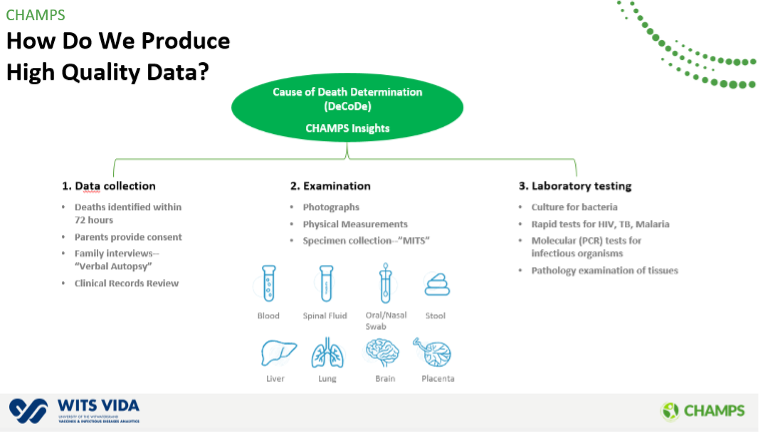
A groundbreaking study published in The Lancet Infectious Diseases Journal has identified that the vast majority of neonatal (newborn infant in the first 28 days of life) deaths caused by infections in South Africa and other low-and-middle-income countries could be prevented through improved clinical care and targeted medical interventions. The research, conducted by the Child Health and Mortality Prevention Surveillance (CHAMPS) network, utilised innovative post-mortem techniques that enables accurate identification of causes of death in low-resource settings. To provide the most granular look to date at what is killing newborns in these regions, more than 2600 neonatal deaths were analysed using minimally invasive tissue sampling (MITS).

The study, titled “Post-mortem characterisation of pathogen-specific causes of infection-related deaths in African and south Asian neonates: a prospective, observational, multicentre study which included a major surveillance site in Soweto, South Africa”, has revealed that infections are involved in 44% of neonatal deaths across multiple sites in Africa and South Asia, underscoring an urgent need to strengthen infection prevention, diagnosis, and treatment strategies. Crucially, an expert panel determined that over 80% of these infection-related deaths were preventable under current or improved facility-based conditions.

Key Findings for South Africa:

  • Dominant Hospital Pathogens: In South Africa, Acinetobacter baumannii was the overwhelming driver of hospital-acquired infections, contributing to 74.3% of presumed hospital-acquired neonatal deaths.
  • Community-Acquired Threats: Group B Streptococcus (GBS) was identified as the leading cause of community-acquired neonatal deaths in South Africa, accounting for 30.6% of such cases, followed by Escherichia coli at 24.7%.
  • Emerging Fungal Risks: South Africa was the only site to report specific life-threatening fungal infections, including Candidozyma auris and Nakaseomyces glabratus, in the causal pathway to death.
  • Preventability: The modifiable factors identified to reduce these deaths include improvements in infection prevention and control (50.8%), clinical care (50.7%), and antenatal and obstetric care (42.2%).

The findings reveal that current empirical antibiotic treatments may be insufficient, particularly in high-burden settings where antimicrobial resistance is rising. The study also shows that infections often occur alongside other conditions such as prematurity and birth complications, indicating that neonatal deaths are driven by multiple, interconnected factors.

 “These findings indicate an urgent need to review empirical antibiotic treatment for neonatal infections,” said Prof Shabir A. Madhi, Director of the South African Medical Research Council Vaccines and Infectious Diseases Analytics Research (Wits VIDA) Unit and lead author of the study. “The high prevalence of multidrug-resistant pathogens like K. pneumoniae and A. baumannii suggests our current standard protocols may no longer be sufficient. Alarmingly, some of these bacteria are resistant to all classes of antibiotics currently available.”

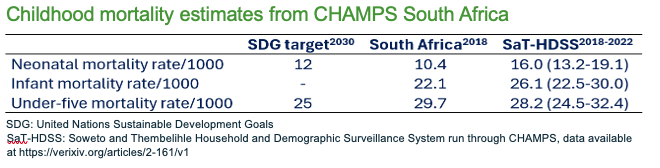
Nearly half of all deaths in children under five occur in the neonatal period, with the highest burden in Africa and South Asia. Importantly, local data further underscores the urgency of action. Within the Soweto and Thembelihle surveillance population, the neonatal mortality rate is estimated at 16.0 deaths per 1000 live births, significantly higher than both South Africa’s national estimate of 10 per 1000 and the Sustainable Development Goal (SDG) 2030 target of 12 per 1000 live births.

These findings highlight persistent inequalities in maternal and child health outcomes, even within urban settings, and reinforce the need for targeted, evidence-based interventions.

The MITS technique used at Wits VIDA uses needle biopsies rather than full autopsies to collect biological specimens. This method proved far more effective than traditional antemortem diagnostics, which failed to identify a pathogen in up to 73% of suspected sepsis cases in South Africa.

The study provides one of the most comprehensive, pathogen-specific analyses of neonatal deaths to date and ultimately, the study highlights a powerful opportunity. That most infection-related neonatal deaths are preventable. The CHAMPS consortium concludes that prioritising new maternal vaccines and strengthening hospital infection control are essential steps to reducing the high burden of neonatal mortality.

CHAMPS South Africa consistently shares its granular research findings with the National Department of Health (NDoH) through various channels to ensure this detailed evidence assists in developing targeted strategies to prevent neonatal infections. These data, which provide a precise look at the pathogens responsible for mortality, are intended to help the NDoH refine empirical antibiotic protocols and strengthen hospital infection control measures. Beyond policy-level engagement, CHAMPS collaborates with local communities to raise awareness regarding prevention strategies, specifically emphasizing the importance of early antenatal care booking and consistent attendance. By focusing on these modifiable factors, the initiative seeks to improve obstetric care and reduce the number of babies born “too soon or too small,” addressing the preterm birth complications that frequently underlie neonatal deaths.

 About CHAMPS: The Child Health and Mortality Prevention Surveillance (CHAMPS) network is a global collaboration funded by The Gates Foundation. It aims to provide accurate data on the causes of childhood death to inform policy and save lives in high-mortality regions.

Link to the study in The Lancet Infectious Diseases Journal.

Source: Wits University

Widely Used Food Preservative Implicated in Recent Uptick in UK Suicide Deaths

Disproportionately high number of cases among Gen Z, Millennials, and males

Photo by Andrew Neel on Unsplash

A chemical widely used in food preservation is implicated in an uptick in recent UK deaths by suicide, with a disproportionately high number of cases among young people and boys/men, finds a comprehensive analysis of available data for the period 2019-24, published in the open access journal BMJ Public Health.

There’s now an urgent public health need to review unrestricted access to this source, to avoid further preventable deaths, say the researchers.

Rates of death by suicide have been falling across the UK since the early 1990s. But there is some evidence of a recent uptick in the numbers, coinciding with increasing reports of suicide associated with sodium nitrite poisoning around the world, they explain. 

To find out if this form of poisoning is implicated in deaths by suicide in the UK, the researchers retrospectively analysed the details of cases submitted by coroners, forensic pathologists, and police forces between March 2019 and August 2024 to the primary UK laboratory that assesses nitrite and its oxidised metabolite, nitrate, in postmortem samples.

During this period, the laboratory received 274 samples from 201 cases of suspected deliberate or unintentional poisoning from across the UK, Ireland, and Gibraltar. 

Most of these cases came from Greater London, South East England, Ireland, and the Midlands, although these figures may reflect coroner awareness rather than true incidence, caution the researchers.

The number of cases rose substantially after 2019, the first year samples were received for nitrite/nitrate assessment.

The final analysis included only the data for which coroners granted permission for use – 82% (164) of the cases received between 2019 and 2024. 

The average age of these cases was 28, but ranged from 14–74 for males and 17–82 for females. Nearly three quarters (71%) of all the cases were among younger generations: Gen Z (33%; born 1981-96); and Millennials (38%; born 1997-2012, but listed up to 2005 to account for a separate category of minors, as 4% of cases were among those under the age of 18). 

Overall, there were more men (109) than women (52) among the cases. And more than half of the cases in each generation were men, except for the oldest classified generation (Silent, born 1928-45), where the only case was that of a woman.

Levels of nitrite and nitrate found in the blood samples were 100 times higher than would be expected physiologically in 87% of cases, suggesting that swallowing the chemical was intentional, say the researchers.

The researchers highlight some caveats to their findings, including that because nitrite and nitrate analysis isn’t routinely mandated for all suspected suicides, it’s not clear exactly how many such deaths are caused by this chemical. 

“It is therefore likely that the cases included here represent a substantial underestimate of the actual incidence. Secondly, the interval between death and sample receipt varied considerably, introducing the possibility that delays may have affected the accuracy of the biochemical measurements,” they say.

Nevertheless, the observed rise in cases among predominantly young people, who tend to be tech savvy, is concerning, they suggest. 

“Intentional poisoning has contributed to these recent increases, and at least in the USA, this
rise has been partly attributed to the use (and availability) of sodium nitrite,” they point out.

“This trend has emerged alongside freely accessible online information detailing how sodium nitrite can be obtained and used, disseminated both under the guise of providing mental health support and for more explicitly harmful purposes,” they explain.

Their findings warrant urgent action, they suggest. “Collectively, these findings establish unequivocally that use of sodium nitrite in the UK as a method of suicide is both substantial and concerning,” they write.

“Our data provide strong support for the suggestion that the improved digital literacy of younger people enables access to illicit online material promoting suicide practices and lends further support for calls for tighter legislation to prevent availability of such information in online forums,” they add.

In the meantime, steps to mitigate the effects of this type of poisoning, such as the provision of an antidote (methylthioninium chloride kits) in ambulances would be “a simple and cost effective timely method to prevent the devastating consequences of ingestion,” they point out.

*Lead researcher, Professor Amrita Ahluwalia, comments: “This is an extremely difficult subject to talk about, and we appreciate the impact that this might have on all those affected by suicide. 

“What our research shows is deeply upsetting. But it makes clear why urgent steps are needed to regulate access to this chemical and to reduce the spread of harmful information about it online.”

For anyone struggling, in South Africa SADAG’s 24 hour hotline can be contacted on 0800 567 567. In the UK and Ireland, Samaritans can be contacted on tel 116 123. In the US, call or text the National Suicide Prevention Lifeline on 988, chat on 988lifeline.org, or text HOME to 741741 to connect with a crisis counsellor. In Australia, the crisis support service Lifeline is 13 11 14. Other international helplines can be found at www.befrienders.org

Source: The BMJ Group

Africa CDC Declares Ebola Outbreak a Public Health Emergency of Continental Security

Africa CDC and the WHO are working jointly to strengthen coordination by activating an Incident Management Support Team (IMST), building on the successful model used during the mpox and cholera responses

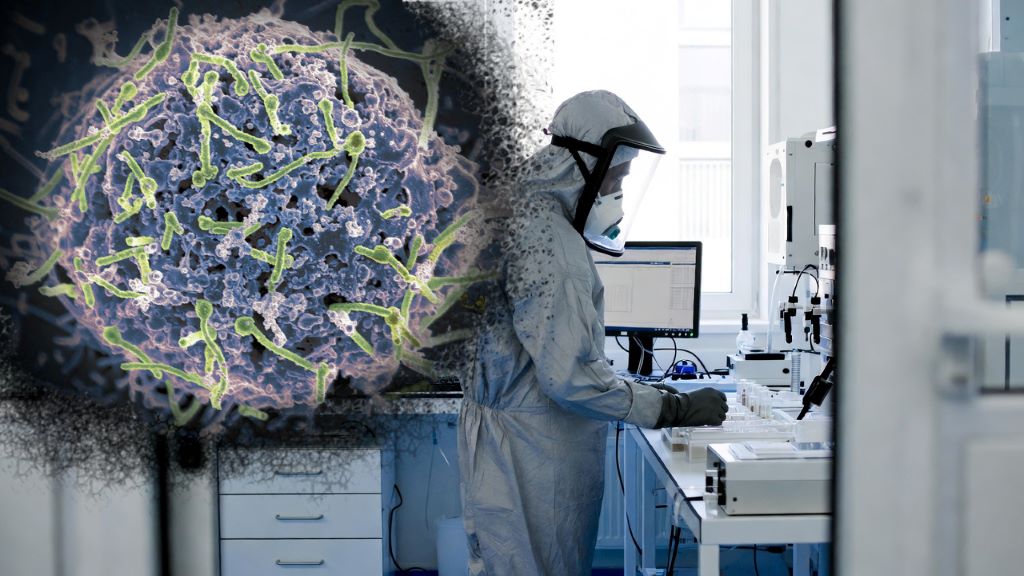
Ebola on a cell. Credit: NIH/NIAID

The Africa Centres for Disease Control and Prevention (Africa CDC), acting on the recommendations of its Emergency Consultative Group (ECG), has officially declared the ongoing Bundibugyo ebolavirus disease outbreak affecting the Democratic Republic of the Congo (DRC) and Uganda a Public Health Emergency of Continental Security (PHECS).

This declaration, under Article 3, Paragraph F of the Africa CDC Statute, empowers the organisation to lead and coordinate responses to significant public health emergencies across the continent. The statute mandates Africa CDC to “coordinate and support Member States in health emergency responses, particularly those declared a PHECS or Public Health Emergency of International Concern (PHEIC), as well as health promotion and disease prevention through health systems strengthening.”

The declaration follows extensive consultations at political, strategic and technical levels, including consultations with H.E. Mahmoud Ali Youssouf, the African Union Commission chairperson; H.E. Cyril Ramaphosa, President of South Africa and the African Union Champion for Pandemic Preparedness, Prevention and Response (PPPR); and consultations with Member States affected or at risk. This declaration was built on recommendations from the ECG, chaired by Professor Salim Abdool Karim, which reviewed the evolving epidemiological situation, regional risks, response capacities, and the implications of the confirmed Bundibugyo ebolavirus strain.

As of May 18, 2026, about 395 suspected cases and 106 associated deaths have been reported in the DRC (mainly in the Mongwalu, Rwampara, and Bunia Health Zones) and in Kampala, Uganda, where two cases and one death have been reported so far.

Africa CDC is deeply concerned about the high risk of regional spread due to intense cross-border population movement, mining-related mobility, insecurity in affected areas, weak infection prevention and control measures, community deaths occurring outside formal healthcare systems, and the proximity of affected areas to Rwanda and South Sudan.

H.E. Dr Jean Kaseya, Director General of Africa CDC, emphasised the urgency of coordinated continental action: “Today, we declare this PHECS to mobilise our institutions, our collective will, and our resources to act swiftly and decisively. The confirmation of the Bundibugyo ebolavirus in interconnected countries reminds us once again that Africa’s health security is indivisible. We must act early, act together, and act based on science.”

Dr Kaseya highlighted that the declaration would strengthen regional coordination, facilitate rapid mobilisation of financial and technical resources, reinforce surveillance and laboratory systems, support the deployment of emergency responders, and accelerate preparedness activities in neighbouring countries considered at heightened risk of transmission.

He further stressed the importance of an Africa-led and partner-supported response: “This outbreak is occurring in one of the most complex operational environments on the continent, marked by insecurity, population mobility, fragile health systems, and limited medical countermeasures for the Bundibugyo ebolavirus disease. We call upon our Member States and international partners to stand together with Africa CDC, the World Health Organization (WHO), UNICEF and the affected countries to prevent further spread and protect our populations.”

Africa CDC and the WHO are working jointly to strengthen coordination by activating an Incident Management Support Team (IMST), building on the successful model used during the mpox and cholera responses under the “4 Ones” principle: one team, one plan, one budget, and one monitoring framework.

Africa CDC has already deployed multidisciplinary experts, including specialists in epidemiology, infection prevention and control, laboratory systems, risk communication, logistics and emergency coordination, and has internally mobilised US$2 million to support the continental response.

The declaration also comes amid growing concerns about the limited availability of validated vaccines and therapeutics for the Bundibugyo ebolavirus disease. Africa CDC is therefore working closely with various partners to assess available medical countermeasures and accelerate operational research and evidence generation efforts to inform outbreak response strategies.

Professor Karim, chair of the ECG, noted: “The ECG carefully reviewed the epidemiological evidence, regional risk profile, and operational realities surrounding this outbreak. The interconnected nature of transmission between DRC and Uganda, combined with the challenges posed by insecurity and cross-border movement, requires urgent coordinated continental action.”

Ebola is a severe and often fatal illness transmitted through direct contact with bodily fluids of infected persons, contaminated materials, or deceased individuals infected with the virus. Early detection, rapid isolation and care, contact tracing, infection prevention and control, community engagement, and safe and dignified burials remain essential to interrupt transmission.

Africa CDC will continue to provide regular updates as additional epidemiological, laboratory, and sequencing information becomes available.