Day: May 11, 2026

Viatris Expands Nurse-owned Clinics in Partnership with Rhiza Babuyile Recognising Nurses’ Key Role in Sustainable Healthcare Access
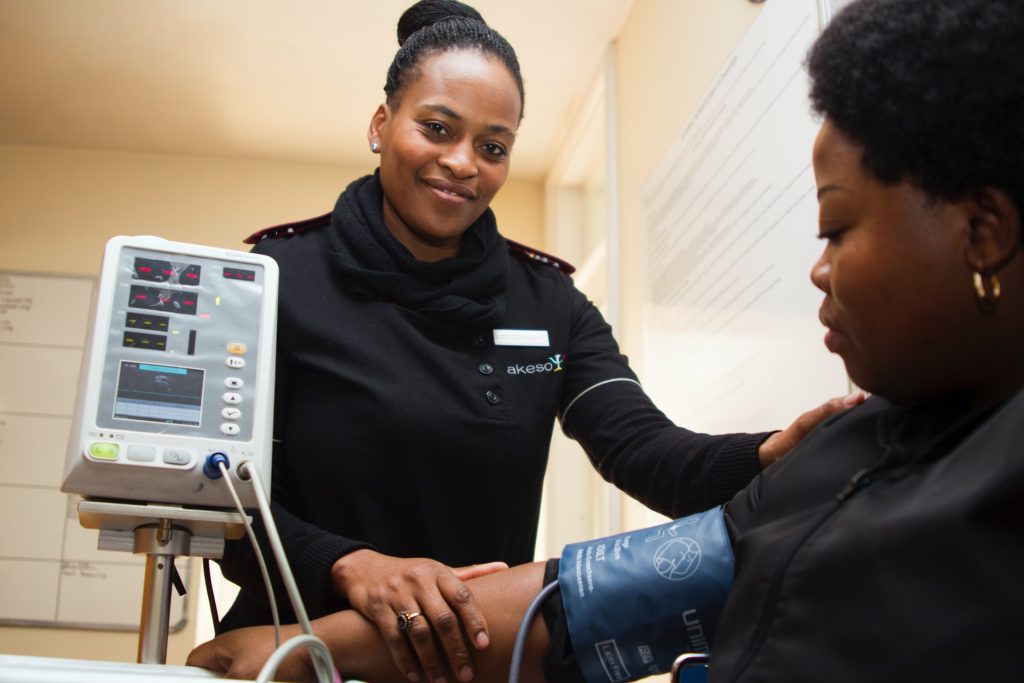
Photo by Hush Naidoo on Unsplash

As demand for healthcare services continues to grow in South Africa, scalable, community-based healthcare models are playing an increasingly important role in improving access to care.

Viatris Inc. (Nasdaq: VTRS), a global healthcare company, commenced its partnership with South African non-profit organisation Rhiza Babuyile in 2020 to support scalable, community-based models that bring care closer to patients. This includes a growing network of nurse-led clinics, which are helping to close critical access gaps while strengthening local healthcare capacity.

Today, six clinics supported by Viatris, across South Africa and Sub-Saharan Africa, are operational, forming part of a broader network of community-based healthcare programmes that collectively reach thousands of patients annually.

This expansion reflects Viatris’ broader global ambition to deliver sustainable access to healthcare at scale – ensuring that patients, regardless of geography, can access the medicines and services they need. This ambition reflects Viatris’ mission to empower people worldwide to live healthier at every stage of life.

“Across the world, healthcare systems are under increasing pressure, and the need for sustainable, scalable solutions has never been greater,” said Arvind Kanda, Head of ARV/API SA and SSA. “Our focus is on building healthier communities by expanding access to medicines, and empowering healthcare providers, especially nurses, who are essential to delivering care. By supporting locally driven models that provide care directly to communities, we can help build stronger, more resilient health systems for the future.”

This International Nurses Day, Viatris is recognising the vital role nurses play in expanding access to quality, sustainable healthcare – particularly in underserved communities where they are often the first and most trusted point of care.

In South Africa, nurses form the backbone of the healthcare system, accounting for approximately 80% of the country’s healthcare workforce and serving as the primary point of care for millions of patients[i]. This makes their role in community-based care models not only essential, but transformative. Globally, nurses represent the largest segment of the health workforce and are indispensable in addressing inequities in access to care – a role that is especially critical in underserved communities.[ii]

One such example is Sr. Nompumelelo Mudalahothe, who began her journey as a nurse at the Rhiza Babuyile Diepsloot clinic and has since progressed to become a healthcare manager overseeing the Mpathy nursepreneur clinics. Her journey reflects how investing in nurse-led models can unlock both improved patient outcomes and meaningful career pathways.

She says, “In many communities, nurses are the first, and sometimes only, point of access to healthcare.” She also explains that she became a nurse to make a difference in people’s lives: “Working in my own community allows me to do that every day. The clinic is more than just a place to get treatment, it’s a place where they feel heard, supported and understood.”

Rhiza Babuyile founder and board member Alef Meulenberg says one such example is when a patient brought a 4-month-old baby to the clinic. “The baby was non-responsive and would have died. Our nurse was already on her way home, but opened the clinic, stabilised the baby and afterwards referred the patient to a nearby hospital for further treatment. This baby is now fortunately doing well and has the chance for a long, healthy life.”

The clinics themselves continue to evolve, expanding beyond primary healthcare to offer services such as chronic disease management and access to chronic medication, as well as optometry services and, in one facility, x-ray capabilities. These integrated services are critical in addressing the growing burden of non-communicable diseases and improving continuity of care at community level.

Viatris’ approach is grounded in its long-term vision to be a trusted healthcare partner – one that combines global expertise with local insight to improve health outcomes and expand access in a meaningful, sustainable way. As the company continues to evolve its portfolio and strengthen its global footprint, this commitment remains central to its path forward.


[i] Abrahams, F. (2025). Assessing the composition of nurses in South Africa versus global standards. International Journal of Africa Nursing Sciences.

[ii] World Health Organization (2020). State of the World’s Nursing 2020: Investing in Education, Jobs and Leadership

What Factors are Involved in the Co-occurrence of Autism in Children with Epilepsy?

Photo by Peter Burdon on Unsplash

Children with epilepsy have a higher risk of also having autism spectrum disorder (ASD). A new study in Developmental Medicine & Child Neurology examined factors associated with the co-occurrence of autism and epilepsy in a large population-based group.

For the study, investigators at the Mayo Clinic compared the prevalence of autism spectrum disorder in children with and without epilepsy based on medical records, and they evaluated associated factors including sex, age at autism identification, and intellectual disability. The study included 30 490 children in the Olmsted County, Minnesota birth cohort, of whom 257 (0.84%) had epilepsy diagnosed before 19 years of age.

Autism prevalence was significantly higher among children with epilepsy as compared with children without across all three research and clinical definitions assessed (21.4% versus 3.2% using broad research criteria, 14.0% versus 1.6% using stricter research criteria, and 7.9% versus 0.7% for clinical diagnosis).

Children with epilepsy and autism were more likely to have intellectual disability (56.5% versus 15.4%), were more often female (38.2% versus 25.8%), and were identified with autism at a younger age (7.4 versus 8.7 years) compared with those without autism.

“These observations highlight clinically relevant differences within this group and underscore the importance of early recognition of developmental concerns,” said lead author Mariya Saify. MBBS.

Senior author Elaine C. Wirrell, MD added that although children with epilepsy are at an elevated risk of autism, recognition can be delayed. “Our findings emphasise the importance of screening for autism in this population to support earlier diagnosis and timely intervention, both of which are key to improving long-term outcomes.”

Source: Wiley

New Drug with Fewer Side Effects Reduces Breast Density

Photo by National Cancer Institute on Unsplash

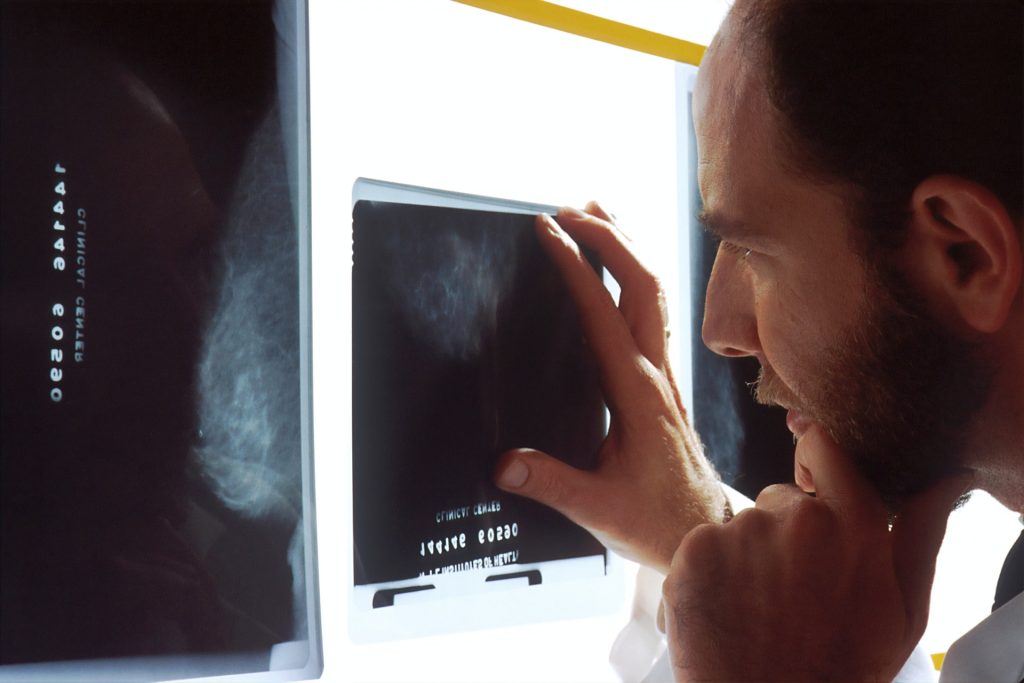
Low doses of the investigational medicinal product endoxifen reduce breast density to the same extent as the standard treatment tamoxifen, but without causing such troublesome side effects. These are the findings of a new study from Karolinska Institutet which appears in the Journal of the National Cancer Institute. The results may have implications for future preventive treatment of breast cancer.

Tamoxifen is a well-established drug that has been used for more than 40 years to reduce the risk of recurrence in patients with breast cancer. The drug is also approved for prevention of breast cancer in women at increased risk.

However, the side effects of tamoxifen are a major problem. Many women experience menopausal-like symptoms, such as hot flushes, which means that many do not complete the treatment.

Endoxifen is the most active metabolite formed when tamoxifen is broken down in the body. The new study investigated whether endoxifen in tablet form could provide the same biological impact and a more predictable effect than tamoxifen.

A total of 240 healthy, premenopausal women were randomised to receive a placebo or 1 or 2 mg of endoxifen daily for six months. The researchers then measured mammographic breast density. High mammographic density can contribute to an increased risk of breast cancer but a reduction during treatment can be a good measure of therapeutic outcome.

”Both 1 and 2 milligrams of endoxifen resulted in a clear reduction in breast density compared with the placebo,” says Mattias Hammarström, co-author and PhD candidate at the Department of Medical Epidemiology and Biostatistics at Karolinska Institutet.

The results show that 1mg of endoxifen reduced breast density by an average of 19% and 2mg by 26%. Data from a previous study show that 20mg of tamoxifen reduces density by approximately 18.5%. The effect of low-dose endoxifen thus corresponded to that seen with tamoxifen.

Participants who received 2mg of endoxifen reported a greater worsening of hot flushes and night sweats compared with the lower-dose group, whilst the 1 mg group had a safety profile similar to that of the placebo with respect to serious side effects and biomarkers.

”Our results suggest that a lower dose may be sufficient to affect breast density, whilst also appearing to be better tolerated,” says Mattias Hammarström.

The study is a so-called proof-of-concept trial, meaning it is designed to demonstrate that a treatment produces the expected biological effect before larger and longer trials are conducted. However, the study cannot show whether endoxifen reduces the risk of breast cancer or recurrence.

Source: Karolinska Institutet

One Molecule, Two Effects: A New Drug Concept to Treat Obesity and Type 2 Diabetes

Photo by Nataliya Vaitkevich on Pexels

A team led by metabolism researcher Prof Timo D. Müller at Helmholtz Munich has developed a new approach for treating obesity and type 2 diabetes: a hybrid molecule uses the well-known GLP-1/GIP signalling pathway as a “door opener” and delivers an additional metabolic modulator specifically into the target cells. In laboratory experiments, mice subsequently ate less, lost more weight and showed improved blood glucose values compared with reference treatments. The researchers published their preclinical results in the journal Nature.

Modern incretin therapies – drugs that mimic the body’s own satiety and blood-glucose signals (GLP-1/GIP) – have markedly improved the treatment of obesity and type 2 diabetes. Yet a key challenge remains: physicians would like to use further metabolic “levers”, for example drugs that make cells more responsive to insulin, so that glucose moves more easily from the blood into tissues. However, such additional drugs often act system-wide rather than in a targeted manner, increasing the risk of side effects.

“Our guiding question was: how can we enhance incretin activity without creating a second, systemically active source of side effects?” says the study lead Timo D. Müller, Director of the Institute for Diabetes and Obesity (IDO) at Helmholtz Munich, Professor at the Ludwig Maximilian University of Munich (LMU) and researcher at the German Center for Diabetes Research (DZD). 

Müller’s team therefore pursued the idea of an “address label with cargo”: the researchers chemically linked a well-established incretin active component to a second pharmacological component – the drug lanifibranor, a so-called pan-PPAR agonist. The incretin part binds to GLP-1 or GIP receptors on the cell surface and ensures that the hybrid molecule is taken up into the cell. Inside the cell, the second component binds to PPARs – “switches” in the cell nucleus that regulate genes involved in fat and sugar metabolism. The aim is for this additional metabolic effect to arise specifically in GLP-1R/GIPR- expressing cells, rather than throughout the body.

Low Dose via a “Trojan Horse”

Functionally, the hybrid molecule combines five drug targets in one: it activates two receptors on the cell surface (GLP-1R and GIPR) and additionally engages three PPAR “switches” inside the cell. Müller describes the principle as a “Trojan horse”: the incretin part opens the door; the “cargo” acts only once it is inside the target cell. “A major advantage is the amount,” says Müller. “Because the second component is not administered separately and systemically, but ‘travels along’ with the incretin part, it can be used at a dose that is orders of magnitude lower.” In this way, the drug gains efficacy without amplifying side effects through broad distribution across the body.

In laboratory mice with diet-induced obesity, the approach showed clear effects: “The animals ate less and lost more weight than under a GLP-1/GIP co-agonist without cargo,” says Dr Daniela Liskiewicz, group leader at IDO and co-first author together with Dr Aaron Novikoff. “In the head-to-head comparisons shown, the effect was in part even stronger than with a GLP-1-only drug.” The study therefore suggests that the coupling is not merely “more of the same”, but measurably strengthens incretin activity – at least in mice.

Additional Metabolic Readouts Improve

It was not only body weight that changed: in the experiments, blood-glucose values improved and there were indications of better insulin action in the body. Put simply, insulin was better able to “channel” glucose from the blood into tissues, and the liver released less glucose into the bloodstream. At the same time, the researchers report that typical gastrointestinal side effects were comparable in their assessment to those of existing incretin therapies – and that, in the parameters examined, they found no indications of two feared issues associated with the coupled component, namely fluid retention and anaemia.

Beyond glucose metabolism, the mouse data also provided indications of additional, potentially favourable effects on the heart and liver. It is important to note that this is a preclinical study: whether the results will translate to humans remains open – also because the GIP receptor differs between mice and humans. “We see a principle with strong effects in the animal model – now the task is to optimise the approach for humans and move it towards the clinic,” says Müller. For that development, strong industry partners will be needed, he adds.

Source: Helmholtz Association of German Research Centres

T Cells, not B Cells, Are the Culprit of Kidney Damage in Lupus

Chronic kidney disease (CKD). Credit: Scientific Animations CC4.0

Kidney damage is a serious complication affecting individuals with lupus, an autoimmune disease where immune B cells malfunction and produce antibodies that attack the body’s own cells, tissues, and organs.

B cells, when they make autoantibodies, have been blamed for the illness, prompting the development of several FDA-approved medications that target them. However, lupus nephritis is inevitable in more than half of patients with lupus and B cell depletion is often ineffective therapeutically.

Now, in a study published April 20 in ImmunityYale scientists have found that the kidney damage culprit is actually a specific T cell – the CD8 T cell.

“People have been, to some extent, ignoring CD8 T cells because of their focus on B cells and the production of autoantibodies,” says lead author Jafar Al Souz, an MD-PhD student in the lab of Joseph Craft, MD, Paul B. Beeson Professor of Medicine (Rheumatology) and professor of immunobiology at Yale School of Medicine. “But we need to think more deeply about why current therapies fail in some patients.”

T cells drive kidney damage in lupus

Previous work in the Craft Lab has shown that blocking T cells’ activity in mouse models of lupus could spare the animals from kidney injuries. That result prompted Al Souz to look closer at this subset of the immune cells.

“What I saw was that these T cells in the sick kidney had a killer phenotype; they were very activated with the potential to cause kidney damage,” he says. Nearly all of these cells were CD8 T cells – also known as cytotoxic T lymphocytes – which are generally tasked with identifying and killing pathogens. That they are aggravated in the kidneys of mouse models of lupus shows that the cells see the kidney as a foreign invader that needs to be destroyed, Al Souz says.

He also found that when the CD8 T cells were depleted, the kidney function was maintained.

Using single-cell multiomics, a high-resolution technique to simultaneously measure the various molecular characteristics of a cell, analysing simultaneous RNA production, gene regulation, and T cell identity, the researchers pinned down the origin of the CD8 T cells to the renal lymph nodes.

“What gave us the biggest clue was that the CD8 T cells in the kidney had very strong overlap with the cells in renal lymph nodes,” Al Souz says. T cells normally undergo rapid proliferation, where one T cell multiplies and generates identical offspring that target the same antigen proteins. “We know that once a T cell is activated in renal lymph nodes, it will leave, go to the circulation and then enter kidneys. So, the fact that we saw identical T cells in renal lymph nodes, circulation, kidneys tells us that the lymph nodes were actually the site of origin.”

What is unique about these CD8 T cells is their capacity to self-renew like stem cells, a discovery that sheds light on a long-held mystery of why it’s hard to stop treatment in patients with lupus. “Constant therapy is needed because these CD8 T cells in the lymph nodes continually supply the kidney with T cells that can damage the organ,” says Craft, who is also the director of the Colton Center for Autoimmunity at Yale.

Targeting T cells for treatment

To draw parallels in humans, the researchers used single-cell RNA sequencing to analyse biopsies from 156 patients with lupus nephritis and 30 healthy individuals. Just as they found in mice, the researchers identified kidney-infiltrating CD8 T cells with the stem-like property in the patients. Unlike in healthy individuals, there was a significantly higher proportion of CD8 T cells that were always active and ready to cause damage in the patients’ kidneys.

“Generally, CD8 T cells are good at pumping the brakes and limiting damage potential upon chronic activation. But we found that in lupus, even when molecules that should stop these T cells from damaging healthy cells are present, it didn’t make the T cells lose function and the capacity for kidney injury,” Al Souz says.

The tendency for T cells to attack a person’s own cells is a typical autoimmune response. For example, in type 1 diabetes – an organ-specific autoimmune disease – T cells mistakenly recognise pancreatic beta cells as foreign and destroy them, thereby stopping insulin production. In cancer and chronic diseases, the ability for T cells to replenish could be beneficial, leading to the elimination of pathogens and tumours. However, the role of T cells in systemic autoimmune diseases like lupus has not been fully described.

“Our results show that there’s more to it than what we understand,” Al Souz says.

By identifying the real culprit, the researchers hope that future treatment of lupus nephritis will be more targeted. “The first step is knowing that it’s abnormal in the first place,” Craft says. “Now, we can think about strategies to lower the number of active CD8 T cells back to the normal range.”

By Kristel Tjandra

Source: Yale School of Medicine

Does 432Hz Tuning Improve your Wellbeing? A Music Psychologist Unpacks the Evidence

Photo by morefun_boy on Unsplash

Sandra Garrido, University of Sydney

If you scroll through social media for long enough, you’ll probably find videos claiming that listening to songs tuned to “A 432Hz” can provide an amazing sense of calmness or healing.

It’s even claimed that listening to music tuned to this frequency can align your internal frequencies to those of the universe. It’s an alluring idea – that simply listening to music tuned in a specific way could improve your health.

But does it have any scientific basis?

An ancient idea

Firstly, what does it even mean if songs are tuned to A 432Hz?

Hertz (or Hz) is a measurement of frequency, or the number of times sound waves vibrate per second. Sounds are transmitted as waves through the air which hit our eardrums to create the sensation of hearing. The more quickly those sound waves are vibrating, the higher the pitch of the note.

In standard concert tuning, the note A above middle C is tuned to 440Hz. A 432Hz tuning simply means the pitch of that A and all the other notes in the music are tuned a little lower than normal.

Some argue 432Hz is closer to natural harmonic frequencies than 440Hz and that using this tuning is therefore better for wellbeing.

The idea that sounds or music can heal or even align us with the cosmos is not new. Long before social media, the ancient Greeks linked sound to the frequencies of the universe. Pythagoras proposed musical notes were governed by simple numerical ratios, the same ratios he believed underpinned the cosmos itself.

Later, medieval and Renaissance thinkers built on these ideas with the concept of “music of the spheres” – the idea that sound could be used to align us with the vibrations of the planets in a kind of cosmic harmony that influenced human emotions and wellbeing.

No magical effect

Although the concept of cosmic alignment is intriguing, there’s little scientific support for the idea that specific frequencies have any magical effect on wellbeing.

In one study from 2019, researchers played movie soundtracks tuned to 440 Hz to participants on one day and to 432 Hz on another day, finding that after listening to the 432 Hz tunings participants had slightly decreased heart rate and blood pressure. However, the study was limited by a very small sample and non-randomisation of participants, making it difficult to separate true frequency effects from expectancy or general relaxation responses.

Modern research suggests the effects of sound or music on wellbeing are less about any single special frequency, and more about how we perceive and interpret sound.

Some have theorised the use of frequencies that correspond to specific brainwave patterns such as delta waves (0.5–4Hz, associated with deep sleep), or alpha waves (8–12Hz, associated with relaxed wakefulness), can make the brain synchronise to those frequencies and achieve a relaxed state.

However, research in support of this theory is inconclusive. One study from 2017 found no changes in electrical activity in the brain after hearing such frequencies presented as binaural beats.

Binaural beats themselves are another form of sound that many claim can have miraculous effects on wellbeing. When two slightly different frequencies are played separately into each ear, the brain perceives a rhythmic pulse at a rate equal to the difference between the two frequencies. This is called a binaural beat.

There is some evidence that our physiological systems (such as breathing and heart rate) synchronise to any beat that we hear. This can help lower our levels of arousal or alertness.

That’s why most of us tend to be attracted to slower, calmer sounding music when we want to relax, for example, since the slower beat helps slow our breathing and heart rate and make us feel sleepier or calmer.

Focusing on your own response

Does that mean binaural beats have any special therapeutic effect? Not really.

A recent study found binaural beats can increase relaxation and alter brain activity. But crucially, similar effects were also observed with other types of moving or spatialised sounds. The authors concluded the benefits were likely driven by general auditory features rather than the binaural beats themselves.

It all comes down to individual preferences and perceptions. For example, binaural beats are frequently associated with meditation or mantras. And it could be this association which enhances the supposed wellbeing effects of binaural beats for some people.

Similarly with music tuned to A 432Hz.

Our brains tend to interpret sounds as expressions of emotional states. When humans are relaxed, our voices are usually lower in pitch than when we are excited or agitated.

Thus, notes of a lower pitch are sometimes perceived as more relaxing than notes that are higher pitched. Again, this doesn’t mean there is anything special or magical about 432Hz tunings – just that for many people, lower pitched notes seem calmer. The same effect could be achieved by listening to other music or frequencies with a lower pitch.

So while 432Hz might sound soothing to some ears, it’s not a shortcut to cosmic alignment. Rather than thinking about the numbers, focus on really becoming aware of your own response. Notice how different sounds make you feel, what slows your breathing, eases your body, or lifts your mood.

When it comes to wellbeing, what works is what works for you.

Sandra Garrido, Senior Research Fellow, School of Psychology, University of Sydney

This article is republished from The Conversation under a Creative Commons license. Read the original article.