Category: Rheumatology

Why Drugs Targeting Interleukin-17 Don’t Work in Rheumatoid Arthritis

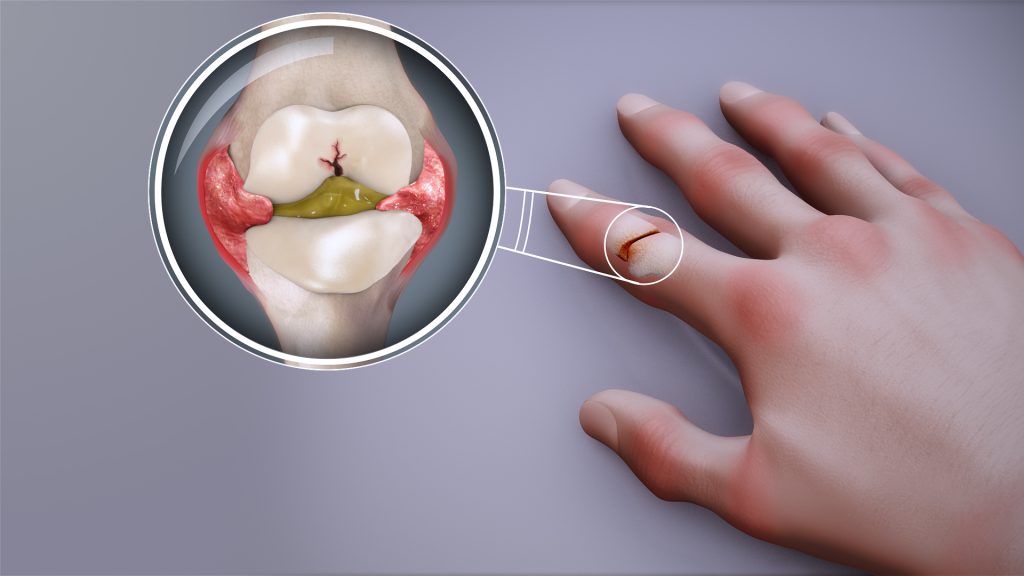
Rheumatoid arthritis. Credit: Scientific Animations CC4.0

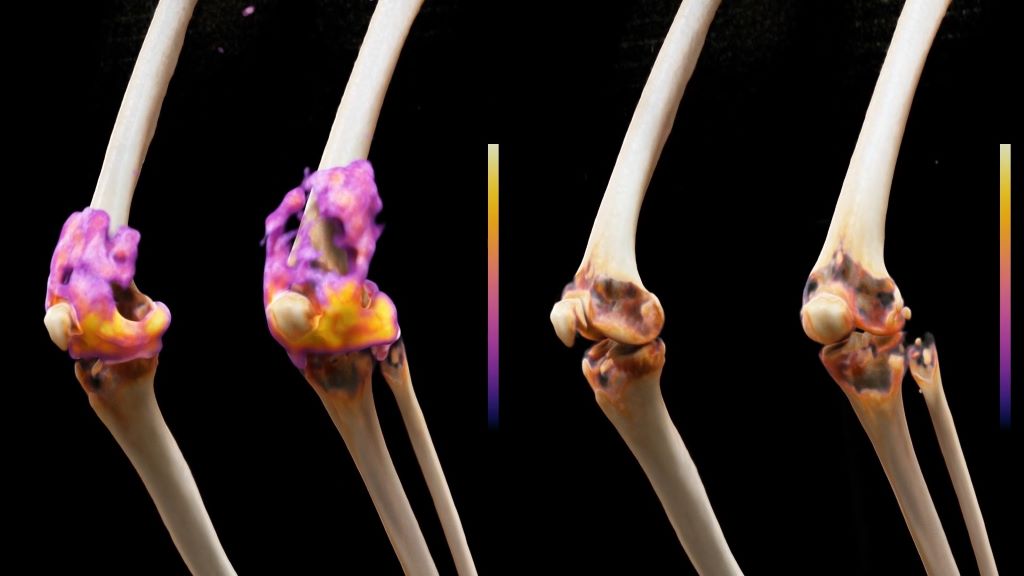
Cedars-Sinai investigators may have figured out why certain immunosuppressive treatments don’t work well in rheumatoid arthritisIn a study published in Science Immunology, scientists traced the problem to specific changes that occur in immune cells within the joints as the disease progresses.

The findings could lead to more effective therapies for the incurable autoimmune disease.

“Our discoveries point to the importance of the tissue environment in worsening rheumatoid arthritis and driving resistance to antirheumatic medications,” said Nunzio Bottini, MD, PhD, director of the Kao Autoimmunity Institute at Cedars-Sinai, professor of Medicine and corresponding author of the study.

Rheumatoid arthritis causes chronic inflammation in the joints. In other forms of autoimmune arthritis, inflammation can be relieved by targeting interleukin-17, one of several proteins that can contribute to joint inflammation.

In experiments involving human rheumatoid arthritis tissues and laboratory mice, investigators showed that, over time, the immune cells that produce interleukin-17 gradually stop making it. This finding helps explain why IL-17-targeted treatments do not work well against established rheumatoid arthritis.

“These immune cells can also change in ways that make them more aggressive and able to sustain inflammation even without interleukin-17,” Bottini said.

Changes to the immune cells appear to be driven by synoviocytes – nonimmune cells that produce the lubricating synovial fluid in the joints, according to the study.

Bottini said that the Department of Computational Biomedicine at Cedars-Sinai, particularly the laboratory of Kyoung Jae Won, PhD, played a key role in the study by contributing critical work in spatial biology, an emerging field that studies how cells function within their tissue environments.

The findings carry significant implications for treating rheumatoid arthritis, according to Joyce So, MD, PhD, chief genomics officer at Cedars-Sinai and medical director of the newly established Center for Genomic Medicine at Cedars-Sinai Guerin Children’s.

“This important new insight contributes to shifting the paradigm of how we understand rheumatoid arthritis progression and why IL-17 treatments haven’t worked as well as expected,” So said. “Only with a precise understanding of the biological mechanisms of disease can effective, precision therapies be developed. In the meantime, clinicians can help patients in early or presymptomatic stages make the most of treatments that may lose effectiveness over time.”

Source: Cedars–Sinai

Common Arthritis Drug Reveals Hidden Benefit

Photo by Towfiqu Barbhuiya on Unsplash

Methotrexate, a common medication used to treat rheumatoid arthritis, has a newly recognised useful secondary effect to lower blood pressure and potentially reduces the risk of heart disease in people with this condition.

A new study, led by Flinders University and Southern Adelaide Local Health Network (SALHN) researchers, has shown that methotrexate significantly lowers blood pressure when compared to another arthritis drug, sulfasalazine. The findings, published in Annals of Medicine, mark the first clear evidence of this effect in newly diagnosed patients.

Occurring in about one in 100 people, rheumatoid arthritis (RA) is a common autoimmune disease which leads to inflammation and pain in the connective tissue of a patient’s joints.

Over six months, the South Australian and Italian researchers followed 62 newly diagnosed adults who had not yet started treatment.

Half were given methotrexate and the other half received sulfasalazine. Researchers then measured their blood pressure, joint inflammation, and stiffness in their arteries at the beginning of the study, then again after one and six months.

Lead author of the study, Professor Arduino Mangoni, from Flinders University’s College of Medicine and Public Health, and SALHN’s Department of Clinical Pharmacology, says they wanted to see if methotrexate could lower systolic blood pressure, which indicates how much pressure your blood is exerting against artery walls when your heart beats.

“We found that methotrexate lowered systolic blood pressure by an average of 7.4mmHg compared with people taking sulfasalazine,” says Professor Mangoni, Strategic Professor of Clinical Pharmacology.

“This kind of reduction is considered meaningful because even a small drop in blood pressure can lower the risk of serious heart problems like heart attacks and strokes.”

Interestingly, this benefit did not seem to be linked to changes in either arthritis symptoms or the stiffness of arteries, suggesting that it might be helping the heart in other ways, like calming inflammation or improving how blood vessels work.

Professor Arduino says the findings are exciting because they show methotrexate might do more than just treat rheumatoid arthritis.

“We’ve known for a while that methotrexate helps with inflammation, but now we’re seeing that it may also help lower blood pressure, which is a major risk factor for heart disease,” he says.

“This could be a big step forward in how we care for people with rheumatoid arthritis.”

The researchers also looked at how genetics might play a role in how well methotrexate works and found that certain genetic traits made some people more likely to experience a drop in blood pressure while taking the drug.

“In short, if someone has specific gene variants, methotrexate might add a heart health benefit to its usual role in treating rheumatoid arthritis by the positive effect on blood pressure,” he says.

The researchers say that this opens the door to more personalised treatment options, where doctors could use genetic testing to predict who might benefit most from methotrexate’s heart-protective effects.

Study coordinator and medical scientist, Dr Sara Tommasi, says that although more research is needed to confirm these findings and understand exactly how methotrexate lowers blood pressure, the results are promising.

“The results suggest that this well-known arthritis drug could also play a role in protecting heart health, especially in people who are at higher risk due to inflammation,” says Dr Tommasi from the College of Medicine and Public Health and South Adelaide Local Health Network.

Source: Flinders University

Immune Ageing Found to Drive – Not Be Driven by – Rheumatoid Arthritis

Rheumatoid arthritis. Credit: Scientific Animations CC4.0

Features of immune system ageing can be detected in the earliest stages of rheumatoid arthritis (RA), even before clinical diagnosis, a new study has found which provides at-risk individuals with hope for early intervention.

The research led by academics at the University of Birmingham, delivered through the National Institute for Health and Care Research (NIHR) Birmingham Biomedical Research Centre, and published in the journal eBioMedicine shows that individuals with joint pain or undifferentiated arthritis already exhibit signs of a prematurely aged immune system, suggesting that immune ageing may play a direct role in the development of RA.

The study involved 224 participants across various stages of RA development and was funded by FOREUM and the European League Against Rheumatism (EULAR). It represents one of the most comprehensive analyses of immune ageing in RA to date.

Researchers found that patients with early immune ageing features were more likely to develop RA. These findings could lead to the development of predictive tools that identify at-risk individuals and enable timely treatment.

“We’ve discovered that immune ageing isn’t just a consequence of rheumatoid arthritis—it may be a driver of the disease itself,” said Dr Niharika Duggal, senior author of the study and Associate Professor in Immune Ageing at the University of Birmingham. “We found that people in the early stages of rheumatoid arthritis ie, before a clinical diagnosis show signs of faster immune system ageing.

“These findings suggest we might be able to intercept the disease development in at-risk individuals and prevent it from developing by using treatments that slow ageing, such as boosting the body’s natural process for clearing out damaged cells (autophagy).”

Key Findings

  • Hallmarks of immune ageing, including reduced naïve T cells and thymic output, were observed in patients with early joint symptoms.
  • An elevated IMM-AGE score revealed accelerated immune ageing in patients before RA diagnosis.
  • Elevated levels of inflammatory markers (such as IL-6, TNFα, and CRP) were found in preclinical stages.
  • Advanced ageing features, including senescent T cells and inflammatory Th17 cells, appeared only after RA was fully established.

The study suggests that targeting ageing pathways could offer new strategies to prevent RA. Future research should determine whether geroprotective drugs such as spermidine (autophagy booster), senolytics (clearance of senescent cells) and metformin (attenuates inflammation and boosts autophagy) may help slow or halt disease progression in high-risk individuals.

Source: University of Birmingham

Improving Prediction of Worsening Knee Osteoarthritis with an AI-assisted Model

New model that combines MRI, biochemical, and clinical information shows potential to enhance care

Illustration highlighting the integration of MRI radiomics and biochemical biomarkers for knee osteoarthritis progression prediction. Created with Biorender.

Image credit: Wang T, et al., 2025, PLOS Medicine, CC-BY 4.0

An artificial intelligence (AI)-assisted model that combines a patient’s MRI, biochemical, and clinical information shows preliminary promise in improving predictions of whether their knee osteoarthritis may soon worsen. Ting Wang of Chongqing Medical University, China, and colleagues present this model August 21st in the open-access journal PLOS Medicine.

In knee osteoarthritis, cartilage in the knee joint gradually wears away, causing pain and stiffness. It affects an estimated 303.1 million people worldwide and can lead to the need for total knee replacement. Being able to better predict how a person’s knee osteoarthritis may worsen in the near future could help inform more timely treatment. Prior research suggests that computational models combining multiple types of data – including a patient’s MRI results, clinical assessments, and blood and urine biochemical tests – could enhance such predictions.

The integration of all three types of information in a single predictive model has not been widely reported. To address that gap, Wang and colleagues utilized data from the Foundation of the National Institutes of Health Osteoarthritis Biomarkers Consortium on 594 people with knee osteoarthritis, including their biochemical test results, clinical data, and a total of 1,753 knee MRIs captured over a 2-year timespan.

With the help of AI tools, the researchers used half of the data to develop a predictive model combining all three data types. Then, they used the other half of the data to test the model, which they named the Load-Bearing Tissue Radiomic plus Biochemical biomarker and Clinical variable Model (LBTRBC-M).

In the tests, the LBTRBC-M showed good accuracy in using a patient’s MRI, biochemical and clinical data to predict whether, within the next two years, they would experience worsening pain alone, worsening pain alongside joint space narrowing in the knee (an indicator of structural worsening), joint space narrowing alone, or no worsening at all.

The researchers also had seven resident physicians use the model to assist their own predictions of worsening knee osteoarthritis, finding that it improved their accuracy from 46.9 to 65.4 percent.

These findings suggest that a model like LBTRBC-M could help enhance knee osteoarthritis care. However, further model refinement and validation in additional groups of patients is needed.

The authors add, “Our study shows that combining deep learning with longitudinal MRI radiomics and biochemical biomarkers significantly improves the prediction of knee osteoarthritis progression—potentially enabling earlier, more personalized intervention.”

The authors state, “This work is the result of years of collaboration across multiple disciplines, and we were especially excited to see how non-invasive imaging biomarkers could be leveraged to support individualized patient care.”

Co-author Prof. Changhai Ding notes, “This study marks a step forward in using artificial intelligence to extract meaningful clinical signals from complex datasets in musculoskeletal health.”

Provided by PLOS

Small Changes in Walking Technique May Help Treat Knee Osteoarthritis

Photo by Kampus Production on Pexels

Gait analysis and pain measures show that subtly adjusting the angle of the foot during walking may reduce knee pain caused by osteoarthritis, an approach which may also slow progression of the incurable condition.

Led by a team of researchers at NYU Langone Health, the University of Utah, and Stanford University, a new study explored whether changing the way patients position their feet when walking could lessen extra loading, helping to treat the disease.

For the investigation, the scientists tested this intervention in 68 men and women with mild to moderate knee osteoarthritis and then used advanced MRI scans to track how well it worked.

The results suggest that those trained to angle their feet slightly inward or outward from their natural alignment experienced slower cartilage degeneration in the inner part of their knee compared with those who were encouraged to walk more frequently without changing their foot position. The study is reported online in The Lancet Rheumatology.

“Although our results will have to be confirmed in future studies, they raise the possibility that the new, noninvasive treatment could help delay surgery,” said study co-lead author Valentina Mazzoli, PhD.

Dr. Mazzoli, an assistant professor in the Department of Radiology at NYU Grossman School of Medicine, notes that the earlier patients receive a knee replacement, the more likely they are to require additional procedures in the future.

The findings also revealed that those who adjusted their foot angle reduced their pain score by 2.5 points on a 10-point scale, an effect equivalent to that of over-the-counter pain medications. By contrast, those who did not change their gait reduced their pain scores by little more than a point.

“Altogether, our findings suggest that helping patients find their best foot angle to reduce stress on their knees may offer an easy and fairly inexpensive way to address early-stage osteoarthritis,” added Dr. Mazzoli.

About one in seven Americans have some form of osteoarthritis, commonly in the inner side of the knee, according to the U.S. Centers for Disease Control and Prevention. A leading cause of disability, the disease is often managed with pharmaceutical pain relievers, physical therapy, and in the most severe cases, knee-replacement surgery. Experts believe that excess loading can over time contribute to the condition.

Past research has offered little evidence that changes in gait can effectively reduce knee pain caused by osteoarthritis, says Dr. Mazzoli. Some previous trials trained all participants to adopt the same foot angle and found no relief, while others did not compare the intervention to a control group or only followed the participants for a month.

The new study is the first to show that tailoring each patient’s foot angle to their unique walking pattern can alleviate the disease’s symptoms in the long term and may slow cartilage breakdown, the authors say.

Dr Mazzoli adds that this technique may have a significant advantage over pharmaceutical painkillers. These drugs, she says, do not address the underlying disease and can cause liver and kidney damage, stomach ulcers, and other unwanted side effects when taken for long periods.

For the study, the research team recorded the participants walking on a treadmill at a specialized gait-assessment laboratory. A computer program simulated their walking patterns and calculated the maximum loading that occurred in the inner side of their knees. Next, the team generated computer models of four new foot positions—angled inward or outward by either 5 or 10 degrees—and estimated which option reduced loading the most.

The patients were then randomly divided into two groups. Half were trained in six sessions to walk with their ideal angle, while the other half were instructed to continue walking naturally. Pain scores and MRI scans were taken at the beginning of the study period and one year after the intervention.

Study findings showed those who adjusted their gait reduced the maximum loading in the knees by 4 percent, while those who kept their normal walking pattern increased their loading by more than 3 percent.

“These results highlight the importance of personalizing treatment instead of taking a one-size-fits-all approach to osteoarthritis,” said Dr. Mazzoli. “While this strategy may sound challenging, recent advances in detecting the motion of different body parts using artificial intelligence may make it easier and faster than ever before.”

While the authors relied on a specialized laboratory for the new study, AI software that estimates joint loading using smartphone videos is now available and can allow clinicians to perform a gait analysis in the clinic.

The researchers next plan to test whether these tools can indeed identify the most effective walking method for osteoarthritis patients, says Dr. Mazzoli. They also plan to expand their study to people with obesity.

Source: NYU Langone Health

Exercise Breakthrough Offers Relief for People with Rheumatoid Arthritis

The novel exercise involves applying a pneumatic cuff to restrict the flow of blood. Credit: University of South Australia

New research from the University of South Australia is offering fresh hope to people living with rheumatoid arthritis (RA).

Evaluating the effectiveness of a novel form of exercise – blood flow restricted resistance training – among people with RA, researchers found that this alternative workout method not only improved their strength and physical performance, but also reduced their pain.

Blood flow restricted resistance training involves placing a pneumatic cuff – much like a blood pressure cuff – around the top of the working limb. The cuff is then inflated so that it restricts blood flow out of the limb, creating a highly metabolic environment which forces the muscles to work harder, even when using lighter weights or less effort.

The Arthritis Australia-funded study is the first to trial blood flow restricted resistance training on both the upper and lower limbs in people with RA, using five exercises – leg press, machine hamstring curl, machine knee extension, cable tricep extension, and cable bicep curl – with gradually increasing weights.

All participants in the study reported that they “liked” the programme, and the group showed clear improvements in strength, movement and pain levels.

Lead researcher UniSA’s Dr Hunter Bennett says the training offers a practical and achievable option for people with RA.

“RA can cause a loss of muscle mass and strength, which affects day-to-day activities, independence, and increases the risk of falls and fractures,” he says.

“Resistance training is one of the best ways to rebuild that strength, but for people with RA, using heavy weights can be difficult or harmful due to pain, fatigue or injury risk. This is where blood flow restricted resistance training can help.”

Dr Bennett says this approach is ideal for people who need to do resistance exercises but find it hard to lift weights.

“Many people with health conditions are understandably deterred by exercise, yet it is often one of the best things they can do to improve their condition,” he says.

And while this exercise might look unusual, the research shows that it works.

“This kind of training could be a game-changer for people with rheumatoid arthritis.

“It offers a way to build strength and reduce pain without pushing through discomfort – and that’s incredibly empowering for people who’ve often been limited by their condition.”

While this was a small-scale trial, researchers say the results are promising and lay the foundations for a larger trial comparing blood flow restricted resistance exercise to more traditional exercise approaches.

Source: University of South Australia