Johannesburg, 30 July 2026: The Wits University Liver Transplant Programme has reached its 1000th liver transplant, marking a defining milestone for South African medicine and for one of Africa’s most comprehensive transplant programmes.
A collaboration between Wits Donald Gordon Medical Centre and Charlotte Maxeke Johannesburg Academic Hospital, the liver transplant programme has become a national and regional referral hub for patients across the healthcare system.
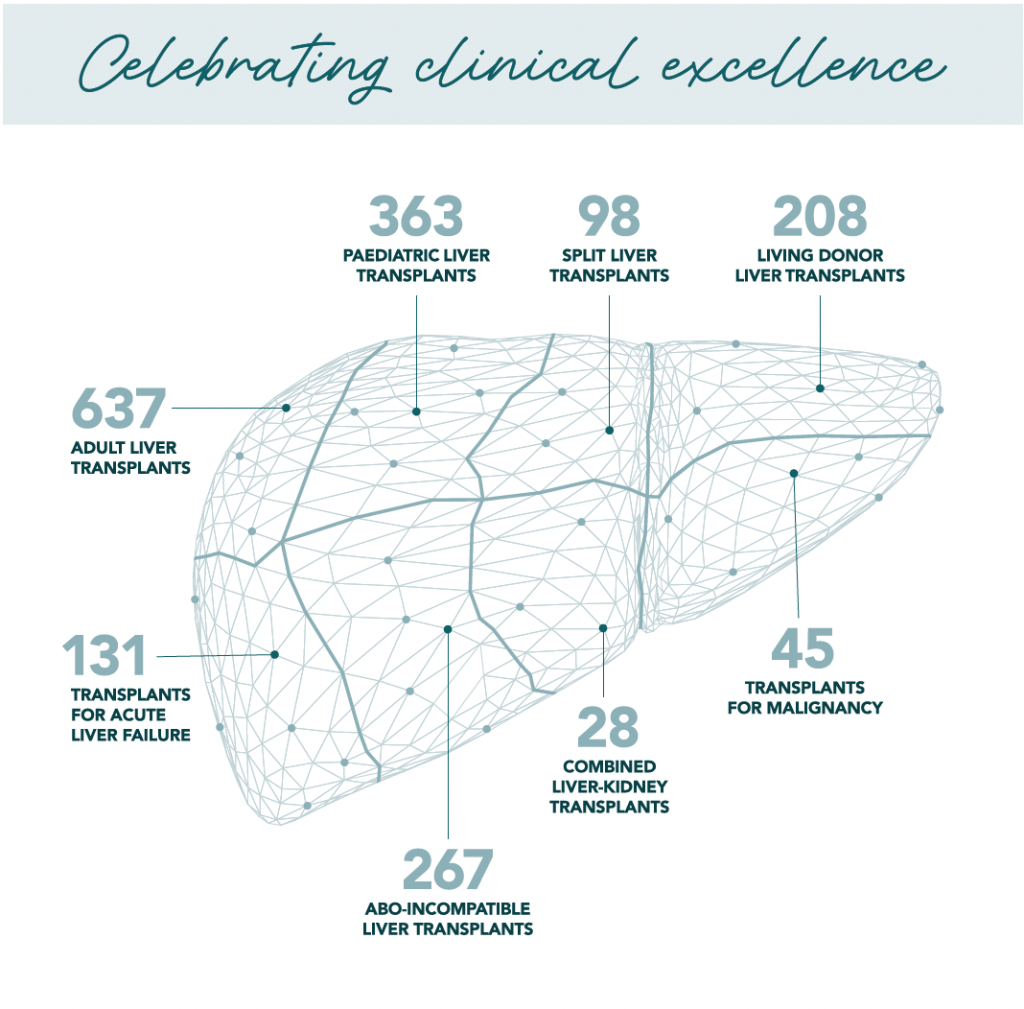
Of the 1000 liver transplants, 637 were performed in adults and 363 in children.
Since performing its first liver transplant in 2004, the programme has introduced living donor liver transplantation for both adults and children, expanded expertise in split liver transplantation and ABO (blood group)-incompatible transplantation, pioneered HIV-positive donor liver transplantation, performed monosegment liver transplantation and, most recently, introduced liver machine perfusion technology to help maximise the use of scarce donor organs.
The 1 000th transplant milestone demonstrates what is possible when academic medicine, scientific research, education and healthcare partners work together in pursuit of a common purpose, increasing access to healthcare for all.
Professor Jerome Loveland, Academic Head of Transplantation at Wits, says the programme has continually expanded the boundaries of what is possible through clinical innovation, multidisciplinary expertise, research and academic training in a country facing a severe shortage of donor organs.
“People often see the transplant operation as the defining moment. In reality, it is the culmination of years of expertise and systems development across highly specialised teams. The 1000th transplants reflect the legacy handed to us by those who built the programme, past and present, the extraordinary multidisciplinary expertise that sustains it today and our responsibility to train the people who will carry it forward.”
While the programme celebrates its 1000th transplant, it also highlights one of South Africa’s greatest ongoing healthcare challenges. Many patients continue to wait for life-saving donor organs. Advances such as living donor transplantation, split liver transplantation and liver machine perfusion are helping to expand access to transplantation, but increasing awareness of organ donation remains essential if more patients are to receive the chance of a longer, healthier life.
Researchers from the Wits Vaccines and Infectious Diseases Analytics (Wits VIDA) Research Unit at the University of the Witwatersrand (Wits) have played a leading role in a landmark international phase 1 / 2 clinical trial demonstrating the safety and immunogenicity of an investigational maternal vaccine against Group B Streptococcus (GBS) – a major cause of life-threatening infections in newborn babies worldwide. The findings have been published in Nature Medicine.
The study evaluated Pfizer’s investigational hexavalent Group B Streptococcus conjugate vaccine candidate (GBS6) in both non-pregnant women and pregnant women, together with their infants. The trial found that the vaccine was generally well tolerated, generated robust immune responses against all six clinically important GBS serotypes, and resulted in efficient transfer of GBS-specific antibodies from vaccinated mothers to their babies.
Wits VIDA was central to the implementation and successful conduct of the clinical trial. South Africa was the primary recruiting country, contributing the overwhelming majority of study participants across both the early and later stages of the trial, reflecting the country’s internationally recognised expertise in maternal and infant vaccine research.
Group B Streptococcus is one of the leading causes of neonatal sepsis, meningitis and pneumonia, accounting for approximately 300 000 serious infections, including 100 000 deaths, in young infants globally each year. The greatest burden of GBS disease in infants occurs in Africa and other low- and middle-income countries, with South Africa reporting among the highest incidence globally (approximately 2-3 cases for every 1000 births). Also, maternal GBS infection could predispose to preterm labour and stillbirths. Current prevention strategies based on intrapartum antibiotics have important limitations, particularly in resource-constrained settings, and do not protect against late-onset disease. Consequently, the WHO has designated a vaccine against GBS, to be given to women during pregnancy aimed at protecting their young infant, as a priority vaccine for development.
Professor Shabir Madhi, Director of Wits VIDA and one of the study’s senior investigators, said: “This publication represents another important milestone in the decades-long effort to develop an effective maternal vaccine against Group B Streptococcus. Maternal immunisation offers the opportunity to protect newborns during the most vulnerable first months of life, when they are at greatest risk of severe infection. These encouraging findings provide further evidence supporting continued development of this vaccine.”
The trial demonstrated comparable safety outcomes between vaccine and placebo recipients. Among pregnant participants, rates of adverse events, serious adverse events and delivery outcomes were similar between the two groups. Infants born to vaccinated mothers likewise had similar safety outcomes to those born to mothers receiving placebo. Importantly, vaccinated mothers developed high concentrations of antibodies that crossed the placenta efficiently, resulting in robust antibody levels in their infants at birth.
The publication builds on Wits VIDA’s longstanding leadership in vaccine research, which has contributed to the development and evaluation of vaccines against respiratory syncytial virus (RSV), rotavirus, pneumococcal disease, influenza virus, COVID-19 and now Group B Streptococcus. The unit continues to play a pivotal role in generating evidence that informs global maternal and child health policy.
The study also highlights the importance of South Africa’s clinical research infrastructure and its contribution to advancing vaccines designed to address diseases that disproportionately affect African populations.
While additional studies are required before the vaccine can be licensed, the results provide strong support for continued clinical development of maternal GBS vaccination as a strategy to reduce newborn deaths and severe infections worldwide.
Wits is currently enrolling in a phase 3 trial for GBS6 (NCT: NCT07160244).
About Wits VIDA
The Vaccines and Infectious Diseases Analytics (VIDA) Research Unit at the University of the Witwatersrand is one of the world’s leading centres for vaccine and infectious disease research. VIDA conducts internationally recognised clinical trials, epidemiological studies and translational research focused on reducing the burden of infectious diseases, particularly among mothers, infants and children in Africa. Its research has contributed to the development and implementation of several life-saving vaccines globally.
When 12-year-old Eugene underwent a highly specialised facial reanimation procedure earlier this year, the surgery represented something profoundly human, the possibility of smiling for the first time.
Born with Moebius syndrome, a rare neurological condition that affects facial movement and expression, Eugene had spent his life unable to smile, blink properly or express emotion through facial movement. And while his story is emotionally powerful, it also shines a light on a far broader healthcare reality, the growing importance of highly specialised reconstructive surgery in restoring not only appearance but movement, function, dignity and quality of life.
At Wits Donald Gordon Medical Centre (WDGMC), reconstructive microsurgery is helping redefine what is possible for patients facing some of the most complex medical challenges, from congenital conditions and cancer to severe trauma and tissue loss.
Often misunderstood as a field focused primarily on cosmetic procedures, reconstructive microsurgery sits at the intersection of surgical precision, innovation and long-term patient rehabilitation. These procedures frequently involve transplanting tissue, muscle and nerves from one part of the body to another and reconnecting blood vessels, often measuring less than two millimetres in diameter, under microscopic magnification.
Leading this work at WDGMC is Dr Dimitri Liakos, a plastic and reconstructive surgeon with fellowship training in reconstructive microsurgery and super microsurgery.
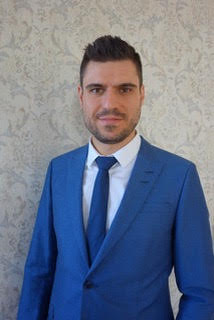
Dr Dimitri Liakos, a plastic and reconstructive surgeon with fellowship training in reconstructive microsurgery and super microsurgery.
“These procedures are not simply about appearance,” says Dr Liakos. “They are about restoring function, movement and ultimately helping patients regain parts of their lives that were lost or that they were born without.” In Eugene’s case, surgeons transferred functioning muscle together with its blood and nerve supply into the face, reconnecting these delicate structures under a microscope so movement could gradually return over time.
Eugene’s procedure was facilitated through the support of the Smile Foundation, which works to improve access to reconstructive surgery for children requiring specialised care.
“We are deeply grateful to Wits Donald Gordon Medical Centre and Dr Dimitri Liakos for their dedication in supporting Eugene on his journey,” says Tarri Parfitt, CEO of Smile Foundation. “It is truly remarkable to open a world-class facility to this family and provide care at the highest level of expertise. Facial reanimation surgery is profoundly life-changing. For Eugene, it represents the possibility of expression, connection and a future he may never have imagined before. For Smile, it was also an invaluable opportunity for other surgeons to learn from such a rare and complex case, turning one surgery into the potential to help many more children like Eugene. We highly value the opportunity to work alongside Wits Donald Gordon Medical Centre on cases such as this and look forward to helping many more children together.”
While these procedures are performed in highly specialised centres globally, access to this level of care remains limited in South Africa due to the advanced infrastructure, multidisciplinary expertise and years of specialised training required to perform them successfully.
For WDGMC, however, the ability to perform these surgeries forms part of a broader commitment to advancing highly specialised care within South Africa’s healthcare system while simultaneously strengthening academic medicine and specialist training.
As an academic hospital affiliated with the University of the Witwatersrand, WDGMC has become an important training environment for complex reconstructive microsurgery in South Africa. The hospital recently established the country’s first reconstructive microsurgery fellowship programme for qualified plastic surgeons, helping expand the number of specialists capable of performing these highly technical procedures.
“We have a responsibility not only to perform these surgeries, but to transfer the skill,” says Dr Liakos. “If we do not train future microsurgeons, access to this level of specialised care will remain limited.”
According to Dr Liakos, successful reconstructive microsurgery depends not only on surgical expertise but on building the right multidisciplinary environment around patients.
“To do these cases successfully, you need a dedicated team and an environment that functions seamlessly,” he explains. “Microsurgery is never a one-person effort. It is the nursing staff, anaesthetists, theatre teams and systems around you that make these outcomes possible.”
For surgeons working in the field, the impact of reconstructive microsurgery extends far beyond the operating theatre.
“These surgeries can take 10 or 12 hours. They are physically and emotionally demanding,” says Dr Liakos. “But when you step back and realise that what you are doing may change the course of a person’s life forever, it gives meaning to every moment spent in theatre.”
As WDGMC continues to build on its reconstructive microsurgery programme and the country’s first fellowship of its kind, the hospital is helping shape a future in which South African patients can access world-class reconstructive care close to home and in which the specialists capable of providing that care are trained locally.
A South African clinical study that began in a research unit in Gqeberha (PE), Eastern Cape, has transformed global treatment of drug-resistant tuberculosis. Furthermore, the study’s findings were published this week in the New England Journal of Medicine (NEJM), the highest-ranked medical journal in the world.
The publication recognises that this research study has set the global standard for TB care.
The BEAT Tuberculosis clinical study, conducted at the Clinical Health Research Unit (CHRU) Isango Lethemba TB Research Unit in the Eastern Cape and King Dinizulu Hospital Complex in KwaZulu-Natal, enrolled more than 400 participants over two years during the Covid-19 pandemic.
The study was executed by the University of the Witwatersrand in collaboration with the National Department of Health and funded by the United States Agency for International Development (USAID).
“This project has gone full circle,” says Dr Francesca Conradie, principal investigator of BEAT Tuberculosis and a researcher at the Clinical Health Research Unit (CHRU), University of the Witwatersrand. “The results from this trial have changed international guidelines. Being published in the New England Journal of Medicine is proof that South Africa produces world-class research that improves the lives of patients globally.”
Treatment for the whole family
The primary aim of BEAT Tuberculosis was to evaluate the safety and effectiveness of a novel, shortened treatment regimen for DR-TB compared with the established standard of care. The standard treatment at the time required a seven-drug regimen administered over a minimum of nine months. BEAT Tuberculosis tested a streamlined regimen of four to five medications, including the newer agents bedaquiline and delamanid, administered over six months.
The BEAT Tuberculosis trial enrolled children, pregnant women and breastfeeding mothers alongside adults. These former groups are usually excluded from clinical research. The result is a treatment regimen that can be used across the entire family.
“This is a one-size-fits-all treatment regimen,” explains Conradie. “Adherence is much easier when the three-year-old, the teenager, the mother and the father are all receiving treatment of similar duration and composition. That simplicity saves lives.”
The study enrolled 10 pregnant women. All 10 women gave birth to healthy babies, and nine of them were successfully treated. BEAT Tuberculosis has since been cited internationally as a model for inclusive clinical research methodology, and the findings have influenced World Health Organization policy on the treatment of DR-TB globally, including for pregnant women and children.
South Africa’s National Clinical Advisory Committee already reviews and approves the regimen for pregnant women presenting with Drug-Resistant TB, while other provinces are adopting the treatment, particularly when treating children.
During 2024, South Africa had 249,000 people who were infected with active tuberculosis, and 54 000 died from the disease,” says Professor Norbert Ndjeka, Chief Director: TB Control and Management, National Department of Health. “Not only did BEAT TB produce world-class research, but it is also being implemented progressively across South Africa and globally and is internationally recognised. South Africa has accomplished something exceptional.”
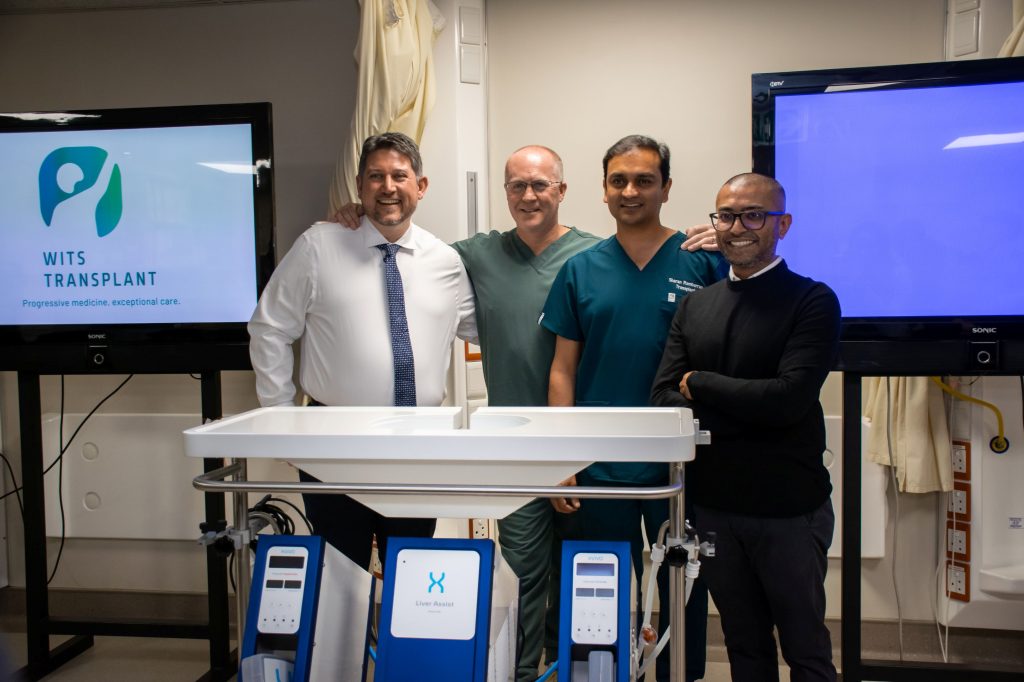
L-R – Dr Bilal Bobat, Professor Jerome Loveland, Dr Sharan Rambarran and Dr Dinen Parbhoo, the transplant team at Wits Donald Gordon Medical Centre alongside the liver perfusion machine, the first of its kind to be implemented on the African continent.
Johannesburg, 12 June 2026:For a patient waiting for a liver transplant in South Africa, the hardest part is not the surgery. It is the wait and the knowledge that an organ may never come. In a country facing severe organ shortages, every decision to accept or decline a donor liver carries immense weight and every viable organ that goes unused represents a lost opportunity to save a life.
At the centre of changing this reality is the Wits Donald Gordon Medical Centre (WDGMC), home to one of the leading liver transplant programmes in Africa and a unit internationally recognised for its contribution to specialised transplant care, research and surgical training. Having performed over 1 000 liver transplants, the programme represents decades of expertise, innovation and collaboration.
Now, WDGMC, in partnership with Surgeons for Little Lives and with support from key corporate sponsor Weelee, has introduced a state-of-the-art liver perfusion machine, becoming the first transplant centre on the African continent to implement this technology for liver transplantation.
This technology keeps donor livers viable outside the body while clinicians assess, monitor and actively improve the condition of the organ before transplantation. By allowing transplant teams to better maintain organ viability, the machine has the potential to increase organ utilisation, reduce complications and improve transplant outcomes for patients who may otherwise not survive the wait.
“As a transplant programme, our responsibility extends far beyond the operating theatre,” says Professor Jerome Loveland, Head of Solid Organ Transplantation at WDGMC. “This technology will help us better assess donor organs and increase the number of livers that can safely be transplanted, whilst simultaneously improving results. In a country where every donor organ matters, this will have a significant impact on organ utility and patient outcomes.”
South Africa’s transplant programmes continue to achieve strong outcomes despite operating within a severely resource-constrained environment and against the backdrop of ongoing organ shortages. As a result, transplant teams are often required to make difficult decisions under significant pressure.
“This technology changes the level of information we have available before transplantation. Traditionally, organs are preserved on ice and assessment is limited. Machine perfusion allows us to monitor how the liver is functioning outside the body. Beyond the valuable information it provides, the machine has the ability to resuscitate the liver by delivering oxygen to the liver cells, creating the best metabolic environment outside the body. This helps us make more informed clinical decisions and potentially increases the number of organs that can safely be transplanted,” says Dr Sharan Rambarran, Transplant Surgeon at WDGMC.
The introduction of the machine is also expected to contribute to reduced post-operative complications, shorter hospital stays and improved recovery outcomes.
“Too many patients in South Africa deteriorate while waiting for a transplant because there are simply not enough donor organs available,” says Dr Bilal Bobat, Transplant Hepatologist at WDGMC. “Anything that helps us safely expand organ utilisation has the potential to directly impact survival and quality of life for patients and families facing end-stage liver disease.”
“Weelee is always looking for opportunities to contribute to causes that create real and lasting impact,” says Errol Levin, CEO of Weelee. “Supporting advancements in liver perfusion technology aligns perfectly with our commitment to innovation that improves lives. This ground-breaking initiative has the potential to save countless lives and we are proud to be associated with a project of such significance.”
WDGMC plays a unique role within South Africa’s healthcare system. As a private academic hospital affiliated with the University of the Witwatersrand, the Centre combines highly specialised clinical care with academic medicine and collaboration across both the private and public healthcare sectors.
While the technology represents an important advancement in liver transplantation, clinicians stress that increasing organ donation awareness remains critical to improving access to life saving transplants in South Africa.
For the transplant teams, this marks not only a clinical advancement but the beginning of a broader effort to continue strengthening transplant medicine in South Africa.
New post-portem study reveals over 80% of infection-related neonatal deaths in South Africa are preventable.
Photo by William Fortunato on Pexels
A groundbreaking study published in The Lancet Infectious Diseases Journal has identified that the vast majority of neonatal (newborn infant in the first 28 days of life) deaths caused by infections in South Africa and other low-and-middle-income countries could be prevented through improved clinical care and targeted medical interventions. The research, conducted by the Child Health and Mortality Prevention Surveillance (CHAMPS) network, utilised innovative post-mortem techniques that enables accurate identification of causes of death in low-resource settings. To provide the most granular look to date at what is killing newborns in these regions, more than 2600 neonatal deaths were analysed using minimally invasive tissue sampling (MITS).
Dominant Hospital Pathogens: In South Africa, Acinetobacter baumannii was the overwhelming driver of hospital-acquired infections, contributing to 74.3% of presumed hospital-acquired neonatal deaths.
Community-Acquired Threats: Group B Streptococcus (GBS) was identified as the leading cause of community-acquired neonatal deaths in South Africa, accounting for 30.6% of such cases, followed by Escherichia coli at 24.7%.
Emerging Fungal Risks: South Africa was the only site to report specific life-threatening fungal infections, including Candidozyma auris and Nakaseomyces glabratus, in the causal pathway to death.
Preventability: The modifiable factors identified to reduce these deaths include improvements in infection prevention and control (50.8%), clinical care (50.7%), and antenatal and obstetric care (42.2%).
The findings reveal that current empirical antibiotic treatments may be insufficient, particularly in high-burden settings where antimicrobial resistance is rising. The study also shows that infections often occur alongside other conditions such as prematurity and birth complications, indicating that neonatal deaths are driven by multiple, interconnected factors.
“These findings indicate an urgent need to review empirical antibiotic treatment for neonatal infections,” said Prof Shabir A. Madhi, Director of the South African Medical Research Council Vaccines and Infectious Diseases Analytics Research (Wits VIDA) Unit and lead author of the study. “The high prevalence of multidrug-resistant pathogens like K. pneumoniae and A. baumannii suggests our current standard protocols may no longer be sufficient. Alarmingly, some of these bacteria are resistant to all classes of antibiotics currently available.”
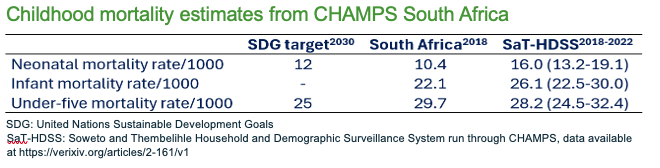
Nearly half of all deaths in children under five occur in the neonatal period, with the highest burden in Africa and South Asia. Importantly, local data further underscores the urgency of action. Within the Soweto and Thembelihle surveillance population, the neonatal mortality rate is estimated at 16.0 deaths per 1000 live births, significantly higher than both South Africa’s national estimate of 10 per 1000 and the Sustainable Development Goal (SDG) 2030 target of 12 per 1000 live births.
These findings highlight persistent inequalities in maternal and child health outcomes, even within urban settings, and reinforce the need for targeted, evidence-based interventions.
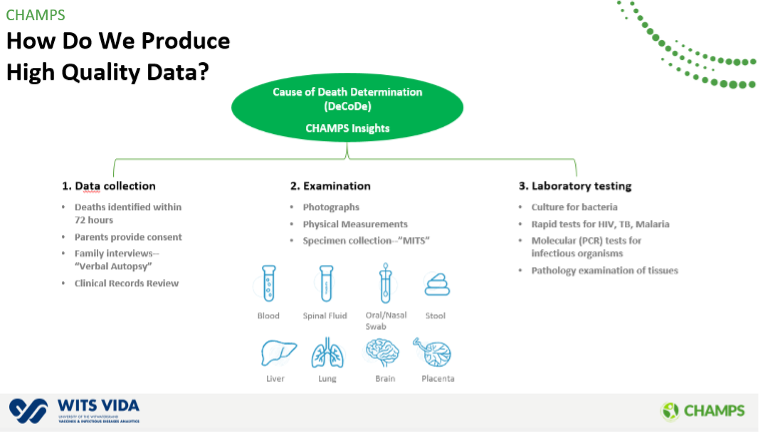
The MITS technique used at Wits VIDA uses needle biopsies rather than full autopsies to collect biological specimens. This method proved far more effective than traditional antemortem diagnostics, which failed to identify a pathogen in up to 73% of suspected sepsis cases in South Africa.
The study provides one of the most comprehensive, pathogen-specific analyses of neonatal deaths to date and ultimately, the study highlights a powerful opportunity. That most infection-related neonatal deaths are preventable.The CHAMPS consortium concludes that prioritising new maternal vaccines and strengthening hospital infection control are essential steps to reducing the high burden of neonatal mortality.
CHAMPS South Africa consistently shares its granular research findings with the National Department of Health (NDoH) through various channels to ensure this detailed evidence assists in developing targeted strategies to prevent neonatal infections. These data, which provide a precise look at the pathogens responsible for mortality, are intended to help the NDoH refine empirical antibiotic protocols and strengthen hospital infection control measures. Beyond policy-level engagement, CHAMPS collaborates with local communities to raise awareness regarding prevention strategies, specifically emphasizing the importance of early antenatal care booking and consistent attendance. By focusing on these modifiable factors, the initiative seeks to improve obstetric care and reduce the number of babies born “too soon or too small,” addressing the preterm birth complications that frequently underlie neonatal deaths.
About CHAMPS: The Child Health and Mortality Prevention Surveillance (CHAMPS) network is a global collaboration funded by The Gates Foundation. It aims to provide accurate data on the causes of childhood death to inform policy and save lives in high-mortality regions.
South Africa is facing an alarming increase in non-communicable diseases and related mortality. According to Statistics South Africa, deaths due to non-communicable diseases such as type 2 diabetes and hypertension increased by over 58% between 1997 and 2018.
The crisis of overweight and obesity in the country adds to the risk of these diseases. Nearly 40% of the adult population is overweight. Although physical activity can help prevent and manage many non-communicable diseases, 47% of adults do not engage in any physical activity. Most people struggle to meet the World Health Organization’s recommended 150-300 minutes of moderate-intensity aerobic physical activity per week.
A significant part of the challenge is that people have adopted an “all or nothing” approach to physical activity. The perception is that one has to participate in structured workouts, such as gym sessions, running, or cycling.
Instead, research has shown that even brief, low-intensity movements can yield measurable physical and mental health benefits. Even everyday tasks count. New evidence shows that short movement bouts of less than five minutes can have positive health implications.
As researchers in exercise science and sports medicine we have observed that physical activity is particularly low in South Africa. Only 19.8% of adults meet the WHO’s guideline, against the global average of 73%.
Our study of 62 office-based workers at the University of the Witwatersrand also showed the short-term health impact of height-adjustable, sit-to-stand desks. Our intervention reduced prolonged sitting and slightly improved indicators such as body mass index and blood pressure. Given South Africa’s high burden of obesity and sedentary lifestyles among office workers, these improvements are encouraging and support global health messaging that even modest increases in daily movement can positively influence health.
These findings were the springboard for the “Mzansi, what’s your move?” campaign at the university. We want to encourage staff and students to move more by showing how simple actions add up to physical activity. The campaign is supported by a series of comics and murals on campuses.
Here, we highlight some of the actions that we used in our campaign to encourage everyone to get moving. These are daily tasks that may seem mundane but count as physical activity, while reflecting people’s realities.
Housework
Many people do not consider housework a form of physical activity. But tasks like sweeping, mopping or vacuuming require sustained movement and engage multiple muscle groups.
Scrubbing floors, washing windows and cleaning bathrooms involve movements such as squatting and stretching. Working in the garden can strengthen muscles too.
As part of our campaign, we’ve developed comic strips that highlight movements that can be done at home and in the community. We emphasise how all family members can move in ways that fit their lifestyles and physical abilities.
Active commuting
Walking or cycling to work or school contribute significantly to daily physical activity. Studies have shown that active commuting is associated with lower body fat, reduced blood pressure, and improved mental well-being.
Including movement into daily travel routines is a practical way to accumulate physical activity without setting time aside. Walking briskly to a train station, cycling a few kilometres to work, or taking a longer walking route to drop off children at school accumulates over time. Even seemingly small changes, such as getting off the bus one stop early or taking the stairs instead of the elevator, produce measurable health benefits over weeks and months.
However, achieving the full benefits of active commuting is complex and it relies on cities building and maintaining road infrastructure. In South Africa, safety is a legitimate concern for all road users. A 2024 Statistics South Africa report shows that more pedestrians than car occupants died in road crashes in 2007, 2013, and 2019. Another safety concern relates to the country’s high crime rates. People may be reluctant to walk, even in their own neighbourhoods.
These challenges are not insurmountable. For starters, people should consider people moving in groups, joining walking and running clubs.
Beyond what individuals can do, municipalities can do something about green spaces. This includes ensuring that parks are safe to walk in and are clean. Broken pavements and bicycle lanes need to be maintained in all neighbourhoods.
Incidental movements
Incidental movements refer to small bouts of activity that occur throughout the day. Integrating these movements into everyday life can yield significant health benefits, especially in office contexts, where many people sit for extended periods. Employers can try nudging staff, for example to use the stairs instead of elevators, with simple posters or painted footprints. Another way to encourage physical activity is to centralise shared equipment (printers, bins, water stations) so that staff walk short distances.
Micro-breaks also provide opportunities for informal movements. Stretching during meetings or after long sitting periods, standing discussions instead of seated ones, and walking meetings for small groups all contribute to the physical activity of employees.
In 2024, we investigated the short-term impact of physical activity interventions such as high-intensity interval training and moderate-intensity continuous training on 43 labourers at the University of the Witwatersrand. The number of participants in this study was small, but the findings show that our intervention reduced indicators such as waist circumference, body mass index, blood glucose and blood pressure, and improved physical fitness.
Way forward
People don’t need a gym membership or a strict workout schedule to get moving. Simple, everyday activities all add up to meaningful physical activity. Small movements help to reduce the risks of chronic diseases, strengthen muscles, boost mental wellbeing, and counteract the harmful effects of prolonged sitting.
These “movement snacks” make exercise accessible, manageable and sustainable, particularly for people who find structured workouts intimidating or time-consuming.
As we commemorate Mental Illness Awareness Month and Psychosocial Disability Awareness Month, a staggering 92% of South Africans living with mental health conditions are not receiving the treatment they need. Yet, research continues to show that collaborative care—where mental health and primary care providers work together—can significantly improve patient outcomes, service satisfaction, and overall quality of life. People with serious mental illness (SMI) are particularly vulnerable as SMI is associated with marked functional impairment and high levels of stigma. SMIs typically include psychotic disorders, bipolar and related disorders, major depression, and severe anxiety and stress-related disorders.
A new study published in Cambridge Prisms’ Global Mental Healthexplores how integrating community psychiatric services into primary health care (PHC) clinics improves access for individuals with SMI in South Africa. However, the study also reveals persistent challenges related to limited resources, weak management systems, and fragmented collaboration between health care providers as key setbacks.
Conducted in the Sedibeng District, the research forms part of a broader study series focused on patients’ experiences. It is modelled on global evidence to assess the impact of community-based collaborative care—a model increasingly adopted worldwide to strengthen mental health delivery in PHC settings.
Why Integrated Mental Health Care?
Also known as Integrated Care, this health care model plays a vital role in improving access to mental health services by bringing care closer to communities. It relies on bringing together PHC providers such as physicians, nurses and mental health providers to deliver coordinated, person-centred care.
Integrated care is believed to yield better health outcomes for individuals living with SMIs, who often have comorbid physical health conditions. Saira Abdulla, the lead researcher in the study and Wits PhD fellow based at Centre for Health Policy says the paper highlights key shortfalls in how collaborative care is implemented in this district. This includes poor communication, unclear roles within multidisciplinary teams, and the absence of case managers to coordinate care, with providers instead coordinating care in an ad-hoc manner.
Infrastructure and Staffing Challenges in Integrating Mental Health into Primary Care in Sedibeng
In the Sedibeng District, community-based psychiatry services have been integrated into select primary healthcare (PHC) clinics through two operational models: co-located and physically integrated services. In co-located settings, psychiatric teams operate from separate spaces adjacent to PHC clinics and use independent systems for clinical records. By contrast, physically integrated services are delivered within the same spaces as PHC clinics, using shared management structures and record-keeping systems.
However, a recent study reveals that PHC facilities in the district are not adequately designed to support the specific requirements of psychiatric care. The lack of private, secure consultation spaces compromises confidentiality, as mental health consultations often take place in shared rooms used by multiple healthcare providers.
Physically integrated clinics were found to be particularly constrained, with concerns ranging from overcrowded waiting areas—often without seating—to general safety risks. These conditions compromise the therapeutic environment essential for effective mental health care and highlight the broader systemic challenges of integrating psychiatric services meaningfully within the PHC framework.
The study also underscores a critical shortage of human resources. Most clinics have only five psychiatric nurses on site, while two to four doctors rotate between clinics, offering adult psychiatric consultations just once a week. With monthly patient volumes ranging from 580 to 910, the current staffing levels severely limit the ability to deliver consistent, high-quality care.
Key findings
· Integration does not guarantee collaboration
While all the elements of full collaboration were not achieved in either setting, the physically integrated setting provided a better opportunity for communication among staff (due to shared files, physical proximity and good management with mental health interest and experience) However, these advantages were still hindered by poor infrastructure and inadequate resources.
· Integration Models Matter
The study found that physically integrated clinics (shared space and records) had better communication and collaboration between mental health and PHC providers. Co-located clinics (separate buildings and records) suffered from poor communication and siloed teams.
· Resource and Infrastructure Constraints
Both clinics faced inadequate space, supplies, and staff, although the physically integrated clinic was the most under-resourced. In both settings, insufficient resources were further exacerbated by high caseloads.
· Leadership is Critical for Collaboration
The study highlighted the importance of management in fostering teamwork. Stronger leadership qualities were evident in the physically integrated clinic, which led to reduced staff conflict and improved communication. In contrast, the co-located clinic was impacted by poor management and a lack of managerial oversight, leading to conflict among staff members. The failure to appoint a permanent Chief Director at the district level has also led to a lack of strategy, and frustration among clinic staff.
· Resistance from PHC Doctors to Manage Mental Health
PHC physicians and doctors are often reluctant to manage stable psychiatric patients, leading to unnecessary referrals. Some providers did not feel equipped to provide quality care and others felt that collaborating with community psychiatry staff would increase their workload.
As low and middle-income countries move towards integrating mental health into PHC, this paper highlights that the type of integration approach needs to be functional at all levels to enhance the health outcomes of the most vulnerable.
Genetic factors contribute to some 30% of breast cancer cases in SA, necessitating investment in genomic research in African contexts.
Photo by National Cancer Institute
A seminal genetic study published in Nature Communications has discovered two genetic variants linked to breast cancer in black South African women, deepening knowledge about the genetic basis for this disease in African populations.
The genome-wide association study (GWAS) of breast cancer is the first to have been done in African women living on the continent.
A GWAS is a powerful research method that scans the entire DNA of many people to find genetic differences associated with a specific disease or trait.
In this case, the scientists at the Sydney Brenner Institute for Molecular Bioscience (SBIMB) scanned for breast cancer and found consistent genetic patterns in black South African women.
The SBIMB researchers discovered genetic signals around the gene RAB27A, a member of the RAS oncogene family, and USP22, a gene which is highly active in breast cancer cells and associated with a poor health prognosis.
“These genes have not been associated with the disease before, which is an important advance in understanding breast cancer risk and biology in women of African ancestry,” says Dr Mahtaab Hayat, the lead author of the study.
The two new genetic variants were identified in black South African women with breast cancer enrolled in the Johannesburg Cancer Study, compared to women without cancer in the Africa Wits-INDEPTH Partnership for Genomic Research (AWI-Gen) study.
Until now, most breast cancer genetics research has focused on European and Asian populations, with studies of African ancestry limited primarily to African- American women, who largely descend from West African populations.
A tool that estimates lifetime cancer risk based on DNA, the polygenic risk score (PRS), performed poorly in distinguishing South African women with breast cancer from those without.
“This is because most PRSs were developed in European populations, and their inaccuracy in African populations highlights the urgent need for ancestry-specific tools in cancer risk prediction,” says Dr Jean-Tristan Brandenburg, also in the SBIMB and a lead author.
Breast cancer is the second most common cancer in South Africa and the most common cancer in women globally, with genetic factors contributing to about 30% of cases. “Our study makes a compelling case for investing in genomic research rooted in African contexts,” notes Hayat.
The potential for precision medicine
If further studies confirm these findings, the USP22 and RAB27A genes could be specific targets for new drugs. “We could potentially target harmful cancer cells while sparing healthy tissue, which is ideally what we want when administering cancer treatment,” says Distinguished Professor at the SBIMB, Chris Mathew, and a lead project investigator.
Furthermore, if a specific gene is associated with poorer survival, it can be used as a biomarker to identify more aggressive cancers and help predict which patients may need more intensive treatment and monitoring.
Understanding the genetic architecture of complex diseases helps scientists figure out the biological processes leading to these conditions and find drug targets and treatments for groups of individuals with similar disease risk profiles.
Genomic diversity in Africa is unparalleled
African populations have more genetic variation than any other population in the world, but they have been significantly underrepresented in genomic research. This means that the global understanding of disease risk, and the tools and treatment developed from it, is limited.
“The study reveals that more people can benefit from genetic discoveries. It proves that new risk factors are still out there, waiting to be found,” says Hayat.
Among the 85 000 undergraduate applications for 2025 Wits received for 2025, the single most-applied for degree was for the Bachelor of Medicine and Bachelor of Surgery (MBBCh). Of these applications, the university could only register around 6000 first-year students. These students represent the best of the best, earning their place in one of Africa’s most competitive academic environments, with an average of over five distinctions per student in their matric results.
From KZN, Glenwood High School’s Brydyn Le’Jean Barnabas, who was offered a place to study MBBCh, says, “I’ve been hearing from friends and family that this is such a prestigious university. It’s not only backed by impressive statistics but also has a rich culture and heritage, having been around for decades. Compared to other universities, it’s truly a privilege to be here. When I received my acceptance letter, my heart dropped – not just with joy but with gratitude for this opportunity.”
Bachelor of Pharmacy was also a popular degree, coming in at the fifth most applied-for.
Recent enrolment trend assessments indicate that the majority of students offered a place at Wits have achieved an Admission Point Score (APS) exceeding 30, with most scoring 34 or higher. The minimum APS required for degree programmes at Wits is 30, making entry into the university a significant accomplishment.
Wits continues to uphold its reputation as a hub for academic excellence and innovation, attracting top-performing students from across the country and the continent. The university remains committed to nurturing the next generation of leaders, thinkers, and innovators.
For more information about the experiences of first-year students and why they chose Wits, read more here: Wits News.