Among patients with unexplained weight loss, changes over time in routine blood test results were associated with overall and site-specific cancer diagnoses
Photo: Pixabay
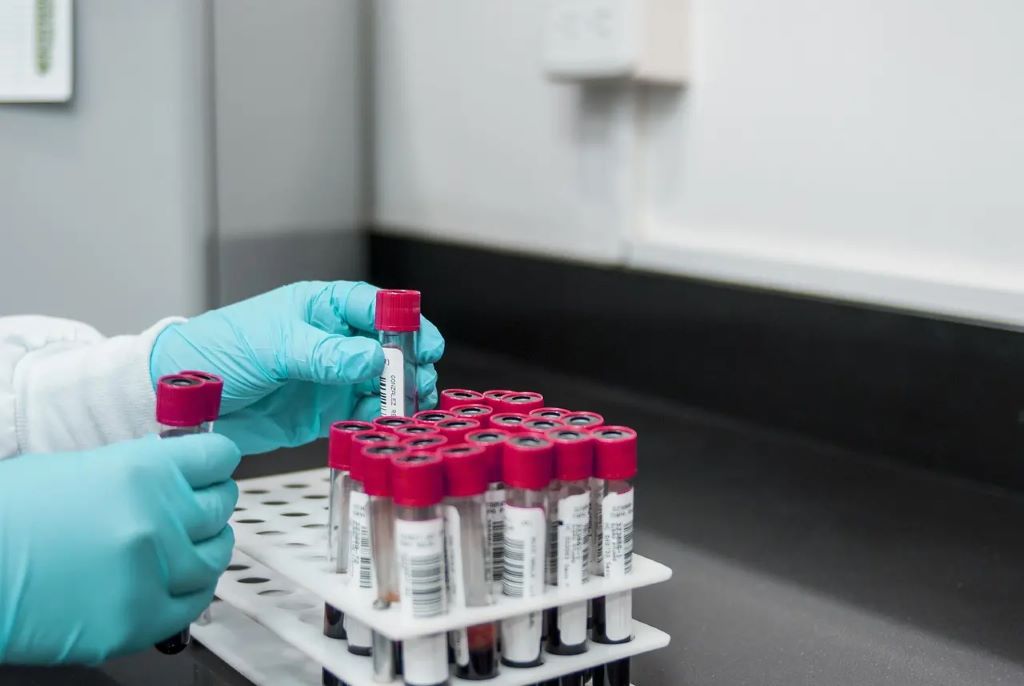
Blood test trends alongside unexplained weight loss can improve triage for cancer testing, according to a study by Brian Nicholson and colleagues from the University of Oxford, UK, published September 17th in the open access journal PLOS Medicine.
Abnormal blood test results, such as low haemoglobin or increased platelet counts, can provide clues about a patient’s risk of developing cancer. However, monitoring trends over repeat tests could provide further clues in some instances, by identifying cancer-related changes in blood test results that do not appear abnormal. Assessing patterns in blood test abnormalities and trends alongside unexplained weight loss could enhance cancer risk assessment and support earlier diagnosis.
In this study, researchers examined trends in blood test results among patients with unexplained weight loss, a common non-specific symptom associated with multiple cancer types. The goal was to determine whether trends in 26 commonly used blood tests in primary care could improve cancer risk stratification compared to abnormalities on single blood tests.
Among the more than 275 000 patients included in the study, nearly 14 000 were subsequently diagnosed with cancer within six months, allowing researchers to relate abnormalities on single tests and trends over repeat blood tests to cancer diagnosis. Overall, 23 blood test trends were associated with overall cancer risk. Several abnormalities were also associated with specific cancer types. After accounting for age and sex, several blood test trends were more discriminative for cancer diagnosis than individual abnormal test results. For example, trends in white blood count and neutrophils were linked to lung cancer while trends in red blood cell count, haematocrit, and platelet-to-lymphocyte ratio were associated with prostate cancer.
The findings suggest that monitoring changes in routine blood test results in patients with unexplained weight loss could identify patients in primary care who would benefit from additional cancer testing.
Author Brian Nicholson adds, “We show how blood test results are made more accurate for cancer by adding patient age and sex. This relatively simple calculation could easily be performed at the laboratory.”
Author Pradeep Virdee states, “In some instances, monitoring how a patient’s blood test results change over time could offer further value. We plan to assess how well blood test abnormalities and trends inform cancer risk in patients with other types of non-specific symptoms, such as fatigue and vomiting.”
Patients who have had high-risk polyps removed from their bowel can probably wait five years, rather than three, until their next colonoscopy without increasing their risk of colon and rectal cancer. This is shown by two new studies published in the New England Journal of Medicine, in which researchers from the Karolinska Institutet have participated. The findings, from ”Colonoscopy Intervals and Colorectal Cancer Incidence after Adenoma Removal” and “Colorectal Cancer Risk among Patients with Serrated Polyps” could reduce the number of examinations and thus the burden on both patients and the healthcare system.
Every year, around 1.9 million people worldwide are diagnosed with bowel cancer. To prevent the disease, many countries have introduced screening programmes that enable more polyps to be detected and removed before cancer develops.
However, some patients are assessed as being at increased risk of developing new polyps or cancer and are therefore recommended to undergo regular follow-up colonoscopies. These examinations are resource-intensive for the healthcare system and can be perceived as burdensome for patients.
The first results from the European Polyp Surveillance (EPoS) study, a large randomised research project on follow-up after polyp removal, are now being presented. In the EPoS II study, 10 799 patients across eight European countries who had previously had high-risk adenomas – a type of polyp – removed were followed up. Participants were randomised to undergo their first follow-up colonoscopy after either three or five years.
Low risk in both groups
After five years of follow-up, the risk of colorectal cancer was very low in both groups. Among those who waited five years for their first check-up, 0.77 per cent developed cancer, compared with 0.82 per cent among those examined after three years. Nor did the researchers observe any clear differences in how far the cancer had progressed when it was detected.
At the same time, the longer follow-up interval meant that the number of colonoscopies fell sharply. During the follow-up period, nearly 4200 fewer examinations were carried out in the group that waited five years for their first follow-up.
”More than 99 per cent of patients did not develop colorectal cancer within five years of the polyps being removed. “The results suggest that we need to reassess when these patients should be called in for their next colonoscopy,” says Hans-Olov Adami, Professor Emeritus at the Department of Medical Epidemiology and Biostatistics at Karolinska Institutet, who coordinated the Swedish part of the research project.
At the same time, the researchers are presenting results from the parallel EPoS III study, which involved 1,861 patients with so-called serrated polyps, another type of polyp that can also be a precursor to cancer. In that group, too, the risk of cancer was low. After five years, around one per cent of the participants had developed colorectal cancer and none had died from the disease.
“The low risk of cancer was observed in both patients with high-risk adenomas and those with serrated polyps. This also underlines the importance of the first colonoscopy, as the studies are based on the polyps having been detected and completely removed,” says Hans-Olov Adami.
Children are NOT small adults. They experience and express illness and injury very differently from adults. Which is why paediatric diagnostic imaging is a highly specialised field of medical imaging and is specifically designed for children, from birth to adolescence.
Dr Ebrahim Banderker, a paediatric radiologist at Red Cross War Memorial Children’s Hospital (RXCH), explains why children need a different approach to imaging and the role of radiology in children. He also talks about the success of a public-private initiative with SCP Radiology where he is a consulting radiologist.
Why is paediatric imaging so important?
Children are often unable to, or struggle to describe the nature of their discomfort, pain or symptoms clearly. Imaging helps doctors understand what is happening inside the body, when language and understanding are limited.
When we diagnose early, we are often preventing future pain, disability or developmental issues as well as reducing the anxiety of the family.
What should parents know or understand about paediatric radiology?
Paediatric imaging is designed with the needs, safety and the specific conditions of children in mind. It is a tool for clarity, reassurance and early care. Our goal is to care for the child in their imaging journey and provide their doctors and families with clear answers they can trust.
How is paediatric radiology different from adult radiology?
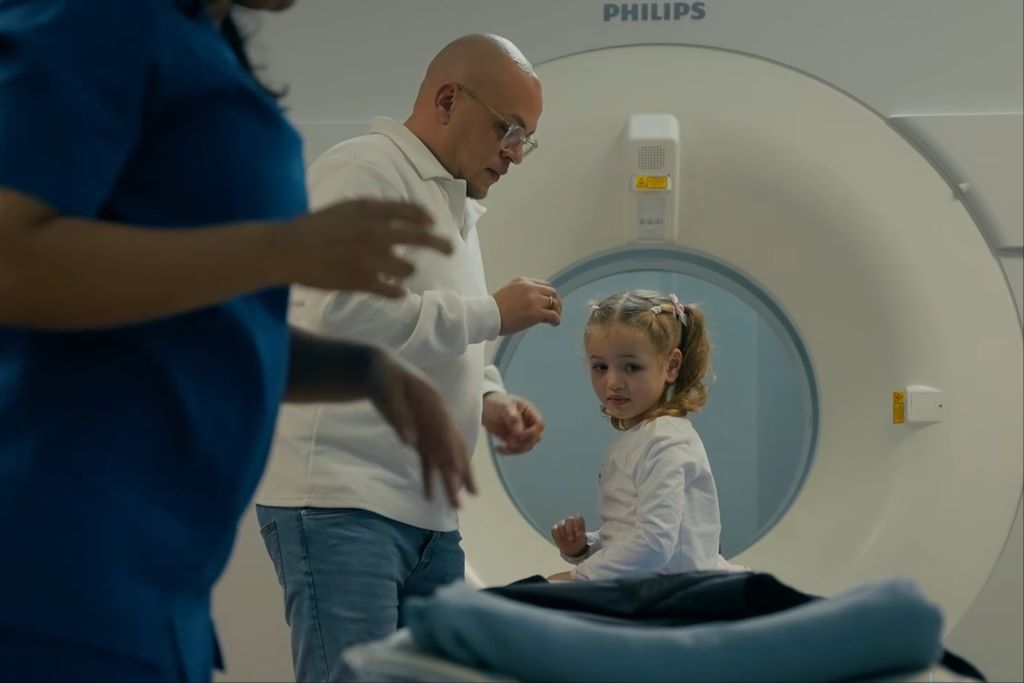
The choice of the method of imaging is primarily based on how safe it is. The effects of radiation from X-rays and CT scans have a greater risk for a child than an adult – so ultrasound and MRI are preferred where possible.
Children are often afraid, unsettled because of pain and anxiety and may require sedation or anaesthesia to make them comfortable during the imaging process.
Paediatric imaging equipment, anaesthetic apparatus, monitoring and emergency equipment have to be adapted to children of different ages.
Do paediatric radiologist work directly with children and their parents?
Paediatric radiologists interact with the child and their caregivers far more often than adult radiologists interact with their patients. It is one of the most rewarding aspects of our work. Parents are generally more involved and can help the radiologist by confirming the history and symptoms. The radiologist in turn can reduce parent anxiety, explain the procedure and obtain consent where needed.
Please can you talk about radiation and safety in children – we know that one of the issues both parents and other adults have is safety and radiation?
Children have rapidly developing cells and tissues, often tightly packed together in small bodies and are considered to be 10-15 times more sensitive to radiation.
The guiding principle of all radiation safety is ‘ALARA,’ which stands for ‘As Low As Reasonably Achievable’ or as we say, ‘when benefit clearly outweighs the risk.’ Ultrasound and MRI do not use radiation and these should be used where possible.
What injuries are commonly seen in children that require imaging?
Common injuries include those from motor vehicle accidents and particularly pedestrian accidents, fractures from falls or playing sport and unfortunately, increasingly from child abuse which is sometimes first identified by the radiologist.
Children’s bones are different from adults and have areas where the bone is still growing. These are called growth plates. Injuries to the growth plates require special care because they can affect how a bone develops and this impacts the overall growth of the child.
Outside of injuries, paediatric imaging also looks at chest infections, abdominal pain, appendicitis, urinary tract problems and hip development in infants. Brain imaging may be used for seizures, headaches or developmental concerns. In essence, imaging can help us rule out serious causes quickly, which brings enormous reassurance to families.
Even for adults, radiology can be stressful and frightening – for children it must be worse. How are children supported during scans?
Radiographers and radiologists are trained to work gently and calmly with children and parents are encouraged to be involved and ask questions. For example, when a child needs to be sedated for an MRI, the parent will stay with them until they are asleep. When children feel safe, the scan is quicker, easier and more accurate. The team ensures the child is warm and comfortable and the environment is child friendly with toys and reading material to distract patients and to keep them happy and engaged.
What developments in paediatric radiology do you feel are the most important – especially over the 5 years?
Digital radiography allows for digital manipulation of images improving image quality and accuracy. Retakes are reduced so there is less radiation involved
Ultrasound machines have improved in-depth visualisation of body parts, disease processes and blood vessels
CT scanners are faster and offer lower radiation dose options. There are scanners which can scan the entire body of a child in less than a second. There is not even time to wriggle…
MRI imaging is developing at a galloping pace with faster scanning techniques and finer image detail
Functional MRI and the ability to do tissue sampling in cancer imaging, is opening many exciting new avenues.
The scope of interventional radiology techniques (treating not just diagnosing) is expanding rapidly to make less invasive treatment possible, with less complications for patients and much shorter recovery times. Paediatric radiology increasingly includes minimally invasive procedures (image-guided drainages, biopsies, nephrostomies, angiography), which can shorten hospital stays and reduce surgical burden.
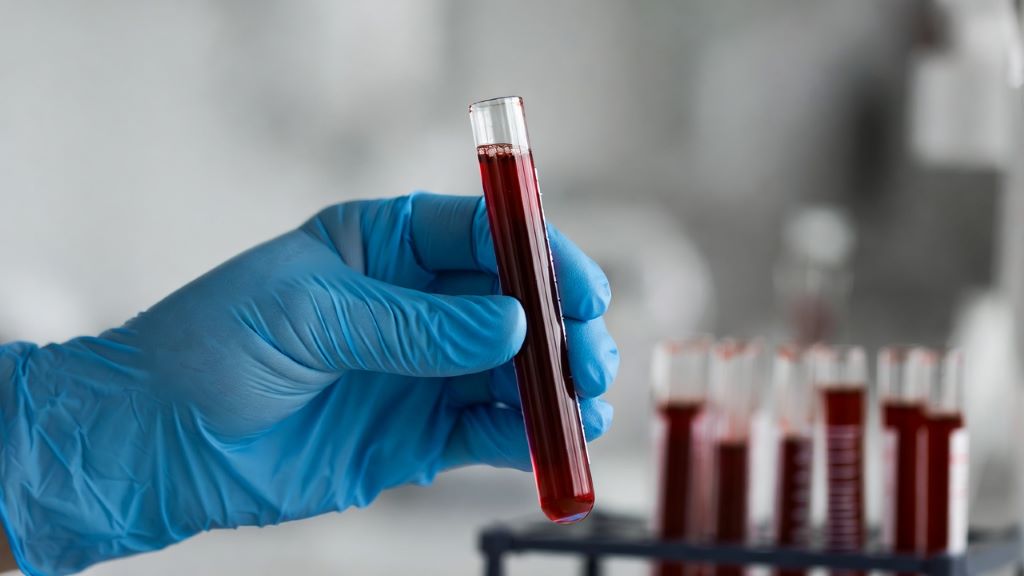
A single blood test could in future provide a more comprehensive picture of cancer than current methods. In a review article published in the journal Genome Medicine, researchers at Karolinska Institutet describe how several different biological signals can be analysed simultaneously from the same blood sample to detect and monitor cancer diseases.
Researchers and clinicians currently use so-called liquid biopsies, in which material from tumours can be detected in the blood. The method is less invasive than traditional tissue samples and can be used to monitor disease progression over time. In the current review article, researchers summarise developments in a growing field of research in which several different molecular signals are combined in the same analysis. These signals may come, among other things, from free DNA and RNA in the blood, as well as from changes in the structure of the genome and chemical markers.
The researchers call the approach ‘multifeature sequencing-based liquid biopsy’ (MSLB). The idea is not only to look for a single change linked to cancer, but to combine several types of information to provide a broader picture of the tumour’s characteristics.
“By analysing several biological signals simultaneously from the same blood sample, we can potentially gain a more complete picture of the biology of cancer than by studying each signal separately,” says Mariano A. Molina Beitia, researcher at the Department of Laboratory Medicine, Karolinska Institutet.
The article describes several research studies in which combinations of different signals have been used to detect cancer or monitor the disease over time. For example, analyses of DNA methylation, fragment size and chromosomal changes in blood have shown promising results for the early detection of several types of cancer. The researchers also describe how advanced bioinformatics methods and machine learning are used to interpret the large amounts of data generated.
Challenges remain
At the same time, the researchers emphasise that the technology still faces several challenges. Many studies have been carried out in limited patient groups, and the results need to be confirmed in larger prospective studies. In addition, the methods are technically complex, and there are still no common standards for how the analyses should be performed and quality-assured across different healthcare centres.
“For the technology to be widely used in healthcare, standardised workflows, independent validation and studies demonstrating the benefits of the analyses for patients are needed,” says Daniel Hagey at the Department of Laboratory Medicine and senior researcher in the study.
The researchers believe that the first clinical applications will most likely be in monitoring cancer patients, assessing treatment effects and situations where repeated tissue samples are difficult to obtain. In the longer term, the method could contribute to a more integrated and dynamic picture of cancer development based on a simple blood sample.
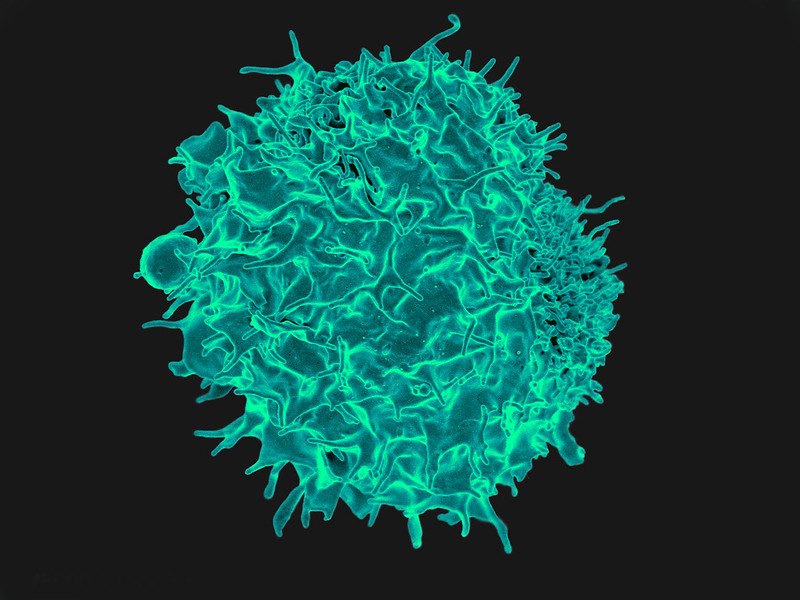
Scanning electron micrograph of a T cell lymphocyte. Credit: NIH / NIAID
Researchers at Karolinska Institutet and SciLifeLab have developed a new method to analyse the condition of immune cells in the blood. The method has been tested on patients with atherosclerosis and can distinguish their immune cells from those of healthy individuals. The study is published in the journal Nature Nanotechnology.
The physical properties of immune cells, such as how the cell membrane is structured or how the mitochondria function, affect how the cells move, communicate, and respond to inflammation. These properties have previously been difficult to measure on a large scale.
Now, researchers have developed a method that measures multiple physical properties simultaneously in individual cells, across very large cell populations. The method is called spectral biophysical cytometry (SBC) and combines fluorescent nanosensors, which respond to the cells’ physical environment, with advanced flow cytometry, where thousands of cells are analysed one by one using laser light in a few minutes.
The researchers used the method to analyse immune cells in blood from 38 patients with atherosclerosis and 26 healthy control individuals.
“We show that immune cells in atherosclerosis have altered physical properties that can be measured directly in blood samples, without first needing to analyse genes or proteins,” says Erdinc Sezgin, researcher at SciLifeLab and the Department of Women’s and Children’s Health, Karolinska Institutet. “The method provides an integrated picture of the health status of the immune cells and can serve as a complement to more time-consuming and costly analyses.”
May affect disease processes
The analyses revealed clear differences in, among other things, the organisation of cell membranes and mitochondrial function, particularly in different types of T cells. These changes could also be linked to alterations in the cells’ lipid composition and which genes were active.
“This suggests that the physical properties of cells are indications of health and important in disease processes in atherosclerosis and possibly also in other diseases,” says Erdinc Sezgin.
The study is a so-called proof-of-concept study, meaning an early step demonstrating that the principle works. The next step is to investigate the method in larger patient cohorts and in other diseases.
Mycobacterium tuberculosis drug susceptibility test. Photo by CDC on Unsplash
By Elri Voigt
Being a researcher who studies tuberculosis in the lab is one thing, having the TB bug in your lungs is quite another. Spotlight sat down with two of a relatively small number of people who have experienced both.
One morning in April, Constance Schreuder, a senior medical technologist at a large research group at the University of Cape Town, was called into the campus’s occupational health office. “I was thinking, did I do something wrong?” she recalls.
When she got to the office, she says the doctor immediately opened the window behind him. She wondered “what is going on now?”.
The doctor told her that she has tested positive for the very illness she’s been studying at the South African Tuberculosis Vaccine Initiative (SATVI) for over two decades.
Part of Schreuder’s job involves working with post-mortem samples and tissues, as well as clinical trial samples sent from different TB research sites.
“We always protect ourselves by wearing the correct PPE [personal protective equipment]. So, we’re always safety first,” she says. “I was actually exposed [to TB] in the office where I sit. After all the years that I’ve been working in the lab.”
TB, caused by Mycobacterium tuberculosis, is typically spread when someone with the bacterium in their lungs coughs it up and those droplets are inhaled by others. The droplets are just the right size to hang suspended in the air, allowing TB to survive in a room for several hours.
Schreuder was confused by the diagnosis because she didn’t, and still does not, feel ill at all. She had been tested two months prior as a precaution after a PhD student in the lab had been diagnosed with TB and gotten very sick.
Her initial test results looked good. She had produced a sputum sample, a thick phlegm from the lungs, which was sent to the lab for molecular testing (using the GeneXpert platform). The test came back negative for TB DNA. She had also had a chest X-ray done, which showed no signs of TB in her lungs.
It was another test result that raised the alarm. In addition to the GeneXpert test, her sputum sample had been sent to be cultured. This involves putting the sample into a special tube, called a Mycobacteria Growth Indicator Tube (MGIT), and attempting to grow the bacteria if any is present. If TB bacteria has grown after around 50 days, then it means the TB bug was present in the sample. In Schreuder’s case, the TB bacteria did grow, although the bacterial count was low, a result in-keeping with her lack of symptoms.
Although she was sceptical of the result and wondered about a potential laboratory error, Schreuder’s thoughts immediately went to her close contacts – her 81-year-old mom who she sees on weekends, her pregnant daughter who lives nearby, and her son who lives with her. What did this mean for them, she wondered.
No one else from the office who had been tested showed any sign of TB disease, although Schreuder says that not everyone’s sputum sample had been cultured due to the cost of the test.
Only about one in ten people who are exposed to the bacterium will become sick with TB. In most people, the immune system contains and eventually starves the bacterium to death. In others, however, the bug survives inside the body and eventually causes illness, weeks, months, or even years later.
A silent form of TB
Schreuder very likely has what is called asymptomatic TB. This is a state where the bug is active in someone’s body, but it is not, or not yet, resulting in symptoms. There are many unknowns about this state, how much it actually contributes to TB transmission and how best to test for and treat it.
While there is much uncertainty about the prevalence of asymptomatic TB, some rough numbers exist. South Africa’s first National TB prevalence survey found that just over half of the participants with TB that was confirmed through molecular testing, did not report having any TB symptoms.
Schreuder says that she knew about TB symptoms but was under the impression that people had to show at least some symptoms if they were ill.
She says she was issued with a sick note, was told by the doctor at the occupational health office to go to a public healthcare sector clinic to get treatment, and that she was booked off for the next 14 days. People who are ill with TB generally become non-infectious after having taken TB treatment for around two weeks.
South Africa’s TB treatment guidelines does not recommend different treatment courses based on whether or not someone has symptoms. That means that Schreuder has to take the full six-month course of TB treatment.
‘I thought it was something very serious’
Schreuder’s experience is one side of the coin, the other side is a story from the same lab, one that may seem more familiar.
Tatenda Bvudzijena, an energetic young student, says he came to do his PhD at the SATVI lab because of the world class research that he felt he could learn a lot from. He shares an office space with several staff members at SATVI, including Schreuder. It was his TB diagnosis that had prompted the staff to get tested.
Bvudzijena describes himself as hard-working, so it was very unusual when he started feeling too tired to complete laboratory work near the end of 2025. He was finishing up the second year of his PhD at the time. He says he tried taking some vitamin B, but it didn’t help. Then he started to develop some of the typical symptoms of TB, persistent cough and weight-loss. The cough didn’t go away after he treated it with over-the-counter medicines.
“I had those coughing symptoms, then they disappear for a while, then it comes back again. It’s oscillating…coming back, stopping, coming back again,” he says.
Bvudzijena says a private sector doctor told him he might have asthma, but none of the medication he was prescribed – anti-inflammatories, cough syrup, antibiotics, and asthma pills – worked.
Meanwhile, he kept getting sicker.
“That’s when I was like, ‘no, this is not helping’. By that time, I had chest pains and I was losing a lot of weight,” Bvudzijena says. “I just remember back then I used to wear like a size 32 jeans…then I was wearing size 28…I was less than 55kg, but I used to be like 70kg,” he recalls.
He says he was starting to panic since the pain in his chest felt sharp. Gesturing to an area underneath his ribs on his left, he says: “I thought it was something very serious.” He adds: “At first I thought, maybe I could be having lung cancer, because I used to vape.”
Then, one Monday morning in February, Bvudzijena went to see another private sector doctor. This time he was immediately sent to get a TB test and a chest X-ray. “Your chest X-ray is showing symptoms suggestive of TB”, the doctor told him two days later.
Bvudzijena says he was both scared and relieved. He was relieved because TB can be cured and he did not have something incurable but also scared because seeing his own chest X-rays, he realised he was quite sick with TB.
Bvudzijena has to take the same six months course of treatment as Schreuder.
What taking TB treatment is like
In South Africa, “typical” or drug susceptible pulmonary (of the lungs) TB in adults is treated with a six-month treatment course – consisting of four drugs for two months and then two drugs for the next four months.
TB is mostly treated in the public healthcare sector, so even if someone has medical aid or access to private sector healthcare, they might still go to public sector facilities to get treatment.
TB treatment and diagnosis is covered under the minimum prescribed benefits for medical aid members. According to a notice by the Council for Medical Schemes, TB treatment can be made available to members of medical aid schemes through public sector clinics, but they should be given the option of getting their treatment through the private sector. Whether they can get treatment in the private sector is likely to depend on whether they can find a private sector doctor comfortable with treating TB and a pharmacy that stocks TB medicines.
Still showing no symptoms of TB when she started treatment, Schreuder says she was surprised to learn from the package insert that came with the medicine that the pills must be taken on an empty stomach. The initial two months is five tablets per day (dosage depends on a person’s weight), she explains grimacing.
She has had some side effects. At first, it was only constipation and her urine turning orange, a side effect of rifampicin, one of the four antibiotics used to treat drug-susceptible TB. But by the second month of taking the medication, she also started experiencing muscle and joint pains as well as burning feet.
Schreuder will start on the less intensive four remaining months of the course soon, when the regimen drops from four down to two antibiotics. But she worries about what the drugs might be doing to her body.
With TB already taking its toll on Bvudzijena, he says he started treatment knowing that he had to be serious about taking it as prescribed.
“I was in that situation whereby you know you’re very sick and based on the chest X-rays I was seeing, this [TB disease] was intensive. So like I had to take meds, I had to,” he says, tapping his finger on the table for emphasis.
He says he was surprised by the size of the tablets, eyes wide as he describes them. “They’re big! I’ve never seen something like that. It was my first time seeing a pill for TB,” he says.
For Bvudzijena, the side effects have been relatively mild, a runny stomach and a skin rash, as well as joint pain when he started the two-drug phase of treatment.
He says he started feeling better soon after starting treatment, got his appetite back, and his TB symptoms disappeared completely.
Two clinics, two different treatment experiences
But before they could start taking their treatment, Bvudzijena and Schreuder had to get access to the drugs, which was easier said than done.
Bvudzijena, upon getting his chest X-ray, says he was told nothing other than he needed to go to Groote Schuur Hospital. So he went, only to find that because Groote Schuur Hospital’s waiting rooms employ a triage system – where patients who are in the most critical condition are seen first – he’d likely have to wait several hours.
So, he left and later went to a doctor at another private hospital and got referred to see a specialist at that hospital. He says the specialist would have only been able to see him a week later. At his wits end, he went to campus health, who put him in touch with a nurse at a nearby public sector clinic.
Once at that clinic, he says he was well taken care of, got given a little green card, identifying him as a TB patient. This card is his ticket to travelling through the clinic quickly and not having “to wait in a long queue wearing a mask”.
“My only problem was from being diagnosed to getting help,” he says.
Schreuder, after being booked off, had Googled the nearest public sector clinic that offers TB treatment. The next day, on a rainy Friday, she drove from her home in Cape Town’s Northern Suburbs to a clinic in the Durbanville area. She wore a clean mask she had found in a bag, a remnant of the COVID-19 pandemic.
“I actually was there 06:30 in the morning because I wanted to just get it over with and start with this medication because they say if you drink it for 14 days, then you’re not infectious anymore,” she says.
At the clinic, she says she was taken to a separate room to wait by herself, as it turns out for five hours. Eventually she says she was helped by a nurse, who filled out her paperwork and took another sputum sample.
Another hour later, she says she left with six packs of TB medication, enough for the first month of treatment. But she had to stop at a private sector pharmacy on the way home because the clinic was out of vitamin B6, which she had been told to take to help with the potential side effect of “pins and needles in your hands and feet”.
Her frustrations with the system would mount. At a subsequent clinic visit Schreuder discovered that her phone number hadn’t been captured, meaning she hadn’t received the test results from her second sputum test. When she asked for her TB medicines to be dispensed to her ahead of time since she was already at the clinic, she says she was told the medicines were out of stock.
When she arrived for her next appointment at 12:00 on a Friday in May, she says the clinic seemed empty. When she eventually found a nurse, she claims the nurse told her she was only working until 12:00, and that the rest of the staff had left to attend a party for someone who had resigned, and that Schreuder must come back on Monday. A frustrated Schreuder says she didn’t accept this and eventually the nurse agreed to give her the medication.
“What’s worrying for me,” says Schreuder, “is, I said to her, ‘I work in this clinical trial lab where we want to find a cure for TB. But are we going to reach a TB free world if it [the health system] works like this?’.”
What needs to change?
Both Bvudzijena and Schreuder say it needs to be made easier for people with TB to start and collect TB treatment. They suggest that private sector pharmacies could be a convenient alternative to public sector clinics. Bvudzijena adds that stable patients could also collect their medication from selected community pharmacies or other collection points closer to home, reducing unnecessary travel and long waiting times.
He also touched on the need for better, clearer information for people who have just been diagnosed with TB about where they need to go, what documents they might need and how to start treatment.
“When you’ve just been told you have TB, you’re already worried,” he says. “The last thing you need is to be sent from one place to another without knowing where to get help.” He adds that there needs to be better coordination between private healthcare providers and public clinics.
Both touched on the stigma associated with a TB diagnosis. Schreuder says she received support from family members but otherwise it felt like people were simply checking that she had been cleared to go back to work. Bvudzijena says overall the reaction to his diagnosis was mixed. Some people like his roommates and friends were supportive, but not everyone was so understanding. “It was tough,” he says.
Change in perspective
Bvudzijena says that getting sick with TB changed his perspective on the research he’s involved with.
“What I realise now, after having TB, is that this research is about so much more than science. My work is focused on improving TB diagnosis so people can be diagnosed earlier, while many of my colleagues are working on better treatments and vaccines. After going through TB myself, I know how much that work can mean to someone who’s sick. It’s really going to change people’s lives,” he says.
To Schreuder, the experience has also been eye-opening but in a different way. She recounts some of the stories she heard while waiting at the clinic, a woman who has arrived at 05:30 but hours later still hadn’t been helped because her file was missing. A man who is afraid he’ll lose his job if he waits any longer. Patients sent to wait outside on cold benches and concrete floors, some looking very ill. Data from community-led monitoring group Ritshidze suggests that long waiting times is a common problem.
“I can fight my own battles, but what about all those that are too afraid to say something?” Schreuder asks.
Researchers develop a flexible polymer shield that provides radiation protection without the health and ergonomic risks associated with lead
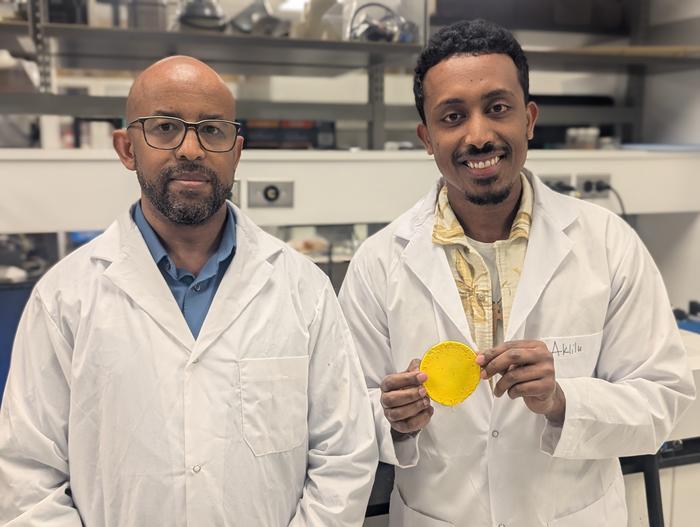
Professor Tizazu Mekonnen (left) and PhD student Aklilu G. Messele holding the flexible polymer material developed to replace the lead in heavy X-ray aprons (University of Waterloo/Nicola Kelly). Credit: University of Waterloo/Nicola Kelly
A light, flexible polymer material developed at the University of Waterloo could replace the lead in heavy X-ray aprons, providing the same protection from harmful radiation while reducing their weight by almost 90%.
“For patients who only get X-rays once in a while, heavy lead aprons might be okay, but technicians who wear them every day often develop back and neck pain,” said Dr Tizazu Mekonnen, a chemical engineering professor at Waterloo. “Some of them have to retire early as a result.”
Most aprons used for long periods of time also shed lead dust that can be inhaled or ingested by workers. Lead affects many areas of the body, including the cardiovascular and neurological systems and no amount of exposure is considered safe by the World Health Organization.
“Our research shows that radiation shielding does not have to rely on toxic, heavy materials such as lead,” Mekonnen said. “By engineering the size, shape, arrangement and distribution of nanoparticles within flexible polymers, we can achieve excellent X-ray protection while dramatically reducing weight. This opens the door to safer, more comfortable shielding materials for health-care workers and others who are routinely exposed to radiation.”
Researchers experimented with several alternatives to lead – including bismuth, gadolinium, barium and other heavy metals – before focusing on tungsten, which is well-suited to blocking X-rays because of its high density at the atomic level.
After first processing tungsten into tiny nanoparticles, they mixed them into a soft, silicone-based plastic to form nanocomposite sheets.
To prevent the nanoparticles from making the new material too stiff, they arranged them in layers called gradients. They also determined rod-shaped nanoparticles work best to block X-rays, a necessary tool in medicine, industrial inspection, security screening and military applications.
Tests and modelling with the flexible, lightweight polymer material for X-ray aprons were conducted at Grand River Hospital in Kitchener with Dr. Ernest Osei.
PhD student Aklilu G. Messele, who co-authored a paper on the research, is now exploring its use for other types of radiation, including gamma ray emissions in the nuclear energy sector and to block electromagnetic waves from devices such as cellphones and Wi-Fi.
“We carry cellphones every day,” said Mekonnen, a Canada Research Chair in Sustainable Multiphase Polymers. “The impact on our bodies is unknown. What if we can design a cover that protects from the radiation emitted by our phones?”
Through its countrywide network of quality-assured diagnostic laboratories, the NHLS is the sole provider of diagnostic pathology services to over 80% of the South African population. Photo by National Cancer Institute on Unsplash
Comment & Analysis
By Faith Muthambi
Provincial debt to the National Health Laboratory Service is not just a financial governance matter, but also a public healthcare service delivery risk that affects diagnoses, treatment, disease surveillance, and government’s ability to protect vulnerable patients, writes Faith Muthambi, chairperson of the Portfolio Committee on Health in the National Assembly.
When *Lungile Mbonambi, a hypothetical healthcare user, waits for a blood test at a public hospital, she is not thinking about all the zeros in provincial budgets or intergovernmental disputes. She is thinking about her health. Like some 80% of people in South Africa, she places her trust in the public healthcare system, the inner workings of which she will never see, and in laboratory professionals she will likely never meet. However, in using the system, she experiences its impact.
For her blood test, a nurse will draw the sample, seal the vial and send it to the closest National Health Laboratory Service (NHLS) facility. For patients, waiting for the results often feels uneasy and ridden with dread. In addition to the immediate health concern, patients also find themselves in the hands of a system that needs to function well, not only on paper and in policy, but also in the concrete reality of their particular case.
The NHLS plays a big role in public health in South Africa through epidemiology, surveillance and responding to public health outbreaks. Among other things, it is involved in HIV and TB programmes, conducting diagnostic tests for non-communicable diseases, and the screening for cervical cancer. In essence, contemporary healthcare would grind to a halt without the robust laboratory infrastructure that the NHLS provides.
Ballooning debt
Just recently at the end of May, the Portfolio Committee on Health in Parliament, which is tasked with overseeing the National Department of Health, met with representatives from the NHLS and all nine provincial health departments. The meeting revealed that outstanding debt to the NHLS had climbed to an imposing R11 billion as of March this year. Most of this debt stemmed from KwaZulu-Natal with around R3.94 billion, and Gauteng with roughly R3.3 billion, both of which include debt from previous years.
This meeting confirmed what many in the public health system have warned about for years. This outstanding debt is not merely a matter of the numbers not adding up, but is symptomatic of a serious failure in financial governance. Failing to pay or delaying payments for critical services already rendered to the public health system also reflects poor coordination among government departments and entities.
The consequences of this can be dire.
For the NHLS, without these funds, the institution cannot sustain research, do proper disease surveillance, detect outbreaks or monitor antimicrobial resistance, or upgrade equipment. When a laboratory cannot replace ageing instruments on time, fill critical posts, modernise information technology or plan procurement with certainty, it is felt in hospitals and clinics.
For patients, it means delayed diagnoses and disrupted care, and those living in rural and under-resourced communities often bear the brunt.
Time to act
Listening to presentations from all nine provincial health departments showed that this crisis can be prevented. There are provinces that are getting this right and paying their invoices to the NHLS within the required 30-day period. This shows that, even with budget constraints, laboratory services can be prioritised.
As Chairperson of the Portfolio Committee on Health, I have made it clear that it is now time to shift our oversight from concern to action that leads to actual consequences for those provinces that fail to pay their NHLS debts.
There had been instances in the past where National Treasury intervened by withholding or redirecting funds when provinces failed to fulfil their responsibilities. The committee may need to engage the National Treasury on ways to protect funding for laboratory services, including the possibility of direct transfers or ring-fenced funding where provinces fail to prioritise their obligations to the NHLS. The message is clear: We cannot allow a situation in which a province destabilises another public institution by failing to pay for services central to healthcare provision.
Our next step cannot be to just accept more vague commitments and assurances that the debt will be paid. Provinces with outstanding debt must provide clear repayment plans linked to strict timelines, while continuing to pay current invoices within the required period. The committee will request quarterly progress reports on payments made to reduce the debt, as well as on actions taken against officials involved in this non-payment.
We live in an era marked by emerging health threats and increasing demands on health services. It is therefore important to remind ourselves that health systems do not collapse overnight. They deteriorate gradually through deferred payments and normalised delays, among other things. By the time patients experience the full impact, the horse may have already bolted because we ignored the warning signs.
To be clear – this, here, is a serious warning sign.
Yet notwithstanding these pressures, laboratory professionals continue to demonstrate extraordinary commitment. Samples are being processed, and results are verified. I commend these public servants who work beyond ordinary expectations to protect the service. However, we cannot bank on this devotion to become a permanent substitute for responsible governance.
The decision before us is whether we allow patients’ experience of the public health value chain between health facilities and NHLS laboratories to continue to be determined by delay and uncertainty, or by a public health system that understands the seriousness of its responsibilities and acts accordingly.
Patients like Mbonambi are placing their trust in the state. We must do better.
*Muthambi is a Member of the National Assembly and Chairperson of the Portfolio Committee on Health.
Note: Spotlight aims to deepen public understanding of important health issues by publishing a variety of views on its opinion pages. The views expressed in this article are not necessarily shared by the Spotlight editors.
Urine samples. Credit: Cancer Research UK CC-BY4.0
Cambridge scientists hunting tell-tale killer ‘zombie’ cells that signal early lung cancer have developed a world-first urine test that could transform diagnosis and survival for thousands of patients.
[The test] could one day be used easily in GP surgeries and hospitals to help detect recurrence in this hard-to-treat cancer much earlier.
Ljiljana Fruk
As published this week in Nature Aging, the team has shown that this simple and affordable test could detect the earliest signs of lung cancer months, or even years, before symptoms appear, as well as monitor whether treatment is working and identify potential relapse.
It works by identifying the presence of senescent cells in the lungs – so called ’zombie cells’ – that stop dividing but linger and release abnormal inflammatory signals that damage surrounding tissue and help create an environment that lowers the body’s ability to fight the cancer.
The study, funded by Cancer Research UK, marks a major leap towards more precise therapy and a test for early cancer and treatment efficiency that could be rolled out across the NHS one day.
Lung cancer is the UK’s most common cause of cancer death taking the lives of around 32,800 people every year. Thanks to huge strides in prevention, detection and treatment, in the UK, lung cancer has seen a 22% reduction in death rates in the last decade. And around two in three people (65%) with lung cancer in England survive their disease for five years or more when diagnosed at the earliest stage. But when diagnosed at the latest stage, this falls to 5 in 100 (5%).
This new test could save and improve thousands more lives in the future.
The researchers created an injectable sensor that interacts with proteins released by senescent cells. When these proteins are present, the sensor triggers the release of a detectable compound that appears in urine – signalling the earliest biological signs of therapy resistance and lung cancer development.
The researchers say that early identification is critical to saving more lives, as the disease often relapses silently with few or no symptoms until it has already spread. By detecting signs of lung cancer development and therapy resistance early, their simple urine test can spot lung cancer and treatment resistance early, helping doctors to tailor and adapt the treatment to the patient and start that treatment earlier when it works best.
The team confirmed their results using real patient samples and large genetic datasets.
Professor Ljiljana Fruk, from the Department of Chemical Engineering and Biotechnology at Cambridge, said: “The sensor has not yet been tested in humans, next is the clinical trials and it is likely it will take few years to bring it to patients, but it is a first big step and it could one day used easily in GP surgeries and hospitals to help detect recurrence in this hard-to-treat cancer much earlier.”
Nearly half (46%) of lung cancers in England are diagnosed at the latest stage.
Professor Daniel Munoz-Espin from the Early Cancer Institute and co-lead for the Cancer Research UK Cambridge Centre Thoracic Cancer Programme, said: “Our previous studies showed that senescent cells in response to chemotherapy can cause treatment resistance and an aggressive lung cancer relapse. We also found that senescent immune system cells promote lung cancer development by causing immunosuppression.
“Our urine nano sensor may allow primary care detection of therapy resistance and lung cancer early development in future clinical settings.”
Professor Robert Rintoul of the Department of Oncology, and co-lead for the Cancer Research UK Cambridge Centre Thoracic Cancer Programme said: “Novel approaches for lung cancer detection and response to treatment are urgently needed to improve patient outcomes. This work forms the basis for testing within clinical trials with a view to future use in the clinic.”
Cancer Research UK’s spokesperson for the East of England, Patrick Keely, said: “With new technologies opening doors to new discoveries, we’re living in a golden age of research, which is powerfully underlined by this innovative new urine test to detect early lung cancer.”
Adapted from a press release from Cancer Research UK
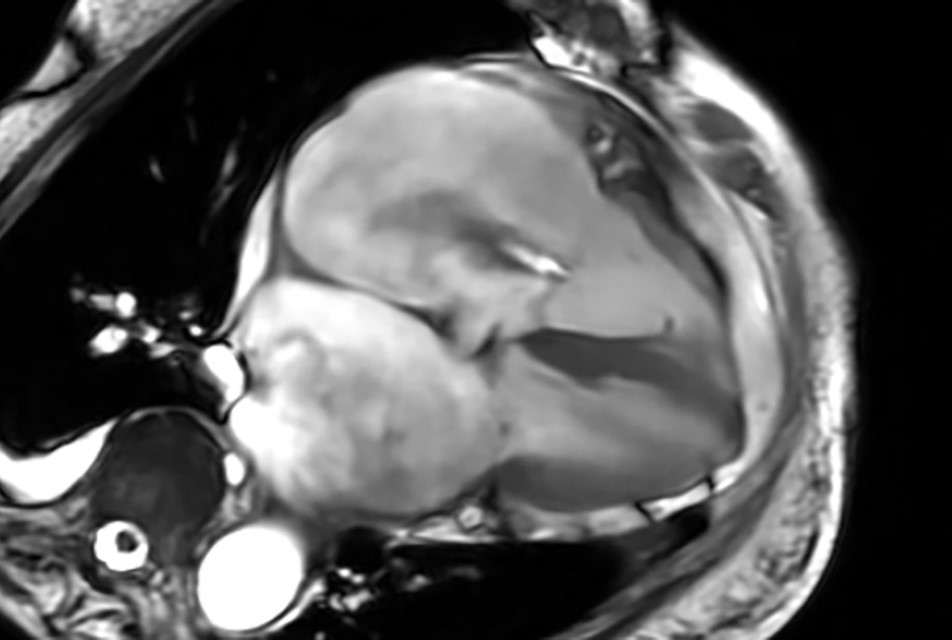
Representative cine-CMR four-chamber image demonstrating severe tricuspid regurgitation. Courtesy of Dr Robert Zhang
A new cardiac magnetic resonance imaging-based measurement may improve how physicians assess a common heart valve condition, according to a study led by Weill Cornell Medicine and NewYork-Presbyterian investigators. The findings support the broader use and further study of the new metric known as effective right ventricular ejection fraction (eRVEF).
In the study, published in JACC: Cardiovascular Imaging, the researchers analysed deidentified clinical and cardiac imaging data, on nearly 800 patients who had the heart valve condition called tricuspid regurgitation. They found that eRVEF predicted mortality risk better than traditional risk markers for the disorder.
“Our goal in tricuspid regurgitation is to detect disease progression and intervene before irreversible heart dysfunction develops,” said study corresponding and co-senior author Dr. Jiwon Kim, associate professor of medicine in the Division of Cardiology and director of the Cardiovascular Imaging Program at Weill Cornell Medicine and a cardiologist at NewYork-Presbyterian/Weill Cornell Medical Center. “We believe this new measurement could help cardiologists identify high-risk patients earlier and make more informed treatment decisions.”
The tricuspid valve regulates the flow between the heart’s right atrium, which receives low-oxygen blood from major veins, and the right ventricle, which pumps this blood via the pulmonary artery into the lungs. When the tricuspid becomes dysfunctional, much of the blood pumped by the right ventricle flows back into the right atrium instead of going into the lungs. This loss of efficiency can lead to progressive right-sided heart failure.
“This investigation highlights the expanding role of cardiac MRI in the assessment of patients with valvular heart disease,” said co-senior author Dr Dipan Shah, professor of cardiology at Houston Methodist Research Institute and a professor of medicine at Weill Cornell Medicine. “Its unique ability to precisely quantify valvular heart lesions and the associated cardiac remodeling in both the left and right heart makes it an indispensable tool for comprehensive clinical evaluation.”
Conventional RVEF, a basic measure of the right ventricle’s pumping efficiency, is an estimate of right ventricular volume when filled and when fully compressed during pumping. But this measure cannot distinguish between normal blood outflow to the lungs and abnormal backflow to the right atrium. Thus, in patients with tricuspid regurgitation, RVEF may seem normal until the resulting heart dysfunction is relatively advanced.
“The tricuspid valve was once considered the ‘forgotten valve,’ managed primarily with medical therapy and occasionally treated surgically,” said study co-first author Dr Robert Zhang, an assistant professor of medicine at Weill Cornell Medicine and a cardiologist at NewYork-Presbyterian/Weill Cornell Medical Center. “Now we have less-invasive, catheter-based treatment options, which is incredibly exciting. But with that comes a new challenge: identifying the patients who are most likely to benefit and determining the right timing for intervention.”
Dr. Pablo Villar-Calle, an instructor of medicine at Weill Cornell, is the other co-first author on the paper.
The new measure, eRVEF, is derived from a more direct, magnetic resonance imaging-based estimate of blood flow from the right ventricle to the lungs. In principle, it enables a more accurate assessment of right ventricle function and the degree of tricuspid regurgitation.
The study covered an initial cohort of 453 patients from NewYork-Presbyterian/Weill Cornell Medical Center, plus 316 patients in two independent validation cohorts, 239 from Houston Methodist DeBakey Heart and Vascular Center and 77 from Duke University Medical Center. All patients had at least a moderate degree of tricuspid regurgitation.
The researchers showed firstly that eRVEF is a useful measure in its own right. In all cohorts, patients with impaired eRVEF, defined as less than 25% of right ventricle-filled volume, had strikingly greater risks of adverse outcomes during several years of follow-up, including worse tricuspid regurgitation and mortality, compared with patients who didn’t meet the impaired-eRVEF threshold.
The team also compared eRVEF with RVEF, showing that adding eRVEF to a prediction model that already included RVEF significantly improved mortality prediction, whereas adding RVEF to a model that already included eRVEF did not.
The results suggest that in the context of at least moderate tricuspid regurgitation, eRVEF is better than RVEF for assessing right-side heart function.
The team now hopes to show with forward-looking studies that using eRVEF to select patients for tricuspid valve treatments can improve outcomes.
“We are also interested in understanding how useful eRVEF may be as a marker of treatment response and whether it can serve as a meaningful endpoint for assessing the success of therapeutic interventions,” Dr. Zhang said.