For the first time, Northwestern scientists have identified a set of neurons that play a role in generating anxiety after exposure to cannabinoid drugs, especially under stressful conditions. Cannabinoids are a class of substances that includes THC, the main psychoactive ingredient in cannabis.
In the study, the scientists exposed mice to a threatening odor. Before being exposed to the scent, derived from fox urine, the mice either received a placebo or a synthetic cannabinoid drug.
When they received the drug, the mice froze more often and spent less time investigating the predator door. These anxious behaviours, the scientists found, were linked to the drug’s activation of a small group of cells — known as somatostatin neurons — in the brain’s central amygdala, a region that processes fear and stress.
Importantly, when the scientists genetically silenced these somatostatin neurons, the drugged mice did not avoid the predator scent as much anymore.
“The results of this study could explain why a good trip can turn bad pretty quickly if people consume too much cannabis or the situation they are in turns stressful or scary,” said study senior author Dr Sachin Patel, chair of psychiatry and behavioral sciences at Northwestern University Feinberg School of Medicine.
The study appears in Nature Communications.
How the study was conducted
Patel and colleagues tested several doses of the synthetic cannabinoid on mice and tracked how much time they spent near the predator odor, and whether they froze or fled from the scent. To simultaneously record brain activity, the team implanted a small microscope into the mice’s brain.
The scientists also conducted brain tissue experiments to analyse how the cannabinoids affected interactions between neurons. They found that the drug weakened the brain’s natural “brake” on the somatostatin neurons, allowing them to become more active.
“Higher doses of cannabinoids and environmental stress worked together to synergistically release the ‘brake’ on the central amygdala, which in turn drove excessive anxiety,” Patel explained.
Why the findings matter
Cannabis use in the US has steadily increased in recent years and so have emergency department visits related to adverse effects from the drug. Previous studies have also found an association between cannabis use and increased risk of anxiety in the long term. What’s more, anxiety and mood disorders are also on the rise globally.
“Understanding how cannabis affects brain function to generate its psychoactive effects could ultimately reveal new ways to counteract negative consequences should they arise in some people,” Patel said.
Patel also noted that the findings could have implications beyond cannabis. “Suppressing the activity of somatostatin neurons in the central amygdala could represent a final pathway for reducing anxiety symptoms, not just in the context of cannabis side effects,” he explained.
Research coauthored by a University of Miami Business School professor links more frequent cannabis use to fewer days of good mental health, particularly among men.
Photo by Rodnae Productions on Pexels
More frequent cannabis use is associated with fewer days of good mental health among adults, particularly men, according to a study coauthored by a University of Miami Business School professor.
Michael T. French, professor and chair of the Department of Health Management and Policy, and Weiwei Chen, an economist at Kennesaw State University, examined how cannabis use relates to self-reported overall, physical and mental health. Their study was published in Medical Care Research and Review.
“People have some preconceived notions about alcohol and other drug use, including how they affect individuals, society and governments,” said French. “I believe this paper is another example of how our preconceived notions aren’t always correct, especially when it comes to cannabis use and related policies.”
The study examined the relationship between cannabis use and overall physical and mental health, added French, who has spent much of his career studying substance use policies and risky behaviours.
Cannabis use has become more prevalent as additional states pass medical and recreational cannabis laws. In April, FDA-approved cannabis medications and cannabis sold under state medical licences were moved out of the Schedule I classification they shared with heroin and into Schedule III, a category for drugs with accepted medical uses and a moderate risk of dependence, such as ketamine and Tylenol with codeine.
French and Chen applied statistical techniques to data on cannabis use, health status and other individual characteristics from the 2016–2023 Behavioral Risk Factor Surveillance System. The analysis included adults from 38 states and found that more days of cannabis use were associated with fewer days of good mental health among younger adults, particularly men. Results for adults 65 and older were mixed and often not statistically significant.
The main analyses did not find a consistent relationship between cannabis use and physical health in either age group. The authors caution that this does not mean cannabis use carries no physical health risks.
“Although medical use of marijuana has numerous benefits, the cannabis industry, just like the pharmaceutical industry or the medical-device industry, tends to emphasize all the advantages of their products without a full assessment of the potential consequences,” said French. “Objective academic researchers and other scientists without a predetermined agenda can provide unbiased analyses of the true costs and benefits.
“As articulated in the paper, we are presenting our findings without advocating for a particular policy or law. Policymakers can use our results to formulate more informed initiatives that consider the full spectrum of pros and cons associated with cannabis use.”
Dr Hermann Reuter founded SAHARA, a non-profit organisation in George that provides support groups and free medication for people affected by harmful substance use. (Photo: Nasief Manie/Spotlight)
By Sue Segar for Spotlight
Dr Hermann Reuter did pioneering work treating HIV in the early 2000s in Cape Town and in the rural Eastern Cape. Today, his focus is substance abuse, which he believes is the country’s biggest health issue after HIV. Spotlight spent time with him to learn about his work in the Garden Route city of George.
On a Tuesday afternoon, just before 14:00, Jodie Fonseca, walks into a small consulting room inside the Central Clinic in the Garden Route town of George.
The 37-year-old, who says she has been addicted to heroin for 20 years, is here to fetch her supply of medication used to treat her substance use disorder. The slight, weary looking woman is welcomed warmly by two men as she takes her seat.
“How’s it going?” says Dr Hermann Reuter, a bespectacled man with a strong German accent. He’s wearing a T-shirt with the words Substance Survivor on the front. He looks at her file and dispenses tablets into a bottle.
Brian Faul, a volunteer behavioural change counsellor, chats and jokes with Fonseca. He describes himself to us as a recovering alcoholic, sober for 26 years.
Outside the consulting room, a line of about 30 people, needing help with substance use, have gathered in the narrow corridor in this typical inner-city government clinic. They range from gaunt older women in trackpants to young men in frayed hoodies. Some are seated and others stand patiently waiting.
Reuter hands Fonseca a bottle of pills. “See you next month for your medication,” he tells her.
“Remember, we’re always here if you have issues. We’re an open door, hey.”
Faul urges Fonseca to return to the clinic on Friday, when he runs group and individual counselling sessions for people with addiction.
Fonseca is here to attend a weekly outpatient service, run by the NGO Smoking and Alcohol Harms Alleviation and Rehabilitation Association (SAHARA). Founded in George by Reuter five years ago, the NGO offers free medical-assisted outpatient rehabilitation, and counselling in the form of support groups to people with substance addiction.
Currently, these services are not offered in the public healthcare system in George, but thanks to a relationship with the Western Cape health department, SAHARA uses a consulting room in Central Clinic for a few hours to run the Tuesday methadone programme and the Friday counselling services. On Wednesdays, through a similar arrangement, the NGO runs a programme in Thembalethu clinic.
An addict since 17
Desperate to “get away from the heroin”, Fonseca, a mother of three, tells Spotlight she moved to George from Johannesburg a few months ago.
“Johannesburg was just a battle. I ended up on the streets and lost everything,” she says. “The lifestyle and the familiarity just kept my boyfriend and I in the cycle. Heroin is so easily accessible up there. I’d just had enough. I wanted to get on the methadone programme.”
Fonseca says while it was a struggle for her to get onto a programme in Johannesburg, it was smooth sailing in George with Reuter helping her on her first visit to the clinic. “I was amazed and grateful, actually speechless,” she says. “I walked in and said to him, ‘I can’t carry on in this lifestyle. I feel the next time I pick up I’ll … make sure it’s a deadly dose’.”
Fonseca says the counselling sessions have been helpful too. “Brian downloaded a breathing app to help with my anxiety. It calms me and helps me sleep,” she says.
She dreams of a normal life, back with her children and to spend time with her mother, “my rock”, who she says is in poor health.
Fonseca is by no means alone in having become addicted to heroin. As previously reported by Spotlight, rates of heroin use in South Africa have been on the up. It is estimated that a few hundred thousand people in the country take the drug every day.
A stream of people with substance-use disorders
Next to enter the consulting room are a father and his teenage son. One can sense the love between them, but there’s tension. It’s their first visit, and they’re here because the son wants to quit his marijuana habit. The concerned father asks Reuter to test his son’s urine to check whether his son is using other drugs, like crystal meth, on top of marijuana. The son insists he only uses marijuana.
Intervening gently, Reuter says there’s no need for a urine test. “The treatment for cannabis (marijuana) and crystal meth is the same; there will be no benefit from additional information,” he says. The dad nods. Both agree to return to the clinic for more counselling.
Next to see Reuter are Peter-John Truter and his twin brother, Kenneth, both 36, and addicted to heroin. They tell Spotlight their mother died of breast cancer when they were three-months old and they were lovingly raised by a relative in Mitchells Plain, Cape Town. Initially hard-working and sporty children, they started using “weed, alcohol, ecstasy and tik” as teenagers, before discovering heroin in their 20s.
“Drugs took over the Cape Flats. Wherever you went, people were drinking, smoking tik or whatever. It’s the weekend thing. Our area became infected with heroin. We moved from smoking to mainlining (injecting),” says Peter-John.
The brothers tried rehab several times. Their heartbroken adoptive mother sent them to George, thinking there were no drugs there. They found dealers immediately. Both are now on the methadone programme and sometimes attend counselling.
Next in the small consulting room is a young man who’s addicted to the medication Tramadol.
“I started taking it for toothache and got up to 20 tablets a day. It made me feel good, like I was on drugs, but I started passing out in the street,” he says.
Reuter explains that the treatment for Tramadol addiction is the same as for heroin addiction. Both drugs are opioids.
“No cold turkey with methadone”
Reuter explains that heroin addiction is treated with methadone Opioid Substitution Treatment (OST). Methadone is a synthetic opioid that is typically taken once a day.
“It sits on the same receptor as heroin, so people don’t suffer withdrawal. There’s no cold turkey or cramping. They can go back to normal life quite quickly if they stick to this,” he says.
The first six months of the treatment is usually “a bit up and down”, Reuter says, but the programme has seen most addicts moving back into their homes and into jobs.
“Most people on the programme stop the methadone at some stage, so you won’t see them here anymore. The people you see here today are those who are still on the street and struggling – or who started recently,” he says.
It’s clinic closing time but a few people still need support. Reuter, undaunted, carries his box of medication and continues outside. A small group of users join him.
There we meet Sarah Lessing who says she has been clean from heroin for four years since joining Reuter’s programme. She’s brought two youngsters who live in the mountains outside George.
“In George, there’s unfortunately nowhere for people without a support system to go,” says Lessing. She recalls how she decided to give up heroin, after her partner who also used heroin died. “I had to literally walk past my dealer to get to the taxi to go to Dr Reuter’s clinic.” Fully recovered, she feels part of his “lifesaving” mission to work with other people struggling with addiction.
Thembalethu’s Wednesday clinic
The next morning, Reuter is working in George’s Thembalethu clinic. The service here is offered every Wednesday for people struggling mainly with alcohol and nicotine use.
The first hour is spent with community health workers. SAHARA has been sub-contracted to manage about 65 health workers from five clinics in the district trained in substance use, as well as mental healthcare. Reuter says that, with substance use and mental health issues at crisis levels, it is essential health workers have this capacity added to their skillset.
As part of a Western Cape government youth wellness and substance prevention programme called Planet Youth, the community health workers will be working with schools in their areas to link health and education; and to teach people about the dangers of alcohol and cigarettes.
“Now that we are entrusted with community health workers, we want to expand their scope of practise, so they support the schools, including the relationship between the schools and parents,” says Reuter.
Soon after 09:00, a stream of service users has entered the consulting room. There’s an old man with a walking stick, a few middle-aged women, and some very young people.
Switching from English to Afrikaans to isiXhosa, Reuter greets every person. “You are taking a big step today … we can help you with these tablets, and with our support group,” he says.
A 29-year-old woman tells Spotlight she’s been smoking cigarettes since she was 17. She’s lost count of how many cigarettes she smokes daily and says she feels sick all the time. “It doesn’t even help my stress,” she says.
A man who works as a painter says he hopes to give up alcohol and smoking. “I’ve been smoking since 1984. At weekends, I drink and smoke till I’m dizzy. I don’t even have tastebuds till Wednesday or Thursday,” he says.
More and more people arrive. Reuter listens to each one, and packs medicines for each. For nicotine, he’s got bupropion, and when funds are sufficient, varenicline. “Bupropion helps quit smoking by reducing cravings and withdrawal symptoms. Varenicline is a nicotine receptor blocker. It reduces withdrawal symptoms and reduces enjoyment of smoking,” he explains. He says it’s safe to use these with other medications and during pregnancy but people who have epilepsy must be properly consulted.
For those wanting to reduce alcohol use, he prescribes diazepam and naltrexone. “Diazepam reduces withdrawal symptoms by working on the GABA (gamma-aminobutyrid acid) system, which is the main inhibitory neurotransmitter in the central nervous system… Naltexone blocks the euphoria caused by alcohol-induced endorphins,” he explains.
David Nongogo says he joined Reuter’s programme about five years back and is now a regular at the clinic to encourage others. “It took me only three weeks to get off smoking and drinking,” he says.
“I won’t ever go back there. There’s a drink they make in the township, called ‘iginja’ made from a powder you brew into alcohol. If you drink it, you don’t even know when you need to urinate. You just urinate. I found myself there. If it wasn’t for the programme, I wouldn’t be here,” he says.
Reuter’s public health journey
Well-known for his groundbreaking work in HIV treatment and activism, Reuter graduated in medicine from Stellenbosch University in the early nineties. Politically involved from an early age, he worked for the Treatment Action Campaign (TAC) in the Western Cape in the late nineties. He then ran HIV treatment programmes in Khayelitsha, Cape Town and Lusikisiki in the rural Eastern Cape for Medecins Sans Frontieres (MSF). He also ran HIV services for the health department in KwaZulu-Natal. In 2004, Reuter received the Rural Doctor of the Year Award from the Rural Doctors Association of Southern Africa (RuDASA) for his efforts in providing HIV medicines in remote areas of the country. In 2020, Reuter published this moving article looking back at the role of some key people in the struggle for antiretrovirals in South Africa.
Reuter moved to George in 2015 where, besides running SAHARA, he works as Community-Based Education Coordinator in the Garden Route, for the Division of Primary Health Care in the Department of Family, Community and Emergency Care of the Faculty of Health Sciences at the University of Cape Town.
Reuter’s passion these days is what he calls the “neglected problem” of substance abuse which, he says, is the country’s second biggest health issue after HIV. He says the health system carries the high costs of the harm and illness caused by substance misuse. He argues that it is more cost-effective to treat addiction before it takes hold. This, he feels, should be done at primary care level, as opposed to dealing with the fallout in public hospitals.
He says government should carry the cost of substance abuse medications and points out that the public health system does not currently provide methadone or other medications for treating substance abuse as they are not on the essential medicines list, and clinics are not authorised to keep them on site.
The public health system does not currently provide methadone, a synthetic opioid typically taken once daily, or other medications used to treat substance use disorders. (Photo: Nasief Manie/Spotlight)
“So, I arrive with my stock, hand it out, and monitor people to ensure they are safe on the medication,” says Reuter. “I am registered as a dispensing doctor so can buy the medication wholesale and distribute it.” His funding comes from a charity in Canada called Child.
George, he says, is no different from any other town in South Africa.
“Over weekends, the hospital is overwhelmed with trauma cases … clearly linked to alcohol abuse. Like other hospitals, we see numerous people with complications arising from smoking, like cardiovascular issues, lung disease, and cancer.”
He continues: “I see families in tears every week, saying ‘our child is stealing and doing drugs, and is not our child anymore’.”
Treat the substance use, not the repercussions
Reuter says he became disillusioned with medicine when he realised he was just working at the tail end of people’s misery. “I knew that the social context in which people lived needed to change. Rather than putting a plaster on much bigger problems, issues should be dealt with much earlier,” he says.
He is disappointed that more doctors are not advocating for medications for treating substance abuse to be made available in government facilities.
“It reminds me of the early days of HIV. We knew there were medicines that worked and not many doctors were prepared to stand up and advocate for it,” he says.
Reuter says that the government’s approach to tackling substance use is not ideal. He explains that the Department of Social Development is tasked with issues relating to substance abuse.
“But substance use is a medical problem. There are many social causes and social problems caused by it. The Department of Health should be dealing with it because the complications down the line are so expensive, and [they do end up] paying for all of them. We should be medically treating substance users to save the health department from these costs,” he says.
A few positives
On the plus side, SAHARA’s integration of its services into the local clinics is yielding results. Community health worker at Thembalethu clinic, Gcobisa Kraai, says she is learning so much about the treatment of substance abuse. “I can see the community really wants this service. Substances are killing our communities,” she says.
Reuter says last year his NGO treated 2 400 people for smoking, 1 400 for alcohol use, with more than 50 people on methadone. “Our budget cannot treat more people, so we restrict clinics where we work so that we have medication for the whole year,” he says. “If we had more funding, we could be at more clinics.”
Use of newer GLP-1 receptor agonists for obesity or diabetes was associated with a reduction in hospital admissions suggesting a potential role for the treatment of alcohol-use disorder
Photo from Pixabay CC0
Use of newer GLP-1 receptor agonists (semaglutide or tirzepatide) for obesity or diabetes by people with alcohol-use disorder was associated with a reduction in alcohol-related admissions to hospital, finds a study published online in the open access journal BMJ Open.
The findings suggest a potential role for the drugs semaglutide and tirzepatide in the treatment of alcohol-use disorder.
While GLP-1 receptor agonists are used primarily for the treatment of type 2 diabetes and obesity, there have been reports of reduced alcohol consumption among patients taking the drugs, prompting the authors to investigate the potential impact on alcohol-related hospitalisations among adults with alcohol-use disorder.
The study compared alcohol-related hospitalisations in 40 703 adults with alcohol-use disorder and type 2 diabetes or obesity who started a newer GLP-1 receptor agonist (semaglutide or tirzepatide) or a comparator drug between 1 January 2018 and 31 December 2024. Participants were split across four trials involving clinically distinct populations – the anti-diabetic medication (ADM) trial, anti-obesity medication (AOM) trial, medications for alcohol use disorder with type 2 diabetes (MAUD- T2D) trial, and medications for alcohol-use disorder with obesity (MAUD-obesity) trial.
Compared to participants taking an active comparator drug, those taking GLP-1 receptor agonists had a lower risk of alcohol-related admission to hospital during all four trials.
Use of GLP-1 receptor agonists was associated with a 26% lower risk of alcohol-related hospital admission than other diabetes medicines during the diabetic medication (ADM) trial, and a 32% lower risk of alcohol-related hospital admission than other obesity medicines during the anti-obesity medication (AOM) trial.
In the MAUD trials, the active comparators were drugs for alcohol-use disorder including acamprosate, disulfiram and naltrexone. Compared with taking drugs for alcohol-use disorder, use of GLP-1 receptor agonists by adults with type 2 diabetes was associated with a 63% lower risk of alcohol-related admission to hospital during the trial, and for adults with obesity use of GLP-1 receptor agonists was associated a 65% lower risk of alcohol-related hospitalisations.
The authors acknowledge several limitations to their study. Most importantly, alcohol-use disorder is under-captured due in part to stigmatisation, and when documented, it may also be recorded variably with lower reporting in areas of high social deprivation. Alcohol-related outcomes may have been under captured as they were defined using diagnosis codes and laboratory testing for alcohol exposure, and the study captured hospitalisations from treatment initiation to discontinuation in a trial environment, so treatment effects in an average clinical setting may differ.
Finally, there may have been some confounding in relation to socioeconomic status, underlying clinical stability or alcohol-use disorder severity, and healthcare engagement, as newer GLP-1 receptor agonists are higher-cost therapies and patients with access to these medications may differ from comparator groups.
The risk of residual confounding was greatest in the MAUD trials, as reflected by the reduced risk of non-alcohol-related hospitalisations with use of GLP-1 receptor agonists. The authors say the results of the MAUD trials should be interpreted with greater caution as there were also high rates of treatment discontinuation increasing the potential for bias.
Nevertheless, the authors conclude, “Initiation of newer GLP-1 receptor agonists among patients with alcohol-use disorder was associated with a lower observed risk of alcohol-related hospitalisation, with similar associations across populations with type 2 diabetes and obesity.
“These findings may suggest a potential role for GLP-1 receptor agonists in the context of alcohol-use disorder.”
The body absorbs alcohol much more rapidly after bariatric surgery, researchers from Norway have found. Patients need to know this when they choose the kind of surgery they will have.
“Bariatric surgery can come with a price. Patients have a significantly higher risk of developing alcohol problems than if they did not undergo surgery,” said Magnus Strømmen, a researcher at the Centre for Obesity Research at St. Olavs Hospital and a PhD research fellow at the Norwegian University of Science and Technology (NTNU).
Between one and two per cent of the population in Norway has undergone bariatric surgery. The most commonly used surgical methods are gastric bypass and gastric sleeve.
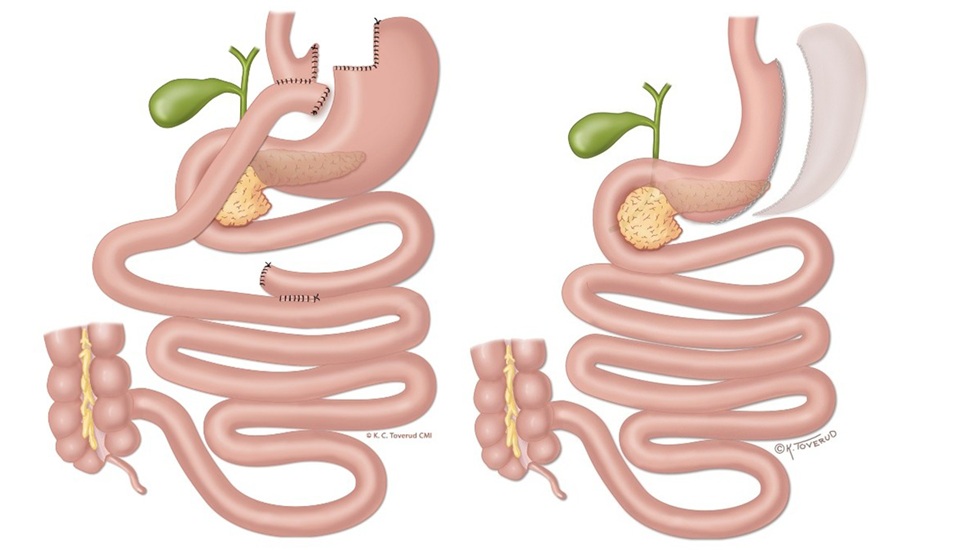
Both methods make patients eat less and feel full faster. This is partly due to reduced volume on the stomach, and partly due to hormonal changes. But a person’s changed anatomy also has consequences for what happens when they drink alcohol.
“In a normal stomach, a significant part of the alcohol will be broken down and thus not pass into the bloodstream. This is due to an enzyme that is secreted in the lining of the stomach. It is this protective mechanism that we deprive the patient of when we operate on the stomach. In addition, what you drink passes much faster into the intestine,” says Strømmen.
The small intestine’s big job is absorption. Since the stomach’s ability to break down alcohol more or less stops, significantly more alcohol passes directly into the bloodstream. That’s true even if the patient drinks the same as before the operation.
You get drunk faster
In a new study, Strømmen and his colleagues have had 33 adult patients undergo stress tests with alcohol. The participants consumed measured amounts of vodka mixed with orange juice both before bariatric surgery, and 3, 12 and 36 months after the operation, after which they had their blood alcohol levels measured after they had consumed the alcohol.
“Our findings show that alcohol uptake almost doubles, both after gastric bypass and gastric sleeve. Perhaps an even more dangerous finding, from a substance-abuse perspective, is that patients reach the maximum blood concentration in only half the time. These effects are lasting, probably lifelong,” Strømmen said.
In other words: The patients were intoxicated faster, and to a much greater extent, by the same amount of alcohol, and it took longer to get sober.
“The effects were more pronounced for people who had gastric bypass surgery. But that does not mean that the sleeve operation is harmless in terms of subsequent alcohol abuse,” Strømmen said.
Gastric bypass (left) and gastric sleeve are the most common forms of bariatric surgery today. In gastric bypass, a corner of the stomach is connected directly to the small intestine, so that both the stomach and one meter of the small intestine are disconnected. In gastric sleeve surgery, part of the stomach is removed so that the volume is reduced, without reconnecting the intestines. Illustration: Kari C Toverud, CMI
Bypass had a 69 per cent higher risk than sleeve
In another study, the researchers compared the risk of getting an alcohol abuse diagnosis after the two bariatric surgeries. The researchers analysed data from the Norwegian Patient Registry linked to the Norwegian Prescription Database for 17,800 patients operated on in the period from 2008 to 2018.
They found that patients who had gastric bypass surgery had a 69 per cent higher risk of being diagnosed with an alcohol-related problem than patients with a gastric sleeve. Bariatric patients who were given an alcohol-related diagnosis also had a higher mortality rate and used specialist health services more than patients who underwent bariatric surgery and who did not receive an alcohol diagnosis.
“It is important that patients, their relatives and health personnel, especially in general medicine, substance abuse and gastro medicine, share this knowledge. These Norwegian studies, based on different data sources and different methodologies, indicate that some of our patients struggle with alcohol problems as a complication from the surgery. Alcohol problems can cost the patient, their relatives, and society a great deal,” Strømmen said.
He likes to tell patients that they need to practice saying no.
“They will suddenly be in social contexts where friends and surroundings expect you to drink as much as before the operation. But your physiology has changed. That means you need to be more careful than before,” he said.
Risk factors for bariatric surgery must be investigated
“We can’t just tell people what to do or not to do,” says Associate Professor Magnus Strømmen. “I believe more that patients need to be educated about the mechanisms behind it. Knowledge can motivate people to be more careful with alcohol. They need to know how altered alcohol absorption can affect their actions while under the influence and that all alcohol intake doubles the stress on their organs. Photo: Aleksander Mjøen
He himself has been involved in building up the obesity outpatient clinic at St. Olavs Hospital in Trondheim. Now he wants to be sure that clinics incorporate this new information into their daily practice. Patients must be assessed individually in relation to the risk of alcohol problems.
“We find that many patients have a clear idea of what type of surgery they want when they are referred. And for a long time, this was given very great importance in the decisionmaking. But obesity is not just a single phenotype. Despite having a large body, patients are very different, also in terms of health,” he said.
Some patients may have type 2 diabetes, others struggle with heartburn. Some may have more extensive obesity and thus desire greater weight loss.
“For a patient like this, gastric bypass may be best. Other conditions may make you want to recommend gastric sleeve. Now we know that the operations result in different risks of alcohol problems. This means we must also investigate the patient’s risk factors for substance abuse before we decide which operation the patient should have. Where patients have several risk factors, gastric sleeve may be a better alternative, but we must also ask whether high-risk patients should be operated on at all,” Strømmen said.
Patients need to know
He wants patients to receive more specific information before the operation.
“It is important that patients make their decision to undergo surgery on a genuinely informed basis. It is not enough to say that their alcohol uptake will change. Patients should be educated about the mechanisms behind increased risk after surgery, and not least how to react differently to alcohol intoxication after surgery as a result of the sudden increase. This information can at best prevent patients from developing alcohol-related problems,” he said.
The patient’s risk factors for substance abuse should be considered before the type of surgery is chosen.
“I think most obesity clinics can get much better at their alcohol history, ie, a thorough conversation about the patient’s alcohol habits and any risk factors. We need to get better at asking the right questions, and make a more precise assessment. But this also requires transparency from the patients. I believe that good patient education can make patients understand why it is important to be honest about these things,” says Strømmen.
Drugs can replace bariatric surgery
In recent years, more effective drugs have been developed against obesity. Strømmen believes these should be considered for everyone before surgery, but especially for those at increased risk of alcohol abuse.
“The current guidelines state that we should not operate on patients with an active substance abuse problem, and that high-risk patients should abstain from alcohol after surgery. However, the guidelines do not provide any guidelines for how patients should be screened. The lack of specification is a problem because this is information that many clinicians are reluctant to ask for, and which patients may be afraid to share,” he said.
Study provides much-needed benchmark with finding that alcohol consumption is associated with increased risk above one drink per day for both men and women
Photo by Pavel Danilyuk on Pexels
Even what many consider to be moderate drinking is linked to an increased risk of death, disability, and chronic diseases such as cancer and heart disease, according to a new study published in the Journal of Studies on Alcohol and Drugs.
“This study provides the most comprehensive US estimates to date of lifetime risks of alcohol-attributable mortality and morbidity, showing that even moderate levels of consumption increase the risk of premature death and disability,” said study co-author Katherine M. Keyes, PhD, professor of Epidemiology at Columbia University Mailman School of Public Health. “No protective effect of drinking was observed even at low levels,” noted Keyes, whose research focuses on alcohol use and other substances epidemiology across the life course.
The findings show mortality risk from alcohol of 1 in 25 for people who consumed an average of 14 drinks per week. In contrast, drinking up to 7 drinks per week was associated with only minimally elevated risks for most conditions.
“Even low levels of alcohol use come with health risks,” says first study author Kevin Shield, PhD, an associate professor at the University of Toronto and a senior scientist who leads the World Health Organization (WHO)/Pan American Health Organization (PAHO) Collaborating Centre in Addiction and Mental Health. “And that risk continues to increase the more someone drinks.”
The researchers, from the United States and Canada, aimed to estimate how lifetime drinking habits affect Americans’ risk of illness and death related to alcohol. After medical experts reviewed more than 7200 scientific articles on alcohol-related diseases and injuries to determine the level of risk for each condition, the researchers applied those risks to large national health data sets. They then used statistical modelling to estimate how different drinking levels influence long-term health outcomes.
The study offers more concrete guidance than the new US Dietary Guidelines, which currently advise Americans to “limit alcoholic beverages” without specifying how much alcohol is safe to drink. Previous guidelines recommended a daily limit of two alcoholic drinks for men and one for women. The definition of a ‘drink’ varies by beverage type, typically 12 ounces (340mL) for beer, 5 ounces (140mL) for wine, and 1.5 ounces (40mL)for spirits, although that too can vary by alcohol concentration.
While the new US Dietary Guidelines contain a useful ‘less-is-best’ message, they provide no quantitative framework, according to the authors. This study was designed to do just that across the drinking spectrum.
It turns out that an average of two drinks per day, which might be considered ‘moderate’ from a social standpoint, is associated with a substantially elevated risk of a premature death caused by alcohol, they explain.
In addition to mortality risk, researchers examined how drinking patterns influence chronic and acute alcohol-related conditions such as cancer – including oesophageal, oral, and breast – cardiovascular disease, liver disease, and injury.
The study overturns a common misconception that alcohol can protect health. The researchers did not observe a significant protective effect of alcohol on overall health at any level of consumption. They noted that at low levels, alcohol may be associated with a reduced risk of ischemic heart disease and stroke. But when you look across the full range of health outcomes, including cancer and other chronic diseases, those potential benefits are outweighed by the risks even at 7 drinks per week.
Statistical modelling used in the study to determine health risks was based on “the best possible data,” according to the team. But they caution one should not assume that means one person’s individual health risk is the same as what is reported here – that depends on other factors like lifestyle, genetics, drinking patterns, and other choices that differ person to person.
The researchers estimated risk for all health conditions known to be causally related to alcohol and then aggregated these estimates to determine the total health risk. Yet, new research continues to emerge that links alcohol with additional health conditions, such as pancreatic cancer. “Understanding those relationships, and how much alcohol contributes to those risks, is an area that still needs further work,” says Keyes and Shield.
By finding that alcohol consumption is associated with increased risk above one drink per day for both men and women, the study offers a much-needed benchmark.
“Having a clearer threshold helps people better understand what level of drinking is associated with increased risk and make more informed decisions when drinking.”
In an accompanying editorial, Robert M. Vincent, a former associate administrator for the US Substance Abuse and Mental Health Services Administration, discusses his view of the behind-the-scenes environment in which the study was produced. “The Alcohol Intake and Health report was explicitly invited to inform alcohol guidance during development of the Dietary Guidelines for Americans, 2025–2030,” he writes. “Despite the study’s adherence to its mandate, its findings were sidelined.”
See the paper for a full list of co-authors and their institutions.
Results highlight concern about co-use, a growing trend that has been understudied until now
Photo by Thought Catalog on Unsplash
A new multisite study published May 12 in Nature Mental Health found that using cannabis and tobacco together increases the risk of developing psychotic disorders like schizophrenia among those considered high risk.
Researchers led by Heather Ward, MD, assistant professor of Psychiatry and Behavioral Sciences and director of Neuromodulation Research at Vanderbilt Health, analysed data from more than 1,000 participants in the North American Prodrome Longitudinal Study, which tracks individuals at “clinical high risk” for psychosis. These individuals often experience mild or early symptoms but have not yet developed a full psychotic disorder.
“The prevalence of cannabis and tobacco use, known as ‘co-use,’ has been rising in the general population for the past several decades, while exclusive tobacco use has declined and exclusive cannabis use has been on the rise,” Ward said. “However, little is known about cannabis and tobacco co-use in adolescents at risk for psychosis.”
Substance use patterns – tobacco only, cannabis only, co-use, other substances and no substance use – were assessed over a two-year period in 734 individuals at clinical high risk for psychosis and 278 healthy controls.
“People with psychosis are much more likely to use cannabis and tobacco than the general population. Because of their heavy cannabis and tobacco use, people with psychosis are also disproportionately affected by the negative consequences of cannabis and tobacco use,” said Ward, who recently presented study findings at the Society of Biological Psychiatry Annual Meeting in an oral session titled, “High Stakes: Consequences of Cannabis Use in Vulnerable Populations.”
According to Ward, in people with psychosis, tobacco use is associated with a 20-year decreased life expectancy compared to the general population, that is attributable to the medical consequences of tobacco use, such as cardiovascular disease, heart attack, stroke and lung cancer.
“In people in their first episode of psychosis, it is estimated that 25%–50% use cannabis. Cannabis use is associated with more severe psychosis symptoms, poor response to treatment and psychiatric hospitalisations. There is even evidence that cannabis use may cause psychosis in people who are already at risk,” Ward said.
“Tobacco and cannabis use in isolation have devastating consequences for people with psychosis, so we wanted to see if people who co-use cannabis and tobacco had more severe psychiatric symptoms and if they were at greater risk for developing psychosis in the first place.”
The study found that regular use of either cannabis or tobacco was linked to anxiety, depression and early psychotic experiences. However, people who used cannabis and tobacco together did not show worse short-term symptoms than those using just one.
However, the biggest difference appeared over time. Those who used cannabis heavily and tobacco lightly were almost three times more likely to develop psychosis compared to those who used neither substance.
The results highlight concern about co-use, a growing trend that has been understudied until now. Researchers defined co-use in the study as “using substances at the same time, on the same occasion, or within a defined time frame where their effects may overlap.”
“We found that cannabis and tobacco co-use was associated with a nearly threefold increased risk of developing psychosis in people who were already at risk,” Ward said. “There is evidence to suggest that using tobacco and cannabis together may have synergistic effects on the brain.
“Smoking tobacco and cannabis together increases absorption of THC, the psychoactive component of cannabis. It is possible that co-use itself is contributing to the development of psychosis. However, it is also possible that the people who are going to develop psychosis anyway have an underlying predisposition to using both cannabis and tobacco.”
Ward said it is important for both patients and clinicians to know that cannabis and tobacco co-use is a risk factor for psychosis. Stopping use of cannabis and tobacco may improve mental health symptoms, and it is possible that stopping cannabis and tobacco co-use could reduce risk of developing psychosis in the first place.
The next step is to replicate this finding in other groups of people at risk for psychosis, and “we need to test if stopping cannabis and tobacco use reduces risk of developing a psychotic disorder,” Ward said.
Lyra Southern Africa’s latest behavioural health data reveals a steady year‑on‑year rise in addictive behaviours among South African employees, reflecting how prolonged stress is reshaping the ways people cope, escape and self‑manage emotional pressure.
Drawn from a five‑year analysis of Employee Wellness Programme trends, the data shows total addictive behaviour cases increasing from 1.79 percent of all cases in 2021 to 2.85 percent in 2025. While this may appear modest when viewed only as a percentage point shift, it in fact represents close to 60 percent growth over the period. Clinicians caution that this scale of increase reflects a material change in coping patterns, unfolding alongside heightened financial, social and psychological strain.
“This is not about sudden spikes or isolated events,” says Dubekile Mugumbate, Business Intelligence and Consulting Manager at Lyra Southern Africa. “It’s about stress that has become part of everyday life, and the coping strategies people reach for when that stress doesn’t let up.”
Lyra’s clinicians note that addictive behaviours rarely appear in isolation. They are often intertwined with anxiety, burnout, relationship strain and overwhelming life pressure. In the current climate, marked by economic uncertainty, rising living costs and ongoing instability at both household and societal levels, more people are turning to behaviours that offer short‑term relief or distraction.
Alcohol remains the most prevalent addictive behaviour across all five years, showing consistent year‑on‑year growth. Alcohol‑related cases have nearly doubled over the period, rising from just over 1 percent of all cases in 2021 to slightly above 2 percent in 2025. Clinicians describe this as a familiar pattern in high‑stress environments, where alcohol becomes an accessible and socially acceptable form of escape from relentless pressure. “When pressure is constant, people reach for what’s available and what works quickly to ‘numb the pain’,” Mugumbate explains.
Drug‑related cases present a different picture. While still significant, drug use and misuse shows a gradual decline as a proportion of addictive behaviour cases over the same period. This does not signal reduced risk, but rather changing access and preference as people gravitate toward behaviours that feel easier to hide or justify in daily life.
Gambling shows one of the sharpest increases. Though starting from a low base, gambling‑related cases more than quadrupled in the data set between 2021 and 2025. Clinicians link this rise to the normalisation of online betting platforms, instant gratification mechanics and the false sense of control gambling can offer to people feeling powerless in other areas of their lives.
Pornography use and sex‑related addictions remain smaller categories overall, but they continue to surface consistently year after year. These behaviours are often framed by employees not as addiction at first, but as stress relief, boredom management or emotional escape. Over time, however, they frequently intersect with shame, relationship breakdown and emotional withdrawal.
Internet and social media addiction, while still representing a smaller proportion of cases, shows renewed growth in 2025 after earlier fluctuations. Lyra clinicians note that constant digital engagement offers immediate distraction, connection and numbing, particularly during periods of uncertainty, loneliness or emotional overload.
Generational insights reveal important differences in how addictive behaviours manifest. Gen Y continues to represent the largest share of cases across all five years. This group consistently accounts for around a third of addictive behaviour presentations, reflecting the compounded pressures of mid‑career responsibility, financial obligation, dependants and expectation overload. For many, escapist behaviours become a way to briefly step away from relentless demand.
“For many Gen Y employees, the load never really comes off,” says Mugumbate. “Escapist behaviours can become the only space where the system pauses, even briefly.”
Gen Z follows closely behind, with a notable dip and resurgence over the period. Clinicians working with younger employees describe a generation navigating early career insecurity, limited disposable income and high exposure to digital environments that reward compulsive engagement.
Gen X shows steady growth year on year, particularly in the later years of the data. Here, addictive behaviours often emerge alongside cumulative burnout, long‑term stress and emotional fatigue rather than risk‑taking alone.
Gen Alpha presentations remain small but concerning. Drug use and pornography are more pronounced within this group than might be expected, highlighting early exposure, digital accessibility and the role of unmonitored online spaces. Clinicians stress the importance of early intervention as these patterns form at younger ages.
Baby Boomers make up a small proportion of cases but tend to present later and with more entrenched patterns. When addictive behaviours do surface in this group, they often intersect with grief, retirement‑related identity loss, health challenges or financial anxiety.
Across all generations, the common thread is escapism. Each behaviour offers momentary relief from stress, whether through numbing, distraction, stimulation or perceived control. In a high‑stress environment, those short breaks can become coping habits, and habits can harden into dependency.
“The rise we’re seeing in addictive behaviours is closely linked to the sustained pressure South Africans have been living under for several years now,” says Mugumbate. “When stress becomes chronic, people don’t always look for long‑term solutions. They look for immediate relief, and that’s where these behaviours come in.”
She adds that organisations often underestimate how closely stress, mental health and addictive behaviours are connected in the workplace.
“Addictive behaviour is rarely about the behaviour alone it’s a signal that something deeper is going unmet. In the current environment, many employees feel overwhelmed, financially stretched and emotionally depleted. Employers who want to protect productivity and wellbeing need to understand that prevention, early support and open conversation are far more effective than waiting until patterns become entrenched.”
As economic pressure, uncertainty and emotional fatigue continue to define daily life for many South Africans, the data suggests that addictive behaviours will remain a growing risk where people are left to cope alone. Organisations that recognise these patterns and invest in accessible, stigma‑free support play a critical role in helping employees find healthier ways to manage the weight they are carrying.
Around 3.8 million people in South Africa developed depression in 2024, researchers estimate in a major modelling study. Photo from Pixabay CC0
By Gauta Mashego
Substance abuse is both a symptom and a consequence of untreated mental illness, and government needs to urgently step in to confront this dangerous overlap, argues Gauta Mashego of SECTION27.
Mental health globally has been in crisis for years. The strain on mental health was especially visible when the world stood still during the COVID-19 pandemic. The prevalence of anxiety and depression increased by 25% in the first year of the global outbreak of the SARS-CoV-2 virus, according to the World Health Organization. However, as the pandemic eased and life returned to the usual, open conversations around mental health also tapered off.
In South Africa, as in many low-and-middle income countries, people struggle with mental health disorders such as anxiety and depression. Around 3.8 million people in South Africa developed depression in 2024, estimate researchers in a major modelling study published as a preprint in March on medRxiv.
Mental health is shaped by many factors
Several studies worldwide report a high prevalence of substance use among people with mental illness compared to the general population.
Researchers have found that patients who suffer from psychotic disorders, such as schizophrenia and bipolar mood disorder, were more likely to abuse alcohol and illegal substances. Indeed, findings from a community survey highlighted a substantial burden of co-occurring mental disorders and alcohol use among men in three provinces in South Africa.
What also makes our society vulnerable to both mental health conditions and increased use of drugs and the development of substance use disorders, is our historical context of apartheid as well as socio-economic factors such as poverty, unemployment, and violence. Researchers have argued that mental health problems are related directly to poverty, while others also make the case that the poor are at greater risk than the rich to suffer from mental illness. At the same time, those living with mental illness are more likely to remain trapped in poverty due to high treatment costs, reduced productivity, and stigma around mental illness.
The kids are not alright
Underage drinking further complicates an already complex problem.
Up-to-date statistics of underage drinking in South Africa are limited, however the matter was thrust into the spotlight on Christmas day in 2025 when a disturbing video circulated on social media showing children between the ages of 6 and 12 consuming alcohol in the presence of adults.
Providing insights into the drinking behaviours of adolescents aged between 11 and 18, a 2019 Human Sciences Research Council study in townships across three provinces found that most had their first drink at the age of 13 or 14 years.
Highlighting the extent of underage drinking among Grade 8–11 learners from public schools in all nine provinces, the 2011 South African Youth Risk Behaviour Survey recorded that around 17% of 13-year-olds and 18% of 14-year-olds had engaged in drinking five or more drinks within a few hours on one or more days in the preceding month.
Mental disorders that commonly co-occur with alcohol use disorders in adolescents include antisocial disorders, mood disorders, and anxiety disorders.
Young people’s drinking habits are often linked to factors such as social norms, and the accessibility and affordability of alcohol. Added to this, since young people are often prolific consumers of media, they are frequently exposed to alcohol advertising and marketing, which encourages the consumption of alcohol.
But there is some hope.
The Liquor Amendment Bill aims to amend the Liquor Act of 2003 to prohibit the advertising, promotion or product placement of liquor in all forms of media. The Amendment Bill is at a very early stage in the legislative process, and it is likely to take time before we see any changes to the law (and longer before we see its implementation).
Other legislative changes debated include raising the legal drinking age from 18 to 21 and keeping schools alcohol-free, and more generally to place a moratorium on new liquor licences and stronger enforcement against Liquor Act violations.
South Africa also has a National Drug Master Plan 2019-2024. It was released by the Department of Social Development, and importantly, it recognises addiction as a chronic disease affecting the brain and behaviour.
However, experts say that while it is a great document, the Central Drug Authority which is tasked with implementing the plan, needs more power and resources to implement the plan’s recommendations.
South Africa also has a National Mental Health Policy Framework and Strategic Plan (2023-2030), that was introduced by the Department of Health. Similarly to its previous iteration, the latest plan envisions the integration of mental healthcare into primary healthcare. A key objective of the new plan is to ensure that mental healthcare users have access to care near their places of work. Another aim is to strengthen collaboration between government departments like education and social development to ensure that mental health is incorporated in planning and service development.
However, as it stands, many public healthcare facilities lack mental health professionals, with rural and underserved communities having little to no access to care. Only about 50% of public hospitals offering mental health services have a psychiatrist, while the country has less than one psychologist for every 100 000 people.
Shortages of mental health professionals mean patients often wait months for appointments. For an adolescent or a child who experiences anxiety, depression or suicidal thoughts, these delays can feel unbearable and it is quite possible that they may give up before receiving help. Currently, only one in ten children diagnosed with treatable mental conditions will have access to care.
While South Africa developed extensive legislative and policy frameworks to give effect to the constitutional right to healthcare, including mental healthcare, constitutional promises must make a difference in the lives of people. Unfortunately, millions of people in the country face barriers to mental healthcare, exposing the persistent gap between constitutional promises and lived reality.
When families lack access to counselling, community-based mental health services and early intervention programmes, harmful coping mechanisms continue to be passed down rather than prevented. To achieve the objectives of the Mental Health Policy Framework by 2030 and to catch up with the National Drug Master Plan that lapsed in 2024, stronger political will and meaningful action are urgently required. This is a crisis South Africa can’t evade.
*Mashego is a candidate attorney with SECTION27.
Note: Spotlight is published by SECTION27, but is editorially independent – an independence that the editors guard jealously. Spotlight aims to deepen public understanding of important health issues by publishing a variety of views on its opinion pages. The views expressed in this article are not necessarily shared by the Spotlight editors.
Regular bonding over meals may help prevent kids from using alcohol, cannabis, and e-cigarettes, but those with significant stress or trauma need additional support
Photo by Vanessa Loring on Pexels
Anew study from researchers at Tufts University School of Medicine finds that regular family dinners may help prevent substance use for a majority of US adolescents, but suggests that the strategy is not effective for youth who have experienced significant childhood adversity.
The findings provide important insights for practitioners looking to help families prevent substance use, as well as for researchers aiming to develop interventions that better account for adolescents’ unique experiences.
For the study, published January 19 in the Journal of Aggression, Maltreatment & Trauma, researchers analysed online survey data from 2090 US adolescents ages 12 to 17 and their parents. Participants from around the country were asked about the quality of their family meals – including communication, enjoyment, digital distractions, and logistics – as well as adolescents’ alcohol, e-cigarette, and cannabis use in the previous six months.
The researchers then examined how these patterns differed based on adolescents’ experiences of household stressors and exposure to violence, as reported by both the children and parents. Instead of counting each adverse experience equally, the researchers created a weighted score based on how strongly the different experiences are linked to substance use in prior research and this national sample.
Higher family dinner quality was associated with a 22% to 34% lower prevalence of substance use among adolescents who had either no or low to moderate levels of adverse childhood experiences.
“These findings build on what we already knew about the value of family meals as a practical and widely accessible way to reduce the risk of adolescent substance use,” said Margie Skeer, the study’s lead author, professor and chair of the Department of Public Health and Community Medicine at the School of Medicine.
“Routinely connecting over meals – which can be as simple as a caregiver and child standing at a counter having a snack together – can help establish open and routine parent-child communication and parental monitoring to support more positive long-term outcomes for the majority of children,” added Skeer. “It’s not about the food, timing, or setting; it’s the parent-child relationship and interactions it helps cultivate that matter.”
Adverse childhood experiences reported by participants in the study included parents being divorced; a family member being diagnosed with a substance-use disorder; someone in the family having a mental-health disorder; the adolescent witnessing violence; the adolescent often being teased about their weight; a parent using non-prescribed drugs daily; or the adolescent experiencing sexual or physical dating violence.
The study found that family meals offered little protection for adolescents whose adversity score reached the equivalent of four or more experiences – a population that encompasses nearly one in five U.S. high school students younger than 18, according to a study of the most recent Youth Risk Behavior Survey data.
“While our research suggests that adolescents who have experienced more severe stressors may not see the same benefits from family meals, they may benefit from more targeted and trauma-informed approaches, such as mental health support and alternative forms of family engagement,” said Skeer.
She added that future research should explore whether other supportive routines – beyond shared meals or outside the family environment – can help protect adolescents exposed to highly stressful or traumatic childhood experiences.