An international research team led by the Medical University of Vienna reports on a new treatment strategy that has made a kidney transplant possible for a patient with no realistic chance of receiving a suitable donor organ. As the case study demonstrates for the first time, the use of a new drug from the field of cancer medicine can achieve a substantial and sustained reduction in antibodies against potential transplants, a level not previously attained. This significantly improves the prospects of a successful organ transplant even in cases with a particularly unfavourable initial immunological profile. The results have recently been published in the New England Journal of Medicine and could open up new perspectives in transplant medicine.
The new drug Teclistamab is currently used to treat blood cancer (myeloma). It specifically eliminates those cells in the blood and bone marrow that produce antibodies against foreign structures. Due to this unique mechanism of action, the substance has now also come to the attention of transplant medicine: the research team led by Georg Böhmig and Martina Schatzl (Clinical Department of Nephrology and Dialysis, Department of Medicine III, MedUni Vienna) applied it for the first time as part of a case study in a dialysis-dependent patient with a highly unfavourable initial immunological profile.
The 37-year-old had developed particularly pronounced HLA sensitisation following two previous kidney transplants. In this process, the immune system produces antibodies against tissue markers of potential donor organs, known as HLA (Human Leukocyte Antigens). These antibodies significantly limit the availability of suitable organs. In the specific case of the study, the calculated probability (cPRA value) of ever finding a compatible donor kidney for the patient was actually zero. Consequently, the study participant’s name had been on the waiting list for more than twelve years, whilst his condition progressively deteriorated.
Successful transplant after 31 weeks of therapy
Treatment with teclistamab over a period of 31 weeks turned the tide: the drug achieved such a substantial and sustained reduction in antibodies against tissue antigens as is not possible with the methods currently available for HLA sensitisation. “During the course of therapy, HLA markers from donor kidneys, against which there had previously been strong antibody reactions, were gradually classified as acceptable,” reports lead author Martina Schatzl. Eventually, a suitable organ was found and successfully transplanted. “The patient is doing very well today; his kidney function is excellent, and he no longer needs dialysis,” adds study leader Georg Böhmig.
Further studies on benefits and risks needed
20 to 30 per cent of patients on the waiting list for donor kidneys are affected by significant HLA sensitisation, some of whom have no chance of receiving a suitable organ. Existing procedures for so-called desensitisation aim to reduce the number of antibodies prior to transplantation, but are only effective to a limited extent and for a short period. The treatment approach described in the case study, by contrast, directly intervenes in antibody production and sustainably reduces the immune response over a longer period. “This could herald a paradigm shift in transplant medicine and open up new prospects for a group of patients who have been particularly disadvantaged until now,” says Böhmig.
Detailed immunological results from the current case study also suggest that the new treatment strategy might also be applicable in xenotransplantation – that is, the transplantation of organs from genetically modified pigs – as well as in blood-group-incompatible transplants. “Looking ahead, an extension to other forms of organ transplantation, such as heart transplantation, as well as use in the post-transplant setting to treat antibody-mediated rejection reactions, also seems conceivable,” says Böhmig. However, before the new treatment strategy can be used in clinical practice, its benefits and risks must be systematically investigated. A study of this kind is already being planned at MedUni Vienna.
Through Cipla’s voluntary licensing agreement with Merck (MSD), Cipla may support potential future access to generic alimatravir, an investigational medicine being studied for HIV-1 pre-exposure prophylaxis (PrEP).
The announcement underscores Cipla’s role in supporting responsible partnerships at a critical moment for the global HIV response, as global leaders, researchers and healthcare professionals convene in Brazil this week for the world’s largest HIV and AIDS conference.
Through the agreement, Cipla may produce generic alimatravir following completion of development, applicable regulatory approvals, technology-transfer requirements and any other country-specific requirements. The voluntary licensing agreement builds on Cipla’s vertically integrated capabilities across the pharmaceutical value chain, enabling the company to support the development and manufacturing activities, under the terms of the agreement.
As one of Africa’s leading pharmaceutical companies, Cipla has contributed to improving access to critical HIV medicines and prevention-related public-health programmes across the continent. In the early 2000s, Cipla made quality, affordable antiretrovirals available at less than $1 per day, contributing to wider access to HIV treatment during a critical period in the global HIV response.
Building on this legacy, Cipla continues to strengthen its contribution to public health through the development, manufacture and distribution of high-quality, affordable medicines that support national and regional HIV priorities, where such medicines are appropriately authorised and supplied in accordance with local requirements.
Paul Miller, CEO of Cipla Africa, said: “Cipla’s vision has always been to make quality healthcare more accessible for patients who need it most. This licensing agreement reflects our long-standing commitment to supporting responsible innovation in HIV prevention for the patients and communities we serve. We believe that expanding future access, where permitted by applicable regulatory requirements, requires extensive manufacturing expertise, reliable supply chains and strategic partnerships that can translate scientific innovations into real-world impact.”
Investment in Local Manufacturing, Sustainable Access
Cipla’s manufacturing network and established presence across African markets position the company to support widespread, sustainable access to HIV medicines. Through decades of experience in producing and supplying medicines at scale, Cipla has helped strengthen healthcare systems and HIV treatment programmes.
The company also remains committed to supporting local healthcare priorities by investing in local manufacturing capabilities and working collaboratively with governments and healthcare professionals to improve access to life-saving medicines. Cipla has been supplying the South African government with equitable access to HIV medication for a number of years. These efforts align with broader ambitions to strengthen pharmaceutical manufacturing capacity on the continent, reinforcing Cipla’s commitment to secure and ensure reliable ARV supply.
Most recently for example, Cipla made significant investments in its local manufacturing facility, upgrading the capacity of the ARV production line with the installation of a new Countec bottle line and increased its tablet filing capacity by 190%. The company is able to locally produce 475 million ARV tablets annually and has upscaled its manufacturing capabilities to ensure sufficient capacity to meet current demand and support near‑term growth, ensuring continuity of supply. Cipla’s overall manufacturing capacity is 1,625 billion tablets annually.
“With a long history of leadership in HIV treatment and prevention, Cipla remains dedicated to helping shape a future where innovative healthcare solutions are accessible, affordable and available to communities across Africa. We want people to live a long and healthy life as part of our ethos of caring for life,” said Paul Miller, CEO of Cipla Africa.
*According to Statistics South Africa, the number of people living with HIV in the country is estimated to be approximately 8 million (12,7% of the population)[1].
Important regulatory notice: Alimatravir is an investigational medicine. It is not registered by the South African Health Products Regulatory Authority (SAHPRA), has not been approved for sale or supply in South Africa, and is not currently available in South Africa. Its safety, quality and efficacy have not been evaluated or approved by SAHPRA. This communication is a corporate announcement about a voluntary licensing agreement and is not intended to promote, recommend or encourage the use of any medicine.
Alimatravir remains investigational and no claims are made regarding its safety, efficacy or suitability. No availability in South Africa is implied by this announcement. Any future availability remains subject to successful completion of development, regulatory approval and applicable local authorization requirements.
Large-scale study results call for earlier cardiovascular screening for women who experience menopause before age 40
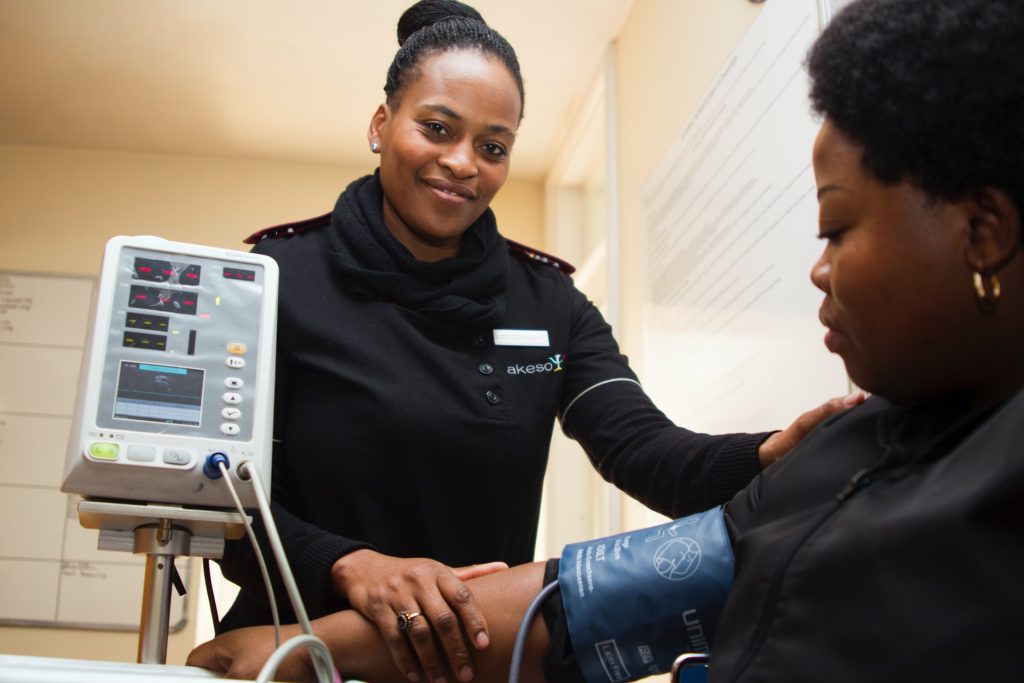
Photo by Hush Naidoo on Unsplash
Women who reach menopause before age 40 face a meaningfully higher risk of developing high blood pressure than those who go through menopause after age 45, according to a new study of more than 107 000 women. Risk peaked among women who reached menopause prematurely between the ages of 25 and 35 years. The results of the study are published online today in Menopause, the journal of The Menopause Society.
Hormone shifts during the menopause transition are known to influence a woman’s overall disease risk, and earlier menopause has previously been linked to higher rates of coronary heart disease and stroke. However, evidence connecting the timing of menopause directly to hypertension has been inconsistent, with some prior meta-analyses finding an association and others finding none.
A key challenge has been separating the direct hormone effects of menopause from indirect effects driven by weight gain, metabolic changes, and other cardiovascular risk factors that tend to accompany the menopause transition.
To address this gap, researchers analysed data from 107 836 postmenopausal women enrolled in the UK Biobank between 2006 and 2010, following them for a median of nearly 15 years through the end of 2003. The study classified women by age at menopause – normal (after age 45), early (ages 40 to 45), and premature (before age 40) – as well as by type of menopause (natural vs surgical) and tracked new diagnoses of high blood pressure over time.
Over the follow-up period, 18 508 women (17.2%) were diagnosed with hypertension. The risk climbed steadily as age at menopause dropped: 16.6% of women with normal age at menopause developed hypertension, compared to 18.8% of women with early menopause and 22.6% of women with premature menopause. After adjusting for more than 50 variables – including weight, lifestyle habits, family history, and lab values – women with premature menopause still had a 12.3% higher risk of developing hypertension than women who reached menopause after age 45.
A further analysis modelling age at menopause on a continuous scale found that risk peaks not at the traditional premature-menopause cutoff of age 40 but between the ages 25 and 35, suggesting the cardiovascular risk associated with premature menopause may be concentrated in an even younger group of women than previously defined. Surgical menopause was associated with higher hypertension rates in initial analyses, but that association did not hold once other risk factors were considered.
Based on these findings, the study authors recommend that clinicians treat age at menopause as a distinct cardiovascular risk factor, particularly for women who reach menopause before age 40. In addition to individualised counselling on hormone therapy, they point to earlier identification and management of high blood pressure as an opportunity to help reduce long-term cardiovascular risk in this group of women.
“The results of this study highlight the potential adverse long-term health outcomes associated with premature menopause, and in particular, the need to regularly screen for cardiovascular risk factors such as hypertension. Use of hormone therapy is also routinely recommended in women with premature menopause at least until the natural age of menopause unless contraindications exist,” says Dr Stephanie Faubion, medical director for The Menopause Society.
Dr Katlego Mothudi is the Managing Director of the Board of Healthcare Funders, an industry representative body for medical aid schemes, administrators and managed care providers.
By Katlego Mothudi
With plans in motion to roll out universal health coverage in South Africa, Dr Katlego Mothudi, of the Board of Healthcare Funders, argues that revising the compulsory prescribed minimum benefits that medical schemes must provide can be a tool to deliver meaningful improvements today while laying the foundations for a more sustainable healthcare system.
South Africa’s journey towards universal health coverage will not be defined by a single policy or piece of legislation, but by the practical reforms that make quality healthcare more accessible and affordable for more people. Achieving this goal requires, among other things, tackling structural barriers that continue to drive up the cost of medical scheme cover and place private healthcare beyond the reach of millions of people in South Africa. One of the most important, yet often overlooked, barriers is the outdated framework governing prescribed minimum benefits (PMBs).
PMBs are the set of conditions and services that every medical scheme is legally required to cover, regardless of the plan a member chooses. Their existence is critical, created with the intention of ensuring scheme members do not lose access to catastrophic care in the event of serious illness. PMBs ensure that members are not reliant on an over-burdened public sector during medical emergencies. And although this principle remains important, the framework has not kept pace with South Africa’s changing disease burden, evolving models of care, or the cost of delivering healthcare.
20 years of PMB limbo
Regulations made under the Medical Schemes Act require PMBs to be reviewed every two years. This must be carried out by the Department of Health together with the Council of Medical Schemes, provincial health departments and other stakeholders. In practice, this has happened only once, more than 20 years ago.
The current review process has been underway for close to a decade without conclusion. As a result, the outdated PMB framework has become one of the most significant contributors to medical scheme costs and thus an inefficient health policy. Actuaries advise that roughly 60% of a scheme’s budget goes towards funding PMBs before any other benefit is considered. This used to be approximately 40% when the PMB was amended in 2003.
The consequences of this laborious review process directly impact household budgets. The most basic scheme cover now costs a single beneficiary in the region of R1 600 a month, with a family of three facing around R4 000. For most working people in South Africa, that is simply unaffordable, and it is a significant reason why medical scheme membership has stagnated even as the population has grown. Furthermore, South Africa’s healthcare “missing middle” has grown to an estimated 8 million people who access private healthcare, paying out-of-pocket, without belonging to a medical scheme.
An out-of-date framework
If the PMB list were redesigned today, using current clinical evidence, the country’s evolving disease burden, and the realities of healthcare affordability, many of its benefits would likely look very different. The current framework no longer reflects what the system can sustainably provide. And because it consumes such a large portion of every scheme’s budget, it crowds out the very things that would make cover more affordable and more useful – primary care, early intervention and prevention.
At a recent Board of Healthcare Funders conference, Dr Fatima Hoosain, a specialist breast and endocrine surgeon, set out the numbers plainly: a mammogram and ultrasound cost in the region of R2 500. Left undetected until the disease has progressed, that same patient may require R100 000 in radiation therapy, R200 000 in chemotherapy, and, for HER2-positive cancers which typically can quickly spread from the breasts to other areas of the body, roughly R7 000 every three weeks for a year in targeted biological therapy. Early detection does not only save lives, but it is also, by a wide margin, the cheaper pathway. From a cardiology perspective, Dr Martin Mpe, president of the South African Heart Association, made the same point at the conference. He argued that the cheapest way to treat a heart attack is to prevent it, and that the system needs to start rewarding prevention rather than paying only for treatment after the fact.
Rather than expanding access, an outdated PMB framework has unintentionally limited it.
A PMB framework anchored in 1999-era diagnosis-and-treatment logic has little room for rewarding the prevention and early detection that would keep patients out of the expensive end of the system altogether. Importantly, reform does not mean stripping away protection. It means modernising the list so that mandatory cover reflects today’s clinical realities. It also means rethinking how the package is defined. The current approach is built around a long, condition-by-condition diagnostic list, a modern framework could instead focus on the essential health services people need most, including preventative care, primary healthcare services, medicines on an essential medicines list, and diagnostics on an essential diagnostics list. It could also emphasise the areas where the disease burden is greatest.
A core service package
This aligns closely with the Board of Healthcare Funders’ (BHF) recent commitment to explore a Core Service Package as a practical step towards universal health coverage. By focusing on the services that deliver the greatest health benefit within available resources, such an approach would place prevention and patients at the centre of the health system while creating greater flexibility to expand affordable access.
The BHF has previously worked to operationalise South Africa’s national Essential Medicines List (EML) within the private funding environment, partnering with MediKredit in 2021 to launch a NAPPI-coded mapping tool that helps funders align benefit design and claims systems with the EML, improve medicine access, and reduce out-of-pocket costs. This existing groundwork offers an affordable, prevention-oriented foundation on which a modernised PMB package could be built.
The evidence of where the current framework falls short is already available. Annually, the Council for Medical Schemes reports on out-of-pocket expenditure, which exceeded R40 billion last year. When people spend that much of their own money on healthcare, over and above their contributions, they are pointing directly to where their cover is failing.
A broader set of changes
PMB reform does not stand alone, and it will not by itself fix affordability. It is the entry point to a broader set of changes that reinforce one another. The most important of these is regulated tariff reform. South Africa currently lacks a transparent, predictable mechanism for setting provider prices, and this absence has driven costs upward for years. Allowing schemes and willing providers to negotiate fair tariffs, within a properly regulated framework, published for transparency, would bring discipline and predictability to pricing and give members clarity on what they are paying for.
Alongside this, permitting schemes to offer low-cost benefit options, a subset of the proposed revised PMBs and based on services rendered in the public sector clinics, would extend affordable, primary-care-based cover to millions of people in South Africa who currently fall outside the system and pay out-of-pocket for private care.
None of these reforms require new legislation or a wholesale restructuring of the health system. They can be pursued within the existing regulatory framework, and PMB modernisation is the logical place to begin, because it addresses the highest single cost in every member’s contribution and unlocks the room to fund better, more preventive care.
For members, this shift would be felt less as a change to their PMB entitlements and more as a change in what their contribution actually buys before a crisis ever occurs. Money currently locked into funding late-stage, high-cost treatment for conditions that could often have been caught earlier could instead support routine age- and risk-appropriate cancer screenings, cardiovascular risk assessments and blood pressure checks, diabetes screening and management support, and the kind of primary care consultations that catch problems while they are still cheap and simple to treat. None of this is about giving members less. It is about intervening earlier, so that fewer members ever need the R100 000 radiation course, the R200 000 chemotherapy regimen, or the cardiac admission that better screening or blood pressure control could have prevented.
There is an understandable reluctance to reopen the PMB framework, given how long the review has already taken and how contested the terrain can be. The longer reform is delayed, the greater the affordability pressures on households and the greater the strain on the broader health system.
Reforming prescribed minimum benefits is ultimately about far more than updating a list of conditions. It is about creating the flexibility to expand access, strengthen prevention and make medical scheme cover affordable for more people in South Africa.
*Mothudi is the Managing Director of the Board of Healthcare Funders, which represents around 45 medical aid schemes in South Africa, including GEMS and Bonitas.
*This piece was published by Spotlight – health journalism in the public interest. Spotlight aims to deepen public understanding of important health issues by publishing a variety of views on its opinion pages. The views expressed in this article are not necessarily shared by the Spotlight editors.
Navigating patient confidentiality, social media and professional boundaries
Photo by National Cancer Institute on Unsplash
Date: Thursday 13th August 2026
Time: 18:00 – 19:45
Earn 2 ethics CPD points
During this webinar, the HPCSA Booklet 5: Confidentiality – Protecting and Providing Information and HPCSA Booklet 16: Ethical Guidelines on social media will be explored from a South African legal and ethical practice perspective. The webinar will offer insights into the complexities of digital communication, including WhatsApp and social media use, consent, online reviews and cybersecurity, while focusing on protecting patient confidentiality and public trust across all forms of communication.
The audience will have an opportunity to listen and engage with clinical, legal and medicolegal subject matter experts. During the webinar, a range of learning opportunities will be offered including short lectures, interactive case studies, audience polling and Q&A.
This webinar will focus on healthcare practitioners engaging in digital communication with patients and colleagues. Administrative staff working in these practices are welcome to join the discussion.
Joining us as panellists will be Emma Sadleir, South Africa’s leading expert on social media law, and Dr Isabel do Vale, a practising medical practitioner and President-elect of APRASSA. Attendance will qualify for 2 Ethics CPD points and EthiQal Recognition Programme points.
Taking antiretroviral therapy as recommended has expanded the lifespan of people with HIV. (Photo: Unsplash)
By Elna Schütz for Spotlight
South Africa’s first set of clinical guidelines focused on older people living with HIV has been released. They offer practical steps in a resource-strained health system to take care of an ageing patient population.
The guidelines are particularly important in South Africa since the country has an ageing population of people living with HIV. Many of these people would only have started treatment relatively long after they contracted the virus, largely because of the government’s reluctance to make antiretroviral treatment available in the early 2000s. The sooner people start treatment after infection, the better their long-term prognosis tends to be.
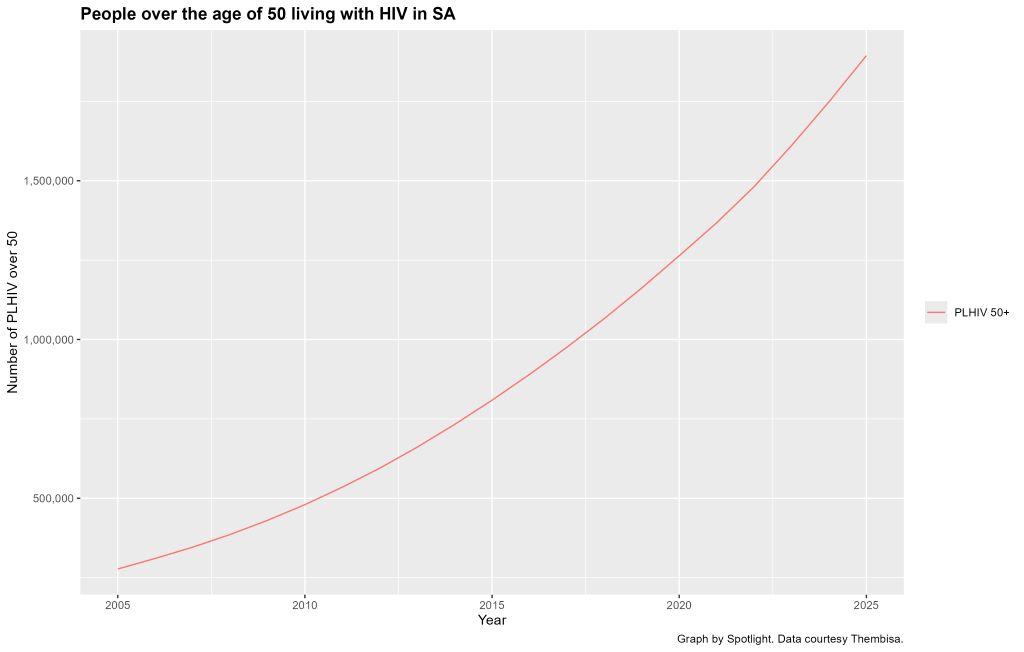
In 2025, there were around 1.9 million people over the age of 50 living with HIV in South Africa, according to Thembisa, the leading mathematical model of HIV in the country. This is 24% of the estimated 7.9 million HIV positive people in the country. The 1.9 million figure is more than double the 800 000 people over 50 who were living with HIV in 2015. This number is projected to rise to over 3.6 million by 2035.
Most people over the age of 50 who are living with HIV contracted the virus before they turned 50. The increase depicted in this graph is thus mainly a function of people who are already living with HIV ageing into the over 50 age group. Some people over 50 do become newly infected with HIV, but those numbers are comparatively small.
The changing make-up of the population of people living with HIV, coupled with the fact that antiretroviral therapy has been crucial for clearing and suppressing HIV in the body was a core driver for developing the new guidelines, Dr Camilla Wattrus, the Clinical Director at the Southern African HIV Clinicians Society, tells Spotlight. She is one of the guidelines’ authors.
“Antiretroviral therapy has expanded the lifespan of people with HIV, but we must now also consider how to preserve the ‘health span’ in this group,” says Wattrus.
She explains that this means increasing the years that are spent in good health with a good quality of life.
Another co-author of the guidelines, Nomathemba Chandiwana, Chief Scientific Officer at the Desmond Tutu Health Foundation, points out that after antiretroviral treatment was introduced in South Africa, the life expectancy of people living with HIV increased dramatically. “We didn’t think people would live as long as they have now, so that’s been a big success,” she says. “But now we have new problems.”
Chandiwana says that older people living with HIV have around 16 fewer years in good health than people without HIV. The 16-year figure (technically 15.3) seems to originate in a study published in 2020 in the JAMA medical journal that compared the health and lifespans of insured people with and without HIV in the United States. For people with HIV who started antiretroviral treatment when they were still healthy (CD4 countes above 500), the difference in healthy years was 9.5 years.
Another broad concern is that clinicians may be focused on HIV-related issues like viral suppression for these patients and not be sufficiently aware of other ageing-related developments. People with HIV get the same ageing related diseases as other people, but there is evidence that they tend to get them earlier.
We know from Thembisa model outputs that on average, people living with HIV today are slightly more likely to die of non-HIV-related causes than AIDS. According to the model, there were 53 000 HIV-related deaths in the year from mid-2024 to mid-2025. This is a thousand fewer than the 54 000 people with HIV who died of non-HIV-related causes over the same period.
What is in the new guidelines
The new guidance states that it is designed to:
Raise healthcare workers’ awareness of the needs and concerns of the population of people living with HIV who are 50 years and older.
Inform healthcare workers about an ageing-related approach to older people with HIV.
Highlight good practices to help healthcare workers provide optimal care for this population.
Provide resources about ageing with HIV for healthcare workers, their patients and their patients’ carers.
Guide clinical settings in implementing geriatric care into HIV clinical practice.
The clinical advice in the guidelines follow the World Health Organisation’s (WHO) principles for Integrated Care for Older People (ICOPE), which emphasises prevention prior to frailty, person-centred assessment, and the involvement of healthcare workers other than doctors.
The guidelines cover a thorough list of challenges faced by older people with HIV that need to be monitored and addressed. For instance, physiologically, there is a risk of comorbid conditions like hypertension and cancer, and an increased risk of complications from polypharmacy, when more than five medicines are used concurrently. Social and behavioural challenges include that older people are perceived to be less likely to get infected with HIV and therefore have lower rates of HIV testing and use of HIV prevention tools.
This population is also at risk of being disregarded or not fully cared for in the healthcare system. The guidelines give examples such as restricted mobility access to health facilities and healthcare workers being unaware of the HIV-related risks in older people. “The health system needs to be equipped to manage their needs in a holistic and integrated way, and that is what this guideline aims to support,” says Wattrus.
The guidelines include a comprehensive schedule of what need to be assessed and screened and at what regularity. There is a particular focus on geriatric syndromes like frailty, cognitive impairment, and managing comorbid non-communicable diseases.
“The idea is that every visit with an older patient involves more than just routine HIV care and that it becomes a conversation about how that person is functioning and living,” says Wattrus.
The guidelines also emphasise how care can be offered by a variety of healthcare providers, depending on the resources available. “Recommendations enable task-shifting, which is a practical necessity in a country where specialists such as geriatricians are scarce, and the bulk of HIV routine care is delivered by healthcare workers at primary care level,” says Wattrus.
Even though the guidelines focus on overall health in older people living with HIV, managing HIV is, of course, a part of this. It cautions that “CD4 recovery may be slower and blunter compared to younger individuals,” but viral suppression is still the primary treatment goal.
The crucial factor here is to choose the correct antiretroviral treatment regimen for the patient. For instance, popular tenofovir disoproxil fumarate (TDF) combinations should be avoided in people at risk of or with osteoporosis, bone fractures, or renal impairment. Regimens with tenofovir-alafenamide or abacavir may be better, though the latter is contraindicated if there is high cardiovascular risk.
The new local guidelines hit largely the same notes as a major commission on HIV and ageing that was published by the journal Lancet HIV to coincide with the AIDS 2026 conference taking place in Rio de Janeiro, Brazil.
“Supporting healthy ageing requires more than sustained viral suppression; it requires care that is informed by what matters most to the individual, with attention to maintaining physical and mental function, minimising healthcare complexity, and addressing multimorbidity, polypharmacy, stigma, and social determinants of health,” the commission found.
Simple systems, big change
Apart from giving healthcare workers a framework for giving better care to older people living with HIV, the guidelines advise how this larger change in the health system can happen for this growing older population. “What is great is that most of the recommendations are not complicated or expensive,” says Wattrus.
She explains that the sensitisation and training of healthcare workers, especially in primary care, is a crucial first step. If they know how to, they can easily incorporate brief screenings, such as those for frailty, into normal appointments. For example, as Chandiwana points out, several geriatric tests need only a chair for the patient to sit down on and get up from. She says it is easier to do these things for people with HIV during their existing appointments, compared to people without HIV who may not be visiting health facilities for regular screenings.
Another relatively easy adaptation is to simply make healthcare services easier to access. “This can be done by having appointments aligned across conditions, fewer unnecessary referrals and genuine attention to broader aspects of their health such as poverty, isolation and limited mobility,” she says.
Chandiwana also suggests that one could consider rolling out geriatric care health cards to track screening, as is often done with children. She would also like to see more community buy-in, in a similar way as there was during the earlier part of the HIV treatment roll-out. For instance, she suggests community health clubs and increased health literacy efforts around ageing.
Avoiding problematic polypharmacy, says Wattrus, is another low-cost, high-yield strategy that does not require specialist input. “Routinely reviewing medication lists, identifying unnecessary drugs, and checking for interactions is straightforward and can make a significant difference,” she says.
More specialists would of course help. Chandiwana says there are fewer than 50 geriatric specialists in the country. She says there is also a much wider need for geriatric-specific training across the healthcare system, including for primary care nurses and community healthcare workers.
Lastly, Chandiwana says the guidelines offer a much-needed look into the unique challenges and needs of older people with HIV as an opportunity for the government to act to prevent a future problem. “So that investment in having scalable, simple systems for people who are ageing, both with HIV and without, I think, would be fantastic, but that needs money,” she says.
Mayo Clinic field trial shows hospitals can reduce emergency department overcrowding using a simple patient-routing checklist based on information already collected at triage.
Photo by Camilo Jimenez on Unsplash
Emergency departments face a common challenge: how to reduce long wait times without adding more beds, hiring more staff or expanding facilities. New research suggests one answer may be hiding in plain sight – making better decisions about where patients receive care.
A new study published in the INFORMS journal Management Science, entitled, “Vertical Patient Streaming in Emergency Departments,” found that a simple, data-driven triage protocol reduced emergency department length of stay by 11 minutes without compromising patient safety or requiring additional resources.
Researchers from Harvard University, Oxford University and Mayo Clinic developed an evidence-based protocol to identify patients who could safely receive care in a seated treatment area – known as a vertical processing pathway – instead of occupying a traditional emergency department bed.
Although many emergency departments already have these areas, decisions about who should be treated there are often made on an ad hoc basis. The researchers sought to replace that variability with a standardised, easy-to-use protocol.
The team first analysed nearly 50 000 emergency department visits at Mayo Clinic Arizona to develop a machine learning model that predicts, using only information collected during triage, whether a patient will ultimately require an emergency department bed. They then combined those predictions with mathematical models of patient flow to determine the most efficient routing strategy before translating the results into a straightforward decision tree that clinicians could implement without new software or changes to hospital IT systems.
To evaluate the approach in practice, the researchers conducted a 13-week prospective field trial involving 11 015 patients at Mayo Clinic Arizona’s new emergency department.
The results demonstrated measurable improvements in efficiency:
11-minute (4.2%) reduction in total emergency department length of stay.
Eight-minute (4.5%) reduction in time from arrival to clinical disposition.
No increase in 72-hour return visits, indicating patient care quality was maintained.
“Our goal wasn’t to add technology to the emergency department,” said Arshya Feizi, lead author of the study and a researcher at Harvard University. “It was to give clinicians a practical, evidence-based way to decide which patients can safely receive care without occupying one of the department’s limited beds.”
The protocol relies only on information hospitals already collect during triage, including a patient’s Emergency Severity Index score, presenting complaint and whether the department is operating over capacity. Because it requires no additional staff, equipment or software integration, the researchers say it could be implemented quickly in many emergency departments.
“Our findings show that improving patient flow doesn’t always require expanding capacity,” said Soroush Saghafian, co-author of the study and professor at Harvard University. “Sometimes the greatest opportunity comes from using existing resources more intelligently.”
The researchers estimate that a medium-sized emergency department treating approximately 40 000 patients annually could recover nearly 6800 bed-hours each year – enough capacity to care for roughly 2000 additional patients while potentially generating approximately $3 million in additional reimbursement, all without expanding facilities or increasing staffing.
Emergency department overcrowding has challenged hospitals for decades, contributing to treatment delays, patient dissatisfaction, clinician burnout and higher healthcare costs. The researchers believe their findings demonstrate that operational improvements grounded in analytics and implemented through simple clinical protocols can produce meaningful gains without sacrificing quality of care.
Cerebrospinal fluid (CSF) protects the central nervous system (CNS). Credit: Scientific Animations Wiki CC-BY 4.0
Deep inside your brain, a clear liquid is constantly on the move. Cerebrospinal fluid (CSF) cushions the brain, delivers nutrients, removes waste and keeps pressure stable. Think of it as an internal tide, circulating through cavities in the brain and around the spinal cord to keep this delicate organ in balance. When that flow is disrupted, the consequences can be serious.
For decades, doctors have relied mainly on static brain scans to guide treatment. But structure tells only part of the story. Researchers at the University of Pretoria (UP) are now focusing on something more dynamic: how fluid actually moves.
Two of the most common neurosurgical conditions worldwide – brain tumours and hydrocephalus (a dangerous build-up of fluid in the brain) – are closely tied to disturbed CSF circulation. Tumours can block or distort the pathways through which fluid moves. Hydrocephalus represents a more obvious breakdown, where fluid accumulates and pressure rises. In both cases, symptoms such as headaches, problems with vision and neurological decline are not simply caused by the presence of disease, but by changes in pressure and pulsating flow inside the skull.
Professor Llewellyn Padayachy, Head of the Department of Neurosurgery at BTC@UP explains: “The optic nerve, which connects the eye to the brain, is surrounded by the same protective layers as the brain itself. CSF flows along this nerve, meaning changes in brain pressure can subtly affect structures at the back of the eye. By using advanced, non-invasive eye imaging, researchers can detect signs of altered fluid flow and pressure without inserting monitors into the brain.”
This matters enormously for children with hydrocephalus and patients with brain tumours who require long-term monitoring. It offers a safer, repeatable way to track disease progression and treatment response. In low- and middle-income countries, where hydrocephalus is common but access to advanced imaging and neurosurgical infrastructure may be limited, such non-invasive tools could reduce reliance on costly technology while still delivering meaningful clinical insight.
The research also helps refine innovation. Modern shunts and endoscopic procedures increasingly aim to restore more natural fluid circulation rather than simply drain excess fluid. Objective eye-based markers provide measurable ways to evaluate whether these technologies truly improve flow.
While the link between the eye and brain pressure has long been recognised, what is new is the integration of advanced imaging, physiological modelling and continuous monitoring. This approach treats CSF flow as a living system, and shifts care from reacting to late damage towards detecting subtle change earlier.
Why this research matters
This work reframes brain disease through a simple but powerful idea: health depends on flow. By learning to read the movements of brain fluid, even through the eye, researchers are paving the way for safer monitoring, smarter surgery and more equitable neurological care worldwide.
Fast fact
The most common surgical treatment for hydrocephalus is the surgical placement of a shunt, which has one of the highest failure rates of any medical device on the market.
Adding oral antihistamines to existing eczema treatments is unlikely to lead to clinically important reductions in eczema and itch severity, and may not reduce sleep disturbance or flare-ups, finds a review of the latest trial evidence published by The BMJ today.
Some antihistamines may also increase side effects such as drowsiness and the risk of patients stopping treatment.
The researchers say this review addresses longstanding uncertainty surrounding the role of antihistamines in treating eczema, and the results do not support their use in routine eczema management.
Atopic dermatitis, commonly known as eczema, is a chronic condition caused by an overactive immune system that leads to dry, inflamed, and intensely itchy skin. It also often impairs quality of life, mental health, and social relationships.
Oral antihistamines are one of the most commonly used drugs for managing eczema, with an estimated one in five UK patients and nearly half of patients in the US using them. Yet despite their widespread use, evidence-based assessments of their benefits and harms in treating eczema remain inconclusive.
To address this uncertainty, researchers reviewed the results of 47 randomised controlled trials involving 6,230 children and adults (average age 20 years; 52% female) with mainly moderate to severe eczema.
The trials compared the effects of adding oral H1 antihistamines, H2 blockers, mast cell stabilizers, or their combinations to placebo (with or without background moisturisers or steroid creams) on eczema severity, itch severity, sleep disturbance, flare-ups and quality of life, as well as harms such as sedation and drowsiness.
The trials were of varying quality, but the researchers were able to assess their risk of bias and certainty of evidence using established tools.
The results show that compared with placebo, H1 antihistamines likely result in a small but clinically unimportant reduction in eczema severity and itch severity and may not reduce sleep disturbance or flare-ups.
First generation (sedating) antihistamines also probably increase cognitive impairment such as sedation and drowsiness, and may increase the risk of stopping treatment due to side effects.
The researchers acknowledge several limitations related to the nature of the included trials, but say these were addressed using standardised and systematic approaches.
As such, they conclude: “This systematic review and network meta-analysis addresses the longstanding uncertainty surrounding the role of antihistamines in treating atopic dermatitis, showing they likely do not meaningfully improve patient important outcomes while probably increasing harms.”
They add: “Our findings do not support their use in routine atopic dermatitis management. We have provided a foundation for an evidence based change in practice, supporting the development of updated atopic dermatitis guidelines that prioritise efficacy, safety, and patient centred care.”
Cardiovascular risk factors are linked to higher risk of heart disease, but it has been unknown how they are related to abrupt closure of the coronary arteries leading to heart attack and sudden cardiac death. A new study by Mass General Brigham Heart and Vascular Institute investigators finds that people with higher modifiable risk factors burden such as high blood pressure, high cholesterol, diabetes, smoking and obesity have more widespread buildup of plaques in major coronary arteries. Furthermore, these modifiable factors were associated with more unstable, high-risk plaques that are prone to rupture and cause heart attacks. Results are published in JACC: Advances.
“The higher the number of vulnerable, or rupture-prone plaques, the greater the chance that one of them will trigger an adverse event,” said senior author Ik-Kyung Jang, MD, PhD, at the Mass General Brigham Heart and Vascular Institute. “Our findings highlight the importance of early, intensive and sustained interventions to control the modifiable risk factors and prevent future events.”
To better understand how modifiable risk factors and non-modifiable risk factors (including age, sex and family history of heart disease) influence dangerous plaque buildup, the research team examined plaque burden and plaque characteristics across all three major coronary arteries. They analysed 534 plaques in 131 patients who underwent optical coherence tomography (OCT), an intravascular imaging modality that can visualise plaques at high resolution.
The researchers reported that patients with more risk factors had more plaques across all three coronary arteries. In addition, greater number of modifiable risk factors was associated with fewer stable plaques and more prevalent vulnerable plaque features such as lipid plaques with thin fibrous caps that are susceptible to disruption. In contrast, non-modifiable risk factors were associated with more stable plaque phenotypes.
The authors note that prospective research involving larger cohorts, including patients who have previously been treated for blocked coronary arteries, is needed to generalise their findings.