Tag: The Conversation

Does 432Hz Tuning Improve your Wellbeing? A Music Psychologist Unpacks the Evidence

Photo by morefun_boy on Unsplash

Sandra Garrido, University of Sydney

If you scroll through social media for long enough, you’ll probably find videos claiming that listening to songs tuned to “A 432Hz” can provide an amazing sense of calmness or healing.

It’s even claimed that listening to music tuned to this frequency can align your internal frequencies to those of the universe. It’s an alluring idea – that simply listening to music tuned in a specific way could improve your health.

But does it have any scientific basis?

An ancient idea

Firstly, what does it even mean if songs are tuned to A 432Hz?

Hertz (or Hz) is a measurement of frequency, or the number of times sound waves vibrate per second. Sounds are transmitted as waves through the air which hit our eardrums to create the sensation of hearing. The more quickly those sound waves are vibrating, the higher the pitch of the note.

In standard concert tuning, the note A above middle C is tuned to 440Hz. A 432Hz tuning simply means the pitch of that A and all the other notes in the music are tuned a little lower than normal.

Some argue 432Hz is closer to natural harmonic frequencies than 440Hz and that using this tuning is therefore better for wellbeing.

The idea that sounds or music can heal or even align us with the cosmos is not new. Long before social media, the ancient Greeks linked sound to the frequencies of the universe. Pythagoras proposed musical notes were governed by simple numerical ratios, the same ratios he believed underpinned the cosmos itself.

Later, medieval and Renaissance thinkers built on these ideas with the concept of “music of the spheres” – the idea that sound could be used to align us with the vibrations of the planets in a kind of cosmic harmony that influenced human emotions and wellbeing.

No magical effect

Although the concept of cosmic alignment is intriguing, there’s little scientific support for the idea that specific frequencies have any magical effect on wellbeing.

In one study from 2019, researchers played movie soundtracks tuned to 440 Hz to participants on one day and to 432 Hz on another day, finding that after listening to the 432 Hz tunings participants had slightly decreased heart rate and blood pressure. However, the study was limited by a very small sample and non-randomisation of participants, making it difficult to separate true frequency effects from expectancy or general relaxation responses.

Modern research suggests the effects of sound or music on wellbeing are less about any single special frequency, and more about how we perceive and interpret sound.

Some have theorised the use of frequencies that correspond to specific brainwave patterns such as delta waves (0.5–4Hz, associated with deep sleep), or alpha waves (8–12Hz, associated with relaxed wakefulness), can make the brain synchronise to those frequencies and achieve a relaxed state.

However, research in support of this theory is inconclusive. One study from 2017 found no changes in electrical activity in the brain after hearing such frequencies presented as binaural beats.

Binaural beats themselves are another form of sound that many claim can have miraculous effects on wellbeing. When two slightly different frequencies are played separately into each ear, the brain perceives a rhythmic pulse at a rate equal to the difference between the two frequencies. This is called a binaural beat.

There is some evidence that our physiological systems (such as breathing and heart rate) synchronise to any beat that we hear. This can help lower our levels of arousal or alertness.

That’s why most of us tend to be attracted to slower, calmer sounding music when we want to relax, for example, since the slower beat helps slow our breathing and heart rate and make us feel sleepier or calmer.

Focusing on your own response

Does that mean binaural beats have any special therapeutic effect? Not really.

A recent study found binaural beats can increase relaxation and alter brain activity. But crucially, similar effects were also observed with other types of moving or spatialised sounds. The authors concluded the benefits were likely driven by general auditory features rather than the binaural beats themselves.

It all comes down to individual preferences and perceptions. For example, binaural beats are frequently associated with meditation or mantras. And it could be this association which enhances the supposed wellbeing effects of binaural beats for some people.

Similarly with music tuned to A 432Hz.

Our brains tend to interpret sounds as expressions of emotional states. When humans are relaxed, our voices are usually lower in pitch than when we are excited or agitated.

Thus, notes of a lower pitch are sometimes perceived as more relaxing than notes that are higher pitched. Again, this doesn’t mean there is anything special or magical about 432Hz tunings – just that for many people, lower pitched notes seem calmer. The same effect could be achieved by listening to other music or frequencies with a lower pitch.

So while 432Hz might sound soothing to some ears, it’s not a shortcut to cosmic alignment. Rather than thinking about the numbers, focus on really becoming aware of your own response. Notice how different sounds make you feel, what slows your breathing, eases your body, or lifts your mood.

When it comes to wellbeing, what works is what works for you.

Sandra Garrido, Senior Research Fellow, School of Psychology, University of Sydney

This article is republished from The Conversation under a Creative Commons license. Read the original article.

No Need to Sign up for Gym: Even Small Movements Have Health Benefits – Research

Photo by RDNE Stock project

Merling Phaswana, University of the Witwatersrand and Philippe Gradidge, University of the Witwatersrand

South Africa is facing an alarming increase in non-communicable diseases and related mortality. According to Statistics South Africa, deaths due to non-communicable diseases such as type 2 diabetes and hypertension increased by over 58% between 1997 and 2018.

The crisis of overweight and obesity in the country adds to the risk of these diseases. Nearly 40% of the adult population is overweight. Although physical activity can help prevent and manage many non-communicable diseases, 47% of adults do not engage in any physical activity. Most people struggle to meet the World Health Organization’s recommended 150-300 minutes of moderate-intensity aerobic physical activity per week.

A significant part of the challenge is that people have adopted an “all or nothing” approach to physical activity. The perception is that one has to participate in structured workouts, such as gym sessions, running, or cycling.

Instead, research has shown that even brief, low-intensity movements can yield measurable physical and mental health benefits. Even everyday tasks count. New evidence shows that short movement bouts of less than five minutes can have positive health implications.

As researchers in exercise science and sports medicine we have observed that physical activity is particularly low in South Africa. Only 19.8% of adults meet the WHO’s guideline, against the global average of 73%.

Our study of 62 office-based workers at the University of the Witwatersrand also showed the short-term health impact of height-adjustable, sit-to-stand desks. Our intervention reduced prolonged sitting and slightly improved indicators such as body mass index and blood pressure. Given South Africa’s high burden of obesity and sedentary lifestyles among office workers, these improvements are encouraging and support global health messaging that even modest increases in daily movement can positively influence health.

These findings were the springboard for the “Mzansi, what’s your move?” campaign at the university. We want to encourage staff and students to move more by showing how simple actions add up to physical activity. The campaign is supported by a series of comics and murals on campuses.

Here, we highlight some of the actions that we used in our campaign to encourage everyone to get moving. These are daily tasks that may seem mundane but count as physical activity, while reflecting people’s realities.

Housework

Many people do not consider housework a form of physical activity. But tasks like sweeping, mopping or vacuuming require sustained movement and engage multiple muscle groups.

Scrubbing floors, washing windows and cleaning bathrooms involve movements such as squatting and stretching. Working in the garden can strengthen muscles too.

As part of our campaign, we’ve developed comic strips that highlight movements that can be done at home and in the community. We emphasise how all family members can move in ways that fit their lifestyles and physical abilities.

Active commuting

Walking or cycling to work or school contribute significantly to daily physical activity. Studies have shown that active commuting is associated with lower body fat, reduced blood pressure, and improved mental well-being.

Including movement into daily travel routines is a practical way to accumulate physical activity without setting time aside. Walking briskly to a train station, cycling a few kilometres to work, or taking a longer walking route to drop off children at school accumulates over time. Even seemingly small changes, such as getting off the bus one stop early or taking the stairs instead of the elevator, produce measurable health benefits over weeks and months.

However, achieving the full benefits of active commuting is complex and it relies on cities building and maintaining road infrastructure. In South Africa, safety is a legitimate concern for all road users. A 2024 Statistics South Africa report shows that more pedestrians than car occupants died in road crashes in 2007, 2013, and 2019. Another safety concern relates to the country’s high crime rates. People may be reluctant to walk, even in their own neighbourhoods.

These challenges are not insurmountable. For starters, people should consider people moving in groups, joining walking and running clubs.

Beyond what individuals can do, municipalities can do something about green spaces. This includes ensuring that parks are safe to walk in and are clean. Broken pavements and bicycle lanes need to be maintained in all neighbourhoods.

Incidental movements

Incidental movements refer to small bouts of activity that occur throughout the day. Integrating these movements into everyday life can yield significant health benefits, especially in office contexts, where many people sit for extended periods. Employers can try nudging staff, for example to use the stairs instead of elevators, with simple posters or painted footprints. Another way to encourage physical activity is to centralise shared equipment (printers, bins, water stations) so that staff walk short distances.

Micro-breaks also provide opportunities for informal movements. Stretching during meetings or after long sitting periods, standing discussions instead of seated ones, and walking meetings for small groups all contribute to the physical activity of employees.

In 2024, we investigated the short-term impact of physical activity interventions such as high-intensity interval training and moderate-intensity continuous training on 43 labourers at the University of the Witwatersrand. The number of participants in this study was small, but the findings show that our intervention reduced indicators such as waist circumference, body mass index, blood glucose and blood pressure, and improved physical fitness.

Way forward

People don’t need a gym membership or a strict workout schedule to get moving. Simple, everyday activities all add up to meaningful physical activity. Small movements help to reduce the risks of chronic diseases, strengthen muscles, boost mental wellbeing, and counteract the harmful effects of prolonged sitting.

These “movement snacks” make exercise accessible, manageable and sustainable, particularly for people who find structured workouts intimidating or time-consuming.

Merling Phaswana, Senior Lecturer, University of the Witwatersrand and Philippe Gradidge, Professor, University of the Witwatersrand

This article is republished from The Conversation under a Creative Commons license. Read the original article.

Is It Anxiety or OCD? 2 Psychology Experts Explain the Difference

Photo by Joice Kelly on Unsplash

Emily Upton, UNSW Sydney; Black Dog Institute and Kayla Steele, UNSW Sydney

Anxiety itself is not a mental illness. It’s a normal, adaptive emotion that helps us respond to perceived threats.

Anxiety is the automatic reaction that makes you jump back when you think you’ve seen a snake while bushwalking – before realising it’s a stick.

It’s also (inconveniently) the sweaty palms and shaky voice you notice before a presentation or a first date, or the circling thoughts that keep you awake at 3am.

Most of us have ways to cope with anxious thoughts and feelings that can give us more of a sense of control. This could be checking and double-checking we’ve got the room right for our presentation, or seeking reassurance from someone we love.

But when might these behaviours fit a diagnosis of an anxiety disorder? And when could they actually be a sign of obsessive compulsive disorder (OCD)?

As clinical psychologists, we find these questions come up a lot, perhaps spurred by a recent surge of interest in OCD on social media. So what’s the difference between anxiety and OCD? And how are they treated?

Social media is full of content ‘diagnosing’ OCD and explaining how it’s different to anxiety. TikTok

When is anxiety something more serious?

“Normal” anxiety can become an anxiety disorder when fears or worry are persistent, intense and start interfering with everyday life.

About one in three people will experience an anxiety disorder at some point in their lifetime.

Among the most common are social anxiety disorder (fear in social situations), panic disorder (frequent panic attacks, and fears you’ll have another) and generalised anxiety disorder (persistent and excessive worry).

These disorders have slightly different symptoms. But all share excessive and persistent fear or worry that causes distress or leads people to avoid important parts of life including work, study or social activities.

So, what about OCD?

Although OCD involves anxiety, it is actually considered a separate disorder in the diagnostic manual used by mental health professionals.

It is possible to have both – around half to three-quarters of individuals with OCD also meet criteria for one or more anxiety disorders as well.

OCD involves obsessions, compulsions, or both. These cause significant distress or interfere with daily functioning.

Obsessions are intrusive, unwanted thoughts, images or urges. This could mean an intense fear your food is contaminated, suddenly visualising hurting someone, or a feeling that keeps entering your mind that you’ve made a serious mistake.

Compulsions are the repetitive behaviours (or mental rituals) people feel driven to perform to ease that distress, such as checking, repeating phrases, excessive hand-washing or seeking reassurance.

Many of us will occasionally experience unwanted thoughts or go back to check the oven is actually off. Keeping things tidy or being particular about routines can simply be habits that don’t cause distress.

But what makes OCD different is its severity and impact.

If obsessions or compulsions take up large amounts of time, cause you significant distress, or interfere with daily life, it may be a sign of OCD.

You can’t “spot” OCD from behaviour alone. OCD can also be invisible because many compulsions happen mentally, such as repeating phrases or counting. People with OCD may also try to hide their symptoms out of shame.

Are OCD and anxiety treated differently?

While anxiety disorders and OCD share some similarities, including repetitive distressing thoughts, the patterns and beliefs driving them are different. This means the way they’re treated will also differ.

Cognitive behavioural therapy (CBT) is one of the most effective treatments for both anxiety disorders and OCD.

For OCD, treatment often involves a specialised form of CBT called exposure and response prevention (ERP). It involves gradually facing situations that trigger distressing thoughts while resisting the urge to perform compulsions.

For example, someone with contamination fears might gradually reduce the number of times they wash their hands before eating. Over time, people learn the feared outcome does not occur, that they can tolerate their discomfort without the ritual, and that the anxiety passes on its own.

Treatment for anxiety disorders focuses on the specific fear. For generalised anxiety, for example, it involves understanding patterns of worry, challenging beliefs that keep worries going, and developing more helpful ways to respond to problems, such as brainstorming solutions and taking small actions.

Antidepressant medication (particularly selective serotonin re-uptake inhibitors, or SSRIs) can be an effective component of treatment for both anxiety disorders and OCD. A combined treatment approach of medication (SSRIs) and therapy (CBT) often leads to the best treatment outcomes, especially for severe OCD.

A final note

While it’s great mental health is being discussed more openly online and stigma is reducing, social media can also blur the line between personal experience and evidence-based information.

If something you’ve seen online has sparked curiosity about your mental health, the best next step is to talk with a qualified professional who can help you understand what you’re experiencing and what support might help.

For more information and resources about anxiety and OCD, visit the Black Dog Institute or Beyond Blue, and ReachOut or Headspace for young people.

There are lots of evidence-based online treatment programs for anxiety disorders and OCD you can access for free or low-cost, such as This Way Up, MyNewWay or Mindspot.

There are also online treatments for kids and teens with OCD and anxiety.

You can also ask your GP about a Mental Health Care Plan for Medicare-rebated psychology sessions.

Emily Upton, PhD Candidate in Psychology, UNSW Sydney; Black Dog Institute and Kayla Steele, Postdoctoral Research Fellow and Clinical Psychologist, UNSW Sydney

This article is republished from The Conversation under a Creative Commons license. Read the original article.

Eczema and Asthma in Children: How Household Fuels are Harming Health in Poor South African Homes

Photo by sena keçicioğlu

Mandla Bhuda, University of South Africa; Janine Wichmann, University of Pretoria, and Joyce Shirinde, University of Pretoria

In many households in Mabopane and Soshanguve – townships on the northern outskirts of South Africa’s City of Tshwane that are marked by high poverty, unemployment and informal economic activity – evenings follow a familiar pattern.

When electricity cuts occur or power becomes unaffordable, families turn to gas stoves, paraffin heaters, or wood and coal fires to cook meals and keep warm. These energy sources contribute to air pollution, but the most harmful exposure often happens indoors, where children spend much of their time. These choices, though often unavoidable, put young children’s health at risk.

Children are particularly vulnerable to air pollution. Their lungs are still developing, their airways are narrower, and they breathe faster than adults.

In 2021, exposure to air pollution was linked to more than 700 000 deaths of children under five years old globally.

They are exposed by inhaling polluted air, swallowing contaminated dust or food, and through skin contact. Household fuel combustion releases tiny particles and harmful gases that irritate the lungs and airways. These pollutants can also damage the skin, triggering immune responses that worsen allergic conditions such as eczema and asthma.

As public health specialists, we examined the association between household air pollution and eczema and severe asthma symptoms among children aged seven years and younger in Mabopane and Soshanguve. We found that the use of polluting household fuels and gas was associated with an increased likelihood of eczema, followed by severe asthma symptoms.

Eczema and its impact

Eczema, or atopic dermatitis, is a chronic skin condition that causes itching, redness and inflammation.

It can significantly affect a child’s life by disrupting sleep and increasing the risk of skin infections. It also raises the likelihood of developing asthma, hay fever, or food allergies later. Visible rashes can equally affect confidence, social interactions and participation in school or play. Exposure to cigarette smoke inside the home further increases the risk of developing or worsening eczema, especially when mothers or female caregivers smoke.

Severe asthma and its impact

Asthma is a long-term condition affecting the lungs and airways, making breathing difficult. Symptoms include wheezing, coughing, chest tightness and shortness of breath. Global asthma prevalence ranges from 9.1% to 9.5% for children.

Severe asthma refers to frequent, hard-to-control, and sometimes life-threatening symptoms. Children with severe asthma may struggle to speak during attacks and are far more likely to need emergency care or hospitalisation. Young children are particularly vulnerable because their lungs, skin barrier and immune systems are still developing. Exposure to indoor air pollution during these early years increases the risk of long-term health problems.

Our study

To understand how household environments affect children’s health, we studied preschool-aged children in Mabopane and Soshanguve, in South Africa’s largely urban Gauteng province, between January 2022 and March 2023.

We randomly selected 42 preschools and collected health and household information from caregivers of 1840 children, including details on eczema, asthma symptoms, household fuel use, and exposure to cigarette smoke inside the home.

What we found

About one in eight children had experienced eczema at some point, and a similar proportion were currently experiencing symptoms. We also found that children from households using electricity for cooking and with no tobacco smoke exposure were less likely to have eczema than those who were exposed.

Children living in homes using open fires – such as paraffin, wood, or coal – for cooking or heating were more likely to have eczema. Exposure to cigarette smoke inside the home further increased this risk, particularly when mothers or female caregivers smoked.

Severe asthma symptoms were also common, affecting about one in six children. The use of gas for cooking or heating was strongly linked to severe asthma symptoms, even though gas is often viewed as a cleaner alternative during power cuts. Poor ventilation can increase indoor pollution, making these energy sources harmful to children.

The use of combined building materials in homes increased the likelihood of having eczema and corrugated iron significantly increased the likelihood of developing its symptoms. The frequency of trucks passing near the preschool children’s residences on weekdays was found to be associated with eczema and current symptoms. There was a significant association observed when trucks passed the children’s residences almost all day on weekdays. Children who walked to preschool had an increased risk of severe asthma symptoms compared with those using other modes of transport.

Why this matters

Although nearly 89% of residents in the study area have access to electricity, many households cannot rely on it consistently. Rising electricity costs and scheduled power cuts force families to use alternative fuels. These coping strategies, while understandable, increase children’s exposure to indoor air pollution during the most vulnerable stage of their development.

Eczema and severe asthma are not just medical issues but also social and environmental ones.

Our study confirmed that children in poorer communities face higher health risks due to their living environments, not just genetics. Susceptible groups, such as children, should be prioritised to reduce the adverse health effects of both outdoor and indoor air pollution.

What needs to change

Protecting children’s health requires more than asking parents to make better choices, as many families do not have safe, affordable alternatives.

Public health education on the dangers of cigarette smoke is crucial. Education campaigns, smoking cessation support and community-level interventions can help reduce children’s exposure to environmental tobacco smoke.

Stronger action on indoor and household air pollution is urgently needed. Evidence from this study can support the South African government in fast-tracking regulations and enforcing ambient air quality laws. It can also help in promoting safer household energy options.

Cleaner air inside homes is not a luxury. For South Africa’s children, it is a public health necessity.

Mandla Bhuda, Senior Lecturer: Public Health, University of South Africa; Janine Wichmann, Professor, University of Pretoria, and Joyce Shirinde, Associate Professor, University of Pretoria

This article is republished from The Conversation under a Creative Commons license. Read the original article.
Kidney Disease is Growing in Africa: Big New Study Casts Light on Genetic Risk Factors

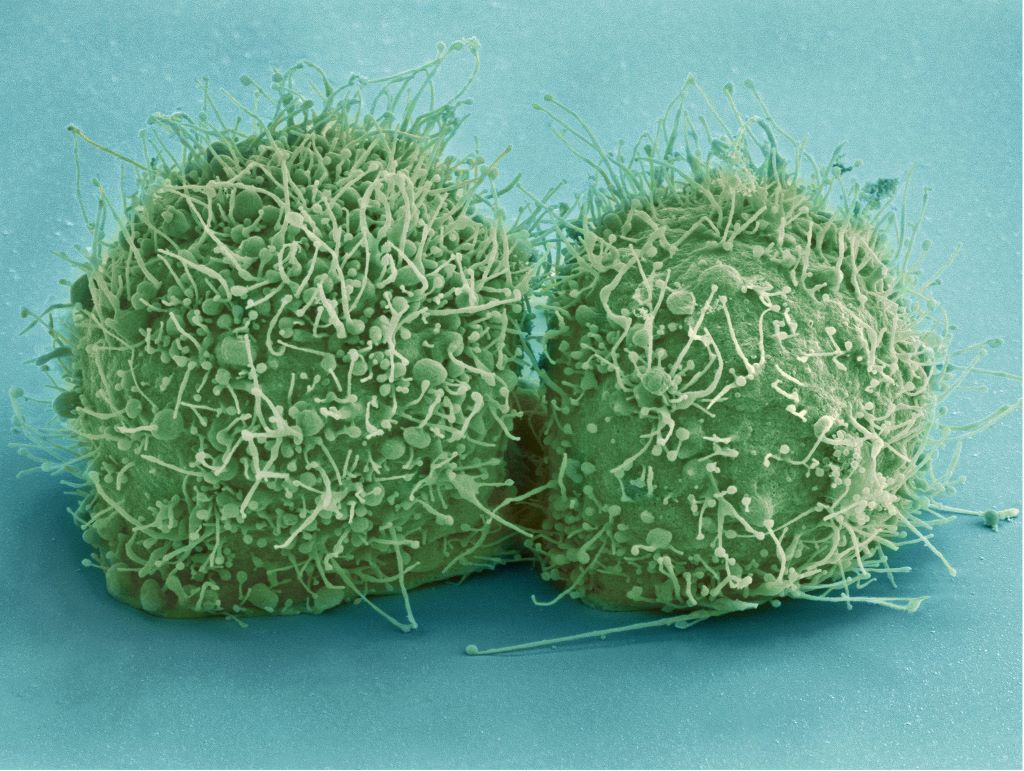
Chronic kidney disease (CKD). Credit: Scientific Animations CC4.0

Segun Fatumo, Queen Mary University of London

Every minute your kidneys are hard at work, filtering around 200 litres of blood, removing waste, balancing salts and fluids, and regulating blood pressure. This happens without any conscious effort on your part.

But when your kidneys begin to fail, the consequences are devastating, including fatigue, fluid buildup and heart complications. Some people eventually need dialysis or a transplant to stay alive.

Kidney disease is one of the fastest-growing causes of death across the world. Around 850 million people are living with some form of it, more than the combined number of people affected by diabetes and cancer. Chronic kidney disease – when your kidneys slowly lose the ability to do their job – causes approximately 1.5 million deaths each year globally and that toll is rising.

But kidney disease develops silently, with few symptoms until it is already severe.

And the burden is not shared equally. People of African ancestry are four times more likely to develop the most severe form of kidney failure than people of European ancestry. In sub-Saharan Africa, rates of high blood pressure and type 2 diabetes are rising too. Both are leading drivers of kidney damage. Around 30% of adults in sub-Saharan Africa have high blood pressure, and 25 million (one in 20 adults) have diabetes) – mostly undiagnosed and untreated.

Sub-Saharan Africa has lower numbers of kidney specialists, dialysis facilities and transplant services per capita than the rest of the world. Africa as a whole has fewer than one nephrologist per million people. In some African countries there are no kidney specialists at all. The global median is around 10 per million. In high-income countries the figure reaches 23 per million. For most Africans who reach kidney failure, there is simply no treatment available.

Identifying who is at risk before their kidneys fail is therefore vital.

Our recently published research fills a big gap here. We are members of the KidneyGenAfrica consortium, a pan-African partnership that aims to deliver research and training excellence in genomics of kidney disease.

We found new genetic variants that point to kidney disease risk in African populations. And we uncovered differences between the genetic risks faced by people living in Africa, on one hand, and people of African descent living in the North America and Europe, on the other.

This shows how important it is for medicine to be based on relevant research.

Understanding kidney disease

Kidney disease does not appear suddenly. It often develops gradually, shaped by a combination of factors. Some people carry genetic variants, small differences in their DNA, that make their kidneys more susceptible to damage.

Others face environmental risks such as high-salt diets, uncontrolled high blood pressure or diabetes infections. The use of herbal medicines, contaminated water and environmental toxins are risks too.

In most cases, it is the combinations of these factors that determine who gets sick and how quickly. But until recently, African populations had barely featured in the scientific conversation about this. Africa, home to the most genetically diverse human populations on Earth, have been represented in only a small fraction of the world’s genomic research.

That is beginning to change.

Large genetic study of Africans

We analysed genomic data from about 26,000 individuals across eastern, western and southern Africa, and around 81,000 individuals of African ancestry living elsewhere. It’s the largest genetic study of kidney function in continental Africans ever conducted.

Our study sheds new light on the genetics of chronic kidney disease across diverse African populations. It will also support future work aimed at improving prevention, diagnosis and treatment of kidney disease among these populations and worldwide.

The team used a method called a genome-wide association study, which scans the entire human genetic code to find variants linked to a particular trait or disease. Here, the trait of interest was estimated glomerular filtration rate, a standard blood test result that measures how efficiently the kidneys are filtering waste. A lower score signals poorer kidney function and higher risk of disease.

Analysing continental African populations alone, the study identified four relevant locations on genes, including two that hadn’t been reported before.

Adding African-ancestry populations across the diaspora, the number rose to 19 locations, three of them new. Four of these genetic locations were pinpointed with high precision. This means the team was able to identify the specific genetic variant most likely driving the effect, rather than simply flagging a region of the genome where something relevant was happening.

Each newly discovered location is now a potential target for future drugs or diagnostic tools.

The study also examined polygenic scores, which are tools that estimate a person’s overall risk of developing a disease. A key finding here was that scores built using data from genetically similar African populations performed better than scores derived from larger but genetically distant datasets.

This matters enormously for medicine in Africa: the science only works if the reference data matches the population it is meant to serve.

A gene that behaves differently on either side of the Atlantic

An important finding from the study concerns a gene called APOL1. Two variants of the APOL1 gene, known as G1 and G2, increase the risk of several serious forms of kidney disease in African Americans. It was widely assumed that the same risk would apply equally to people living on the African continent.

However, the data suggests otherwise. In continental Africa, these high-risk APOL1 variants occur at lower frequencies (and vary across regions of Africa). Their association with reduced kidney function is markedly weaker than in the African diaspora.

The same gene appears to behave differently depending on where a person lives and what population they descend from.

The finding matters for drug development. Clinical trials for kidney disease treatments must include people living in Africa and not just people of African descent living elsewhere.

What must happen now

Several things must follow from this research if it is to benefit people’s health:

  • African health systems must invest in early kidney disease detection. Simple, affordable blood and urine tests can identify kidney damage when lifestyle changes and medication can still make a difference. Genetic risk tools can help identify who needs screening most urgently.
  • Pharmaceutical companies must include continental African populations in their clinical trials.
  • The global research community must continue investing in African genomic infrastructure – research cohorts and large groups of consenting participants whose genetic and health data are collected and stored for analysis.

This research is evidence that African scientists, working with African communities, can generate knowledge that shifts the global picture. The world’s understanding of one of its most urgent health challenges will be sharper for it.

Segun Fatumo, Professor and Chair of Genomic Diversity, Queen Mary University of London

This article is republished from The Conversation under a Creative Commons license. Read the original article.
HEPA Air Purifiers May Boost Brain Power in Adults Over 40 – New Research

Photo by Mari Lezhava on Unsplash

Nicholas Pellegrino, University of Connecticut; Doug Brugge, University of Connecticut, and Misha Eliasziw, Tufts University

Using an in-home HEPA purifier for one month spurs a small but significant improvement in brain function in adults age 40 and older. That’s the result of a new study we co-authored in the journal Scientific Reports.

HEPA purifiers – HEPA stands for high efficiency particulate air – remove particulate matter from the air. Exposure to particulate matter has been connected to respiratory and cardiovascular illnesses as well as neurological diseases such as Alzheimer’s and Parkinson’s. Environmental health researchers increasingly recommend that people use HEPA air purifiers in their homes to lower their exposure to particulate matter, but few studies have examined whether using them boosts mental function.

We analysed data from a study of 119 people ages 30 to 74 living in Somerville, Massachusetts. Somerville sits along Interstate 93 and Route 28, two major highways, resulting in relatively high levels of traffic-related air pollution. This makes it an especially good location for testing the health effects of air purifiers.

We randomly assigned participants to one of two groups. One used a HEPA air purifier for one month and then a sham air purifier – which looked and acted like the real thing but did not contain the air-cleaning filter – for one month, with a monthlong break in between. The second group used the real and sham purifiers in reverse order.

After each month, participants took a test that measured different aspects of their mental capacity. The test probed people’s visual memory and motor speed skills by measuring how quickly they could draw lines between sequential numbers, and it tested executive function and mental flexibility by asking them to draw lines between alternating sequential numbers and letters.

We found that participants 40 years and older – about 42% of our sample – on average completed the section testing for mental flexibility and executive function 12% faster after using the HEPA purifier than after using the sham purifier. That was true even when we accounted for factors like differences in the amount of time participants spent indoors, with either filter, as well as how stressful they found the test.

This improvement may seem small, but it is similar to the cognitive benefits that people experience from increasing their daily exercise. While you may not experience a sudden increase in clarity from a 12% boost, preventing cognitive decline is vital for long-term well-being. Even small decreases in cognitive functioning may be associated with a higher risk of death.

Studies increasingly show that air pollution can be detrimental to brain health.

Why it matters

Air pollution can negatively affect mental function after just a few hours of exposure. Studies show that air purifiers are effective at reducing particulates, but it’s unclear whether these reductions can prevent cognitive harm from ongoing pollution sources like traffic. Research has been especially lacking in people living near major sources of air pollution, such as highways.

People living near highways or major roadways are exposed to more air pollution and also experience higher rates of air pollution-related diseases. These risks aren’t encountered by all Americans equally: People of color and low-income people are more likely to live near highways or areas with heavy traffic.

Our study shows that HEPA air purifiers may offer meaningful health benefits under these circumstances.

What still isn’t known

Research shows that air pollution begins to affect cognitive function especially strongly around age 40. These effects may become increasingly prominent as people age.

HEPA air purifiers may therefore be especially beneficial for older adults. Our study did not explore this possibility, as fewer than 10 of our 119 participants were over the age of 60.

Also, our participants only used a HEPA air purifier for one month. It’s possible that longer durations of air purification may sustain or even increase the improvement in cognitive function we observed in our study.

Finally, it is unclear exactly how air purifiers improve cognition. Some studies suggest that exposure to particulate matter reduces the amount of the brain’s white matter, which helps brain cells conduct electrical signals and maintains connections between brain regions. The brain regions most harmed by air pollution are the ones that control mental flexibility and executive function, the same domains in which we saw improvements in our study.

We plan to study whether reducing particulate matter by using air purifiers is indeed protecting the brain’s white matter, and whether it could reverse some cognitive decline. We will explore that possibility by studying how levels of molecules called metabolites, which cells produce as they do their jobs, change in response to breathing polluted air and air cleaned by a HEPA filter.

The Research Brief is a short take on interesting academic work.

Nicholas Pellegrino, Research Associate in Public Health Sciences, University of Connecticut; Doug Brugge, Professor of Public Health Science and Community Medicine, University of Connecticut, and Misha Eliasziw, Associate Professor of Biostatistics, Public Health and Community Medicine, Tufts University

This article is republished from The Conversation under a Creative Commons license. Read the original article.

Rising CO₂ Levels are Reflected in Human Blood. Scientists Don’t Know What it Means

FabrikaCr / Getty Images

Alexander Larcombe, The Kids Research Institute Australia; Curtin University and Philip Bierwirth, Australian National University

Humans evolved in an atmosphere containing roughly 200–300 parts per million (ppm) of carbon dioxide (CO₂). Today, that figure sits above 420 ppm, higher than at any point in the history of our species.

We know this extra CO₂ is contributing to climate change, but could it also be changing the chemistry of our bodies?

In our recently published research we looked at two decades of information from one of the biggest health datasets in the world to start answering this question. We found some concerning trends.

What we found

We analysed blood chemistry data from the US National Health and Nutrition Examination Survey (NHANES), which collected samples from about 7000 Americans every two years between 1999 and 2020. We looked at three markers: CO₂, calcium and phosphorus.

CO₂ is mainly carried in blood in the form of bicarbonate (HCO₃⁻).

When CO₂ enters the blood, it is converted to bicarbonate. This process largely occurs inside red blood cells, and also produces hydrogen ions.

During short-term exposure to increased CO₂, this can make blood more acidic, and result in a modest increase in bicarbonate levels in the blood (to reduce acidity).

If the exposure continues for a long time the kidneys reduce the amount of bicarbonate lost in urine and also produce more bicarbonate. This has the net effect of higher bicarbonate levels in the blood, to counteract the persistent acidity.

Levels of calcium and phosphorus in the blood may also be affected, as they too play a role in regulating acidity in the blood. These processes are completely normal.

Over the 21 years from 1999 to 2020, we found that average blood bicarbonate levels rose by about 7%. Over the same period, atmospheric CO₂ concentrations rose by a similar proportion.

Atmospheric CO₂ has risen, along with increases in levels of carbonate in the blood and decreases in calcium and phosphorus. Larcombe & Bierwirth / Air Quality, Atmosphere & Health, CC BY

Meanwhile, blood calcium levels dropped by about 2% and phosphorus by around 7%.

If these trends continue, blood bicarbonate levels may exceed healthy levels in around 50 years. Calcium and phosphorus levels may fall below healthy levels, too, by the end of the century.

Our hypothesis is that rising CO₂ exposure could be contributing to these trends.

What’s causing the changes?

It’s important to be clear about what this study does and doesn’t show. It identifies population-level trends in blood chemistry that parallel rising atmospheric CO₂.

But correlation is not causation. The study does not adjust for factors such as diet, kidney function, diuretic use or obesity, which can influence the measurements and should be considered in future analyses.

There are other plausible contributors. One important consideration is indoor air.

Participants in the NHANES study likely spend most of their time indoors, where CO₂ concentrations often exceed 1000 ppm in poorly ventilated spaces. Other studies show time spent indoors has increased over the past two decades.

The NHANES dataset doesn’t capture this parameter, so we can’t directly assess this contribution. However, if more time indoors is contributing, it means total CO₂ exposure is rising even faster than atmospheric trends suggest. This arguably reinforces rather than alleviates the concern.

Other factors, such as shifting dietary patterns, changing rates of obesity, differences in physical activity and even variations in sample collection or processing across survey cycles, could also be important.

Can our bodies cope?

Some critics have argued that, based on what we know about how our bodies manage blood chemistry, we should have no trouble compensating for future increases in atmospheric CO₂, even under worst-case climate scenarios. For example, the lungs can increase ventilation and the kidneys can adjust to produce more bicarbonate.

For most healthy individuals, small long-term increases in outdoor CO₂ are not expected to meaningfully change the levels of bicarbonate, calcium or phosphorus in the blood.

This makes the population-level trends we observed puzzling. They could reflect a confounding rather than a direct CO₂ effect, but they do highlight how little data we have on long-term, real-world exposure.

A lack of long-term data

The argument that we can cope easily with higher CO₂ is based on short-term responses. Whether the same reasoning applies when CO₂ levels are higher across a person’s entire life remains largely untested.

There is, however, a growing body of evidence across many species which shows that even modest, environmentally relevant increases in CO₂ can produce subtle but measurable physiological effects.

In humans, short-term exposure at concentrations commonly found indoors (1000–2500 ppm) has been linked to reduced cognitive performance and changes in brain activity, though the mechanisms aren’t fully understood.

These new findings highlight a gap in evidence about long-term, real-world CO₂ exposure and human physiology. Unfortunately, there simply aren’t any studies assessing the physiological effects of breathing slightly elevated CO₂ over a lifetime.

This is particularly important for children, who will experience the longest cumulative exposure. And that’s why it’s vital to investigate this area further.

What this means

Our findings are not suggesting people will become suddenly unwell when atmospheric CO₂ reaches a certain level. What the data show is a signal that warrants attention.

If rising atmospheric CO₂ is contributing to gradual shifts in blood chemistry at a population level, then the composition of the atmosphere should be monitored alongside traditional climate indicators as a potential factor in long-term public health.

Reducing CO₂ emissions remains crucial for limiting global warming. Our findings suggest it may also be important for safeguarding aspects of human health that we’re only just beginning to understand.

Alexander Larcombe, Associate Professor and Head of Respiratory Environmental Health, The Kids Research Institute Australia; Curtin University and Philip Bierwirth, Emeritus Research Associate, Australian National University

This article is republished from The Conversation under a Creative Commons license. Read the original article.

Copper Peptides: These Powerful Molecules are Worth the Skincare Hype

Picture by Macrovector on Freepik

Ahmed Elbediwy, Kingston University and Nadine Wehida, Kingston University

Peptides have become one of the skincare industry’s most popular ingredients. It’s no wonder why, with evidence showing these powerful molecules hold the secret to healthier, firmer and more radiant skin.

But out of the many peptides that exist, one in particular has been gaining attention lately in the beauty industry: copper peptides.

It’s not surprising that copper peptides are garnering so much attention. This peptide is special because of its ability to multitask – with research showing that not only does it help make the skin firmer and more supple, it also protects the skin from damage.

The human body naturally produces many types of peptides. Each supports vital body functions, acting like tiny building blocks of life. Many help form the foundation of essential proteins – such as collagen and elastin, which help keep skin healthy and youthful.

The three main types of peptides in cosmetics are: carrier peptides, signal peptides and neurotransmitter-inhibiting peptides.

Carrier peptides aid in wound repair by physically transporting important minerals into the cells to initiate repair.

Signal peptides can prevent ageing by stimulating the activation of the skin’s fibroblasts – specialised skin cells that produce substances such as collagen, a protein which helps maintain the skin’s elasticity.

Neurotransmitter-inhibiting peptides act like botulinum toxin, relaxing facial muscles by blocking the signals that make them contract. This may reduce wrinkles.

Copper peptides are actually a type of carrier peptide. They’re produced naturally by your body. But as we age, the concentration of copper peptides in our bodies drops. Applying synthetic, lab-made versions – found in creams, serums and masks – can help replenish these molecules and help your skin.

Copper peptides were first discovered in 1973. Research found that these molecules aided wound healing, which is why the first commercialised carrier peptide in 1985 was designed to deliver copper into wounded tissue.

After gaining research attention for this role, further studies examined what other functions copper peptides had on the skin. Researchers found that they had anti-ageing, anti-inflammatory and renewing properties and also supported hair growth.

Copper peptides act as little helpers that tell your skin cells to repair and rebuild themselves. They do this by boosting collagen and elastin, key proteins that keep your skin feeling smooth and firm.

Copper peptides have been also found to reduce inflammation and calm skin redness, too. But perhaps most crucially, they have been found to act as antioxidants, fighting damage caused by pollution and the sun’s ultraviolet rays.

On top of that, copper peptides improve wound healing. This is why they’re often used after cosmetic treatments – such as face and neck lifts and micro-needling – that can damage the skin. Copper infused wound dressings are also used to help chronic wounds heal faster.

Overall, skin cell studies have shown that copper peptides increase collagen production, improve skin thickness and skin elasticity. Clinical trials and lab tests confirm these benefits, making copper peptides one of the most researched anti-ageing ingredients.

For best results, you might want to try applying it twice a day – first in the morning so it can act as a potent antioxidant, then in the evening so it can replenish collagen overnight.

Copper peptides can also penetrate the skin more effectively when delivered with microneedles, which makes them even more useful in advanced skincare products.

Copper peptides v other peptides

Other peptides do work well on the skin – such as palmitoyl-based peptides and acetyl hexapeptide-8 peptide – both of which fight wrinkles. But these both work differently to copper peptides.

Palmitoyl peptides signal the skin to make more collagen, while acetyl hexapeptide-8 relaxes facial muscles to reduce expression lines, acting like a less expensive version of botulinum toxin.

Copper peptides stand out among these other peptides because they can do the work of multiple peptides in one. Copper peptides boost collagen, improve skin healing and fight oxidative stress. This appears to make them better at preventing the signs of ageing.

Some skin cell studies show they work even better when combined with other well known skincare ingredients, such as hyaluronic acid (which boosts hydration).

However, some combinations of peptides can cause copper peptides to be unstable – making them fall apart. This could increase skin sensitivity, especially when combined with peptides, such as vitamin A and C.

Copper peptides themselves can also cause, in a few people, some skin irritation and mild allergic reactions. If you find you experience these symptoms after using copper peptides, stop use immediately.

Copper peptides are more than just a trend – they’re backed by science. They help keep skin healthy and speed up healing. They might even play a role in future cancer treatments.

Research has shown copper peptides turn on genes that tell damaged cancer cells to shut themselves down and stop replicating. They’ve also been shown to fix other genes that control cell growth and repair.

If you’re curious about skincare, copper peptides may be worth incorporating into your daily routine. Just remember that good, healthy skin also needs other measures – such as sunscreen, hydration and a healthy lifestyle.

Ahmed Elbediwy, Senior Lecturer in Cancer Biology & Clinical Biochemistry, Kingston University and Nadine Wehida, Senior Lecturer in Genetics and Molecular Biology, Kingston University

This article is republished from The Conversation under a Creative Commons license. Read the original article.

Honey from Australian Wildflowers has Potent Power to Kill Bacteria

Photo by Benyamin Bohlouli on Unsplash

Kenya Fernandes, University of Sydney

Before antibiotics and antiseptics, healers across ancient Egypt, Greece, and China reached for honey to treat wounds. Archaeological evidence shows humans have been harvesting and collecting honey for thousands of years – and for much of that time, we understood it to be more than just food.

Today, honey sits in most kitchen cupboards as a perfectly ordinary pantry staple. But honey has never entirely shed its medicinal reputation. And modern research shows us why: it possesses genuine antimicrobial properties, capable of killing or inhibiting a wide range of bacteria, including drug-resistant strains.

This matters now more than ever. Antimicrobial resistance – where bacteria evolve to survive drugs designed to kill them – is one of the defining public health crises of our time. Infections caused by these resistant microbes are becoming harder and more expensive to treat, creating an urgent need for alternative therapies.

Our new study, published in the journal MicrobiologyOpen, shows honeys from Australia’s native flora might be a big part of the solution.

What did we do?

We analysed 56 honey samples collected from more than 35 apiaries across New South Wales. Many samples came from landscapes recovering from the 2019–2020 bushfires. Most were derived from native Australian plants such as eucalyptus, leptospermum and melaleuca.

We tested the honeys against two common bacterial pathogens: Staphylococcus aureus (golden staph) and E. coli – both among the six leading causes of deaths associated with antibiotic resistance. For each sample we measured the minimum concentration needed to stop bacterial growth. The lower the concentration, the more potent the honey.

We also carried out comprehensive chemical profiling, measuring sugars, organic acids, amino acids, enzymes and a wide range of plant-derived compounds. Statistical and machine-learning analyses helped us identify which chemical features best explained antibacterial strength.

What did we find?

More than three-quarters of the honey samples stopped bacterial growth even when the honeys were diluted to 10% or less. This places Australian native flora honeys alongside some of the world’s most potent varieties.

The most striking factor was floral diversity.

Honeys from mixed floral sources – where bees foraged across multiple native plant species rather than a single species – were consistently the most antimicrobial.

This potency wasn’t due to any single compound but to a chemically rich combination.

Multiple bioactive factors – substances that have a measurable effect on living cells or tissues – worked together to inhibit bacteria. These included naturally produced hydrogen peroxide, plant-derived phenolic compounds (naturally occurring chemicals that plants produce as part of their own defence systems), and antioxidants.

When bacteria encounter honey, this combination acts on several fronts at once. The low moisture content draws water out of bacterial cells, while the acidity disrupts their metabolism. Hydrogen peroxide damages their cellular structures, and phenolic and antioxidant compounds interfere with their ability to function and reproduce.

The strength of mixed floral honeys may also reflect the health of the bees themselves.

Access to diverse forage keeps colonies well nourished. And healthier bees produce more biologically active honey as their enzymes help integrate and activate the plant compounds into a complex antimicrobial mixture.

What does this mean for antimicrobial resistance?

Honey won’t replace antibiotics for serious or systemic infections.

But for topical applications – chronic wounds, burns, or surgical site infections – it is a genuinely promising option. Because honey attacks bacteria through multiple simultaneous mechanisms, resistance is far less likely to emerge than with single-target drugs. Our team is now exploring these applications in more detail.

Australia is particularly well-placed to lead in bioactive honey production. Around 70% of Australian honey comes from native plants. These plants are found not only in forests but also across farmland, regional landscapes, and urban green spaces.

Our findings show that prioritising floral diversity over monoculture isn’t just good for ecosystems – it produces more potent honey. With the beekeeping industry under serious pressure from bushfires, floods, and now the varroa mite, protecting and restoring florally-rich landscapes is critical: for bee health, for industry resilience, and for expanding our natural antimicrobial toolkit.

In the meantime, the next jar of Australian honey you buy may just be doing more good than you realise.

Kenya Fernandes, Research Fellow, Faculty of Science, University of Sydney

This article is republished from The Conversation under a Creative Commons license. Read the original article.

Ibuprofen: How an Everyday Drug Might Offer Protection Against Cancer

Photo by Towfiqu barbhuiya: https://www.pexels.com/photo/bottle-with-pills-11361813/

Dipa Kamdar, Kingston University; Ahmed Elbediwy, Kingston University, and Nadine Wehida, Kingston University

Ibuprofen is a household name – the go-to remedy for everything from headaches to period pain. But recent research suggests this everyday drug might be doing more than easing discomfort. It could also have anti-cancer properties.

As scientists uncover more about the links between inflammation and cancer, ibuprofen’s role is coming under the spotlight – raising intriguing questions about how something so familiar might offer unexpected protection.

Ibuprofen belongs to the non-steroidal anti-inflammatory drugs (NSAIDs) family. The connection between NSAIDs and cancer prevention isn’t new: as far back as 1983, clinical evidence linked sulindac – an older prescription NSAID similar to ibuprofen – to a reduced incidence of colon cancer in certain patients. Since then, researchers have been investigating whether these drugs could help prevent or slow other cancers too.

NSAIDs work by blocking enzymes called cyclooxygenases (COX). There are two main types. COX-1 helps protect the stomach lining, maintains kidney function, and plays a role in blood clotting. COX-2, on the other hand, drives inflammation.

Most NSAIDs, including ibuprofen, inhibit both, which is why doctors recommend taking them with food rather than on an empty stomach.

Ibuprofen and endometrial cancer

A 2025 study found that ibuprofen may lower the risk of endometrial cancer, the most common type of womb cancer, which starts in the lining of the uterus (the endometrium) and mainly affects women after menopause.

One of the biggest preventable risk factors for endometrial cancer is being overweight or obese, since excess body fat increases levels of oestrogen – a hormone that can stimulate cancer cell growth.

Other risk factors include older age, hormone replacement therapy (particularly oestrogen-only HRT), diabetes, and polycystic ovary syndrome. Early onset of menstruation, late menopause, or not having children also increase risk. Symptoms can include abnormal vaginal bleeding, pelvic pain, and discomfort during sex.

In the Prostate, Lung, Colorectal, and Ovarian (PLCO) study, data from more than 42,000 women aged 55–74 was analysed over 12 years. Those who reported taking at least 30 ibuprofen tablets per month had a 25% lower risk of developing endometrial cancer than those taking fewer than four tablets monthly. The protective effect appeared strongest among women with heart disease.

Interestingly, aspirin – another common NSAID – did not show the same association with reduced risk in this or other studies. That said, aspirin may help prevent bowel cancer returning.

Other NSAIDs, such as naproxen, have been studied for preventing colon, bladder, and breast cancers. The effectiveness of these drugs seems to depend on cancer type, genetics, and underlying health conditions.

Ibuprofen’s broader potential

Ibuprofen’s possible cancer-protective effects extend beyond endometrial cancer. Studies suggest it may also reduce risk of bowel, breast, lung, and prostate cancers.

For example, people who previously had bowel cancer and took ibuprofen were less likely to experience recurrence. It has also been shown to inhibit colon cancer growth and survival, and some evidence even suggests a protective effect against lung cancer in smokers.

Inflammation is a hallmark of cancer and ibuprofen is, at its core, anti-inflammatory. By blocking COX-2 enzyme activity, the drug reduces production of prostaglandins, chemical messengers that drive inflammation and cell growth – including cancer cell growth. Lower prostaglandin levels may slow or stop tumour development.

But that’s only part of the story. Ibuprofen also appears to influence cancer-related genes such as HIF-1α, NFκB, and STAT3, which help tumour cells survive in low-oxygen conditions and resist treatment.

Ibuprofen seems to reduce the activity of these genes, making cancer cells more vulnerable. It can also alter how DNA is packaged within cells, potentially making cancer cells more sensitive to chemotherapy.

A word of caution

But not all research points in the same direction. A study involving 7,751 patients found that taking aspirin after an endometrial cancer diagnosis was linked to higher mortality, particularly among those who had used aspirin before diagnosis. Other NSAIDs also appeared to increase cancer-related death risk.

Conversely, a recent review found that NSAIDs, especially aspirin, may reduce the risk of several cancers – though regular use of other NSAIDs could raise the risk of kidney cancer. These conflicting results show how complex the interaction between inflammation, immunity, and cancer really is.

Despite the promise, experts warn against self-medicating with ibuprofen for cancer prevention. Long-term or high-dose NSAID use can cause serious side effects such as stomach ulcers, gut bleeding, and kidney damage.

Less commonly, they may trigger heart problems like heart attacks or strokes. NSAIDs also interact with several medications, including warfarin and certain antidepressants, increasing the risk of bleeding and other complications.

The idea that a humble painkiller could help prevent cancer is both exciting and provocative. If future studies confirm these findings, ibuprofen might one day form part of a broader strategy for reducing cancer risk, especially in high-risk groups.

For now, experts agree it’s wiser to focus on lifestyle-based prevention: eating anti-inflammatory foods, maintaining a healthy weight and staying physically active.

Everyday medicines may yet hold surprising promise, but until the science is settled, the safest prescription for cancer prevention remains the oldest one: eat well, move often, and listen to your doctor before reaching for the pill bottle.

Dipa Kamdar, Senior Lecturer in Pharmacy Practice, Kingston University; Ahmed Elbediwy, Senior Lecturer in Cancer Biology & Clinical Biochemistry, Kingston University, and Nadine Wehida, Senior Lecturer in Genetics and Molecular Biology, Kingston University

This article is republished from The Conversation under a Creative Commons license. Read the original article.