Tag: 29/6/26

Breast Milk, Best Sleep According to Japanese Study

Japanese study of more than 82 000 children finds that breastfed infants are less likely to have short sleep at age one

Photo by William Fortunato on Pexels

In contrast to the misconception that breastfed babies sleep less as breastmilk is easily digested, a new study of 82 918 infants found that children who received breast milk during the first six months of life were less likely to experience short sleep duration at one year of age than those who were exclusively fed formula. Using data from the Japan Environment and Children’s Study, the researchers proposed biological mechanisms that may help explain this association.

The World Health Organization (WHO) recommends exclusive breastfeeding for the first six months of life because of its many proven benefits, including protection against infections and support for healthy long-term development. However, perceptions that breastfed infants sleep less or require more frequent feeding than formula-fed infants remain common among parents and caregivers. Short sleep duration during infancy has also been linked to obesity, behavioural problems, and poorer cognitive performance later in life. Therefore, adequate sleep during this period is considered important for healthy physical and psychological development. Although infants are known to gradually develop longer and consolidated sleep periods, some caregivers choose formula feeding partly based on concerns about their child’s sleep.

To better understand the relationship between infant feeding and sleep, Ms. Yuri Nakagawa, a doctoral researcher at the University of Toyama, Japan, and colleagues analysed data from the nationwide Japan Environment and Children’s Study (JECS), one of the world’s largest birth cohort studies. The study examined 82 918 mother–infant pairs to investigate whether feeding practices during the first six months of life were associated with sleep duration at one year of age. The findings were published in the European Journal of Clinical Nutrition on March 31, 2026.

“WHO widely promotes breastfeeding, and most people are aware of the multiple health benefits it provides. Nevertheless, perceptions that breastfed infants sleep less, or that formula-fed infants sleep for longer periods, remain common. We wanted to provide solid evidence to bust this misconception,” says Ms Nakagawa, the study’s first author.

The mothers were given questionnaires at 6 months asking about the feeding practices they followed during the first six months for their babies. The children were then divided into four groups according to their feeding method. The first group consisted of infants fed exclusively with formula. The second group included infants who were breastfed for less than six months. The third group included infants who were breastfed throughout the six-month period while also receiving formula supplementation. The fourth group consisted of infants who were exclusively breastfed for six months. When the children reached one year of age, parents completed another questionnaire reporting their child’s sleep duration. Children sleeping less than 11 hours per day were considered to have insufficient sleep, based on the US National Sleep Foundation recommendations.

All groups that received breastmilk showed lesser chance of insufficient sleep compared to exclusively formula-fed infants. While infants who received only formula for the first six months had a 12.2% chance of having short sleep, the risk in infants breastfed for less than 6 months was only 10.2%. When breastfed for the entire six months and supplemented with formula, the risk further fell to 9.7%. The least risk of insufficient sleep at age one was for babies exclusively breastfed for the first six months, at 8.8%. After adjusting for a wide range of maternal, infant, and environmental factors, infants who were exclusively breastfed for six months had a 23% lower likelihood of short sleep duration compared with those fed only formula. The findings also showed a graded association, with longer breastfeeding duration associated with a progressively lower likelihood of short sleep.

“This study provides reassurance against the common perception that breastfed babies sleep less because breast milk is digested more rapidly,” says Ms Nakagawa. “Our findings suggest that such concerns should not discourage parents from considering breastfeeding and its many well-established benefits,” she adds.

The researchers proposed several possible explanations. While the nutritional composition of formula remains relatively constant, that of breast milk adapts to the changing needs of the infant. To help establish and regulate the baby’s internal clock and sleep–wake cycle, melatonin – a hormone that promotes sleep onset and improves sleep quality—is secreted into breast milk at night. Because newborns produce only small amounts of their own melatonin, breast milk-derived melatonin may help support the development of healthy sleep rhythms. In addition, breast milk contains tryptophan, an amino acid used to produce melatonin. Interestingly, tryptophan concentrations in breast milk have also been found to be higher at night.

Furthermore, growing evidence supports the gut–brain axis, a communication network linking intestinal bacteria and brain function. Breastfeeding is known to positively influence the development of a healthy infant gut microbiome. Differences in gut microbiota between breastfed and formula-fed infants may also contribute to the development of healthy sleep–wake patterns and sleep quality.

Source: University of Toyama
New Shingles Vaccine to Be Launched in SA Private Sector, but Affordability May Limit Access

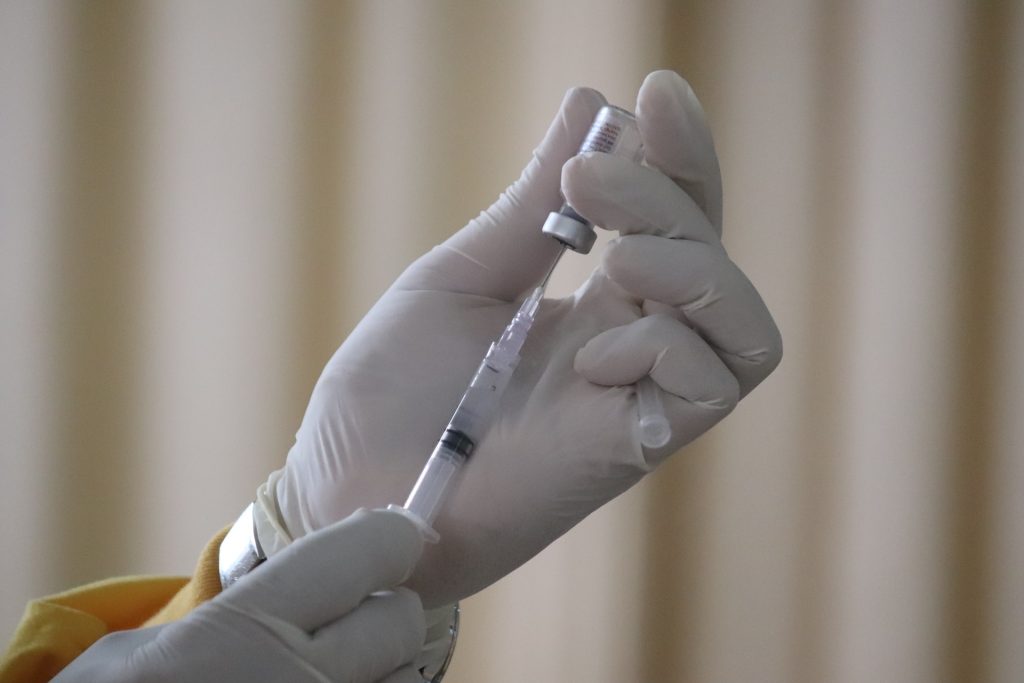
A more effective vaccine against shingles – an often painful and debilitating condition caused by the same virus that causes chickenpox – will soon be available in South Africa’s private sector. Photo by Mufid Majnun on Unsplash

By Marcus Low and Catherine Tomlinson

Ten years after its launch in the United States, a new, more effective shingles vaccine is finally set to hit the market in South Africa. While the vaccine, called Shingrix, should soon be available at private sector pharmacies, it seems unlikely that it will be provided in the country’s public healthcare system any time soon.

A more effective shingles vaccine is finally set to hit the market in South Africa. Shingles is a common and painful condition that mostly affects the elderly and people with weakened immune systems. It generally appears with a telltale red rash and cluster of red blisters on one side of one’s body, often in a band-like pattern.

“Shingles is pretty awful to get – it’s extremely painful, and some people can get strokes, vision loss, deafness and other horrible manifestations as complications,” infectious disease specialist Professor Jeremy Nel previously told Spotlight. “Shingles really is something to avoid, if at all possible.”

One way to prevent the viral infection, is to get vaccinated against it. Unfortunately, getting hold of shingles vaccines have been a challenge in South Africa.

A vaccine called Zostavax, from the pharmaceutical company MSD, was approved by South Africa’s medicines regulator in 2011, but taken off the market here in 2024. It was only around 50% effective at preventing shingles.

A more effective vaccine, called Shingrix, was introduced by GlaxoSmithKline (GSK) in the United States in 2016. Shingrix is estimated to be around 90% effective in preventing shingles.

But, as Spotlight reported last year, access to Shingrix in South Africa has been severely constrained. That was partly because the vaccine had not been registered by the South African Health Products Regulatory Authority (SAHPRA). Because of this, the only way to get the vaccine in the country was via a Section 21 application – a mechanism in the Medicines Act that allows for the limited importation of unregistered medicines.

That situation changed earlier this month when Shingrix was registered by SAHPRA, thus opening the door for the jab to be imported at scale and sold at pharmacies.

“GSK’s vaccine against shingles (herpes zoster) is expected to be available in South Africa by the end of June 2026,” a GSK spokesperson told Spotlight this week.

It will be launched at a price of R2 783 per dose, including VAT. The total price charged by pharmacies will be slightly higher due to extras like the cost of administration.

Shingrix vaccination requires two doses administered two to six months apart. Since Shingrix is a schedule 4 product, you will need a prescription from a doctor to get it. (You can see more technical details about the vaccine as released by SAHPRA here.)

What about public sector access? 

After a vaccine is registered by SAHPRA, the next step on the road to potential public sector access is typically for that vaccine to be considered by the National Advisory Group on Immunisation (NAGI). NAGI then makes a recommendation to the National Department of Health on whether or not the vaccine should be procured for the public sector.

“The decision for the public health sector to offer any vaccine, including Shingrix, is based on the recommendations by NAGI, which considers a number of factors, including availability of [the] registered health product, effectiveness and safety, operational feasibility, alignment with public health priorities, and whether sufficient funding is available,” Foster Mohale, spokesperson for the National Department of Health, told Spotlight.

He said the department has not yet received NAGI’s assessment outcomes and recommendations regarding Shingrix.

It seems likely that an asking price of over R2 000 per dose will be considered unaffordable for the public sector. That said, the price will have to be weighed up against the savings that will result from fewer people developing shingles and requiring treatment.

Spotlight asked GSK whether the company has engaged with the health department regarding the potential supply of Shingrix to the public sector and what price they might offer the government (the department of health often procures medicines at lower prices than what is asked in the private sector).

A GSK spokesperson responded: “As Shingrix is expected to become available in South Africa by the end of June 2026, we anticipate its initial introduction within the private sector. GSK is open to relevant discussions regarding the availability of this vaccine in the public sector.”

What about medical scheme coverage?

For now, it is unclear to what extent medical schemes in South Africa will cover the jab.

“For a vaccine to be considered for funding by the medical scheme, it must be registered with SAHPRA, have a valid NAPPI code, and be commercially available in South Africa,” Dr  Noluthando Nematswerani, Chief Clinical Officer at Discovery Health, told Spotlight.

Nematswerani pointed out that Shingrix is not yet commercially available in the country. Spotlight received her comments on 25 June 2026.

When Shingrix does become commercially available, that is to say when it’s available in pharmacies, it seems likely that at least some medical scheme members will be able to access it using their medical savings accounts.

“Discovery Health Medical Scheme funds vaccines that are registered with SAHPRA from the member’s available Medical Savings Account (MSA) on plans that include an MSA benefit,” said Nematswerani.

“Until Shingrix becomes commercially available locally, Discovery Health Medical Scheme members can only access Shingrix via a Section 21 authorisation process. Medicines accessed under Section 21 are treated as a general scheme exclusion and are therefore not funded from scheme benefits,” she said.

Who should get the vaccine?

As we previously reported, South Africa does not have guidelines regarding who should receive the shingles vaccine and when they should receive it. The US Centers for Disease Control and Prevention recommends that all adults over 50 receive the two-dose Shingrix vaccine. They also recommend that people whose immune systems can’t defend their body as effectively as it should, like those living with HIV, should get the vaccine starting from age 19.

In March 2025, the World Health Organization (WHO) recommended that countries where shingles is an important public health problem consider the two-dose shingles vaccine for older adults and people with chronic conditions.

“The vaccine is highly effective and licensed for adults aged 50 years and older, even if they’ve had shingles before,” according to the WHO. It advised countries to look at how much the vaccine costs compared to the benefits before deciding to use it.

Republished from Spotlight under a Creative Commons licence.

Read the original article.

Not All Children with Early Puberty Need the Same Level of Testing or Treatment

Endocrine Society guideline addresses different subgroups of central precocious puberty

Photo by Ben Wicks on Unsplash

Some subgroups of children with precocious puberty – such as older girls with slowly progressing puberty – may not need the same level of testing or treatment, according to a new Endocrine Society Clinical Practice Guideline.

“Children who start puberty earlier than usual should be carefully evaluated so they receive the right care at the right time – without unnecessary tests or treatment,” said the guideline’s writing group chair, Ana Claudia Latronico, MD, PhD, of the University of São Paulo. “The Endocrine Society’s guideline gives clinicians evidence-based suggestions to identify central precocious puberty, understand its causes and decide when and what treatment is appropriate.”

Central precocious puberty happens when a child’s brain activates puberty-related hormones too early – before age 8 years in girls and before age 9 years in boys. This early hormone signalling triggers physical changes such as breast development in girls, testicular enlargement in boys, rapid growth, and, in some cases, early menstruation.

Early puberty can affect a child’s adult height and is associated with long-term physical and emotional health risks, including psychosocial stress, heart disease, and some cancers later in life.

According to the guideline authors, puberty-pausing medication, which temporarily pauses the brain signals that start puberty, can be an effective treatment and has the potential to increase adult height as well as improve psychosocial and long-term health outcomes among children with early puberty.

“Some subgroups of children may not need the same level of testing or treatment. For example, older girls with slowly progressing precocious puberty often have normal adult height without intervention,” said the guideline’s writing group co-chair Stephanie Roberts, MD, of Boston Children’s Hospital in Boston, Mass. “We give clinicians suggestions that avoid unnecessary or invasive testing and treatment, such as sometimes initially using a period of observation by their health care provider, using simpler testing methods and individualising treatment when indicated.”

Suggestions from the guideline include:

  • Monitoring girls with early breast development with physical exams every 4-6 months before initiating diagnostic testing
  • Observing girls under 7 years old for 4-6 months to distinguish slowly vs. rapidly progressing puberty, since slow progression often results in normal adult height without treatment.
  • Using simple first-line testing with a basal luteinising hormone (LH) blood test rather than GnRH agonist stimulation testing.
  • Avoiding routine brain MRIs in older children (> 6 years in girls and > 7 years in boys) without neurological symptoms.
  • Not routinely doing genetic testing, especially for cases without a family history of early puberty.
  • Starting treatment with longer-acting puberty-delaying medications (rather than shorter-acting medications) whenever it is expected that longer-acting medications will be used for long-term therapy.
  • Not routinely using growth hormone therapy.
  • Not routinely doing frequent lab monitoring during treatment unless treatment failure is suspected.
  • Discontinuing therapy by early adolescence (about 10-11 years in girls, 11-12 years in boys).

The new guideline is available online.

Source: Endocrine Society

An Unusual Antibiotic Pairing Is a New Breakthrough in Antimicrobial Resistance

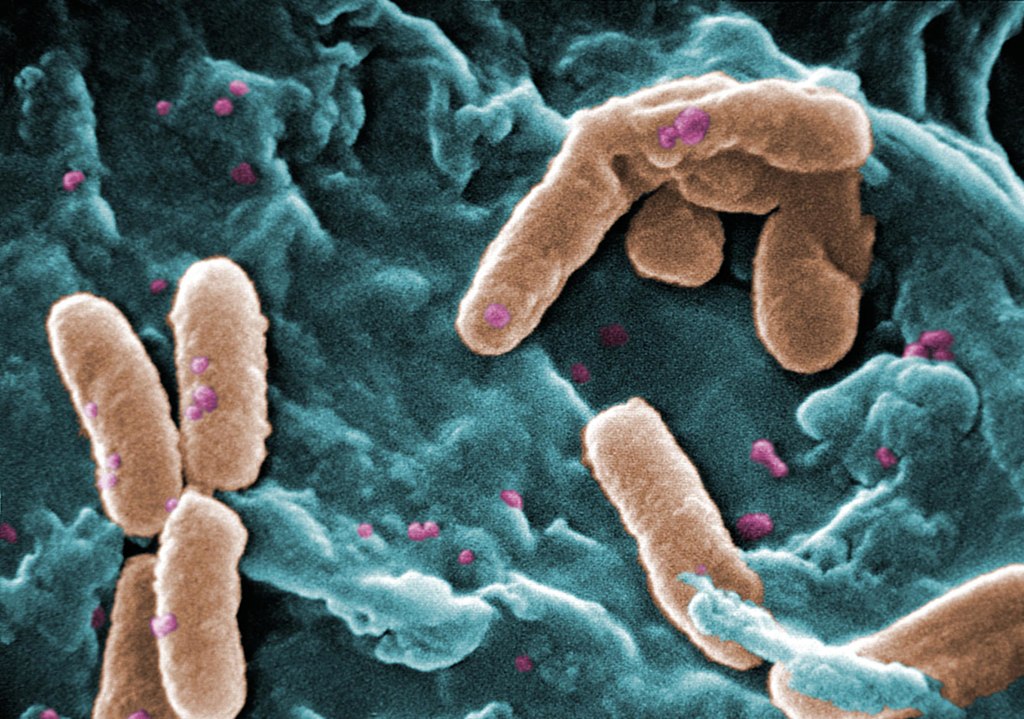
Pseudomonas bacteria. Source: Wikimedia CCO

A Monash University-led study has found that an unusual pairing of two commonly used antibiotics can kill and stop the spread of resistance in a highly drug-resistant bacterium, Pseudomonas aeruginosa, which can cause life-threatening bloodstream infections, pneumonia and meningitis.

Published in The Lancet Microbe, Monash Institute of Pharmaceutical Sciences (MIPS) researchers used a validated laboratory infection system in which they were able to expose bacterial samples from infected patients to simulated antibiotic dosing regimens, as would actually occur in hospitalised patients.

The discovery of the combination regimen of two so-called β-lactam antibiotics – the most commonly used antibiotics class against serious infections – comes in the context of the World Health Organization’s designation of Pseudomonas aeruginosa as a high-priority pathogen requiring rapid and sustained action.

Antimicrobial resistance (AMR) is one of the top global public health threats and was directly responsible for 1.14 million deaths in 2021. The impact of AMR puts many of the gains of modern medicine at risk, including jeopardising procedures and treatments such as surgery, caesarean sections and cancer chemotherapy.

AMR occurs when bacteria change over time and no longer respond to previously successful antibiotic treatments. Bacteria that develop AMR to several of the commonly used antibiotics can cause infections that are harder to treat, increasing the risk of disease spread, severe illness and death.

The development of new antibiotics has not kept pace with the rapid rise in AMR, which means some bacteria, such as Pseudomonas aeruginosa, have become resistant to essentially all available antibiotics.

Co-lead author, Associate Professor Cornelia Landersdorfer from MIPS, said their method was applied to the combination regimen of two β-lactam antibiotics, as well as treatments with each of the antibiotics alone. The combination regimen was very successful, as it resulted in much faster and generally substantially greater killing of bacteria than each antibiotic alone. In addition, the combination regimen very substantially suppressed resistance to both antibiotics.

Subsequently, a mathematical model, utilising quantitative systems pharmacology (QSP), was developed to describe the data from the infection system, and predict likely outcomes in patients. QSP models incorporate biological information, such as genetic information, to describe and predict how medicines work against disease in the human body.

“The QSP modelling approach coupled with genomic analysis performed in hospitals could represent a step towards optimising and personalising antibiotic regimens against life-threatening infections caused by Pseudomonas aeruginosa,” Associate Professor Landersdorfer said.

“This research is important because previous approaches to selecting an antibiotic regimen do not account for important pre-existing bacterial characteristics, including mutations, that can influence resistance emergence in bacterial patient isolates of important pathogens such as Pseudomonas aeruginosa.”

The QSP model in the current study is the first to incorporate information on the various resistance mechanisms present in bacterial samples from infected patients before treatment, and those which emerge during therapy with an antibiotic.

The developed QSP model describes the full time-course of bacterial growth, bacterial killing and emergent antibiotic resistance across multiple Pseudomonas aeruginosa strains isolated from patients. Importantly, the model also incorporates the contributions of various resistance mechanisms, including resistance mutations, to the emergent resistance.

The predictive potential of the novel QSP model developed in the study offers the future possibility of tailoring an antibiotic regimen to the specific resistance and other characteristics of the bacterial strain causing a serious infection in a patient.

First author, Dr Siobhonne Breen from MIPS said, “resistance of Pseudomonas aeruginosa emerges rapidly even to new antibiotics when used as a single therapy. Therefore, it is important to identify optimal antibiotic combination treatments that maximise killing of the bacteria and suppress the development of further resistance”.

Co-lead author Associate Professor Antonio Oliver from the Instituto de Investigación Sanitaria Illes Balears (IdISBa) and Hospital Son Espases, Palma de Mallorca, Spain said the research indicates that “by identifying resistance characteristics through rapid diagnostics, a therapy adapted to the individual pathogen and infected patient is an exciting future prospect”.

Read the research paper: doi.org/10.1016

Source: Monash University

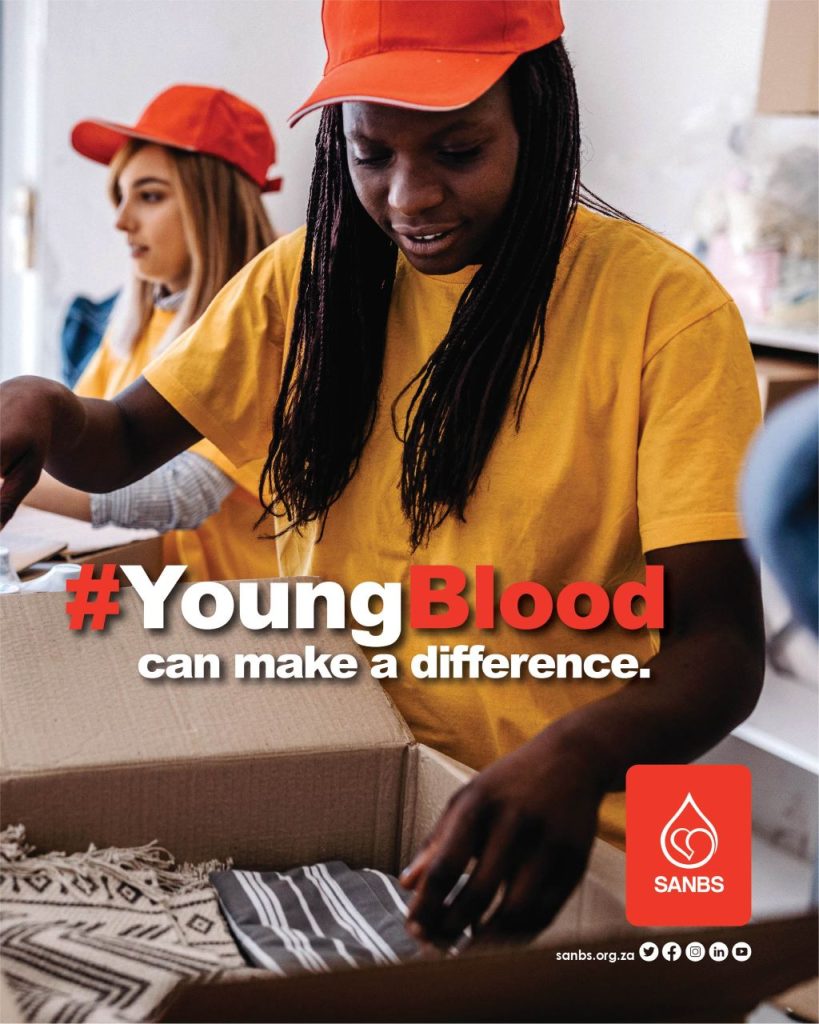
Youth Lead the Way as South Africa’s New Generation of Blood Donors Steps Up

Johannesburg, 25 June 2026 – As South Africa concludes Youth Month, the South African National Blood Service (SANBS) is celebrating a new generation of life-savers who are helping to secure the country’s blood supply through regular blood donation.

This year’s World Blood Donor Day was commemorated under the theme, “Give blood, give hope: together we save lives,” highlighting the critical role voluntary blood donors play in strengthening healthcare systems and saving lives. For SANBS, the theme has resonated strongly with a growing number of young South Africans who are choosing to become regular blood donors and make a meaningful contribution to their communities.

Recent SANBS data reveal that 43.27% of its donor panel comprises regular donors aged 16 to 30, reflecting a positive shift in donor demographics and a growing culture of volunteerism among young people.

Historically, blood donation has largely been sustained by older generations. However, SANBS has seen a notable increase in younger people showing interest in donating blood, helping to ensure a sustainable blood supply for future generations.

The organisation has also recorded encouraging growth in donor diversity, including an increase in black blood donors, contributing to a donor base that is increasingly representative of South Africa’s population.

Blood remains an essential resource in healthcare, as a stable blood supply enables hospitals and healthcare facilities to respond swiftly to emergencies and deliver life-saving treatment to patients in need. A reliable blood supply is therefore fundamental to the effective functioning of any healthcare system and the overall wellbeing of communities.

Commenting on the encouraging trend, SANBS Reputation and Communications Manager, Sifiso Khoza, said the growing participation of young people demonstrates the positive impact that youth can have on society.

“Young people have always been at the forefront of driving positive change in South Africa. We are encouraged by the growing number of youth who are choosing to become regular blood donors and embracing the opportunity to make a difference in others’ lives. Their commitment reflects the spirit of compassion, active citizenship, and hope that both World Blood Donor Month and Youth Month seek to celebrate.”

Khoza added that maintaining a stable blood supply depends on the continued support of both existing and first-time donors.

“Blood donation is one of the simplest yet most impactful ways to give back to society. Every donation has the potential to save lives, and we encourage more young South Africans to join this community of life-savers. By donating blood, they are helping to build a healthier, stronger, and more resilient South Africa.”

As Youth Month draws to a close, SANBS is calling on eligible South Africans to become regular blood donors and play their part in ensuring that blood is available for patients whenever and wherever it is needed.

To become a blood donor, individuals must be between the ages of 16 and 75 years, weigh at least 50kg, lead a safe and healthy lifestyle, and be in good general health.

One Drop of Humanity. Give Blood. Save Lives.

Stay connected with SANBS on social media:

  • X (@theSANBS)
  • Facebook (@SANBS)
  • Instagram (@thesanbs)
  • TikTok (@thesanbs)