Viatris Expands Nurse-owned Clinics in Partnership with Rhiza Babuyile Recognising Nurses’ Key Role in Sustainable Healthcare Access
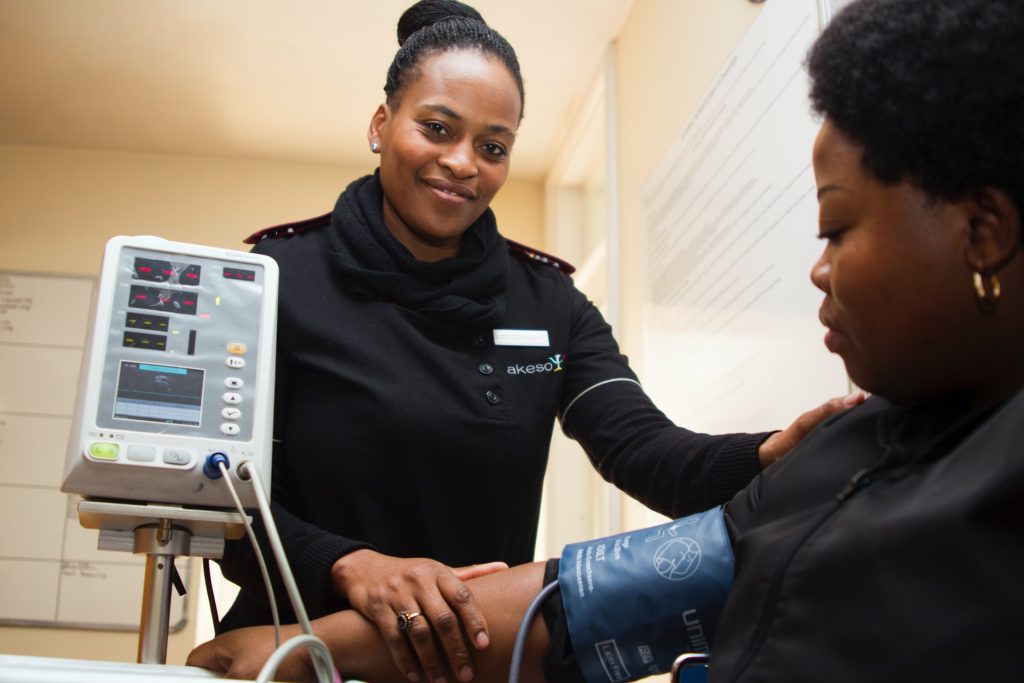
As demand for healthcare services continues to grow in South Africa, scalable, community-based healthcare models are playing an increasingly important role in improving access to care.
Viatris Inc. (Nasdaq: VTRS), a global healthcare company, commenced its partnership with South African non-profit organisation Rhiza Babuyile in 2020 to support scalable, community-based models that bring care closer to patients. This includes a growing network of nurse-led clinics, which are helping to close critical access gaps while strengthening local healthcare capacity.
Today, six clinics supported by Viatris, across South Africa and Sub-Saharan Africa, are operational, forming part of a broader network of community-based healthcare programmes that collectively reach thousands of patients annually.
This expansion reflects Viatris’ broader global ambition to deliver sustainable access to healthcare at scale – ensuring that patients, regardless of geography, can access the medicines and services they need. This ambition reflects Viatris’ mission to empower people worldwide to live healthier at every stage of life.
“Across the world, healthcare systems are under increasing pressure, and the need for sustainable, scalable solutions has never been greater,” said Arvind Kanda, Head of ARV/API SA and SSA. “Our focus is on building healthier communities by expanding access to medicines, and empowering healthcare providers, especially nurses, who are essential to delivering care. By supporting locally driven models that provide care directly to communities, we can help build stronger, more resilient health systems for the future.”
This International Nurses Day, Viatris is recognising the vital role nurses play in expanding access to quality, sustainable healthcare – particularly in underserved communities where they are often the first and most trusted point of care.
In South Africa, nurses form the backbone of the healthcare system, accounting for approximately 80% of the country’s healthcare workforce and serving as the primary point of care for millions of patients[i]. This makes their role in community-based care models not only essential, but transformative. Globally, nurses represent the largest segment of the health workforce and are indispensable in addressing inequities in access to care – a role that is especially critical in underserved communities.[ii]
One such example is Sr. Nompumelelo Mudalahothe, who began her journey as a nurse at the Rhiza Babuyile Diepsloot clinic and has since progressed to become a healthcare manager overseeing the Mpathy nursepreneur clinics. Her journey reflects how investing in nurse-led models can unlock both improved patient outcomes and meaningful career pathways.
She says, “In many communities, nurses are the first, and sometimes only, point of access to healthcare.” She also explains that she became a nurse to make a difference in people’s lives: “Working in my own community allows me to do that every day. The clinic is more than just a place to get treatment, it’s a place where they feel heard, supported and understood.”
Rhiza Babuyile founder and board member Alef Meulenberg says one such example is when a patient brought a 4-month-old baby to the clinic. “The baby was non-responsive and would have died. Our nurse was already on her way home, but opened the clinic, stabilised the baby and afterwards referred the patient to a nearby hospital for further treatment. This baby is now fortunately doing well and has the chance for a long, healthy life.”
The clinics themselves continue to evolve, expanding beyond primary healthcare to offer services such as chronic disease management and access to chronic medication, as well as optometry services and, in one facility, x-ray capabilities. These integrated services are critical in addressing the growing burden of non-communicable diseases and improving continuity of care at community level.
Viatris’ approach is grounded in its long-term vision to be a trusted healthcare partner – one that combines global expertise with local insight to improve health outcomes and expand access in a meaningful, sustainable way. As the company continues to evolve its portfolio and strengthen its global footprint, this commitment remains central to its path forward.
[i] Abrahams, F. (2025). Assessing the composition of nurses in South Africa versus global standards. International Journal of Africa Nursing Sciences.
[ii] World Health Organization (2020). State of the World’s Nursing 2020: Investing in Education, Jobs and Leadership