Researchers have discovered why influenza can lead to life-threatening complications during pregnancy.
Source: Pixabay CC0
In most people, influenza stays in the upper respiratory tract – mainly the nose – and clears without spreading further. But during pregnancy, the virus can extend beyond the lungs into the cardiovascular system, increasing the risk of severe complications for mothers and babies.
Now a new preclinical study using animal models reveals precisely why the virus can spill into the bloodstream during pregnancy, opening the door for targeted treatment. The study is a bilateral partnership between Trinity College Dublin, with collaborators from RMIT University and the University of Adelaide and is published in Science Advances.
Researchers identified a viral sensor in the immune system, known as TLR7, that can become overactive during pregnancy, amplifying inflammation and spreading disease into the bloodstream.
Blocking TLR7 could help prevent the harmful inflammation that makes flu in pregnancy so dangerous. This work can help protect developing babies by stopping the placenta from becoming overly inflamed during flu infection.
Professor John O’Leary, School of Medicine, Trinity, said: “This international research is of high impact in relation to our understanding of viruses and pregnancy and the role of the maternal immune response.”
What is the potential impact of this research?
Earlier studies from RMIT have shown that severe flu in pregnancy can have long‑term impacts on babies’ brain development, by inflaming blood vessels and reducing the flow of oxygen and nutrients from mother to baby.
This new study pinpoints the underlying cause of that damage, reshaping our understanding of flu‑related risk in pregnancy and opening the door to more targeted therapies.
RMIT co-lead author, Prof. Stavros Selemidis, said future treatments could focus on the immune system rather than the virus itself.
“Our study shows that in pregnancy, the problem isn’t just the flu virus – it’s the immune system overreacting. That’s where future treatments could really make a difference,” he explained.
“We’re ready to work with partners to help develop the next generation of therapies and clinical guidelines.”
Next steps for this work: The team is planning further research on how to target TLR7 to reduce the risk of severe influenza and pregnancy complications.
National study found use of the drug rose sharply following major media coverage and later White House promotion, despite limited large-scale evidence for autism treatment
Leucovorin prescriptions for children with autism rose more than 2000% by late 2025. Courtesy of UC San Diego Health Sciences.
Researchers from the University of California San Diego found that prescriptions for leucovorin, a drug sometimes used off-label for autism spectrum disorder (ASD), rose sharply among children after widespread media attention and public statements from White House officials. The study, published May 18, 2026 in JAMA Network Open, analysed national electronic health record data and found prescribing rates increased more than 2000% compared with prior years.
“Families of children with autism are often searching for therapies that might improve communication and quality of life, especially when treatment options are limited,” said Joshua Rothman, MD, clinical assistant professor of pediatrics at the UC San Diego School of Medicine and first author of the study. “What this study shows is how quickly information shared through news coverage, social media and public figures can influence real-world prescribing patterns, even before large clinical trials establish whether a treatment is truly safe and effective for broad use.”
Leucovorin, also known as folinic acid, is a biologically active form of folic acid. Small clinical trials have suggested that some children with autism and folate-related deficiencies may experience improvements in verbal communication after taking the medication. However, researchers note that large-scale studies confirming the drug’s effectiveness and long-term safety for children with ASD have not yet been completed.
To better understand prescribing trends, the researchers analysed records from the Epic Cosmos database, which includes more than 300 million patient records from over 1800 hospitals and 41 500 clinics across all 50 states and Washington, D.C. The study focused on 838 801 children with autism who accounted for more than 11.9 million outpatient encounters between January 2023 and January 2026.
For roughly two years, leucovorin prescribing rates remained relatively stable, averaging about 34 prescriptions per 100 000 outpatient encounters among children with autism. Rates then began climbing steadily in early 2025 before surging later that year. By August 2025, prescribing rates had risen to 335 prescriptions per 100 000 encounters. In November 2025, rates climbed again to more than 835 prescriptions per 100,000 encounters.
The researchers observed that the initial rise in prescribing coincided with a February 2025 national television news segment featuring a family who reported dramatic language improvements in their child after treatment with leucovorin. Interest in the medication expanded further after White House officials publicly promoted leucovorin in September 2025 as part of broader autism-related initiatives.
“Families of children with autism are often searching for therapies that might improve communication and quality of life, especially when treatment options are limited. What this study shows is how quickly information shared through news coverage, social media and public figures can influence real-world prescribing patterns, even before large clinical trials establish whether a treatment is truly safe and effective for broad use.”
— Joshua Rothman, MD, clinical assistant professor of paediatrics at the UC San Diego School of Medicine and first author of the study
“The timing was striking,” Rothman said. “The increases began after a widely viewed media story and accelerated again after federal officials publicly discussed the medication. It highlights how rapidly clinical practice can shift when a treatment captures public attention.”
The study does not determine whether leucovorin improves symptoms of autism, nor does it evaluate patient outcomes after treatment. Researchers also cautioned that prescriptions recorded in the database could not always be linked to a confirmed medical indication.
Still, the authors say the rapid increase in use raises important questions for clinicians, policymakers and families. In March 2026, the US Food and Drug Administration approved leucovorin for cerebral folate transport deficiency, an ultra-rare genetic neurological disease associated with specific genetic changes, but the drug was not approved for autism spectrum disorder.
Researchers say the findings underscore the need for continued monitoring of prescribing trends and for larger randomised clinical trials evaluating whether leucovorin is beneficial for specific groups of children with autism.
“We now have a real-world example of how public attention can accelerate adoption of a therapy before the evidence fully catches up,” Rothman said. “The next step is making sure we generate the rigorous data needed to help families and clinicians make informed decisions.”
Time to restore kindness and compassion in healthcare to improve patient and staff well-being
Source: Pixabay CC0
Healthcare has lost its human, moral, and relational foundations and must reconnect with its core values to improve both patient and staff well-being, argue experts in The BMJ today.
Despite unprecedented advances in diagnostic precision, therapeutic capability, and computational power, a deep paradox exists, say authors Don Berwick, Maureen Bisognano and Bob Klaber. Patients increasingly feel processed rather than cared for, staff report moral distress and loss of meaning, and the workforce is haemorrhaging people at an unsustainable rate.
The core problem, they write, is that we have accumulated extraordinary technical power while quietly losing the human, moral, and relational foundations of care on which its effectiveness ultimately depends.
Several powerful forces have helped create this imbalance, they explain. For instance, in some countries the pursuit of profit has choked healthcare’s moral purpose, while across the globe modern healthcare has become an industrialised system that processes patients through standardised protocols in ways that risk disregarding the unique texture of individual lives.
This has happened through an imbalanced emphasis on a “rational” lexicon (focused on measurement, targets and efficiency) over a “relational” one (concerned with feelings, kindness and human connection).
Yet re-establishing the relational balance is not a sentimental or “soft” approach; it is vital for quality and safety, they argue.
They point to research on NHS culture and behaviour that found organisations where staff felt supported and valued had consistently lower patient death rates, while the Institute for Healthcare Improvement (IHI) framework shows that the conditions for increasing joy in work – clarity of purpose, psychological safety, and feeling that what matters to you is actually valued – are both achievable and measurable.
Kindness – linked empirically to better staff retention, higher teamworking scores, and improved patient outcomes – should also be repositioned at the business end of delivering high quality care, they add.
The “What matters to you?” movement, inspired by an article in the New England Journal of Medicine, exemplifies this shift, changing the clinical encounter from a diagnostic focus to a partnership based on the patient’s lived reality.
While the forces pulling healthcare away from its human dimension are structural and powerful, they are not irreversible, they say. Every ward round, clinical consultation, and leadership conversation is a small but powerful opportunity for all of us working in healthcare to balance relational practice with rational systems and processes.
The evidence is clear: patients do better and staff thrive when healthcare systems invest in joy, kindness, and compassionate leadership, they write. “We do not need to wait for system reform. We can begin now on our collective leadership challenge to reconnect healthcare with its mission and purpose.”
Opinions ranged widely, with some physicians concerned that preparation for preservation could interfere with best practices for a patient’s care.
AI image of a brain being cryogenically preserved. [Ed: The patient better have some hefty medical aid to pay for a new body in the year 3000…]
Surveyed US physicians believed preservation has a one in four chance of working, though opinions amongst physicians varied. Ariel Zeleznikow-Johnston of Monash University, Australia, and colleagues present their findings in the study, published on May 20, 2026 in the open-access journal PLOS One.
It’s unclear whether there is a consensus amongst doctors regarding preservation – the storing of bodies at extremely low temperatures, or using preservative chemicals, in the hopes of future revival. Preservation is not the only way in which physicians have to balance concerns about unproven treatments with patients’ preferences, but it is one with high stakes as it pertains to the end of someone’s life. The technologies necessary to revive someone have not yet been realised, though current preservation organisations report several hundred patients preserved globally, with thousands more signed up for future preservation.
In this study, Zeleznikow-Johnston and colleagues conducted a survey of over 300 physicians, nearly half of whom were primary care providers, the rest being various kinds of specialists including neurologists, intensive care doctors, anaesthesiologists, and doctors who specialise in palliative care. The survey was designed to address three main themes: the perceived feasibility of preservation procedures, clinical interventions that could improve preservation outcomes, and the ethical and legal standing of preservation as an end-of-life option.
About one in four of the physicians said they believed it was plausible, or even very plausible, that someone could be revived in the future after preservation. Just under half said it was unlikely. Neurosurgeons, on average, rated the possibility of revival highest, though most of the other specialties showed a wide spread of opinions that slanted more towards scepticism.
The way doctors are most likely to interact with preservation in their professional capacity is in the choices a patient may make for end-of-life care. A majority of physicians supported prescribing anti-coagulants to dying patients, which could help with the quality of preservation. However, fewer respondents were comfortable with more extreme procedures, such as patients going through medically assisted death and opting to begin the preservation before cardiac arrest. The doctors who most commonly have conversations about end-of-life care were overall more supportive of this kind of choice. About one in five doctors were concerned that decisions to increase the odds of successful cryopreservation would clash with providing the best standards of care.
Currently, pre-cardiac arrest preservation in humans is, to the best of our knowledge, not legally permitted anywhere in the world, but if the technology develops further, may become an issue healthcare professionals must grapple with. The authors emphasise that clarifying the clinical, legal, and ethical frameworks for use of preservation as an end-of life procedure is important, and note that the speculative nature of the findings should be carefully considered.
Zeleznikow-Johnston adds: “A lot of physician hesitancy may come from simple unfamiliarity with the scientific basis of modern preservation methods. The doctors who have actually thought about this – and who regularly sit with dying patients – tend to be more receptive, not less.”
Angelo Maura, General Manager Africa and Middle East at Align Technology
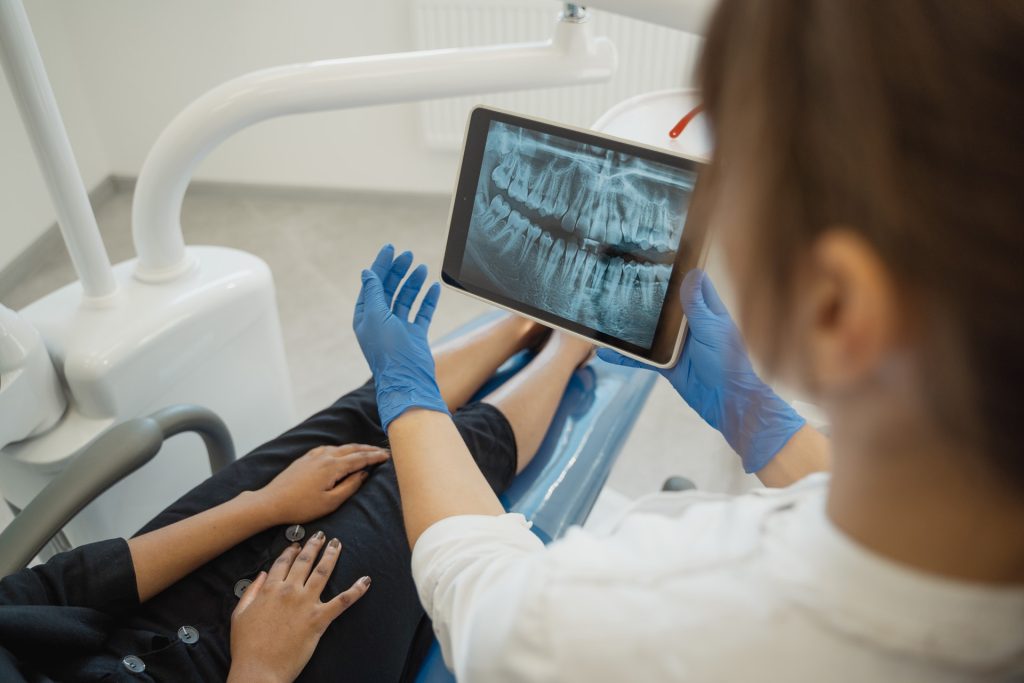
Photo by Tima Miroshnichenko on Pexels
Orthodontic treatment goes beyond getting a better smile; it can also support important oral functions such as chewing and speaking, as well as help patients maintain good oral health over a lifetime. Angelo Maura, General Manager for Africa and Middle East at Align Technology, discusses World Orthodontic Health Day 2026 (WOHD 2026), what “Beyond Straight Teeth” means, and how digital innovation is reshaping orthodontic care for South African patients and practitioners.
Q1: What does “Beyond Straight Teeth” mean to orthodontics?
“Beyond Straight Teeth” strongly reflects how we have always approached orthodontic care. For nearly 30 years, our focus has been on improving the journey to a healthy, confident smile, but that journey has never been limited to aesthetics.
Orthodontic treatment plays an important role in oral function, including how patients chew and speak. It can also support long-term oral health by helping create tooth positions that are easier to clean and maintain. For general dentists and orthodontists, the theme is a reminder that case assessment and treatment goals extend beyond alignment to include function, hygiene access and long-term stability.
Q2: Oral health is said to have an impact on overall health. What are the health benefits of orthodontics?
Misaligned teeth and bite issues can be associated with uneven wear and may make oral hygiene more difficult, which can contribute to plaque build-up and gingival inflammation. In some people, bite problems may also be linked to jaw discomfort. Depending on the individual case, misalignment can also affect everyday functions such as eating and speaking.
At Align Technology, we design solutions that help clinicians address a wide range of malocclusions through modern, evidence-based orthodontic care. The Invisalign® System is designed to treat a wide range of malocclusions, and starting the conversation early can help patients understand their options and plan the right care with their doctor.
Q3: Orthodontic treatment is often associated with teens and young adults. How does it benefit patients at different life stages?
Our aim at Align Technology is to ensure patients of all ages have access to treatment that fits into their daily lives while supporting overall oral health.
For children, early orthodontic assessment can help identify developing issues such as crowding and spacing. Invisalign First™ aligners are designed for growing patients and are removable, which can support oral hygiene when used as directed and supervised appropriately.
For teens, adherence and day-to-day practicality are important. Removable aligners can help many teens maintain normal activities and oral hygiene routines, while clinicians can use digital planning and monitoring to support progress throughout treatment.
For adults, treatment often needs to fit around work and family commitments, and many patients benefit from an interdisciplinary approach. Clear aligner therapy can be an option that balances aesthetics with planned tooth movement, particularly when coordinated with periodontal maintenance and restorative goals where needed.
To date, approximately 22.8 million patients worldwide have been treated with the Invisalign® System, including more than 6.5 million teens and kids.*
*Data on file at Align Technology, as of December 31, 2025.
Q4: How is Align Technology equipping clinicians to raise the standard of care beyond straightening teeth?
We support clinicians through comprehensive education programmes and tools. There are currently approximately 299,500 Invisalign-trained doctors globally. In South Africa, this includes bringing international specialists to work directly with local clinicians through in-market education sessions and academic engagements, ensuring global best practice is shared in a way that is locally relevant.
Q5: Digital technology and AI are changing healthcare. How is the Align™ Digital Platform reshaping what happens in dentistry?
The Align™ Digital Platform connects diagnosis, treatment planning, manufacturing, and monitoring into a single workflow.
One key development is ClinCheck® Live Plan, which automates the generation of an initial doctor-ready ClinCheck® treatment plan within about 15 minutes after an eligible case is submitted with Flex Rx, so the doctor can review and approve the plan faster.
The Align™ Oral Health Suite offers a comprehensive set of digital tools that assist clinicians in evaluating, monitoring, and managing patients’ oral health. By integrating advanced assessment capabilities and patient education resources, the suite supports effective communication and engagement, helping doctors deliver personalised care and promote long-term oral wellness.
These technologies are designed to support clinical expertise, with the doctors central to every treatment decision.
Q6: WOHD 2026 calls for global unity in prioritising orthodontic health. What does this commitment look like in South Africa?
South Africa is an important market for us. There is strong engagement from clinicians, and patient awareness continues to grow. We are also seeing increased adoption of digital dentistry.
At the same time, practitioners are at different stages of their digital journey. A high-volume practice in Johannesburg will have different needs from a smaller practice beginning with aligner therapy.
Our approach is to support clinicians at every stage and grow with them.
Our focus is on expanding access to innovation, strengthening engagement with the dental community, and ensuring clinicians have the tools and support needed to deliver strong patient outcomes.
Ultimately, a healthy smile contributes to overall health.