Month: September 2025

SA has Very Low Organ Donation Rates – How Can We Fix it?
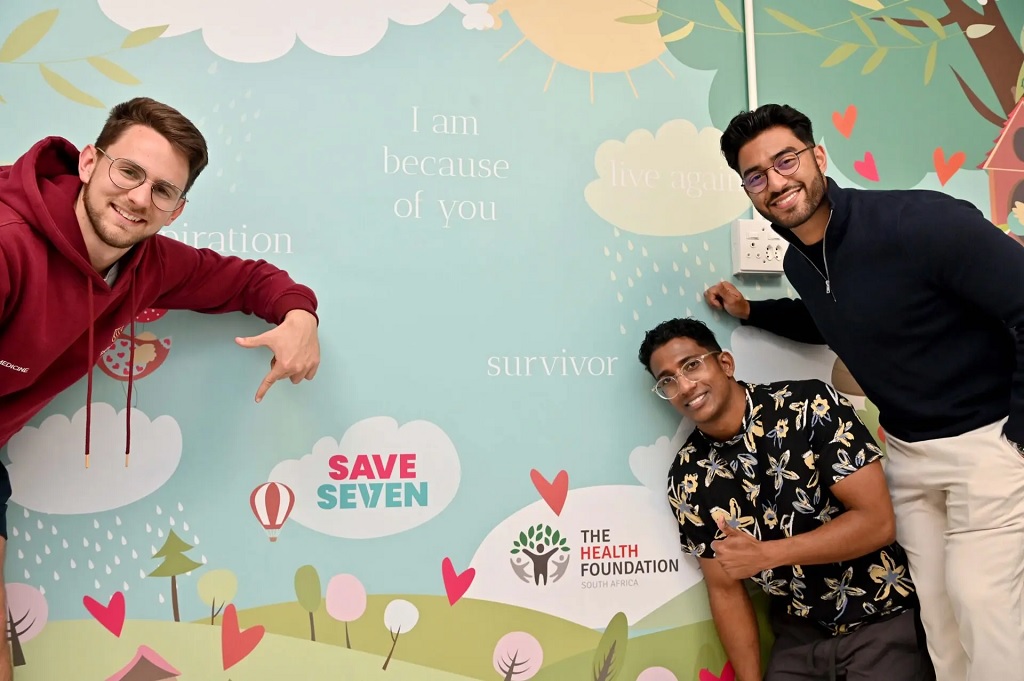
The country that performed the first successful heart transplant has very low organ donation rates. Now a student-run medical non-profit is hoping to make a difference. (Photo: Nasief Manie/Spotlight)

By Elri Voigt

Thousands of people in South Africa are waiting for a life-saving organ transplant, but our very low organ donation rates mean that many won’t get a transplant in time. Spotlight asks the experts why our donation rates are so low and what can be done about it.


Back in 2002, Rentia le Roux received a horrifying diagnosis that her kidneys were failing. “My kids still need me, they are still small, what are we going to do?” Le Roux recalls telling her doctor. After a long journey trying to manage her kidney failure, she would eventually get a kidney from her sister in 2011.

Le Roux, now the chairperson of the Western Cape Transplant Sports Association, is one of the lucky ones. She spoke to Spotlight ahead of a trip to Germany to take part in the 2025 World Transplant Games.

“There are so many people that are on the list waiting for an organ and the waiting period, it can take many years,” she says.

Incomplete data

While there isn’t a coordinated, centralised database of everyone in South Africa who needs a lifesaving organ transplant, various groups do collect data. This is according to Professor David Thomson, an abdominal transplant surgeon and a critical care sub-specialist. Thomson is also the head of the Transplant Centre of Excellence Project at Groote Schuur Hospital in Cape Town.

“Various entities do collect levels of data, but it’s not very centralised and coordinated, and it could be better…we do have the renal registry that’s trying to track the number of people on dialysis, that’s a good source of information,” Thomson says. The Renal registry is a not-for-profit database that collects and publishes data on dialysis and transplant patients in the country. The database itself is an initiative of the South African Nephrology Society, an NPO that aims to further the field of nephrology and improve patient care.

The society estimates that in 2022, just over 9000 people across the public and private healthcare system were receiving “kidney replacement therapy” – which were either medications to help kidney function, dialysis or a kidney transplant.

A report by the South African Transplant society, an NPO that seeks to advance tissue and organ donation and transplantation, estimated that in 2021, across South Africa’s private and public hospitals, 2 586 people were on a waitlist for a lifesaving organ. Of those, 2382 people were waiting for a kidney, 52 needed a liver, 108 needed a heart transplant, and 44 were waiting for a lung.

But in the same year, the report recorded only 229 transplants done across the country.

South Africa does not have a good organ donation culture, says Professor Mignon McCulloch, the head of paediatric nephrology and solid organ transplant at the Red Cross War Memorial Children’s Hospital. In fact, according to McCulloch, and other experts we spoke to, South Africa has some of the lowest transplantation rates in the world.

While we couldn’t find any straightforward ranking system of organ donation rates, reports by the Global Observatory on Donation and Transplantation (GODT) do provide some insight into how some countries compare to one other. In 2017, according to data from the GODT cited in this 2020 study published in the South African Medical Journal, South Africa had 91 deceased donors, which is a rate of 1.6 per million. By contrast, Spain, which is regarded as having one of the highest rates of organ donation in the world, had 2183 deceased donors, a rate of 47.05 per million.

How it works

Organ donation is broadly classified into living donation and deceased donation.

There are two scenarios where someone can become an organ donor. The first, Thomson explains, is when a healthy person donates an organ without which they can live a normal life, like one of their kidneys. The second is when someone has been declared brain dead and is on a mechanical ventilator or when someone has experienced circulatory death -meaning their heart has stopped beating and “futile non-beneficial treatments have been stopped”. The latter is less common in South Africa.

For deceased donation from a brain-dead patient to take place, the potential donor needs to be in an ICU facility on a mechanical ventilator and referred by their clinical team to a transplant coordinator, says Thomson. If that person is eligible, then the transplant team has to get permission from the next of kin who ultimately have the final say even if the potential donor is registered as an organ donor.

“Organ donation can only happen if someone is on a mechanical ventilator in the end-of-life care pathway, so that is always a complicated and emotional discussion,” he says. “Tissue donations such as corneas, bones, skin, that can happen at the mortuary afterwards and there’s a slightly longer period for when these can be successfully recovered but all donation still requires you to have conversations with and get permission from grieving families.”

Juggling resources

McCulloch describes organ donation as being a bit like “a silent Cinderella”, until someone needs a lifesaving transplant, “and then people suddenly start asking questions about why, why don’t we have more transplantation?”

One reason for this is the allocation of resources and competing priorities within the healthcare system.

Thomson says that organ transplants are a “health intensive resource”, and it’s important to acknowledge that it exists in the context of an already overburdened healthcare system. There is a Deputy Director of dialysis and transplantation within the National Department of Health, Thomson explains, but there isn’t an “overarching central coordinating authority supporting deceased donation”. Instead, he says it is driven by hospital groups and within the provincial healthcare departments by healthcare workers

Adding to this, McCulloch says that doctors are always having to “juggle resources” and if there is only one bed available in an ICU, weighing up whether to give it to someone who will potentially become an organ donor or someone with pneumonia and will likely have a good outcome, is difficult.

Another challenge is the limited number of surgeons, physicians, and hospitals with the skill and equipment to perform an organ transplant. This strategy roadmap document by the South African Transplant Society list 21 transplants centres across the whole country – 14 of them offer kidney transplants, six offer heart transplants, four offer lung transplants, four offer liver transplants, and only one offers pancreas transplants.
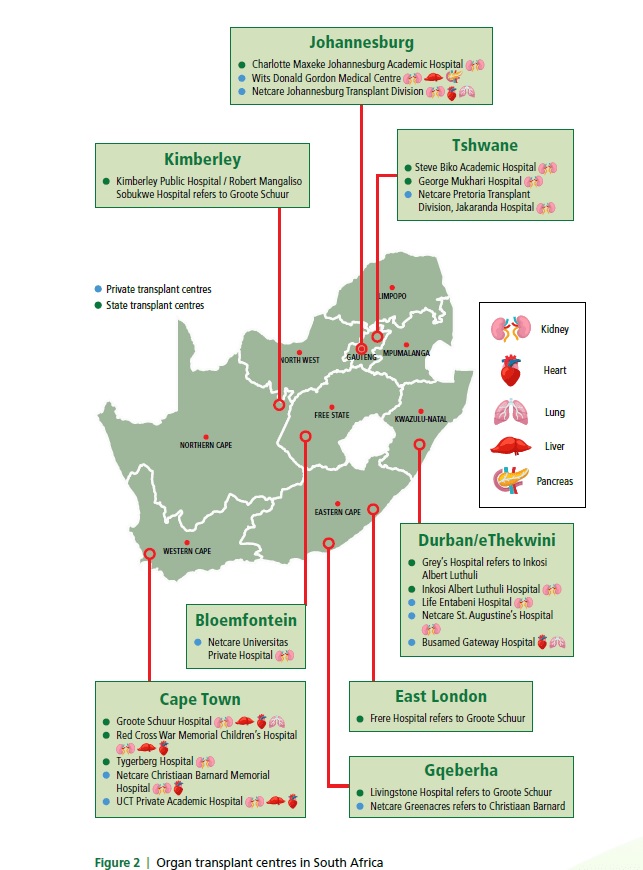
Graphic of transplant centres in South Africa. (Source: Organ and Tissue Donation in South Africa – Creating a National Strategy Roadmap)

One can save seven

Earlier this year, an unused room in Tygerberg Hospital got a face-lift and a new purpose from a student-run medical non-profit. The initiative called Save7 was kickstarted by a conversation on kidney donation on Stellenbosch University’s Medical Campus. Its initial goal was to raise awareness, particularly among students, that one donor can save up to seven lives. And if tissue like corneas, heart valves, bone and skin are donated, one person can improve the lives of around 50 people.

Jonty Wright, who cofounded Save7, tells Spotlight that the organisation’s founding group of four has now grown to over 200 across multiple universities countrywide. Among others, the group created a Lifepod to solve a transplant-related problem at Tygerberg Hospital. Doctors and staff involved in transplantation at the hospital were citing competing resources as the reason behind low referral rates of potential organ donors by healthcare providers.

The solution posed by Save7, professors on the campus and some of the doctors involved with transplantation was to create a designated bed space for patients who are brain dead and are potential organ donors. The hope was that referrals for potential organ donations would be increased.

The room, Wright says, was an old minor operating theatre and storeroom that belonged to the orthopaedic surgery department and was situated in an ideal spot – in a corridor between the emergency medicine and trauma admissions.
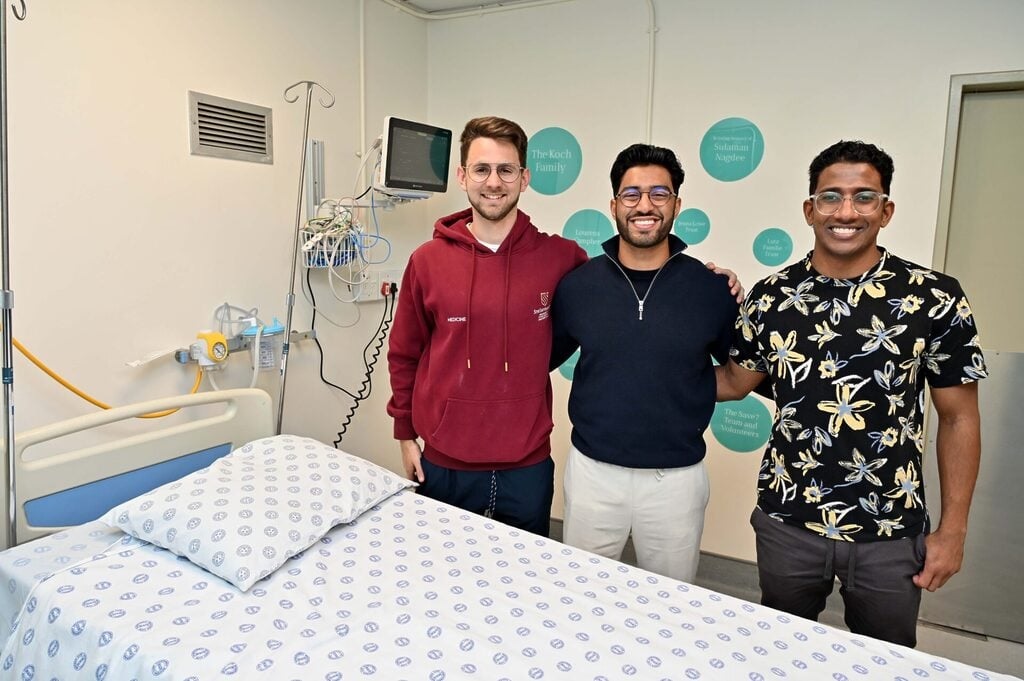
Three of the Save7 co-founders, from left to right Jonty Wright, Suhayl Khalfey and Sachen Naidu. (Photo: Nasief Manie/Spotlight)

About three months ago, after fundraising efforts and backing by the Health Foundation and other partners, the Lifepod opened. The room currently holds a hospital bed, a ventilator on lease from the surgical department, vitals monitor, cardiac monitor, infusion pumps, emergency trolley, fridge, and crash cart. All the things needed to keep someone who is brain dead’s body comfortable and allow the doctors to counsel their loved ones about potentially donating their organs.

So far, according to Wright, referrals of potential candidates for organ donation at Tygerberg have gone up by 500%, but at the time of the interview none of the next of kin have consented to donating their loved one’s organs. (Data on this has not yet been published).

This ties onto another layer of complexity around organ donation, the reasons why next of kin don’t always give permission.

Need for better education

Samantha Nichols, the executive director of operations for the Organ Donor Foundation, an NGO advocating for organ donations, tells Spotlight that the problem isn’t so much a lack of awareness of organ donation, as a lack of good education around it. She says this affects everyone, including healthcare workers.

Nichols says that “it’s almost like the stars have to align” for a deceased donor to donate their organs, because of how many steps and doctors are involved in the process.

“[W]hen a person is sent to an ICU or trauma unit, the team of doctors that work on that person to save their life is a totally different team to the transplant team,” she says. A transplant team is only ever called in if a potential donor has been declared brain dead by two different doctors who aren’t part of or affiliated with a transplant team.

“[O]nly then can they start the process of talking to the family, and then they still need to get consent from the family before the organs are removed,” she says.

The Opt-in versus Opt-out debate

When it comes to consent for organ donation, South Africa has what is referred to as an opt-in system. An opt-in system means that someone must provide explicit consent of their desire to donate an organ. While an opt-out system means all adults are automatically considered organ donors after death, unless they explicitly withdraw consent beforehand.

There has been some debate about whether switching to opt-out systems would improve organ donation rates. One recent study, in which researchers analysed deceased donor rates in five countries that had switched from an opt-in to an opt-out system, did not find an increase in organ donation rates.

“Unless flanked by investments in healthcare, public awareness campaigns, and efforts to address the concerns of the deceased’s relatives, a shift to an opt-out default is unlikely to increase organ donations,” the researchers concluded.

2024 editorial in the Lancet medical journal made a similar point, saying “a simplistic switch to the ‘opt-out’ model is alone not sufficient to boost donation”. Instead, it lists the three components that makes Spain’s transplant programme so successful. “A solid legislative framework, strong clinical leadership, and a highly organised logistics network overseen by the National Transplant Organization.” An opt-out system is also unlikely to work well in South Africa from a legislative perspective, since it might be seen by some to impinge upon an “individual’s rights to personal autonomy and bodily and psychological integrity”, as argued in this article in the Conversation.

The experts Spotlight spoke to instead point to several other changes that could be made to improve donation rates.

‘Everyone can do a bit better’

The responsibility around improving organ transplantation rests on us as society and as a coordinated healthcare system, according to Thomson.

“[E]veryone can do a bit better…and I don’t think you want to make it one person’s responsibility for the performance. It’s actually a collective and how we work together,” Thomson says. “…a lot of things like supporting donation actually links into good palliative care services, and that should be something we’re offering to everyone.”

Thomson advocates for upskilling healthcare workers to be able to better counsel families during end-of-life care, not necessarily just around organ donation but around “engaging humanely with “families and end of life and navigating that complexity with them as the healthcare team”.

He recommends making counselling of grieving families and palliative care discussion a hospital system issue, instead of an individual responsibility by adding it to institutional operating standards. “And then you actually need to audit it, measure it, reflect on it and monitor the outcomes,” he says.

Suhayl Khalfey, a Save7 cofounder, says now that the Lifepod is ready to use, their focus is shifting to educate people about the importance of organ donation. As part of its education efforts, Khalfey says Save7 is putting together a database of different religious leaders to help counsel families uncertain about their faith’s stance on organ donation.

Nichols stresses that transplant teams will honour different religious beliefs and funeral practises and that a donor’s body will not appear disfigured in any way after they’ve donated their organs.

Start by having the conversation

Anyone can register as an organ donor with the Organ Donor Foundation, says Nichols. The process is free and will take less than a minute (see their website here). If a situation arises where you are brain dead and you are a candidate for organ donation your family will still need to give permission.

This is why it is so important to have the conversation with your loved ones about what your wishes are, says Khalfey.

Sachen Naidu, another cofounder of Save7, adds to this saying that often with the students they’ve spoken to, organ donation is viewed as something to think about in the distant future. He encourages young people to reconsider this mindset.

Even children can learn about organ donation.

The non-profit organisation Transplant Education for Living Legacies (TELL) recently launched an educational campaign in South Africa aimed at children in the 5 to 11 age group. The initiative, called the Orgamites Mighty Education Programme, is an international child health education programme originating from Canada. At its heart, the programme is a conversation starter, says Thomson who spoke on a TELL webinar.

“All we want is for people to be having educated conversations about it [organ donations],” he says. “Children need transplants too.”

For McCulloch, organ donation goes beyond impacting just the recipients. She uses the example of families who have lost a child in a tragic accident.

“You had a completely well child five minutes ago and then something terrible happened, and now you’ve got a child who’s died and you’re going to go home with a gap in your heart. Whereas at least when you donate [the] organs to another child, something good can come of out of a really hopeless, tragic situation,” she says.

Thomson adds to this saying: “And that’s a memory that lives with that family for a long time afterwards …not just that time point. That’s what they’re going to remember as part of that event, and it really does offer them a degree of solace for a tragedy.”

And the difference to those receiving organs can obviously be life changing. Receiving a kidney gave Le Roux the chance to see her children grow up. “So, every [milestone] when they wrote matric, when they got their degrees, everything. It’s like a step forward, something I can tick off, I’m still here. I’m able, I’m healthy,” she says.

Republished from Spotlight under a Creative Commons licence.

Read the original article.

ED Visits for Low-risk Chest Pain Could be Reduced by Treating Anxiety

Pexels Photo by Freestocksorg

Chest pain ranks as the second most common reason for emergency department (ED) visits, making it a key concern for patients and doctors. However, 80% of these cases are considered low-risk and not related to heart disease, and for these patients, anxiety and panic disorders are frequent diagnoses.

A new study led by the Indiana University School of Medicine and Regenstrief Institute shows that many patients who visit the emergency department (ED) with low-risk chest pain might benefit more from treatment for underlying psychological conditions than from extensive cardiac testing. The study appears in Academic Emergency Medicine.

Anxiety is not only common among low-risk chest pain patients, but is often accompanied by other treatable comorbidities, including depression, somatisation – the experience of psychological distress through physical symptoms – and post-traumatic stress disorder. By identifying and addressing these conditions, more targeted follow-up strategies can be developed to reduce repeat ED visits and unnecessary evaluations, improving patient outcomes and allowing health systems to focus resources where they matter most.

“Anxiety is a common fellow traveller with low-risk chest pain,” said corresponding author, IU School of Medicine and Regenstrief Research Scientist Kurt Kroenke, MD. “It is a frequent issue in the emergency department. While many patients worry about their heart, in many cases the chest pain is not cardiac, which raises the important question of whether there is something else that can be treated.”

The research, part of the Patient-Centered Treatment of Anxiety after Low-Risk Chest Pain in the Emergency Room (PACER) trial, showed that more than 42% of patients had severe anxiety, defined by a score of 15 or higher on the Generalized Anxiety Disorder (GAD-7) scale, a standardised tool developed by Dr Kroenke to assess the severity of anxiety symptoms. In addition, three-quarters of ED patients screened positive for panic disorder.

Evidence-based treatments for anxiety and comorbidities

Researchers identified two effective approaches to reduce anxiety in patients with low-risk chest pain: Cognitive Behavioural Therapy (CBT) and prescription medications. These treatments can be used on their own or combined to create a more comprehensive care plan, helping to better manage symptoms and prevent unnecessary return visits to the ED.

Psychotropic medications such as antidepressants and anti-anxiety medicines remain important tools for managing anxiety disorders. When used appropriately, these medications can lessen both the intensity and frequency of symptoms and are often most effective when paired with psychological therapy.

“There are classes of medicines that are effective for anxiety, particularly when it’s chronic,” said Dr Kroenke. “It’s no different than taking a medicine for high blood pressure – if someone has high blood pressure, we have medicines that lower it. Similarly, if someone has high anxiety, we have medicines that can effectively reduce it.”

The other effective approach is CBT, which helps individuals recognize and reframe thought patterns, manage panic symptoms and reduce fear associated with chest discomfort. Research shows that even brief courses of this behavioral therapy can significantly improve anxiety and quality of life. The PACER trial is comparing standard therapist-administered CBT to peer-supported internet-based CBT in patients with LRCP and anxiety.

“Emergency physicians often reassure patients that their chest pain isn’t caused by the heart, but reassurance alone is not enough. Connecting patients with proven therapies like cognitive-behavioural therapy and medications can change the trajectory of their care and improve long-term outcomes,” said IU School of Medicine and Regenstrief Researcher Paul Musey, MD, MS.

Source: Regenstrief Institute

Simple Blood Test Can Predict Risk of Severe Liver Disease

Photo by National Cancer Institute on Unsplash

A new study from Karolinska Institutet, published in The BMJ, shows how a simple blood analysis can predict the risk of developing severe liver disease. The method may already start to be applied in primary care to enable the earlier detection of cirrhosis and cancer of the liver.

“These are diseases that are growing increasingly common and that have a poor prognosis if detected late,” says Rickard Strandberg, affiliated researcher at Karolinska Institutet’s Department of Medicine, Huddinge, who has developed the test with his departmental colleague Hannes Hagström. “Our method can predict the risk of severe liver disease within 10 years and is based on three simple routine blood tests.” 

For the study, the researchers at Karolinska Institutet and their colleagues in Finland evaluated how well the method can estimate the risk of severe liver disease. The model, which is called CORE, was produced with advanced statistical methods and is based on five factors: age, sex and levels of three common liver enzymes (AST, ALT and GGT), which are commonly measured during regular health checks. 

A web-based calculator 

Their aim has been to produce a tool that is easy to use in primary care, where most patients first seek medical attention. A web-based calculator is already available for doctors and nurses at www.core-model.com

“This is an important step towards being able to offer early screening for liver disease in primary care,” says principal investigator Hannes Hagström, adjunct professor at the Department of Medicine, Huddinge, and senior consultant at Karolinska University Hospital. “Drug treatment is now available, soon hopefully also in Sweden, for treating people at a high risk of developing liver diseases such as cirrhosis or liver cancer.” 

The study is based on data from over 480 000 people in Stockholm who underwent health checks between 1985 and 1996. On following the participants for up to 30 years, the researchers could see that some 1.5% developed severe liver disease, such as liver cirrhosis and liver cancer, or required a liver transplant. 

Highly accurate risk prediction 

The CORE model proved highly accurate and was able to differentiate between people who either did or did not develop the disease in 88 per cent of cases, which is an improvement on the currently recommended FIB-4 method. 

“Primary care hasn’t had the tools to detect the risk of severe liver disease in time,” says Professor Hagström. “FIB-4 is not suited for the general population and is less effective at predicting the future risk of severe liver disease.” 

The model was also tested on two other population groups in Finland and the UK, where it again demonstrated a high accuracy in predicting this risk. The researchers make the point, however, that it needs to be further tested on groups at especially high risk, such as people with type 2 diabetes or obesity. They also recognise a need to integrate the model into medical records systems to facilitate its clinical use. 

Source: Karolinska Institutet

Depression and Psychosis Risk Increases After Childbirth – but Suicide Risk Decreases

Photo by Alina Matveycheva

Depression and psychosis are more common in women after childbirth than before, but the risk of suicide attempts decreases. This is shown by two new studies from Karolinska Institutet. The results suggest that national guidelines for screening can help women get help earlier.

Mental ill health in connection with pregnancy and childbirth can have long-term consequences for women’s health. During this period, major biological and psychosocial changes occur that can increase vulnerability to depression, anxiety, and other psychiatric conditions. Despite previous research, knowledge has been limited, especially regarding how different psychiatric diagnoses develop before, during, and after pregnancy.

In a new study, researchers have used data from Swedish registers covering all women who gave birth in Sweden between 2003 and 2019 – a total of nearly 1.8 million pregnancies.

The study, published in the journal Molecular Psychiatry, shows that mental ill health has increased over time during this period, especially before pregnancy. During pregnancy itself, the number of new diagnoses decreases, but after childbirth, the risk increases again, especially for depression and psychosis.

“We can see that the risk of depression is about 20 percent higher during weeks 5 to 15 after childbirth, compared to the year before pregnancy. For psychosis, the risk is up to seven times higher during the first 20 weeks after childbirth,” says the study’s first author Emma Bränn, researcher, Institute of Environmental Medicine, Karolinska Institutet.

When Swedish national guidelines for screening pregnant women for depression were introduced in 2010, it opened up the possibility of detecting mental illness earlier. By comparing women who gave birth before and after 2010, the researchers saw that the peak of depression diagnoses occurred earlier after childbirth in women who gave birth after the guidelines were introduced.

“We don’t see that more people are being diagnosed, but screening could mean that women are identified earlier and don’t have to suffer as long before they can get the support and help they need,” says Emma Bränn. 

Lower risk for other psychiatric diagnoses

The study also shows that the risk of other psychiatric diagnoses, such as anxiety, stress-related conditions, and substance abuse, is lower during pregnancy and after childbirth compared to before. The researchers believe that this may be due to biological changes, lifestyle changes, and increased contact with healthcare during pregnancy.

Another study from the same research group has investigated the risk of suicide in connection with pregnancy and childbirth. In the study, published in Nature Human Behaviour, researchers found that mothers were less likely to attempt suicide during and after pregnancy compared to fathers. This is the opposite of what researchers usually observe in the general population, where women tend to have higher rates of suicide attempts than men. For fathers, the risk decreased in the first ten weeks after childbirth, only to increase again.

“Our results suggest that both mothers and fathers are less likely to attempt suicide immediately after having a child, especially mothers,” says first author Yihui Yang, PhD student at the same department. She continues:

“Although suicide attempts during and after pregnancy are rare, they can have devastating consequences and are often preventable. It is therefore important that healthcare providers conduct regular check-ups during and after pregnancy to identify parents who are struggling and offer support to prevent suicide.”

Source: Karolinska Institutet

Allergy Season Linked to an Increase in Suicide Risk

Photo by Andrea Piacquadio on Pexels

Beyond the sneezing and itchy eyes, high pollen seasons are now linked to a significant increase in suicide risk. A new University of Michigan study found a 7.4% jump in deaths, suggesting the physical discomfort of allergies may trigger a deeper, more dangerous despair, an overlooked factor in suicide prevention.

The study indicates that allergies’ physiological effects, such as poor sleep and mental distress, may contribute to this increased risk.

“A small shock could have a big effect if you’re already in a vulnerable state,” said Joelle Abramowitz, associate research scientist at U-M’s Institute for Social Research. “We looked specifically at pollen from all different kinds of plants, including trees, weeds and grasses.”

The effect is incremental. Researchers divided pollen levels into four tiers and found the suicide risk rose with each group: it increased by 4.5% in the second level, 5.5% in the third and peaked at 7.4% in the fourth and highest category.

The study, funded by the American Foundation for Suicide Prevention and U-M ISR, combines daily pollen data from 186 counties of 34 metropolitan areas across the United States, with suicide data from the National Violent Death Reporting System between 2006 and 2018.

Abramowitz and co-authors Shooshan Danagoulian and Owen Fleming of Wayne State University said that while structural factors for suicide are well-researched, short-term triggers are less understood. Pollen allergies are an ideal subject for this research, considering they are an exogenous shock – meaning they are external and not caused by an individual’s mental health status.

“During our study period, there were nearly 500 000 suicides in the US,” Abramowitz said. “Based on our incremental data, we estimate that pollen may have been a contributing factor in up to 12 000 of those deaths over the period, or roughly 900 to 1200 deaths per year.”

Vulnerable populations

Published in the Journal of Health Economics, the study also found that individuals with a known mental health condition or who had received prior mental health treatment had an 8.6% higher incidence of suicide on days with the highest pollen levels. White men strongly drive the effect, but the study also found an unexpectedly high vulnerability among Black individuals.

“While our study’s data comes from the U.S., our findings likely apply globally,” Abramowitz said. “This is supported by earlier research that found similar relationships in locations like Tokyo and Denmark. Our results, therefore, provide crucial new evidence that this phenomenon is a consistent, worldwide trend.”

Public health and awareness

The focus should be on public health and education, as reducing the number of pollen-producing plants isn’t a viable option, the researchers suggest. This includes more accurate pollen forecasting and better public communication. Providing people with clear, timely information about high-pollen days allows them to take proactive steps. Additional recommendations are limiting outdoor activities, wearing a mask or having antihistamines on hand.

There is also a need for a broader approach to mental health awareness, the authors said. Health care providers, particularly those in primary care, can benefit from understanding the connection between environmental factors, such as pollen, and patient well-being. This knowledge could help them tailor care more effectively, especially for vulnerable patients, and serve as a prompt to discuss mental health and stress management during high-pollen seasons or other periods of environmental stress.

“We should be more conscious of our responsiveness to small environmental changes, such as pollen, and our mental health in general,” Abramowitz said. “Given our findings, I believe medical providers should be aware of a patient’s allergy history, as other research has also established a connection between allergies and a higher risk for suicide. I hope this research can lead to more tailored care and, ultimately, save lives.”

The authors predict that as climate change extends and intensifies the pollen season, the impact of allergies on suicide rates could more than double by the end of the century.

Source: University of Michigan

Combination of Diet and Medication Reprograms Paediatric Neuroblastoma

Credit: National Cancer Institute

Researchers at Children’s Hospital of Philadelphia (CHOP) found that combining a specialised diet with an approved medication interrupts the growth of high-risk neuroblastoma, a deadly paediatric cancer, by reprogramming tumour behaviour. The findings were published in the journal Nature.

Neuroblastoma originates from primitive cells meant to form nerve tissues but that remain “undifferentiated,” indicating cancer cells that haven’t specialized, often suggesting a more aggressive and unfavourable prognosis. These tumours rely on a steady supply of chemicals called polyamines that are essential for rapid cell growth and tumour progression. A medicine called difluoromethylornithine (DFMO) was approved by the Food and Drug Administration (FDA) to treat children with high-risk neuroblastoma, as DFMO blocks polyamine production. However, researchers sought to improve the effectiveness of the drug by using it at high doses and combining it with a diet that is depleted of the nutrients used by the body to make polyamines (arginine). This two-step approach was anticipated to lower polyamines substantially more than low dose DFMO alone.

“Our findings show that this treatment reduced polyamines in tumours to roughly 10% of their usual levels. This reduction greatly slowed tumour growth, and in many cases, completely eliminated the tumours,” said Michael D. Hogarty, MD, a lead author and an Attending Physician in the Division of Oncology at Children’s Hospital of Philadelphia. “Notably, the treatment altered the way the tumour cells make proteins, making it harder for them to grow and easier for them to mature, or differentiate.”

Hogarty and his team used a preclinical model to mimic MYCN-driven neuroblastoma, directly addressing the strong association between extra MYCN gene copies and aggressive neuroblastoma with poor prognosis. Animal models with tumours were divided into groups: one fed a normal diet and the other lacking amino acids for polyamine production. Each group either received DFMO in their drinking water or did not. The special diet or DFMO alone partially lowered polyamines and extended survival, but the combination had the most significant impact on tumours due to the profound polyamine depletion it caused.

The researchers plan to conduct additional preclinical studies, followed hopefully by clinical trials in children to determine the safety and efficacy of targeting this specific metabolic dependency of neuroblastoma cells. By complementing existing treatments, they hope to substantially improve patient outcomes, and because the therapy targets polyamines it may be effective in many other types of cancer that have frequent MYC gene activation. 

Source: Children’s Hospital of Philadelphia

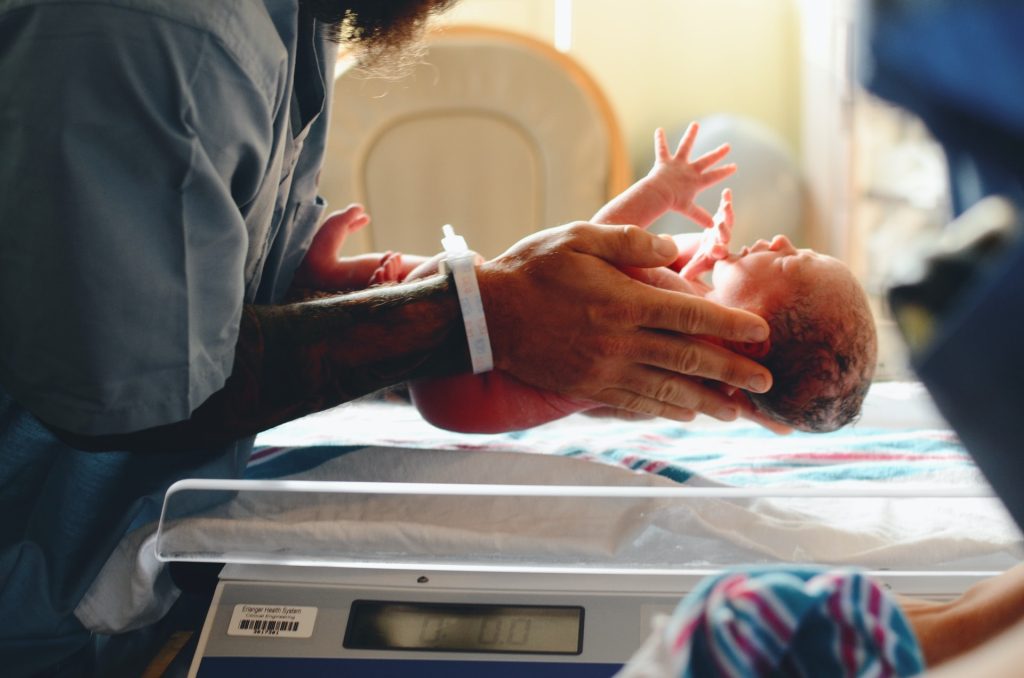
‘Alarming’ Rise in Newborn Babies with Antibiotic-resistant Infections, Researchers Find

Photo by Christian Bowen on Unsplash

Researchers are calling for an urgent overhaul of diagnostic and treatment guidelines for infections in newborn babies, after a University of Sydney-led study revealed frontline treatments for sepsis are no longer effective to treat the majority of bacterial infections. 

The study, published in The Lancet Regional Health – Western Pacific, analysed almost 15 000 blood samples collected from sick babies in 2019 and 2020 at 10 hospitals across five countries in Southeast Asia, including Indonesia and the Philippines. 

It found that most infections were caused by bacteria unlikely to respond to the currently applied WHO recommended treatments. These were developed using data from high-income countries, instead of using localised data which could be more accurate and therefore effective. 

“Our study highlights the causes of serious infections in babies in countries across Southeast Asia with high rates of neonatal sepsis, and reveals an alarming burden of AMR that renders many currently available therapies ineffective for newborns,” said senior author Associate Professor Phoebe Williams, a Senior Lecturer and NHMRC Fellow in the Sydney School of Public Health.

“Guidelines must be updated to reflect local bacterial profiles and known resistance patterns. Otherwise, mortality rates are only going to keep climbing.”

The problem is further compounded by a lack of new antimicrobial medications in development for infants and babies, added co-author Michelle Harrison, PhD candidate and Project Coordinator of NeoSEAP in the Sydney School of Public Health. 

“It takes about 10 years for a new antibiotic to be trialled and approved for babies,” Harrison said.

“With so few new drug candidates in the first place, we need a significant investment in antibiotic development.”

Gram-negative bacteria responsible for 80% of infections

For the samples which tested positive for fungal or bacterial infections, the team analysed whether they were caused by gram-positive or gram-negative bacteria – referring to the structure of the bacteria’s cell wall which influences how likely it is to develop and acquire antibiotic resistance. 

Gram-negative bacteria like E. coli, Klebsiella and Acinetobacter were responsible for nearly 80% of infections and are more likely to develop (and spread) antibiotic resistance.

“These bugs have long been considered to only cause infections in older babies, but are now infecting babies in their first days of life,” said Associate Professor Williams. 

When treating babies, doctors don’t have time to wait for lab tests to confirm the exact cause of the infection, and often make an educated guess from published data, most often based on high-income populations, to guide treatment. These tests are also frequently delayed or falsely negative due to the difficulty of collecting blood samples.

Harrison explained that the findings showcase the importance of locally relevant data to guide routine medical decision-making.

“We need more region-specific surveillance to guide treatment decisions. Otherwise, we risk reversing decades of progress in reducing child mortality rates,” she said.

“Our results also revealed fungal infections caused nearly one in 10 serious infections in babies – a much higher rate than in high-income countries. 

“We need to ensure doctors are prescribing treatments that have the best chance at saving a baby’s life.”

Source: University of Australia

International Healthcare Workers Report on War Related Injuries Among Civilians in Gaza

Findings suggest patterns of harm that exceed those reported in previous modern-day conflicts and provide critical insights to tailor humanitarian response

Photo by Mohammed Ibrahim on Unsplash

A British led study published by The BMJ provides detailed data on the pattern and severity of traumatic injuries and medical conditions seen by international healthcare workers deployed to Gaza during the ongoing military invasion.

Healthcare workers describe “unusually severe” traumatic injuries including complex blast injuries, firearm related injuries, and severe burns. Many respondents with previous experience of conflicts reported that the pattern and severity of injuries in Gaza were greater than those they had encountered in previous warzones.

It’s thought to be the first study to provide such detailed data from frontline clinicians during the conflict, which the authors say offers critical insights into the injuries and conditions most relevant to immediate management, rehabilitation, and long term health planning.

Since October 2023, Gaza has faced high intensity Israeli bombardment and ground military incursions. Publicly reported figures show that more than 59,000 Palestinians have been killed and over 143,000 wounded during the conflict, but other analyses suggest these figures may be higher.

To address this gap, healthcare workers were invited to take part in a survey about the nature and pattern of injuries and medical conditions they managed while in Gaza, ranging from explosive and firearm injuries to infections and chronic diseases.

A total of 78 doctors and nurses completed the survey using logbooks and shift records between August 2024 and February 2025, within 3 months of their deployment end date.

Participants represented 22 non-governmental organisations (NGOs) and were mainly from the US, Canada, the UK and European Union member states working in trauma surgery, emergency medicine, paediatrics, or critical care and anaesthesia.

Almost two thirds (65%) had prior experience working in an active conflict zone and their deployment to Gaza ranged from 2-12 weeks, contributing to a total of 322 weeks of frontline clinical care.

Overall, 23,726 trauma related injuries and 6,960 injuries related to weapons were reported. The most common traumas were burns (4,348, 18%), leg injuries (4,258, 18%), and arm injuries (3,534, 15%).

There were 742 obstetric cases reported, of which more than a third (36%) involved the death of the fetus, mother or both. Psychological trauma was also reported, with depression, acute stress reactions, and suicidal ideation being most common.

Some 70% of healthcare workers reported managing injuries across two or more anatomical regions and experiences of mass casualties were widespread, with 77% reporting exposure to 5-10 events and 18% managing more than 10 such scenarios.

Explosive injuries accounted for the majority of weapon related trauma (4,635, 67%), predominantly affecting the head (1,289, 28%) whereas firearm injuries targeted the legs (526, 23%).

The most common general medical conditions reported were malnutrition and dehydration, followed by sepsis and gastroenteritis. Healthcare workers also reported 4,188 people with chronic disease requiring long term treatment.

In free text responses, healthcare workers frequently described injuries as unusually severe, including multi-limb trauma, open skull fractures, and extensive injuries to internal organs. Severe burns were also emphasised, particularly in children.

Respondents with previous experience of deployment in other conflict zones commented that the severity and pattern of injuries encountered in Gaza were greater than those they had previously managed.

Despite the strength of this data, the authors acknowledge limitations. For instance, relying on logbooks and shift records inevitably introduces uncertainty, especially during periods of large influxes of injured people. Nor can they rule out the possibility of duplication, although further analyses indicated minimal impact on overall estimates.

However, they say the volume, distribution, and severity of injuries seem to indicate patterns of harm that exceed those reported in previous modern-day conflicts.

“These findings highlight the urgent need for resilient, context specific surveillance systems, designed to function amid sustained hostilities, resource scarcity, and intermittent telecommunications, to inform tailored surgical, medical, psychological, and rehabilitation interventions,” they conclude.

Source: BMJ Group

Semaglutide and Tirzepatide Reduce Heart Failure Risk by More than 40%

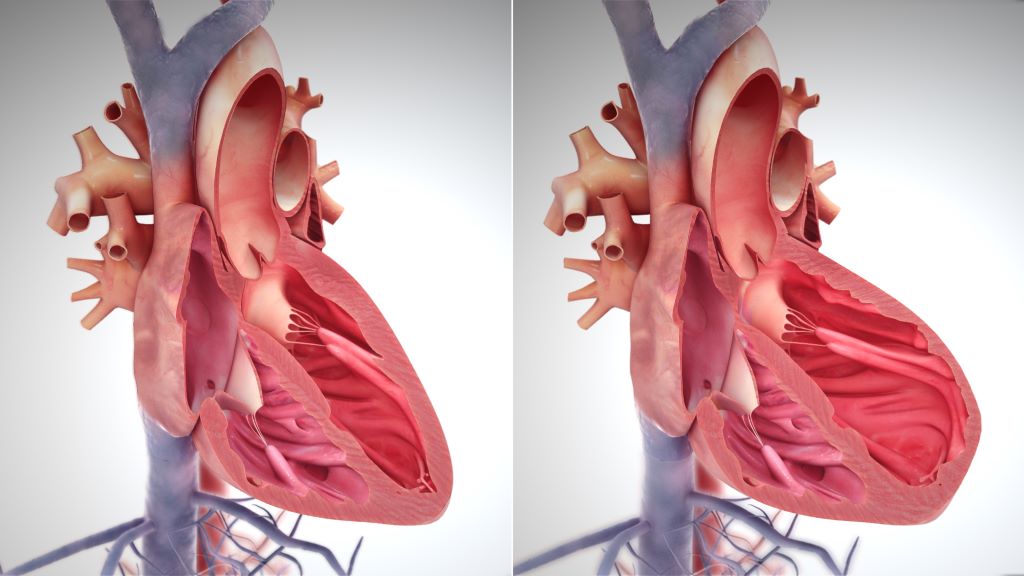
Right side heart failure. Credit: Scientific Animations CC4.0

Treatment with semaglutide or tirzepatide can reduce health risks for patients with heart failure by more than 40%. These finding come from a study by researchers at the Technical University of Munich (TUM). The medication can drastically reduce the risk of being hospitalised for heart failure or dying.

Semaglutide and related medications are widely used to treat diabetes and obesity. Their potential effects beyond weight loss are now being closely studied. Still, professional societies and regulatory authorities have urged caution. With regard to treating heart failure, cardiology societies have noted that the existing evidence base remains limited.

“Together with our colleagues at Harvard Medical School, we have created a solid evidence base for using these weight-loss medications in heart failure,” says Professor Heribert Schunkert, Director of the Department of Cardiovascular Diseases at the TUM University Hospital German Heart Center. “In patients with heart failure with preserved ejection fraction, both drugs have shown a clear protective effect that supports their use. Our analysis of around 100 000 patients provides a robust basis for reassessing an indication expansion and new indication approval in heart failure.“

The study focused on heart failure with preserved ejection fraction or HFpEF, in which the heart’s ability to pump remains intact but the stiffened heart muscle does not fill properly with blood. HFpEF affects more than 30 million people worldwide. To date, there are only a few effective treatment options for this form of the disease.

Large-scale database study provides solid evidence for use in heart failure

Published in JAMA, the study examined the effects of the drugs semaglutide and tirzepatidein patients with this specific form of heart failure. The researchers analysed three national US insurance claims databases. Their models first confirmed findings from earlier trials in patients with obesity or diabetes, then extended the analysis to populations excluded from clinical trials and to additional outcomes, such as hospitalisation for heart failure and mortality.

Treatment with both drugs led to a more than 40% reduction in the risk of hospitalisation for heart failure or death compared with another diabetes drug that had shown no effect on heart failure outcomes in previous studies.

“Currently, HFpEF can be treated with a few drugs only. At the same time, an increasing number of patients suffers from obesity and diabetes, which further worsens outcomes. In Germany, heart failure is the leading cause for hospitalizations and a major driver of health care expenditure. Our study shows that these drugs are highly effective, which expands treatment options and could prevent many hospital admissions,” says Dr Nils Krüger, resident physician at the TUM University Hospital German Heart Center and lead author of the study.

Data-driven approaches to drug approval

The study drew on patient populations nearly 20 times larger than those in traditional clinical trials. This allowed researchers to capture clinical practice and demonstrate that the benefits seen in pivotal trials also apply to broader patient groups. “The future belongs to such data‑driven approaches – alongside traditional trials, they can help ensure that findings from basic research feed into patient care more quickly,” explains Prof Schunkert.

From the researchers’ perspective, such analyses are also becoming increasingly relevant for Germany. The Health Data Utilization Act provides that anonymized health insurance data will in future be made systematically available for such research projects, while strictly protecting sensitive personal data. “We use these large data to investigate the safety and effectiveness of medications in clinical practice,” says Dr Krüger.

Source: Technical University Munich

Pocket Ultrasound Reduces Hospital Stays for Patients with Shortness of Breath

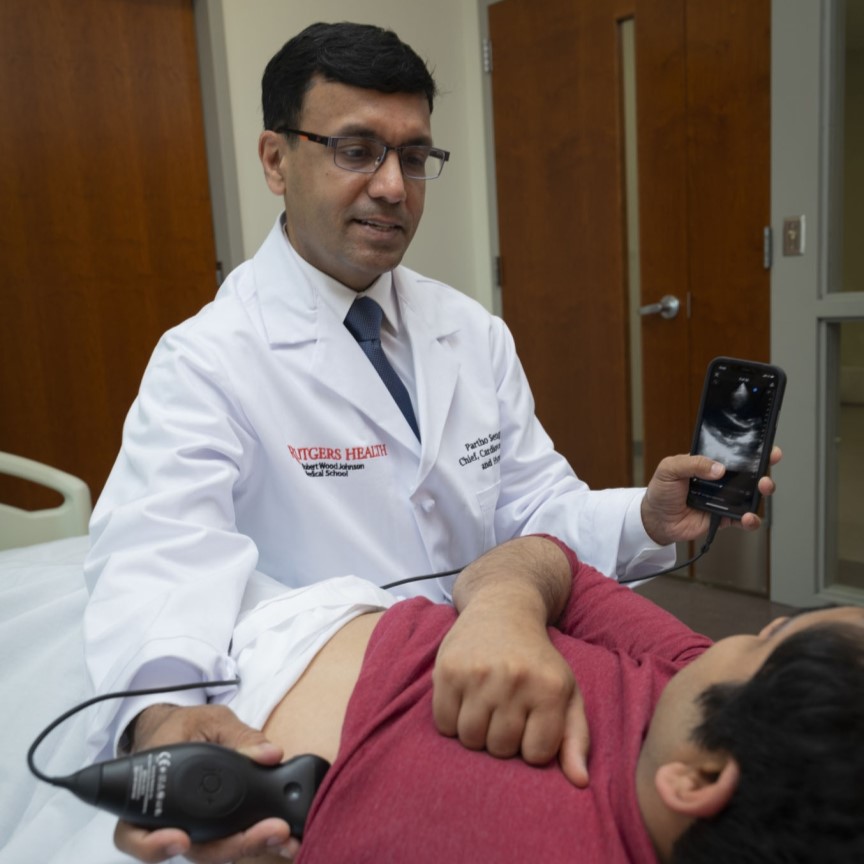
Credit: Rutgers Health/RWJBarnabas Health

When hospitalised patients struggle to breathe, doctors typically reach for their stethoscopes, but results from a clinical study in JAMA Network Open suggest they should diagnose the problem with portable ultrasounds instead.

The study, by Rutgers Universitty and RWJBarnabas Health, found initial exams with portable ultrasounds led to better diagnoses, shorter hospital stays and big cost savings. However, the findings revealed a need for additional training and workflow integration to help clinicians transition from traditional tools to this promising new technology.

“The study clearly shows that ultrasound is the superior diagnostic technology, even for long-time stethoscope users who get a few hours of ultrasound training,” said senior study author Partho Sengupta, Henry Rutgers professor and chief of cardiology at Rutgers Robert Wood Johnson Medical School (RWJMS), chief of cardiology at Robert Wood Johnson University Hospital (RWJUH) and member of the RWJBarnabas Health Medical Group.

The explanation here is simple. Ultrasound gives you more information, and more concrete information, about what’s going on

Partho Sengupta, Henry Rutgers professor

The study enrolled 208 patients admitted with shortness of breath to Robert Wood Johnson University Hospital in New Brunswick. About half of them underwent diagnosis via point-of-care ultrasound devices that attach to smartphones. The rest underwent diagnosis via existing standards of care. 

Initial diagnosis with ultrasound trimmed a patient’s average length of hospital stay from 11.9 days to 8.3 days. In all, initial diagnosis with ultrasound saved 246 bed-days and about $751 000 in direct costs across the cohort, while 30-day readmissions were similar between groups.

“The explanation here is simple. Ultrasound gives you more information, and more concrete information, about what’s going on,” Sengupta said.  “When clinicians can see fluid in the lungs, a failing heart or a stiff inferior vena cava in minutes, they can target therapy sooner or rule out a cardiopulmonary cause and look elsewhere.”

To keep things simple and encourage buy-in, scans focused on a handful of cardiac views and a six-zone lung sweep. The exam was designed to be quick and binary: signs of congestion or not, systolic function reduced or not.

The study provided several hours of ultrasound training to participating hospitalists (doctors who oversee and coordinate hospital patient care) so that each could perform and interpret the ultrasound exam in 10 to 15 minutes. 

Nevertheless, most hospitalists who underwent the training let sonographers perform the exams and cardiologists interpret them. Only 20% of patients received an ultrasound diagnosis from one of the hospitalists.

Sengupta said time pressure on rounds and a lack of incentives make it hard to add a 10-minute procedure, even if it changes care.

“This is consistent with what we observe in day-to-day clinical practice,” Sengupta said. “Although the ultrasound probe fits in your pocket and attaches to the back of a smartphone, its use in clinical settings remains inconsistent. This study overcame those barriers by leveraging a multidisciplinary framework.”

Kameswari Maganti, professor of cardiology at RWJMS and section chief for non-invasive cardiology at RWJUH, led the image interpretation with the sonography team that worked closely with the RWJUH hospitalist team, led by RWJMS faculty Catherine Chen and Payal Parikh, as well as the engineering and data science team, headed by Naveena Yanamala. 

“This coordinated team effort was key to developing and delivering a streamlined protocol that significantly reduced hospital stays and healthcare costs,” Sengupta said.

The researchers reported that ultrasound findings altered medical decisions in roughly a third of cases, including new diagnoses and changes in therapy. They also noted that longer-stay patients appeared to benefit the most, a hint that ultrasound-guided triage and treatment may pay particular dividends when cases are complex.

As with most single-center implementations, caveats apply. The model relied on trained sonographers and cardiology reads, which may not be available everywhere. Broader studies across multiple hospitals will be needed to confirm the cost and length-of-stay benefits, and to test strategies that make adoption stick.

Still, the argument for seeing more and guessing less is gaining ground. A bedside view of the heart and lungs, delivered early in admission, may help the right treatments arrive sooner.

Source: Rutgers University