

Tag: African descent

The Bias in Medical Research: Africa Carries a Huge Disease Burden but Is Missing from Clinical Trials

Bamba Gaye, MD, MPH, MSc, PhD, Emory University
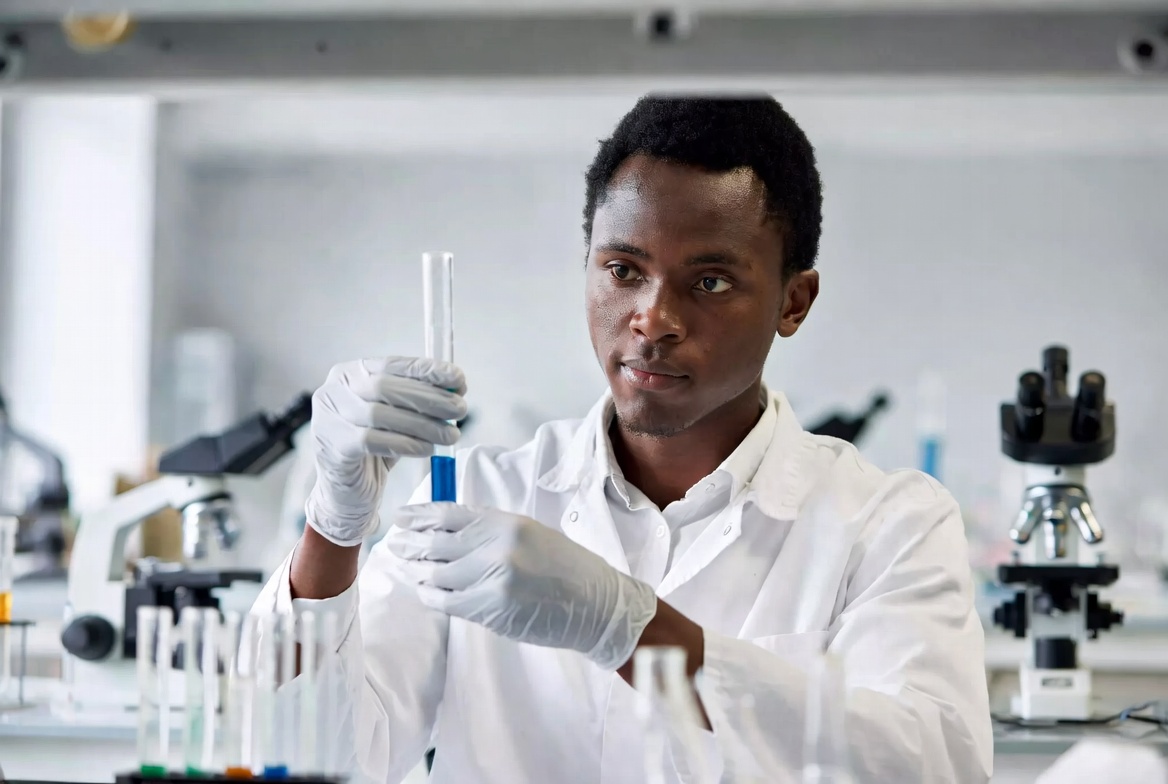
Modern medicine prides itself on being a universal science, built on evidence from clinical trials.

But there’s a bias in medical research. While Africa accounts for roughly 25% of the global disease burden and 19% of the global population, the continent’s people are largely invisible in some clinical trials.

The scale of the erasure is revealed in a landmark study of 2,472 randomised controlled trials globally published between 2019 and 2024.

I led this team of researchers, who scrutinised the world’s most influential medical publications to quantify African representation. They included the New England Journal of Medicine, The Lancet, the Journal of the American Medical Association, Nature Medicine, and the British Medical Journal. There were also three leading cardiovascular journals in the study: Circulation, the European Heart Journal and the Journal of the American College of Cardiology.

I am a physician-scientist working at the intersection of cardiometabolic epidemiology and biomedical data science. I also focus on large-scale population studies in Africa and data-driven cardiovascular prevention.

Randomised controlled trials are a cornerstone of evidence-based medicine. Introduced in the mid-20th century, they rigorously evaluate the safety and effectiveness of treatments by randomly assigning participants to different groups. This is done to minimise bias. Trials like these have been central to major medical breakthroughs, from cardiovascular therapies to vaccines. They continue to guide clinical decisions and the development of new treatments worldwide.

What we discovered

Our findings show a profound imbalance in the global clinical research landscape. Across the five most prestigious general medical journals, only 3.9% of trials were conducted exclusively in Africa. In cardiovascular health, the numbers drop to a statistical whisper. Of the major trials published in leading cardiology journals, just two studies (0.6%) were conducted solely on African soil.

This is a crisis of scientific accuracy. When clinical trials exclude African populations, they produce evidence that lacks “external validity”. This refers to how well the results of a study can be generalised beyond the participants. It asks whether findings from a clinical trial will still hold true when applied to different populations, settings, or real-world conditions.

Without that validity, doctors are essentially conducting unmonitored experiments on millions of patients every day.

Modern medicine cannot claim to be universal if entire populations remain invisible in the evidence base. Biology, health systems and disease patterns are not identical across the world.

The gap and why it matters

Many treatments used across the continent are based on evidence generated in non-African populations, raising concerns about their applicability.

Moreover, most Africa-based trials still focus on infectious diseases, despite the rising burden of non-communicable diseases such as cardiovascular disease.

Emerging evidence shows that genetics, environment and diet can radically alter how a body responds to a drug. It therefore makes no medical sense that an entire continent is left out of the trial net.

There’s also evidence showing that certain treatments have different safety profiles in Black patients. Diabetes and gout are just two examples. So are certain common blood pressure medications, such as angiotensin-converting enzyme (ACE) inhibitors. Research shows that they carry a three- to four-fold higher risk of severe, life-threatening side effects in people of African descent compared to other populations.

When clinical trials exclude populations, doctors are forced to extrapolate findings from one population and apply them to another.

The study also highlights a dangerous lag between global research funding and the evolving reality of African health. The new data show that nearly 76% of trials conducted exclusively in Africa focused on infectious diseases. But the continent is undergoing a massive epidemiological shift. Non-communicable diseases – heart disease, stroke, and diabetes – now account for about 38% of all deaths in many African nations.

The middle class in Africa has tripled to 300 million people from roughly 100 million people in the early 2000s. More people are now living long enough with lifestyles that increase the risk of chronic conditions such as heart disease, diabetes, and hypertension. Consequently, there is a growing need and market for long-term treatments that manage these diseases, rather than short-term therapies for infections. Yet cardiovascular trials continue to be discouraged.

Even within the continent, the data show deep “black holes” of information. South Africa accounted for over 62% of all trials conducted on the continent. Central Africa, a region that’s home to more than 180 million people, was virtually non-existent in the global research record. It contributed less than 3% of the continent’s limited trial output. Possible reasons include South Africa’s decades of cumulative investment, seen in stronger academic hubs, research governance, experienced trial units, and more established sponsor relationships. Other regions face barriers like fewer resourced research institutions, less access to trial platforms, and sometimes language and publication issues that can reduce visibility in top-tier journals.

The inequity extends into the hierarchy of science itself. Even when African sites are included in large, multicontinental trials, they are often relegated to the role of “recruitment hubs” rather than scientific partners. Our study found that African scientists led only 3.6% of multicontinental trials that included an African site.

Towards a new era of African science

Africa should not simply be a location where studies are conducted.

It must be a place where research is conceived, led and interpreted. The current model creates a cycle of external dependence where international institutions manage the funding and the data. This leaves local research systems fragile and unable to translate evidence into national policy.

There is need for “ring-fenced” funding for African-led research, the development of regional trial networks, and a mandate for medical journals to report on the diversity of trial populations.

There are signs of a rising momentum. Organisations like Alliance for Medical Research in Africa are working to equip a new generation of African investigators. Africa must create a research ecosystem that is too important for the global community to ignore.

Bamba Gaye, MD, MPH, MSc, PhD, Adjunct professor, Emory University

This article is republished from The Conversation under a Creative Commons license. Read the original article.


Study Indicates Type 2 Diabetes Operates Differently Across Weight Profiles

Photo by I Yunmai on Unsplash

Research published in Diabetologia by Amsterdam UMC and the University of Ghana reveals that type 2 diabetes manifests in two fundamentally different ways depending on a patient’s body mass index (BMI). While type 2 diabetes in patients with a higher BMI is primarily driven by insulin resistance, the study demonstrates that in individuals within a lower BMI range, the condition is caused by the pancreas failing to produce sufficient insulin. Despite these opposing biological mechanisms, medical professionals currently treat both groups with the exact same medications.

Type 2 diabetes is generally seen as a disease associated with being overweight. In wealthy countries that picture holds true: nine out of ten people with type 2 diabetes are overweight. In Africa the situation is different. Almost four in ten African adults with type 2 diabetes are lean, with a normal or even low body weight. In some rural areas, such as in Ghana, it is as many as six in ten. First Author Sabrina Esmail: “This means that there are an estimated ten million lean patients on the African continent who do not fit the standard picture. For them, the problem is therefore a shortage of insulin, not a reduced response to insulin.” Projectleader Charles Agyemang at Amsterdam UMC believes “this study shows that we need to look for better treatments for this large group of lean Africans.”

A different disease process, so a different treatment too

Yet in Africa both groups are almost always given the same treatment, based on international guidelines: oral tablets such as metformin or sulfonylureas. These medicines, however, are mainly effective against insulin resistance, not against a shortage of insulin. They are therefore probably receiving the wrong treatment, and until now the consequences of this had not been investigated. 

The researchers analysed data from more than 3300 African adults with type 2 diabetes from Ghana, Nigeria, Kenya and Europe. “From this we concluded that lean patients more often develop eye damage, known as retinopathy, and strokes. People who are overweight, by contrast, more often have high blood pressure and an increased risk of cardiovascular disease. Chronic kidney disease occurred equally often in both groups,” says senior author Felix Chilunga. The amount of body fat explained the greater part of these differences, which points to genuinely different disease processes. The risk factors differ as well: whereas being overweight is often linked to an unhealthy lifestyle, lean patients have more often experienced malnutrition or a low birth weight, which can disrupt the development of the pancreas.

Type 2 diabetes in lean Africans is therefore, biologically and clinically, a different type of disease from the one seen in people who are overweight. But it is still being treated as though it were the same. As a result, millions of people may not be receiving the right care. Chilunga: “We are calling for targeted clinical trials to determine which treatment works best for this large and often overlooked group of patients.”

Africans in Europe

For Africans in Europe, too, it is very likely that a different treatment is needed. Another study with analysis from data from the UK Biobank showed that people of African descent with a BMI of 26 already have the same diabetes risk as Europeans with a BMI of 30. Studies of migrants in Europe consistently show that Africans are more likely to have type 2 diabetes, develop it around ten years earlier, and have poorer blood sugar control than the native population. Agyemang: “So a considerable proportion of African patients in Europe have a lower BMI but are treated according to guidelines written for the form of the disease found in people who are overweight, and their control is demonstrably worse. There is no reason to assume that the treatment mismatch we describe stops at the border.”

This study was carried out by Amsterdam UMC, University of Ghana, the national Institutes of Health (Center for Research on Genomics and Global Health) via de cohorts AADM and RODAM. The findings were published today in Diabetologia.

Source: Amsterdam UMC

South African Study Identifies Two New Breast Cancer Genes in Black Women

Genetic factors contribute to some 30% of breast cancer cases in SA, necessitating investment in genomic research in African contexts.

Photo by National Cancer Institute

A seminal genetic study published in Nature Communications has discovered two genetic variants linked to breast cancer in black South African women, deepening knowledge about the genetic basis for this disease in African populations.

The genome-wide association study (GWAS) of breast cancer is the first to have been done in African women living on the continent.

A GWAS is a powerful research method that scans the entire DNA of many people to find genetic differences associated with a specific disease or trait.

In this case, the scientists at the Sydney Brenner Institute for Molecular Bioscience (SBIMB) scanned for breast cancer and found consistent genetic patterns in black South African women.

The SBIMB researchers discovered genetic signals around the gene RAB27A, a member of the RAS oncogene family, and USP22, a gene which is highly active in breast cancer cells and associated with a poor health prognosis.

“These genes have not been associated with the disease before, which is an important advance in understanding breast cancer risk and biology in women of African ancestry,” says Dr Mahtaab Hayat, the lead author of the study.

The two new genetic variants were identified in black South African women with breast cancer enrolled in the Johannesburg Cancer Study, compared to women without cancer in the Africa Wits-INDEPTH Partnership for Genomic Research (AWI-Gen) study.

Until now, most breast cancer genetics research has focused on European and Asian populations, with studies of African ancestry limited primarily to African- American women, who largely descend from West African populations.

A tool that estimates lifetime cancer risk based on DNA, the polygenic risk score (PRS), performed poorly in distinguishing South African women with breast cancer from those without.

“This is because most PRSs were developed in European populations, and their inaccuracy in African populations highlights the urgent need for ancestry-specific tools in cancer risk prediction,” says Dr Jean-Tristan Brandenburg, also in the SBIMB and a lead author.

Breast cancer is the second most common cancer in South Africa and the most common cancer in women globally, with genetic factors contributing to about 30% of cases. “Our study makes a compelling case for investing in genomic research rooted in African contexts,” notes Hayat.

The potential for precision medicine

If further studies confirm these findings, the USP22 and RAB27A genes could be specific targets for new drugs. “We could potentially target harmful cancer cells while sparing healthy tissue, which is ideally what we want when administering cancer treatment,” says Distinguished Professor at the SBIMB, Chris Mathew, and a lead project investigator.

Furthermore, if a specific gene is associated with poorer survival, it can be used as a biomarker to identify more aggressive cancers and help predict which patients may need more intensive treatment and monitoring.

Understanding the genetic architecture of complex diseases helps scientists figure out the biological processes leading to these conditions and find drug targets and treatments for groups of individuals with similar disease risk profiles.

Genomic diversity in Africa is unparalleled

African populations have more genetic variation than any other population in the world, but they have been significantly underrepresented in genomic research. This means that the global understanding of disease risk, and the tools and treatment developed from it, is limited.

“The study reveals that more people can benefit from genetic discoveries. It proves that new risk factors are still out there, waiting to be found,” says Hayat.

Source: University of the Witwatersrand

Genetic Variations Influence Drug Metabolism in Patients of African Descent

Photo by Agung Pandit Wiguna

Investigators have identified new genetic variations that affect gene expression in the liver cells of patients of African ancestry, findings that provide insight into how drugs are metabolised differently in different populations, according to a study published in The American Journal of Human Genetics.

Expression quantitative locus (eQTL) studies use an individual’s genomic and transcriptomic data to uncover unique genetic variants that regulate gene expression. However, people of African descent have not been well represented in these databases.

Having this comprehensive, multiomic data is key to uncovering the mechanisms that regulate an individual’s genome and understanding how different groups of people respond to drugs differently, which can improve treatment strategies, according to Minoli Perera, PharmD, PhD, associate professor of Pharmacology and senior author of the study.

“We don’t have data from any historically excluded populations to run these analyses, so a big motivation of my lab is to create data in African ancestry populations so that they are represented in multiomics,” said Perera.

In the current study, the investigators treated hepatocytes from liver tissue samples from African American patients with six FDA approved drugs: Rifampin, Phenytoin, Carbamazepine, Dexamethasone, Phenobarbital and Omeprazole.

The investigators then performed whole-genome genotyping and RNA sequencing on primary hepatocytes treated both with and without the drugs. They also mapped eQTLs, or single-nucleotide polymorphisms (SNPs) affecting gene expression, in the liver cells.

From this comprehensive analysis, they uncovered varying transcriptional changes in the cell lines across the different drug treatments and identified NRF2 as a potential gene transcription regulator.

“NRF2 has been already identified as a very important transcription factor for drug metabolism, but this is a much more comprehensive way to look at it,” Perera said.

The investigators also discovered nearly 3000 genetic variants that affect how well hepatocytes respond to external stimuli, including drugs, which the investigators called drug response eQTLs, or reQTLs. Notably, they discovered reQTLs for drug-metabolising genes such as CYP3A5.

Most individuals of European ancestry carry a specific genetic variant in CYP3A5 which results in no/low CYP3A5 enzyme, whereas individuals of African ancestry carry that variant at a lower frequency. According to Perera, this is a problem because most participants that are recruited for clinical trials are of European ancestry, and the findings from these trials directly inform how often and how much of a drug should be prescribed to all patients, regardless of their ancestry.

“When you test drugs in a group of people with limited diversity, and then say this is the dose, this is how fast it’s metabolised, this is how often you dose the drug and then you give this medication to the entire U.S. population, we don’t know for sure how accurate those measures are, and that’s just with one variant. Other variants that may influence how much or how little we up-regulate these important enzymes,” Perera said.

Perera said her team is now expanding their work by increasing the number of hepatocytes from African American participants they’re studying and incorporating other types of omics techniques, such as epigenetic profiling.

“Almost exclusively we’ve done epigenetic screenings in European populations, so what can we find in the epigenome that’s important for African Americans. Also, because there’s more genetic variation in individuals of African descent, would that change the epigenome in ways that we aren’t able to see in Europeans,” Perera said. “We hope that what we’re doing can help annotate new studies coming along for African ancestry populations.”

Source: Northwestern University