Many people who report with TB symptoms at South Africa’s public sector clinics do not receive TB tests. Testing more of these people is one of the most effective things we can do to reduce rates of TB disease and death, according to a major new modelling study.
While South Africa has made substantial progress against tuberculosis (TB), we are not on track to meet key targets set for 2030. This is according to a new modelling paper published in the journal Global Health Action.
TB incidence in South Africa was projected to decline by 46% by 2030, relative to a 2015 baseline. The World Health Organization (WHO) End TB target adopted by South Africa aimed at an 80% reduction in incidence. TB mortality was projected to decline by 54%, against the End TB target of 90%.
The researchers also published uncertainty intervals around these estimates. Even though these intervals are relatively wide, their upper limits are below the End TB targets, suggesting that it is unlikely that South Africa will reach the targets by 2030. The modelling however also identified interventions that could help South Africa get closer to the targets.
The new research is an extension of Thembisa, an existing mathematical model of HIV and TB in South Africa. University of Cape Town epidemiologist Dr Leigh Johnson, who is the lead author of the new study, is also the key driving force behind Thembisa.
Identifying what works
The researchers estimated which of a long list of interventions would have the greatest impact against TB. In technical terms, they looked at how varying 27 different parameters linked to TB interventions impacted projected TB incidence and mortality from 2025 to 2040 by calculating correlation coefficients (see the paper for a more nuanced explanation).
They found that the greatest reductions in TB would be achieved if a high percentage (89%) of people reporting with TB symptoms were tested using new point-of-care TB tests. This would result in a 49% reduction in average TB incidence and a 67% reduction in average TB mortality, relative to a scenario in which there are no changes to current programmes. TB symptoms include persistent cough, chest pain, night sweats, fever, and unexplained weight loss. There is good evidence that many people who report with these symptoms at clinics are not offered molecular TB tests.
The World Health Organization earlier this year recommended the use of such new point-of-care TB tests. These tests aren’t yet in general use in South Africa, although they are being evaluated in pilot projects. The new tests can be run on both sputum and tongue swabs. For now, most molecular TB tests in South Africa still involve someone producing a sputum sample – which some people struggle with – and the sample being transported to a lab for testing.
The researchers also found that high rates of door-to-door testing with the new point-of-care tests could reduce TB incidence and mortality by 38% and 49% respectively, while combining high rates of door-to-door testing and digital chest X-ray screening in asymptomatic individuals could reduce TB incidence and mortality by 17% and 21%.
Even without the new tests, there are substantial gains to be had if testing was stepped up in people with symptoms. TB incidence could be reduced by as much as 29% if the level of sputum testing in individuals seeking care for TB symptoms were increased to the upper bound considered by the researchers.
Once people have been diagnosed with TB and start taking TB treatment, they typically become non-infectious within around two weeks. Diagnosing people more quickly thus results in people remaining infectious for shorter periods, thus slowing TB transmission.
Other influential parameters identified by the researchers include the extent to which COVID-19-related behaviour changes are sustained, the rate at which people living with HIV start taking antiretroviral treatment (untreated HIV is a major driver of TB), and the combined uptake and efficacy of 3HP, a relatively new form of TB preventive therapy.
Testing is the key
“We found that the rate of testing in people seeking treatment for TB symptoms is the most important driver of future TB incidence and mortality,” wrote the authors.“This finding is not surprising given the historically low rates of TB testing. In studies of patients seeking treatment for TB symptoms in South African health facilities, the proportion who received a TB test has been highly variable, ranging from 3% to 84%, with a median of only 30%. Similarly low rates have been reported in other countries with high TB burdens.”
The study authors write that these low rates of testing reflect the non-specificity of TB symptoms and healthcare workers’ concerns about the cost and time required to collect sputum specimens and to send them to a central laboratory for molecular testing. In one South African study, they point out that 36% of all people attending clinics had symptoms suggestive of TB.
“Conducting TB testing in such a large fraction of primary care attendees may be infeasible,” they write.
“Achieving high levels of testing in people with TB symptoms could require levels of laboratory testing beyond current testing capacity. However, new point-of-care tests performed on tongue swabs or sputum present an important opportunity to increase levels of TB testing in symptomatic individuals at reduced cost, without placing additional strain on laboratories.”
In addition to reduced cost, the new point-of-care tests also offer quicker results and have lower operational requirements. The main potential benefit of these tests over existing lab tests is thus that they are likely to be used much more frequently.
Regardless of the testing platform, the study authors argue there is a need to strengthen adherence to existing guidelines for systematic testing of all patients with symptoms suggestive of TB and that we need a larger healthcare workforce dedicated to TB diagnosis, better supply chains, and better monitoring systems to identify where and why symptomatic patients are not being tested.
Disclosure: The study reported on here was supported by the Gates Foundation. Spotlight receives funding from the Gates Foundation, but is editorially independent – an independence that the editors guard jealously. Spotlight is a member of the South African Press Council.
Russell Rensburg is the Divisional Director of the Rural Health Advocacy Project which hosts the TB Accountability Consortium. (Photo: Supplied)
In March 2024, a pivotal clinical trial was launched to evaluate what might well become the first new tuberculosis vaccine on the market in more than a century. As anticipation mounts for the trial to deliver results, Russell Rensburg argues that we need to start preparing for a rollout of the jab, but that we should think of preparation more widely than just the technicalities of regulatory approval and drug supply.
Over the past few weeks, there have been ongoing discussions about a potential new TB vaccine coming to South Africa.
The leading new vaccine candidate M72/AS01E TB or M72 for short is currently being evaluated in a large phase three clinical trial that started in March 2024. The trial has been running ahead of schedule and it is possible that results might be ready in the next year. If those results are positive, registration with the South African Health Products Regulatory Authority should follow quite soon after.
As all this happens, preparations for possible future manufacturing of the jab are already underway. In July, the Serum Institute of India announced an agreement with the Gates Medical Research Institute to prepare for large-scale production should the trial be successful and the vaccine approved.
And at the same time South Africa’s National Department of Health has started to engage in discussions about the roadmap for a possible vaccine rollout.
The optimism is high, and rightly so. It’s the first time in more than 100 years that we have reached this point with a new TB vaccine. Given the size of South Africa’s population at approximately 63 million people, its share of TB deaths worldwide is striking. WHO data shows that of the over 1.2 million TB deaths, around 54 000 were reported in South Africa. The idea that a new jab can arrest the alarming death rate of this curable disease and change the trajectory of TB in the country is exciting.
But the point that we are at should also prompt an urgent question. If a new TB vaccine proves successful, will South Africa actually be ready to use it?
For a country carrying one of the world’s highest TB burdens, a successful vaccine could fundamentally change our response to the disease. But the regulatory approvals that we will hopefully see next year or the year after would only be the beginning.
Getting community buy-in
To effectively roll out this vaccine, South Africa would need the buy-in of communities who trust that this vaccine could help them and are willing to encourage their fellow community members to take it up.
This negotiation could be harder than we think.
The country does not have to wait for the vaccine to be approved to begin this work. The opportunity to start building the community trust already exists. How? With the current rollout of a new TB test.
The National Department of Health is implementing a demonstration project to assess the health system’s readiness to introduce a new near point-of-care TB diagnostic test into the public healthcare system. The test would mean that people can get TB tests done at the clinic and get a result virtually immediately.
Many of South Africa’s TB deaths are due to late diagnosis. The new test presents the opportunity to shorten the gap between testing and diagnosis (samples don’t have to be sent off to labs) and could result in earlier initiation into care, which will potentially contribute to reduced mortality.
The near point-of-care testing sites are being deployed across the country in district hospitals, community health centres and primary healthcare clinics.
But a very important part of that work is not simply understanding whether the health system is ready for this diagnostic approach, it’s how communities are engaged and mobilised to understand and use it.
Testing community engagement
The community mobilisation and demand-creation component allows us to work directly with communities to understand what it takes to introduce a new TB intervention in a way that does not simply place a new technology into the health system and assume that people will use it.
Alongside measuring diagnostic performance, we should be deliberately testing models of community engagement: working with community health workers, TB survivors, civil society organisations and trusted local leaders; building people’s understanding of TB; listening to their concerns; identifying misinformation early; and understanding which messages, platforms and messengers people trust.
If we do this well, when a TB vaccine eventually becomes available, we will not be starting the conversation from zero. We will already have communities that have been part of the journey of TB innovation, systems for listening and responding to their concerns, and trusted people who can help communities navigate new information. That is what genuine vaccine preparedness should look like. It is not only preparing the regulatory pathway, procurement systems and cold chain. It is preparing the people and communities for whom the vaccine is ultimately intended.
Yet community engagement is too often treated as something that happens at the end of the process: develop the intervention, approve it, procure it and then ask civil society to persuade people to use it.
Trust cannot be manufactured through a communications campaign launched three months before rollout. Trust in a vaccine is inseparable from trust in the health system delivering it. That is why community investment should be considered part of vaccine preparedness itself—not an optional communications budget added later.
The civil society bridge
Civil society has a particularly important role here. Government develops policy, researchers generate evidence and health workers deliver services. Civil society often provides the bridge between those systems and communities.
Community organisations understand local languages, stigma, misinformation, barriers to accessing care and, importantly, the questions people may be reluctant to ask government or healthcare providers.
We should therefore begin strengthening community systems now: building the capacity of trusted community leaders; developing TB vaccine literacy; establishing mechanisms for community-led monitoring; and integrating conversations about vaccination into existing TB, HIV and primary healthcare services.
This is not about convincing people to take a vaccine that has not yet been approved. It is about creating the conditions in which people can eventually make informed decisions.
Ultimately, the measure of success will not be how quickly South Africa approves or procures a new TB vaccine. It will be whether the people who stand to benefit from it understand it, trust the systems delivering it, and are able and willing to access it.
The scientific breakthrough may happen in a laboratory. But whether it changes the trajectory of TB in South Africa will be decided in our communities.
– Rensburg is divisional director of the Rural Health Advocacy Project, which hosts the TB Accountability Consortium.
Disclosure:Thispiecewas published by Spotlight – health journalism in the public interest. The Gates Medical Research Institute mentioned in this article is a non-profit organisation and subsidiary of the Gates Foundation. Spotlight receives funding from the Gates Foundation but is editorially independent – an independence that the editors guard jealously. Spotlight is a member of the South African Press Council.
Researchers explore how a key factor can mitigate or promote tuberculosis transmission.
Tuberculosis bacteria. Credit: CDC
Tuberculosis (TB) is a leading cause of infectious disease deaths, claiming over 1 million lives every year. It spreads through the air when an infected person coughs, sneezes, or exhales, and drug-resistant strains and asymptomatic spreading are growing concerns. Curbing TB transmission is an urgent public health challenge, yet scientists still don’t understand how airflow and other environmental factors influence that spread.
One problem is that studies of infectious disease transmission have focused mainly on population-level assessments or individual immune responses. But understanding how airflow and mixing influence transmission in indoor spaces requires expertise in fluid physics and computational modelling.
An interdisciplinary team including researchers at MIT and the University of Texas Southwestern Medical Center has now combined animal transmission experiments with quantitative particle tracking and flow modelling to understand how some lab-based environments can promote the spread of respiratory infectious diseases such as TB, while others mitigate that spread.
A key factor in predicting infectious transmission was not just the total ventilation rate but, more importantly, the local pattern of airflow driven by the design – such as air leakage, inflow and outflow locations, and forces created by an infected individual.
“The local airflow patterns turn out to be pivotal,” says Lydia Bourouiba, the Japan Steel Industry Chair Professor at MIT and faculty lead of the Fluid Dynamics of Disease Transmission Laboratory, part of the Fluids and Health Network within the Institute for Medical Engineering and Science (IMES). “Our team’s findings provide some of the clearest evidence I’m aware of showing the importance of accounting for [airflow] inhomogeneity and its effects when designing for airflow detailed patterns. This insight is critical when building or retrofitting an indoor space to mitigate airborne transmission, or when designing an airborne transmission study.”
The research is an important step toward connecting laboratory infectious disease studies with how people spread such diseases in the real world. The team hopes their insights can extend beyond their model system and show the importance of flow physics in building designs to prevent the spread of airborne diseases indoors.
“Despite recent pandemics and epidemics, there is still resistance to incorporating airflow in routine infectious disease prevention tools,” Bourouiba says. “Infrastructure could be retrofitted at relatively low cost, but the paucity and difficulty of gathering direct evidence prevents broader adoption of flow physics as a tool for indoor health. This study helps provide such evidence.”
Joining Bourouiba on a paper about the work are Yash Kulkarni, a postdoc at IMES, who led the fluid and aerosol physics components; Kubra Naqvi, lead author and a postdoc at UT Southwestern; Michael Shiloh, a professor at UT Southwestern, who led the multiyear effort to reestablish a classic tuberculosis transmission model; Hui Ouyang, an assistant professor of aerosol engineering at UT Dallas; Yuhui Guo, Deepak Sapkota, and Arabella Martin, all UT Southwestern PhD students; Pei Lu and Victoria Ektnitphong, research associates at UT Southwestern; Shibo Wang, a University of Minnesota researcher; Beatriz Dias, a UT Southwestern instructor; Bret Evers, an associate professor at UT Southwestern; and Lenette Lu, assistant professor at UT Southwestern.
Opening the black box
When people exhale, talk, cough, or sneeze, tiny microdroplets and bioaerosols launch from their mouths, carried forward by a cloud. If infected by a respiratory disease, these bioaerosols can contain pathogens that can infect others. Disease transmission depends on pathogen survival in the air, which is influenced by temperature, humidity, and ventilation.
In 1882, German physician and microbiologist Robert Koch first established an animal model for the study of tuberculosis pathogenesis. Decades later, researchers demonstrated airborne transmission of tuberculosis between people and animals.
These early experiments have proven difficult to replicate in today’s modern, biosafety-grade facilities. This new study reveals the difficulty comes from stringent containment and ventilation requirements, which can dramatically influence airflow in experiments.
“Host-to-host transmission is an obligatory evolutionary phase of respiratory pathogens, yet it has been considered too intractable or complex to be amenable to systematic investigation, hence is commonly relegated to a black box. Our work opens that black box,” says Bourouiba, who is professor in MIT’s departments of Mechanical and Civil and Environmental Engineering, and an IMES core faculty member.
To quantify how local airflow patterns impact infectious disease transmission, the researchers redesigned and modelled the early studies for modern high-containment lab facilities — including their seal, inflow, outflow, and exhaust pathways — and quantified particle and bacteria-laden particle release and dispersal. They released tracer particles and bacteria into a compartment and modelled recovery from air sampled on the other side under differing airflow rates, designs, and leak configurations.
The MIT team carried out computations, benchmarked against particle release experiments. The results revealed how important seemingly small details such as leakage paths could be.
“Even a small leak could short-circuit the airflow by drawing fresh air directly toward the exhaust, rather than drawing contaminated air across the containment chambers,” says Kulkarni.
Advancing TB research
To date, uneven indoor airflow patterns have not been fully harnessed as part of a risk mitigation strategy.
“By systematically defining how airflow and design influence biological exposure, we were ultimately able to restore transmission and create a system that can now be used to ask fundamental questions about the bacterial, host, and environmental factors that determine tuberculosis spread,” says Naqvi.
“I began working to reestablish this seminal TB animal transmission model nearly 10 years ago, and it proved far more challenging than I anticipated,” says Shiloh. “I hope this work serves as a reminder that meaningful scientific advances often require patience and perseverance.”
“This work illustrates how crucial it is to support synergistic collaborations integrating complementary disciplines to tackle research bottlenecks – and to standardise reporting norms across laboratories,” Bourouiba says. “If different labs have varying airflow patterns from uncontrolled leaks or seal details, that physical variability can overwhelm the biological signals researchers seek. Beyond its foundational impact for TB transmission studies, our work shows that opening the black box of transmission provides mechanistic insights: Detailed airflow pattern control can enhance or mitigate airborne transmission – making it exploitable as a prevention measure in crowded gathering spaces.”
This work was supported, in part, by the National Institutes of Health, the National Science Foundation, the Burroughs Wellcome Fund, MathWorks, and the Translational Research Institute for Space Health.
Mycobacterium tuberculosis drug susceptibility test. Photo by CDC on Unsplash
By Elri Voigt
Being a researcher who studies tuberculosis in the lab is one thing, having the TB bug in your lungs is quite another. Spotlight sat down with two of a relatively small number of people who have experienced both.
One morning in April, Constance Schreuder, a senior medical technologist at a large research group at the University of Cape Town, was called into the campus’s occupational health office. “I was thinking, did I do something wrong?” she recalls.
When she got to the office, she says the doctor immediately opened the window behind him. She wondered “what is going on now?”.
The doctor told her that she has tested positive for the very illness she’s been studying at the South African Tuberculosis Vaccine Initiative (SATVI) for over two decades.
Part of Schreuder’s job involves working with post-mortem samples and tissues, as well as clinical trial samples sent from different TB research sites.
“We always protect ourselves by wearing the correct PPE [personal protective equipment]. So, we’re always safety first,” she says. “I was actually exposed [to TB] in the office where I sit. After all the years that I’ve been working in the lab.”
TB, caused by Mycobacterium tuberculosis, is typically spread when someone with the bacterium in their lungs coughs it up and those droplets are inhaled by others. The droplets are just the right size to hang suspended in the air, allowing TB to survive in a room for several hours.
Schreuder was confused by the diagnosis because she didn’t, and still does not, feel ill at all. She had been tested two months prior as a precaution after a PhD student in the lab had been diagnosed with TB and gotten very sick.
Her initial test results looked good. She had produced a sputum sample, a thick phlegm from the lungs, which was sent to the lab for molecular testing (using the GeneXpert platform). The test came back negative for TB DNA. She had also had a chest X-ray done, which showed no signs of TB in her lungs.
It was another test result that raised the alarm. In addition to the GeneXpert test, her sputum sample had been sent to be cultured. This involves putting the sample into a special tube, called a Mycobacteria Growth Indicator Tube (MGIT), and attempting to grow the bacteria if any is present. If TB bacteria has grown after around 50 days, then it means the TB bug was present in the sample. In Schreuder’s case, the TB bacteria did grow, although the bacterial count was low, a result in-keeping with her lack of symptoms.
Although she was sceptical of the result and wondered about a potential laboratory error, Schreuder’s thoughts immediately went to her close contacts – her 81-year-old mom who she sees on weekends, her pregnant daughter who lives nearby, and her son who lives with her. What did this mean for them, she wondered.
No one else from the office who had been tested showed any sign of TB disease, although Schreuder says that not everyone’s sputum sample had been cultured due to the cost of the test.
Only about one in ten people who are exposed to the bacterium will become sick with TB. In most people, the immune system contains and eventually starves the bacterium to death. In others, however, the bug survives inside the body and eventually causes illness, weeks, months, or even years later.
A silent form of TB
Schreuder very likely has what is called asymptomatic TB. This is a state where the bug is active in someone’s body, but it is not, or not yet, resulting in symptoms. There are many unknowns about this state, how much it actually contributes to TB transmission and how best to test for and treat it.
While there is much uncertainty about the prevalence of asymptomatic TB, some rough numbers exist. South Africa’s first National TB prevalence survey found that just over half of the participants with TB that was confirmed through molecular testing, did not report having any TB symptoms.
Schreuder says that she knew about TB symptoms but was under the impression that people had to show at least some symptoms if they were ill.
She says she was issued with a sick note, was told by the doctor at the occupational health office to go to a public healthcare sector clinic to get treatment, and that she was booked off for the next 14 days. People who are ill with TB generally become non-infectious after having taken TB treatment for around two weeks.
South Africa’s TB treatment guidelines does not recommend different treatment courses based on whether or not someone has symptoms. That means that Schreuder has to take the full six-month course of TB treatment.
‘I thought it was something very serious’
Schreuder’s experience is one side of the coin, the other side is a story from the same lab, one that may seem more familiar.
Tatenda Bvudzijena, an energetic young student, says he came to do his PhD at the SATVI lab because of the world class research that he felt he could learn a lot from. He shares an office space with several staff members at SATVI, including Schreuder. It was his TB diagnosis that had prompted the staff to get tested.
Bvudzijena describes himself as hard-working, so it was very unusual when he started feeling too tired to complete laboratory work near the end of 2025. He was finishing up the second year of his PhD at the time. He says he tried taking some vitamin B, but it didn’t help. Then he started to develop some of the typical symptoms of TB, persistent cough and weight-loss. The cough didn’t go away after he treated it with over-the-counter medicines.
“I had those coughing symptoms, then they disappear for a while, then it comes back again. It’s oscillating…coming back, stopping, coming back again,” he says.
Bvudzijena says a private sector doctor told him he might have asthma, but none of the medication he was prescribed – anti-inflammatories, cough syrup, antibiotics, and asthma pills – worked.
Meanwhile, he kept getting sicker.
“That’s when I was like, ‘no, this is not helping’. By that time, I had chest pains and I was losing a lot of weight,” Bvudzijena says. “I just remember back then I used to wear like a size 32 jeans…then I was wearing size 28…I was less than 55kg, but I used to be like 70kg,” he recalls.
He says he was starting to panic since the pain in his chest felt sharp. Gesturing to an area underneath his ribs on his left, he says: “I thought it was something very serious.” He adds: “At first I thought, maybe I could be having lung cancer, because I used to vape.”
Then, one Monday morning in February, Bvudzijena went to see another private sector doctor. This time he was immediately sent to get a TB test and a chest X-ray. “Your chest X-ray is showing symptoms suggestive of TB”, the doctor told him two days later.
Bvudzijena says he was both scared and relieved. He was relieved because TB can be cured and he did not have something incurable but also scared because seeing his own chest X-rays, he realised he was quite sick with TB.
Bvudzijena has to take the same six months course of treatment as Schreuder.
What taking TB treatment is like
In South Africa, “typical” or drug susceptible pulmonary (of the lungs) TB in adults is treated with a six-month treatment course – consisting of four drugs for two months and then two drugs for the next four months.
TB is mostly treated in the public healthcare sector, so even if someone has medical aid or access to private sector healthcare, they might still go to public sector facilities to get treatment.
TB treatment and diagnosis is covered under the minimum prescribed benefits for medical aid members. According to a notice by the Council for Medical Schemes, TB treatment can be made available to members of medical aid schemes through public sector clinics, but they should be given the option of getting their treatment through the private sector. Whether they can get treatment in the private sector is likely to depend on whether they can find a private sector doctor comfortable with treating TB and a pharmacy that stocks TB medicines.
Still showing no symptoms of TB when she started treatment, Schreuder says she was surprised to learn from the package insert that came with the medicine that the pills must be taken on an empty stomach. The initial two months is five tablets per day (dosage depends on a person’s weight), she explains grimacing.
She has had some side effects. At first, it was only constipation and her urine turning orange, a side effect of rifampicin, one of the four antibiotics used to treat drug-susceptible TB. But by the second month of taking the medication, she also started experiencing muscle and joint pains as well as burning feet.
Schreuder will start on the less intensive four remaining months of the course soon, when the regimen drops from four down to two antibiotics. But she worries about what the drugs might be doing to her body.
With TB already taking its toll on Bvudzijena, he says he started treatment knowing that he had to be serious about taking it as prescribed.
“I was in that situation whereby you know you’re very sick and based on the chest X-rays I was seeing, this [TB disease] was intensive. So like I had to take meds, I had to,” he says, tapping his finger on the table for emphasis.
He says he was surprised by the size of the tablets, eyes wide as he describes them. “They’re big! I’ve never seen something like that. It was my first time seeing a pill for TB,” he says.
For Bvudzijena, the side effects have been relatively mild, a runny stomach and a skin rash, as well as joint pain when he started the two-drug phase of treatment.
He says he started feeling better soon after starting treatment, got his appetite back, and his TB symptoms disappeared completely.
Two clinics, two different treatment experiences
But before they could start taking their treatment, Bvudzijena and Schreuder had to get access to the drugs, which was easier said than done.
Bvudzijena, upon getting his chest X-ray, says he was told nothing other than he needed to go to Groote Schuur Hospital. So he went, only to find that because Groote Schuur Hospital’s waiting rooms employ a triage system – where patients who are in the most critical condition are seen first – he’d likely have to wait several hours.
So, he left and later went to a doctor at another private hospital and got referred to see a specialist at that hospital. He says the specialist would have only been able to see him a week later. At his wits end, he went to campus health, who put him in touch with a nurse at a nearby public sector clinic.
Once at that clinic, he says he was well taken care of, got given a little green card, identifying him as a TB patient. This card is his ticket to travelling through the clinic quickly and not having “to wait in a long queue wearing a mask”.
“My only problem was from being diagnosed to getting help,” he says.
Schreuder, after being booked off, had Googled the nearest public sector clinic that offers TB treatment. The next day, on a rainy Friday, she drove from her home in Cape Town’s Northern Suburbs to a clinic in the Durbanville area. She wore a clean mask she had found in a bag, a remnant of the COVID-19 pandemic.
“I actually was there 06:30 in the morning because I wanted to just get it over with and start with this medication because they say if you drink it for 14 days, then you’re not infectious anymore,” she says.
At the clinic, she says she was taken to a separate room to wait by herself, as it turns out for five hours. Eventually she says she was helped by a nurse, who filled out her paperwork and took another sputum sample.
Another hour later, she says she left with six packs of TB medication, enough for the first month of treatment. But she had to stop at a private sector pharmacy on the way home because the clinic was out of vitamin B6, which she had been told to take to help with the potential side effect of “pins and needles in your hands and feet”.
Her frustrations with the system would mount. At a subsequent clinic visit Schreuder discovered that her phone number hadn’t been captured, meaning she hadn’t received the test results from her second sputum test. When she asked for her TB medicines to be dispensed to her ahead of time since she was already at the clinic, she says she was told the medicines were out of stock.
When she arrived for her next appointment at 12:00 on a Friday in May, she says the clinic seemed empty. When she eventually found a nurse, she claims the nurse told her she was only working until 12:00, and that the rest of the staff had left to attend a party for someone who had resigned, and that Schreuder must come back on Monday. A frustrated Schreuder says she didn’t accept this and eventually the nurse agreed to give her the medication.
“What’s worrying for me,” says Schreuder, “is, I said to her, ‘I work in this clinical trial lab where we want to find a cure for TB. But are we going to reach a TB free world if it [the health system] works like this?’.”
What needs to change?
Both Bvudzijena and Schreuder say it needs to be made easier for people with TB to start and collect TB treatment. They suggest that private sector pharmacies could be a convenient alternative to public sector clinics. Bvudzijena adds that stable patients could also collect their medication from selected community pharmacies or other collection points closer to home, reducing unnecessary travel and long waiting times.
He also touched on the need for better, clearer information for people who have just been diagnosed with TB about where they need to go, what documents they might need and how to start treatment.
“When you’ve just been told you have TB, you’re already worried,” he says. “The last thing you need is to be sent from one place to another without knowing where to get help.” He adds that there needs to be better coordination between private healthcare providers and public clinics.
Both touched on the stigma associated with a TB diagnosis. Schreuder says she received support from family members but otherwise it felt like people were simply checking that she had been cleared to go back to work. Bvudzijena says overall the reaction to his diagnosis was mixed. Some people like his roommates and friends were supportive, but not everyone was so understanding. “It was tough,” he says.
Change in perspective
Bvudzijena says that getting sick with TB changed his perspective on the research he’s involved with.
“What I realise now, after having TB, is that this research is about so much more than science. My work is focused on improving TB diagnosis so people can be diagnosed earlier, while many of my colleagues are working on better treatments and vaccines. After going through TB myself, I know how much that work can mean to someone who’s sick. It’s really going to change people’s lives,” he says.
To Schreuder, the experience has also been eye-opening but in a different way. She recounts some of the stories she heard while waiting at the clinic, a woman who has arrived at 05:30 but hours later still hadn’t been helped because her file was missing. A man who is afraid he’ll lose his job if he waits any longer. Patients sent to wait outside on cold benches and concrete floors, some looking very ill. Data from community-led monitoring group Ritshidze suggests that long waiting times is a common problem.
“I can fight my own battles, but what about all those that are too afraid to say something?” Schreuder asks.
A South African clinical study that began in a research unit in Gqeberha (PE), Eastern Cape, has transformed global treatment of drug-resistant tuberculosis. Furthermore, the study’s findings were published this week in the New England Journal of Medicine (NEJM), the highest-ranked medical journal in the world.
The publication recognises that this research study has set the global standard for TB care.
The BEAT Tuberculosis clinical study, conducted at the Clinical Health Research Unit (CHRU) Isango Lethemba TB Research Unit in the Eastern Cape and King Dinizulu Hospital Complex in KwaZulu-Natal, enrolled more than 400 participants over two years during the Covid-19 pandemic.
The study was executed by the University of the Witwatersrand in collaboration with the National Department of Health and funded by the United States Agency for International Development (USAID).
“This project has gone full circle,” says Dr Francesca Conradie, principal investigator of BEAT Tuberculosis and a researcher at the Clinical Health Research Unit (CHRU), University of the Witwatersrand. “The results from this trial have changed international guidelines. Being published in the New England Journal of Medicine is proof that South Africa produces world-class research that improves the lives of patients globally.”
Treatment for the whole family
The primary aim of BEAT Tuberculosis was to evaluate the safety and effectiveness of a novel, shortened treatment regimen for DR-TB compared with the established standard of care. The standard treatment at the time required a seven-drug regimen administered over a minimum of nine months. BEAT Tuberculosis tested a streamlined regimen of four to five medications, including the newer agents bedaquiline and delamanid, administered over six months.
The BEAT Tuberculosis trial enrolled children, pregnant women and breastfeeding mothers alongside adults. These former groups are usually excluded from clinical research. The result is a treatment regimen that can be used across the entire family.
“This is a one-size-fits-all treatment regimen,” explains Conradie. “Adherence is much easier when the three-year-old, the teenager, the mother and the father are all receiving treatment of similar duration and composition. That simplicity saves lives.”
The study enrolled 10 pregnant women. All 10 women gave birth to healthy babies, and nine of them were successfully treated. BEAT Tuberculosis has since been cited internationally as a model for inclusive clinical research methodology, and the findings have influenced World Health Organization policy on the treatment of DR-TB globally, including for pregnant women and children.
South Africa’s National Clinical Advisory Committee already reviews and approves the regimen for pregnant women presenting with Drug-Resistant TB, while other provinces are adopting the treatment, particularly when treating children.
During 2024, South Africa had 249,000 people who were infected with active tuberculosis, and 54 000 died from the disease,” says Professor Norbert Ndjeka, Chief Director: TB Control and Management, National Department of Health. “Not only did BEAT TB produce world-class research, but it is also being implemented progressively across South Africa and globally and is internationally recognised. South Africa has accomplished something exceptional.”
Tuberculosis (TB) is not a medical mystery, writes AI Diagnostics CEO, Braden van Breda. It’s a detection failure. And with technology like AI at our disposal, he believes the MedTech industry has the power to step up and fix it.
Tuberculosis bacteria. Credit: CDC
TB remains the deadliest infectious disease in the world, but it’s not killing people indiscriminately, it’s killing people in poor, developing countries.
Data from the World Health Organization makes this very clear. In 2024, most TB cases were concentrated in developing regions, especially South-East Asia, the Western Pacific, and Africa. In South Africa, an estimated 54 000 people died of TB in 2024. That’s a soccer stadium full of people wiped out by TB in a single year. Meanwhile, the Americas accounted for just 3.3% of global cases and Europe 1.9%.
The danger is that we get complacent about these numbers because we’re so used to hearing them. It’s not normal that people’s loved ones are dying from TB by the tens of thousands in some parts of the world, while in others, the incidence is low enough to be almost negligible.
Detection is the crisis
We already know what causes TB. We know how it spreads, how to diagnose it, and how to treat it. South Africa is losing this fight because the tools we currently have don’t catch cases early enough.
Since TB is easiest to treat (and least likely to spread) when it’s found early, the result compounds. Too many people are only diagnosed once they become seriously ill. By then, they’ve already infected others, and the cost and effort of accessing care often becomes a barrier in itself.
The science is there; the failure now lies in access to quality screening. The question we need to ask ourselves is whether we’re serious about bringing healthcare to people instead of forcing people to chase healthcare.
Start designing TB screening around the communities that need it most
Too much of our TB diagnostic infrastructure remains concentrated in too few facilities, and that depends on expensive equipment, medical specialists, and referral pathways.
For many people, especially in rural areas and poorer communities, getting to a hospital means losing a day’s wages, while having to pay for transport they can’t afford. The result is that people wait or don’t go at all. In 2024, only about 184 000 of the estimated 249 000 South Africans who fell ill with TB were diagnosed and started on treatment. That leaves around 65 000 people who were missed altogether.
This is why community-level screening matters so much. We can’t build specialist diagnostic centres next to every rural clinic. Even if we could, we don’t have enough specialists to run them. The answer is to put simpler, portable, and locally workable screening tools into the hands of frontline healthcare workers, especially nurses in primary care settings.
South Africa can’t wait around to be rescued
If the bottleneck is access, then innovation has to begin where access fails. That means building around the healthcare system we have, not the one we wish we had. How do we equip the nurse at the overcrowded community clinic? If we’re serious about combating TB, that’s the question we have to answer.
It’s also why South Africa can’t keep assuming that imported solutions from European or American healthcare systems will automatically fit our realities. We need tools designed for our burden of disease, clinic environments, and constraints. The countries carrying the heaviest burden should also be shaping the next generation of practical, scalable solutions.
The local MedTech sector needs to decide whether it’s serious about that responsibility. It’s one thing to produce impressive technology for conferences and investor decks, but can it be used in a crowded community clinic by a healthcare worker at the end of an 18-hour shift? If the answer is no, it’s not solving the real problem.
When a curable disease is killing tens of thousands of people, we can’t afford to sit around and wait to solve the problem. Thanks to advances in technology, the tools to close the screening gap are no longer beyond our reach. Failing to use them is inexcusable.
A new national cohort study from Latvia, conducted in collaboration with researchers from the clinical tuberculosis infrastructure (ClinTB) at the German Center for Infection Research (DZIF) at the Research Center Borstel, Leibniz Lung Center (FZB), provides important insights into the treatment of multidrug-resistant tuberculosis (MDR-TB). The study shows that long-term disease-free survival rates are significantly higher than previous standard indicators suggest. The results, published in the renowned journal The Lancet Regional Health Europe, are based on the analysis of data from 1299 adult patients treated between 2005 and 2021.
Multidrug-resistant tuberculosis poses a significant challenge to healthcare systems worldwide. Whilst the effectiveness of treatment is traditionally assessed on the basis of treatment outcomes at the end of therapy, the new study shows that these criteria underestimate the actual long-term success of treatment. According to WHO standard definitions, only 4.8% of patients in Latvia were considered cured. However, during long-term follow-up, 76.9% of those affected remained permanently relapse-free.
The researchers linked clinical data with national registry information for long-term follow-up, enabling them, for the first time, to systematically evaluate long-term treatment outcomes in a former European country with a high incidence of MDR-TB. A key factor in treatment success was the use of at least three effective drugs in the individual treatment regimen.
Furthermore, the analysis showed that very short treatment durations of less than nine months, using the treatment options available at the time, were associated with an increased risk of relapse or death. Treatment durations of between ten and seventeen months, however, achieved comparable results to longer courses of treatment. After the end of the observation period, MDR-TB treatments became more effective. Today, the treatment duration for MDR-TB has aligned with the six months required for drug-sensitive tuberculosis.
“The study underscores the importance of long-term follow-up in MDR-TB and suggests that tuberculosis control programmes should broaden their measures of success. Including recurrence-free survival rates allows for a more realistic assessment of the quality of care and the actual benefit to patients,” says Sophie Meier, a medical PhD student at the FZB and the University of Lübeck under DZIF researcher Professor Christoph Lange.
“The findings also support the role of expert panels, known as consilia, in selecting treatments and assessing treatment success for MDR-TB. In Latvia, the decisions made by the consilium were significantly superior to the results obtained by applying WHO definitions for MDR-TB treatment outcomes. Consilia are also an element of effective ‘antimicrobial stewardship’ against the development of new antibiotic resistance,” says PD Dr Thomas Brehm from the FZB and University Medical Center Hamburg-Eppendorf (UKE), DZIF researcher and senior author of this study.
The findings of this study provide important impetus for future treatment strategies for MDR-TB and support the use of individualised treatment regimens with sufficiently effective drugs. Prospective studies are now required to test these findings in the context of new, shortened treatment regimens using modern active substances. If necessary, the definitions of treatment outcomes for MDR-TB will need to be revised.
Two new vaccines to prevent tuberculosis (TB) are safe for use in adults and children, but they do not offer protection against all forms of TB, finds a large trial from India published by The BMJ.
TB remains a major global public health concern. In 2023, an estimated 10.8 million people worldwide were reported to have TB and the rate of new cases increased by 4.6% between 2020 and 2020, highlighting the growing scale of the problem. BCG is currently the only licensed vaccine against TB. Yet although it is effective against severe forms of TB in young children, it does not offer protection for adolescents and adults.
To address this gap, researchers in India conducted a large trial to evaluate whether two new TB vaccines (VPM1002 and Immuvac) can protect against all forms of tuberculosis (pulmonary and extrapulmonary), prevent latent (dormant) infection, and generate an immune response against the TB bacterium.
The study enrolled 12 717 household contacts (aged 6 years and older) of recently diagnosed TB patients across 18 sites in six Indian states between July 2019 and December 2020.
Participants were randomly allocated to receive a first dose of either VPM1002, Immuvac, or a placebo (4 239 in each group) and were followed up for 38 months. A second dose was administered to 11,829 participants one month later. A total of 12 295 participants (96.7% of those enrolled) completed 38 months of follow-up.
While neither vaccine offered general protection against TB or prevented latent TB infection, both demonstrated an ability to prevent the progression to active TB in those who developed latent TB.
The researchers found that although both vaccines did not show effectiveness against all TB and pulmonary TB (PTB), one of the vaccines, VPM1002 showed effectiveness (50.4%) against extrapulmonary TB (EPTB) across all age groups, including those aged 36-60 years (79.5%). These findings suggest a potentially significant public health benefit, because extrapulmonary TB, which affects organs beyond the lungs, is often associated with a higher risk of mortality than pulmonary TB.
A promising key finding was the protection seen against TB in children, whereby VPM1002 provided protection against all TB, PTB and EPTB in the 6 to under 14 year age group, while Immuvac provided protection against EPTB only in the 6 to under 10 year age group.
However, neither vaccine protected children and adults who were underweight. This suggests that nutritional support may be needed along with vaccination, especially for younger children, report the authors.
Both vaccines were found to be safe and induced an immune response.
The researchers acknowledge that the covid-19 pandemic affected the study, leading to the exclusion of some participants who missed the second dose and sometimes delayed follow-ups. Furthermore, the findings may not apply in other countries or ethnicities.
Nevertheless, this was a large, well-designed study that reflects a real world scenario because it included both children and adults, regardless of pre-existing conditions like diabetes and risk factors, as reported by authors. Further research on commonly targeted high-risk groups for TB could be undertaken, they conclude.
Dr Jessica Hamuy Blanco, Product and Clinical Risk Executive at Dis-Chem
As the world marks World TB Day on 24 March under the theme “Yes! We can end TB!”, South Africa faces a clear challenge turning awareness into early action.
“TB is all around us,” says Dr Jessica Hamuy Blanco, Product and Clinical Risk Executive at Dis-Chem. “Many people don’t realise that exposure is common. The bacteria can lie dormant for years and only become active when the immune system is compromised.”
Despite widespread awareness, a critical gap remains between what people know about TB and how quickly they act on symptoms. This gap continues to shape outcomes for thousands living with this preventable and curable disease.
According to the World Health Organisation (WHO), approximately 249 000 people in South Africa developed tuberculosis in 2024.
TB remains close to home
Although preventable and curable, TB continues to spread quietly often because symptoms are ignored and treatment is delayed.
“People don’t always recognise the signs early enough or know where to seek help,” says Dr Hamuy Blanco. “This is where informed, trusted healthcare makes the difference.”
South Africa remains one of the countries hardest hit by TB globally. The disease is closely linked to HIV, with weakened immune systems increasing the risk of TB becoming active. At the same time, socio-economic realities such as overcrowding and limited access to healthcare continue to drive transmission.
Delayed diagnosis means individuals remain infectious for longer, placing families and communities at greater risk.
Early detection can change outcomes
Detecting TB early remains one of the most effective ways to reduce its spread and improve recovery. Treatment typically involves a six- to nine-month course of antibiotics, with strong success rates when completed. However early symptoms are often missed.
“The signs can be missed or ignored,” explains Dr Hamuy Blanco. “A persistent cough, fatigue, night sweats or weight loss are easy to dismiss as stress or a lingering illness. That delay gives TB time to spread.”
Creating space for early conversations, whether at a clinic, pharmacy or with a nurse can make the difference between early intervention and prolonged illness.
Finishing treatment is non-negotiable
Another major barrier to ending TB is interrupted treatment. Many patients begin to feel better within weeks and assume they are cured, while others struggle with side effects or the practicalities of repeated clinic visits.
“When treatment is stopped too soon, the bacteria are not fully eliminated,” says Dr Hamuy Blanco. “This is how drug-resistant TB develops, which is far more difficult and costly to treat.”
Supporting patients through the full course of treatment is essential, with clear communication and ongoing support improving adherence.
Bringing care closer to people
“Accessible healthcare is critical in closing the gap between awareness and action”, says Dr Hamuy Blanco. Retail health clinics and digital health platforms are increasingly helping to make care part of people’s everyday lives.
These routine touchpoints create opportunities for people to ask questions, seek advice and act early helping to normalise testing, reduce stigma and support patients throughout their treatment journey.
“Care needs to fit into people’s daily lives,” she adds. “It should be easy to access, easy to understand and supportive from start to finish.”
Turning intent into impact
TB is both preventable and curable, yet it continues to claim lives because of delayed action and incomplete treatment.
“Ending tuberculosis takes more than medicine. It requires a human-centred approach that supports people from early testing through to completed treatment. By breaking down stigma and acting sooner, South Africa can move from awareness to impact,” she concludes.
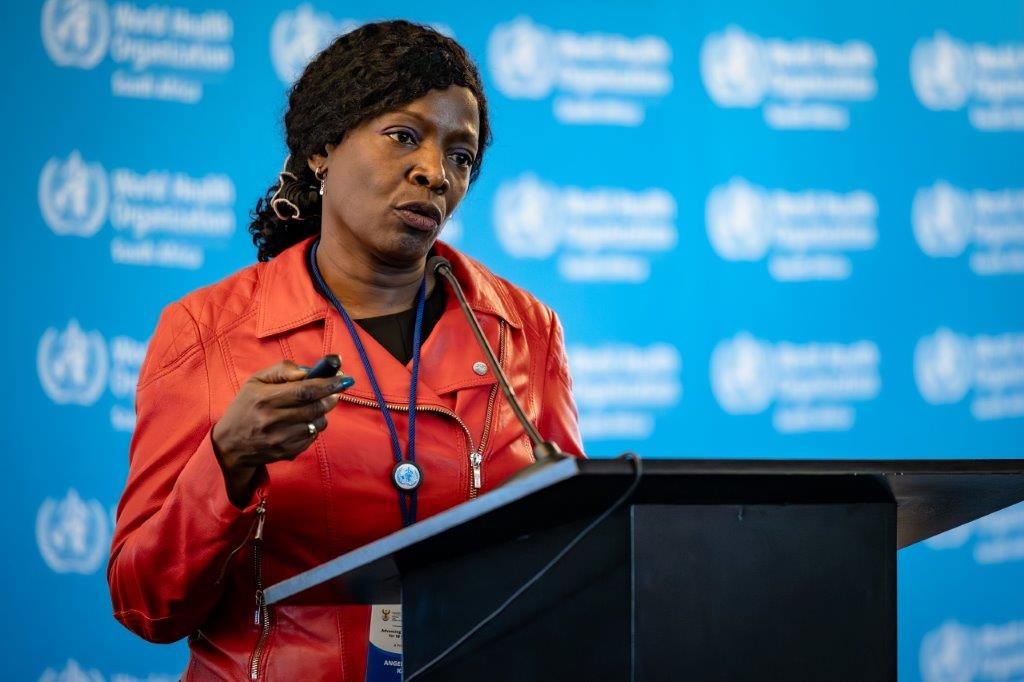
Associate Professor Angelique Kany Kany Luabeya speaks about TB vaccine trials and the introduction of TB vaccines in South Africa. (Photo: Supplied)
By Angelique Kany Kany Luabeya
The only tuberculosis vaccine we have is a century old and offers only limited efficacy in children. With leading South African researchers involved in the pivotal clinical trials of three new tuberculosis vaccine candidates, we are on the verge of a major breakthrough, writes Associate Professor Angelique Kany Kany Luabeya.
My uncle died of abdominal TB a few days ago, after facing repeated challenges in getting an accurate diagnosis. For him, the treatment started much too late. To many in his community, my uncle was a respected teacher, a breadwinner, a pillar of support and strength.
In 2026, why are people still dying from a preventable disease that continues to cause unnecessary deaths and hardship?
Why we urgently need a new TB vaccine should be obvious. For the millions who are sick, and for families living with the catastrophic loss of a loved one, the need is painfully clear.
Prior to the emergence of the SARS-CoV-2 virus, TB was the world’s deadliest infectious disease, killing more than 1.5 million people every year. While COVID-19 has since shown an epidemic downturn, TB’s toll remains devastatingly high.
Globally, an estimated 2 billion people are infected with the Mycobacterium tuberculosis that causes TB in humans. In this state, also known as latent TB infection, they do not have TB symptoms and are non-infectious, but the bacteria remain dormant in their bodies. Of these people, about 5 to 10% will go on to develop active TB when their immune system is no longer able to contain the bacteria. This means that they now have TB disease, sometimes without noticeable symptoms, and risks passing it to others. This could be a family member, a friend, or a stranger who happens to be nearby.
TB bacteria have coexisted with humans for millions of years. There is a cure, but treatment alone is not enough to stop transmission. TB mostly affects countries with limited resources because patients struggle to access care or are unable to complete treatment due to side effects or a lack of food to support the rigorous regimen of drugs they must take to cure them. In addition, the rise of multidrug-resistant tuberculosis is now fueling a global health crisis.
In South Africa, recent data from the World Health Organization’s (WHO) Global TB Report indicate progress, with a 57% reduction in new TB cases since 2015. However, TB mortality is still high and is concentrated mainly in poor and vulnerable communities. According to the WHO, TB still claims over 50 000 lives in South Africa every year. The burden is also unevenly distributed, with some geographic areas affected more than others.
A vaccine which prevents TB
Our hopes are now pinned on developing an efficacious vaccine which prevents people from developing TB disease. WHO modelling suggests that a vaccine which prevents most people with latent TB infection from progressing to active disease would have the most rapid impact on the epidemic in high‑burden countries.
The most urgent priorities for protection would be people living with HIV, healthcare workers at risk of workplace exposure, adolescents and young adults who are driving transmission, as well as those with comorbidities such as diabetes that increase their risk of TB diseases and negatively affect treatment outcomes.
The COVID-19 pandemic proved that when human survival is threatened, the scientific community can respond with breathtaking speed, developing multiple effective vaccines in under a year. Sadly, the urgency and resources allocated to finding an effective TB vaccine do not match the scale of its devastation.
For more than a century (since 1921), we have had only one licensed TB jab, which is the bacillus Calmette-Guérin (BCG) vaccine that is given at birth. Despite its limitations in preventing TB that infects the lungs – the main route of transmission – BCG remains a critical tool because it protects millions of babies from more serious forms of TB that can spread through the blood to the brain. But, clearly, the BCG vaccine is not enough.
Hope is on the horizon though, with several novel TB vaccines now in late-stage clinical trials. New vaccines or drugs are evaluated clinically in humans in steps, or phases, for safety, immunogenicity, and efficacy.
The most advanced is M72/AS01E (M72 for short), which is an adjuvanted subunit vaccine under development by the Gates Medical Research Institute and GlaxoSmithKline. In a phase 2 trial, this vaccine showed close to 50% efficacy in preventing TB disease in TB-infected people—the first time a vaccine has achieved this level of efficacy. A pivotal phase 3 trial of this vaccine has now completed enrolment of 20 000 volunteers, including 13 000 people in South Africa, with results expected in 2028. Developers typically apply for registration with regulatory authorities after successful phase 3 trials – so this study is the last big hurdle for this vaccine.
Another promising candidate is the MTBVAC vaccine, a live, whole, attenuated Mycobacterium tuberculosis vaccine developed by Biofabri, in partnership with the University of Zaragoza and sponsored by the International AIDS Vaccine Initiative. It is in a multi-country phase 2b trial in adults and adolescents and a phase 3 trial in newborns, including in South Africa.
BioNTech’s mRNA TB vaccine is also being evaluated in a phase 2a study in South Africa. Funded by BioNTech, this vaccine candidate harnesses mRNA technology, which has proved successful in the COVID-19 response.
Paving the way for acceptance and use
South African researchers are at the forefront of these TB vaccine efforts. Our strengths lie in our robust clinical trial capacity, world-class institutions, commitment to equitable solutions, and regulatory expertise, all of which help accelerate vaccine licensure. As a global policy leader, South Africa co-chairs the Finance and Access Working Group at the WHO TB Vaccine Accelerator Council, advocating for fair distribution and sustainable financing, and has recently co-hosted a vaccine preparedness workshop to position the country for the emergence of late-stage TB vaccines.
But the most important aspect to consider is the vaccine’s acceptability and uptake by a myriad of population groups at risk of TB. We learned from COVID-19 how misinformation can devastate vaccine uptake, leading to unnecessary morbidity and mortality. Confidence in new TB vaccines must be built to maximise impact. The context may be different—TB is an old, well-known enemy that affects people close to us. By involving South African communities in the early stages of vaccine trials, we can ensure their priorities are part of the development agenda.
While we continue to improve TB diagnosis and treatment, the hunt for an effective vaccine continues. After a century of fighting TB with only one vaccine and several antibiotics, we might be on the verge of a breakthrough that could finally shift the trajectory of this ancient and deadly disease.
*Associate Professor Angelique Kany Kany Luabeya is the clinical investigator on the M72 TB vaccine trials being conducted at the South African Tuberculosis Vaccine Initiative based at the University of Cape Town.
Disclosure: The Gates Medical Research Institute mentioned in this article is a non-profit organisation and subsidiary of the Gates Foundation. Spotlight receives funding from the Gates Foundation but is editorially independent – an independence that the editors guard jealously. Spotlight is a member of the South African Press Council.
Note: Spotlight aims to deepen public understanding of important health issues by publishing a variety of views on its opinion pages. The views expressed in this article are not necessarily shared by the Spotlight editors.