A study in the journal Science presents compelling new evidence that neurons in the brain’s memory centre, the hippocampus, continue to form well into late adulthood. The research from Karolinska Institutet provides answers to a fundamental and long-debated question about the human brain’s adaptability.
The hippocampus is a brain region that is essential for learning and memory and involved in emotion regulation. Back in 2013, Jonas Frisén’s research group at Karolinska Institutet showed in a high-profile study that new neurons can form in the hippocampus of adult humans. The researchers then measured carbon-14 levels in DNA from brain tissue, which made it possible to determine when the cells were formed.
Identifying cells of origin
However, the extent and significance of this formation of new neurons (neurogenesis) are still debated. There has been no clear evidence that the cells that precede new neurons, known as neural progenitor cells, actually exist and divide in adult humans.
“We have now been able to identify these cells of origin, which confirms that there is an ongoing formation of neurons in the hippocampus of the adult brain,” says lead researcher Jonas Frisén, professor of stem cell research at the Department of Cell and Molecular Biology.
In the new study, the researchers combined several advanced methods to examine brain tissue from people aged 0 to 78 years from several international biobanks. They used a method called single-nucleus RNA sequencing, which analyses gene activity in individual cell nuclei, and flow cytometry to study cell properties.
By combining this with machine learning, they were able to identify different stages of neuronal development, from stem cells to immature neurons, many of which were in the division phase.
To localise these cells, the researchers used two techniques that show where in the tissue different genes are active: RNAscope and Xenium. These methods confirmed that the newly formed cells were located in a specific area of the hippocampus called the dentate gyrus. This area is important for memory formation, learning and cognitive flexibility.
Hope for new treatments
The results show that the progenitors of adult neurons are similar to those of mice, pigs and monkeys, but that there are some differences in which genes are active. There were also large variations between individuals – some adult humans had many neural progenitor cells, others hardly any at all.
“This gives us an important piece of the puzzle in understanding how the human brain works and changes during life,” explains Jonas Frisén. “Our research may also have implications for the development of regenerative treatments that stimulate neurogenesis in neurodegenerative and psychiatric disorders.”
The skeletal muscles of men and women process glucose and fats in different ways. A recently published study now provides the first comprehensive molecular analysis of these differences. The results possibly give an explanation why metabolic diseases such as diabetes manifest differently in women and men – and why they respond differently to physical activity.
Skeletal muscles are far more than just “movement driving motors.” They play a central role in glucose metabolism and therefore also in the development of type 2 diabetes. This is due to the fact that around 85% of insulin-dependent glucose uptake takes place in the muscles. This means that if muscle cells react less sensitively to insulin, for example in the case of insulin resistance, glucose is less easily absorbed from the blood. This process is specifically counteracted by physical activity.
Women’s and Men’s Muscles Work Differently
The degree to which muscles work differently in women and men has long been underestimated. It is precisely this issue which has now been investigated by researchers at the Institute for Diabetes Research and Metabolic Diseases at Helmholtz Munich, the University Hospital of Tübingen and the German Center for Diabetes Research (DZD) e.V. The researchers, led by Dr Simon Dreher and Prof Cora Weigert, examined muscle biopsies from 25 healthy but overweight adults (16 women, 9 men) aged around 30 years. The test subjects had not taken part in regular sporting activities beforehand. Over a period of eight weeks, they completed one hour of endurance training three times a week, consisting of 30 minutes of cycling and 30 minutes of walking on the treadmill.
Muscle samples were taken before they started, after they had the first training session and at the end of the program. Using state-of-the-art molecular biological methods, including epigenome, transcriptome and proteome analyses, the team investigated sex-specific differences at various levels.
Men React with more Stress to Exercise
The result: The first training session triggered a stronger stress response at the molecular level in men, which became manifest in the increased activation of stress genes and the increase in the muscle protein myoglobin in the blood. In addition, male muscles showed a distinct pattern of what are called fast-twitch fibers, which are designed for short-term, intensive exercise and preferably use glucose as an energy source.
Women had significantly higher amounts of proteins that are responsible for the absorption and storage of fatty acids: an indication of more efficient fat utilisation. After eight weeks of regular endurance training, the muscles of both sexes matched and the muscle fibre-specific differences decreased. At the same time, women and men produced more proteins that promote the utilisation of glucose and fat in the mitochondria.
“These adjustments indicate an overall improvement in metabolic performance, which can help to reduce the risk of type 2 diabetes,” says Weigert. “In future, our new findings might help to better predict individual diabetes risks and tailor recommendations for exercise therapies more specifically to women and men.”
The scientists next want to investigate the role sex hormones play in these differences – and how hormonal changes in old age influence the risk of metabolic diseases.
Original publication
Dreher et al., 2025: Sex differences in resting skeletal muscle and the acute and long-term response to endurance exercise in individuals with overweight and obesity. Molecular Metabolism. DOI: 10.1016/j.molmet.2025.102185
About the scientists
Prof. Cora Weigert is head of the research group “Molecular Diabetology and Exercise” at the Institute for Diabetes Research and Metabolic Diseases at Helmholtz Munich and Professor at the University of Tübingen.
Dr. Simon Dreher is scientist at the Institute for Diabetes Research and Metabolic Diseases at Helmholtz Munich and at the University of Tübingen.
The Global Fund to Fight AIDS, TB and malaria (Global Fund) has notified Health Minister Aaron Motsoaledi that it will reduce funding to South Africa by R1.4-billion.
Global Fund said it would be reducing allocations for the seventh grant cycle from R8.5-billion to about R7.1-billion, a 16% reduction. Of this, 55% would be allocated to the National Department of Health and the rest to non-profit organisations such as the Networking HIV & AIDS Community of Southern Africa, Beyond Zero, and the AIDS Foundation of South Africa.
The fund informed recipient countries in May that it would be revising over 200 grants amidst funding shortfalls.
Global Fund was established in 2002 and provides funding for HIV, TB and malaria programmes in over 100 countries. According to its 2024 results report, 72% of its funding from 2021 to 2024 went to sub-Saharan Africa.
Other African countries also received notification of funding cuts. Mozambique’s allocation decreased by 12%, Malawi’s by 8% and Zimbabwe by 11%.
The shortfall in funding is due to Global Fund not having received money pledged by national governments. Over US$4 billion of the shortfall is due to the United States not fulfilling its pledge.
We reported last month how Mozambique’s health system has crumbled amidst USAID funding cuts.
In South Africa, funding cuts from PEPFAR earlier this year have led to clinics closing down, health staff getting retrenched, and people struggling to access HIV medication.
“As you know, the external financing landscape for global health programs is going through significant changes, with substantial impact on lifesaving services for the fight against the three diseases and health and community systems,” the Global Fund said in its letter to South African representatives.
The letter continued that while the Global Fund has “received some significant donor payments in recent days”, prospects to give the full grant cycle 7 (GC7) pledges “remain highly uncertain” and still face a risk of funding shortfalls.
“This is a difficult and unavoidable decision, which may require your country to reconsider how best to use the remaining GC7 grant amounts together with domestic resources and other sources of funds to keep saving lives,” the Global Fund said.
Foster Mohale, Department of Health spokesperson, said that the funding cut did not come as a surprise. Mohale said the department is “working with the provinces” to ensure that “service delivery” is not disrupted, and to apply measures to ensure “efficient use of limited resources”.
Serious quality defects were found in a significant number of cancer medications from sub-Saharan Africa, according to new research from the University of Notre Dame.
For the study published in The Lancet Global Health, researchers collected different cancer medications from Cameroon, Ethiopia, Kenya and Malawi and evaluated whether each drug met regulatory standards. Researchers considered a variety of factors, including appearance, packaging, labelling and, most importantly, the assay value.
The assay value is the quantity of active pharmaceutical ingredient (API) found in each drug. To meet safety standards, most products should be within a range of 90 to 110% of the right amount of API. Researchers measured the API content of each product and compared that number to what was designated on the medication packaging.
“It is important that cancer medications contain the right amount of the active ingredients so the patient gets the correct dose,” said Marya Lieberman, professor of chemistry and biochemistry at Notre Dame and lead author of the study. “If the patient’s dose is too small, the cancer can survive and spread to other locations. If the patient’s dose is too high, they can be harmed by toxic side effects from the medicine.”
One in six cancer medications tested was found to contain the incorrect quantity of API, with tested medications having APIs ranging from 28 to 120%. The study evaluated 251 samples of cancer medications collected from major hospitals and private markets in all four countries.
The study, funded by the National Cancer Institute of the National Institutes of Health, is among the first to evaluate cancer drug quality in sub-Saharan Africa. Currently, sub-Saharan Africa has no pharmaceutical regulatory laboratories carrying out chemical analyses for cancer drugs according to the standards required for regulatory purposes.
Yet, the need for cancer drugs is growing.
“We found bad-quality cancer medications in all of the countries, in all of the hospital pharmacies and in the private markets,” said Lieberman, an affiliate of Notre Dame’s Eck Institute for Global Health and Harper Cancer Research Institute. “We learned that visual inspection, which is the main method for detecting bad-quality cancer drugs in sub-Saharan Africa today, only found one in 10 of the bad products.”
In their study, the researchers explained how a combination of high demand for cancer medications, lack of regulatory capacity, and poor manufacturing, distribution and storage practices likely created a problematic environment throughout sub-Saharan Africa. They also argue that given these factors and the global supply chain for pharmaceuticals, substandard cancer medications are likely present in other low and middle-income countries as well.
Lieberman and her team identified several strategies that could help the global community address poor-quality cancer medications:
Provide inexpensive technologies at the point of care to screen for bad-quality cancer medicines and create policies for how to respond to products that fail screening tests.
Help regulatory agencies in low and middle-income countries get safety equipment and training so they can analyze the quality of cancer medicines in their markets, conduct root-cause investigations when products fail testing, take quick regulatory actions enabled by lab data and share data about bad-quality products.
Perform cost-benefit analyses of interventions that tackle common problems (such as medications being out of stock, unsafe shipping, storage or dispensing practices, and lack of availability or affordability of medications) to help policymakers and funders get the most impact on patient outcomes from their available resources.
Work with care providers to develop site-specific response policies and messaging for patients and engage regulators, donors and other resources.
Lieberman and her lab are developing a user-friendly technology called the chemoPAD for screening cancer medications. This low-cost paper device could potentially help hospitals, pharmacies and health care professionals in low and middle-income countries monitor drug quality without restricting a patient’s access to the medication.
“This is all part of a bigger project aimed at developing the ChemoPAD as a point-of-care testing device that we can use, something that’s more accurate in detecting poor-quality products than just visual inspection,” Lieberman said.
“There are lots of medicines where the regulators don’t have enough resources to verify the quality, and some manufacturers take advantage of that to cut corners. There are also problems with distribution systems, so even if a product is good quality when it leaves the manufacturer, it may be degraded during shipping or storage. These products flow into low and middle-income countries, and they get used on patients. I want to change that.”
Despite being used for decades as a pain reliever, paracetamol’s mechanism of action was never fully known. Now, new research from the University of Jerusalem points to an unexpected effect, one which may usher in a whole new era of analgesics.
In QuickNews’ first podcast, you can listen to a discussion on how a newly discovered mechanism of action for paracetamol helps it achieve its analgesic effect, and how this could be applied to the development of novel, highly specific pain relievers.
Millions of adults around the world are diagnosed with ADHD every year, and there is a great need for research in the field. Yet much clinical research on adult ADHD suffers from serious methodological shortcomings that make it difficult to use the results in practice, researchers from the University of Copenhagen and the University of Sao Paulo show in a new study.
Originally developed for children, the diagnosis of ADHD is often difficult to make in adults. This is partly because the diagnostic criteria are based on behaviour in children. When diagnosing adults, however, these criteria are often based on adults’ subjective experiences, eg, of having difficulty concentrating or being very impulsive.
“The rising number of adults diagnosed with ADHD raises important questions about diagnostic validity – especially since many were never identified in childhood and are now seeking help, sometimes prompted by ADHD content on social media. That made us curious: how have randomised controlled trials on ADHD dealt with this diagnostic challenge?” explains Dr Igor Studart, who is first author of the study published in European Psychiatry.
Moreover, ADHD shares its symptoms with a number of other mental disorders such as depression, schizophrenia, and bipolar disorder, making it crucial to exclude these disorders when diagnosing ADHD. This requires a thorough diagnostic assessment by an experienced psychologist or psychiatrist.
But it is not always the case that such a thorough assessment is made. The study now shows that even psychiatric research into ADHD often neglects this fundamental work.
“We have examined how 292 of the most credible studies in evidence-based medicine – the so-called randomised controlled trials – diagnosed their adult subjects,” says Professor of Psychiatry and Consultant Psychiatrist Julie Nordgaard, who conducted the study together with Associate Professor and Senior Researcher Mads Gram Henriksen and Dr Igor Studart.
She continues:
“We conclude that half of the studies did not ensure a broad and thorough diagnostic assessment of the patients before the trial to rule out other disorders. This means that they can’t actually know, if their subjects have other mental disorders such as depression or schizophrenia. And that’s not all. More than half of the studies included subjects, who have also been diagnosed with other mental disorders, making the diagnosis even more difficult to allocate”, Julie Nordgaard explains.
According to the researchers, these methodological shortcomings are problematic, because they imply that it is impossible to know which disorders and symptoms the treatment investigated in these trials potentially had an effect on.
“This makes the research results from many of these clinical trials difficult to utilise. Yet, the results of randomised controlled trials are considered particularly trustworthy, and they may inform the guidelines we use to treat adult ADHD patients, even though the results from many of these trials should be assessed very carefully,” says Mads Gram Henriksen.
A need for consistent and robust diagnoses
According to the researchers, one of the problems with the diagnostic assessment in many of the clinical trials is that it seems to have been carried out by people who are not trained to do so. And often with methods that are not thorough enough.
“In 61% of the studies, they do not state who diagnosed the subjects. In only 35% of the studies, it is stated that a psychiatrist or psychologist made the diagnosis. But diagnostic assessment should always be performed by an experienced professional with the necessary training to ensure that the diagnosis is made correctly, and this should be stated in the studies’ method section,” explains Mads Gram Henriksen.
In some cases, the assessment and thus the diagnosis was made by the subject themselves, and in one particularly egregious case, it was done with the help of a computer, the researchers explain.
“In psychiatry, we really need that all diagnoses, not just ADHD, are made with the same uniform criteria and by trained professionals. Otherwise, we cannot rely on the results or compare them across studies,” says Julie Nordgaard and concludes:
“Especially in a situation where a diagnosis such as ADHD in adults is increasing, we need to be very thorough and have a solid foundation. Otherwise, we risk too many people getting a wrong diagnosis and not being able to give them the most effective treatment. Or they risk receiving unnecessary treatment that causes side-effects.”
As we commemorate Mental Illness Awareness Month and Psychosocial Disability Awareness Month, a staggering 92% of South Africans living with mental health conditions are not receiving the treatment they need. Yet, research continues to show that collaborative care—where mental health and primary care providers work together—can significantly improve patient outcomes, service satisfaction, and overall quality of life. People with serious mental illness (SMI) are particularly vulnerable as SMI is associated with marked functional impairment and high levels of stigma. SMIs typically include psychotic disorders, bipolar and related disorders, major depression, and severe anxiety and stress-related disorders.
A new study published in Cambridge Prisms’ Global Mental Healthexplores how integrating community psychiatric services into primary health care (PHC) clinics improves access for individuals with SMI in South Africa. However, the study also reveals persistent challenges related to limited resources, weak management systems, and fragmented collaboration between health care providers as key setbacks.
Conducted in the Sedibeng District, the research forms part of a broader study series focused on patients’ experiences. It is modelled on global evidence to assess the impact of community-based collaborative care—a model increasingly adopted worldwide to strengthen mental health delivery in PHC settings.
Why Integrated Mental Health Care?
Also known as Integrated Care, this health care model plays a vital role in improving access to mental health services by bringing care closer to communities. It relies on bringing together PHC providers such as physicians, nurses and mental health providers to deliver coordinated, person-centred care.
Integrated care is believed to yield better health outcomes for individuals living with SMIs, who often have comorbid physical health conditions. Saira Abdulla, the lead researcher in the study and Wits PhD fellow based at Centre for Health Policy says the paper highlights key shortfalls in how collaborative care is implemented in this district. This includes poor communication, unclear roles within multidisciplinary teams, and the absence of case managers to coordinate care, with providers instead coordinating care in an ad-hoc manner.
Infrastructure and Staffing Challenges in Integrating Mental Health into Primary Care in Sedibeng
In the Sedibeng District, community-based psychiatry services have been integrated into select primary healthcare (PHC) clinics through two operational models: co-located and physically integrated services. In co-located settings, psychiatric teams operate from separate spaces adjacent to PHC clinics and use independent systems for clinical records. By contrast, physically integrated services are delivered within the same spaces as PHC clinics, using shared management structures and record-keeping systems.
However, a recent study reveals that PHC facilities in the district are not adequately designed to support the specific requirements of psychiatric care. The lack of private, secure consultation spaces compromises confidentiality, as mental health consultations often take place in shared rooms used by multiple healthcare providers.
Physically integrated clinics were found to be particularly constrained, with concerns ranging from overcrowded waiting areas—often without seating—to general safety risks. These conditions compromise the therapeutic environment essential for effective mental health care and highlight the broader systemic challenges of integrating psychiatric services meaningfully within the PHC framework.
The study also underscores a critical shortage of human resources. Most clinics have only five psychiatric nurses on site, while two to four doctors rotate between clinics, offering adult psychiatric consultations just once a week. With monthly patient volumes ranging from 580 to 910, the current staffing levels severely limit the ability to deliver consistent, high-quality care.
Key findings
· Integration does not guarantee collaboration
While all the elements of full collaboration were not achieved in either setting, the physically integrated setting provided a better opportunity for communication among staff (due to shared files, physical proximity and good management with mental health interest and experience) However, these advantages were still hindered by poor infrastructure and inadequate resources.
· Integration Models Matter
The study found that physically integrated clinics (shared space and records) had better communication and collaboration between mental health and PHC providers. Co-located clinics (separate buildings and records) suffered from poor communication and siloed teams.
· Resource and Infrastructure Constraints
Both clinics faced inadequate space, supplies, and staff, although the physically integrated clinic was the most under-resourced. In both settings, insufficient resources were further exacerbated by high caseloads.
· Leadership is Critical for Collaboration
The study highlighted the importance of management in fostering teamwork. Stronger leadership qualities were evident in the physically integrated clinic, which led to reduced staff conflict and improved communication. In contrast, the co-located clinic was impacted by poor management and a lack of managerial oversight, leading to conflict among staff members. The failure to appoint a permanent Chief Director at the district level has also led to a lack of strategy, and frustration among clinic staff.
· Resistance from PHC Doctors to Manage Mental Health
PHC physicians and doctors are often reluctant to manage stable psychiatric patients, leading to unnecessary referrals. Some providers did not feel equipped to provide quality care and others felt that collaborating with community psychiatry staff would increase their workload.
As low and middle-income countries move towards integrating mental health into PHC, this paper highlights that the type of integration approach needs to be functional at all levels to enhance the health outcomes of the most vulnerable.
Your mouth is a magician. Bite the inside of your cheek, and the wound may vanish without a trace in a couple of days. A preclinical study co-led by Cedars-Sinai, Stanford Medicine and the University of California, San Francisco (UCSF), has discovered one secret of this disappearing act. The findings, if confirmed in humans, could one day lead to treatments that enable rapid, scarless recovery from skin wounds on other parts of the body.
“Our research began with two questions: Why does your mouth heal so much better than your skin?” said Ophir Klein MD, PhD, co-corresponding author of the study. “And if we figure that out, can we use that information therapeutically?”
The need for therapies is clear. Wounds to the lining of the mouth typically disappear in one to three days. But skin wounds may take nearly three times as long to heal and can leave unsightly scars.
“Unfortunately, current treatments do not adequately resolve or prevent scarring because we do not fully understand the mechanism,” Klein said. “Our research helps fill in that knowledge gap.”
In the study, investigators analysed tissue samples from the lining of the mouth, known as the oral mucosa, and the facial skin of laboratory mice. In the oral mucosa, they found a signaling pathway between cells, involving a protein called GAS6 and an enzyme called AXL, which blocks a different cellular pathway, known as FAK, that promotes scarring.
When the investigators inhibited the AXL enzyme in the laboratory mice, the oral mucosa wounds’ healing worsened, making them more like skin wounds. When AXL was stimulated in the skin wounds, they healed much like oral mucosa wounds, regenerating tissue more efficiently.
“This data shows that the GAS6-AXL pathway is potentially important for scarless healing in the mouth and that manipulating it may help reduce skin scars as well,” Klein said.
The next steps are to determine how these preclinical findings apply to humans and to develop therapies to improve healing of skin wounds, according to Michael Longaker, MD, Professor in the School of Medicine at Stanford University, and the study’s co-corresponding author.
“Further clinical studies should be performed to assess the nature of the relationship between AXL and scarring in humans,” Longaker said.
A woman with Systemic Lupus Erythematosus. Source: Wikimedia CC0
Chronic inflammation occurs when the immune system is stuck in attack mode, sending cell after cell to defend and repair the body for months or even years. Diseases associated with chronic inflammation, like arthritis or cancer or autoimmune disorders, weigh heavily on human health – and their incidence is expected to rise. A new study by investigators from Mass General Brigham identified a protein called WSTF that could be targeted to block chronic inflammation. Crucially, this strategy would not interfere with acute inflammation, allowing the immune system to continue responding appropriately to short-term threats, such as infection by a pathogen. Results are published in Nature.
“Chronic inflammatory diseases cause a great deal of suffering and death, but we still have much to learn about what drives chronic inflammation and how to treat it,” said senior author Zhixun Dou, PhD, of the Center for Regenerative Medicine and Krantz Family Center for Cancer Research at Massachusetts General Hospital. “Our findings help us separate chronic and acute inflammation, as well as identify a new target for stopping chronic inflammation that results from aging and disease.”
Using chronically inflamed human cells, the researchers found that WSTF interacts with other proteins inside cell nuclei, which prompts its excretion and degradation. Since WSTF is responsible for concealing pro-inflammatory genes, this nucleus-eviction reveals those genes and, in turn, amplifies inflammation. They confirmed that WSTF loss could promote inflammation in mouse models of aging and cancer. They also found, using human cells, that WSTF loss only occurred in chronic inflammation, not acute. Using these findings, the researchers designed a WSTF-restoring therapeutic to suppress chronic inflammation and observed preliminary success in mouse models of aging, metabolic dysfunction-associated steatohepatitis (MASH), and osteoarthritis.
The researchers went further to examine tissue samples from patients with MASH or osteoarthritis. They found that WSTF is lost in the livers of patients with MASH, but not in the livers of healthy donors. Using cells from the knees of osteoarthritis patients undergoing joint replacement surgery, they showed that WSTF-restoring therapeutic reduces chronic inflammation from the inflamed knee cells. These findings highlight the potential of developing new treatments targeting WSTF to combat chronic inflammatory diseases.
Further research is needed to validate the therapeutic potential of WSTF restoration in broader settings and to develop specific strategies to target WSTF. Additionally, the findings suggest other similar proteins may be involved in chronic inflammation, opening a promising new avenue for studying and treating inflammation in the future.
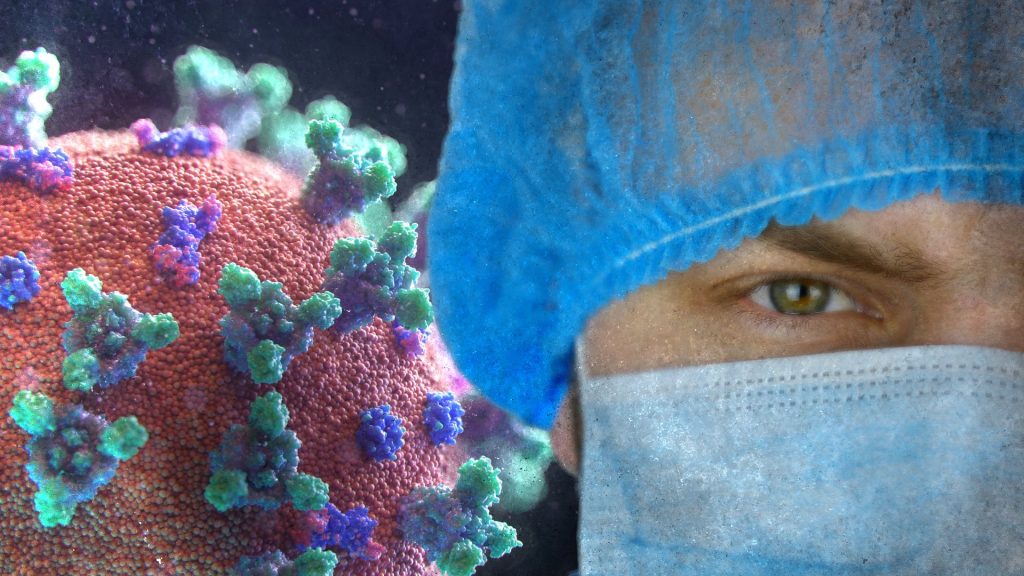
COVID-19 has largely dropped out of the headlines, but the virus that causes it is still circulating. We ask what we should know about a new variant of SARS-CoV-2, the state of the COVID-19 pandemic in 2025, and the lack of access to updated vaccines in South Africa.
In the leafy Johannesburg suburb of Sandringham, the National Institute for Communicable Diseases (NICD) bears a deceptive facade. Do not be fooled by its sleepy campus, clustered face brick buildings and shade-cloth parking, this government facility is home to state-of-the-art biosafety laboratories and some of South Africa’s top virologists, microbiologists and epidemiologists. Here, 71 scientists are tasked daily with laboratory-based disease surveillance to protect the country from pathogen outbreak events.
On 5 March 2020, then health minister Dr Zweli Mkhize announced South Africa’s first COVID‑19 infection at an NICD press briefing. At the time, the NICD was an obscure acronym for many – but that quickly changed as the institution became central to the country’s pandemic response.
While the COVID-19 pandemic may have waned, the NICD hasn’t stopped monitoring.
That is because there remains a global public health risk associated with COVID-19. The World Health Organization (WHO) states: “There has been evidence of decreasing impact on human health throughout 2023 and 2024 compared to 2020-2023, driven mainly by: 1) high levels of population immunity, achieved through infection, vaccination, or both; 2) similar virulence of currently circulating JN.1 sublineages of the SARS-CoV-2 virus as compared with previously circulating Omicron sublineages; and 3) the availability of diagnostic tests and improved clinical case management. SARS-CoV-2 circulation nevertheless continues at considerable levels in many areas, as indicated in regional trends, without any established seasonality and with unpredictable evolutionary patterns.”
Thus, while SARS-CoV-2 is still circulating, it is clearly not making remotely as many people ill or claiming nearly as many lives as it did four years ago. Asked about this, Foster Mohale, spokesperson for the National Department of Health, says “there are no reports of people getting severely sick and dying due to COVID-19 in South Africa at the current moment”.
‘Variant under monitoring’
As SARS-CoV-2 circulates, it continues to mutate. The WHO recently designated variant NB.1.8.1 as a new variant under monitoring. There is however no reason for alarm. Professor Anne von Gottberg, laboratory head at the NICD’s Centre for Respiratory Diseases and Meningitis, tells Spotlight that NB.1.8.1 is not a cause for panic, particularly not in South Africa.
Von Gottberg says no cases of the new variant has been detected in South Africa. She refers to her unit’s latest surveillance of respiratory pathogens report for the week of 2 to 8 June 2025. It states that out of 189 samples tested, 41 (21.7%) cases were influenza, another 41 (21.7%) cases were respiratory syncytial virus (RSV), and three (1.6%) cases were earlier strains of SARS-CoV-2.
These figures suggest much greater circulation of influenza and RSV in South Africa than SARS-CoV-2. Over the past six months, 3 258 samples were tested, revealing 349 (10.7%) cases of influenza, 530 (16.3%) cases of RSV, and 106 (3.3%) cases of SARS-CoV-2. Since most people who become sick because of these viruses are not tested, these figures do not paint the whole picture of what is happening in the country.
As of 23 May 2025, the WHO considered the public health risk of NB.1.8.1 to be “low at the global level”, with 518 iterations of the variant submitted from 22 countries, mainly around Asia and the Pacific islands.
The WHO report states: “NB.1.8.1 exhibits only marginal additional immune evasion over LP.8.1 [first detected in July 2024]. While there are reported increases in cases and hospitalisations in some of the WPR [Western Pacific Region] countries, which has the highest proportion of NB.1.8.1, there are no reports to suggest that the associated disease severity is higher as compared to other circulating variants. The available evidence on NB.1.8.1 does not suggest additional public health risks relative to the other currently circulating Omicron descendent lineages.”
Combating misinformation
Von Gottberg says that the NICD plays a critical public health communication role in combating misinformation and warns against alarmist and inaccurate online depictions of NB.1.8.1, the Omicron-descendent lineage dubbed “Nimbus” by some commentators.
“There’s fake news about NB.1.8.1 going around on social media,” she says. “For example, supposed symptoms. I have been trying to look for articles and have not seen anything from [reliable sources],” she says. “In fact, there is no information about whether there are any differences in symptoms, because there are so few cases and it is not causing more severe disease.”
Von Gottberg implores members of the public to check information sources. “We try hard – and the Department of Health does the same – to put media releases out so that accurate information is shared. What we ask is that all our clients, the public, verify information before they start retweeting or resending.”
COVID-19 vaccines in South Africa
The WHO recommends that countries ensure continued equitable access to and uptake of COVID-19 vaccines. They also note that the currently approved COVID-19 vaccines are expected to remain effective against the new variant. But contrary to WHO advice, newer COVID-19 vaccines are not available in South Africa and continued access to older vaccination seems to have ceased. When Spotlight called two branches of two different major pharmacy retailers in Cape Town asking for available COVID-19 vaccines, the answer at both was that they have none.
Several recently approved COVID-19 vaccines are being used in other countries but are not available in South Africa. These include Moderna’s updated mRNA boosters, approved in the United States and parts of Europe, Novavax’s Nuvaxovid vaccine, approved in the United States, and Arcturus Therapeutics’s self-amplifying mRNA vaccine Zapomeran, approved in Europe. Self-amplifying mRNA vaccines has the additional capacity to induce longer lasting immune responses by replicating the spike-proteins of SARS-CoV-2.
None of these vaccines are under review for registration in South Africa, according to the South African Health Products Regulatory Authority (SAHPRA). Vaccines may not be made available in the country without the green light from SAHPRA. “It may be advisable to contact the owners of the vaccines to obtain clarity on whether they intend to submit for registration,” says SAHPRA spokesperson Yuven Gounden.
Spotlight on Friday sent questions to Moderna, Novavax, and Arcturus, asking whether they plan to submit their vaccines for registration with SAHPRA, and if not, why not. None of the companies responded by the time of publication.
Von Gottberg explains that vaccines can only become available in South Africa if their manufacturers submit them to SAHPRA for approval. “So, if a vaccine provider, a vaccine manufacturer, does not want to sell in our country because they do not see it as a lucrative market, they may not even put it forward for regulation so that it can be made available.”
Professor of Vaccinology at the University of the Witwatersrand, Shabir Madhi, says the major concern with the lack of licensed SARS-CoV-2 vaccines in South Africa is that “high-risk individuals remain susceptible to severe COVID-19, as there is waning of immunity”.
“High-risk individuals should receive a booster dose every 6-12 months, preferably with the vaccine that is updated against current or most recent variants,” he says.
Von Gottberg has similar concerns. “My hope as a public health professional is that these vaccine manufacturers take us seriously as a market in South Africa and in Africa, very importantly, and put these vaccines and products through our regulatory authorities so that they can be made available both in the public and in the private sector for all individuals who are at risk and should be receiving these vaccines,” she says.
Gounden notes that should a public health need arise, “SAHPRA is ready to respond in terms of emergency use approval.”
Concerns over vaccine expert dismissals in the United States
Earlier this month in the United States, Health and Human Services (HHS) Secretary Robert F. Kennedy Jr. fired all 17 members of the Advisory Committee on Immunisation Practices (ACIP) – an expert body responsible for recommending vaccines for 60 years. He then appointed eight new members, some known for vaccine skepticism.
Commenting on this, Von Gottberg says: “I am hoping there will be those who will think about what he [Kennedy] is doing and question it. It is an unusual situation in the United States, you cannot call it business as usual.”
In an article published in the Journal of the American Medical Association, former ACIP members voice grave concerns over the dismissals. “Vaccines are one of the greatest global public health achievements. Vaccine recommendations have been critical to the global eradication of smallpox and the elimination of polio, measles, rubella, and congenital rubella syndrome in the US. They have also dramatically decreased cases of hepatitis, meningitis, mumps, pertussis (whooping cough), pneumonia, tetanus, and varicella (chickenpox), and prevented cancers caused by hepatitis B virus and human papilloma viruses. Recent scientific advancements enabled the accelerated development, production, and evaluation of COVID-19 vaccines…,” they write.
The article also questioned the announcement by Kennedy Jr. on X that he had signed a directive to withdraw the recommendation for COVID-19 vaccination in healthy children and healthy pregnant people.
“[R]ecent changes to COVID-19 vaccine policy, made directly by the HHS secretary and released on social media, appear to have bypassed the standard, transparent and evidence-based review process. Such actions reflect a troubling dis-regard for the scientific integrity that has historically guided US immunisation strategy,” the authors warn.
Von Gottberg adds: “We hope that this anti-vax, the denialism of vaccines and the good they do, won’t come to South Africa.”
In addition, she cautions public healthcare professionals to take heed of this discourse. “We must take seriously that people have questions, and that they want to see us doing things correctly, transparently, always telling people of our conflicts of interest, being very upfront when things are controversial, when it’s difficult to make decisions,” she says. “So I think what this teaches us is not to be complacent in the way we talk and write about vaccines, discuss vaccines, and we must take our clients, the public out there seriously and hear their voices, listen to their questions.”