Tag: podcast

Lipid Lowering: Why 70mg/dL May Not Be Low Enough

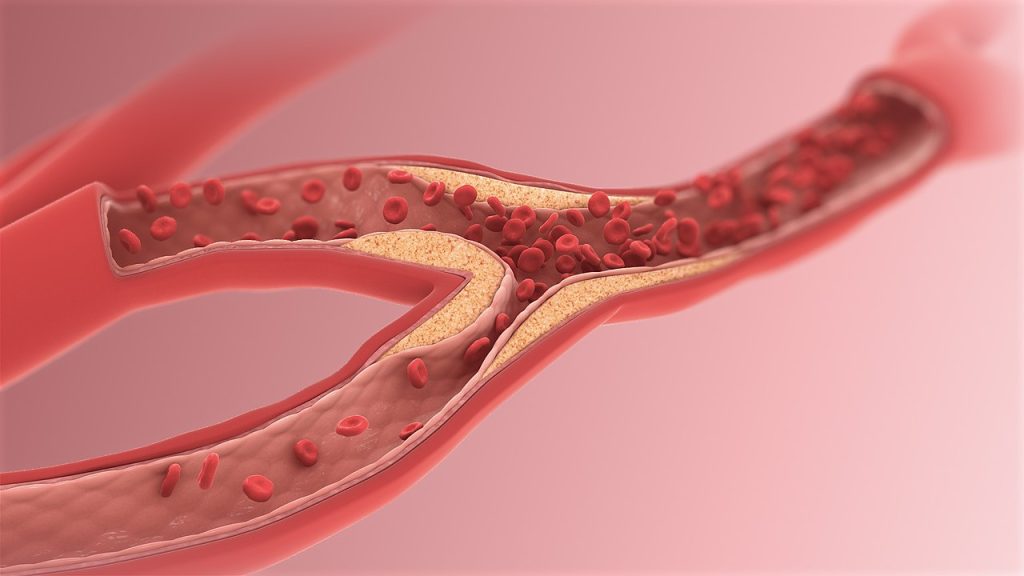
Image by Scientific Animations, CC4.0

Current clinical guidelines stress that lower LDL cholesterol levels significantly reduce the risk of major cardiac events. Essential strategies for treatment include heart-healthy lifestyle changes and pharmacological interventions using statins, ezetimibe, and PCSK9 inhibitors. Early intervention is vital, as the cumulative exposure to high cholesterol over time – often termed “LDL years” – determines the onset of vascular disease. But a major question has remained as to whether more aggressive lip-lowering targets is worth the potential side effects such as kidney damage.

Now, a new clinical trial published in NEJM provides evidence that an intensive target of less than 55mg/dL is superior for preventing secondary complications. In the Ez-PAVE trial, researchers in South Korea investigated whether this more intensive provided better protection than the conventional goal of less than 70mg/dL. The study found that patients in the intensive group experienced a significant reduction in cardiovascular events over a three-year period. The researchers conclude that their findings support stricter lipid-lowering guidelines, which can safely and effectively improve long-term patient outcomes.

Can GLP-1 Agonists ‘Change the Weather’ for Osteoarthritis?

Photo by Towfiqu barbhuiya

For GPs, solutions for treating osteoarthritis are frustratingly limited – it’s like the weather, everyone talks about it but nobody does anything about it. While standard care can relieve symptoms, there is currently no way to regenerate the actual lost cartilage in the joints. Some experimental treatments have proven successful in animal models and in petri dishes, but those are still many years away from being approved and available on the market.

But what if there was a currently available drug that could be repurposed? Since overweight and obesity worsen osteoarthritis symptoms by placing excess strain on weight-bearing joints, GLP-1 agonists such as semaglutide have proven that they can help by promoting rapid weight loss, as demonstrated by the STEP-9 trial.

Research into GLP-1s has now revealed that they may offer a whole constellation of other benefits, such as a potential reduction in stroke risk. Now, it appears that GLP-1 agonists may have a direct effect on osteoarthritis independent of weight loss. In our podcast, we look at a recently published article in Cell Metabolism that suggests that GLP-1 agonists might go beyond just the weight loss – promote actual cartilage regrowth by jumpstarting the joint cells’ energy processing pathways. We also explore some of the caveats of potentially using GLP-1 agonists in this way, such as a lack of understanding of the long term effects, as well as the well-documented occurrence of muscle loss.

Oral PCSK9 Inhibitor Offers Cholesterol Control Without the Needle

Photo by Danilo Alvesd on Unsplash

The results of a phase 3 clinical trial for enlicitide, a novel oral medication designed to lower cholesterol have been reported in a recent New England Journal of Medicine article. The study, involving nearly 3000 adults with existing or at high risk of cardiovascular disease, compared a daily 20mg dose against a placebo over one year.

Researchers found that the drug significantly reduced LDL cholesterol by approximately 57% within 24 weeks, alongside notable decreases in other harmful lipids. These improvements remained consistent and durable throughout the 52-week treatment period. Crucially, the safety profile of the oral inhibitor appeared comparable to the placebo, with no meaningful difference in side effects. The authors conclude that this convenient pill could offer a highly effective alternative to existing injectable therapies for managing heart disease risk.

Listen to a discussion on QuickNews’ podcast!

Is Caffeine Actually Getting an Unfair Rap in Atrial Fibrillation?

Photo by Porapak Apichodilok on Pexels

Caffeine may have been unfairly portrayed as the villain in some heart rhythm disorders, according to a new study published in the Journal of the American Medical Association.

Longstanding medical advice has held that patients with atrial fibrillation (AF) should cut back on their caffeine intake – or eliminate it entirely – to improve their condition. Wong et al. conducted an investigation into the relationship between regular caffeinated coffee consumption and the recurrence of atrial fibrillation (AF) or atrial flutter.

The DECAF randomised clinical trial, conducted across five international centres, enrolled 200 patients with persistent AF who were successfully cardioverted and then randomised to either consume caffeinated coffee (averaging one cup daily) or abstain from coffee and caffeine for six months. But contrary to expectations, the caffeine group actually saw an improvement in symptoms.

Listen to the podcast:

Could a New Way to Restore Lithium Deficiency in Alzheimer’s Really Work?

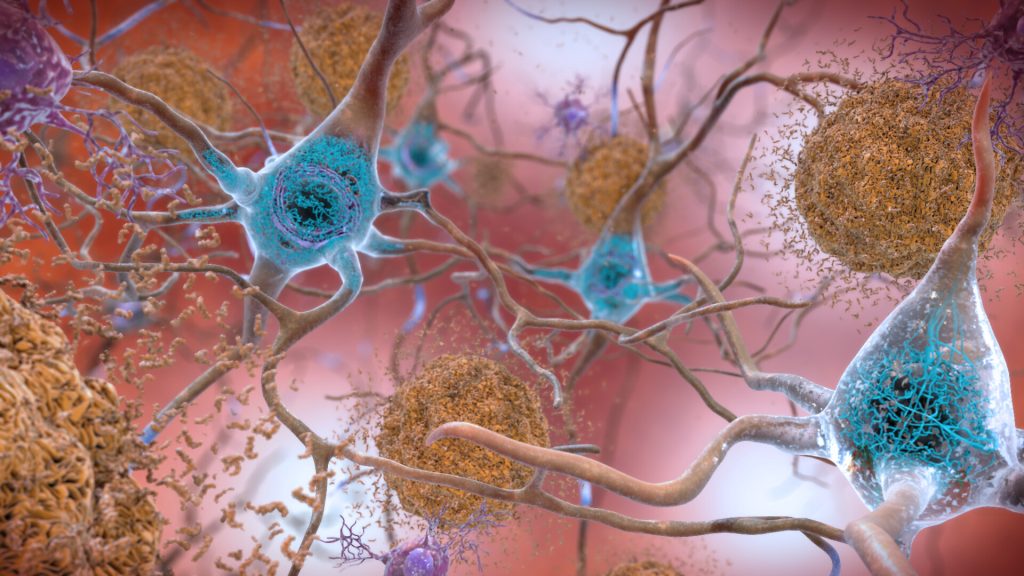
Neurons in the brain of an Alzheimer’s patient, with plaques caused by tau proteins. Credit: NIH

It has been known that brain lithium (Li) levels are depleted in individuals with mild cognitive impairment, a precursor for Alzheimer’s disease. For years, there have been attempts to restore Li levels to prevent Alzheimer’s disease by administering lithium carbonate. But now, it has been shown that the Li from this compound has been sequestered and not actually restoring the endogenous Li levels. Now, scientists have tried using lithium oxide (LiO) salts instead – and the treatment appears to be effective in prevention and even reversal of a mouse model of Alzheimer’s.

Join our QuickNews podcast as the arguments for and against this lithium-based approach are unpacked and debated.

Unmasking a New Diabetes Subtype in Sub-Saharan Africa

Photo by Wes Dissy on Unsplash

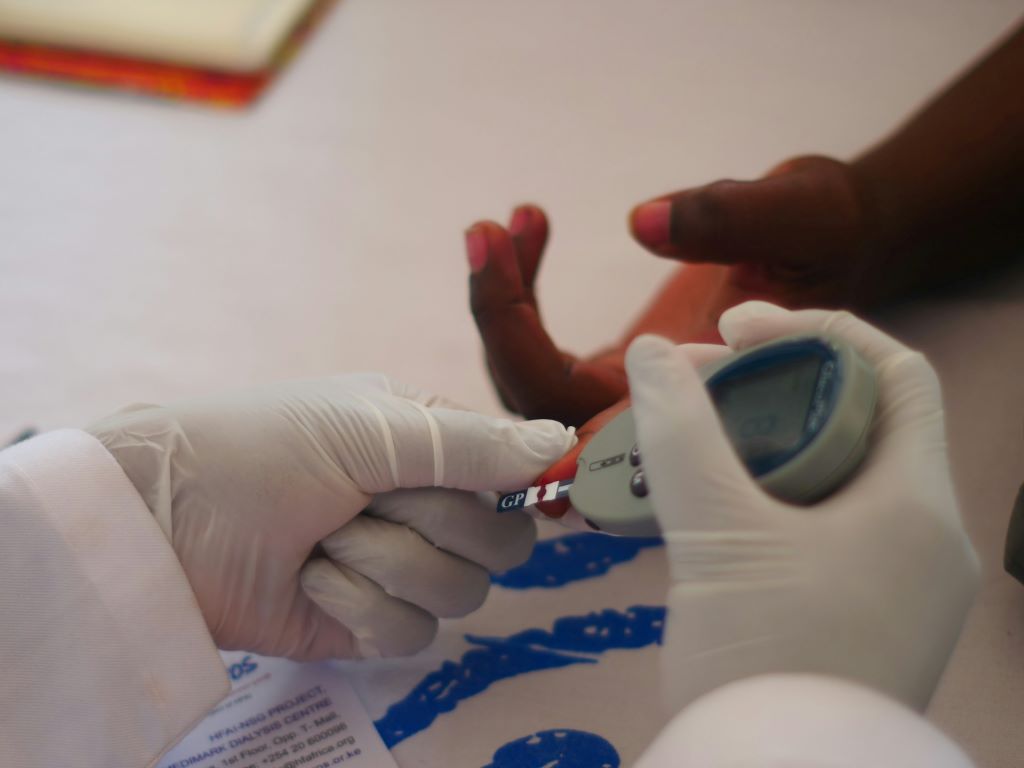
In this month’s podcast, QuickNews looks at a new Lancet study, “Non-autoimmune, insulin-deficient diabetes in children and young adults in Africa.” In this study, researchers report that a significant subset of what has previously been classified as Type 1 diabetes in sub-Saharan Africa may in fact be a distinct, novel form of the disease.

The individuals in this subset did not exhibit the typical autoimmune markers (islet autoantibodies) usually found in classic Type 1 diabetes in other parts of the world. The researchers instead identified a novel, non-autoimmune, insulin-deficient subtype of diabetes that is also distinct from Type 2 diabetes.

Further evidence of this new subtype was found in Black individuals in the USA, albeit less frequently, but not in White individuals. The discovery throws a spotlight on the heterogeneity of diabetes diagnoses in sub-Saharan Africa, and points to the need to consider alternative causes and explore new prevention and treatment strategies for this distinct form of the disease.

Podcast: Could Infrared Light Have Deeper Biological Effects than Believed?

Light transmission through the hand from an 850nm LED source. Because the tissues are relatively
thin compared with the thorax it was possible to map the spectrum here against known biological absorbers.
The images clearly show that deoxygenated blood is a key absorber. Also, bone can not be seen and hence is
relatively transparent at these longer wavelengths. Source: Jeffery et al., Scientific Reports, 2025.

In this podcast, we explore how some infrared wavelengths of sunlight can penetrate the human body – even through clothing – and have a systemic positive impact on physiological functions. Sounds like something out of science fiction, but a recent article published in Scientific Reports has demonstrated this effect in humans.

In this study, exposing the torsos of human participants to 830–860nm infrared light was found to boost mitochondrial function and ATP production. There were notable improvements in vision, despite the eyes being shielded from the infrared light. If infrared light is indeed beneficial, what does this mean for our current way of life, indoors and illuminated by LED lights – which notably lack infrared light?

Podcast: Paracetamol’s Newly Discovered Mechanism Could Unlock Powerful New Analgesics

Credit: Pixabay CC0

Despite being used for decades as a pain reliever, paracetamol’s mechanism of action was never fully known. Now, new research from the University of Jerusalem points to an unexpected effect, one which may usher in a whole new era of analgesics.

In QuickNews’ first podcast, you can listen to a discussion on how a newly discovered mechanism of action for paracetamol helps it achieve its analgesic effect, and how this could be applied to the development of novel, highly specific pain relievers.