Tag: South Africa

#InsideTheBox with Dr Andy Gray | Should Pharmaceutical Advertising in SA Be Better Regulated, and Why?

#InsideTheBox is a column by Dr Andy Gray, a pharmaceutical sciences expert at the University of KwaZulu-Natal and Co-Director of the WHO Collaborating Centre on Pharmaceutical Policy and Evidence Based Practice. (Photo: Supplied)

By Andy Gray

For over 20 years, the law has required that the Minister of Health issues regulations to govern the advertising of medicines in South Africa, but as yet no such regulations are in place. In his latest #InsideTheBox column, Dr Andy Gray considers what this means for the marketing of medicines in the country.

Anyone who has travelled to the United States will have been struck by the extent to which medicines, both those requiring a prescription and those that can be bought by consumers without a prescription, are advertised on television.

The situation in South Africa is quite different. While there are many advertisements for medicines shown on local television stations, only some are specific about the proprietary (brand) name of the medicine and its indications. Other advertisements focus instead on the indication (the reason for using the medicine), but do not identify it by name. Instead, viewers are urged to approach their pharmacies or medical practitioners. At a different time, an advertisement may be flighted which identifies a medicine, its strength, pack size and perhaps price, but provides no information about what the indication for the medicine is.

To what extent does this represent meaningful and justified regulatory control over pharmaceutical marketing?

Only two countries with effective medicines regulatory systems allow prescription-only medicines to be advertised directly to the consumer, these being the United States and New Zealand. Other countries, including South Africa, restrict the advertising of prescription-only medicines to the health professionals who can prescribe or dispense them. One of the key justifications for this restriction on the ability of the pharmaceutical industry to market their products is that direct-to-consumer advertising may result in more inappropriate prescribing, when prescribers are under pressure from patients demanding medicines they have seen advertised. Short television advertisements are unlikely to be able to convey a balanced account of the potential benefits and harms of medicines, especially those that are new to the market.

South African law contains an interesting variant to regulation in this area. General Regulation 42 issued in terms of the Medicines and Related Substances Act, 1965, allows medicines containing substances in Schedules 0 and 1 to be advertised to the public, but requires that those containing substances in Schedules 2 to 6 to be advertised “only for the information of pharmacists, medical practitioners, dentists, veterinarians, practitioners, and other authorised prescribers” or “in a publication which is normally or only made available” to such persons. While Schedule 0 medicines can be bought in any retail outlet, Schedule 1 and 2 medicines can only be obtained from a pharmacy, but not self-selected from a shelf. The justification for that particular cut-off is difficult to trace in any policy document. An amendment to the regulation was published for comment in February 2023, but the final regulation has yet to be issued by the Minister of Health.

‘Failure to follow through’

The fundamental problem, however, lies in a failure to follow through on the legislation previously passed by Parliament. Section 18C of the current version of the Medicines and Related Substances Act, 1965, contains a prescriptive instruction to the Minister. “The Minister shall, after consultation with the relevant industries and other stakeholders, make regulations relating to the marketing of medicines, medical devices or IVDs and such regulations shall also provide for Codes of Practice for relevant industries,” it states. From 2003 to 2017, the section read: “The Minister shall, after consultation with the pharmaceutical industry and other stakeholders, make regulations relating to the marketing of medicines, and such regulations shall also provide for an enforceable Code of Practice.” The expansion of the remit, to include medical devices and in vitro diagnostics (IVDs) was added by Parliament in 2008, but only took effect in 2017.

Photo by Derek Finch

The wording is peremptory – the Minister “shall” – which leaves no room for delay. While the word “enforceable” has been removed, the very intent of a regulation is that it should be enforced. That no regulations have been forthcoming in more than 20 years is an extraordinary failure of governance.

That failure is compounded by another act of omission. Section 18A of the Act states: “No person shall supply any medicine, medical device or IVD according to a bonus system, rebate system or any other incentive scheme.” The law also enables the Minister to “prescribe acceptable and prohibited acts” in this regard, in consultation with the Pricing Committee. No final regulations have been issued since 2017. The Pricing Committee is established to advise the Minister on matters relating to the pricing of medicines, such as the annual maximum increase and the dispensing fees charged by pharmacists and licensed dispensing practitioners.

It is already an offence, in terms of section 29 of the Act, for any person to make “any false or misleading statement in connection with any medicine, Scheduled substance, medical device or IVD”. Regulation 42 also states: “No advertisement for a medicine may contain a statement which deviates from, with or goes beyond the evidence submitted in the application for registration of such medicine with regard to its safety, quality or efficacy where such evidence has been accepted by the Authority in respect of such medicine and incorporated into the approved information of such medicine”.

While these two provisions may prevent false or misleading advertising, they are limited in their scope. In particular, since no complementary medicines are yet registered by the South African Health Products Regulatory Authority (SAHPRA), none have an approved professional information (previously known as a package insert) or a patient information leaflet.

Industry self-regulation

The pharmaceutical and medical devices industries have not been idle during this period of government inaction. A non-profit, self-regulatory body, the Marketing Code Authority (MCA), has developed a Code of Marketing Practice, drawing on international guidelines. This code provides for sanctions when rules are broken, following adjudication of a complaint. Fines of up to a maximum of R500 000 can be levied for severe or serious offences, which would, for example, pose “safety implications for patients”.

However, as a self-regulatory body, the MCA cannot require membership by any licensed manufacturer. It means that those manufacturers which are not members of the MCA are not bound by the Code and cannot be sanctioned. The MCA therefore advocates that compliance with a Code should be a condition to get a license to operate as a manufacturer. The MCA has also responded to draft regulations on perverse incentives.

At a time when deliberate disinformation is being disseminated from many quarters, including from government authorities previously considered to be reliable, a weakened regulatory system cannot simply be allowed to stagger along, in defiance of the express instructions of the legislature. Public safety demands an effective regulatory mechanism to proactively examine pharmaceutical marketing, across all media, the ability to take meaningful action where transgressions are identified, and an even playing field for all actors.

*Dr Gray is a Senior Lecturer at the University of KwaZulu-Natal and Co-Director of the WHO Collaborating Centre on Pharmaceutical Policy and Evidence Based Practice. This is part of a new series of #InsideTheBox columns he is writing for Spotlight.

Disclosure: Gray is a member of South Africa’s National Essential Medicines List Committee and co-chairs its Expert Review Committee.

Note: Spotlight aims to deepen public understanding of important health issues by publishing a variety of views on its opinion pages. The views expressed in this article are not necessarily shared by the Spotlight editors.

Republished from Spotlight under a Creative Commons license.

Read the original article.

Operation Dudula Blocks Babies from Getting Vaccines

Vigilante group is controlling clinic queues in Johannesburg

Photo by William Fortunato on Pexels

By Kimberly Mutandiro

Mothers of newborn babies, turned away at public clinics in Johannesburg because they are not South African, say their children are missing out on lifesaving vaccines.

In recent months, vigilante group Operation Dudula has been taking control of clinic queues across Johannesburg, chasing away immigrants or telling them to stand separately from South Africans. It is alleged that some healthcare staff have been participating.

This is despite a 2023 ruling in the Gauteng High Court that pregnant and lactating women and young children should be granted free health care services regardless of their nationality. 

The court ordered the Gauteng Department of Health to change its policy denying immigrants healthcare, and to place notices on the walls at all healthcare facilities stating lactating women and children may not be denied access. This order is not being consistently complied with.

GroundUp visited the Jeppe Clinic last week and saw no such notice. There was a small group of Operation Dudula members pulling immigrants out of the queue and telling them to stand to one side.

Jane Banda, a Malawian national, was at the clinic. She has been struggling to get her seven-week-old baby vaccinated, but has been blocked every time by Operation Dudula. She fears her baby’s health may be at risk if she continues to miss essential vaccinations.

Aisha Amadu, an asylum seeker from Malawi, who has a two-year-old baby, had an appointment at Jeppe Clinic last week but was chased away by Operation Dudula.

Grace Issah, also from Malawi, has a 14-week-old baby who was due for a vaccine two weeks ago. But she has been chased away from clinics in Jeppe, Bez Valley and Hillbrow.

“I feel like giving up because it seems there is nothing that I can do. My husband has no money for private doctors,” she said.

Several other women said they have also been denied access to clinics in Malvern, Kensington, Rosettenville and Soweto.

The Socio-Economic Rights Institute (SERI) launched a case in the Gauteng High Court in 2024, on behalf of Kopanang Afrika Against Xenophobia (KAAX), the Inner City Federation, Abahlali BaseMjondolo, and the South African Informal Traders Forum.

The group is seeking an interdict to declare the actions of the vigilante group, which include denying healthcare to immigrants, unlawful. The matter was heard in June, and judgment was reserved.

Mike Ndlovu from KAAX says it is a constitutional right for everyone in South Africa to be able to access healthcare.

“What Operation Dudula and a few complicit nurses are doing is unconstitutional, a criminal act, and a betrayal of our democracy. Denying healthcare is a violation of basic human rights,” said Ndlovu.

Ndlovu called on healthcare workers to remember their professional duty: to care without discrimination.

Operation Dudula’s actions have been condemned by the South African Human Rights Commission.

Department of Health spokesperson Foster Mohale said the department is aware of the action by Operation Dudula, but denied that department staff members are involved.

“The health facility managers have been advised to alert the law enforcement agencies whenever they experience these protests because that is a security issue to enforce the law,” Mohale said.

Mohale did not respond to questions about whether the department has complied with the 2023 court order to put up the notices.

Zandile Dabula, spokesperson for Operation Dudula, did not respond to a request for comment. But Veli Ngobese, a member of the movement who was at Jeppe clinic on the day GroundUp visited, said: “We are targeting all people from outside the country. We want Home Affairs to start afresh. Foreign nationals who come into the country should come and invest because the ones we see are selling amagwinya [vetkoek], pushing trolleys, and selling peanuts, and we are the ones paying taxes.”

He said the group will be conducting daily protests until immigrants stop going to clinics.

Republished from GroundUp under a Creative Commons Attribution-NoDerivatives 4.0 International License.

Read the original article.
Growing the Beta Variant – Young Scientist Remembers the Day They Danced in the Lab

By Biénne Huisman

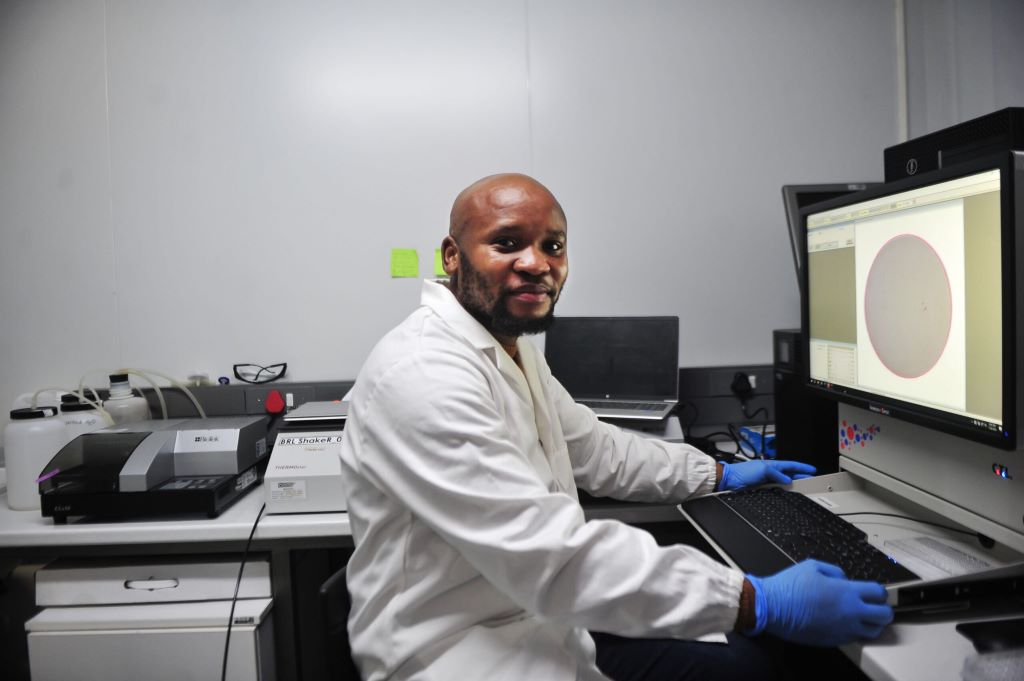
During South Africa’s COVID-19 hard lockdown, Dr Sandile Cele became the first to successfully grow the beta variant of SARS-CoV-2 in the lab. PHOTO: Rosetta Msimango/Spotlight

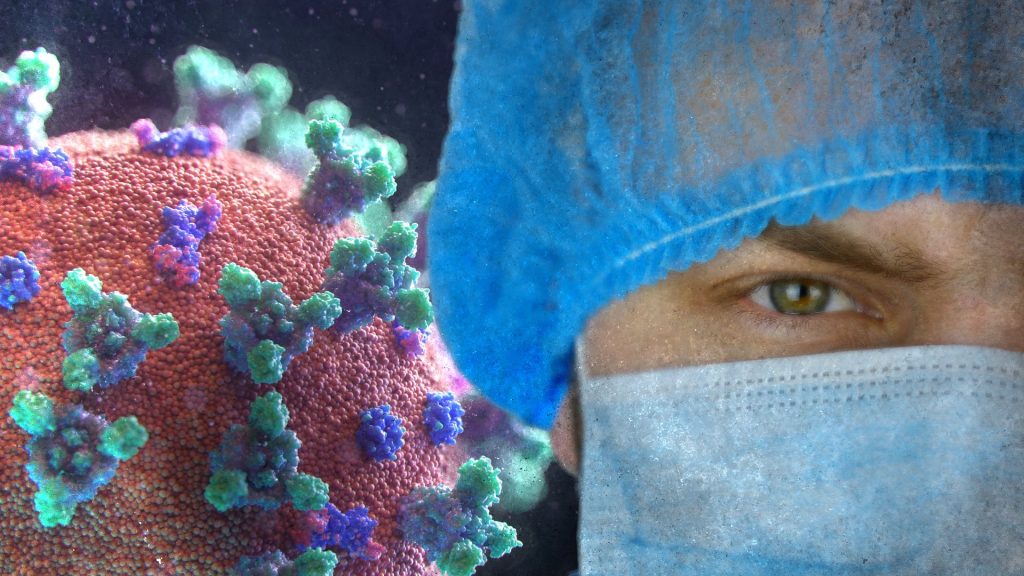
In a Durban laboratory in 2020, there was dancing and scientists jumping with joy when Dr Sandile Cele realised they had finally successfully “grown” the SARS-CoV-2 Beta variant. It was the holiday season and Cele and a few colleagues had sacrificed their Christmas to continue research at an otherwise deserted laboratory.

The Beta variant (501Y.V2) was first detected in the Eastern Cape in October 2020 and was announced to the public on 18 December that year.

“It was December 2020 and Tulio [Professor Tulio de Oliveira] had just flagged the beta variant and we had been struggling trying to grow it, really struggling for about two weeks,” says Cele. “But then as a scientist, you have to think outside the box and eventually it [the virus] did catch on. I was with Professor Alex Sigal that day in the laboratory. We were so excited. There was a lot of dancing in the lab, jumping up and down…”

The 35-year-old’s work on the Beta and Omicron variants helped propel South Africa to the forefront of COVID-19 research. Cele is the scientist credited with growing both Beta and Omicron in record time as the world reeled under lockdown pressure. Last year, he was awarded a special ministerial Batho Pele excellence award for his contribution to COVID-19 research in South Africa.

The moment of greatest fulfilment

Speaking to Spotlight, Cele says growing the beta variant was the moment of greatest fulfilment in his career so far.

“It was just a crazy, crazy moment. Like, you know when you are with your superior, usually you meet on a basis of respect. I mean, you talk seriously. They ask a question, you answer, and so on. But [at] that moment, all that got thrown out the window. We were celebrating. So yes, it was really special.”

At the time, they were leaping with joy inside PPE (personal protective equipment), including specialised masks, double gloves, plastic sleeves, and boots. Cele points out that due to all the safety measures in place, infection risk was smaller in their lab than at an average mall.

He was working inside a state-of-the-art biosafety level 3 (BSL-3) laboratory at the Africa Health Research Institute (AHRI). The laboratory is on the third floor of the University of KwaZulu-Natal’s medicine building. In the same eight-storey glass and face brick building, on the first floor, de Oliveira had been studying virus samples for genetic clues at KRISP, the KwaZulu-Natal Research and Innovation Sequencing Platform, from where the discovery of Beta and Omicron was first announced.

How he did it – growing the beta variant

Cele explains that viruses are isolated or “outgrown” by infecting cells in the laboratory, using swab samples from infected individuals.

“Growing a virus simply means isolating it from an infected host (humans) and making more of it in the lab for research purposes,” Cele explains. “You cannot study a virus within an infected person, especially a new virus. You need to have it in the lab for identification and clarification. Usually, you get small quantities from an infected person, thus you have to expand or grow – or make more of it – for research.”

Photo by Shvets Production on Pexels

However, the beta variant had not responded like previous SARS-CoV-2 variants. At the time, Cele found a creative solution using both human and monkey cell lines. First, he infected human cell lines with the beta variant, incubating the assay for four days. Then he used the infected human cell lines to infect monkey cell lines, which successfully lead to production of the virus.

Their moment of triumph arrived when they noticed the monkey cell lines starting to die, meaning that the virus was growing. The isolated virus could then be used in the laboratory to run experiments, like testing vaccine efficacy.

“Looking at the cells under the microscope, you can see them starting to die,” he says. “That they’re not happy. That they have been infected, which then obviously needed to be confirmed.”

While Cele’s Durban mentors – de Oliveira and Sigal – kept the public abreast of research developments, the young scientist kept his head down, pouring over his microscopes. “The world was going crazy, everything was crazy, but I had work to do,” he says.

‘a rising star’

During the interview, Cele readily shares anecdotes and laughs often.

From Ndwedwe, a rural area forty kilometres north of Durban, Cele joined Sigal’s laboratory team at the AHRI in 2014, where he studied HIV drug resistance and later COVID-19. His PhD obtained from UKZN in 2021, focused specifically on understanding the beta variant and its escape from antibodies.

“Actually, Professor Alex Sigal really took a chance on me,” he says. “Because on that post for a laboratory technologist, they stipulated that they wanted someone with three years experience. And I had only been doing my internship [at the Technology Innovation Agency] for eight months.”

But Sigal’s faith paid off, and he subsequently praised Cele in national press interviews on COVID-19. “Sandile is a rising star who spent all his holidays in a laboratory,” Sigal told journalists in January 2021.

Last year, the Bill and Melinda Gates Foundation invited Cele to present his findings at the Grand Challenges Annual Meeting in Brussels. This was his first time abroad. “It was my first time traveling outside South Africa and my first time talking in front of so many people. I presented my go-to talk – based on a paper I did on COVID-infection and HIV – and it went well,” he says.

Earlier this year, Cele was named one of Mail & Guardian’s 200 trailblazing young South Africans in the technology and innovation category. At the time, he could not attend the gala event as he was at the University of Nairobi in Kenya for training relating to a project involving HIV research for the Aurum Institute. Cele started a new job at the Aurum Institute in Johannesburg in March.

Over Zoom, Cele is speaking from his new home in Johannesburg. He is wearing a fluffy blue robe over his clothes, laughing as he says how cold Johannesburg is coming from Durban.

A sudden death

In Ndwedwe, Cele was one of ten boys born to his father, who was away from home often for work. Describing his mother as “a busy lady”, Cele says she was the one who shaped his young everyday life. Growing up in a mud hut without electricity and running water, he recalls how his mother would get up early every morning to prepare vetkoek, which she sold at a local school, and to boil water so her children could have a bath before leaving for school.

In the afternoons, he would look after his father’s goats and play soccer. He says that as a child he preferred herding goats to cows, as goats grazed for only about five hours, whereas cows took all day to eat their fill. From Grade 9 on, he attended school in Durban, at Overport Secondary School.

A childhood memory that inspired him? “Before my mother died, she sat us down and said one day I will be gone and I want you to know there are no shortcuts in life. Work hard and look after one another and you will be okay.”

His mother’s death was sudden, following complications from minor surgery.

“Like, I came back from school on a Friday only to find my father wasn’t around and had left a note… On the Saturday morning, I found out my mother had passed. And I think she went for, I don’t know, an operation or something. But as a kid, I guess they didn’t tell us because they thought it was something minor; that she would get operated [on], then go back home. I’m not really sure what happened. So, yes, it was a sudden death.”

The year after his mother died, Cele’s matric marks suffered. He says his final grade 12 marks had been 48% for maths, 53% for physics, and 66% for biology.

“I wasn’t really studying, I couldn’t really concentrate,” he says. “There was a lot going on when I was doing my matric. My mother passing away… and also the move from a rural school to the city where we were taught in English, everything in English.”

Cele came to study biology quite at random. He applied to study at UKZN only in October of his matric year – with admissions to most of the university’s courses having closed the previous month. He picked one of the last remaining options, which had been biology.

Soon, the young student started excelling. Cele obtained his BSc Biomedical Sciences degree with a Dean’s commendation and his Honours in Medical Microbiology, summa cum laude. He completed his Masters in Biochemistry with an upper-class pass.

To the Mail and Guardian, he shared advice he would give to his younger self: “Do not be afraid, you are a force to be reckoned with.”

Cele’s driving passion is to advance public healthcare, which he will continue to do at the Aurum Institute – an organisation that amongst others does research into Africa’s tuberculosis and HIV response. Cele has a ten-year-old son who lives in Durban.

Note: The Bill and Melinda Gates Foundation is mentioned in this article. Spotlight receives funding from the foundation, but is editorially independent – an independence that the editors guard jealously. Spotlight is a member of the South African Press Council.

Republished from Spotlight under a Creative Commons licence.

Read the original article.

Global Fund to Cut R1.4-Billion to SA for HIV, TB and Malaria

Photo by Reynaldo #brigworkz Brigantty

By Liezl Human

The Global Fund to Fight AIDS, TB and malaria (Global Fund) has notified Health Minister Aaron Motsoaledi that it will reduce funding to South Africa by R1.4-billion.

Global Fund said it would be reducing allocations for the seventh grant cycle from R8.5-billion to about R7.1-billion, a 16% reduction. Of this, 55% would be allocated to the National Department of Health and the rest to non-profit organisations such as the Networking HIV & AIDS Community of Southern Africa, Beyond Zero, and the AIDS Foundation of South Africa.

The fund informed recipient countries in May that it would be revising over 200 grants amidst funding shortfalls.

Global Fund was established in 2002 and provides funding for HIV, TB and malaria programmes in over 100 countries. According to its 2024 results report, 72% of its funding from 2021 to 2024 went to sub-Saharan Africa.

Other African countries also received notification of funding cuts. Mozambique’s allocation decreased by 12%, Malawi’s by 8% and Zimbabwe by 11%.

The shortfall in funding is due to Global Fund not having received money pledged by national governments. Over US$4 billion of the shortfall is due to the United States not fulfilling its pledge.

We reported last month how Mozambique’s health system has crumbled amidst USAID funding cuts.

In South Africa, funding cuts from PEPFAR earlier this year have led to clinics closing down, health staff getting retrenched, and people struggling to access HIV medication.

“As you know, the external financing landscape for global health programs is going through significant changes, with substantial impact on lifesaving services for the fight against the three diseases and health and community systems,” the Global Fund said in its letter to South African representatives.

The letter continued that while the Global Fund has “received some significant donor payments in recent days”, prospects to give the full grant cycle 7 (GC7) pledges “remain highly uncertain” and still face a risk of funding shortfalls.

“This is a difficult and unavoidable decision, which may require your country to reconsider how best to use the remaining GC7 grant amounts together with domestic resources and other sources of funds to keep saving lives,” the Global Fund said.

Foster Mohale, Department of Health spokesperson, said that the funding cut did not come as a surprise. Mohale said the department is “working with the provinces” to ensure that “service delivery” is not disrupted, and to apply measures to ensure “efficient use of limited resources”.

Republished from GroundUp under a Creative Commons Attribution-NoDerivatives 4.0 International License.

Read the original article.

New Study Highlights How to Improve Mental Health Integration in SA Primary Healthcare

Photo by Pexels on Pixabay

As we commemorate Mental Illness Awareness Month and Psychosocial Disability Awareness Month, a staggering 92% of South Africans living with mental health conditions are not receiving the treatment they need. Yet, research continues to show that collaborative care—where mental health and primary care providers work together—can significantly improve patient outcomes, service satisfaction, and overall quality of life. People with serious mental illness (SMI) are particularly vulnerable as SMI is associated with marked functional impairment and high levels of stigma. SMIs typically include psychotic disorders, bipolar and related disorders, major depression, and severe anxiety and stress-related disorders.

A new study published in Cambridge Prisms’ Global Mental Health explores how integrating community psychiatric services into primary health care (PHC) clinics improves access for individuals with SMI in South Africa. However, the study also reveals persistent challenges related to limited resources, weak management systems, and fragmented collaboration between health care providers as key setbacks.

Conducted in the Sedibeng District, the research forms part of a broader study series focused on patients’ experiences. It is modelled on global evidence to assess the impact of community-based collaborative care—a model increasingly adopted worldwide to strengthen mental health delivery in PHC settings.

Why Integrated Mental Health Care?

Also known as Integrated Care, this health care model plays a vital role in improving access to mental health services by bringing care closer to communities. It relies on bringing together PHC providers such as physicians, nurses and mental health providers to deliver coordinated, person-centred care.  

Integrated care is believed to yield better health outcomes for individuals living with SMIs, who often have comorbid physical health conditions. Saira Abdulla, the lead researcher in the study and Wits PhD fellow based at Centre for Health Policy says the paper highlights key shortfalls in how collaborative care is implemented in this district. This includes poor communication, unclear roles within multidisciplinary teams, and the absence of case managers to coordinate care, with providers instead coordinating care in an ad-hoc manner.

Infrastructure and Staffing Challenges in Integrating Mental Health into Primary Care in Sedibeng

In the Sedibeng District, community-based psychiatry services have been integrated into select primary healthcare (PHC) clinics through two operational models: co-located and physically integrated services. In co-located settings, psychiatric teams operate from separate spaces adjacent to PHC clinics and use independent systems for clinical records. By contrast, physically integrated services are delivered within the same spaces as PHC clinics, using shared management structures and record-keeping systems.

However, a recent study reveals that PHC facilities in the district are not adequately designed to support the specific requirements of psychiatric care. The lack of private, secure consultation spaces compromises confidentiality, as mental health consultations often take place in shared rooms used by multiple healthcare providers.

Physically integrated clinics were found to be particularly constrained, with concerns ranging from overcrowded waiting areas—often without seating—to general safety risks. These conditions compromise the therapeutic environment essential for effective mental health care and highlight the broader systemic challenges of integrating psychiatric services meaningfully within the PHC framework.

The study also underscores a critical shortage of human resources. Most clinics have only five psychiatric nurses on site, while two to four doctors rotate between clinics, offering adult psychiatric consultations just once a week. With monthly patient volumes ranging from 580 to 910, the current staffing levels severely limit the ability to deliver consistent, high-quality care.

Key findings

·        Integration does not guarantee collaboration

While all the elements of full collaboration were not achieved in either setting, the physically integrated setting provided a better opportunity for communication among staff (due to shared files, physical proximity and good management with mental health interest and experience) However, these advantages were still hindered by poor infrastructure and inadequate resources.

·        Integration Models Matter

The study found that physically integrated clinics (shared space and records) had better communication and collaboration between mental health and PHC providers. Co-located clinics (separate buildings and records) suffered from poor communication and siloed teams.

·        Resource and Infrastructure Constraints

Both clinics faced inadequate space, supplies, and staff, although the physically integrated clinic was the most under-resourced. In both settings, insufficient resources were further exacerbated by high caseloads.

·        Leadership is Critical for Collaboration

The study highlighted the importance of management in fostering teamwork. Stronger leadership qualities were evident in the physically integrated clinic, which led to reduced staff conflict and improved communication. In contrast, the co-located clinic was impacted by poor management and a lack of managerial oversight, leading to conflict among staff members. The failure to appoint a permanent Chief Director at the district level has also led to a lack of strategy, and frustration among clinic staff.

·        Resistance from PHC Doctors to Manage Mental Health

PHC physicians and doctors are often reluctant to manage stable psychiatric patients, leading to unnecessary referrals. Some providers did not feel equipped to provide quality care and others felt that collaborating with community psychiatry staff would increase their workload.

As low and middle-income countries move towards integrating mental health into PHC, this paper highlights that the type of integration approach needs to be functional at all levels to enhance the health outcomes of the most vulnerable.

Provided by University of the Witwatersrand

Don’t Panic About New SARS-CoV-2 Variant, Experts Say

By Biénne Huisman

COVID-19 has largely dropped out of the headlines, but the virus that causes it is still circulating. We ask what we should know about a new variant of SARS-CoV-2, the state of the COVID-19 pandemic in 2025, and the lack of access to updated vaccines in South Africa.

In the leafy Johannesburg suburb of Sandringham, the National Institute for Communicable Diseases (NICD) bears a deceptive facade. Do not be fooled by its sleepy campus, clustered face brick buildings and shade-cloth parking, this government facility is home to state-of-the-art biosafety laboratories and some of South Africa’s top virologists, microbiologists and epidemiologists. Here, 71 scientists are tasked daily with laboratory-based disease surveillance to protect the country from pathogen outbreak events.

On 5 March 2020, then health minister Dr Zweli Mkhize announced South Africa’s first COVID‑19 infection at an NICD press briefing. At the time, the NICD was an obscure acronym for many – but that quickly changed as the institution became central to the country’s pandemic response.

While the COVID-19 pandemic may have waned, the NICD hasn’t stopped monitoring.

That is because there remains a global public health risk associated with COVID-19. The World Health Organization (WHO) states: “There has been evidence of decreasing impact on human health throughout 2023 and 2024 compared to 2020-2023, driven mainly by: 1) high levels of population immunity, achieved through infection, vaccination, or both; 2) similar virulence of currently circulating JN.1 sublineages of the SARS-CoV-2 virus as compared with previously circulating Omicron sublineages; and 3) the availability of diagnostic tests and improved clinical case management. SARS-CoV-2 circulation nevertheless continues at considerable levels in many areas, as indicated in regional trends, without any established seasonality and with unpredictable evolutionary patterns.”

Thus, while SARS-CoV-2 is still circulating, it is clearly not making remotely as many people ill or claiming nearly as many lives as it did four years ago. Asked about this, Foster Mohale, spokesperson for the National Department of Health, says “there are no reports of people getting severely sick and dying due to COVID-19 in South Africa at the current moment”.

‘Variant under monitoring’

As SARS-CoV-2 circulates, it continues to mutate. The WHO recently designated variant NB.1.8.1 as a new variant under monitoring. There is however no reason for alarm. Professor Anne von Gottberg, laboratory head at the NICD’s Centre for Respiratory Diseases and Meningitis, tells Spotlight that NB.1.8.1 is not a cause for panic, particularly not in South Africa.

Von Gottberg says no cases of the new variant has been detected in South Africa. She refers to her unit’s latest surveillance of respiratory pathogens report for the week of 2 to 8 June 2025. It states that out of 189 samples tested, 41 (21.7%) cases were influenza, another 41 (21.7%) cases were respiratory syncytial virus (RSV), and three (1.6%) cases were earlier strains of SARS-CoV-2.

These figures suggest much greater circulation of influenza and RSV in South Africa than SARS-CoV-2. Over the past six months, 3 258 samples were tested, revealing 349 (10.7%) cases of influenza, 530 (16.3%) cases of RSV, and 106 (3.3%) cases of SARS-CoV-2. Since most people who become sick because of these viruses are not tested, these figures do not paint the whole picture of what is happening in the country.

As of 23 May 2025, the WHO considered the public health risk of NB.1.8.1 to be “low at the global level”, with 518 iterations of the variant submitted from 22 countries, mainly around Asia and the Pacific islands.

The WHO report states: “NB.1.8.1 exhibits only marginal additional immune evasion over LP.8.1 [first detected in July 2024]. While there are reported increases in cases and hospitalisations in some of the WPR [Western Pacific Region] countries, which has the highest proportion of NB.1.8.1, there are no reports to suggest that the associated disease severity is higher as compared to other circulating variants. The available evidence on NB.1.8.1 does not suggest additional public health risks relative to the other currently circulating Omicron descendent lineages.”

Combating misinformation

Von Gottberg says that the NICD plays a critical public health communication role in combating misinformation and warns against alarmist and inaccurate online depictions of NB.1.8.1, the Omicron-descendent lineage dubbed “Nimbus” by some commentators.

“There’s fake news about NB.1.8.1 going around on social media,” she says. “For example, supposed symptoms. I have been trying to look for articles and have not seen anything from [reliable sources],” she says. “In fact, there is no information about whether there are any differences in symptoms, because there are so few cases and it is not causing more severe disease.”

Von Gottberg implores members of the public to check information sources. “We try hard – and the Department of Health does the same – to put media releases out so that accurate information is shared. What we ask is that all our clients, the public, verify information before they start retweeting or resending.”

COVID-19 vaccines in South Africa

The WHO recommends that countries ensure continued equitable access to and uptake of COVID-19 vaccines. They also note that the currently approved COVID-19 vaccines are expected to remain effective against the new variant. But contrary to WHO advice, newer COVID-19 vaccines are not available in South Africa and continued access to older vaccination seems to have ceased. When Spotlight called two branches of two different major pharmacy retailers in Cape Town asking for available COVID-19 vaccines, the answer at both was that they have none.

Several recently approved COVID-19 vaccines are being used in other countries but are not available in South Africa. These include Moderna’s updated mRNA boosters, approved in the United States and parts of Europe, Novavax’s Nuvaxovid vaccine, approved in the United States, and Arcturus Therapeutics’s self-amplifying mRNA vaccine Zapomeran, approved in Europe. Self-amplifying mRNA vaccines has the additional capacity to induce longer lasting immune responses by replicating the spike-proteins of SARS-CoV-2.

None of these vaccines are under review for registration in South Africa, according to the South African Health Products Regulatory Authority (SAHPRA). Vaccines may not be made available in the country without the green light from SAHPRA. “It may be advisable to contact the owners of the vaccines to obtain clarity on whether they intend to submit for registration,” says SAHPRA spokesperson Yuven Gounden.

Spotlight on Friday sent questions to Moderna, Novavax, and Arcturus, asking whether they plan to submit their vaccines for registration with SAHPRA, and if not, why not. None of the companies responded by the time of publication.

Von Gottberg explains that vaccines can only become available in South Africa if their manufacturers submit them to SAHPRA for approval. “So, if a vaccine provider, a vaccine manufacturer, does not want to sell in our country because they do not see it as a lucrative market, they may not even put it forward for regulation so that it can be made available.”

Professor of Vaccinology at the University of the Witwatersrand, Shabir Madhi, says the major concern with the lack of licensed SARS-CoV-2 vaccines in South Africa is that “high-risk individuals remain susceptible to severe COVID-19, as there is waning of immunity”.

“High-risk individuals should receive a booster dose every 6-12 months, preferably with the vaccine that is updated against current or most recent variants,” he says.

Von Gottberg has similar concerns. “My hope as a public health professional is that these vaccine manufacturers take us seriously as a market in South Africa and in Africa, very importantly, and put these vaccines and products through our regulatory authorities so that they can be made available both in the public and in the private sector for all individuals who are at risk and should be receiving these vaccines,” she says.

Gounden notes that should a public health need arise, “SAHPRA is ready to respond in terms of emergency use approval.”

Concerns over vaccine expert dismissals in the United States

Earlier this month in the United States, Health and Human Services (HHS) Secretary Robert F. Kennedy Jr. fired all 17 members of the Advisory Committee on Immunisation Practices (ACIP) – an expert body responsible for recommending vaccines for 60 years. He then appointed eight new members, some known for vaccine skepticism.

Commenting on this, Von Gottberg says: “I am hoping there will be those who will think about what he [Kennedy] is doing and question it. It is an unusual situation in the United States, you cannot call it business as usual.”

In an article published in the Journal of the American Medical Association, former ACIP members voice grave concerns over the dismissals. “Vaccines are one of the greatest global public health achievements. Vaccine recommendations have been critical to the global eradication of smallpox and the elimination of polio, measles, rubella, and congenital rubella syndrome in the US. They have also dramatically decreased cases of hepatitis, meningitis, mumps, pertussis (whooping cough), pneumonia, tetanus, and varicella (chickenpox), and prevented cancers caused by hepatitis B virus and human papilloma viruses. Recent scientific advancements enabled the accelerated development, production, and evaluation of COVID-19 vaccines…,” they write.

The article also questioned the announcement by Kennedy Jr. on X that he had signed a directive to withdraw the recommendation for COVID-19 vaccination in healthy children and healthy pregnant people.

“[R]ecent changes to COVID-19 vaccine policy, made directly by the HHS secretary and released on social media, appear to have bypassed the standard, transparent and evidence-based review process. Such actions reflect a troubling dis-regard for the scientific integrity that has historically guided US immunisation strategy,” the authors warn.

Von Gottberg adds: “We hope that this anti-vax, the denialism of vaccines and the good they do, won’t come to South Africa.”

In addition, she cautions public healthcare professionals to take heed of this discourse. “We must take seriously that people have questions, and that they want to see us doing things correctly, transparently, always telling people of our conflicts of interest, being very upfront when things are controversial, when it’s difficult to make decisions,” she says. “So I think what this teaches us is not to be complacent in the way we talk and write about vaccines, discuss vaccines, and we must take our clients, the public out there seriously and hear their voices, listen to their questions.”

Republished from Spotlight under a Creative Commons licence.

Read the original article.

Questions Over Tripling of Gauteng Health’s Security Budget

Photo by Markus Spiske on Unsplash

By Ufrieda Ho

In just two years, the Gauteng health department’s spending on security has more than tripled. We try to get to the bottom of the ballooning bills and what it means for governance in the department.

The Gauteng Department of Health’s projected R2.54 billion spend on security contracts for 2025/2026 has received the thumbs up, fuelling suspicion in various quarters. It comes as the department claims to lack the funds to fill vacancies, pay all suppliers on time, or continue fulfilling doctors’ overtime contracts.

The R2.54 billion is more than three times the R838 million the department spent two years earlier in 2023/2024. This was revealed at the end of May in response to questions raised in the Gauteng Legislature by the Democratic Alliance (DA), the official opposition in the province. In 2024/2025, the department’s security spending was just over R1.76 billion.

Jack Bloom, the DA’s shadow MEC for health in Gauteng, calls the proposed expenditure “unjustified”, given that the department is failing to meet its health service delivery targets.

According to him, security companies charge R77 million per year for guarding services at Chris Hani Baragwanath Hospital, and over R72 million annually at Charlotte Maxeke Hospital.

At Tara Hospital, the new security contract costs R14 million per year – a sharp increase from the previous year’s R4.2 million contract, which had provided 21 guards for the facility. Bloom says that, according to the department’s own assessment, only five additional guards were needed at Tara Hospital, increasing the total to 26. However, the current contract pays for 46 guards. “This means they are paying about R5 million a year for 20 guards they do not need,” Bloom says. “They could better use this money to fill the vacancies for 13 professional nurses, as Tara Hospital cannot use 50 of its 137 beds because of staff shortages. It is a clear example of excessive security costs squeezing out service delivery,” he says.

    “The numbers simply don’t add up,” Bloom says. He points out that the written responses provided in the Gauteng Legislature – signed off by MEC for Health and Wellness, Nomantu Nkomo-Ralehoko – cite an internal security assessment and compliance with Private Security Industry Regulatory Authority (PSIRA) salary increases for guards as reasons for the higher costs. However, the internal assessment has not been shared with either Bloom or Spotlight, despite requests from both.

    The PSIRA-approved annual increase is 7.38%. In contrast, the department’s security spending rose by over 100% from 2023/2024 to 2024/2025, and it’s projected to increase by another 40% from 2024/2025 to 2025/2026.

    According to a statement released by the Gauteng health department in April 2024, it had 113 security companies under contract at the time, providing a total of 6000 guards across 37 hospitals and 370 clinics and institutions in the province.

    ‘Very fishy’

    Bloom says security guarding contracts have been “very fishy for at least the past 10 years”. He claims: “There are certain security companies that keep popping up. These companies will get two-year contracts, then have their contracts extended for something like 10 years. Then we have these new contracts which have soared in costs. The auditor general has said that there is irregular expenditure. Security contracts have always been suspect and have always been corruption territory.”

    In March this year, the DA lodged a complaint with the Public Protector over a R49 million guarding contract for five clinics in Tshwane and the MEC’s offices. The contract was awarded to a company called Triotic Protection Services. The DA alleges that the company was founded by City of Tshwane’s deputy executive mayor, Eugene Modise, who also previously served as its director. When the company was awarded the contract, it was allegedly in the crosshairs of the South African Revenue Service because it owed R59 million in tax over five years. This has raised concerns about the company’s tax compliance status and its eligibility to tender for the contract. Spotlight approached Modise for comment through Samkelo Mgobozi, spokesperson for the office of the executive mayor, but had not received a response by the time of publication.

    Other security companies that have contracts with the department have also made headlines for allegedly flouting labour laws. These include not paying guards for months and withholding employees’ pension and provident fund contributions. It leaves questions about due diligence and the proper vetting of companies.

    A review underway?

    In the weeks since Bloom’s questions were answered in the legislature, he says Nkomo-Ralehoko conceded to a review of the security spend at the province’s hospitals.

    However, the Gauteng health department has not announced anything formally and no further details have been provided.

    The department has also not responded to Spotlight’s questions or provided supporting documentation of their assessment criteria for the security contracts, the tender requirements, tender processes and how they measure value for money and the impact of increased guarding in improving safety and security for patients, staff and visitors to its hospitals. They have also not made available a list of the companies with successful contracts and what their services entail.

    As Spotlight previously reported in some depth (see here and here), there are serious security problems at many health facilities in Gauteng. It ranges from cable theft disrupting hospital operations to healthcare workers being assaulted. The department has also been criticised from some quarters for its plans to train healthcare workers to better handle violent situations.

    That steps need to be taken to better secure the province’s health facilities is not controversial. But our previous reporting has also shown a pattern of questionable contract management, with, for example, contracts being extended on a month-to-month basis for years after the original tenders had technically expired. It appears that the widespread use of these month-to-month security contracts came to an end when the department finally awarded a series of new security tenders in 2024 but it also seems likely that these new contracts are driving the department’s ballooning security spending.

    ‘Has to be justified’

    The department’s massively increased security spend must be fully explained and is essential for transparency, say several experts Spotlight spoke to.

    “This kind of escalation in cost has to be justified, especially when the department has no money,” says Professor Alex van den Heever, chair of social security systems administration and management studies at the University of Witwatersrand.

    He says the specifics of the tender process and the contracts that were awarded need to be publicly available to be openly scrutinised. The processes must meet Treasury’s procurement guidelines and must follow the Public Finance Management Act, which regulates financial management within the national and provincial governments. Where there is wilful non-compliance, Van den Heever says criminal charges should be laid.

    “This is a department that has routinely had around R3 billion a year in irregular expenditure. It means procurement procedures have been bypassed. This is not an isolated incident; it’s systematic,” he adds.

    The latest Auditor General report into the Gauteng health department was released in September last year for the 2023/24 financial year. It showed that of its R60 billion budget, the department underspent by R1.1 billion, including R590 million on the National Tertiary Service Grant that was meant to help fund specialist services. The report highlighted R2.7 billion in irregular expenditure, which is R400 million more than the previous year, and R17 million in fruitless and wasteful spending – an increase of R2 million from the year before.

    Equally damning, the report highlighted the lack of credible information provided. “This is likely to result in substantial harm to the operations of the department as incorrect data is used for planning and budgeting and the effectiveness of oversight and monitoring are reduced as a result of unreliable reported performance information on the provision of primary healthcare services,” wrote the Auditor General.

    Van den Heever says the leadership and management within the health department need to be seriously questioned. Questions should be asked of why “bad apples” are not being removed, why there are no consequences for conflicts of interests and collusions, and why webs of enablers within the department are not exposed for insulating wrongdoers, he says.

    Van den Heever says that over nine years of monitoring, the Gauteng Health Department’s irregular and wasteful spending ranged between 3.6% and 6.6% of its total budget. In contrast, during the same period, the Western Cape’s irregular spending ranged from 0% to just 0.1%.

    Lack of transparency

    The Gauteng health department’s spike in security spending demands deeper investigation, says Advocate Stephanie Fick. She is executive director for accountability and public governance at the Organisation Undoing Tax Abuse and serves on the Health Sector Anti-Corruption Forum. This forum was launched in 2019 as an initiative to combat corruption within the healthcare system. It falls under the Special Investigations Unit and brings together a range of stakeholders, including law enforcement agencies, government departments, regulators, and the private sector.

    Fick says the health department’s failure to provide easy access to information on tenders, contracts, and contracted companies undermines transparency and accountability. She encourages more people to come forward with insider information.

    “We want to see the details right down to line items and who signed off on things. We encourage people to use our protected whistleblower platforms to share information,” Fick says.

    “For civil society, there is a growing role to mount strategic challenges to things like this kind of excessive and irregular expenditure; to demand transparency and to expose people who are responsible.

    “This must be done so ordinary people can better understand what’s been happening with their tax money and so they choose more carefully when they go to the ballot box, starting with next year’s municipal elections,” she says.

    Republished from Spotlight under a Creative Commons licence.

    Read the original article.

    Attempts Underway to Fix Gap in SA’s Plan to Fight Cancer

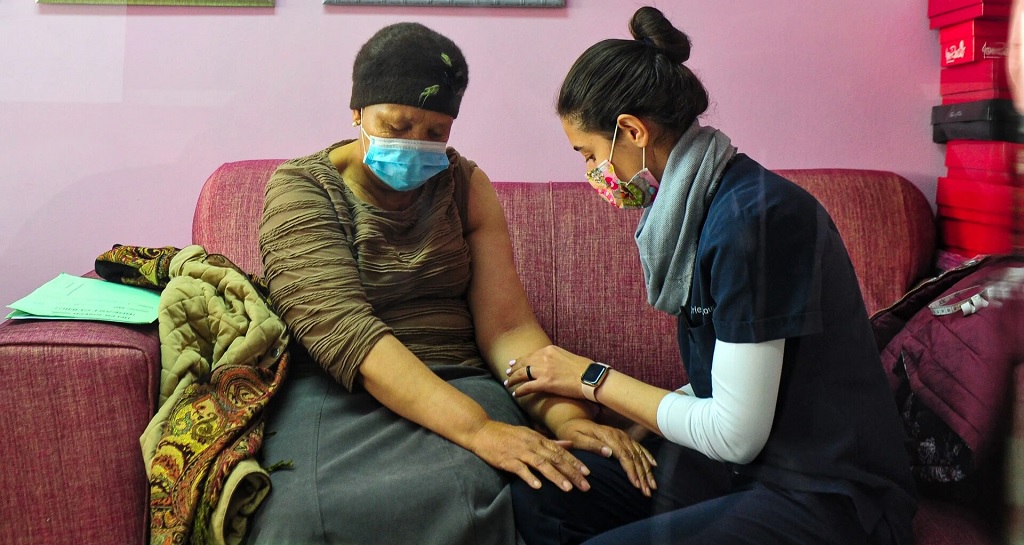
    A cancer patient receiving care at a public health facility in Gauteng. (Photo: Rosetta Msimango/Spotlight)

    By Chris Bateman

    Experts say cancer patients in the public sector in South Africa are dying for avoidable reasons like dysfunctional referral systems and a lack of medical imaging and treatment. We look at efforts to get the country’s battle with cancer back on track.

    Many people with cancer in Gauteng have not been able to access the treatment and care they require in recent years. Though activists and the provincial government are at odds about what should, or should have been, done about it, nobody is denying that there is a problem.

    At the same time, there have also been issues at a national level, with South Africa’s key cancer strategy having lapsed. The National Cancer Strategic Framework for South Africa 2017 – 2022 was previously extended to also cover 2023. Medical Brief recently reported that a new strategy is on the verge of being signed by the Director-General of Health.

    The committee meant to advise the minister on cancer has also lapsed. Dr Busisiwe Ndlovu, the top government official in charge of non-communicable diseases (NCDs), said that the term of the Ministerial Advisory Committee on Cancer expired in early 2024, and new members were pending the approval of Health Minister Dr Aaron Motsoaledi. She was speaking at the KwaZulu-Natal leg of a cancer research and innovation strategy workshop in May. These consultative meetings are taking place across the country’s provinces. It aims to shape a national research and innovation strategy based on the World Health Organization’s cancer control pillars: prevention, early detection and diagnosis, treatment, and palliative care and survivorship.

    The scale of the problem

    While researchers anticipate that rates of infectious diseases like HIV and tuberculosis in South Africa will decline in the coming decade or two, rates of NCDs, including diabetes and cancers, are expected to increase. According to the WHO, an estimated one in five people will develop some form of cancer in their lifetimes. Increases in developing countries are expected to be particularly steep.

    According to a StatsSA report published in 2023, and based on National Cancer registry (NCR) numbers and StatsSA’s mortality data, cancer-related deaths in the country increased by 29% from 2008 to 2018. They reported that 85 000 people were diagnosed with cancer in 2019 and that 44 000 died of cancers in 2018. Experts previously told Spotlight that the estimate of cancer cases may be an undercount of as much as 40%.

    The most common cancers in men were prostate, colorectal, and lung – around one in four cancer diagnoses in men were for prostate cancer. Bronchus and lung cancer accounted for just under 19% of cancer-related deaths in men, while prostate cancer accounted for around 17%.

    Among women, the most diagnosed cancers were breast cancer at around 23% of diagnoses and cervical cancer at around 16% of diagnoses. Cervical cancer accounted for just under 18% of all cancer deaths in women and breast cancer for 17%.

    The NCR recorded 87 853 new laboratory-confirmed cancer cases in 2023, although this figure likely underestimated the true burden as it excluded clinically or radiologically diagnosed cancers, Dr Judith Mwansa-Kambafwile, senior epidemiologist with the NCR told attendees at the Durban workshop.

    In a paper published in the South African Journal of Oncology in 2022, researchers calculate that cancer incidence (new cases per year) in South Africa could double from around 62 000 in 2019 to 121 000 in 2030. This is due to two factors: firstly, South Africa’s population is aging and cancers generally become more common as people age. And secondly, the risk of cancers is generally increasing for people of all ages. The researchers focused on only the five most common types of cancer, but an NCR report shows a very wide variety of cancers are being diagnosed in the country.

    Since not all cancers are diagnosed, the real numbers are likely substantially higher than reported. There is also no single repository of all cancer diagnoses in the country – for the above quoted article researchers used both data from Discovery Health Medical Scheme and from the NCR.

    The data gap

    Cancer statistics in South Africa has been largely based on pathology results, which is to say blood or biopsies that were tested in the lab. Other types of diagnoses, such as those based on symptoms and scans have not always been counted systematically. One recent initiative aimed at addressing this data gap is a patient-led registry that feeds information into the NCR.

    Mwansa-Kambafwile, explained that the NGO, Living with Cancer, was driving the patient-led registry, aimed at cross referencing and supplementing patient records with her NCR’s own patient database. Leaflets in oncologists’ reception rooms encouraged patients to upload their pathology/histology test results onto the Living with Cancer website via a standard online National Department of Health form. A national shopping mall campaign in May was aimed at boosting awareness.

    “Living with Cancer had a Memorandum of Understanding with us and in addition, links cancer survivors with the same type of cancer to one another in support groups online where they can share experiences and knowledge,” she added.

    Dr Mazvita Muchengeti, who heads up work on the NCR at the National Health Laboratory Services which is part of the National Institute for Communicable Diseases (NICD), previously told Spotlight that cancer was made a reportable disease under the National Health Act in 2011. While compulsory reporting has improved data on cancer cases, she added: “There is an increase in the number of reported cancers; this does not necessarily translate to an increase in cancer, we are just counting cancer cases better because reporting is now compulsory.”

    Another new strategy

    In light of the country’s cancer burden, a group of organisations is leading the development of a new National Cancer Research and Innovation Strategy. This collective includes the Nuclear Medicine Research Infrastructure at the University of Pretoria, the South African Medical Research Council, and the Department of Science, Technology and Innovation, in partnership with the National Department of Health.

    They are hosting provincial workshops to help understand the current state of cancer research in South Africa, identify key challenges, set national priorities, and develop a strong, future-focused strategy. These workshops are part of a broader plan to make sure the strategy is inclusive, based on evidence, and meets the country’s needs.

    This research and innovation strategy differs from the health department’s National Cancer Strategic Framework, which guides provinces as to what the cancer priorities are.

    ‘Integrated cancer care approach’

    At the Durban workshop, Ndlovu, emphasised the need for an integrated cancer care approach across all levels of the healthcare system. She noted the importance of streamlined referral pathways and urgent attention to waiting times, care packages, registry improvements, and financing. The expired national cancer strategy required urgent evaluation and revision, Ndlovu added.

    A clear pattern emerging from these workshops is one whereby cancers are often diagnosed too late, and patients frequently struggle to access timely, appropriate care.

    Also at the Durban workshop, Professor Jeannette Parkes, Head of Radiation Oncology at Groote Schuur Hospital and the University of Cape Town, outlined the many systemic barriers to early detection. These included socio-cultural factors, urban-rural divides, and broken referral systems.

    “We have a massive issue with accessing imaging services, biopsy support, pathology services, and their costs,” she said.

    Parkes, who is also President of the College of Radiation Oncology of South Africa and clinical director of the Access to Care Cape Town programme, said early cancer detection was better in the private sector because patients could access and afford the necessary systems and diagnostic technology. The remaining 85% of the population depended on the public sector, in particular overburdened primary healthcare clinics but also on all levels of care.

    “There’s a bias towards urban versus rural areas and too often a failure to refer. The referral pathway is problematic and differs from province to province and in various settings. We have a massive issue with regards to accessing imaging services, while biopsy support and pathology services and their costs are also a big issue,” she told the workshop.

    Late diagnosis

    At the Johannesburg meeting, late diagnosis was singled out as a particular problem when it comes to cervical cancer. Dr Mary Kawonga, public health specialist with the Gauteng Department of Health and Wits School of Public Health, said that 16% of women screened at Charlotte Maxeke Academic Hospital’s drainage district had pre-cancerous lesions, underlining the lack of preventative care. “Patients often only begin treatment on their sixth visit,” she said, citing the failure of diagnostic tools, referral inefficiencies, and poor implementation of available technologies.

    Dr Mariza Vorster, Head of Nuclear Medicine at the University of KwaZulu-Natal and Inkosi Albert Luthuli Academic Hospital, said that insufficient specialists and excessive patient loads result in unacceptable turnaround times for diagnosis.

    Clinicians often get blamed for delays, but as Dr Sheynaz Bassa, Head of Radiation Oncology at Steve Biko Academic Hospital, pointed out, many patients wait weeks or months to afford transport to care facilities. “By the time they get to us, they’re already in crisis mode,” she said. “Peripheral clinics and hospitals must improve referral systems before we can make real progress.”

    Salomé Meyer, Director of Cancer Alliance, alleged that survivorship care is almost entirely absent in both the public and private sectors. “Supportive and palliative care often ends when treatment stops. Survivors are left without co-ordinated care,” she said.

    Apart from improving screening and referral systems, other recommendations emerging from the workshops included better coordination between clinicians and the NCR, leveraging mobile technology like the health department’s Mom Connect app to reduce clinic visits and fast-track referrals. Greater community involvement in setting research priorities, using mobile clinics to conduct cancer screening in rural areas, and increasing awareness for breast self-examination. More research into the genetic factors relating to cancers in South Africa was also argued for.

    Call for new cancer institute

    Meyer has been leading a call for South Africa to establish a National Cancer Institute (NCI).

    “An NCI would develop clear guidelines on treatment protocols, workforce allocation, and facility requirements,” she said. With South Africa transitioning toward a National Health Insurance system, Meyer said an NCI would help plan resource allocation based on cancer projections, enabling smarter investments in infrastructure, technology, and staffing.

    The lapsed National Cancer Strategic Framework lacked province-specific detail, leaving provinces to adapt guidelines as they saw fit, often leading to fragmented service delivery, she added. Meyer said decentralisation was essential. “We can no longer restrict cancer treatment to tertiary hospitals. Many district and regional facilities could provide diagnostics and some treatments if properly resourced,” she said.

    A reset of South Africa’s disease monitoring and research infrastructure has been on the cards for some time. The NICD was set to be replaced by the new National Public Health Institute of South Africa (NAPHISA) after the NAPHISA Act became law in 2020. Five years later, NAPHISA has not yet been established. On the face of it, NAPHISA would be a natural home for an entity like the proposed NCI were it to be created.

    –  Additional reporting by Marcus Low

    Republished from Spotlight under a Creative Commons licence.

    Read the original article.

    South Africa Needs to do More to Tackle Antimicrobial Resistance, Warn Experts

    This is a “pandemic which is wreaking havoc, is not being attended to properly and not being taken seriously enough”

    Source: Unsplash CC0

    By Liezl Human

    A group of infectious disease and public health experts are calling on the Department of Health and Minister Aaron Motsoaledi to reintroduce a national action plan addressing antimicrobial resistance (AMR).

    An open letter from over 70 doctors, scientists and public health advisors states that antibiotic resistance is becoming a “growing threat” in the country and poses a threat to universal health coverage through the National Health Insurance.

    Read the open letter

    Latest figures show that over one-million deaths a year worldwide are directly caused by AMR. This number is projected to increase. Nearly five-million people die with an antibiotic-resistant infection. Over the next 25 years, nearly 40-million people are projected to die from AMR. 

    The second edition of the South African Antimicrobial Resistance National Strategy Framework, from 2018-2024, has expired. The plan acknowledged that antimicrobial resistance is “a serious and growing global health security risk”.

    The open letter also called on the department to reinstate a ministerial advisory committee on AMR or to establish a similar scientific body.

    “The lack of a robust scientific advisory body limits the government’s capacity to develop evidence-based policies,” the letter reads. The establishment of a scientific body would “empower the government to make strategic, data-driven decisions to combat this pressing health threat effectively”.

    The former Ministerial Advisory Committee was disbanded in November 2023.

    Marc Mendelson, an infectious disease specialist at Groote Schuur Hospital who has been outspoken about the threat of AMR for many years, said: “AMR is a current pandemic which is wreaking havoc, is not being attended to properly and not being taken seriously enough in South Africa.”

    Mendelson said that there are “more and more people having to be treated for highly resistant bacterial infections in our healthcare system”. AMR leads to an increase in morbidity, mortality, hospital costs, and also has socio-economic consequences, he said. Common medical interventions such as surgery “becomes much riskier” with AMR.

    Department of Health spokesperson Foster Mohale said that the department would only comment once the letter was formally presented, which is expected to happen at 5pm on Thursday.

    Republished from Spotlight under a Creative Commons Attribution-NoDerivatives 4.0 International License.

    Read the original article.
    The Way We Understand Obesity is Changing: What Does it Mean for South Africa?

    Source: Pixabay CC0

    By Jesse Copelyn

    Health workers have long relied on Body Mass Index as a way to measure whether people are within a healthy weight range. Now, a collection of top researchers have made the case for a new way to understand and diagnose obesity. In part two of this special Spotlight series, we take a look at what this new framing might mean for South Africa.

    If we are going to tackle the global rise in obesity, our understanding of the condition needs to change. That is according to a Lancet Commission convened by a global group of 58 experts from different medical specialties. While we have historically thought of obesity as a risk factor for other diseases like diabetes, the commission’s recent report published in the journal Lancet Diabetes and Endocrinology concludes that obesity is sometimes better thought of as a disease itself – one that can directly cause severe health symptoms (see part one of this series for a detailed discussion of this argument).

    By categorising obesity as a disease, public health systems and medical aid schemes around the world would be more likely to cover people for weight-loss drugs or weight-loss surgery, according to the report. At present, these services are often only financed if a patient’s obesity has already led to other diseases. This is given that obesity is not viewed as a stand-alone chronic illness.

    But if we’re going to redefine obesity as a disease, or at least some forms of it, then we need good clinical definitions and ways to measure it. For a long time, this has posed challenges, according to the Lancet report.

    The perils of BMI

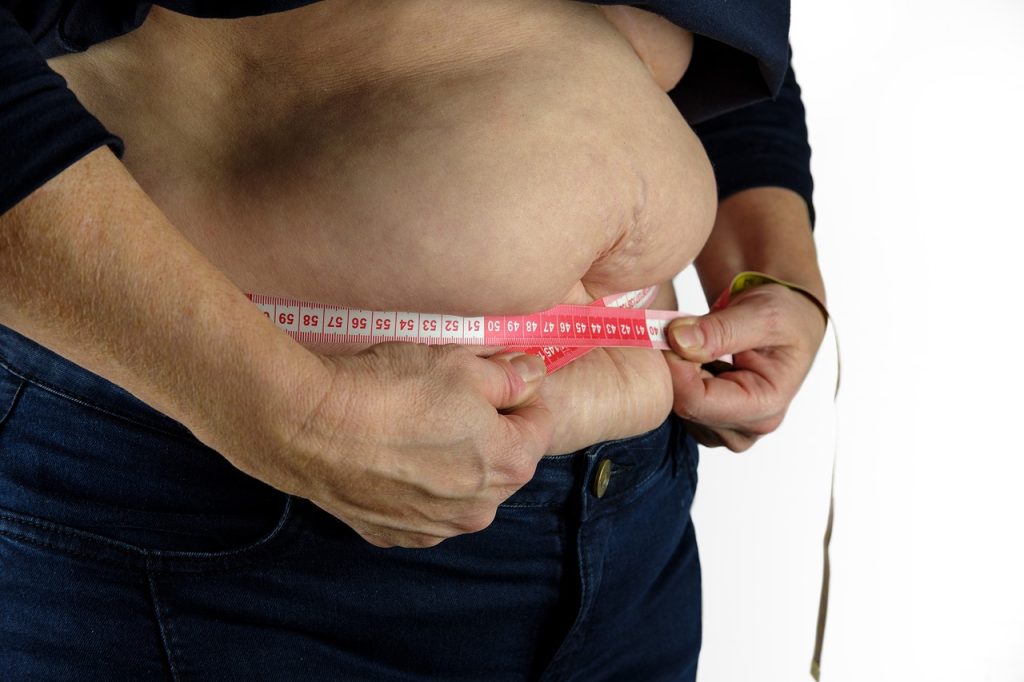
    At present, health workers often rely on Body Mass Index (BMI) to gauge whether a patient is within a healthy weight range. BMI is measured by taking a person’s weight in kilograms and dividing it by their height in meters squared.

    A healthy weight is typically considered to be between 18.5 and 25. A person whose BMI is between 25 and 30 is considered to be overweight, while someone with a BMI of over 30 is considered to have obesity. But according to the Lancet report, this is a crude measure, and one which provides very little information about whether a person is actually ill.

    One basic issue is that a person can have a high BMI even if they don’t have a lot of excess fat. Instead, they may simply have a lot of muscle or bone. Indeed, the report notes that some athletes are in the obese BMI range.

    Even when a high BMI does indicate that a person has obesity, it still doesn’t tell us where a person’s fat is stored and this is vital medical information. If excess fat is stored in the stomach and chest, then it poses more severe health risks than when it is stored in the limbs or thighs. This is because excess fat will do more harm if it surrounds vital organs.

    The lead author of the Lancet report, Professor Frances Rubino, says that the pitfalls of BMI have long been understood, but practitioners have continued to use it.

    “BMI is still by and large the most used approach everywhere, even though medical organisations have [raised issues] for quite some time,” he tells Spotlight.

    “The problem is that even when we as individuals or organisations say BMI is no good, we haven’t provided an alternative. And so, inevitably, the ease of calculating BMI and the uncertainties about alternatives makes you default back to BMI.”

    To deal with this problem, the report advocates for several alternative techniques for measuring obesity which offer more precision.

    The first option is to use tools that directly measure body composition like a DEXA scanner. This is a sophisticated x-ray machine which can be used to distinguish between fat, bone and muscle. It can also be used to determine where fat is concentrated. It’s thus a very precise measurement tool, but the machines are expensive and the scans can be time-consuming.

    Alternatively, the report recommends using BMI in combination with another measure like waist-to-hip ratio, waist-to-height ratio or simply waist circumference. If two of these alternative measures are used, then BMI can be removed from the picture.

    These additional metrics are clinically useful because they provide information about where fat is stored. For instance, a larger waistline inevitably indicates a larger stomach. Indeed, studies have found that above a certain level, a larger waist circumference is linked to a higher chance of dying early, even when looking at people with the same BMI.

    The report thus offers a more accurate way to measure obesity in the clinical setting. But its authors argue that this is only the first step when making a diagnosis. The second is to look at whether a patient’s obesity has actually caused health problems as this isn’t automatically the case. They acknowledge for instance that there are some people with obesity who “appear to be able to live a relatively healthy life for many years, or even a lifetime”.

    The report refers to these cases as “preclinical obesity”. Such patients don’t have a disease as such, according to the report, but still have an increased risk of facing health issues in the future. As such, the report’s authors argue that they should be monitored and sometimes even treated, depending on factors like family history.

    By contrast, cases of obesity which have directly caused health problems are referred to as “clinical obesity”. These cases, according to the report, should be treated immediately just like any other serious disease. It lists a series of medical symptoms associated with clinical obesity that would allow health workers to make an appropriate diagnosis.

    The recommendation is thus for health workers to determine whether a person has obesity through the metrics listed above, and then to determine whether it is clinical or preclinical by evaluating a patient’s symptoms. This will inevitably guide the treatment plan.

    How does this relate to SA?

    Professor Francois Venter, who runs the Ezintsha research centre at WITS university, says the Lancet report offers a good starting point for South Africa, but it has to be adapted for our own needs and context.

    “It’s a big step forward from BMI which grossly underdiagnoses and overdiagnoses obesity,” says Venter, who adds that additional metrics like waist circumference are a “welcome addition”.

    The view that clinical obesity is a disease that needs to be immediately treated is also correct, according to Venter. Though he adds that the public health system in South Africa is not in a financial position to start handing out weight-loss medicine to everyone who needs it.

    “The drugs are hugely expensive,” says Venter, “and they have side effects, so you need a lot of resources to support people taking them.” But while it may not yet be feasible to treat all cases of clinical obesity in South Africa, Venter believes we should use the diagnostic model offered by the Lancet Commission to begin identifying at least some people with clinical obesity so that they can begin treatment.

    “You have to start somewhere, and for that you need a good staging system,” he says. “Let’s use the Lancet Commission and start to see if we can identify a few priority people and screen them and start to work on the drug delivery system.”

    Yet while Venter believes that the commission makes important contributions, he also cautions that we need more data on obesity in Africa before we can apply all of its conclusions to our own context.

    “If you go to the supplement of the Lancet Commission, there’s not a single African study there. It all comes from Europe, North America and Asia. It’s not the commission’s fault but [there is a lack of data on Africa].”

    This is important as findings that apply to European or Asian populations may not necessarily hold for others. Consider the following case.

    As noted, the commission states that BMI is not sufficient to determine whether someone is overweight and must therefore be complemented with other measures. But it states that if someone’s BMI is above 40 (way above the current threshold for obesity), then this can “pragmatically be assumed” without the need for further measures.

    But this may not hold in Africa, says Venter.

    “The commission says that if your BMI is over 40, which is very big, you can infer that this person has got obesity and they are sick and need to lose weight. I don’t know if we can say that in Africa, where we often have patients who are huge, and yet they are very active, and when you [look at] their blood pressure and all their metabolics, they’re actually pretty healthy,” he notes. “So, I think they’re sometimes jumping to conclusions about African populations that we don’t have data on,” adds Venter.

    Is South Africa ready to move past BMI?

    Another concern is that while the Lancet Commission may offer useful recommendations for advanced economies, its starting assumptions may not be as relevant for countries like South Africa.

    For instance, while specialists agree that BMI is a crude measure of obesity, direct measures like DEXA scans are “out of our reach economically”, according to Professor Susan Goldstein, who leads PRICELESS-SA, a health economics unit at the South African Medical Research Council.

    And while supplementing BMI with the other metrics like waist circumference may be doable, health experts told Spotlight that at present healthcare workers in South Africa aren’t even measuring BMI alone.

    Dr Yogan Pillay, a former deputy director-general at the national health department who now runs TB and HIV delivery at the Gates Foundation, told Spotlight: “I can’t tell you how few people in the public sector have their BMI monitored at all. Community health workers are supposed to be going out and measuring BMI, but even that’s not happening”.

    Goldstein also suggests that the monitoring of BMI in South Africa is limited. “If you go into the clinic for your blood pressure, do they say: ‘How’s your BMI?’ No, I doubt that,” says Goldstein. “It’s just not one of the measures that [gets done].”

    She adds that South Africa could introduce the combination of metrics proposed by the commission, like waist circumference combined with BMI, but says it would simply require “a lot of re-education of health workers”.

    Prevention vs treatment

    For Goldstein, the commission is correct to regard clinical obesity as a disease which needs to be treated, but we also shouldn’t view medication as the only way forward.

    “We have to remember that prevention is very important,” says Goldstein. “We have to focus on food control, we have to look at ultra-processed foods, and unless we do that as well [in addition to medication] we are going to lose this battle.”

    The National Health Department already has a strategy document for preventing obesity, but some of its recommendations have been critiqued for focusing on the wrong problems. For instance, to prevent childhood obesity, the strategy document recommends reforming the Life Orientation curriculum and educating tuck shop vendors so that both students and food sellers have more information about healthy eating. But as Spotlight previously reported, there are no recommendations to subsidise healthy foods or to increase their availability in poor areas, which several experts believe is more important than educational initiatives.

    Venter also highlights the importance of obesity prevention, though he emphasises that this shouldn’t be in conflict with a treatment approach – instead, we need to push for both.

    “The [prevention] we need to do is fix the food supply… and the only way you do that is to decrease the cost of unprocessed food.” But while this may help prevent future cases of obesity, it doesn’t help people who are already suffering from obesity, says Venter. And since such people comprise such a large share of the population, we can’t simply ignore them, he says.

    “Even if you fix the entire food industry tomorrow, those [people who are already obese] are going to remain where they are because simply changing your diet isn’t going to do diddly squat [when you already have obesity],” he adds. (Part 1 discusses this in more detail).

    Goldstein adds that increasing access to treatment would also inevitably reduce the costs of “hypertension, diabetes, osteoarthritis, and a whole range of other illnesses if it’s properly managed”.

    One way to advance access to medication would be for the government to negotiate reduced prices of GLP-1 drugs, she says. (Spotlight previously reported on the prices and availability of these medicines in South Africa here.)

    Funding

    A final concern that has been raised about the Lancet commission is about its source of funding.

    “I don’t know how one gets around this,” says Goldstein, “but there were 58 experts on the commission, 47 declared conflicts of interest.”

    Indeed, the section of the commission that lists conflicts of interest spans over 2 000 words (roughly the size of this article). This includes research grants and consulting fees from companies like Novo Nordisk and Eli Lilly, which produce anti-obesity drugs.

    In response, Rubino told Spotlight that “people who work in the medical profession obviously work and consult, and the more expertise they have, the more likely they are to be asked by somebody to advise. So sometimes people have contracts to consult a company – but that doesn’t mean that they necessarily make revenue if the company has better sales. You get paid fees for your services as a consultant”.

    Rubino says this still has to be declared as it may result in some bias, even if it is unconscious, but “if you wanted to have experts who had zero relationship [to companies] of any sort then you might have to wonder if there is expertise available there… the nature of any medical professional is that the more expertise they have, the more likely that they have engaged in work with multiple stakeholders”.

    For Venter, there is some truth to this. “It’s very difficult to find people in the obesity field that aren’t sponsored by a drug company,” he says. “Governments don’t fund research… and everyone else doesn’t fund research. Researchers go where the research is funded.”

    This doesn’t actually solve the problem, says Venter, as financing from drug companies can always influence the conclusions of researchers. It simply suggests that the problem is bigger than the commission. Ultimately, he argues that the authors should at least be applauded for providing such granular details about conflicts of interest.

    Rubino adds that while researchers on the commission may have historically received money from drug companies for separate research studies or consulting activities, none of them received money for their work on the commission itself.

    “This commission has been working for more than four years since conception… An estimate of how many meetings we had is north of 700, and none of us have received a single penny [for doing this],” he says.

    Disclosure: The Gates Foundation is mentioned in this article. Spotlight receives funding from the Gates Foundation but is editorially independent – an independence that the editors guard jealously. Spotlight is a member of the South African Press Council.

    Republished from Spotlight under a Creative Commons licence.

    Read the original article.