Cipla Medpro South Africa reaffirmed its commitment to ensuring the uninterrupted supply of critical antiretroviral (ARV) medicines to the Department of Health. It is essential that people living with HIV have uninterrupted access to these life-saving medicines. Any disruption of supply puts patients at risk of developing resistance to the drugs or adversely affecting health outcomes. According to Statistics South Africa, the number of people living with HIV in the country is estimated to be approximately 8 million (12,7% of the population)[1].
Recently, two suppliers who were awarded the current antiretroviral (ARV) tender, Barrs Pharmaceuticals Industries (Pty) Ltd and Innovata Pharmaceuticals (Pty) Ltd (subsidiaries of Avacare Health), have entered business rescue.
Cipla acknowledges the uncertainty this may create within the ARV supply chain and underscores its readiness to assist in maintaining stability and continuity.
Cipla has been manufacturing tenofovir/lamivudine/dolutegravir (TLD) for the government for the past 7 years, and has been one of the main suppliers of ARVs to the government for more than 12 years. Cipla has made significant investments in its local manufacturing facility, upgrading the capacity of the ARV production line with the installation of a new Countec bottle line and have increased its tablet filing capacity by 190%. The company is able to locally produce 475 million tablets annually and has upscaled its manufacturing capabilities to ensure sufficient capacity to meet current demand and support near‑term growth, while reinforcing Cipla’s commitment to secure and reliable ARV supply.
“We have mobilised resources to help maintain equitable access to quality, affordable critical medication. Cipla confirms its willingness to support national requirements under the current tender agreement and, if needed, contribute meaningfully to any supplementary procurement processes to safeguard patient access to essential treatment. We want people to live a long and healthy life as part of our commitment to caring for life,” said Paul Miller, CEO of Cipla Africa.
“In addition, we believe this tender presents an opportunity to further advance government’s commitment to strengthening local manufacturing capacity. By ensuring greater support for locally produced medicines, future allocations could meaningfully contribute to South Africa’s industrial development agenda while maintaining continuity of supply,” said Miller.
The total ARV tender is for a period of three years, and is worth an estimated R15.5bn, of which the TLD component comprises R12.6bn.
The healthcare industry has evolved significantly in the past decade with innovation, improved servicing and consolidation of medical schemes emerging. Bonitas Medical Fund has taken a strategic step in responding to the needs of its members and the Health Citizens of South Africa, by appointing Momentum Health as its new administrator from 1 June 2026.
With a considerable history spanning over 4 decades, Bonitas Medical Fund has emerged as one of the leaders in the medical scheme market. Covering over 750 000 lives, the Scheme is known as the medical aid for South Africa with a range of options – strategically designed to meet the needs of South Africans from all walks of life.
The change in administration is in line with the guidelines of the Health Market Inquiry and the industry Regulator, the Council for Medical Schemes (CMS). In 2024, the CMS stated that, “one of the main issues driving market stagnation is the prevalence of ‘evergreen’ contracts”. This alludes to long-term agreements between medical schemes and suppliers spanning decades without being subject to regular competitive procurement processes.
Principal Officer, Lee Callakoppen, explains, “One of our key strategic objectives is to ensure we create value for our members and key stakeholders. This can take the form of benefit optimisation, favourable tariff negotiations, amalgamations to obtain critical mass or optimised service. The healthcare industry has evolved considerably over the past decade, and it was critical for the Scheme to evolve in line with this. Over the past 48 months, the Board have extensively debated the steps needed to be taken to place Bonitas in a competitive position and ensure that it remains sustainable in the best interest of our members. In doing so we have continuously evaluated the value provided by our service providers with consideration to our strategic objectives and the capabilities of our service providers as well as the expectations of our members corporate clients, healthcare professionals, and brokers. We have seen medical schemes placed under financial strain with sustainability challenges emerging and we remain committed to remaining relevant to our members and must therefore be vigilant in our approach.”
This was followed by rigorous ongoing benchmarking exercises and a subsequent Request for Proposal process for administrative services and managed care – with Momentum Health appointed as the successful entity for the provision of administration services and Private Health Administrators appointed to provide managed care services.
“We are delighted to cement this relationship with Momentum Health, who have demonstrated that they have the necessary capabilities to exceed expectations and support us in our strategic growth objectives” Callakoppen said. “Bonitas’ performance in the past 18 months, has exceeded all previous benchmarks with over 80 000 new families successfully enrolled on the Scheme and financial sustainability stronger than previous years. We see these appointments as strategic enablers to challenge the status quo – and drive value optimisation to continue leading the healthcare industry. Our aim is to optimise efficiencies, achieve mass enrolment, and meaningfully contribute to the shaping of private healthcare in South Africa.”
Hannes Viljoen, Chief Executive Officer of Momentum Health welcomed the appointment, citing it as a key strategic opportunity in the dynamic open market for Momentum Health. “We are excited about positively impacting the health of more people. The group currently service over 3,3 million beneficiaries in Africa and more than 25 million world-wide and are strategically and operationally positioned to deliver value in a meaningful and impactful way,” he said.
Dr Ayanda Mbuli, Chief Executive Officer of PHA, was pleased with the outcome, “We are deeply honoured by Bonitas’ decision to entrust PHA with its managed healthcare function, a historic milestone for the Scheme. This partnership presents a unique opportunity to further optimise the care received by Bonitas members and to meaningfully contribute to both the Bonitas healthcare agenda and the broader South African health landscape.”
Bonitas has been a leading open scheme in South Africa for several decades and these changes will open opportunities to build a more significant and influential open scheme that caters for more South African’s health care needs.
As HIV, TB and other treatments are updated in our public healthcare system, it is critical that healthcare workers and counsellors stay on top of the latest developments. One innovative programme makes use of short lessons delivered over WhatsApp to provide such training.
Over her years working as an information pharmacist at the University of Cape Town’s Medicines Information Centre (MIC), Briony Chisholm noted that many health workers in rural clinics face difficulties accessing training in crucial aspects of their work.
“The lack of easy access to training was in areas where it was really needed, such as the HIV (treatment) guidelines that are constantly being updated,” says Chisholm. “It’s not enough to have training sessions when new guidelines come out; you ideally should be training all the time.”
Drug-drug interactions
At the end of 2019, government introduced new standard first-line HIV treatment that includes an antiretroviral medicine called dolutegravir. As we previously reported, by 2023 around 4.7 million people in South Africa were taking dolutegravir-based treatment.
But the introduction of a new medicine in the public healthcare system, especially at this scale, is rarely straight-forward.
“Dolutegravir is considered as a ‘wonder child’ in ARV treatment, because it provides a high barrier to resistance, is easier to take, and has far fewer side effects than older ARVs. However, it also has interactions with other key drugs, particularly those used for the treatment of TB, diabetes and some anti-epileptic medications,” she says.
Through numerous queries received on the MIC’s National HIV and TB Healthcare Worker Hotline, Chisholm and her colleagues became aware that some healthcare workers were struggling with managing drug interactions. “Some healthcare workers didn’t know about these interactions; others knew about them but not how to deal with them. For example, if a patient is on the TB drug rifampicin, but also needs to take dolutegravir, there’s a need to adjust the dose of dolutegravir. Similarly, adjustments are needed with the diabetes medicine, metformin.”
Chisholm now lives in the Eastern Cape village of Nieu Bethesda. When dolutegravir was introduced, she had just completed her part-time post-graduate Diploma in HIV and TB management through UCT and signed up for her Masters. She and a colleague had, in 2016, done a road trip to about 200 clinics in seven provinces to promote the MIC’s Hotline.
“We saw that most South African healthcare workers are dedicated and keen to learn. You hear all this terrible news about health and corruption, and then you go to these clinics which are ticking along under sometimes difficult conditions, doing amazing work. It’s inspiring!”
A key realisation was the challenges experienced by health workers at these rural clinics to access much-needed training.
“Getting nurses to a central point for training and the need for transport, accommodation and food, as well as having them absent from the clinic for anything between one and five days, is challenging. It’s expensive and involves a great deal of organising,” says Chisholm.
Doing the research
Chisholm then started conducting research on what healthcare workers know about dolutegravir-related drug interactions. Her study, published in 2022, found that about 70 percent of respondents understood that dolutegravir interacts with other drugs, but there were gaps in people’s knowledge of specific interactions and the dosing changes needed to manage those interactions.
The study found that access to guidelines and training were positively associated with knowledge of drug-drug interactions. “There was a clear indication that we needed more accessible training,” Chisholm says.
“The Department of Health offers online training through live webinars, and recordings of these, but they are often one or two hours long. Nurses in busy clinics don’t necessarily have this time to sit through training sessions.”
Testing the efficacy of short training sessions
Chisholm then designed a project to test the efficacy of short training sessions focusing on teaching one or two learning points from the national guidelines in ten to fifteen-minute live lessons using WhatsApp.
“I thought, ‘we’re in a country where not everyone has access to big computer screens, but they all have a cell phone and use WhatsApp – so let’s go as simple as we can’,” she says. “The idea was not to teach the entire set of guidelines but to pick out important parts of them and ensure that if something changes in the guidelines, you get it out to people, quickly.”
Chisholm tested the feasibility of WhatsApp-based microlearning with health workers and counsellors at 50 clinics around Nieu Bethesda. “I ran a range of short case-based lessons on WhatsApp groups and then measured the changes in knowledge and patient care, as well as other factors like uptake, feasibility and accessibility,” she explains.
She found that WhatsApp-based microlearning for healthcare workers is “effective, feasible and well received” and 98 percent of those who participated said they would take part if training sessions were held weekly throughout the year.
While using WhatsApp for medical interactions is not new, Chisholm says a structured syllabus using microlearning for short, punchy sessions is a first.
“This type of learning is equally accessible to a rural clinic as to one in central Hillbrow. We can access people wherever they are. Nobody has to spend money getting anywhere and clinical services are not disrupted. And it doesn’t matter if they’re not in the live session: when they have a moment, they can go into their WhatsApp and read back on the lesson,” she says.
Working with the department of health on 6MMD
Chisholm has been working with the National Department of Health on their Six-Month Multi-Month Dispensing (6MMD) programme. The programme allows people living with HIV who are doing well on treatment and have suppressed viral loads to get a six-month supply of ARVs in one go. This makes life considerably easier for people, since they only need to go to the clinic twice a year; whilst also reducing workloads in the clinics. The programme started in August 2025 and is still being phased in across the country.
“In the pilot phase, the Department of Health did some really good online training and they used our WhatsApp training as an add-on to the longer form training,” says Chisholm.
“We started with one group and ran an eight-week course of 15-minute lessons once a week on WhatsApp. Sessions were case-based and included which patients are eligible for 6MMD, and which patients are not,” she explains. By the end of 2025, around 2 000 healthcare workers had been reached through these sessions.
Lynne Wilkinson, a technical expert with the International AIDS Society which supports the Department of Health on 6MMD, says the microlearning is “a great way to ensure we get to all the clinicians in the country and explain how the 6MMD programme works”.
She adds: “When a new policy comes out, it takes a long time for implementation to be scaled because ground level clinicians aren’t always aware of the changes or don’t have an opportunity to engage with how to implement the changes.”
Daniel Canham, a professional nurse and facility team lead for the NGO, TB HIV Care, at Idutywa Village Community Health Centre in the Eastern Cape, says they’ve found the microlearning sessions for 6MMD very useful. “It’s no secret that the waiting times in clinics are quite extensive, so we are trying to enrol all those qualified for 6MMD as quickly as possible to ease the burden on the clinic,” he says.
“The microlearning on 6MMD has been very helpful. Our staff don’t have to be out of the facility to attend it. They can run their normal activities and attend sessions of ten minutes maximum,” says Canham.
“Our professional nurses joined the WhatsApp microlearning sessions in September last year,” says Faith Maseko, a nurse lead based at Phola Park Clinic in Thokoza in Gauteng who works for the WITS Research Health Institute (RHI). The RHI supports the health department in the management of HIV and employs more than 30 nurses.
“When nurses are trained virtually, some of the information is forgotten, but when you’re on WhatsApp, you can go back and access the information that was shared. The scenarios provided are very useful. If you see a patient, with a similar scenario you can go back and see what was discussed and apply it to your own situation,” she says.
Department of Health backing
Foster Mohale, spokesperson for the National Department of Health, says the WhatsApp-based microlearning has been “an effective low-cost, high-reach supplement to formal 6MMD training”.
He adds: “Training gaps translate directly into service gaps, affecting quality, retention, and progress toward epidemic control. Microlearning addresses this risk by enabling continuous, bite-sized reinforcement of policy and implementation guidance, rather than relying solely on once-off training events. This approach supports frontline healthcare workers in applying 6MMD consistently under real-world service pressures.”
Mohale says evidence from the department’s broader capacitation strategy shows that lifelong, continuous learning, rather than episodic training, is essential for resilient health systems.
“WhatsApp microlearning aligns with this principle by supporting rapid dissemination of updates, peer learning, and sustained mentorship. When integrated with structured models and aligned to national guidelines, it can be effectively applied across HIV, TB, maternal and child health, non-communicable diseases, and health systems strengthening more broadly,” he says.
In a small mining town in South Africa’s Limpopo province, young people are showing worrying signs of diseases that were once thought to affect only older adults.
These include type 2 diabetes, high blood pressure, high cholesterol, obesity and insulin resistance. This is not unique to Limpopo or South Africa. It reflects a global trend, where young adults in many low- and middle-income countries are increasingly experiencing early-onset metabolic diseases due to rapid urbanisation, lifestyle changes, unhealthy diets and reduced physical activity.
The World Health Organization says non-communicable diseases now account for 75% of all non-pandemic-related deaths globally. Also, 82% of premature deaths before age 70 occur in low- and middle-income countries.
I’m a public health researcher specialising in epidemiology, metabolic health, infectious diseases and environmental health. My colleagues and I conducted a study in the town of Lephalale and found that many young adults there have abnormal cholesterol levels. They also have reduced sensitivity to insulin, a condition known as insulin resistance.
Both are key risk factors for type 2 diabetes and heart disease.
Our findings suggest that these health problems are appearing much earlier in life than expected. This is particularly concerning in communities undergoing rapid social and economic change, where access to health services and screening programmes remains limited.
New jobs, new lifestyles
Lephalale, formerly known as Ellisras, offers a window into these transitions. Once a quiet rural area in the north of South Africa, it has changed rapidly over the past two decades. It is now the site of expanding mining and industrial activities, driven by the expansion of coal mining operations and the development of power stations.
This industrial growth has attracted thousands of workers from surrounding provinces and neighbouring countries, bringing new economic opportunities. It is also reshaping daily life. Increasingly, residents are doing sedentary work and eating energy-dense diets, including fast food. These lifestyle transitions make Lephalale an important setting for studying emerging health risks in young adults.
Long hours sitting at work and reduced physical activity create fertile ground for metabolic disorders. When people eat more processed, high-fat, high-sugar foods and move less, the body begins storing excess energy as fat.
Over time, this can lead to weight gain, elevated blood glucose and abnormal cholesterol levels. These changes make it harder for the body to regulate insulin, causing insulin resistance, the first step towards type 2 diabetes. Also, inactivity and poor diet increase unhealthy cholesterol and triglycerides (types of fat in the blood), raising the risk of heart disease. In rapidly transitioning communities, these health shifts can happen quickly.
Non-communicable diseases such as diabetes, hypertension and heart disease are now among the leading causes of death in South Africa. In 2020, diabetes was reported to be the second biggest underlying cause of death in South Africa, accounting for 6.6% of all deaths.
Our research
We examined 781 young adults aged 18 to 29 years living in Lephalale as part of a long-running study. We have been tracking health patterns in this community since 1992.
Participants provided fasting blood samples that were analysed for glucose, insulin and cholesterol levels. We grouped them into diabetic and non-diabetic categories based on clinical definitions used by the American Diabetes Association.
The results were striking:
Diabetic participants had significantly higher total cholesterol, low-density lipoprotein (the “bad” cholesterol) and triglycerides, and lower levels of high-density lipoprotein (the “good” cholesterol) than their non-diabetic peers.
Over half (52.7%) of the diabetic group had high total cholesterol, compared with 23% of non-diabetic participants.
Insulin resistance, when the body needs more insulin to manage blood sugar, was also much higher among diabetics.
Even some non-diabetic participants showed early signs of these metabolic changes.
Unhealthy cholesterol patterns and poor insulin sensitivity tend to occur together, each making the other worse. This combination sets the stage for early heart disease, stroke and diabetes.
Why young adults?
Most public-health strategies focus on older adults because that’s when chronic diseases usually become visible.
But our research adds to growing evidence that the seeds of non-communicable diseases are planted early, often in young adulthood or even adolescence.
Young adults in rural or semi-urban areas may seem healthy, yet many are already developing risks due to diet changes, stress and limited exercise opportunities. The modernisation of small towns, while positive economically, brings hidden health costs.
Without early detection, these individuals may enter middle age already carrying high risk of health problems. This will put pressure on health systems that are already stretched.
What makes this community unique?
Lephalale may be changing, but it still lacks many of the urban services, infrastructure and health resources found in South Africa’s big cities.
Health resources are scarce, and screening for cholesterol or insulin resistance is rare. Public clinics focus on infectious diseases such as HIV or tuberculosis. Silent metabolic disorders go unnoticed until symptoms appear.
Our study shows that rapid industrialisation without parallel investment in public-health education and preventive services risks creating a generation of young adults who are chronically unwell by their thirties.
What can be done?
Three priorities stand out:
Early screening and prevention
Regular cholesterol and glucose testing should be part of routine primary-care visits, especially for adults under 30. Mobile health campaigns, school outreach and workplace screenings could help identify those at risk.
Community-based education
Local awareness campaigns must make the link between diet, physical activity and metabolic health easy to understand. They should show, for example, how frequent consumption of fried or sugary foods contributes to cholesterol build-up and insulin resistance.
Healthy-environment policies
Urban planners and municipalities can support healthy lifestyles by ensuring there are safe spaces for exercise. They must also limit marketing of unhealthy foods, and encourage availability of affordable, nutritious options. Similar “health-in-all-policies” approaches have shown success in other countries. such as Finland’s long-running HiAP strategy, which reduced cardiovascular disease rates and improved population health outcomes.
Young people should be in peak health. Without intervention, today’s young adults risk becoming tomorrow’s chronic-disease patients, burdening families, workplaces and health systems.
Cipla Limited (BSE: 500087; NSE: CIPLA; and hereafter referred to as “Cipla”), through its subsidiary Medpro Pharmaceutica, has entered into an exclusive license and supply agreement with Immunoadoptive Cell Therapy Private Limited (ImmunoACT). Under this partnership, Cipla will commercialise talicabtagene autoleucel, India’s first indigenously developed CAR-T cell therapy, in the Republic of South Africa, Algeria, and Morocco.
Talicabtagene autoleucel (the product) is an autologous (of a patient’s own blood sample) anti-CD19 CAR-T indicated for the treatment of patients with relapsed or refractory B-cell Non-Hodgkin’s Lymphoma (B-NHL) and B-cell Acute Lymphoblastic Leukaemia (B-ALL) who have failed standard lines of therapy. Administered to over 500 patients in India, the therapy has demonstrated high efficacy, durable responses, and a well‑tolerated safety profile, leading to reduced ancillary healthcare costs.
As part of this collaboration, ImmunoACT will manufacture the product and Cipla will commercialise in the licensed African territories, thereby expanding access of this revolutionary new treatment to markets currently with unmet needs.
Commenting on the partnership, Achin Gupta, Managing Director and Global CEO Designate, Cipla Limited, said, “Our collaboration with ImmunoACT reinforces Cipla’s vision of leveraging cutting-edge science to deliver transformative and affordable treatments, especially for patients with critical healthcare needs. By introducing CAR-T therapy in Africa, we aim to bring world-class innovation closer to patients and strengthen our commitment to accessible healthcare in the region.”
Adding on, Paul Miller, Chief Executive Officer of Cipla Africa, said, “We are proud to be at the forefront of efforts to bring CAR-T cell therapy to Africa. This collaboration not only advances our oncology portfolio but also reinforces Cipla’s mission of making next-generation therapies accessible to patients worldwide.”
Dr. Rahul Purwar, ImmunoACT’s Founder & Chairmanand a professor of the Indian Institute of Technology (IIT), Bombay, said,“Our mission has always been to innovate and make cell & gene therapies accessible and affordable, addressing the significant unmet medical needs across the globe. This strategic partnership with Cipla seeks to accelerate our endeavours; ensuring that patients with B-cell cancers have a fighting chance at a durable remission, with our CAR-T platform.”
About CAR-T cell therapy:
CAR T-cell therapy is a groundbreaking form of immunotherapy that uses a patient’s own immune cells to fight the disease. Doctors collect immune cells (T cells) from the patient, reprogram them to identify and destroy cancer cells, and then return them to the body, enabling a targeted and personalized approach to treatment.
About Cipla
Established in 1935, Cipla is a global pharmaceutical company focused on agile and sustainable growth, complex generics, and deepening portfolio in our home markets of India, South Africa, North America, and key regulated and emerging markets. Our strengths in the respiratory, antiretroviral, urology, cardiology, anti-infective and CNS segments are well-known. Our 46 manufacturing sites around the world produce 50+ dosage forms and 1500+ products using cutting-edge technology platforms to cater to our 80+ markets. Cipla is ranked 3rd largest in pharma in India (IQVIA MAT Sep’25), 2nd Largest in the pharma prescription market in South Africa (IQVIA MAT Aug’25), and 4th largest by prescription in the US Gx (Repulses + MDI) products (IQVIA MAT Aug’25). For over nine decades, making a difference to patients has inspired every aspect of Cipla’s work. Our paradigm-changing offer of a triple anti-retroviral therapy in HIV/AIDS at less than a dollar a day in Africa in 2001 is widely acknowledged as having contributed to bringing inclusiveness, accessibility and affordability to the centre of the HIV movement. A responsible corporate citizen, Cipla’s humanitarian approach to healthcare in pursuit of its purpose of ‘Caring for Life’ and deep-rooted community links wherever it is present make it a partner of choice to global health bodies, peers and all stakeholders. For more, please visit www.cipla.com, or click on Twitter, Facebook, LinkedIn.
About ImmunoACT
As pioneers of India’s first fully integrated CAR-T cell therapy platform, ImmunoACT (Immunoadoptive Cell Therapy Private Limited), develops and manufactures accessible, affordable cutting-edge gene-modified cell therapies for blood cancers and solid tumours. With NexCAR19™, India’s first CAR_T cell therapy (developed in collaboration with the Indian Institute of Technology, Bombay and Tata Memorial Centre) commercially approved in India having unprecedentedly transformed the treatment landscape in refractory/relapsed B-cell malignancies, ImmunoACT also has a robust pipeline including a clinical-stage BCMA-directed CAR-T for multiple myeloma, and solid tumour CAR-Ts under development. The company is accelerating its mission to expand global access to life-saving cell and gene therapies through strategic partnerships.
As of this month, South African medical aid scheme contributions have increased by between 6–9% – nearly triple the Council for Medical Schemes’ recommended 3.3% guideline. While lower than last year’s double-digit surge, the underlying problem remains: premiums keep climbing while benefit coverage keeps shrinking, exposing cracks in private healthcare that are becoming impossible to ignore.
“We’re watching private healthcare price ordinary South Africans out of the market, one annual increase at a time,” says Lungile Kasapato, CEO of PPO Serve, a healthcare management company that has been implementing value-based care in South Africa for more than a decade. “Medical schemes are caught in an impossible position – unable to control what providers charge, they’re left managing what they cover. The result is diminishing benefits, rising co-payments, and mounting out-of-pocket costs for members.”
The root of the problem lies in how healthcare is paid for. Fee-for-service, the dominant reimbursement model, rewards volume over outcomes. More tests, more procedures, more bed days – each generates revenue regardless of whether they actually improve patient health. This narrow focus fragments care and drives costs up while keeping value low.
“No amount of funding can fix a payment model that drives the wrong incentives,” Kasapato explains. “Real change requires rethinking not just what we pay for, but how we pay for it.”
Value-based care offers a fundamentally different approach: putting patients at the centre, rewarding proactive care, and linking payment directly to health outcomes. PPO Serve’s The Value Care Team demonstrates what this looks like in practice. GP-led multidisciplinary teams receive monthly, risk-adjusted payments based on patient complexity, supporting holistic care and linking meaningful incentives to measurable results. Rather than maximising billable services, providers focus on optimising patients’ overall health.
For members, this means care is no longer limited by rigid benefit caps or pre-authorisation hurdles, but structured around what genuinely enhances the efficient delivery of their care. A dedicated care coordinator guides patients through decisions made collaboratively by their GP and allied health professionals, with each team member sharing accountability for better outcomes.
But scaling models like this requires medical schemes and public funders to step up. “The challenge isn’t proving value-based care works – it’s embedding it in an infrastructure built for an entirely different system,” says Kasapato. “Claims processing, scheme administration, provider networks – every layer of private healthcare is designed with fee-for-service in mind. Transitioning to outcome-based payment means rebuilding that system and accepting the upfront investment and friction that comes with structural change. The alternative is stark: a private healthcare market that collapses under its own cost pressures, pricing out members faster than schemes can adjust. South Africa is already on that trajectory.”
“If we’re serious about universal health coverage and the long-term sustainability of the private sector, we can’t keep treating symptoms while ignoring causes,” says Kasapato. “Value-based care models are already demonstrating what’s possible. The question isn’t whether transformation is worth the investment – it’s whether we can afford to delay it any longer. The more organisations that embrace a strategic purchasing role, the greater the potential for meaningful change, not just for medical schemes but for South Africa’s healthcare system and the millions who rely on it.”
Why the Health Promotion Levy can no longer be delayed
Johannesburg, 19 January 2026:When Petrus Cockrell wakes up each morning, the first thing he reaches for is his wheelchair. Diabetes took both his legs before he turned 50. It robbed him of his mobility, his job and the simple joy of walking beside his dog.1 Petrus is one of millions of South Africans living with a disease that did not need to progress this far. Behind every statistic is someone like him, a parent, a worker, a caregiver whose life has been cut short or forever altered by a preventable illness.
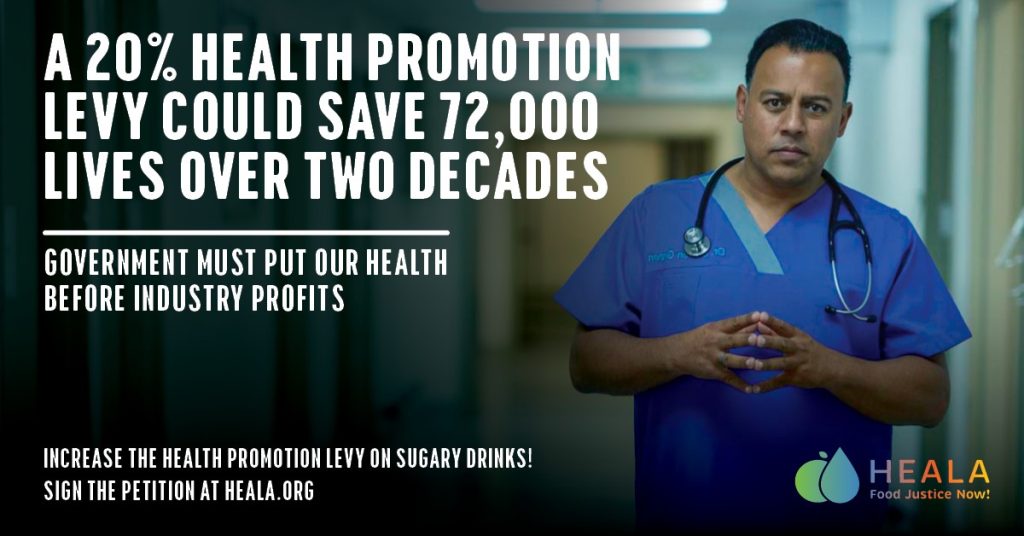
With the National Budget Speech scheduled for February, the Healthy Living Alliance (HEALA) is calling on government to increase the Health Promotion Levy (HPL) on sugary drinks from 11% to 20%, a life-saving decision backed by evidence.
The HPL is part of South Africa’s broader package of health taxes, alongside tobacco and alcohol excise duties, which have long been used to protect the public from preventable harm.
“Every amputation, every blindness diagnosis, every child who loses a parent to diabetes is a reminder that we have waited too long,” says Nzama Mbalati, CEO of HEALA. “The HPL is not a standalone experiment; it is a proven health tax. Government has used health taxes successfully for decades. Strengthening the HPL simply extends that legacy to protect South Africans from excessive sugar consumption.”
The urgency of this demand is underscored by modelling from PRICELESS SA (University of the Witwatersrand). The data indicates that increasing the HPL to 20% could prevent 619 000 new diabetes cases, save approximately 72 000 lives, prevent 85 000 strokes and save South Africa R23.9 billion in healthcare costs over 25 years.2
“We treat people every day for conditions that should never have progressed this far. The HPL is not just a tax, it is a protective shield for millions of South Africans,” says medical doctor and health advocate Dr Darren Green, featured in HEALA’s upcoming campaign. “Strengthening it means fewer amputations, fewer patients on dialysis and fewer children growing up without parents. Very few interventions deliver such measurable health benefits, especially for communities already carrying the heaviest burden.”
As tariff disputes and import pressures dominate sugar industry news, HEALA emphasises that tariffs and the HPL must not be conflated. Tariffs are trade instruments designed to stabilise industries. The HPL is a public health instrument designed to save lives.
“We cannot allow tariff debates to derail a health tax that works,” Mbalati adds. “Just as we use tobacco and alcohol taxes to protect South Africans from harm, the HPL is a critical part of our national health tax framework. Strengthening it is a public health necessity, not an industry target.”
HEALA’s documentary series continues to reveal the human cost of diabetes. Alphinah, who lost both legs and her eyesight; Mpho, who believed sugar was harmless until he lost his leg at 45 and now Petrus, each offering a powerful reminder that these outcomes were preventable. Their message is clear: if they had known sooner, their lives would look different. Government now has the power to prevent thousands more from walking the same path.
HEALA calls on the public to stand with Petrus and millions of others by demanding decisive government action. As the Budget Speech approaches and the Health Promotion Levy faces growing pressure from industry interference, South Africans are urged to sign the petition supporting the increase of the HPL to 20% before the Minister of Finance takes the podium in February. Sign the petition at www.heala.org.
References:
HEALA Diabetes Documentary Series (2025).
PRICELESS SA. The Cost of Not Setting the Sugar-Sweetened Beverage Tax at 20%. (2025).
President Cyril Ramaphosa addresses the nation in 2021 on developments in the country’s response to the COVID-19 pandemic. (Photo: GCIS)
By Janet Giddy
South Africa had several “family chats” in which President Cyril Ramaphosa addressed the nation during the height of the COVID-19 pandemic. He should do the same for tuberculosis, argues Dr Janet Giddy of the advocacy group TB Proof.
Recently, I was flying home and got chatting to the stylishly dressed woman in the window seat next to me. We asked each other the sort of questions that traveller’s often do. Suzie (name changed) was going to Cape Town to facilitate an artist’s workshop. I told her that I worked for an NGO that did tuberculosis (TB) research and advocacy. Suzie nodded pensively, then said: “My dad had TB”. I was just thinking how to respond, when she added: “he died from it”.
I have conversations about TB almost every day, and have previously written about high-altitude chats with fellow travellers. I get into these conversations not because TB work is my “day job” – which it is – but because I am a TB activist, and a survivor of childhood TB.
There are many remarkable things about TB that keep me engaged, enraged and activated. For example, that 29 934 people were diagnosed with TB in 2024 in the Cape Town metro, which was more than the combined number diagnosed with TB in the whole of the United States (10 347), the United Kingdom (5 480), France (4 217), and Canada (1 258). The population of these four countries combined is over 500 million, while Cape Town has a population of just under five million people. If you do the math, the risk of getting TB clearly depends massively on where you live. If these figures do not shock you, they should.
Why are so many people in South Africa unaware and seemingly unconcerned about the extraordinarily high numbers of people infected with TB in our country? Could we take TB more seriously as a country? My answer is yes.
If COVID-19, why not TB?
As expected, South Africa worked up a huge head of steam at every level of society about COVID-19. I think back on President Cyril Ramaphosa’s regular avuncular “family chats” to the nation. In the first COVID-19 “family chat”, our president told us:
“This is a decisive measure to save lives of South Africans from infection and save the lives of hundreds of thousands of our people. While this measure will have a considerable impact on people’s livelihoods, and on the life of our society and on our economy, the human cost of delaying this action would be far, far greater.”
Why has Ramaphosa not ever spoken in this intimate “family style” way to the nation about how important or urgent it is to tackle TB? A disease which continues to cause significantly more suffering and death than COVID-19 did.
In 2018, our president spoke to the international world about TB, when he addressed the President of the General Assembly of the United Nations (UN) and Director-General of the World Health Organization at the first ever UN High-Level Meeting on Tuberculosis. With great gravitas and in oratorial style, Ramaphosa said: “This … is a historic opportunity that we must embrace if we are to effectively respond to a disease that has killed more people than smallpox, malaria, the plague, influenza, HIV and AIDS, and Ebola combined. This meeting is taking place in the year of the centenary of the birth of South Africa’s founding President, Nelson Mandela. President Mandela was a survivor of tuberculosis, which he contracted while in prison, and was firmly committed to the campaign against the disease.”
Ramaphosa went on to highlight the social determinants of TB, including poverty, unemployment, poor nutrition, overcrowding and social stigma that fuel the spread of diseases. He also noted: “In South Africa, TB is the biggest cause of mortality in the general population, especially among men.”
This was an excellent message, but since 2018, our president has not had much to say about TB in public or to South Africans. It would be powerful and impactful if he were to talk about TB as a national emergency that requires a coordinated “family response” as a nation.
In considering the seriousness of TB as compared to COVID-19, let’s look at mortality.
By November 2022, the official number of deaths recorded as being due to COVID-19 in South Africa was around 102 000, approximately 34 000 per year when averaged out. Official numbers are however widely considered to be an underestimate. The Medical Research Council estimated in the region of 300 000 excess deaths relating to COVID-19 from 2020 to 2022, with around 85 000 in 2020, 200 000 in 2021, and around 15 000 a few months into 2022. Not all of these excess deaths would have been directly due to COVID-19, but it is likely that over 80% was (say 240 000 over the three years).
By comparison, TB has in recent years been claiming between 50 000 and 70 000 lives per year, based on estimates from the World Health Organization (WHO) and the Thembisa mathematical model. Thus, while there were many more COVID-19 deaths in 2021 than there were TB deaths, TB deaths almost certainly surpassed COVID-19 deaths in 2022 and subsequent years. The more one zooms out, the more the steady torrent of TB deaths over the last five, 10, 20 years, dwarfs the spike in COVID-19 deaths around 2021.
‘We are all at risk’
Back to my recent high-altitude chat in the plane: somehow, it was a uniquely South African sort of conversation. What is the chance that, while cruising at 10 000 meters over the Atlantic on a flight between the United States and France, that you’d sit next to someone whose parent recently died of TB? An extremely small chance. So, I would contend that all South Africans do need to know about TB, which is a disease that affects families profoundly.
It’s time for South Africa to have family chats about TB. There are many reasons to have these chats, starting with the fact that we are all at risk of getting it, given that we live in a country with a high TB prevalence – it was estimated that 389 people per 100 000 in South Africa fell ill with TB in 2024. We could compare this with the 2024 figures for the United Kingdom, at 9.7 per 100 000, which is higher than the United States’ rate of 3.2 per 100 000. For those who are interested, you can look up the latest numbers for different countries on the WHO’s excellent TB data portal.
The bottom line is that the higher the TB prevalence in the country you live in, the more chance that you or a family member could get TB. This is because it is caused by a bacteria which is transmitted through the air via talking, singing and coughing, so anyone can breathe it in – as was the situation (and therefore, panic) with Covid. The mode of transmission is the main similarity between TB and COVID-19 – there are lots of differences.
While some people are more at risk of getting TB, anyone can get TB, from any background. As a recent example: in 2024 Anna (name changed), a professional woman who lived in a green leafy suburb, was referred to me by her GP. Anna was shocked and outraged that she had been diagnosed with TB: “Janet, I feel as if I have been infected with a third world plague”. Anna wanted to believe that she had been infected with TB on a visit to India 18 months previously, but together we traced back her potential exposure and worked out she most likely was infected six months earlier, by a family member in a care home. Because Anna and her GP did not think about TB, it took more than a month of her coughing, losing weight and having no energy and taking several courses of antibiotics, before the diagnosis was finally made. By this time, she was very unwell, and her family members and many clients were at risk of getting TB.
Anna’s experience highlights how stigmatised TB still is as a disease. Stigma is a challenge to people from all backgrounds, and there are different reasons for it. Talking about TB more openly is one way to reduce stigma.
As with many other diseases, the earlier TB is diagnosed, the better the chance of full recovery, with no residual lung damage. There is effective medication to treat TB, and although treatment typically takes 6 months, it is not lifelong unlike chronic diseases like diabetes, hypertension and HIV. Young children with uncomplicated lung TB take medication for 4 months only.
Recent TB guidelines recommend that all close contacts of people diagnosed with TB (usually family or household members) should be tested for TB (even if they don’t have symptoms), and if they test negative, they can be offered TB preventive treatment (TPT), which will protect them against getting active TB disease. There is also more “user friendly” TPT now available, which consists of taking medication once a week for 3 months – a total of 12 doses only. Counselling people with TB needs to be family focused, given these new developments.
So, my challenge to readers is to have regular intentional conversations about TB with family and friends, with colleagues, in airplanes, and while waiting in queues.
Keely, a young women who read a previous Spotlight article I wrote, said she was amazed to discover that her colleague was very anxious because her mother was being treated for TB. If Keely had not decided to talk about TB at work, she would not have been able to offer her colleague support.
Try having a conversation about TB in the next week and see what comes of it.
*Giddy is a consultant at the TB advocacy group TB Proof.
Note: Spotlight aims to deepen public understanding of important health issues by publishing a variety of views on its opinion pages. The views expressed in this article are not necessarily shared by the Spotlight editors.
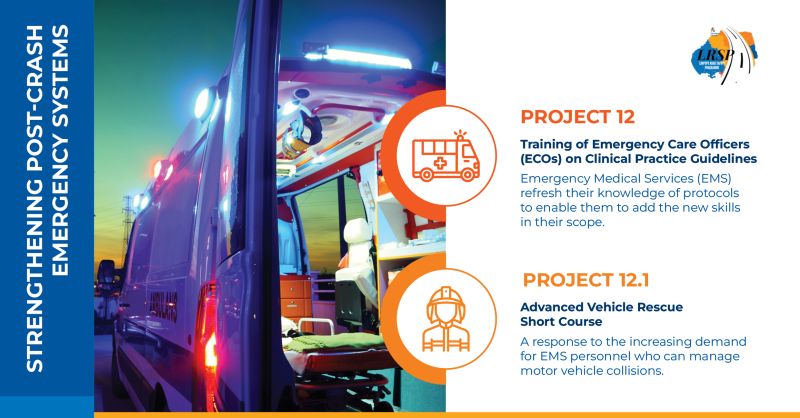
Strengthening Limpopo’s post-crash emergency response has been one of the most powerful achievements of the Limpopo Road Safety Programme (LRSP). Through a combined focus on updated clinical training, advanced rescue skills and improved operational systems, Projects 12 and 12.1 have reshaped how Emergency Medical Services (EMS) teams respond in the critical minutes after a crash – from the first emergency call to hospital handover.
Updating clinical skills to strengthen frontline emergency care
Across South Africa, the Clinical Practice Guidelines (CPGs) for emergency care have been substantially updated, including a major revision in 2018. These updates incorporated new evidence, improved patient outcomes, and standardised practice across the health system, shifting toward more user-friendly formats such as clinical decision-support tools. For Limpopo’s EMS, this presented both an opportunity and a challenge: although the guidelines were available, many personnel had not yet received training to apply them consistently in the realities of roadside emergencies. Project 12 addressed this need directly, rolling out comprehensive CPG training across all five districts. EMS practitioners were equipped with updated algorithms for trauma, medical, paediatric and obstetric emergencies, along with enhanced assessment, triage and stabilisation skills.
This clinical uplift aligned perfectly with major system improvements. In the 2023/2024 financial year, the Limpopo Department of Health procured more than 500 new, modern ambulances, significantly expanding the provincial fleet. The LRSP ensured this investment translated into real-world impact: EMS personnel were trained not only on updated CPGs but also to use the new vehicles and onboard equipment to their full potential; optimising monitoring, patient loading, scene workflow and en-route care. Modern ambulances combined with modern knowledge dramatically strengthened the quality of emergency care.
By 2025, the system advanced even further with the introduction of a Computer-Aided Dispatch (CAD) system, enabling more efficient call-taking, improved dispatch decision-making, clearer communication and better tracking of EMS resources across districts. The CAD system, together with updated CPGs and a modern ambulance fleet, created a tightly integrated platform for faster, smarter and more coordinated EMS response. For the first time, Limpopo could align clinical best practice, operational intelligence and fleet capacity into one cohesive system.
Introducing advanced rescue skills for high-severity crash scenes
Yet, while clinical updates and dispatch improvements strengthened core EMS response, Limpopo still faced a critical need for specialised capacity at high-severity crash scenes, especially those involving vehicle entrapment. Project 12.1 filled this gap by introducing the province’s first Advanced Vehicle Rescue Short Course, delivered by EPIC EM and the University of Johannesburg. Over seven intensive days, participants trained in vehicle stabilisation, extrication techniques, hydraulic tool use, and multi-casualty scene management, blending theory with realistic, high-pressure simulations. Many described the training as transformative, giving them the competence and confidence to manage complex incidents on Limpopo’s regional and mining routes.
Together, these interventions have created a step change in Limpopo’s post-crash care system. Today, EMS teams arrive at crash scenes equipped with modern ambulances, updated clinical guidance, advanced rescue skills and a CAD-supported operational network that ensures faster and more coordinated response. Patients benefit from safer extrication, quicker stabilisation and better continuity of care during the “golden hour”. Beyond improving skills, the programme has strengthened morale, professionalism and a culture of excellence within EMS.
Projects 12 and 12.1 have left a lasting legacy: a provincial emergency response system that is smarter, faster and better prepared to save lives on Limpopo’s roads.
After birth, moms and babies are required to visit healthcare facilities for essential services like immunisations, postnatal care and HIV testing. Photo by William Fortunato on Pexels
By Elri Voigt
In South Africa, many mothers and their babies have to visit the clinic more than 10 times in the first six months of the postnatal period. Early findings from an ongoing implementation science project suggests we can get this down to five. The hope is that the new approach will also help reduce HIV transmission from mothers to their babies.
Over the last two decades, South Africa has taken huge strides in reducing HIV transmission from mothers to their babies (often called vertical transmission).
Maternal deaths from non-pregnancy-related infections have decreased, because more women are taking HIV treatment, and HIV rates among babies at birth have also gone down. This has all been possible largely because of integrating HIV services with our antenatal services, Dr Jeanette Wessels, of the University of Pretoria’s Research Centre for Maternal, Fetal, Newborn and Child Health Care Strategies, told delegates at the recent Southern African HIV Clinicians Society (SAHCS) Conference.
However, a closer look at the data shows us that while vertical transmission at or before birth has come down dramatically, HIV transmission in the months after birth remains alarmingly common. This happens particularly when the mother contracts HIV in this period and the virus is then transmitted to her baby before she is diagnosed, or before the virus can be brought under control with antiretrovirals. As Wessels puts it, “our next frontier to tackle is the breastfeeding period”.
During the antenatal period (before birth), pregnant women are offered HIV tests and prevention pills or HIV treatment when they visit clinics for their pregnancy check-ups. However, during the postnatal period (after birth), HIV services are not integrated in the same way. This fragmentation of care after birth is a key driver of vertical transmissions, suggests specialist paediatrician Dr Nthabiseng Serudu-Nageng. The thinking is that the fragmentation and high number of clinic visits makes it less likely that new HIV infections in mothers will be picked up before the virus can be transmitted to their babies and that it makes it less likely that new mothers will take the HIV prevention pills or HIV treatment they might need.
Spotlight previously reported that, according to the latest estimates from Thembisa – the leading mathematical model of HIV and TB in South Africa – of the roughly 7 200 babies who contracted HIV in the country from mid-2023 to mid-2024, only about 2 500 got HIV before or at birth. This means that about 4 700 babies got HIV in the months after birth, and while some of these mothers were on antiretroviral therapy, according to the Thembisa estimates, the majority of mothers had not been diagnosed with HIV yet. Meaning a contributing factor to some of these infections is likely that many of these mothers got HIV after the birth of their babies and were unaware of it.
Wessels told delegates that around 75% of mother-to-child transmission of HIV is happening during breastfeeding, and just over one third (35%) of those are due to new HIV infections in the mother. She added that about 80% of those new infections in babies after birth happen in the first six months.
It is important to realise that in terms of absolute numbers, HIV transmission during the breastfeeding period has gone down, but proportionally more babies are getting HIV after birth, explained Professor Ute Feucht, the Director for the University of Pretoria’s Research Centre for Maternal, Fetal, Newborn and Child Health Care Strategies. Feucht is also the Community Paediatrician in the Tshwane District Clinical Specialist Team at the Gauteng Department of Health.
Clinic visits can be halved
To improve care in the postnatal period, researchers in Gauteng have launched an ambitious implementation science project called Sihamba Kunye. Their key idea is that clinic visits for mother and baby can be much better integrated and optimised. This could make it more likely that mother and baby will attend all required clinic visits and get all the healthcare services they need. The project is funded by the Gates Foundation.
During the postnatal period, said Wessels, a mother may have to come to the clinic up to 11 or 12 times in the first six months. This can be to get her baby to the necessary visits for immunisations, as well as family planning, to pick up HIV treatment or prevention pills or postnatal care for herself. Wessels was presenting early observations from the study at the SAHCS conference.
Commenting on this, Feucht, who is the study’s principal investigator, told Spotlight: “That is twice a month, and yes, with a newborn baby!”
To make matters worse, throughout these many visits, mothers and babies are often seen separately, which isn’t optimal since, as Serudu-Nageng pointed out, “whatever affects the mother directly impacts her baby, so integrating their care is essential”. She is the study’s consultant paediatrician.
“One of the biggest challenges mothers face is having to come to the clinic many times in the first six months. This has a huge impact: it affects food security, especially for unemployed mothers, its transport costs, its time away from work or home, and long waiting hours at the facility. Each visit comes with an emotional and financial cost,” said Serudu-Nageng.
“Through the Sihamba Kunye project, we are addressing this [challenge] by aligning and coordinating the mother and baby’s visits so they can be seen together, on the same day and ideally at the same service point,” she said. “This reduces the number of visits, saves time and cost for the mother, eases the workload for the facility because it means less feet through the clinic all while maintaining quality care for both mother and baby.”
By coordinating these different visits, the total number of times a mother and baby might need to go the facility is reduced to only five visits.
How it works
The researchers conducted time-and-motion studies – where industrial engineering students from the University of Pretoria followed patients around with stopwatches to time how long it took them to move through the clinic from arrival to exit. They also conducted interviews with mothers and infant pairs, had consultations with facility managers, and conducted workshops with healthcare workers, as well as created curated resources and tools to assist with the transition to offering integrated care.
Integration of services was classified into two levels, depending how much the services could be streamlined, said Serudu-Nageng. Level two integration means that a mom and her baby are seen on the same day, but at different parts of the facility and likely by different nurses. Level three integration means they are seen together, on the same day, by the same nurse.
“We worked closely with facility managers, sub-district programme managers and clinicians to redesign processes and adapt the model to fit each facility’s realities,” she said.
The time-and-motion studies helped identify bottlenecks and improve the flow and efficacy at the clinics, Serudu-Nageng said. One big time waster was that if a mom comes in with her baby and the healthcare staff only draw baby’s file but later see mom also needs care, she’ll have to go back to get her own file. To resolve this, the project recommends drawing both mom and baby’s files when they visit the facility, regardless of the reason for the visit.
One major component of integrating care, Serudu-Nageng said, was task-shifting. This is to ensure that professional nurses have the time to spend doing clinical consultations with mom and baby together, since their consultation time has essentially doubled. This means designating tasks like checking vital signs, weighing, giving immunisations and vitamin A and deworming to support staff, leaving professional nurses to do tasks only they are qualified to do.
“[T]he professional nurses can be used for other things like clinical decision making and we can rather delegate work that doesn’t require clinical decision making to lower cadres of nurses of staff,” she said. “Together, these efforts have helped facilities streamline workflow, strengthen teamwork and deliver this integrated postnatal care package for both mothers and babies.”
Another thing the researchers did was to compile two important tools that pulled together information from all the relevant national guidelines for primary healthcare – like the HIV, TB, ideal clinic and immunisation guidelines – and putting them together in one place called the the First 1000-day Roadmap. This is used alongside an Integration Wheel that helps nurses coordinate the different visits moms might need to come to the clinic for.
Wessels in her presentation explained that the roadmap has different sections categorised according to the type of visit mom and baby are at the clinic for. She gave the example of the 10-week visit, where babies normally receive some of their key childhood immunisations. One section of the roadmap will include “all the care needed for the mom, her general postnatal care, nutrition, VTP [Vertical Transmission Prevention] and screening like TB screening, STIs, mental health, her contraception and extra care”. The other section will cover all the things the baby will need.
The roadmap is used alongside the Integration Wheel, which is designed like a pregnancy wheel. The front of the wheel can spin to the visit the mom and baby are at the clinic for. “It outlines [among other things] what you do for an HIV positive mom, for an HIV negative mom, what contraception do you get every mom,” Wessels said. At the back, the wheel has information on the different visits mom and baby would still need to come to the clinic for and helps nurses align those visits.
The front of the Integration wheel can be spun to the specific visit mom and baby are at the clinic for and help align their next visits to reduce the number of times they have to come to the facility. Source: Screenshot from Professor Ute Feucht’s presentation on the Sihamba Kunye Project at the 2025 SA AIDS conference.The back of the Integration wheel shows nurses everything they need to do for both mom and baby, depending on their HIV status, baby’s age and mom’s family planning needs and postnatal care. Source: Screenshot from Professor Ute Feucht’s presentation on the Sihamba Kunye Project at the 2025 SA AIDS conference.
With these resources, according to Wessels, nurses at the participating facilities are able to align mom and baby’s visits from their six-day postnatal visit and can reduce those visits to only five in the first six months.
What’s next?
The response to the project has been very positive and created a bit of a “snowball effect”, Feucht said. “The district has actually been asking us, when can we go to the rest [of the clinics in Tshwane]?”
The first phase, she added, was to figure out what is possible in terms of integrating care and how can it be done. “[T]he next step is then taking that toolkit out to the other provinces as well.”
The research team hopes to have several publications showcasing their findings ready to present at key health conferences next year. But they also hope to see the model being more widely used in the future.
“It’s got potential to transform the postnatal period and make it as good as the antenatal period,” Serudu-Nageng said. “[I]ntegrating care and putting the patient at the centre will really, really, be great for outcomes, but for mom and baby as well.”
“Based on my experience, this approach is highly feasible within the broader public healthcare system because it builds on existing structures and staff,” she added. “It is practical and scalable, and we are hopeful that it will serve as a proof of concept for future scale-up across South Africa’s public health system.”
Disclosure: The Gates Foundation is mentioned in this article. Spotlight receives funding from the Gates Foundation, but is editorially independent – an independence that the editors guard jealously. Spotlight is a member of the South African Press Council and subject to the Press Code.