Tag: GLP-1 agonist

Spotlight’s Top 9 Health Stories to Watch in 2026

With several important developments on the horizon, 2026 is set to be another eventful year in healthcare. Photo by Anna Shvets

19th January 2026 | By Marcus Low

From the limited rollout of a new HIV prevention jab to developments with new weight loss medicines, to high-stakes court cases relating to National Health Insurance (NHI), 2026 is set to be another tumultuous year in healthcare. Here are nine stories that Spotlight will keep a close eye on.


 1. How will things go with the local rollout of a new HIV prevention jab? 

Given the high rates of HIV in South Africa, the biggest HIV story this year is likely to be the rollout of a new HIV prevention jab at around 360 (roughly 10%) of South Africa’s public sector clinics. The jab, which contains the antiretroviral medicine lenacapavir, provides six months of protection against HIV infection at a time. It could be a gamechanger for people who, for whatever reason, struggle to take daily prevention pills. We will be tracking how and to whom the jab is made available and whether uptake meets expectations. 

As we reported last year, work is also underway on a new lenacapavir formulation that could provide 12 months of protection per shot. We’ll be scouring journals and conference programmes for new data on this formulation. 

2. Will we see better access to weight loss medicines? 

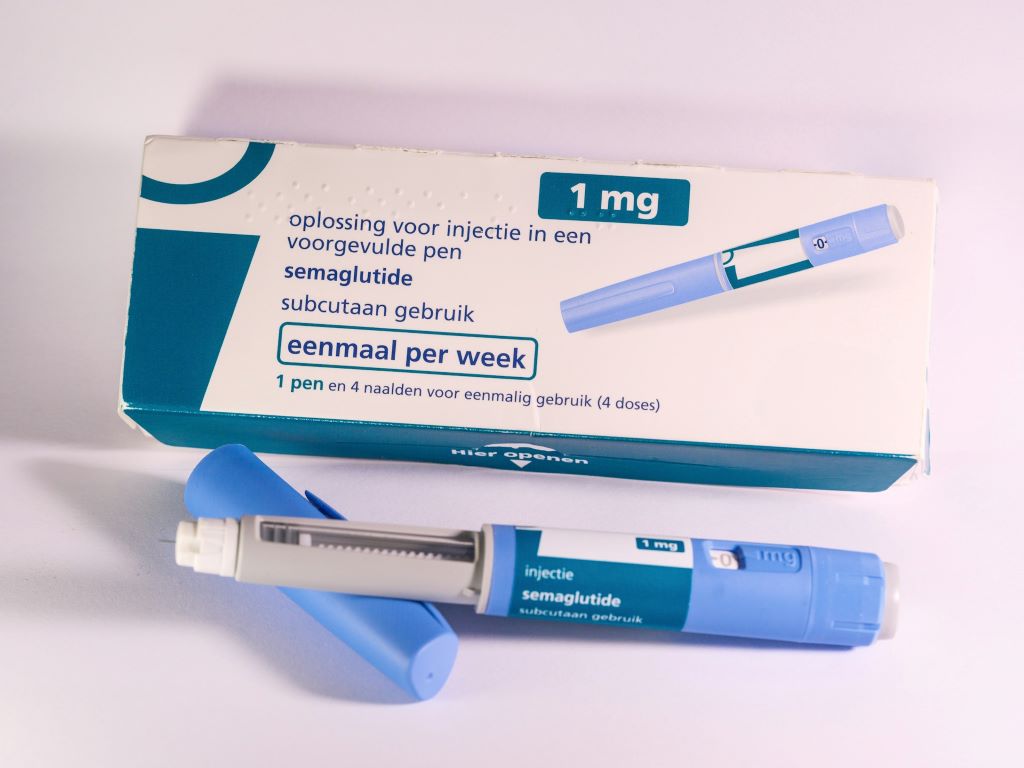
The class of diabetes and weight loss drugs called GLP1-RAs have taken the world by storm in recent years. Until recently, drugs like semaglutide (brand names Ozempic or Wegovy) and tirzepatide (brand names Zepbound or Mounjaro) were only available as injections. The GLP1-RA market is, however, set to be upended by the introduction of some of these medicines in pill form. The United States Food and Drug Administration (FDA) recently registered a semaglutide pill for use for weight loss. Another weight loss pill called orforglipron is also expected to be registered this year. One big question is when these pills will be registered and made available in South Africa and at what price. 

Another important GLP1-RA development this year will be the expiration of a key patent on semaglutide in India. This will open the door to generic manufacturers bringing their own versions of semaglutide to market – something that usually leads to substantial price reductions. We will be keeping a close eye on how this situation plays out and analysing what the implications are for people in South Africa. 

3. Might we see earlier than expected findings from pivotal TB vaccine trials? 

The one TB vaccine we have is over a hundred years old and only provides limited protection for kids. Several experimental vaccines are, however, currently being evaluated in late-stage clinical trials. Arguably, the most notable of these is the M72 vaccine, which is being assessed in a massive phase 3 study, partly conducted in South Africa. 

While timelines suggest most of the key TB vaccine studies will not yet have anything to report this year, it is possible that we might see a surprise or two. Findings are sometimes reported early if it becomes apparent ahead of schedule that a medicine or vaccine is clearly working, or clearly not working, as the case may be. Whether or not we see findings this year, it is important to start thinking about what a rollout might look like in our health system should results be as good as hoped. The M72 vaccine had around 50% efficacy in phase 2 trials, so there is reason for optimism. 

4. Will we see a concrete plan to address public sector healthcare worker shortages? 

Arguably, the most important dynamic in South Africa’s public healthcare system today is that provincial health departments are not employing enough healthcare workers across multiple categories. One reason for this is simply that budgets have generally shrunk over the last decade – obviously corruption and mismanagement in several provincial departments have made things even worse. There was a glimmer of hope in last year’s budget in which we saw a meaningful upturn in health funding for the first time in years, but that was at best a good first step toward recovery. As we enter 2026, our understanding is that all of the nine provinces are still facing severe healthcare worker shortages. 

More money for health in the next budget will certainly help, but there is a broader sense that government doesn’t really have a big picture vision for how to address the crisis. We do have a 2030 Human Resources for Health Strategy, but as with many such strategies, it seems to have so far gone largely unimplemented. 

5. Will enablers be held accountable for corruption such as that at Thembisa Hospital? 

One of last year’s big media moments was a Special Investigating Unit (SIU) press conference in which they described the extensive corruption said to have taken place at Thembisa Hospital. One snag, however, is that while the SIU can recoup funds and take matters to the Special Tribunal, the SIU does not conduct criminal prosecutions – though they can refer matters to the National Prosecuting Authority (NPA) for prosecution. Whether we will see successful NPA prosecutions relating to the Thembisa Hospital corruption is one of the year’s top questions. 

Unfortunately, even when the SIU does sterling work and delivers cases to the NPA on a plate, there is no guarantee that the NPA will do its job. One depressing example is that of Buthelezi EMS. Last year, the Special Tribunal ordered Buthelezi EMS (and other companies with similar names) to pay over half-a-billion Rand back to the state. The SIU also referred a related matter to the NPA in 2024 for prosecution, but Spotlight understands that the NPA has rather mind-bogglingly decided to drop the matter. 

6. Which, if any, senior health leaders will lose their jobs this year? 

While we won’t have national or provincial elections this year, that is no guarantee that we won’t see any health leaders losing their jobs. Over the last two decades, there have after all been many examples of people being ousted between elections, be it for purely political reasons or due to corruption scandals. 

Possibly the political leader in the health sector at greatest risk is KwaZulu-Natal MEC for Health, Nomagugu Simelane. Should the currently governing coalition of political parties in the province crumble, as it seems it might do, chances are several new MECs will be deployed, including for the health portfolio. 

There is also an outside chance that the country’s top health official, Dr Sandile Buthelezi, Director-General for Health in the National Department of Health, might be forced to step down. As reported by AmaBhungane, Buthelezi played a central role in an “irregular” R836-million oxygen procurement process and is also “at the centre of aHawks investigation into allegations that he solicited a R500 000 bribe”. Our understanding is that Buthelezi has not been charged and that in the absence of charges he will stay in the job. 

7. What will happen in the landmark NHI court cases? 

Despite a new call for dialogue from Finance Minister Enoch Godongwana, chances for a political settlement over National Health Insurance (NHI) remains very low. The bottom line remains that Health Minister Dr Aaron Motsoaledi refuses to yield an inch on the version of NHI described in the Act and President Cyril Ramaphosa is not willing to force the matter. 

Instead, it seems the battle over NHI will this year be fought mainly in the courts. At our count, there are at least eight cases challenging the NHI Act, parts of the Act, or the process resulting in the Act. A first development to look out for is whether or not some of the cases will be combined and heard together. In case you missed it, last year we published a two-part series in which we tried to pin down the issues on which these court cases are likely to turn (see part 1 and part 2). 

While we will cover the NHI court cases in some depth, we will also try to foster constructive discussions on health reforms on our opinion pages and in our analysis. In our view, it is dangerously limiting to reduce the debate over South Africa’s healthcare reforms to a simple binary of whether one is for or against NHI. 

8. What will be left of the FDA, NIH, and CDC by the end of 2026? 

It used to be the case that United States Food and Drug Administration (FDA) decisions and health advice from the United States Centres for Disease Control and Prevention (CDC) carried a lot of weight around the world. In recent months, however, there have been increasing signs of political interference at these institutions and a turn away from evidence-based policy making. It seems inevitable that we will see more of the same in 2026 and the credibility of both the CDC and probably also the FDA will be further diminished. 

Similarly, the US National Institutes for Health (NIH) has been the world’s leading funder of health research for many years. But as with the CDC, the work of the NIH has been overly politicised over the last year and its reputation for rigour and scientific excellence has already been severely degraded. As with the FDA and CDC, the outlook is bleak. 

9. How well will SA and other countries recover from last year’s US aid cuts? 

With the dust settling after last year’s severe and abrupt cuts to US healthcare aid and US funding for medical research, the longer-term impacts of those cuts in South Africa and neighbouring countries should become clearer this year. Among others, we will get the first reliable estimates of key HIV and TB indicators for 2025 (reliable figures for a specific year are typically only published in the subsequent year). New HIV estimates from the Thembisa mathematical model (Spotlight’s preferred source for HIV estimates) should be out around the middle of the year, while new World Health Organization (WHO) TB estimates are usually released in November. 

Last year Motsoaledi was widely criticised by activists for underplaying the seriousness of the cuts for South Africa’s HIV response and the scale of specialised services and capacity that was destroyed here. Eventually some extra funds were made available in response to the cuts, but it amounted to only a small fraction of what was lost. The harsh reality is that in some places the aftermath of the aid cuts will be felt for years to come. 

At an international level, we are also not convinced that a clear roadmap has been set out for building back better after US withdrawal, though we’d be happy to be proven wrong. What is clear though is that entities like the WHO and UNAIDS are facing unprecedented financial and political pressures – it seems possible that UNAIDS will no longer exist a year from now. Much reform has already been undertaken at the WHO. By the end of the year, we should have some sense of whether things have stabilised and whether a coalition of willing nations is truly committed to keeping the WHO and multilateralism in health alive. 

We have outlined only nine health issues in the above, but there are of course many more questions that we could have added to this list. Some of those include: 

  • Whether we will see meaningful improvement in the South African government’s response to non-communicable diseases such as diabetes, cancers, and mental health conditions. 
  • How well implementation of South Africa’s latest TB recovery plan is going, and in particular how we are doing against the target of testing five million people in 12 months. 
  • How climate change will impact people’s health and whether the South African government is prepared for it. 
  • Whether South Africa will see real progress in addressing antimicrobial resistance. After adopting a good policy a few years ago, it appears momentum has been lost. 
  • Whether the state will start taking xenophobia in the healthcare system and around clinics and hospitals more seriously, as a recent court judgment requires it to do
  • Whether a serious effort will be made to better regulate private healthcare and to bring down the cost of private healthcare services and medical scheme membership – that after a half-baked effort to create a new tariff-determination framework was launched and then canned last year. 
  • Whether we will see legislation introduced amending the Patents Act in line with a policy adopted by government in 2018 and whether we’ll see progress on the much-delayed State Liability Bill, which should have relevance for the state’s vulnerability to medico-legal claims. 
  • Whether we will see concrete steps forward with the new electronic health records and data systems government is developing. 
  • What progress we might see with the local production of vaccines and pharmaceuticals – one of the areas in which we are quite optimistic, despite the lack of coherent and enabling government policy. 
  • What impact AI will, or will not, have in our healthcare system this year. 

Are there issues not mentioned here that you think Spotlight should cover in 2026? Let us know by commenting below this article or by tagging us on BlueSky. 

*Low is the editor of Spotlight. 

Republished from Spotlight under a Creative Commons licence.

Read the original article.
GLP-1 Drugs May Also Reduce Risk of Death from Colon Cancer

Photo by Haberdoedas on Unsplash

A new University of California San Diego study offers compelling evidence that GLP-1 receptor agonists may do more than regulate blood sugar and weight. In an analysis of more than 6800 colon cancer patients across all University of California Health sites, researchers found that those taking glucagon-like peptide-1 (GLP-1) medications were less than half as likely to die within five years compared to those who weren’t on the drugs (15.5% vs 37.1%).

The study, led by Raphael Cuomo, PhD, used real-world clinical data from the University of California Health Data Warehouse to assess outcomes across the state’s academic medical centres. After adjusting for age, body mass index (BMI), disease severity and other health factors, GLP-1 users still showed significantly lower odds of death, suggesting a strong and independent protective effect.

The survival benefit appeared most pronounced in patients with very high BMI (over 35), hinting that GLP-1 drugs may help counteract the inflammatory and metabolic conditions that worsen colon cancer prognosis. Researchers believe several biological mechanisms could explain the link. Beyond regulating blood sugar, GLP-1 receptor agonists reduce systemic inflammation, improve insulin sensitivity and promote weight loss – all factors that can dampen tumour-promoting pathways. Laboratory studies also suggest that GLP-1 drugs may directly prevent cancer cell growth, trigger cancer cell death and reshape the tumour microenvironment. However, the study authors emphasise that more research is needed to confirm these mechanisms and determine whether the survival benefit observed in this real-world analysis represents a direct anti-cancer effect or an indirect result of improved metabolic health.

Cuomo notes that while these results are observational, they underscore an urgent need for clinical trials to test whether GLP-1 drugs can improve cancer survival rates, especially for patients with obesity-related cancers.

The study appeared in Cancer Investigation on November 11, 2025.

Source: University of California – San Diego

GLP-1 Drugs Tirzepatide and Semaglutide Provide Protection for Heart Health

Mass General Brigham researchers used real-world data to conduct a head-to-head study to investigate cardioprotective effects, finding both medications reduced risk.

Pexels Photo by Freestocksorg

A new study from Mass General Brigham provides head-to-head evidence comparing the cardioprotective effects of tirzepatide and semaglutide. The researchers found both medications reduced the risk of heart attack, stroke, and death from any cause. The study is published in Nature Medicine, with results simultaneously presented at the American Heart Association Scientific Sessions 2025.

Previous research shows that semaglutide protects against cardiovascular events like heart attack or stroke. But it wasn’t clear if tirzepatide, also commonly prescribed for type 2 diabetes, has the same cardiovascular benefits.

Researchers used US claims databases to compare the cardiovascular outcomes of nearly one million adults taking tirzepatide, semaglutide, or other medications for type 2 diabetes.

“Randomised controlled trials are often considered the reference standard in the medical evidence generation process. However, not all questions can be answered using this time- and resource-intensive method,” said first author Nils Krüger, MD, a research fellow in the Division of Pharmacoepidemiology and Pharmacoeconomics in the Mass General Brigham Department of Medicine. “Data generated in clinical practice and used secondarily for research allow us to address a wide range of clinically relevant questions time- and resource-effectively – when applied correctly. Moreover, we can study patients who reflect the reality of everyday clinical care, in contrast to the highly selected participants of randomized experiments.”

The study demonstrated a cardiovascular benefit for patients at risk for adverse cardiovascular events who had type 2 diabetes. Compared with sitagliptin, a diabetes drug that has shown neutral effects on cardiovascular outcomes, semaglutide reduced the risk of stroke and heart attack by 18 percent. Treatment with tirzepatide lowered the risk of stroke, heart attack, and death by 13 percent compared to dulaglutide, another GLP-1 receptor agonist that has been available for many years.

“Both drugs show strong cardioprotective effects. Our data also indicate that these benefits occur early, suggesting that their protective mechanisms go beyond weight loss alone,” said Krüger. The exact biological mechanisms underlying these protective effects remain unknown.

Because these medications have only recently become available, studies confirming their cardioprotective mechanisms – particularly those directly comparing the two dominant GLP-1 agents, tirzepatide and semaglutide – are still lacking.

“According to recently presented database analyses by the respective manufacturers, each company’s own drug appears to reduce cardiovascular risk much more effectively than the competitor’s,” said Krüger. “However, our study found only small differences between tirzepatide and semaglutide in cardiovascular protection among populations at risk of adverse events, underscoring that both agents provide protective benefit and could be integrated into clinical cardiovascular practice.”

“We hope that our study will help clinicians better understand how these new medications work in clinical practice. Our transparent and open science practices, including pre-registration of a public protocol and shared analytic code, are designed to support scientific discussion,” said last author Shirley Wang, PhD, an associate epidemiologist in the Division of Pharmacoepidemiology and Pharmacoeconomics in the Mass General Brigham Department of Medicine.

Source: Mass General Brigham

No More Sugarcoating It: GLP-1s Are a Powerful Weapon in the War Against Sugar

Photo by Patrick Fore on Unsplash

A new movement in weight management is taking hold in South Africa as the country confronts weight-related illnesses. A powerful class of medication known as GLP-1 therapies is proving highly effective in cutting obesity rates, lowering cancer risk, and improving overall metabolic health. Their growing popularity marks a new frontline in the fight against sugar-driven disease.

A landmark study published in JAMA Oncology has revealed that patients using GLP-1 medications – a class of therapies originally developed for type 2 diabetes – experienced a 17% lower overall risk of cancer.

The data, drawn from over 86 000 patients, showed striking reductions in specific cancers: ovarian cancer risk nearly halved, meningioma cases fell by 31%, and endometrial cancer dropped by 25%.

Dr Tommie Smook, medical practitioner at Dr Smook & Partners (managed by RXME Group), says these findings reinforce the urgent need to fight back against sugar-related disease:

“We are witnessing the medical consequences of unchecked sugar consumption every day in practice. Obesity has become one of the greatest epidemics of our time. If we are serious about safeguarding public health, we must declare a national war on sugar – and GLP-1s are among the most powerful tools we now have to help people reclaim their health.”

What GLP-1s actually do

The body naturally produces GLP-1 – a hormone that regulates blood sugar, appetite, and digestion. GLP-1 medications mimic this process:

            •           They slow stomach emptying,

            •           Reduce hunger and cravings,

            •           Help patients feel satisfied with smaller portions, and

            •           Stabilise blood sugar levels.

The result is sustained weight loss. Clinical trials consistently show patients losing 10-15% of body weight, particularly when therapy is combined with nutrition, exercise, and professional support. In South Africa, several GLP-1s are now formally registered for obesity and chronic weight management.

But the benefits don’t end at weight loss. International studies have demonstrated improvements in cardiovascular health – lowering blood pressure, reducing inflammation, and decreasing the risk of heart attacks and strokes. Emerging evidence also suggests neuroprotective effects, with potential to reduce risks of dementia and Alzheimer’s disease.

From diabetes treatment to disease prevention

“GLP-1s are no longer just diabetes drugs,” says Dr Smook. “They are transforming the way we think about weight, chronic disease, and prevention. When used responsibly under medical guidance, these therapies can change not only waistlines, but lifespans.”

At Dr Smook & Partners, patients gain access to GLP-1 therapy under the supervision of qualified medical doctors. Medications are prepared only through SAHPRA-approved compounding pharmacies, ensuring quality and safety. This is supported by a multidisciplinary team – dietitians, biokineticists, nurses, and sports physicians, providing holistic care.

Here are the five essentials you should consider before starting GLP-1 therapy:

  1. See a doctor first – these medications require proper screening and monitoring.
  2. Think beyond injections – lifestyle, diet, and exercise remain vital.
  3. Expect an adjustment phase – side effects like nausea are usually temporary.
  4. Protect lean muscle – resistance training and adequate protein intake are essential.
  5. Avoid shortcuts – unregulated, black-market products are unsafe and unpredictable.

A turning point for public health

Obesity is a modern epidemic, and sugar is at the heart of it. GLP-1 medications are not a “quick fix,” but they represent one of the most promising advances in decades – a way to tackle both the causes and consequences of excess weight.

Dr Smook concludes: “The stigma around GLP-1s must end. These therapies are not about vanity – they are about survival. Every patient who regains control of their health is one step closer to breaking sugar’s grip on our society.”

Study Shows Greater Long-Term Benefits of Bariatric Surgery Compared to GLP-1 RAs

Sleeve gastrectomy. Credit: Scientific Animations CC4.0

A large Cleveland Clinic study has found that people with obesity and type 2 diabetes who undergo weight-loss surgery live longer and face fewer serious health problems compared with those treated with GLP-1 receptor agonist medicines alone.

Patients who had weight-loss surgery (also known as bariatric or metabolic surgery) lost more weight, achieved better blood sugar control, and relied less on diabetes and heart medications over 10 years. The research is published in Nature Medicine.

“Even with today’s best medicines, metabolic surgery offers unique and lasting benefits for people with obesity and diabetes,” said Ali Aminian, MD, director of Cleveland Clinic’s Bariatric & Metabolic Institute and primary investigator of the study. “The benefits we observed went beyond weight loss. Surgery was linked to fewer heart problems, less kidney disease, and even lower rates of diabetes-related eye damage.”

GLP-1 (glucagon-like peptide-1) receptor agonists are a class of medications widely used to treat type 2 diabetes and obesity and to reduce health risks. Both metabolic surgery and GLP-1 medicines improve cardiovascular health and metabolism.

The M6 study (Macrovascular and Microvascular Morbidity and Mortality after Metabolic Surgery versus Medicines) followed 3932 adults with diabetes and obesity who received care at Cleveland Clinic for up to 10 years. Among them, 1657 underwent metabolic surgery (including gastric bypass or sleeve gastrectomy), while 2275 were treated with GLP-1 medicines (including liraglutide, dulaglutide, exenatide, semaglutide, and tirzepatide).

At the end of the study, patients who had metabolic surgery had a:

  • 32% lower risk of death
  • 35% lower risk of major heart problems (such as heart attack, heart failure, or stroke)
  • 47% lower risk of serious kidney disease
  • 54% lower risk of diabetes-related eye damage (retinopathy)

On average, people who had metabolic surgery lost 21.6% of their body weight over 10 years, compared with 6.8% weight loss in people who took GLP-1 medicines. Hemoglobin A1c, a marker of average blood sugar, improved more with surgery (-0.86%) than with GLP-1 medicines (-0.23%). Patients in the surgery group also required fewer prescriptions for diabetes, blood pressure, and cholesterol.

“Even in the era of these powerful new drugs to treat obesity and diabetes, metabolic surgery may provide additional benefits, including a survival advantage,” said Steven Nissen, MD, Chief Academic Officer of the Heart, Vascular & Thoracic Institute at Cleveland Clinic and senior author of the study.

“Our findings indicate that surgery should remain an important treatment option for obesity and diabetes,” said Dr Aminian. “These long-term benefits are harder to achieve with GLP-1 medicines alone, as many patients stop using the medications over time.”

According to the authors, the study has some limitations. It was observational rather than a randomized comparison of drugs and surgery, and it did not focus exclusively on the newest and most effective GLP-1 medicines. The researchers note that future studies should directly compare surgery with newer GLP-1 therapies, such as semaglutide and tirzepatide, to further guide treatment decisions.

Source: Cleveland Clinic

GLP-1 Therapy Reduces Brain Pressure and Migraine Frequency

A diabetes medication that lowers brain fluid pressure has cut monthly migraine days by more than half, according to a new study presented at the European Academy of Neurology (EAN) Congress 2025

Photo by Kindel Media

A diabetes medication that lowers brain fluid pressure has cut monthly migraine days by more than half, according to a new study presented at the European Academy of Neurology (EAN) Congress 2025.1

Researchers at the Headache Centre of the University of Naples “Federico II” gave the glucagon-like peptide-1 (GLP-1) receptor agonist liraglutide to 26 adults with obesity and chronic migraine (defined as ≥ 15 headache days per month). Patients reported an average of 11 fewer headache days per month, while disability scores on the Migraine Disability Assessment Test dropped by 35 points, indicating a clinically meaningful improvement in work, study, and social functioning.

GLP-1 agonists have gained recent widespread attention, reshaping treatment approaches for several diseases, including diabetes and cardiovascular disease.2 In the treatment of type 2 diabetes, liraglutide helps lower blood sugar levels and reduce body weight by suppressing appetite and reducing energy intake.3,4,5

Importantly, while participants’ body-mass index declined slightly (from 34.01 to 33.65), this change was not statistically significant. An analysis of covariance confirmed that BMI reduction had no effect on headache frequency, strengthening the hypothesis that pressure modulation, not weight loss, drives the benefit.

“Most patients felt better within the first two weeks and reported quality of life improved significantly”, said lead researcher Dr Simone Braca. “The benefit lasted for the full three-month observation period, even though weight loss was modest and statistically non-significant.”

Patients were screened to exclude papilledema (optic disc swelling resulting from increased intracranial pressure) and sixth nerve palsy, ruling out idiopathic intracranial hypertension (IIH) as a confounding factor. Growing evidence closely links subtle increases in intracranial pressure to migraine attacks.6 GLP-1-receptor agonists such as liraglutide reduce cerebrospinal fluid secretion and have already proved effective in treating IIH.Therefore, building on these observations, Dr Braca and colleagues hypothesised that exploiting the same mechanism of action might ultimately dampen cortical and trigeminal sensitisation that underlie migraine.

“We think that, by modulating cerebrospinal fluid pressure and reducing intracranial venous sinuses compression, these drugs produce a decrease in the release of calcitonin gene-related peptide (CGRP), a key migraine-promoting peptide”, Dr Braca explained. “That would pose intracranial pressure control as a brand-new, pharmacologically targetable pathway.”

Mild gastrointestinal side effects (mainly nausea and constipation) occurred in 38% of participants but did not lead to treatment discontinuation.

Following this exploratory 12-week pilot study, a randomised, double-blind trial with direct or indirect intracranial pressure measurement is now being planned by the same research team in Naples, led by professor Roberto De Simone. “We also want to determine whether other GLP-1 drugs can deliver the same relief, possibly with even fewer gastrointestinal side effects”, Dr Braca noted.

If confirmed, GLP-1-receptor agonists could offer a new treatment option for the estimated one in seven people worldwide who live with migraine,8 particularly those who do not respond to current preventives. Given liraglutide’s established use in type 2 diabetes and obesity, it may represent a promising case of drug repurposing in neurology.

References

  1. Braca S., Russo C. et al. GLP-1R Agonists for the Treatment of Migraine: A Pilot Prospective Observational Study. Abstract A-25-13975. Presented at the 11th EAN Congress (Helsinki, Finland).
  2. Zheng, Z., Zong, Y., Ma, Y. et al. Glucagon-like peptide-1 receptor: mechanisms and advances in therapy. Sig Transduct Target Ther 9, 234 (2024).
  3. Lin, C. H. et al. An evaluation of liraglutide including its efficacy and safety for the treatment of obesity. Expert Opin. Pharmacother. 21, 275–285 (2020).
  4. Moon, S. et al. Efficacy and safety of the new appetite suppressant, liraglutide: A meta-analysis of randomized controlled trials. Endocrinol. Metab. (Seoul.) 36, 647–660 (2021).
  5. Jacobsen, L. V., Flint, A., Olsen, A. K. & Ingwersen, S. H. Liraglutide in type 2 diabetes mellitus: clinical pharmacokinetics and pharmacodynamics. Clin. Pharmacokinet. 55, 657–672 (2016).
  6. De Simone R, Sansone M, Russo C, Miele A, Stornaiuolo A, Braca S. The putative role of trigemino-vascular system in brain perfusion homeostasis and the significance of the migraine attack. Neurol Sci. 2022 Sep;43(9):5665-5672. doi: 10.1007/s10072-022-06200-x. Epub 2022 Jul 8. PMID: 35802218; PMCID: PMC9385793.
  7. Mitchell J.L., Lyons H.S., Walker J.K. et al. (2023). The effect of GLP-1RA exenatide on idiopathic intracranial hypertension: a randomised clinical trial. Brain. 146(5):1821-1830.
  8. Steiner T.J., Stovner L.J., Jensen, R. et al. (2020). Migraine remains second among the world’s causes of disabilityThe Journal of Headache and Pain. 21:137.

Source: EurekAlert!

New Weight Loss Drug Targets Four Hormone Receptors

Photo by I Yunmai on Unsplash

In the US, drugs like semaglutide are used by over 15 million adults in the U.S., or 4.5% of the population for diabetes and also weight loss. Despite their effectiveness, they have drawbacks. Their effect may not last after discontinuing use, and side effects including osteoporosis and muscle loss have raised concerns about long-term harms. They also induce nausea, which can make it difficult to stay the course of treatment.

Now Tufts researchers led by Professor Krishna Kumar, have designed a new, next-generation compound with hopes that it could be more effective with fewer side effects, which they report in a paper in the Journal of the American Chemical Society

While weight loss drugs currently on the market and in development target one, two, or even three hormone receptors related to glucose metabolism and the desire to eat, the Tufts team has identified a fourth target that could potentially further enhance the control strategy.

“Obesity is linked to over 180 different disease conditions, including cancer, cardiovascular disease, osteoarthritis, liver disease, and type 2 diabetes, and affects over 650 million people worldwide,” said Kumar. “What drives us is the idea that we can design a single drug to treat obesity and simultaneously mitigate the risk of developing a long list of health problems plaguing society.”

How the Drugs Work

After a meal, the hormone glucagon-like peptide 1 (GLP-1) is released to help stimulate the production of insulin and the uptake of glucose in muscle and other tissues. With the cells now loaded with fuel, the level of glucose in the blood returns to normal. Semaglutide uses GLP-1 with slight modifications to increase its availability in the bloodstream. Its success in controlling blood glucose has prompted the American Diabetes Association to recommend it and other GLP-1-based drugs as the new first line injectable treatments for diabetes, ahead of insulin.

But GLP-1 also acts directly on the brain, prompting satiety after a meal, and it slows down the rate at which stomach contents are emptied into the intestines, evening out the release of nutrients and glucose into the bloodstream. That’s why it has also become extremely popular as a weight loss treatment.

It’s still not a perfect drug strategy for weight loss, though. “The biggest problem with GLP-1 drugs is that they have to be injected once a week, and they can induce a very strong feeling of nausea,” said Kumar. “As much as 40% of people using these drugs give up after the first month.”

A second hormone released after eating is glucose-dependent insulinotropic peptide (GIP). It also makes us feel full after a meal. GIP looks a lot like GLP-1, so rather than administer two drugs, researchers created one peptide that incorporates structural elements of both – what’s called in drug development a chimera. That drug, tirzepatide, has the added benefit of significantly reducing nausea. As a more tolerable treatment, it may overtake semaglutide in the weight loss market. 

“And then there is a third hormone, glucagon,” said Kumar. “Paradoxically, it actually increases blood glucose, but at the same time increases the expenditure of energy in cells of the body, raises body temperature, and suppresses appetite.” By adding glucagon to the mix, GLP-1 and GIP end up neutralizing its glucose-enhancing effect, leaving the remaining functionalities of all three hormones working together to enhance weight loss.

Glucagon is also similar in structure to GLP-1 and GIP, so drug developers created a single chimera peptide that incorporates elements of all three hormones, which can be recognised by their three separate receptors. That drug, called retatrudide, is currently in clinical trials that indicate even greater achievable weight loss (up to 24%) compared to the original GLP-1 drugs (6-15%).

Going for the Weight Loss Gold Standard with a Fourth Target

“The goal that people are trying to shoot for is bariatric surgery,” said Kumar. That’s a surgical procedure significantly reducing the size of the stomach, which can achieve long-lasting weight loss up to 30%. “For individuals with persistent obesity and potential deadly associated conditions, it becomes a necessary but invasive treatment.” 

Current injectable weight loss drugs still fall short of that gold standard, so the Tufts chemists are focused on a drug redesign that could match the 30% weight loss outcome. 

“There is one more hormone we wanted to bring in to complete a weight control quartet,” said Tristan Dinsmore, a graduate student in the Kumar lab and the lead author of the study. “It’s called peptide YY (PYY). This molecule is also secreted by the gut after we eat a meal, and its job is to reduce appetite and slow the process of emptying food from the stomach, but via different mechanisms than either GLP-1 or GIP. It may also be involved in directly ‘burning off’ fat.”

PYY is from a separate and structurally unrelated class of hormones than the first three, so blending its structure into a chimeric peptide that also mimics GLP-1, GIP, and glucagon was not easy. Instead, the Tufts team was able to join two peptide segments end-to-end, creating a new ‘tetra-functional’ clinical candidate.

“One of the limitations of the current drugs is that individual variation, possibly including how people express target receptors or respond to their corresponding hormones, can lead to lesser than desired weight loss outcomes in many patients,” said Martin Beinborn, visiting scholar in the Department of Chemistry. “By hitting four different hormone receptors at the same time, we hope to improve the chances of averaging out such variation toward the goal of achieving greater and more consistent overall effectiveness.”

“A second issue is that patients tend to regain weight after discontinuing currently available GLP-1 related drugs,” said Beinborn, who notes that lifestyle changes should ideally be a complement to medication treatment. This two-pronged approach will not only support reaching and keeping one’s target weight, but may also help preserve bone and muscle mass.

“Recent studies indicate that weight rebound after drug discontinuation is delayed with the newer, more effective GLP-1 mimetics,” he said. “Extending from this observation, one may speculate that multi-chimeras along the lines of the one we discovered could get us closer to the bariatric surgery standard of lasting weight loss.”

Source: Tufts University

Popular Diabetes Drugs may Protect Against Alzheimer’s Disease

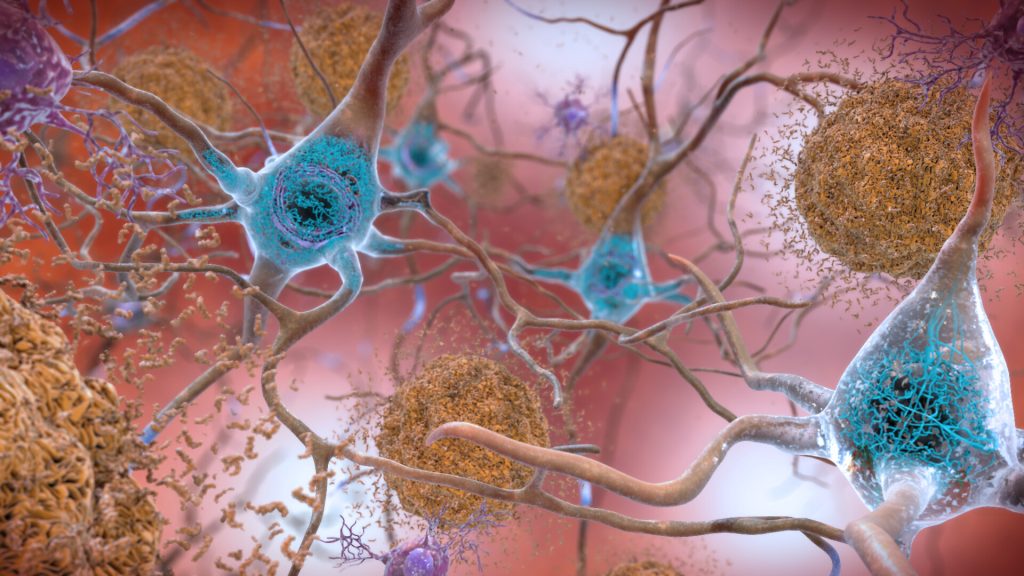
Neurons in the brain of an Alzheimer’s patient, with plaques caused by tau proteins. Credit: NIH

A study led by researchers in the University of Florida College of Pharmacy has found that a pair of popular glucose-lowering medications may have protective effects against the development of Alzheimer’s disease and related dementias in patients with Type 2 diabetes.

In research published in JAMA Neurology on April 7, UF researchers studied Medicare claims data of older adults with Type 2 diabetes to assess the association among glucagon-like peptide-1 receptor agonists, or GLP-1RAs, sodium-glucose cotransporter-2 inhibitors, or SGLT2is, and the risk of Alzheimer’s disease and related dementias.

The research is supported by funding from the National Institute on Aging and the National Institute of Diabetes and Digestive and Kidney Diseases, both part of the National Institutes of Health.

The data showed a statistically significant association between a lower risk of Alzheimer’s and the use of GLP-1RAs and SGLT2is compared with other glucose-lowering medications. According to the researchers, the findings indicated that the two drugs may have neuroprotective effects for people without diabetes and may help slow the rate of cognitive decline in Alzheimer’s patients.

Serena Jingchuan Guo, MD, PhD, an assistant professor of pharmaceutical outcomes and policy and the study’s senior author, said these findings may point to new therapeutic uses for drugs commonly used to treat Type 2 diabetes and obesity.

“It’s exciting that these diabetes medications may offer additional benefits, such as protecting brain health,” Guo said. “Based on our research, there is promising potential for GLP-1RAs and SGLT2is to be considered for Alzheimer’s disease prevention in the future. As use of these drugs continues to expand, it becomes increasingly important to understand their real-world benefits and risks across populations.”

As the study only included patients with Type 2 diabetes, Guo said next steps include evaluating the effects of the two drugs in broader populations by using recent, real-world data that captures their growing use in clinical settings.

“Future research should focus on identifying heterogeneous treatment effects – specifically, determining which patients are most likely to benefit and who may be at greater risk for safety concerns,” Guo said.

Source: University of Florida

What’s the Mechanism behind Behavioural Side Effects of GLP1RAs?

Photo by I Yunmai on Unsplash

Glucagon-like peptide 1 receptor agonists (GLP1RA) – medications for type 2 diabetes and obesity that have recently been making headlines due to a rise in popularity as weight loss agents – have been linked with behavioural side effects. A large population-based analysis in Diabetes, Obesity and Metabolism assessed whether certain genetic variants might help explain these effects.

GLP1RA mimic the GLP-1 hormone in the body that helps control insulin and blood glucose levels and promotes feelings of satiety. GLP-1 binds to GLP1R on cells in the brain and pancreas.

Observational and epidemiological studies have shown that there may be neutral or protective effects of GLP1RAs on mental health symptoms. However, a study based on individuals taking GLP1RA suggests there is increased prescription of anti-depressants when used for treatment of diabetes. Early evidence in animal models suggest GLP1RA may decrease depressive and anxious symptoms, potentially presenting new treatment pathways; however, comparing these studies to human clinical evidence will not be possible for some time.

For the analysis, investigators examined common genetic variants in the GLP1R gene in 408 774 white British, 50 314 white European, 7 667 South Asian, 10 437 multiple ancestry, and 7641 African-Caribbean individuals.

Variants in the GLP1R gene had consistent associations with cardiometabolic traits (body mass index, blood pressure, and type 2 diabetes) across ancestries. GLP1R variants were also linked with risk-taking behavior, mood instability, chronic pain, and anxiety in most ancestries, but the results were less consistent. The genetic variants influencing cardiometabolic traits were separate from those influencing behavioral changes and separate from those influencing expression levels of the GLP1R gene.

The findings suggest that any observed behavioral changes with GLP1RA are likely not acting directly through GLP1R.

“Whilst it is not possible to directly compare genetic findings to the effects of a drug, our results suggest that behavioural changes are unlikely to be a direct result of the GLPRAs. Exactly how these indirect effects are occurring is currently unclear,” said corresponding author Rona J. Strawbridge, PhD, of the University of Glasgow, in the UK.

Source: Wiley

GLP-1 Receptor Agonists also Protect the Kidneys, Study Shows

GLP-1 agonists significantly reduced kidney deterioration and failure, regardless of diabetes status

Chronic kidney disease (CKD). Credit: Scientific Animations CC4.0

The biggest and most comprehensive analysis of glucagon-like peptide-1 (GLP-1) receptor agonists on kidney and cardiovascular outcomes shows they have significant benefits in people with and without diabetes.1 Findings appear in The Lancet Diabetes & Endocrinology.

Originally developed to treat diabetes, GLP-1 receptor agonists mimic the action of glucagon-like peptide 1, a hormone which stimulates insulin production and lowers blood sugar levels. More recently, they have emerged as effective treatments for obesity – slowing digestion, increasing satiety and reducing hunger. 

But while the benefits of GLP-1 receptor agonists for the treatment of type 2 diabetes, obesity and cardiovascular disease are well known, their impact on chronic kidney disease (CKD) has been less certain.

Researchers conducted a meta-analysis of 11 large-scale clinical trials of GLP-1 receptor agonists involving a total of 85 373 people (79.4% with type 2 diabetes and 20.6% with overweight or obesity and cardiovascular disease but without diabetes). Seven different GLP-1 receptor agonists were investigated among the trials. 

The results showed that compared to placebo, GLP-1 receptor agonists reduced the risk of kidney failure by 16% and the worsening of kidney function by 22% (defined by a drop in estimated glomerular filtration rate – a measure of how much blood the kidneys filter clean every minute – of at least 50%). The combined reduction in the risk of kidney failure, worsening kidney function, and death due to kidney disease was 19%. 

The analysis also confirmed previous findings that GLP-1 receptor agonists protect cardiovascular health, with a 14% reduction in the risk of cardiovascular death, non-fatal heart attack, and non-fatal stroke, compared to placebo. Death by any cause was 13% lower among patients treated with GLP-1 receptor agonists.

Lead author Professor Sunil Badve, Professorial Fellow at The George Institute for Global Health and UNSW Sydney said the study expanded current knowledge about this class of drugs in key areas, including benefits in people with CKD, and in people with and without diabetes. 

“This is the first study to show a clear benefit of GLP-1 receptor agonists on kidney failure or end-stage kidney disease, suggesting they have a key role in kidney-protective and heart-protective treatment for patients with common medical conditions like type 2 diabetes, overweight or obesity with cardiovascular disease, or CKD,” he said.

“These results are particularly important for patients with chronic kidney disease. It is a progressive condition eventually leading to kidney failure requiring dialysis or kidney transplantation and is associated with premature death, mostly from heart disease. It has a significant impact on patients’ quality of life and incurs substantial healthcare costs.” 

CKD is estimated to affect one in ten people worldwide, equivalent to around 850 million people.2 It is the tenth leading cause of death and is projected to become the fifth most common cause of death by 2050.3 Diabetes, cardiovascular disease and obesity are independent risk factors for CKD and represent a major global health burden.4

Source: George Institute for Global Health

References

  1. Badve S et al. Effects of glucagon-like peptide-1 receptor agonists on kidney and cardiovascular disease outcomes: a meta-analysis of randomised controlled trials. Lancet Diabetes Endocrinol. 2024. https://doi.org/10.1016/S2213-8587(24)00271-7
  2. Jager KJ, et al. A single number for advocacy and communication-worldwide more than 850 million individuals have kidney diseases. Kidney Int. 2019. https://doi.org/10.1016/j.kint.2019.07.012 
  3. GBD 2021 Forecasting Collaborators. Burden of disease scenarios for 204 countries and territories, 2022–2050: a forecasting analysis for the Global Burden of Disease Study 2021. Lancet. 2024. https://doi.org/10.1016/S0140-6736(24)00685-8 
  4. The Global Burden of Metabolic Risk Factors for Chronic Diseases Collaboration. Cardiovascular disease, chronic kidney disease, and diabetes mortality burden of cardio-metabolic risk factors between 1980 and 2010: comparative risk assessment. Lancet Diabetes Endocrinol. 2015. https://doi.org/10.1016/S2213-8587(14)70102-0