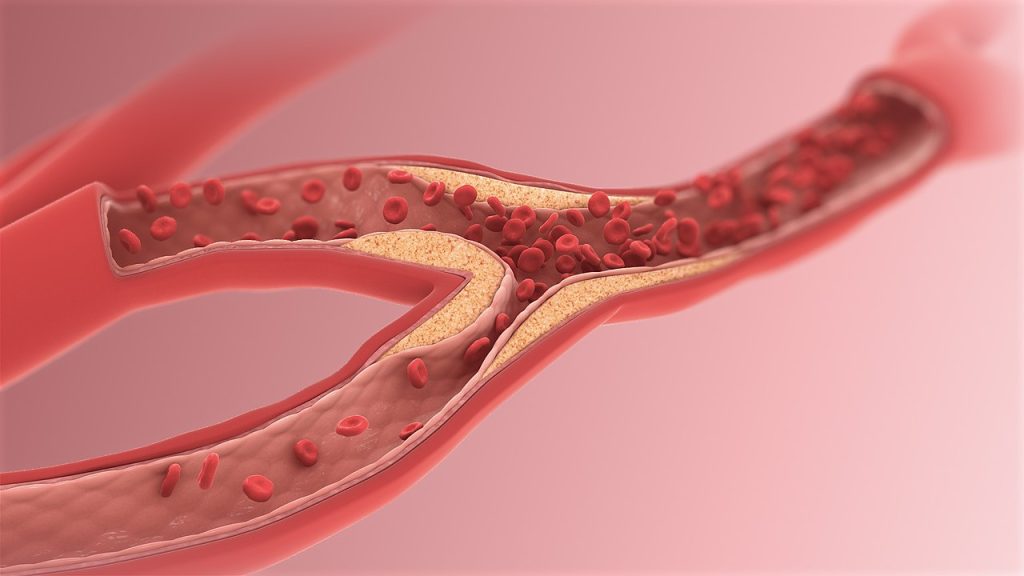
Cardiovascular risk factors are linked to higher risk of heart disease, but it has been unknown how they are related to abrupt closure of the coronary arteries leading to heart attack and sudden cardiac death. A new study by Mass General Brigham Heart and Vascular Institute investigators finds that people with higher modifiable risk factors burden such as high blood pressure, high cholesterol, diabetes, smoking and obesity have more widespread buildup of plaques in major coronary arteries. Furthermore, these modifiable factors were associated with more unstable, high-risk plaques that are prone to rupture and cause heart attacks. Results are published in JACC: Advances.
“The higher the number of vulnerable, or rupture-prone plaques, the greater the chance that one of them will trigger an adverse event,” said senior author Ik-Kyung Jang, MD, PhD, at the Mass General Brigham Heart and Vascular Institute. “Our findings highlight the importance of early, intensive and sustained interventions to control the modifiable risk factors and prevent future events.”
To better understand how modifiable risk factors and non-modifiable risk factors (including age, sex and family history of heart disease) influence dangerous plaque buildup, the research team examined plaque burden and plaque characteristics across all three major coronary arteries. They analysed 534 plaques in 131 patients who underwent optical coherence tomography (OCT), an intravascular imaging modality that can visualise plaques at high resolution.
The researchers reported that patients with more risk factors had more plaques across all three coronary arteries. In addition, greater number of modifiable risk factors was associated with fewer stable plaques and more prevalent vulnerable plaque features such as lipid plaques with thin fibrous caps that are susceptible to disruption. In contrast, non-modifiable risk factors were associated with more stable plaque phenotypes.
The authors note that prospective research involving larger cohorts, including patients who have previously been treated for blocked coronary arteries, is needed to generalise their findings.
Study provides much-needed benchmark with finding that alcohol consumption is associated with increased risk above one drink per day for both men and women
Photo by Pavel Danilyuk on Pexels
Even what many consider to be moderate drinking is linked to an increased risk of death, disability, and chronic diseases such as cancer and heart disease, according to a new study published in the Journal of Studies on Alcohol and Drugs.
“This study provides the most comprehensive US estimates to date of lifetime risks of alcohol-attributable mortality and morbidity, showing that even moderate levels of consumption increase the risk of premature death and disability,” said study co-author Katherine M. Keyes, PhD, professor of Epidemiology at Columbia University Mailman School of Public Health. “No protective effect of drinking was observed even at low levels,” noted Keyes, whose research focuses on alcohol use and other substances epidemiology across the life course.
The findings show mortality risk from alcohol of 1 in 25 for people who consumed an average of 14 drinks per week. In contrast, drinking up to 7 drinks per week was associated with only minimally elevated risks for most conditions.
“Even low levels of alcohol use come with health risks,” says first study author Kevin Shield, PhD, an associate professor at the University of Toronto and a senior scientist who leads the World Health Organization (WHO)/Pan American Health Organization (PAHO) Collaborating Centre in Addiction and Mental Health. “And that risk continues to increase the more someone drinks.”
The researchers, from the United States and Canada, aimed to estimate how lifetime drinking habits affect Americans’ risk of illness and death related to alcohol. After medical experts reviewed more than 7200 scientific articles on alcohol-related diseases and injuries to determine the level of risk for each condition, the researchers applied those risks to large national health data sets. They then used statistical modelling to estimate how different drinking levels influence long-term health outcomes.
The study offers more concrete guidance than the new US Dietary Guidelines, which currently advise Americans to “limit alcoholic beverages” without specifying how much alcohol is safe to drink. Previous guidelines recommended a daily limit of two alcoholic drinks for men and one for women. The definition of a ‘drink’ varies by beverage type, typically 12 ounces (340mL) for beer, 5 ounces (140mL) for wine, and 1.5 ounces (40mL)for spirits, although that too can vary by alcohol concentration.
While the new US Dietary Guidelines contain a useful ‘less-is-best’ message, they provide no quantitative framework, according to the authors. This study was designed to do just that across the drinking spectrum.
It turns out that an average of two drinks per day, which might be considered ‘moderate’ from a social standpoint, is associated with a substantially elevated risk of a premature death caused by alcohol, they explain.
In addition to mortality risk, researchers examined how drinking patterns influence chronic and acute alcohol-related conditions such as cancer – including oesophageal, oral, and breast – cardiovascular disease, liver disease, and injury.
The study overturns a common misconception that alcohol can protect health. The researchers did not observe a significant protective effect of alcohol on overall health at any level of consumption. They noted that at low levels, alcohol may be associated with a reduced risk of ischemic heart disease and stroke. But when you look across the full range of health outcomes, including cancer and other chronic diseases, those potential benefits are outweighed by the risks even at 7 drinks per week.
Statistical modelling used in the study to determine health risks was based on “the best possible data,” according to the team. But they caution one should not assume that means one person’s individual health risk is the same as what is reported here – that depends on other factors like lifestyle, genetics, drinking patterns, and other choices that differ person to person.
The researchers estimated risk for all health conditions known to be causally related to alcohol and then aggregated these estimates to determine the total health risk. Yet, new research continues to emerge that links alcohol with additional health conditions, such as pancreatic cancer. “Understanding those relationships, and how much alcohol contributes to those risks, is an area that still needs further work,” says Keyes and Shield.
By finding that alcohol consumption is associated with increased risk above one drink per day for both men and women, the study offers a much-needed benchmark.
“Having a clearer threshold helps people better understand what level of drinking is associated with increased risk and make more informed decisions when drinking.”
In an accompanying editorial, Robert M. Vincent, a former associate administrator for the US Substance Abuse and Mental Health Services Administration, discusses his view of the behind-the-scenes environment in which the study was produced. “The Alcohol Intake and Health report was explicitly invited to inform alcohol guidance during development of the Dietary Guidelines for Americans, 2025–2030,” he writes. “Despite the study’s adherence to its mandate, its findings were sidelined.”
See the paper for a full list of co-authors and their institutions.
Doctors should consider treating high cholesterol much earlier and more aggressively than they have in the past, according to a new perspective by Weill Cornell Medicine, New York-Presbyterian and Yale School of Medicine investigators. The updated 2026 cholesterol management guidelines from the American College of Cardiology and the American Heart Association encourage doctors to identify risk earlier and intervene before heart attacks and strokes happen. Heart disease remains the leading cause of death in the United States.
The perspective, published May 19 in the Journal of the American College of Cardiology, highlights the role and potential for primary care clinicians to implement the guidelines, while also acknowledging the challenges they may face.
“Primary care clinicians are really the backbone of patient care, especially when it comes to cardiovascular prevention. Due to our longitudinal relationships with patients we are uniquely positioned to reinforce healthy behaviours related to diet, exercise, sleep and smoking,” said Dr Madeline R. Sterling, associate professor of medicine at Weill Cornell and an internist at NewYork-Presbyterian/Weill Cornell Medical Center, and lead author of the perspective. Dr Sterling also served as the Inaugural Chair of the Primary Care Science Committee at the American Heart Association. “Primary care clinicians can screen patients earlier, assess lifetime cardiovascular risk and consider additional risk factors to enhance their management of dyslipidaemia.”
Dr. Erica S. Spatz, associate professor of cardiology and epidemiology at Yale School of Medicine, also co-authored the perspective.
In the past, treatment decisions often focused on whether someone was likely to have a heart attack or stroke within the next 10 years. However, even younger adults with moderately elevated cholesterol may benefit from earlier intervention if they carry other hidden risks, the authors said.
To better identify those risks, the new guidelines recommend that doctors look beyond standard cholesterol tests and use newer tools including measuring lipoprotein(a), or Lp(a), a genetically inherited cholesterol-related particle linked to heart disease, as well as coronary artery calcium (CAC) scans that can detect silent plaque buildup in the heart’s arteries.
Overall, the guidelines recommend a more aggressive approach to lipid management, including a focus on the cumulative damage cholesterol can cause over a lifetime. This may include starting a statin medication earlier along with lifestyle changes.
But implementing these recommendations may be challenging in practice, Dr Sterling said
Primary care clinicians often must address competing medical concerns during office visits, which tend to be short. Explaining lifetime cardiovascular risk, advanced cholesterol testing and preventive medications can require detailed conversations that need to occur over time and in concert with cardiologists and other specialists.
Experts also worry that without careful implementation, these advances could widen existing health disparities. Some advanced tests and newer cholesterol-lowering medications may not be covered by insurance or readily available in all communities.
Drs Sterling and Spatz say successful adoption will likely require better insurance coverage, improved electronic health record tools, patient education efforts, and stronger collaboration between primary care clinicians and specialists, including research and implementation efforts.
The guidelines also promote team-based care, where nurses, pharmacists and specialists help patients manage medications and reach cholesterol targets.
Ultimately, a multi-pronged approach will be necessary for the guideline recommendations to be consistently translated into practice, Dr Sterling said.
A study conducted in an Indian population has identified new molecular pathways that contribute to cardiovascular disease, which had not been reported previously in studies of Europeans. Dharambir Sanghera of the University of Oklahoma Health Sciences Center, US, led the new study, which was published April 23rd in the open access journal PLOS Medicine.
Worldwide, rates of cardiometabolic disease, which includes obesity, Type 2 diabetes and heart disease, are on the rise, and South Asian people living abroad appear to be especially susceptible. Previous studies have looked for genes that influence the levels of various breakdown products of lipids in the blood and their connection to different diseases, but most of this research has been conducted in people of European ancestry.
In the new study, researchers looked at how genetics influenced the levels of 516 lipid metabolites in the blood of 3000 Punjabi Sikh individuals, in an effort to better understand how these genetic pathways contribute to disease in different ethnic groups. They compared their findings to previous results from more than 1 million Europeans and 15 000 individuals with Indian ancestry. The team identified new genetic pathways that link specific lipid metabolites to disease. Notably, they confirmed that one metabolite, LPC O-16:0, which is known to be involved with immune cell signaling and inflammation, influences Type 2 diabetes risk. They also identified a genetic variant that may protect Indians from developing heart disease by modulating levels of the metabolite PC 38:4.
These findings offer new insights into the diverse molecular origins of cardiometabolic disease and provide potential pathways to be explored for designing innovative therapies. The researchers conclude that including more non-European participants in this type of research would help in identifying distinct disease subtypes linked to different genetic pathways. These advances would likely be beneficial in clinical practice by enabling more personalised therapies and preventive strategies for people from different backgrounds.
The authors add, “This study reveals new genetic pathways and lipid markers that contribute to type 2 diabetes and heart disease, specifically emphasising how immune system signaling affects metabolic health. By identifying unique genetic signatures in Asian Indians, the research advocates for ancestry-specific medical approaches to address chronic immuno-vascular conditions in cardiometabolic disease.”
Mount Sinai researchers have created an analytic tool using machine learning that can predict cardiovascular disease risk in millions of patients with obstructive sleep apnoea, according to findings recently published in Nature Communications Medicine.
The team said their study is the first to provide estimates of whether continuous positive airway pressure (CPAP), a widely used therapy for obstructive sleep apnoea, will increase or decrease an individual’s cardiovascular risk. It highlights the potential for precision medicine and varied approaches to tailor clinical care and reduce cardiovascular disease risk in vulnerable patients.
Obstructive sleep apnoea is a common, serious condition in which breathing repeatedly stops and starts during sleep. It is associated with elevated risks for cardiovascular disease, including stroke and heart disease. CPAP, which provides a continuous stream of pressurised air through a mask and helps eliminate breathing disturbances during sleep, remains the most effective treatment for sleep apnoea. However, prior large studies have not shown that CPAP lowers risks for cardiovascular disease in patients with this disease.
The Mount Sinai researchers used a machine learning algorithm to create an analysis model that predicts how CPAP could affect an individual’s cardiovascular health – estimating each patient’s likeliness of benefit or harm from the therapy, based on their sleep and health information.
“Our findings represent a significant advancement in personalised medicine, moving away from a one-size-fits-all strategy in the treatment of obstructive sleep apnoea,” said co-corresponding author Neomi A. Shah, MD, MPH, MSc, ATSF, Professor of Medicine (Pulmonary, Critical Care and Sleep Medicine) and Artificial Intelligence and Human Health, and System Vice Chair of Faculty Affairs for the Department of Medicine at Icahn School of Medicine at Mount Sinai. “This underscores the value of new data-driven approaches like our model to assist clinicians in making informed decisions about CPAP treatment recommendations, enhancing personalised care to meet the individual needs of every patient.”
The Mount Sinai team analysed data from the Sleep Apnea Cardiovascular Endpoints (SAVE) trial, the largest clinical cohort evaluating CPAP for cardiovascular disease prevention with more than 2,600 participants from 89 sites in seven countries, to estimate individualised treatment effect scores. They considered more than 100 predictors from sleep and health information to establish 23 key baseline features, such as prior medical conditions and smoking status, in their analysis model.
The researchers found that treatment response significantly varied across the cohort. The model identified a subgroup who were expected to have improved cardiovascular risk with CPAP treatment; participants in this subgroup who were randomly assigned to receive the therapy experienced a 100-fold improvement in future cardiac risk compared with patients from this subgroup on usual care. Conversely, those in a subgroup predicted to be harmed by the therapy experienced a greater than 100-fold increase in cardiovascular disease outcomes, including recurrent strokes and heart attacks, when receiving CPAP compared with usual care.
“These results demonstrate the power of machine learning for prediction of treatment effects in an era of precision medicine; however, such models require careful validation to prove their utility in clinical practice,” said co-primary author Oren Cohen, MD, Assistant Professor of Medicine (Pulmonary, Critical Care and Sleep Medicine) at the Icahn School of Medicine.
“Artificial intelligence in medicine must move beyond pattern recognition to causal reasoning,” said co-corresponding author Mayte Suarez-Farinas, PhD, Co-Director for the Division of Biostatistics and Data Science, and Professor of Population Health Science and Policy, and Artificial Intelligence and Human Health, at the Icahn School of Medicine. “By estimating individualised treatment effects over time using randomised clinical trial data, we move predictive AI toward decision-support tools grounded in causality and capable of informing real-world treatment decisions and improving outcomes.”
People who use drugs with anticholinergic effects, including certain antidepressants, drugs for urinary incontinence and common antihistamines, are at higher risk of developing cardiovascular disease. This is shown in a new study from Karolinska Institutet published in BMC Medicine.
Anticholinergic drugs reduce the effect of the neurotransmitter acetylcholine and are commonly prescribed to middle-aged and older people. This large group of drugs includes antihistamines used for allergic conditions, anxiety or insomnia, drugs for urinary incontinence, and certain antidepressants, where tricyclic antidepressants have a strong anticholinergic effect, whereas SSRIs have a weaker effect. A high cumulative use of these drugs, referred to as anticholinergic burden (see fact box), has previously been linked to impaired cognitive ability.
May affect heart regulation
The new study suggests that the drugs may also affect the parasympathetic nervous system and thereby the regulation of the cardiovascular system. The results show that it may be important to monitor the total drug burden in everyday clinical practice.
The study included more than 500 000 people in Stockholm who were 45 years of age or older and had no prior cardiovascular disease, except for hypertension, at the start of the study. The researchers followed the participants for up to 14 years and analysed how the use of anticholinergic drugs was associated with the development of cardiovascular disease.
“Many of these drugs are used by older people and by people with multiple medical conditions. We wanted to investigate whether the total exposure had any significance for the risk of developing cardiovascular disease over time,” says Nanbo Zhu, postdoctoral researcher at the Department of Neurobiology, Care Sciences and Society, Karolinska Institutet.
71 per cent higher cardiac risk
The study showed that the risk of cardiovascular disease increased in line with how much anticholinergic medication the participants used each year. Those with the highest exposure had a 71% higher risk of a cardiovascular event than people who did not use anticholinergic medication at all. The association was seen for all types of cardiovascular disease but was particularly clear for heart failure and various forms of arrhythmia.
“Our results indicate that the cumulative drug burden can affect heart regulation, not only in the short term but also over the long term. This does not mean that the drugs should always be avoided, but that exposure should be monitored carefully,” says Hong Xu, assistant professor at the Department of Neurobiology, Care Sciences and Society.
The researchers point out that the study is observational, meaning it cannot establish a causal relationship. Other factors, such as underlying diseases, may also influence the associations.
The work was carried out within the Stockholm CREAtinine Measurements project in collaboration between several research groups at Karolinska Institutet and Region Stockholm. The study was funded by the Swedish Research Council, the Center for Innovative Medicine Foundation, and other foundations.
Some researchers report assignments for the pharmaceutical industry, which are disclosed in the scientific publication.
Anticholinergic drugs in the study were identified based on the Anticholinergic Cognitive Burden (ACB) scale, a tool used in research and clinical contexts. The scale covers a wide range of different drugs that are scored between 1 and 3, depending on how much the drug blocks the neurotransmitter acetylcholine. The consumption of these drugs is added up to estimate a patient’s anticholinergic burden. The drugs included in ACB are listed in table S1 in the study’s supplementary information.
The longer a person has type 2 diabetes, the greater the risk of cardiovascular disease. A new study from Karolinska Institutet, published in the journal Diabetes, shows that changes in red blood cells may be an important explanation, and identifies a specific molecule as a possible biomarker.
People with type 2 diabetes are at increased risk of heart attack and stroke, and the risk increases the longer they have lived with the disease. Previous research has shown that red blood cells can affect blood vessel function in diabetes. Now, a new study shows that the duration of the disease plays a decisive role in when and how these changes occur – and that long-term type 2 diabetes can make red blood cells directly harmful to blood vessels.
The researchers studied both animals and patients with type 2 diabetes. Red blood cells from mice with long-term diabetes and patients who had had the disease for over seven years had a harmful effect on blood vessel function. No such effect was seen in newly diagnosed individuals, but after seven years of follow-up, their blood cells had developed the same harmful properties. When the researchers restored the levels of microRNA-210 in the red blood cells, vascular function improved.
“What really stands out in our study is that it is not only the presence of type 2 diabetes that matters, but how long you have had the disease. It is only after several years that red blood cells develop a harmful effect on blood vessels,” says Zhichao Zhou, associate professor at the Department of Medicine, Solna, Karolinska Institutet, and lead author of the study.
The study points to microRNA-210 in red blood cells as a possible biomarker for early detection of the risk of cardiovascular complications. Researchers are now working to investigate whether this can be used in larger population studies.
“If we can identify which patients are at greatest risk before vascular damage has already occurred, we can also become better at preventing complications,” says Eftychia Kontidou, doctoral student from the same group and the first author of the study.
Spending too long sitting raises the risk of heart disease and diabetes in people over 60, warns a major global review. Published in the Journal of Physical Activity and Health, the review analysed data from 28 international studies involving 82 000 people aged 60 and older.
It flags strong links between sitting time and worsening markers for chronic disease including high blood sugar, cholesterol, waist size, and blood pressure. And that’s even for people who exercise regularly.
That means — whether watching TV, using a tablet or reading a book — the longer older people sit, the higher their risk of major health problems like heart disease, stroke, and type 2 diabetes.
“This is a link we can’t ignore,” said Dr Daniel Bailey, Reader in Sedentary Behaviour and Health at the Department of Life Sciences, Brunel University of London. “You can meet the weekly exercise target, but if you spend the rest of the day sitting, your health is still at risk.”
In the UK, where more than 12 million people are aged 65 or older, older adults can spend up to 80% of their waking hours sitting down and longer during winter or for people with mobility issues. That means millions may be unknowingly accumulating risks day after day — a concern for families, carers, and health professionals.
One of the most revealing findings was that the harmful effect of sitting for long periods showed up even in otherwise healthy older adults, not just those already diagnosed with illness. Waist measurement, a major predictor of health risk, had the strongest, most consistent link with sitting time.
“We’re seeing these impacts in people who don’t yet feel unwell,” said Dr Bailey. “That means we have a chance to intervene early and protect health before problems start.”
Importantly, the study found limited protective effect from exercise alone. After accounting for how active people were, the damage from long hours of sitting remains.
“The evidence is clear. We urgently need strategies that don’t just encourage exercise, but also help people sit less throughout the day,” said Dr Bailey. “Simple changes make a difference —standing during phone calls, replacing some TV time with gardening or a stroll, or light chores around the house.”
The study by Brunel University of London, the University of Lincoln, Federation University in Australia, and the University of Bedfordshire is the most comprehensive analysis to date linking sedentary behaviour to cardiometabolic risk in later life. As the NHS contends with rising rates of diabetes and heart disease, it spells out to policymakers that keeping moving throughout the day is as vital as structured exercise.
Dr Bailey stressed the shared role of public services, community groups and healthcare professionals to help older people avoid sitting for long stretches: “From GP advice to local councils and charities, there’s a role for everyone in changing the message.”
A new ACC Scientific Statement on Inflammation and Cardiovascular Disease (CVD) highlights new groundbreaking research linking inflammation atherosclerotic cardiovascular disease (ASCVD) and provides consensus-based recommendations for evaluation, treatment and prevention reflecting this new era.
“The evidence linking inflammation with ASCVD is no longer exploratory but is compelling and clinically actionable,” write the authors, led by Writing Committee Chair George A. Mensah, MD, FACC. “The time for taking action has now arrived.”
Published in JACC, the Statement includes specific recommendations for screening, evaluation, and CVD risk assessment; inflammatory biomarkers in cardiovascular imaging; inflammation inhibition in behavioural and lifestyle risks; and anti-inflammatory approaches in primary and secondary prevention, as well as in heart failure and other cardiovascular diseases.
Among the key takeaways:
High-sensitivity C-reactive protein (hsCRP) is an inexpensive and widely available blood test. While there has been debate within the medical community regarding the utility of hsCRP, this statement details the data confirming its value in clinical decision making in primary and secondary prevention.
In patients with known CVD, hsCRP level is at least as predictive of future events as LDL cholesterol levels, even in patients treated with statin therapy.
The important role of lifestyle interventions to reduce systemic inflammation is emphasised, including regular exercise (at least 150 minutes/week), Mediterranean or DASH Diet, and intake of omega-3 fatty acids, including two to three meals per week of fatty fish high in EPA and DHA. This advice aligns with lifestyle management recommendations in the 2025 ACC/AHA High Blood Pressure Guideline
The Statement also discusses current challenges and opportunities based on the new evidence, exploring topics like the advancing field of cardioimmunology and areas for further research, such as the interplay between inflammation and key physiological systems, the role of novel special pro-resolving bioactive lipid molecules in promoting the resolution of inflammation and CVD risk reduction, and more.
The authors close with a call for action to “embrace anti-inflammatory interventions in patients with established ASCVD” and for clinical practice guidelines that implement “broad screening of primary and secondary prevention patients for hsCRP, in combination with LDL cholesterol.” Additionally, they note: “The time is also ripe for the development of strategies to promote increased physician awareness of the crucial role of inflammation in CVD and accelerate the adoption of evidence-based, guideline-directed anti-inflammatory therapy through dissemination and implementation research.”
Researchers found that low-dose colchicine can be used to reduce heart attacks and strokes in high-risk patients
Photo by Towfiqu Barbhuiya on Unsplash
A widely-used, inexpensive gout drug could reduce heart attacks and strokes in people with cardiovascular disease, according to a new Cochrane review.
The review examined the effects of low doses of colchicine, a drug used to treat gout, and found no increase in serious side effects.
Cardiovascular disease is often driven by chronic low-grade inflammation, which contributes to recurrent cardiovascular events such as heart attacks and strokes. Colchicine has anti-inflammatory properties that make it a promising option for people with heart disease.
A promising effect on cardiovascular risk
The review included 12 randomised controlled trials involving nearly 23 000 people with a history of heart disease, heart attack or stroke. The studies looked at patients who took colchicine for at least six months, with doses of 0.5mg once or twice a day. Most participants were male (~80%) and the mean age was 57 to 74 years old. Half received colchicine, while the other half received either a placebo or no additional treatment alongside their usual care.
Overall, those taking low-dose colchicine were less likely to experience a heart attack or stroke. For every 1000 people treated, there were 9 fewer heart attacks and 8 fewer strokes compared with those not taking the drug. Whilst there were no serious adverse events identified, patients who took colchicine were more likely to have stomach or digestive side effects, but these were usually mild and didn’t last long.
Among 200 people with cardiovascular disease – where we would normally expect around seven heart attacks and four strokes – using low-dose colchicine could prevent about two of each. Reductions like this can make a real difference for patients who live with ongoing, lifelong cardiovascular risk.
– Dr Ramin Ebrahimi, co-lead author from the University Medicine Greifswald, Germany
A new use for a long-established medicine
As cardiovascular diseases are the leading cause of death globally, colchicine presents a promising inexpensive and accessible option for secondary prevention in high-risk patients.
These results come from publicly funded trials repurposing a very old, low-cost drug for an entirely new use. It shows the power of academic research to reveal treatment opportunities that traditional drug development often overlooks.
– Lars Hemkens, senior author from the University of Bern, Switzerland
The evidence is less clear when it comes to whether colchicine affects overall death rates or the need for procedures like coronary revascularisation. The studies didn’t provide any information to say whether the drug improves quality of life or reduces hospital stays. The authors stress that further research is needed in these areas.