Tag: Type 2 diabetes

Could a New Type of Weight‑loss Pill Shake up the Market? Here’s What to Know About Orforglipron

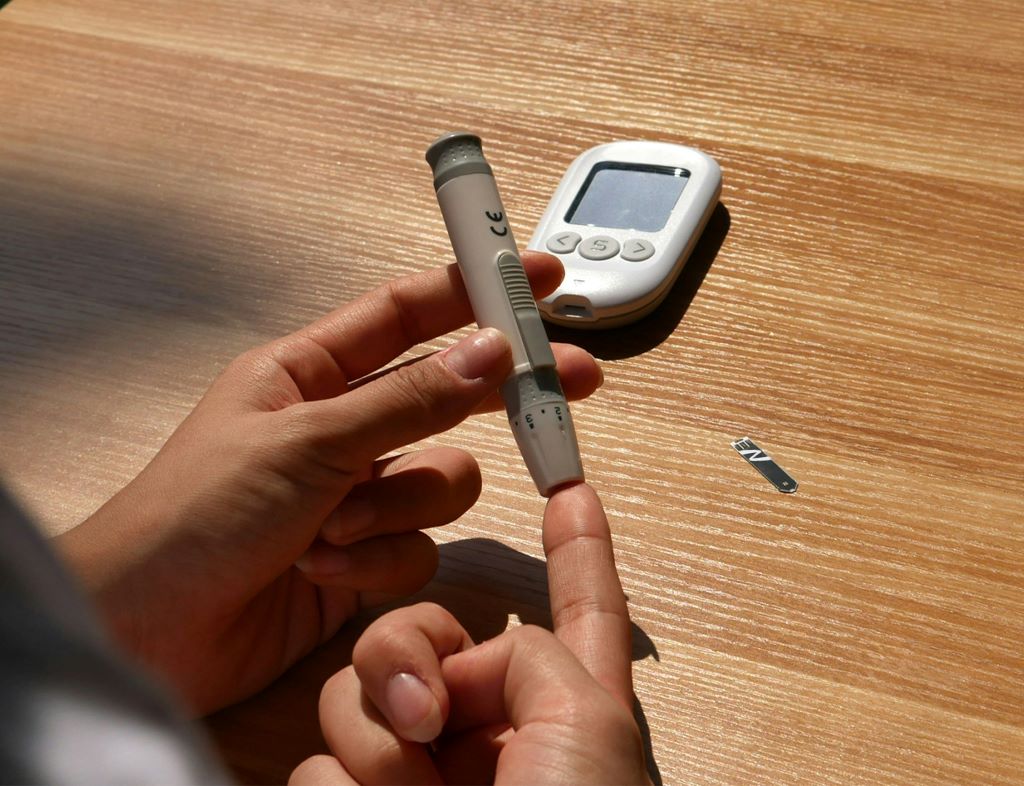
Photo by Sweet Life on Unsplash

Martin Whyte, University of Surrey

A new type of daily pill has proven more effective for weight loss and blood sugar control than its currently available counterparts, according to a recent trial. The drug, known as orforglipron, could be a game-changer in the rapidly expanding oral weight-loss drug market.

The advent of the injectable weight-loss drug semaglutide (known better by its brand names Wegovy and Ozempic) marked a distinct shift in the weight-loss drugs market when it became available just a few years ago.

Semaglutide is a class of glucagon-like peptide-1 (GLP-1) medication. These drugs mimic the gut hormone GLP-1, which is released soon after eating. This hormone signals fullness to the brain, slowing digestion and stimulating the release of insulin. By replicating the action of this hormone, GLP-1 drugs have proven highly effective at managing type 2 diabetes and promoting weight loss.

Although semaglutide is widely used, a key issue with the drug is that it needs to be injected into the belly, thighs or back of the arm. This can make it difficult for patients with needle phobia or who don’t want to self-inject due to the inconvenience.

Another logistical issue with injectable GLP-1 drugs is that they require refrigeration throughout the supply chain. This can pose a challenge in low- and middle-income countries.

It’s for these reasons that researchers and developers have started investigating the efficacy of oral versions of semaglutide.

Based on current research, it appears that oral semaglutide is very effective. However, it must be taken on an empty stomach – and users must wait 30 minutes before eating or drinking.

Alongside being expensive to produce, it also has poor bioavailability compared with injectable semaglutide. This means only about 1% of the ingested drug is absorbed and able to exert its effects.

But a recent phase 3 clinical trial has shown that a new type of oral weight-loss pill may have overcome these issues – proving to be more effective than the current oral semaglutide products on the market.

Oral weight-loss pill

The recent 52-week phase 3 trial involved 1,698 adults with type 2 diabetes across six countries. It set out to compare current oral semaglutide products against orforglipron, which is also taken as a daily tablet.

The primary measure researchers were looking for was a reduction in HbA1c. This blood test reflecting average blood sugar levels over three months is the standard indicator of diabetes control. Diabetes is present if HbA1c is 6.5% or more.

From a baseline average HbA1c of 8.3%, it was found that after 52 weeks, orforglipron was able to reduce this value by an average of 1.71–1.91%. In comparison, oral semaglutide only reduced HbA1c by 1.47%.

Not only did orforglipron meet the trial’s goals of proving it was as effective to oral semaglutide, it proved it was superior for lowering blood sugar. The participants who took orforglipron also lost more weight – an average of 6.1kg-8.2kg, compared with 5.3kg in those taking semaglutide.

However, a key issue highlighted by the trial was one of tolerability.

GLP-1 drugs can cause gastrointestinal side-effects such as nausea, vomiting, diarrhoea and constipation. In this latest trial, around 59% of participants on orforglipron reported such symptoms, compared with 37–45% on semaglutide.

The reason for this difference may be the more prominent, daily peak drug concentrations with orforglipron. The consequence was that around 10% of orforglipron participants discontinued treatment due to adverse effects. Just 4-5% of those taking semaglutide discontinued treatment.

Future studies may want to look at how orforglipron compares with injectable semaglutide. Photo by Haberdoedas on Unsplash

No head-to-head trials have been done of injectable GLP-1 versus orforglipron. However, the weight loss seen in this study of people with type 2 diabetes is broadly comparable with that previously observed with injectable GLP-1.

Market implications

The trial’s results show that orforglipron, which was developed by Eli Lilly, can be considered one of semaglutide’s most credible challengers.

Another remarkable thing about orforglipron is that it belongs to a new category of drugs called small-molecule drugs. This means it’s a synthetic chemical compound small enough to be absorbed directly through the gut wall. There, it’s able to act on GLP-1 receptors, even though it isn’t of a similar structure to a GLP-1 hormone.

Oral semaglutide, on the other hand, is a peptide drug. This means the structure of its amino acids (one of the building blocks of protein) closely resembles that of the natural GLP-1 hormone.

As a small-molecule drug, orforglipron is cheaper and simpler to manufacture than peptide-based drugs such as semaglutide.

And as with oral semaglutide, it requires no refrigeration. This gives it a logistical advantage over injectable GLP-1 formulations – a potentially important consideration for expanding access in low- and middle-income countries, where cold chain infrastructure is unreliable.

It remains to be seen, however, how orforglipron will perform against oral semaglutide in the broader market.

Although this latest trial has shown it is superior for controlling blood sugar and aiding weight loss, its higher rate of side-effects and treatment discontinuation may temper enthusiasm. In a crowded and competitive market, long-term adherence – shaped as much by tolerability as by efficacy – is probably a critical differentiator.

Orforglipron is still undergoing trials in patients with obesity but without diabetes.

Martin Whyte, Associate Professor of Metabolic Medicine, University of Surrey

This article is republished from The Conversation under a Creative Commons license. Read the original article.

New Study Explains How Long-term Diabetes Causes Vascular Damage

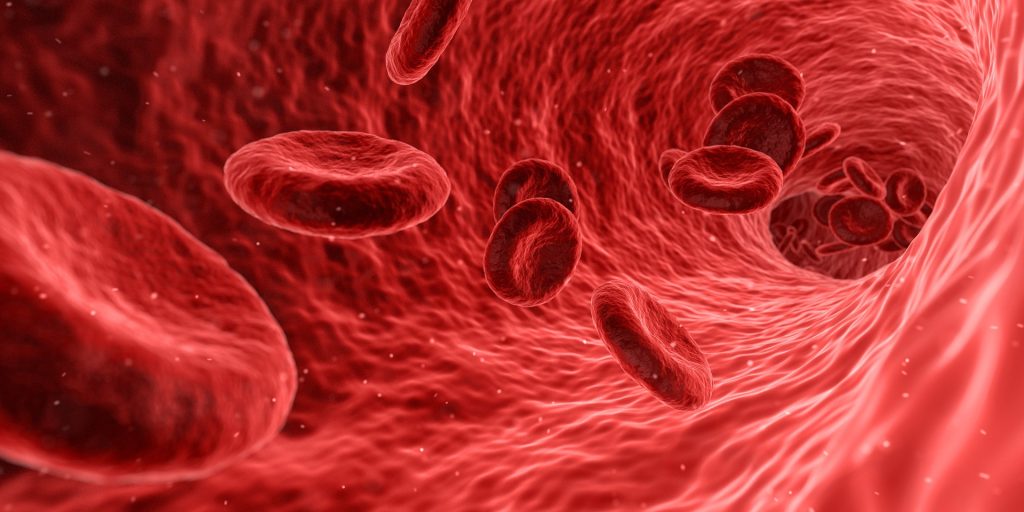
Source: CC0

The longer a person has type 2 diabetes, the greater the risk of cardiovascular disease. A new study from Karolinska Institutet, published in the journal Diabetes, shows that changes in red blood cells may be an important explanation, and identifies a specific molecule as a possible biomarker.

People with type 2 diabetes are at increased risk of heart attack and stroke, and the risk increases the longer they have lived with the disease. Previous research has shown that red blood cells can affect blood vessel function in diabetes. Now, a new study shows that the duration of the disease plays a decisive role in when and how these changes occur – and that long-term type 2 diabetes can make red blood cells directly harmful to blood vessels.

The researchers studied both animals and patients with type 2 diabetes. Red blood cells from mice with long-term diabetes and patients who had had the disease for over seven years had a harmful effect on blood vessel function. No such effect was seen in newly diagnosed individuals, but after seven years of follow-up, their blood cells had developed the same harmful properties. When the researchers restored the levels of microRNA-210 in the red blood cells, vascular function improved.

“What really stands out in our study is that it is not only the presence of type 2 diabetes that matters, but how long you have had the disease. It is only after several years that red blood cells develop a harmful effect on blood vessels,” says Zhichao Zhou, associate professor at the Department of Medicine, Solna, Karolinska Institutet, and lead author of the study.

The study points to microRNA-210 in red blood cells as a possible biomarker for early detection of the risk of cardiovascular complications. Researchers are now working to investigate whether this can be used in larger population studies.

“If we can identify which patients are at greatest risk before vascular damage has already occurred, we can also become better at preventing complications,” says Eftychia Kontidou, doctoral student from the same group and the first author of the study.

Source: Karolinska Institutet

Hidden Genetic Risk Could Delay Diabetes Diagnosis for Black and Asian Men

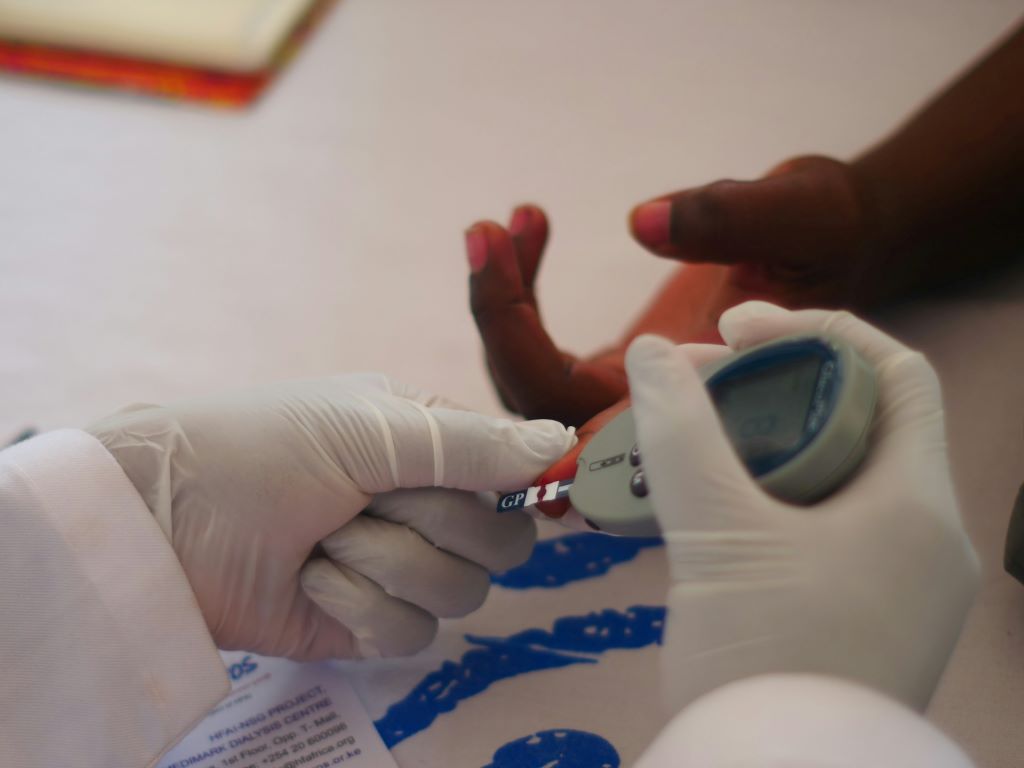
Photo by Wes Dissy on Unsplash

A common but often undiagnosed genetic condition may be causing delays in type 2 diabetes diagnoses and increasing the risk of serious complications for thousands of Black and South Asian men in the UK – and potentially millions worldwide.

The new study is conducted by the University of Exeter, in collaboration with Queen Mary University of London (QMUL). The findings, published in Diabetes Care, show that around one in seven Black and one in 63 South Asian men in the UK carry a genetic variant known as G6PD deficiency. Men with G6PD deficiency are, on average, diagnosed with type 2 diabetes four years later than those without the gene variant. But despite this, fewer than one in 50 have been diagnosed with the condition

G6PD deficiency does not cause diabetes, but it makes the widely used HbA1c blood test – which diagnoses and monitors diabetes – appear artificially low. This can mislead doctors and patients, resulting in delayed diabetes diagnosis and treatment.

Professor Inês Barroso from the University of Exeter said: “Our findings highlight the urgent need for changes to testing practices to tackle health inequalities. Doctors and health policy makers need to be aware that the HbA1c test may not be accurate for people with G6PD deficiency and routine G6PD screening could help identify those at risk. Addressing this issue is not only crucial for medicine, but for health equity.”

G6PD deficiency is a genetic condition that affects more than 400 million people worldwide, and is especially prevalent among those with African, Asian, Middle Eastern, and Mediterranean backgrounds. It is more common in men and usually goes undetected because it rarely causes symptoms. The World Health Organization recommends routine screening for G6PD deficiency in populations where it is common, but this is not widely implemented in the UK or many other countries.

This new study, supported by the National Institute for Health and Care Research Exeter Biomedical Research Centre, has found men with G6PD deficiency are at a 37% higher risk of developing diabetes-related microvascular complications, such as eye, kidney, and nerve damage, compared to other men with diabetes.

The HbA1c blood test is the international standard for managing type 2 diabetes and is used in 136 countries worldwide to diagnose diabetes, including being the routine test for diagnosis in the UK. However, for people with G6PD deficiency, this test may underestimate their blood sugar levels, causing significant medical delays and increasing their risk of serious complications.

Dr Veline L’Esperance, a GP and Senior Clinical Research Fellow at QMUL, said: “These findings are deeply concerning because they show how a widely used diagnostic tool may be failing communities that are already disproportionately affected by type 2 diabetes. Too many people are being left undiagnosed until it is too late to prevent serious complications. We need greater awareness among healthcare professionals and stronger policies to ensure equitable screening and diagnosis. That is why we are launching ‘Black Health Legacy’, which aims to be the largest health research programme focused on tackling diseases that disproportionately affect people from Black backgrounds. This is about saving lives and tackling long-standing inequalities in our healthcare system.”

The findings are based on genetic and health data from over half a million people in UK Biobank and Genes & Health studies. The research was conducted by a multidisciplinary team of clinicians and scientists, with the support of community partners, who linked the genetic data from each participant to their medical information. By doing this the team found men with the G6PD deficiency genetic variant were diagnosed at an older age compared to those without the condition. In addition, those with G6PD deficiency and diabetes also had more diabetes related complications. Researchers say further studies in more diverse populations are now needed to confirm these findings globally.

More information about Black Health Legacy can be found at https://blackhealthlegacy.org

Source: Exeter University

Pancreatic Alpha Cells also Secretly Produce Significant Amounts of GLP-1

New study uncovers natural hormone shift that could transform type 2 diabetes treatment

A 3D map of the islet density routes throughout the healthy human pancreas. Source: Wikimedia CC0

A new study from Duke University School of Medicine is challenging long-standing views on blood sugar regulation — and pointing to a surprising new ally in the fight against type 2 diabetes. 

Published in Science Advances, the research reveals that pancreatic alpha cells, once thought to only produce glucagon – a hormone that raises blood sugar to maintain energy when fasting or exercising – also generate GLP-1, a powerful hormone that boosts insulin release from beta cells and helps regulate glucose. GLP-1 is the same hormone mimicked by blockbuster drugs like semaglutide. 

Using mass spectrometry, Duke researchers found that human alpha cells may naturally produce far more bioactive GLP-1 than previously believed. 

Led by Duke scientist Jonathan Campbell, PhD, the team of obesity and diabetes researchers analysed pancreatic tissue from mice and from humans across a range of ages, body weights, and diabetes statuses. They found that human pancreatic tissue produces much higher levels of bioactive GLP-1 and that this production is directly linked to insulin secretion. 

“Alpha cells are more flexible than we imagined,” said Campbell, an associate professor in the Division of Endocrinology in the Department of Medicine and a member of the Duke Molecular Physiology Institute. “They can adjust their hormone output to support beta cells and maintain blood sugar balance.” 

This flexibility could change the approach to treating type 2 diabetes, where beta cells in the pancreas can’t make enough insulin to keep blood sugar at a healthy level. By boosting the body’s own GLP-1 production, it may offer a more natural way to support insulin and manage blood sugar.  

Switching gears 

In mouse studies, when scientists blocked glucagon production, they expected insulin levels to drop. Instead, alpha cells switched gears – ramping up GLP-1 production, improving glucose control, and triggering stronger insulin release.  

“We thought that removing glucagon would impair insulin secretion by disrupting alpha-to-beta cell signaling,” Campbell said. “Instead, it improved it. GLP-1 took over, and it turns out, it’s an even better stimulator of insulin than glucagon.” 

To test this further, researchers manipulated two enzymes: PC2, which drives glucagon production, and PC1, which produces GLP-1. Blocking PC2 boosted PC1 activity and improved glucose control. But when both enzymes were removed, insulin secretion dropped and blood sugar spiked – confirming the critical role of GLP-1. 

Implications for diabetes treatment 

While GLP-1 is typically made in the gut, the study confirms that alpha cells in the pancreas can also release GLP-1 into the bloodstream after eating. This helps to lower blood sugar by increasing insulin and reducing glucagon levels. 

Common metabolic stressors, like a high-fat diet, can increase GLP-1 production in alpha cells – but only modestly. That opens the door to future research: If scientists can find ways to safely boost GLP-1 output from alpha cells they may be able to naturally enhance insulin secretion in people with diabetes.  

But measuring GLP-1 accurately hasn’t been easy. The team developed a high-specificity mass spectrometry assay that detects only the bioactive form of GLP-1 – the version that actually stimulates insulin — not the inactive fragments that often muddy results. 

“This discovery shows that the body has a built-in backup plan,” Campbell said. “GLP-1 is simply a much more powerful signal for beta cells than glucagon. The ability to switch from glucagon to GLP-1 in times of metabolic stress may be a critical way the body maintains blood sugar control.” 

Source: Duke University

Considering Sex Hormones Led to Better Identification of Genes Linked to Type 2 Diabetes

Genomic and hormone study of white Europeans finds 22 additional disease-related variants

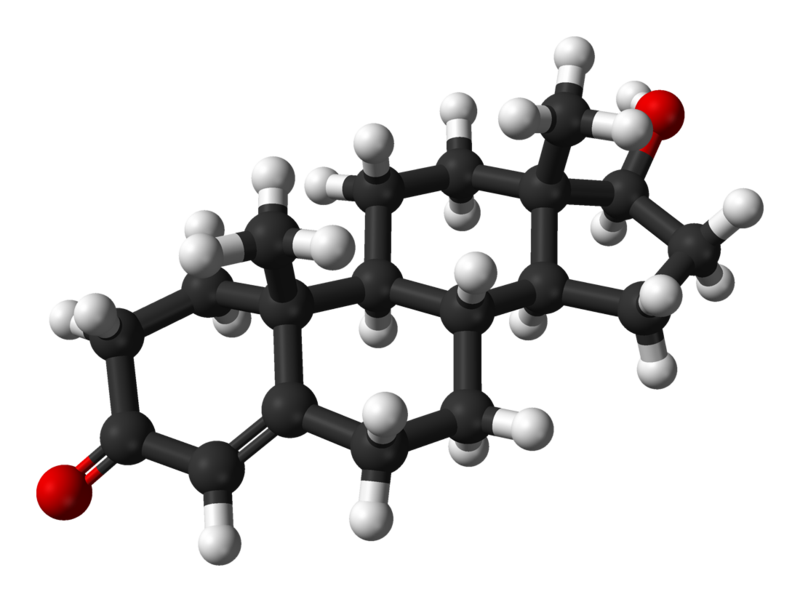
Ball and stick 3D model of testosterone. Source: Wikimedia CC0

Researchers identified almost two dozen previously unknown genetic variants linked to type 2 diabetes by including participants’ hormone levels in their analysis. Yan V. Sun of Emory University, USA, and colleagues reports these findings in the open-access journal PLOS Genetics.

Type 2 diabetes affects an increasing number of people worldwide, and more often affects men than women. The disease is caused by a mix of genetic and lifestyle factors, but little is known about how someone’s environment – both inside and outside the body – interacts with their genes to impact a person’s risk of developing the disease.

In the new study, researchers performed genome-wide interaction studies to investigate whether a person’s hormone levels interact with their genetic variants to affect their risk of developing type 2 diabetes. They grouped males and females independently and considered measurements of three types of sex hormones – total testosterone, bioavailable testosterone and sex-hormone binding globulin. The information came from white European participants in the UK Biobank, which contains biological samples and health data from half a million people.

The researchers used statistical analyses to identify relevant variants in the genomes of individuals with and without type 2 diabetes. By taking into account hormone levels, the analysis was able to identify 22 spots on the genome that increased a person’s risk for type 2 diabetes. These variants had not been reported previously in the most recent genomic study for type 2 diabetes.

The new study suggests that a person’s hormone levels may be interacting with their genes to increase their odds of having type 2 diabetes. For future studies, the researchers recommended that additional hormone measurements for each participant and more diverse cohorts should be included. They conclude that this approach, which includes environmental factors in genomic studies, may help us to identify additional disease-related genes and gain a better understanding of the mechanisms behind complex diseases.

The authors add, “We found that sex hormone levels contribute to differences in genetic risk factors for type 2 diabetes in men and women. By analyzing data for men and women separately, we identified new genetic associations with type 2 diabetes.”

The lead analyst, Amonae Dabbs-Brown notes, “I actually used to work at the CDC developing methods to measure some of these sex hormones. It’s really exciting to see what happens downstream. Maybe one day I’ll even get to see how these analyses are used in the clinic!”

Provided by PLOS

In your coverage, please use this URL to provide access to the freely available paper in PLOS Geneticshttps://plos.io/3ViXDKH

Contact: Rob Spahr [rob.spahr@emory.edu]

Citation: Dabbs-Brown A, Liu C, Hui Q, Wilson PW, Zhou JJ, Gwinn M, et al. (2025) Identification of gene-sex hormone interactions associated with type 2 diabetes among men and women. PLoS Genet 21(9): e1011470. https://doi.org/10.1371/journal.pgen.1011470

Author countries: United States

Funding: This work is supported in part by funding from the National Institutes of Health (HL154996 to YVS, DK139632 to YVS, and HL156991 to YVS). The funders had no role in study design, data collection and analysis, decision to publish, or preparation of the manuscript. YVS received salary support from the National Institutes of Health.

Competing interests: The authors have declared that no competing interests exist.

Unmasking a New Diabetes Subtype in Sub-Saharan Africa

Photo by Wes Dissy on Unsplash

In this month’s podcast, QuickNews looks at a new Lancet study, “Non-autoimmune, insulin-deficient diabetes in children and young adults in Africa.” In this study, researchers report that a significant subset of what has previously been classified as Type 1 diabetes in sub-Saharan Africa may in fact be a distinct, novel form of the disease.

The individuals in this subset did not exhibit the typical autoimmune markers (islet autoantibodies) usually found in classic Type 1 diabetes in other parts of the world. The researchers instead identified a novel, non-autoimmune, insulin-deficient subtype of diabetes that is also distinct from Type 2 diabetes.

Further evidence of this new subtype was found in Black individuals in the USA, albeit less frequently, but not in White individuals. The discovery throws a spotlight on the heterogeneity of diabetes diagnoses in sub-Saharan Africa, and points to the need to consider alternative causes and explore new prevention and treatment strategies for this distinct form of the disease.

Hibernation ‘Superpowers’ May Be Hidden in Human DNA

Photo by Sangharsh Lohakare on Unsplash

Animals that hibernate are incredibly resilient. They can spend months without food or water, muscles refusing to atrophy, body temperature dropping to near freezing as their metabolism and brain activity slow to a crawl. When they emerge from hibernation, they recover from dangerous health changes similar to those seen in type 2 diabetes, Alzheimer’s disease, and stroke.

New genetic research suggests that hibernating animals’ superpowers could lie hidden in human DNA – with clues on how to unlock them, perhaps one day leading to treatments that could reverse neurodegeneration and diabetes.

Two studies describing the results are published in Science.

The genetics of metabolism and obesity

A gene cluster called the “fat mass and obesity (FTO) locus” plays an important role in hibernators’ abilities, the researchers found. Intriguingly, humans have these genes too. “What’s striking about this region is that it is the strongest genetic risk factor for human obesity,” says Chris Gregg, PhD, professor in neurobiology and human genetics at University of Utah Health and senior author on the studies. But hibernators seem able to use genes in the FTO locus in new ways to their advantage.

The team identified hibernator-specific DNA regions that are near the FTO locus and that regulate the activity of neighbouring genes, tuning them up or down. The researchers speculate that adjusting the activity of neighbouring genes, including those in or near the FTO locus, allows hibernators to pack on the pounds before settling in for the winter, then slowly use their fat reserves for energy throughout hibernation.
 
Indeed, the hibernator-specific regulatory regions outside of the FTO locus seem crucial for tweaking metabolism. When the researchers mutated those hibernator-specific regions in mice, they saw changes in the mice’s weight and metabolism. Some mutations sped up or slowed down weight gain under specific dietary conditions; others affected the ability to recover body temperature after a hibernation-like state or tuned overall metabolic rate up or down. 

Intriguingly, the hibernator-specific DNA regions the researchers identified weren’t genes themselves. Instead, the regions were DNA sequences that contact nearby genes and turn their expression up or down, like an orchestra conductor fine-tuning the volume of many musicians. This means that mutating a single hibernator-specific region has wide-ranging effects extending far beyond the FTO locus, explains Susan Steinwand, research scientist in neurobiology at U of U Health and first author on one of the studies.  “When you knock out one of these elements – this one tiny, seemingly insignificant DNA region – the activity of hundreds of genes changes,” she says. “It’s pretty amazing.”
 
Understanding hibernators’ metabolic flexibility could lead to better treatments for human metabolic disorders like type 2 diabetes, the researchers say. “If we could regulate our genes a bit more like hibernators, maybe we could overcome type 2 diabetes the same way that a hibernator returns from hibernation back to a normal metabolic state,” says Elliott Ferris, MS, bioinformatician at U of U Health and first author on the other study.

Uncovering the regulation of hibernation

Finding the genetic regions that may enable hibernation is a problem akin to excavating needles from a massive DNA haystack. To narrow down the regions involved, the researchers used multiple independent whole-genome technologies to ask which regions might be relevant for hibernation. Then, they started looking for overlap between the results from each technique.

First, they looked for sequences of DNA that most mammals share but that had recently changed in hibernators. “If a region doesn’t change much from species to species for over 100 million years but then changes rapidly and dramatically in two hibernating mammals, then we think it points us to something that is important for hibernation, specifically,” Ferris says.

To understand the biological processes that underlie hibernation, the researchers tested for and identified genes that turn up or down during fasting in mice, which triggers metabolic changes similar to hibernation. Next, they found the genes that act as central coordinators, or “hubs,” of these fasting-induced changes to gene activity.

Many of the DNA regions that had recently changed in hibernators also appeared to interact with these central coordinating hub genes. Because of this, the researchers expect that the evolution of hibernation requires specific changes to the controls of the hub genes. These controls comprise a shortlist of DNA elements that are avenues for future investigation.

Awakening human potential

Most of the hibernator-associated changes in the genome appeared to “break” the function of specific pieces of DNA, rather than confer a new function. This hints that hibernators may have lost constraints that would otherwise prevent extreme flexibility in the ability to control metabolism. In other words, it’s possible that the human “thermostat” is locked to a narrow range of continuous energy consumption. For hibernators, that lock may be gone.

Hibernators can reverse neurodegeneration, avoid muscle atrophy, stay healthy despite massive weight fluctuations, and show improved aging and longevity. The researchers think their findings show that humans may already have the needed genetic code to have similar hibernator-like superpowers—if we can bypass some of our metabolic switches. 

“Humans already have the genetic framework,” Steinwand says. “We just need to identify the control switches for these hibernator traits.” By learning how, researchers could help confer similar resilience to humans.

Source: University of Utah Health

Study Finds Higher Cardiovascular Risk for One Particular Sulfonylurea

Photo by Stephen Foster on Unsplash

New research from investigators at Mass General Brigham suggests that a commonly used type 2 diabetes medication is linked to a higher rate of heart-related conditions compared to medications that hit other targets. The study examined nationwide data from nearly 50,000 patients treated with different sulfonylureas and found that glipizide – the most widely used drug in the US within this category, but not available in South Africa – was linked to higher incidence of heart failure, related hospitalisation and death compared to dipeptidyl peptidase-4 (DPP-4) inhibitors. Results are published in JAMA Network Open.

“Patients with type 2 diabetes are at heightened risk of adverse cardiovascular incidents such as stroke and cardiac arrest,” said corresponding author Alexander Turchin, MD, MS, of the Division of Endocrinology at Brigham and Women’s Hospital (BWH), a founding member of the Mass General Brigham healthcare system. “While sulfonylureas are popular and affordable diabetes medications, there is a lack of long-term clinical data on how they affect cardiac health in comparison to more neutral alternatives like dipeptidyl peptidase 4 inhibitors.”

Turchin and co-authors emulated a target trial by analysing electronic health records and insurance claims data from the BESTMED consortium. The cohort included 48 165 patients with type 2 diabetes and moderate cardiovascular risk who received care at 10 different study sites across the country, including BWH, as well as those covered by two different national health insurance plans.

The researchers studied the five-year risk of major adverse cardiovascular events in patients treated with different sulfonylureas (glimepiride, glipizide or glyburide) or DPP4i in addition to metformin, a primary diabetes medication. They found that glipizide was associated with a 13% increase in cardiovascular risk when compared to DPP4i, while glimepiride and glyburide led to relatively smaller and less clear effects, respectively. The authors propose that further research is needed to uncover the underlying mechanisms.

“Our study underscores the importance of evaluating each drug in a particular pharmacological class on its own merits,” said Turchin. 

Source: Mass General Brigham

Intermittent Energy Restriction May Improve Outcomes in People with Obesity and Type 2 Diabetes

Photo by I Yunmai on Unsplash

Intermittent energy restriction, time-restricted eating and continuous energy restriction can all improve blood sugar levels and body weight in people with obesity and type 2 diabetes, according to a study being presented Sunday at ENDO 2025, the Endocrine Society’s annual meeting in San Francisco, Calif.

“This study is the first to compare the effects of three different dietary interventions intermittent energy restriction (IER), time-restricted eating (TRE) and continuous energy restriction (CER) in managing type 2 diabetes with obesity,” said Haohao Zhang, PhD, chief physician at The First Affiliated Hospital of Zhengzhou University in Zhengzhou, China.

Although researchers identified improved HbA1c levels, and adverse events were similar across the three groups, the IER group showed greater advantages in reducing fasting blood glucose, improving insulin sensitivity, lowering triglycerides, and strengthening adherence to the dietary interventions.

“The research fills a gap in directly comparing 5:2 intermittent energy restriction with a 10-hour time-restricted eating in patients with obesity and type 2 diabetes. The findings provide scientific evidence for clinicians to choose appropriate dietary strategies when treating such patients,” Zhang says.

Zhang and colleagues performed a single-centre, randomised, parallel-controlled trial at the First Affiliated Hospital of Zhengzhou University from November 19, 2021 to November 7, 2024.

Ninety patients were randomly assigned in a 1:1:1 ratio to the IER, TRE or CER group, with consistent weekly caloric intake across all groups. A team of nutritionists supervised the 16-week intervention.

Of those enrolled, 63 completed the study. There were 18 females and 45 males, with an average age of 36.8 years, a mean diabetes duration of 1.5 years, a baseline BMI of 31.7kg/m², and an HbA1c of 7.42%.

At the end of the study, there were no significant differences in HbA1c reduction and weight loss between the IER, TRE and CER groups. However, the absolute decrease in HbA1c and body weight was greatest in the IER group.

Compared to TRE and CER, IER significantly reduced fasting blood glucose and triglycerides and increased the Matsuda index, a measure of whole-body insulin sensitivity. Uric acid and liver enzyme levels exhibited no statistically significant changes from baseline in any study group.

Two patients in the IER group and the TRE group, and three patients in the CER group, experienced mild hypoglycemia.

The IER group had the highest adherence rate (85%), followed by the CER group at 84% and the TRE group at 78%. Both the IER and CER groups showed statistically significant differences compared with the TRE group.

Zhang said these findings highlight the feasibility and effectiveness of dietary interventions for people who have obesity and type 2 diabetes.

Source: The Endocrine Society

Could the Brain be Targeted to Treat Type 2 Diabetes?

Source: CC0

Successfully treating type 2 diabetes may involve focusing on brain neurons, rather than simply concentrating on obesity or insulin resistance, according to a study published in the Journal of Clinical Investigation.  

For several years, researchers have known that hyperactivity of a subset of neurons located in the hypothalamus, called AgRP neurons, is common in mice with diabetes. 

“These neurons are playing an outsized role in hyperglycaemia and type 2 diabetes,” said UW Medicine endocrinologist Dr Michael Schwartz, corresponding author of the paper.

To determine if these neurons contribute to elevated blood sugar in diabetic mice, researchers employed a widely used viral genetics approach to make AgRP neurons express tetanus toxin, which prevents the neurons from communicating with other neurons. 

Unexpectedly, this intervention normalised high blood sugar for months, despite having no effect on body weight or food consumption.   

Conventional wisdom is that diabetes, particularly type 2 diabetes, stems from a combination of genetic predisposition and lifestyle factors, including obesity, lack of physical activity and poor diet. This mix of factors leads to insulin resistance or insufficient insulin production.  

Until now, scientists have traditionally thought the brain doesn’t play a role in type 2 diabetes, according to Schwartz. 

The paper challenges this and is a “departure from the conventional wisdom of what causes diabetes,” he said. 

The new findings align with studies published by the same scientists showing that injection of a peptide called FGF1 directly into the brain also causes diabetes remission in mice. This effect was subsequently shown to involve sustained inhibition of AgRP neurons.

Together, the data suggest that, while these neurons are important for controlling blood sugar in diabetes, they don’t play a major role in causing obesity in these mice, the researchers noted in their report.  

In other words, targeting these neurons may not reverse obesity, even as it causes diabetes to go into remission, Schwartz explained. 

More research is needed on how to regulate activity in these neurons, and how they become hyperactive in the first place, he said. Once these questions are answered, Schwartz said that a therapeutic approach might then be developed to calm them down. 

This approach could represent a shift in how clinicians understand and treat this chronic disease, Schwartz said.  He noted, for instance, that semaglutide and other new drugs used to treat type 2 diabetes are also able to inhibit AgRP neurons.  

The extent to which this effect contributes to the antidiabetic action of these drugs is unknown. Further research might help scientists to better understand the role of AgRP neurons in how the body normally controls blood sugar, and to ultimately translate these findings into human clinical trials, he added.  

Source: University of Washington School of Medicine/UW Medicine