This is a pseudo-colored image of high-resolution gradient-echo MRI scan of a fixed cerebral hemisphere from a person with multiple sclerosis.
Credit: Govind Bhagavatheeshwaran, Daniel Reich, National Institute of Neurological Disorders and Stroke, National Institutes of Health
A small-scale clinical trial has demonstrated that in vivo CAR-T-cell therapy can effectively alleviate symptoms of multiple sclerosis and other autoimmune disorders by reprogramming the immune system from within. Using a modified virus to deliver genetic instructions directly into the bloodstream, researchers successfully prompted the body to produce specialised cells that eliminate disease-causing B cells.
This in vivo approach promises to be cheaper and faster than current CAR-T-cell therapies. While participants showed significant functional improvements and manageable side effects, the researchers stress the need for long-term monitoring to assess potential risks like tumour development.
This trial, published in The New England Journal of Medicine, used a modified virus to transfer genetic instructions for making chimaeric antigen receptors (CARs) on T cells. The CAR T cells target autoantibodies expressed by B cells, which in autoimmune diseases, attack the body’s own healthy tissue.
“This is a very exciting proof-of-concept study” for in vivo CAR-T-cell therapy, which is made inside the body, says David Simon, a clinician-researcher at the Charité –University Medicine Berlin. In vivo therapy is cheaper and faster to produce than is conventional CAR-T-cell therapies that are made in a laboratory, he adds.
The trial involved people with multiple sclerosis and other autoimmune conditions. The participants received a single injection of the viral cells into their bloodstream and were monitored for about six months.
The team used a virus called a lentivirus, which last year was used for another CAR-T-cell therapy which was shown to effectively treat blood cancer.
The team reported that, following treatment, the participants generated more CAR T cells over time. These helped to deplete the number of B cells and levels of autoantibodies that attack healthy tissue.
The team says the participants’ replacement B cells did not produce such autoantibodies, suggesting that their immune systems had been reset. The people with multiple sclerosis showed improved motor and cognitive function, as well as reductions in fatigue.
Those with other conditions affecting their muscles showed improved scores for muscle strength and decreased inflammation. Simon says the efficacy seems promising and the risk of side effects was manageable.
A mild inflammatory response was experienced by participants, but lasted no longer than two weeks, and three participants had mild to moderately low levels of white blood cells, which later recovered to a typical level. However, it will be necessary to follow participants for ten years to properly assess the risk of long-term side effects.
If these promising results are validated in larger studies, this technique could represent a revolutionary shift in treating chronic autoimmune conditions.
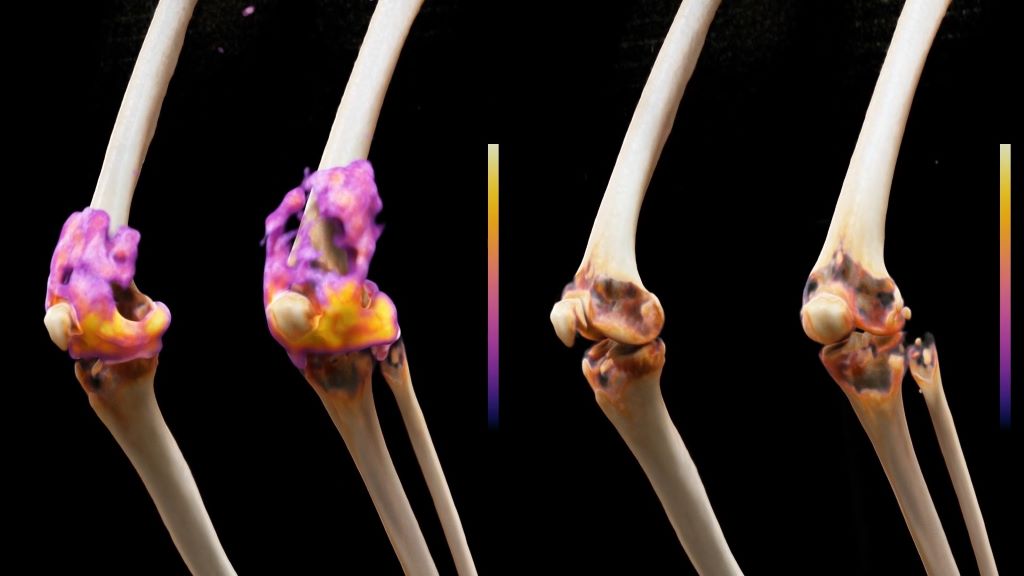
Immunotherapies such as CAR T cell therapy are used primarily to treat cancer. In the future, these patient-specific therapies, manufactured from patients’ own immune cells, could also help cure autoimmune diseases. Six patients with particularly severe rheumatoid arthritis have now received this treatment at Charité – Universitätsmedizin Berlin. In Nature Medicine, the researchers report the results from the world’s first clinical trial of its kind: Disease activity decreased substantially in all participants. By the end of the observation period, three of the patients no longer required any medication for rheumatoid arthritis.
Rheumatoid arthritis is a chronic disease in which the immune system mistakenly attacks the body’s own joints. This causes recurrent inflammation and joint swelling and, as the disease progresses, can lead to joint damage. Currently available treatments can usually keep the inflammation under control, but do not cure the disease. Patients therefore require lifelong medication, including anti-inflammatory drugs and medications that suppress the immune system, with all the associated side effects.
In some patients, even several of the newer treatments fail to produce an adequate response. Doctors then call the disease treatment-refractory. For those affected, this means persistent pain, restricted mobility and a substantial impact on quality of life. “One reason could be disease driving B cells – memory cells of the adaptive immune system that may survive in the lymph nodes, bone marrow or joint tissue after an infection, where they produce harmful antibodies directed against the body’s own tissues and repeatedly reignite the inflammation,” explains Prof David Simon, who designed the trial for this patient group together with Prof Gerhard Krönke at Charité’s Department of Rheumatology and Clinical Immunology.
The researchers hope that CAR T cells, patients’ own immune cells genetically modified in the laboratory, could selectively track down the disease driving B cells, even deep within tissues, reset the pathological B-cell memory as fully as possible and thereby effectively give the B-cell system a fresh start.
Cell therapy resets the immune system
Originally developed for cancer treatment, CAR T cells are now being used more widely. In cancer treatment, patients’ immune cells are given a kind of “training” to specifically recognise and eliminate tumour cells; in autoimmune diseases, the aim is instead to direct immune cells toward disease driving memory cells. “The identifying marker on many B cells, both abnormal B cells in cancers of the blood or lymphatic system and disease driving B cells in rheumatoid arthritis, is the surface molecule CD19. You could think of it as a kind of ‘name tag’” explains David Simon. “To enable CAR T cells to detect and eliminate the disease-causing cells, we equip patients’ own immune cells with a receptor that acts like a search sensor for CD19.”
For this type of CD19 CAR T-cell therapy, T cells are first collected from the patient’s blood. These are immune cells that normally recognize and eliminate infected or abnormal cells. In the laboratory, the cells are genetically modified and equipped with the key recognition feature: a chimeric, or artificial, antigen receptor, known as a CAR, that binds specifically to the CD19 molecule. Before the modified immune cells can be returned to the patient in a single infusion, a short course of preparatory chemotherapy is required to create space in the immune system. This temporarily reduces the number of certain immune cells so that the CAR T cells can then multiply effectively and carry out their function. Once returned to the body, the modified immune cells begin searching for the CD19 marker and specifically attack cells that carry it. In doing so, they temporarily eliminate all CD19-positive B cells, allowing the immune system to reset and helping to eliminate even long-lived disease-driving B cells in the joints that would otherwise be difficult to reach.
Will the approach work in difficult-to-treat rheumatoid arthritis?
For the world’s first clinical trial to evaluate the safety and efficacy of a CD19 CAR T-cell therapy in rheumatoid arthritis, the research team at Charité initially enrolled six patients with particularly severe disease. The three women and three men, aged 31 to 69, had received up to eight targeted or biologic therapies over the previous ten years, none of which had been sufficiently effective.
The key question was whether CAR T cells can track down the disease-driving B cells in the joints and whether the treatment is not only effective but also safe. For the researchers, the results from the first part of the COMPARE trial are highly encouraging: “Disease activity decreased markedly in all six patients. During follow-up of up to one year, three patients were in sustained remission without any medication for rheumatoid arthritis,” reports Gerhard Krönke, who leads the joint Clinical Rheumatology research group at Charité and the German Rheumatology Research Center (DRFZ), a Leibniz Institute. “This is particularly remarkable given that none of the established treatments had previously been able to relieve their symptoms adequately.”
The cell therapy appears to have done more than temporarily curb inflammation in the joints: the modified immune cells also tracked down and eliminated disease-promoting B cells in deeper reservoirs such as the bone marrow, lymph nodes and joint tissue. At regular follow-up visits over the subsequent twelve months, the research team found that levels of the autoantibodies characteristic of rheumatoid arthritis had declined sharply.
David Simon adds: “When the B-cell system later recovered, predominantly naïve B cells that had not yet been shaped by the disease returned. In contrast, the B cells directed against the body’s own tissues that had been present before treatment were no longer detectable in almost all patients, an indication that the treatment may indeed be able to reset the pathological immune memory.” Protective antibodies from previous vaccinations, for example against chickenpox or tetanus, remained detectable. Despite the profound depletion of B cells, protective antibody memory appears to be largely preserved. However, any longer-term effects of the therapy on the immune system still need to be investigated.
Early successes, but still some way to go
The trial shows that, in some patients, a single CAR T-cell treatment can lead to a sustained symptom-free period without medication – a state of disease inactivity known as remission. For selected patients with rheumatoid arthritis who have not responded adequately to treatment, it may in the future be possible to reset the pathological immune memory in a targeted way and thereby stop the persistent inflammation, instead of having to suppress it continuously with drugs.
Nevertheless, CAR T-cell therapy for autoimmune diseases, and for rheumatoid arthritis in particular, remains experimental. There is not yet any long-term experience with this treatment. In addition, responses to the therapy varied among patients in the current trial: some did not achieve a complete response, and in one case the disease returned after an initial medication-free period of remission. In contrast, the researchers consider the safety data obtained thus far to be encouraging. “After the participants received the CD19 CAR T cells, we observed only a temporary, mild-to-moderate cytokine release syndrome (CRS) in all participants, which was readily manageable. There were no severe neurological complications or other serious adverse events, and infections were rare,” explains Dr Marie Luise Hütter-Krönke, Medical Director of the Hematology Early Clinical Trial Unit at Charité’s Department of Hematology, Oncology and Cancer Immunology.
In a second phase of the trial involving ten additional patients, the researchers will compare the new treatment approach with a drug already approved for rheumatoid arthritis that also targets B cells. In this way, they aim to determine whether CAR T cells have a stronger and longer-lasting effect and whether they can indeed reset immune memory. If the new concept is confirmed in this and other, larger trials, it could ultimately become an alternative for patients whose lives are severely affected and for whom no adequate treatment is currently available.
Researchers from the Icahn School of Medicine at Mount Sinai have discovered a promising new way to improve CAR-T cell therapy for solid tumours such as lung cancer and melanoma. The study, published in Nature Cancer, found that focused irradiation, a targeted therapy that delivers high-energy beams to stun rapidly growing cells such as cancer, can help CAR-T cells survive longer and work more effectively inside tumours.
CAR-T cell therapy involves removing the patient’s T cells (a type of immune cell), reprogramming them in the lab to fight cancer, and then infusing them back into the patient. It has transformed treatment for some blood cancers, but has not worked as well for solid tumours such as lung cancer and melanoma. Patients with solid tumours typically have bulky, treatment-resistant disease, and one of the central reasons CAR-T cells fail in this setting is that they do not persist or expand at the tumour long enough to eliminate it. Even when CAR-T cells initially reach the tumour, their numbers dwindle before they can finish the job.
The research team discovered that tumour irradiation does something unexpected: it turns dendritic cells, the immune system’s most powerful antigen-presenting cells, into a local source of stimulation for CAR-T cells inside the tumour.
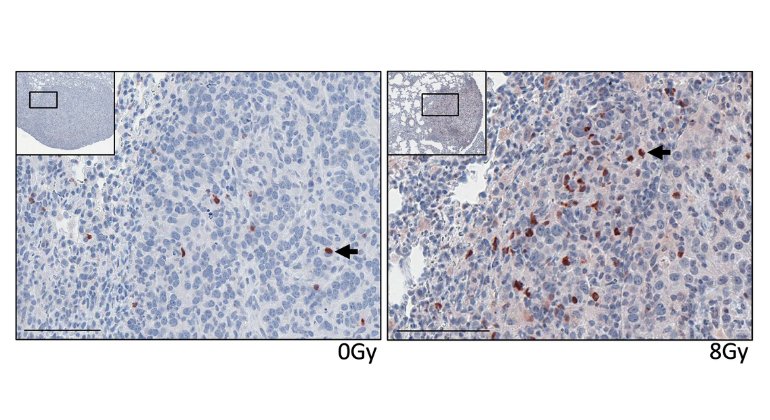
In mouse models of advanced lung cancer and melanoma, irradiation promoted dendritic cells to capture intact tumour surface proteins and display them on their own membranes, a process called “antigen dressing.” These antigen-dressed dendritic cells then engaged the chimeric receptor on the CAR-T cells – the laboratory-engineered protein that gives these cells the ability to target specific proteins – keeping them alive and multiplying within the tumour over several weeks.
The result was durable control of advanced lung tumors that CAR-T cells alone could not eliminate.
“This study shows that irradiation can do more than kill cancer cells; it can enhance cell therapy,” said corresponding author Jalal Ahmed, MD, PhD, who led the study and is Assistant Professor of Immunology and Immunotherapy, and Radiation Oncology, at the Icahn School of Medicine at Mount Sinai. “We found that dendritic cells can dress themselves in tumor proteins and use them to directly expand CAR-T cells through the engineered receptor. This was completely unexpected – dendritic cells normally engage T cells through an entirely different mechanism.”
A second finding addresses one of the most pressing safety challenges in the field. The researchers found that the CAR-T cell response stayed largely confined to the irradiated tumour. CAR-T cells expanded within the tumour but did not become more active in nearby healthy tissues, even when those tissues expressed the same protein targeted by the CAR-T cells. On-target activity against healthy organs has been one of the most serious safety barriers in solid tumour CAR-T cell therapy and has led to the termination of clinical trials. By selectively concentrating CAR-T cell activity at the tumour, focused irradiation may allow treatment of advanced tumours at lower and safer CAR-T cell doses.
“What is striking is that irradiation does not just amplify the immune response – it tells the immune system where to act,” said study co-author Miriam Merad, MD, PhD, Robin Chemers Neustein Professor of Immunology and Chair of Immunology and Immunotherapy at the Icahn School of Medicine at Mount Sinai. “Confining CAR-T cell expansion to the tumour could open up a new generation of safer cell therapies for solid cancers.”
This approach is particularly relevant for patients with metastatic solid tumours, who currently have few options. The irradiation treatment used in the study is available in cancer care centres around the world. This means the strategy could be tested in clinical trials without requiring new equipment, new drugs, or new infrastructure.
“This work suggests that preparing the tumour environment is important to optimise the efficacy of CAR-T cells,” said study co-author Michel Sadelain, MD, PhD, who was previously at Memorial Sloan Kettering Cancer Center and is currently the founding director of Columbia University’s Institute for Cell Engineering and Therapy. “Irradiation may provide a practical way to help CAR-T cells succeed in solid tumours.”
The researchers caution that the findings are still preclinical and must be tested in human clinical trials. The team is now working to define the molecular mechanism of antigen dressing, identify the signals dendritic cells use to sustain CAR-T cells, and translate the approach into trials for patients with advanced solid tumours.
Cipla recently brought together doctors and blood cancer experts for an academic summit to talk about an advanced cancer treatment called CAR‑T cell therapy, and what it could mean for people in Africa in the future.
CAR‑T cell therapy is a form of personalised medicine in which a person’s own immune cells are collected and modified in a specialised laboratory so they can better recognise and attack certain blood cancers. It is used in some countries for patients with specific types of lymphoma and leukaemia when other treatments have not worked. It is only available in a few highly specialised hospitals around the world.
The cost challenge
In the same way that quality, affordable antiretrovirals changed HIV from a fatal disease to a chronic condition in the early 2000s, one of the biggest challenges now is to make CAR-T cell therapy more widely accessible as costs are prohibitively expensive.
CAR‑T cell therapy remains complex and expensive to deliver, and the cost of treatment is a major barrier to access worldwide. In many high‑income countries, the cost of a single CAR‑T treatment can reach the equivalent of hundreds of thousands of US dollars per patient. In South Africa, high‑complexity cellular and stem cell procedures can cost in the order of millions of rand per patient, which means such therapies are beyond the reach of most people in both public and private sectors.
Paul Miller, CEO of Cipla Africa, said: “Treatment costs are a major hurdle for patients. Efforts to develop scientifically rigorous, clinically validated CAR‑T therapies at more sustainable costs could, in future, be very important for patients across Africa.”
Miller added: “Globally, there is increasing focus on making cutting‑edge therapies more accessible. By developing local expertise and manufacturing capabilities, countries can reduce reliance on expensive imports and work toward lowering costs over time.”
How CAR-T cell therapy works
If a patient is eligible, CAR‑T treatment usually starts with collecting some of their white blood cells through a process similar to donating blood. In a special laboratory, these cells are genetically modified so that they can better recognise and target cancer cells. The cells are then multiplied and later given back to the patient in a single infusion.
Studies in other countries have shown that CAR‑T therapy can help some patients with difficult‑to‑treat blood cancers achieve long‑lasting remissions. However, it does not work for everyone and can cause serious side effects, so patients must be treated and monitored in experienced centres.
CAR‑T cell therapy has evolved over several decades, and current research focuses on improving precision, safety, scalability and global accessibility, with the aim of making these treatments available to more patients across more cancer types in future.
Equitable access
Africa carries a heavy burden of both infections and cancer. South Africa, for example, has one of the largest populations of people living with HIV in the world, and these patients have a higher risk of certain blood cancers. This makes access to good‑quality, proven cancer care especially important.
People living with HIV face an increased risk of B‑cell malignancies, including aggressive lymphomas, making the need for effective and equitable cancer care all the more pressing.
Even though cancer treatment has improved a lot in Europe, North America and Asia, most patients in low‑ and middle‑income countries still do not have access to the newest therapies. The main barriers are high cost, the need for advanced laboratories and equipment.
Medical experts with deep clinical experience in environments from South Africa, Morocco and India contributed to the academic programme, bringing a global perspective to an African challenge and sharing important lessons learned.
The promise of CAR-T cell therapy
CAR‑T cell therapy has shown encouraging results in certain relapsed or refractory blood cancers, with some patients achieving deep and durable responses. Internationally, thousands of patients have now received CAR‑T treatment in approved centres.
Gene and cell therapies are subject to strict regulations and rigorous quality standards in many countries. In addition to cost, logistics and the “vein‑to‑vein” traceability chain are important factors that health systems must be equipped to manage.
“Cipla is committed to partnering with healthcare professionals, policymakers and institutions to chart a clear and equitable path for CAR-T therapy access across Africa, ensuring that the most vulnerable patients are not left behind in the next chapter of cancer care,” said Miller.
Cipla Limited (BSE: 500087; NSE: CIPLA; and hereafter referred to as “Cipla”), through its subsidiary Medpro Pharmaceutica, has entered into an exclusive license and supply agreement with Immunoadoptive Cell Therapy Private Limited (ImmunoACT). Under this partnership, Cipla will commercialise talicabtagene autoleucel, India’s first indigenously developed CAR-T cell therapy, in the Republic of South Africa, Algeria, and Morocco.
Talicabtagene autoleucel (the product) is an autologous (of a patient’s own blood sample) anti-CD19 CAR-T indicated for the treatment of patients with relapsed or refractory B-cell Non-Hodgkin’s Lymphoma (B-NHL) and B-cell Acute Lymphoblastic Leukaemia (B-ALL) who have failed standard lines of therapy. Administered to over 500 patients in India, the therapy has demonstrated high efficacy, durable responses, and a well‑tolerated safety profile, leading to reduced ancillary healthcare costs.
As part of this collaboration, ImmunoACT will manufacture the product and Cipla will commercialise in the licensed African territories, thereby expanding access of this revolutionary new treatment to markets currently with unmet needs.
Commenting on the partnership, Achin Gupta, Managing Director and Global CEO Designate, Cipla Limited, said, “Our collaboration with ImmunoACT reinforces Cipla’s vision of leveraging cutting-edge science to deliver transformative and affordable treatments, especially for patients with critical healthcare needs. By introducing CAR-T therapy in Africa, we aim to bring world-class innovation closer to patients and strengthen our commitment to accessible healthcare in the region.”
Adding on, Paul Miller, Chief Executive Officer of Cipla Africa, said, “We are proud to be at the forefront of efforts to bring CAR-T cell therapy to Africa. This collaboration not only advances our oncology portfolio but also reinforces Cipla’s mission of making next-generation therapies accessible to patients worldwide.”
Dr. Rahul Purwar, ImmunoACT’s Founder & Chairmanand a professor of the Indian Institute of Technology (IIT), Bombay, said,“Our mission has always been to innovate and make cell & gene therapies accessible and affordable, addressing the significant unmet medical needs across the globe. This strategic partnership with Cipla seeks to accelerate our endeavours; ensuring that patients with B-cell cancers have a fighting chance at a durable remission, with our CAR-T platform.”
About CAR-T cell therapy:
CAR T-cell therapy is a groundbreaking form of immunotherapy that uses a patient’s own immune cells to fight the disease. Doctors collect immune cells (T cells) from the patient, reprogram them to identify and destroy cancer cells, and then return them to the body, enabling a targeted and personalized approach to treatment.
About Cipla
Established in 1935, Cipla is a global pharmaceutical company focused on agile and sustainable growth, complex generics, and deepening portfolio in our home markets of India, South Africa, North America, and key regulated and emerging markets. Our strengths in the respiratory, antiretroviral, urology, cardiology, anti-infective and CNS segments are well-known. Our 46 manufacturing sites around the world produce 50+ dosage forms and 1500+ products using cutting-edge technology platforms to cater to our 80+ markets. Cipla is ranked 3rd largest in pharma in India (IQVIA MAT Sep’25), 2nd Largest in the pharma prescription market in South Africa (IQVIA MAT Aug’25), and 4th largest by prescription in the US Gx (Repulses + MDI) products (IQVIA MAT Aug’25). For over nine decades, making a difference to patients has inspired every aspect of Cipla’s work. Our paradigm-changing offer of a triple anti-retroviral therapy in HIV/AIDS at less than a dollar a day in Africa in 2001 is widely acknowledged as having contributed to bringing inclusiveness, accessibility and affordability to the centre of the HIV movement. A responsible corporate citizen, Cipla’s humanitarian approach to healthcare in pursuit of its purpose of ‘Caring for Life’ and deep-rooted community links wherever it is present make it a partner of choice to global health bodies, peers and all stakeholders. For more, please visit www.cipla.com, or click on Twitter, Facebook, LinkedIn.
About ImmunoACT
As pioneers of India’s first fully integrated CAR-T cell therapy platform, ImmunoACT (Immunoadoptive Cell Therapy Private Limited), develops and manufactures accessible, affordable cutting-edge gene-modified cell therapies for blood cancers and solid tumours. With NexCAR19™, India’s first CAR_T cell therapy (developed in collaboration with the Indian Institute of Technology, Bombay and Tata Memorial Centre) commercially approved in India having unprecedentedly transformed the treatment landscape in refractory/relapsed B-cell malignancies, ImmunoACT also has a robust pipeline including a clinical-stage BCMA-directed CAR-T for multiple myeloma, and solid tumour CAR-Ts under development. The company is accelerating its mission to expand global access to life-saving cell and gene therapies through strategic partnerships.
Killer T cells about to destroy a cancer cell. Credit: NIH
After treatment with CAR-T cells, immune cells engineered to attack cancer, patients sometimes tell their doctors they feel like they have “brain fog,” or forgetfulness and difficulty concentrating.
A new Stanford Medicine-led study shows that CAR-T cell therapy causes mild cognitive impairments, independent of other cancer treatments, and that this happens via the same cellular mechanism as cognitive impairment from two other causes: chemotherapy and respiratory infections such as flu and COVID-19. The study, conducted mostly in mice, which was published in Cell, also identifies strategies for reversing the problem.
Medications that ameliorate brain fog will enable better recovery from cancer immunotherapies, the researchers said.
“CAR-T cell therapy is enormously promising,” said senior author, Michelle Monje, MD, PhD, professor in paediatric neuro-oncology. “We need to understand all its possible long-term effects, including this newly recognised syndrome of immunotherapy-related cognitive impairment, so we can develop therapeutic approaches to fix it.”
The study’s lead authors are Anna Geraghty, PhD, senior staff scientist in the Monje lab, and MD/PhD student Lehi Acosta-Alvarez.
Cognitive impairment after CAR-T cell therapy is typically mild; patients are not developing dementia, for instance. But it is frustrating and may not resolve on its own, Monje said. In mice, her team reversed the impairment using compounds similar to existing medications or medications in clinical development – meaning a treatment could be available relatively quickly, she said.
“We’re deeply interested in how cancer therapies affect cognition because it affects patients’ quality of life,” Monje said. “And this is especially important for kids because their brains are still developing.”
Investigating brain fog
CAR-T cell therapy was approved in the US for acute lymphoblastic leukaemia in 2017. The treatment involves removing some of the patient’s own immune cells, known as T cells, and engineering them to attack targets on cancer cells. The modified T cells are returned to the patient’s body, where they recognise and destroy cancer.
In addition to leukaemia, CAR-T cells are now used to treat other blood cancers, including multiple myeloma and some kinds of lymphoma, and they are being tested in clinical trials for various solid tumours. Monje and her colleagues have an ongoing trial of CAR-T cells for deadly brain stem and spinal cord tumours in children, which is beginning to show success.
Although patients report brain fog after CAR-T cell therapy, studies to measure how much cognitive impairment the therapy causes are only just emerging.
The research team wanted to get a comprehensive understanding of the situations in which CAR-T cell therapy might cause cognitive impairment. They studied mice that had tumours induced in the brain, blood, skin and bone. The researchers wanted to understand the influence on cognition of CAR-T cell treatment in combination with the tumours’ location (originating in, spreading to or staying outside the brain), as well as the degree to which the engineered cells evoked additional, accompanying immune responses. Before and after CAR-T cell treatment, the researchers used standard cognitive tests on the mice, measuring how mice responded to a novel object and navigated a simple maze.
CAR-T therapy caused mild cognitive impairment in mice with cancers originating in, metastasizing to and located completely outside the brain. The only mice tested that did not develop cognitive impairment after CAR-T treatment were those that had bone cancer that causes minimal additional inflammation beyond the cancer-fighting activity of the CAR-T cells.
“This is the first study to demonstrate that immunotherapy on its own is sufficient to cause lasting cognitive symptoms,” Monje said. “It’s also the first paper to uncover the mechanisms. We found the exact same pathophysiology we’ve seen in brain fog syndromes that occur after chemotherapy, radiation, and mild respiratory COVID-19 or influenza.”
The researchers demonstrated that the brain’s immune cells, called microglia, are key players in the problem. First, the microglia become activated by the body’s immune response. The activated, “annoyed” microglia produce inflammatory immune molecules known as cytokines and chemokines, which in turn have widespread effects throughout the brain. They are particularly harmful for oligodendrocytes, the brain cells responsible for making myelin, the fatty substance that insulates nerve fibres and helps nerves transmit signals more efficiently. Reduction in the nerves’ insulation translates into cognitive impairment.
Examining tissue samples
The scientists also analysed samples of brain tissue from human subjects who participated in the team’s ongoing clinical trial of CAR-T cells for spinal cord and brain stem tumours. Using post-mortem tissue samples, the researchers confirmed that microglia and oligodendrocytes appear dysregulated in the same way the team had observed in mice after CAR-T therapy.
In mice, the research team tested strategies to resolve the cognitive problems. They gave a compound that depleted microglia in the brains of the mice for a two-week period. After that transient depletion, the microglia returned in the brain in a normal, non-reactive state. The mice were no longer cognitively impaired.
The researchers also gave the mice a medication that enters the brain and interferes with signals from damaging chemokines, blocking a specific receptor for these molecules.
“That alone rescued cognition,” Monje said, adding that the researchers are now exploring how to safely translate the two strategies – transiently depleting microglia or interrupting chemokine signals – in people who have had CAR-T cell therapy.
“This research further illustrates that there is a unifying principle underpinning brain fog syndromes,” said Monje, a member of the Stanford Cancer Institute. “And this particular study is so exciting because not only have we identified the cells central to this pathophysiology, we’ve found a molecular target we can investigate to treat it.”