Tag: South Africa

Release of Useful Health Statistics: 2015 to 2025

Mycobacterium tuberculosis drug susceptibility test. Photo by CDC on Unsplash

By Marcus Low and Nathan Geffen

The National Health Laboratory Service has provided HIV, TB, syphilis and cholesterol data, which Spotlight and GroundUp obtained through the Promotion of Access to Information Act.

Earlier this year, we made a request for data to the National Health Laboratory Service (NHLS) using the Promotion of Access to Information Act. In October, we were provided with the data we requested (and more).

We are grateful and impressed that the NHLS provided the data without fuss and without the need to go to court. Other state institutions could learn from this.

We used the data to analyse HIV viral load data in light of the withdrawal of US aid. It led to us publishing this article: Withdrawal of US aid has hurt South Africa’s HIV programme.

From the outset, we’ve intended to make the data public. No information on patients is recoverable from this data as the finest detail is at the monthly provincial level. We are therefore publishing this data, as an open document format spreadsheet, today. We are of the view that the data provided is useful for scientists and journalists and we hope the NHLS will regularly publish updates to it.

The spreadsheet contains monthly tallies per province of viral load tests, CD4 counts, TB tests, syphilis tests, full blood counts and cholesterol tests. The period covered is January 2015 to September 2025.

Download the spreadsheet

Much of the data is not straightforward to interpret. For example, after we puzzled over the decline in cholesterol tests, one expert pointed out to us that the decrease is probably due to changes in the standard second-line HIV treatment used in the public sector (some older HIV medicines had potential side effects that made cholesterol tests necessary). Similarly, changes in the number of TB tests conducted will have been impacted by guidelines that expanded eligibility for TB testing.

The NHLS informed us of the following caveats:

  1. All counts reflect the number of tests captured on the NHLS TrakCare (LabTrak) Laboratory Information System (LIS) as at the time the counts were performed (21 October 2025).
  2. A system-generated date from the time a sample was captured onto the LIS was used to total counts per month/year.
  3. There may be anomalies in counts for a few months from July 2024 because of disruptions caused by a cyber-attack.
  4. As test counts were requested, rejected tests and unreviewed results were included.
  5. As test counts were requested, the counts provided reflect the number of tests done, not the number of patients tested, as multiple tests may be performed on one patient sample. For example, for a full blood count, each individual test was counted.
  6. The “Pregnant or postnatal women” group was identified according to the NHLS maternal eGK (electronic gatekeeping) codes.

(We have amended the NHLS spreadsheet by inserting a new sheet with the above caveats and a link to this article. No other material changes have been made to the spreadsheet.)

This article was jointly produced by Spotlight and GroundUp.

Republished from Spotlight under a Creative Commons licence.

Read the original article.

Trial Results Shows the Value of Patient Navigation in Humanising HIV Care

Eastern Cape HIV Programme demonstrates success in resource-constrained setting

Photo by Pexels on Pixabay

A new randomised controlled trial conducted in the Eastern Cape has shown that adding structured patient navigation to same-day antiretroviral therapy (ART) can make a meaningful difference for people newly diagnosed with HIV. The trial found that patients who received support from trained navigators were far more likely to stay in care and keep their viral load low over six months. Those with navigator support had a 79% retention rate, compared with 64% under standard care.

Among patients who achieved a viral load of fewer than 50 copies per millilitre, 64% remained in care, compared to just 39% without this extra support(1). Patient navigation combines personal support, such as home or virtual check-ins and WhatsApp reminders, with practical help like linking people to services and monitoring their progress. It was especially effective for people who started treatment on the same day as their diagnosis.

“This approach humanises HIV care. It builds a bridge between the clinic and the community, helping patients stay connected to treatment and ultimately saving lives,” said lead author Siyakudumisa Nontamo, Facility Team Lead: Care & Treatment Programme at TB HIV Care.

In August 2024 the Human Sciences Research Council released findings from the Sixth South African HIV Prevalence, Incidence, and Behaviour Survey (SABSSM VI) for the Eastern Cape. The results show that HIV prevalence in the province stabilised, moving from 15.9% in 2017 to 13.7% in 2022. This is an estimated 980 000 people living with HIV, down from about 1 million in 2017. Access to treatment has improved significantly. ART coverage increased from 67.8% in 2017 to 83.5% in 2022, meaning about 723 000 people in the province are now receiving treatment. However, gaps remain among young people: only 70.9% of adolescents and youth aged 15–24 living with HIV are on ART, compared to 84.8% of adults aged 25-49. Among females, coverage is much lower for young women (68.7%) than for women aged 25-49 (88.2%). ART use also varies across districts, ranging from 69.4% in Nelson Mandela Bay to 92.0% in Alfred Nzo(2). Nationally, the proportion of people living with HIV who are currently on antiretroviral treatment (ART) rose to 80.9% in 2022, up from 63.7% in 2017.

Despite major advances in antiretroviral therapy, retention in care remains a persistent challenge within South Africa’s HIV programme, especially in rural provinces such as the Eastern Cape. Many patients initiate treatment but later disengage due to stigma, transport difficulties, and limited ongoing support. The study shows that low-cost, human-centred interventions can significantly strengthen treatment outcomes. The trial, titled “Impact of Patient Navigation on Retention in Care and HIV Viral Load Suppression Among Newly Diagnosed Persons Living with HIV in the Eastern Cape,” compared standard HIV care to an approach where trained patient navigators provided ongoing support to patients starting antiretroviral therapy (ART). Beyond improved retention and viral suppression, the trial also showed that patients supported by navigators experienced fewer deaths and dropouts, with substantially lower losses to follow-up and reduced mortality than those receiving standard care, ultimately strengthening HIV programmes(1).

Patient navigation, in particular, helps bridge the gap by pairing practical healthcare coordination with empathy and community-based follow-up. Navigators assist patients with managing appointments, maintaining adherence, and accessing psychosocial services, thereby fostering trust, continuity, and sustained engagement in care. This approach aligns with South Africa’s national HIV strategy, which prioritises differentiated, patient-centred models of care to achieve the UNAIDS 95-95-95 targets.

At scale, TB HIV Care’s programmes are grounded in person-centred, integrated service models that reflect the real lives and needs of people affected by HIV and TB. This study reinforces TB HIV Care’s belief that support beyond clinic walls is essential for achieving lasting impact. In the 2024/25 reporting period, the organisation reached more than 1.9 million people with HIV testing services and initiated 27,873 individuals on ART, achieving a 95% viral suppression rate among clients in care.

“By bridging the gap between diagnosis and ongoing care, patient navigation aligns with our outreach for key populations and our shift toward holistic service delivery. We look forward to translating this evidence into practice, ensuring fewer people fall through the cracks and more sustain treatment success”, said Professor Harry Hausler, CEO at TB HIV Care.

Additional findings from the Sixth South African HIV Prevalence, Incidence, and Behaviour Survey (SABSSM VI) for the Eastern Cape.

  • In the Eastern Cape, HIV remains most common among adults aged 25-49, with a prevalence of 27.7%, and women in this age group are especially affected at 35.4% compared to 17.1% for men.
  • The survey also found geographic differences: HIV prevalence among men was highest in urban areas (8.7%), while among women it was highest in rural informal or tribal areas (19.8%).
  • By district, prevalence was highest in Chris Hani (14.4%), Amathole (14.1%), Alfred Nzo (13.9%), and lowest in Nelson Mandela Bay (9.7%).
  • At a national level, the survey showed that 81.4% of all people living with HIV were virally suppressed. The survey found encouraging progress in the Eastern Cape, where viral load suppression (VLS) among people living with HIV rose to 79.3% in 2022, up from 66.3% in 2017. However, children aged 0-14 years had much lower suppression levels, at 61.4%. Among people aged 15-49 years living with HIV, 78.6% were virally suppressed. Within this group, women had far higher suppression rates (83.9%) than men (65.4%).

About the Randomized Controlled Trial

The randomised controlled trial involved participants from HIV testing sites in the O.R. Tambo District (Flagstaff, Mthatha Gateway, and Tsolo Clinics). It was approved by the Eastern Cape Health Research Committee and Walter Sisulu University’s Ethics Committee. The study was supported by the Chemical Industries Education and Training Authority (CHIETA) and the South African Medical Research Council’s Strategic Health Innovation Partnerships (SHIP).

References:

  1. Nontamo, S., Kamsu, G.T., Ndebia, E.J., et al. Impact of Patient Navigation on Retention in Care and HIV Viral Load Suppression Among Newly Diagnosed Persons Living with HIV in the Eastern Cape – South Africa. Access.
  2. Human Sciences Research Council. Sixth South African HIV Prevalence, Incidence, and Behaviour Survey (SABSSM VI). Access.

Right to Life Hangs in the Balance for Two SA Girls This World Children’s Day

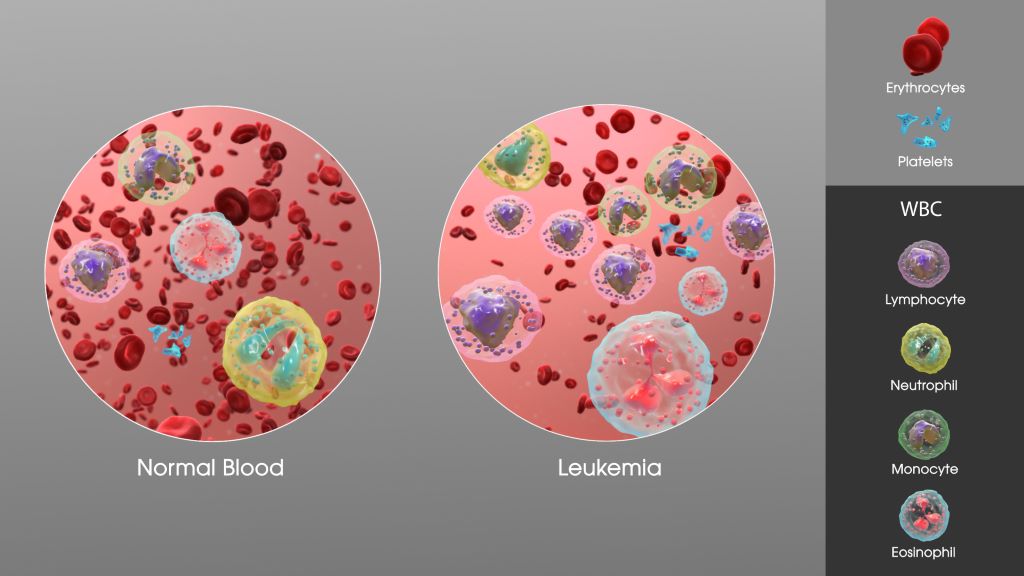
SAG Leukaemia. Credit: Scientific Animations CC0

At four years old, a child’s world should be full of crayons, playgrounds, and fairy tales. For Dianty and Nqobimpi, it has become a world of chemotherapy, blood transfusions, and sterile hospital rooms. As the world observes World Children’s Day on 20 November and its theme of “My day, my rights,” their fight for the basic right to life casts a light on the most critical need of all: a second chance, which can only come from a matching stem cell donor.

A Donor for Dianty

Hailing from Randfontein, Dianty is a bright and joyful four-year-old whose smile can light up any room. Yet, behind her cheerful spirit lies a harrowing health battle. It began last year with inexplicable fevers and stomach pains, initially dismissed as a sinus issue and later as growing pains. When Dianty suddenly lost the ability to walk, her mother, Claudine, knew something was terribly wrong.

After she was admitted to the hospital, blood tests revealed the devastating truth: Dianty had leukaemia. Chemotherapy began immediately. “The ups and downs were relentless,” Claudine explains. Despite initial progress, Dianty relapsed just after her fourth birthday this year, forcing her family back to square one.

The search for a stem cell donor has been fraught with disappointment. With no suitable match found within her family, Dianty’s hope now rests on the public registry. “You never think it will happen to you until it does,” says Claudine. “I encourage every single person to go and do the cheek swab… You can save the life of a little child. You can give them a second chance.”

Nqobimpi Needs a Match

Nqobimpi from Pretoria is facing a similarly terrifying reality. Her journey began with persistent nosebleeds and terrifying episodes of vomiting blood, which left her weak and pale. Her mother rushed her to a clinic, which led to a referral and eventually a diagnosis of T-Cell Acute Lymphoblastic Lymphoma (T-Cell ALL).

Expressing the shock that rocked their family, her mother shares, “I wasn’t aware children could get cancer.” Nqobimpi was pulled out of crèche, and her life became a cycle of month-long hospital stays for treatment. The strain has rippled through their family, affecting her siblings’ ability to focus at school as they worry constantly about their baby sister. All Nqobimpi wants is to return home and play with her dolls, a simple childhood pleasure now dependent on finding a selfless stranger willing to register as a donor.

The Power to Save a Life

“For children like Dianty and Nqobimpi, a stem cell transplant from a matching donor is their only hope for a cure,” highlights Palesa Mokomele, Head of Community Engagement and Communications at DKMS Africa. Every new person who registers brings fresh hope to them and the many other patients waiting for a lifeline.”

“On this World Children’s Day, as we reflect on the rights of every child, consider giving the ultimate gift: the right to life,” she concludes.

Register today at https://www.dkms-africa.org/save-lives.

The Cost of Inaction: Why South Africa Cannot Afford to Ignore the Diabetes Crisis

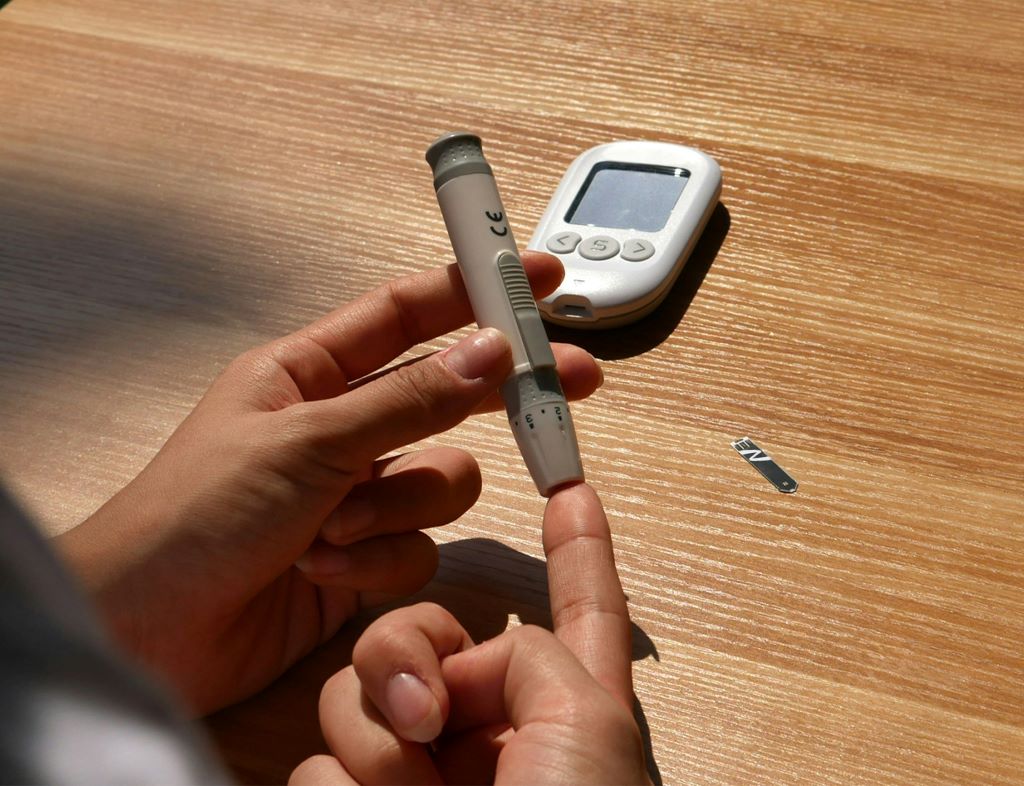
Photo by Breakingpic on Pexels

Johannesburg, 11 November 2025: As we approach World Diabetes Day on November 14, civil society organisations warn that the cost of inaction on non-communicable diseases (NCDs) such as diabetes is already being paid for in lives, livelihoods and lost potential. The Healthy Living Alliance (HEALA) is calling on the South African government to increase the Health Promotion Levy (HPL) on sugary drinks from 11% to 20%, to help curb sugary drinks consumption and reduce the financial burden on the health system from rising non-communicable diseases.

“Diabetes is now the second leading cause of death in South Africa,1 yet every year we allow preventable diseases to claim more lives,” says Nzama Mbalati, CEO of HEALA. “Raising the Health Promotion Levy is one of the simplest, most effective steps government can take to protect people’s health, especially children, who are consuming sugar at dangerous levels.”

Since the introduction of the HPL in 2018, beverage companies have reduced the sugar content of their drinks, leading to cuts in average per-capita sugar consumption. But the gains have stalled. HEALA and its partners warn that without further cuts in consumption, the policy’s impact will fade, while rates of diabetes will continue to climb.

South Africa’s obesity rate is already twice the global average, and even one sugary drink a week raises a child’s risk of obesity and diabetes.2,3 One in four diabetes cases in the country is caused by sugary drink consumption.4 These numbers are not just statistics; they represent real people and families forced to navigate lifelong illness and financial hardship.

The economic toll is equally alarming. Treating obesity related conditions such as diabetes already costs South Africa more than R33 billion each year or about 15% of total government health spending.5 Modelling by PRICELESS SA (University of the Witwatersrand) shows that increasing the levy to 20% could save approximately 72 000 lives and prevent 85 000 strokes over two decades while easing the fiscal pressure on a health system already stretched beyond capacity.5

HEALA’s new national campaign, which launched in November, brings this message to the fore in two phases. The first calls for stronger health taxes across sugary drinks, alcohol and tobacco, continuing South Africa’s proven track record of using taxation to advance public health. The second sharpens focus on raising the HPL, calling for its increase as part of a consistent, evidence-based approach to protecting lives.

Through personal stories of South Africans living with diabetes, the campaign reveals the real cost of inaction and unites civil society under the banner #OneVoice, calling on government to put public health before profit.

Alphinah Setumo, a 52-year-old mother from Mathibestad, lost both her legs and her eyesight after years of consuming sugary drinks without understanding the risks. “Back then, drinking two litres of a sugary drink a day was nothing,” she recalls. “If I had known what I know now, my life would be different.”

Mpho Thebe, a maths and science tutor from Kroonstad, tells a similar story. Once a daily consumer of fizzy drinks, he lost his left leg to diabetes at 45. Today, he walks with a prosthetic leg and teaches children about perseverance and prevention. “I thought sugar was harmless,” he says. “Now I know it can take everything from you.”

These stories mirror thousands of others across the country, where diabetes silently devastates families, especially in low-income communities where affordable, healthy food and clean water remain scarce.

The campaign, supported by actress and mother Samela Tyelbooi, urges government to act. “As a parent, I worry about how sugar can make my kids sick,” says Tyelbooi. “We need government to increase the HPL, protect our children’s future, and stop putting profit before people.”

HEALA’s coalition partners, including health advocates, researchers and civil society organisations, are speaking with one voice ahead of the Medium-Term Budget Policy Statement and the 2026 Budget Speech. Their collective message is clear: the HPL is not just another tax, it’s a health tax, like those on alcohol and tobacco, designed to save lives, prevent disease and safeguard South Africa’s future.

“This is not about taking away people’s choices, it’s about giving South Africans the chance to make healthier, more informed choices,” adds Mbalati.

Diabetes and other NCDs already account for over 50% of deaths from preventable diseases in South Africa.5,6 Without decisive fiscal measures, the burden will continue to fall on the households least able to bear it.

Globally, countries from Mexico to the UK have proven that health taxes reduce sugar consumption and improve health outcomes.

HEALA is urging citizens to join the call by signing the petition and demanding that government increase the HPL to 20%.

“We have the evidence, we have the stories, and we have the will,” concludes Tyelbooi. “Now we need action.”

FundiHealth: Quality Healthcare Now Accessible for Students

Photo by Andrea Piacquadio on Pexels

Fundi, South Africa’s leading education finance and student solutions provider, has launched FundiHealth: a healthcare platform designed to meet the unique needs of students, young professionals and organisations committed to supporting the health and wellbeing of their people.

As part of its digital transformation and enablement strategy, Fundi has launched its own healthcare platform: FundiHealth.

Born out of Fundi’s deep understanding of the challenges students face and the recognition that health is a critical enabler of success, the platform offers affordable quality healthcare solutions for students and young professionals. “We’ve always believed that education unlocks potential, but we also see every day how poor health and the inability to afford care can derail even the most promising futures,” explains Benedict Johnson, Fundi Executive Head: EBS and New Initiatives. “Our platform was created with one clear purpose in mind: to remove healthcare as a barrier to education, productivity and meaningful participation in the economy.”

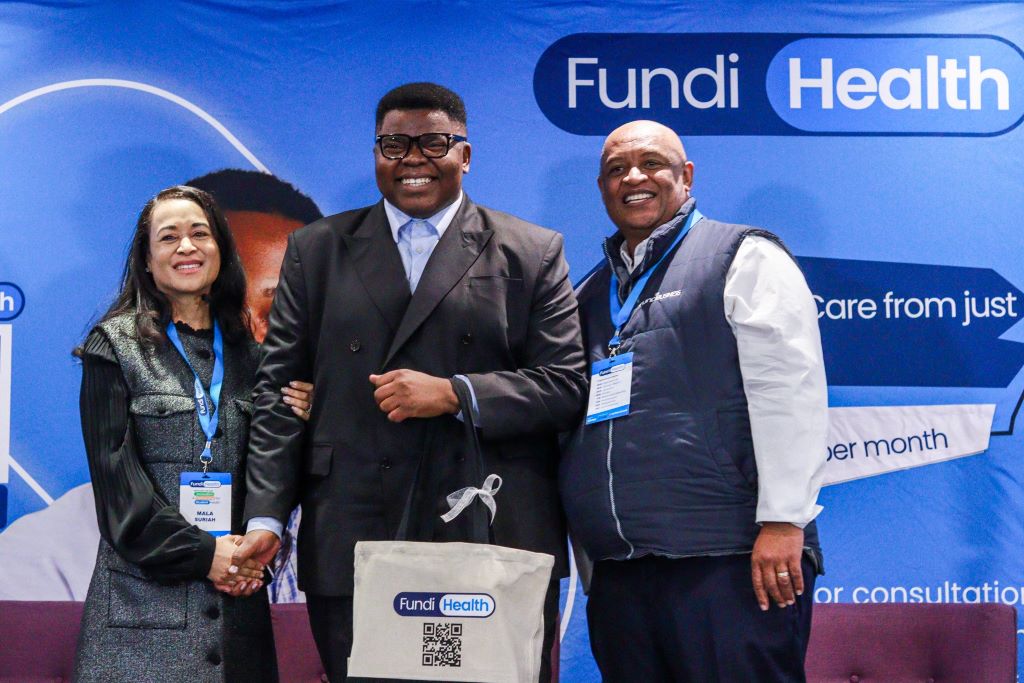
Fundi CEO Mala Suriah, moderator on the day ,Thembekile Mrototo and Fundi Executive Head Benedict Johnson at the FundiHealth launch.

The solution has been launched at a time when South Africa is grappling with a significant gap in healthcare coverage. According to the Council for Medical Schemes (2024), over 80% of South Africans do not belong to a medical aid scheme and rely entirely on the overstretched public health system. Young people are particularly vulnerable notes Charles Irumba, FundiHealth Executive: “Research from the Board of Healthcare Funders (2023) shows that fewer than 12% of students and young professionals under the age of 30 have adequate medical cover. This lack of access has serious implications not only for individual wellbeing but also for South Africa’s productivity and growth.” Data from Statistics South Africa (2024) further supports this; with absenteeism due to preventable illness costing the economy over R16 billion annually, with students and entry-level workers among the most affected.

“When students drop out of school because of untreated illnesses – including stress, depression or anxiety – or when young professionals miss work and lose income as a result, it has a detrimental effect on them as well as their families,” says Irumba. “FundiHealth ensures that young South Africans stay healthy in class and at work, contributing meaningfully to their futures and to our country’s growth and development.”

The new platform offers affordable, accessible medical cover that includes access to private doctors, medication, mental health support and preventative care services, all designed to fit the budgets of students, families and young professionals. “Critically, we’ve also created an option that allows organisations to offer their entry-level staff healthcare benefits at a fraction of the cost of traditional schemes. This is ideal for SMMEs and growing businesses, as it will assist them improve staff retention, morale and productivity,” adds Johnson. “Employers often underestimate the economic impact of poor health among their youngest and most vulnerable employees. By offering a healthcare solution like FundiHealth, they’re not just supporting their people, they’re strengthening their businesses too. Healthy employees are more engaged, more present and more productive. It’s a win-win.”

Beyond immediate productivity benefits, FundiHealth also has the potential to alleviate pressure on South Africa’s public health system by shifting some demand into the private sector and by promoting preventative care among young people. “If we want to grow as a nation, we have to keep our young people healthy in body, mind and spirit,” notes Irumba. “That’s what FundiHealth is all about. Good health is not a ‘nice-to-have’. It is a fundamental part of what it takes to succeed.”

FundiHealth is available to students, their families, young professionals and organisations at fundihealth.co.za. Customers can both explore different plan options and sign-up online.

“With FundiHealth, we’re tackling one of the most overlooked challenges to achieving one’s full potential: health. Good health underpins everything. By keeping our students and young professionals healthy, we’re keeping their dreams alive and South Africa moving forward,” Johnson concludes.

SAHPRA Registers Lenacapavir

Photo by Elen Sher on Unsplash

Pretoria, 27 October 2025 – The South African Health Products Regulatory Authority (SAHPRA) is pleased to announce the registration of Lenacapavir. Lenacapavir is an antiviral medicine that is recommended, in combination with safer sex practices, for pre-exposure prophylaxis (PrEP) to prevent HIV-1 infection in adults and adolescents weighing at least 35kg.

An application by Gilead was submitted to SAHPRA in March 2025. The SAHPRA review process was done in collaboration with the European Medicines for All Procedure (EU-M4all).  This procedure enables the European Medicines Agency (EMA), together with the participating regulatory authorities, to provide scientific opinions on high-priority medicines, such as Lenacapavir, intended for markets outside the European Union. The benefits of this pathway are to strengthen regulatory systems and accelerate access to essential medicines.

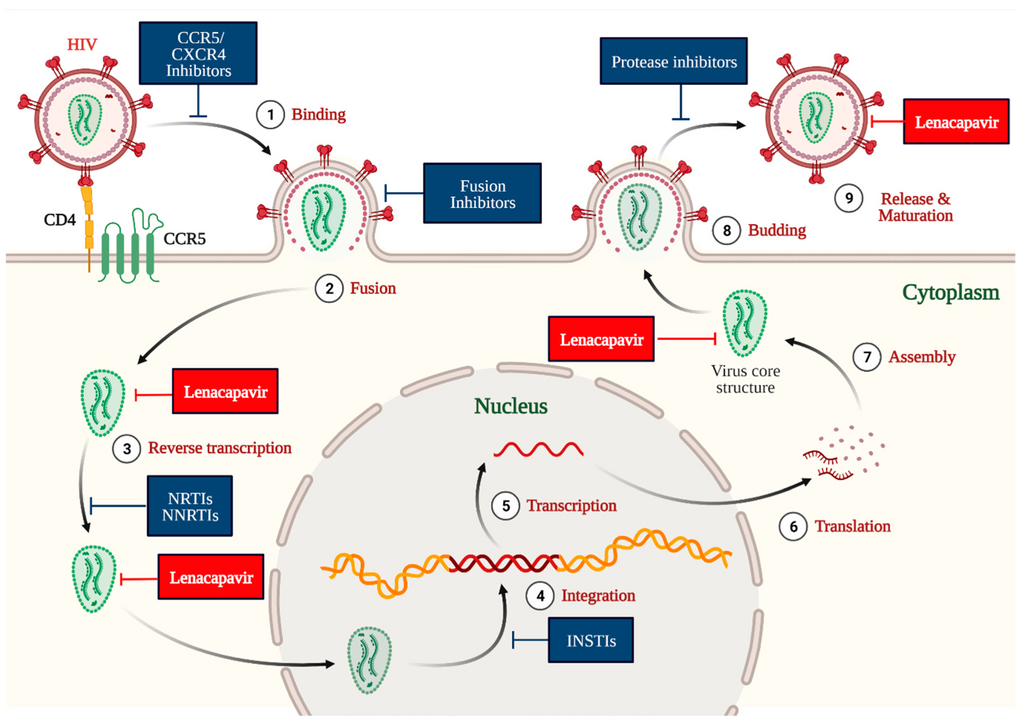
Lenacapavir mechanism. Credit: Dzinamarira, T et al., 2023. CC 4.0

Dosage

This product, developed to prevent new HIV infections, is a six-monthly injection. There is an initiation dose of a subcutaneous injection (administered just under the skin) with tablets (taken on days 1 and 2). It is used to reduce the risk of HIV in adults and adolescents who weigh at least 35kg, are HIV negative, and are at risk of getting HIV. Lenacapavir for PrEP should always be used in combination with safer sex practices, such as using condoms, to reduce the risk of getting other sexually transmitted infections.

“The registration of Lenacapavir is a game-changer, given the high prevalence rate of HIV in South Africa. This product is the most effective HIV prevention measure thus far,” indicated Dr Boitumelo Semete-Makokotlela, CEO: SAHPRA.

Source: SAHPRA

Altron HealthTech Set to Pilot South Africa’s First Oncology Companion App

ThriveLink to connect patients, doctors, caregivers, and medical schemes in a seamless digital platform

The last thing someone dealing with a life-threatening disease wants is the pain of endless administrative paperwork and confusion that arises when aspects of their care are not easily coordinated. Altron HealthTech is set to pilot a solution designed to minimise these burdens by integrating various aspects of care management into one solution.   

The company announced today that it will soon begin piloting ThriveLink, South Africa’s first platform to connect patients, doctors, caregivers, and medical schemes in one integrated digital space. The oncology companion app is designed to help cancer patients flourish during a trying time by providing seamless care coordination, access to key information and educational content and removal of administrative obstacles. 

“We’ve built this tool with the ultimate goal of making life easier for cancer patients to be empowered throughout managing their treatment journey,” says Altron HealthTech MD Leslie Moodley. “They’ll receive appointment tracking, medication reminders, and secure communication with their care team – all customised for their unique treatment plan in one digital space – so they can focus on what matters most: their health and wellbeing.” 

Addressing a growing crisis

The development team was inspired to create ThriveLink after frontline agents logged an alarming increase in cancer diagnoses. Cancer cases in South Africa are projected to nearly double from 62 000 in 2019 to 121 000 nationally by 2030 based on data compiled by the SA Journal of Oncology, driven by an aging population and increased lifestyle risks. 

“We have insight into anonymised and aggregated data, and were shocked at the increase in cancer volumes,” says Moodley. “We realised there was value in developing a tool that could span the entire healthcare value chain and all the various touchpoints, to solve for a very real issue. This insight sparked a critical question: how can we make it easier for oncologists, our key stakeholders, to focus on what matters most – patient care? 

ThriveLink brings together data from specialists, medical aids, pharmacies, and other relevant sources to coordinate care to connect healthcare providers. Beyond appointment tracking and medication reminders, the app offers educational content, emotional support tools, and secure communication channels. 

“The solution enables these data points to collaborate in a technical sense to coordinate care,” explains Moodley. “Our response was to build a technology-driven platform that not only streamlines authorisations and treatment protocols but also enables real-time interoperability. This empowers oncologists to coordinate care more efficiently, track treatment pathways, and adapt plans based on patient-specific outcomes. Patients won’t have to worry about burdensome details and will get reminded when it’s time to take their medication or schedule a follow-up.” 

Built on medical expertise and security

The app serves as the vital link in a complex ecosystem, ensuring secure information flow, informed decision-making, and trust at every stage.  

Altron HealthTech consulted widely with oncologists, patients, and other medical professionals before beginning development. A base application was rolled out to specialists about a year ago, and feedback from that pilot informed the expanded platform now ready for patient testing. 

The app has been built on secure, cloud-based software-as-a-service architecture in compliance with the Protection of Personal Information Act and all relevant regulatory requirements. Patients must provide informed consent before signing up. 

Beyond supporting patients directly, ThriveLink is designed to help control healthcare costs. Cancer is among the most expensive therapeutic burdens, with the Cancer Alliance having predicted that this disease will cost the public sector an additional R50 billion between 2020 and 2030. 

“By streamlining processes and integrating claims, authorisations, and clinical data, we remove duplication and costs from the system,” says Moodley. “This can indirectly help keep medical aid premiums down, benefiting all medical scheme patients.” 

Altron HealthTech is in early-stage discussions with medical aid schemes interested in integrating the app into their mobile solutions. 

#InsideTheBox with Dr Andy Gray | Public Participation in Medicines Selection and Regulation – Lacking?

#InsideTheBox is a column by Dr Andy Gray, a pharmaceutical sciences expert at the University of KwaZulu-Natal and Co-Director of the WHO Collaborating Centre on Pharmaceutical Policy and Evidence Based Practice. (Photo: Supplied)

By Andy Gray

In several countries, the public is given an opportunity to share their views with regulators before new medicines are registered or to engage with those choosing essential medicines. In South Africa, however, opportunities for such public participation remains limited. In his latest #InsideTheBox column, Dr Andy Gray takes a look at how public participation is handled elsewhere and how it could be improved here.

One of the rallying cries of patient and community-based organisations has long been “nothing about us, without us”. The “patient voice” is, however, not always heard in medicines selection or medicines regulation.

How it works in the US and Europe

Recent highly contested medicines regulatory decisions in the United States, such as the warnings about paracetamol use in pregnancy, have highlighted the role of advisory committees to the Food and Drug Administration (FDA). The FDA relies on a number of such committees to provide advice on regulatory questions, such as whether to approve a new medicine or how to manage emergent safety signals. The FDA usually follows the advice provided by these independent structures, but is not bound to do so.

The fact that advisory committees meet in open session, and that their recommendations are transparent to the public, means that the final decision by the FDA can be contrasted with the scientific advice. The curricula vitae of advisory committee members are posted on the FDA website and updated annually. Critically, when an advisory committee meeting is scheduled, the date and time is announced at least 15 days in advance of the meeting, and this serves as an invitation to interested parties to register to make oral submissions during the Open Public Hearing portion of the meeting.

In addition to providing opportunities for public engagement in this manner, the FDA has also operated a Patient Representative Program since 2024. FDA Patient Representatives are appointed, provided with training, and may then engage with the scientific and other expert members of the advisory committees. Among the criteria applied in their selection are personal experience with a particular disease as a patient or primary caregiver, knowledge about the treatment options and research in that area, and the willingness and ability to communicate in public, as well as being objective while representing the concerns of others affected by the disease.

Similar mechanisms have been put in place in Europe. The European Medicines Agency (EMA) has enabled the appointment of patients as members of its management board and scientific committees. In addition, the EMA Patients’ and Consumers’ Working Party provides a venue for ongoing engagement. The EMA engagement framework explicitly aims to ensure “access to patients’ real-life experiences of living with a condition, its management and the current use of medicines, complementing the scientific evidence provided during the evaluation process” and “the generation, collection and use of evidence-based patient experience data for benefit-risk decision-making”.

How it works in South Africa

Section 3(9) of the Medicines and Related Substances Act, 1965, instructs the chief executive officer of the South African Health Products Regulatory Authority (SAHPRA) to appoint advisory committees. The wording is peremptory, but also broadly enabling: “The Chief Executive Officer shall, in consultation with the Board, appoint committees, as he or she may deem necessary, to investigate and report to the Authority on any matter within its purview in terms of this Act.” Provided there is consultation with the Board of the Authority, the number of committees and their membership is left to the CEO to decide.

To date, however, there has been no deliberate effort to include patient or consumer representatives on any of the advisory committees.

More importantly, meetings of the committees are not open to the public, nor are their recommendations to the regulatory authority placed in the public domain. The “patient voice” is therefore potentially missed, and stakeholders are unable to determine when or how final decisions taken by the Authority may differ from the recommendations made by the technical advisory committees. In that sense, SAHPRA is no more transparent than its predecessor the Medicines Control Council, which also laboured under the same antiquated secrecy provision in the Act. Section 34 of the Act is actually labelled “Preservation of secrecy”.

Similar concerns with medicines selection

Medicines regulators determine whether medicines should be allowed onto the market and how those should be controlled. Similar dynamics are at play in determining which medicines are “essential” and should be procured or reimbursed by health systems.

At a global level, the World Health Organization (WHO) updates its Model List of Essential Medicines every two years. The Model List is a starting point for many countries’ efforts to develop national essential medicines lists, guiding procurement in their public sectors. Although the expert committee responsible for this work does not explicitly include patient representatives, all proposals submitted are placed in the public domain, as are the reviews conducted, and an account of the final decisions. On the first day of the meeting, an open session is held at which stakeholders are invited to apply to present.

One of the most trusted medicine selection bodies is the UK National Institute for Health and Care Excellence (NICE), which also has a deliberate process for stakeholder engagement at multiple steps in its guideline development. For example, right at the outset, this invitation is issued: “NICE invites all stakeholder organisations to attend a scoping workshop. You will be sent a first draft of the scope, which will be discussed at the meeting. We encourage you to send someone who knows about and can represent patients and carers’ interests.”

Medicines selection in the South African public sector is evolving, embracing the challenge of health technology assessment. While there are as yet no patient representatives on either the Expert Review Committee or the National Essential Medicines List Committee, there are opportunities for stakeholder engagement with draft guidelines and increasing transparency, with medicines evaluation reports posted on the Department of Health website.

Full medicine reviews follow an evidence-to-decision framework that was first piloted during the height of the COVID-19 pandemic. One of the questions posed reads: “Is there important uncertainty or variability about how much people value the options?” This question is aligned with what the WHO Handbook for Guideline Development refers to as “values and preferences”. For example, the WHO guidance calls for evidence of the “values and preferences of the people receiving the intervention or experiencing the outcomes the intervention can affect”. While that evidence may sometimes be reported in the scientific literature, all too often it is lacking.

Ultimately, “nothing about us, without us” should not only be a demand made by patients, but also by those who care about the quality, reliability and acceptability of medicines selection and regulatory decisions. Improving the transparency of decision-making processes is critical, but so is creating, promoting and protecting the spaces for an effective “patient voice”. Doing so is a critical investment in building trust, which is so easily eroded.

*Dr Gray is a Senior Lecturer at the University of KwaZulu-Natal and Co-Director of the WHO Collaborating Centre on Pharmaceutical Policy and Evidence Based Practice. This is part of a series of #InsideTheBox columns he is writing for Spotlight.

Disclosure: Gray is a member of South Africa’s National Essential Medicines List Committee and co-chairs its Expert Review Committee.

Note: Spotlight aims to deepen public understanding of important health issues by publishing a variety of views on its opinion pages. The views expressed in this article are not necessarily shared by the Spotlight editors.

Republished from Spotlight under a Creative Commons licence.

Read the original article.

Aplastic Anaemia: A Stem Cell Donor Is the Difference Between a Future and a Fight for Life 

Both Leathan (L) and Godfrey (R) have aplastic anaemia, which can treated with a stem cell donation. Leathan received stem cells from his twin sister, who is a perfect match. But Godfrey must travels from KwaMhlanga to Pretoria for life-sustaining blood transfusions.

When aplastic anaemia struck two young South Africans, their fates diverged dramatically. While one received a life-saving stem cell transplant, the other continues to fight every day. The rare blood disease affects fewer than six people per million, but for Leathan and Godfrey, the statistics became deeply personal. 

Understanding Aplastic Anaemia: When Hope Meets Science 

Aplastic anaemia is a devastating condition where the bone marrow fails to produce sufficient blood cells, leaving patients vulnerable to infections, bleeding, and severe anaemia. Given this rare disease’s high mortality rates, prompt recognition and immediate action are critical for survival. “The challenge with aplastic anaemia is that early symptoms can be subtle,” explains Dr Gugulethu Jali, a Clinical Haematologist and Haematopathologist at the Department of Health Kwa-Zulu Natal. “However, advances in treatment, particularly hematopoietic stem cell transplantation (HSCT), have transformed the prognosis, with survival rates now exceeding 80% when matched donors are found.” 

Leathan’s Journey: From Crisis to Recovery 

Seventeen-year-old Leathan had his whole life mapped out. The passionate soccer player dreamed of becoming a criminal lawyer, balancing his love for the game with serious academic ambitions. But subtle symptoms began to appear, including weight loss and nosebleeds that seemed minor at first. 

When he suddenly collapsed at home, his family rushed him to hospital where doctors discovered his blood levels were critically low. Tests revealed that his bone marrow had completely stopped producing blood cells. Without immediate intervention, he would need blood transfusions and platelets for the rest of his life. 

But Leathan had something that changes everything in aplastic anaemia cases: a perfect genetic match. His twin sister, without hesitation, donated her stem cells , giving her brother the ultimate gift of life. 

Today, Leathan represents the success story that medical advances have made possible. Since the transplant, he has not needed further transfusions, and his blood counts are steadily stabilising. However, he may still need additional stem cell support to fully restore his health.  

Currently, he’s on the path back to his soccer dreams and law school aspirations, a living example of what’s achievable when the right match is found. 

Godfrey’s Battle: The Same Disease, Different Circumstances 

While Leathan’s recovery shows what’s possible, eleven-year-old Godfrey from KwaMhlanga, Mpumalanga, is still living with the daily reality of aplastic anaemia. Like Leathan, Godfrey was once full of energy and loved soccer. 

Then the familiar pattern began to emerge: Godfrey started moving more slowly, struggling with everyday tasks that once came easily. When uncontrollable bleeding began, his family knew something was seriously wrong. After a long diagnostic journey that began in 2019, Godfrey received the same diagnosis Leathan had faced: aplastic anaemia. 

Unlike Leathan, Godfrey doesn’t have a twin sister who’s a perfect match. Instead, every month, he travels from KwaMhlanga to Pretoria for life-sustaining blood transfusions. The physical and emotional toll has been devastating. He was unable to pass Grade 5 last year, not because he lacks ability, but because fighting for your life leaves little energy for schoolwork. 

Your Role in Changing Godfrey’s Story 

For Godfrey to follow the same path as Leathan, he needs his genetic match. That person could be you. 

Compatible donors are often found within similar ethnic backgrounds, making diversity in donor registries crucial for patients like Godfrey. If you’re between 17 and 55 and in good health, registering as a stem cell donor takes minutes and costs nothing. Register today at https://www.dkms-africa.org/save-lives.  

Webber Wentzel Secures Landmark Constitutional Court Ruling Reforming South Africa’s Parental Leave Laws

Photograph by Drew Hays on Unsplash

Webber Wentzel’s Pro Bono team represented Mr and Mrs van Wyk in a landmark case that has resulted in the Constitutional Court confirming that South Africa’s statutory four months of parental leave may be shared between both parents. The ruling marks a significant step toward gender equality in the workplace and family law.

The case challenged the unequal parental leave provisions under section 25 of the Basic Conditions of Employment Act (BCEA), which granted birthing mothers up to four months of maternity leave while limiting fathers to only 10 days.

Webber Wentzel argued that section 25 of the BCEA unfairly discriminated against fathers and placed an undue burden on birthing mothers by not allowing families to decide who should be the primary caregiver. The court agreed and criticised the 10-day leave for fathers by rejecting the cultural norms that reinforce gendered parenting roles as inconsistent with constitutional values.

The application was supported by the Commission for Gender Equality (CGE) and Sonke Gender Justice (Sonke). CGE advocated for equal parental leave for adoptive and surrogacy-commissioning parents, which the court partially granted. Sonke’s request for an equal 16-week leave for both parents was not granted.

The Constitutional Court, in a unanimous judgment delivered by the Honourable Justice Tshiqi, confirmed that sections 25, 25A, 25B and 25C of the BCEA, along with corresponding provisions of the Unemployment Insurance Fund Act (UIF Act), are unconstitutional. The Court held that these provisions violate the rights to equality and human dignity under sections 9 and 10 of the Constitution.

The Minister of Employment and Labour accepted that differentiation exists between birthing mothers and other categories of parents is automatically unfair as it is based on grounds specified in section 9(3) of the Constitution. Further, the Minister acknowledges that there is a need for reform in the current legislation pertaining to the parental leave regime contained in the BCEA.

As a result of the ruling in the Constitutional Court, the 4 months of maternal and the 10 days of parental leave will be combined into a total of 4 months and 10 days, which parents may now share as they choose. If no agreement is reached, the leave will be split equally. Where only one parent is employed, that parent will be entitled to the 4 consecutive months of parental leave.

The Constitutional Court also confirmed that the same parental leave provisions apply to adoptive parents and commissioning parents in a surrogacy arrangement.

The Constitutional Court has suspended the declaration of invalidity of the relevant BCEA and UIF Act provisions for a period of 36 months, to allow the legislature to remedy the necessary constitutional defects.  In the interim, the following principles will apply:

  • A single parent or a parent who is the only employed parent is entitled to four months’ consecutive parental leave.
  • Parents who are both employed may share the allocated parental leave of four months and 10 days between them, concurrently or consecutively.
  • An adoptive parent of a child younger than two years is entitled to four months’ consecutive parental leave.
  • If an adoption order is granted in respect of two parents, they may share the allocated parental leave of four months and 10 days between them, concurrently or consecutively.
  • A commissioning parent is entitled to four months’ consecutive parental leave.
  • Where there are two commissioning parents, they may share the allocated parental leave of four months and 10 days between them, concurrently or consecutively.

Employers are encouraged to review and, where necessary, update their leave policies and employment contracts to reflect the new parental leave framework.

“This judgment is a powerful affirmation of the constitutional rights to equality and dignity,” said Nkosinathi Thema, senior associate, Webber Wentzel. “It recognises that caregiving is not the exclusive responsibility of mothers and that both parents should have the freedom to decide how best to care for their child.”

The Webber Wentzel team comprised Ayanda Khumalo, Nkosinathi Thema and Lize-Mari Doubell. Counsel Nasreen Rajab-Budlender SC, Liam Minné and Sanan Mirzoyev appeared on a pro bono basis.

The judgment can be read here.

Ends…

Founded in 1868, Webber Wentzel is a leading full-service law firm providing clients with innovative solutions to their most complex legal and tax issues across Sub-Saharan Africa. With over 450 lawyers, their multi-disciplinary expertise is consistently ranked top tier in leading directories and awards, both in South Africa and on the African continent. Their collaborative alliance with Linklaters and their deep relationships with outstanding law firms across Africa provide clients with market-leading support wherever they do business.