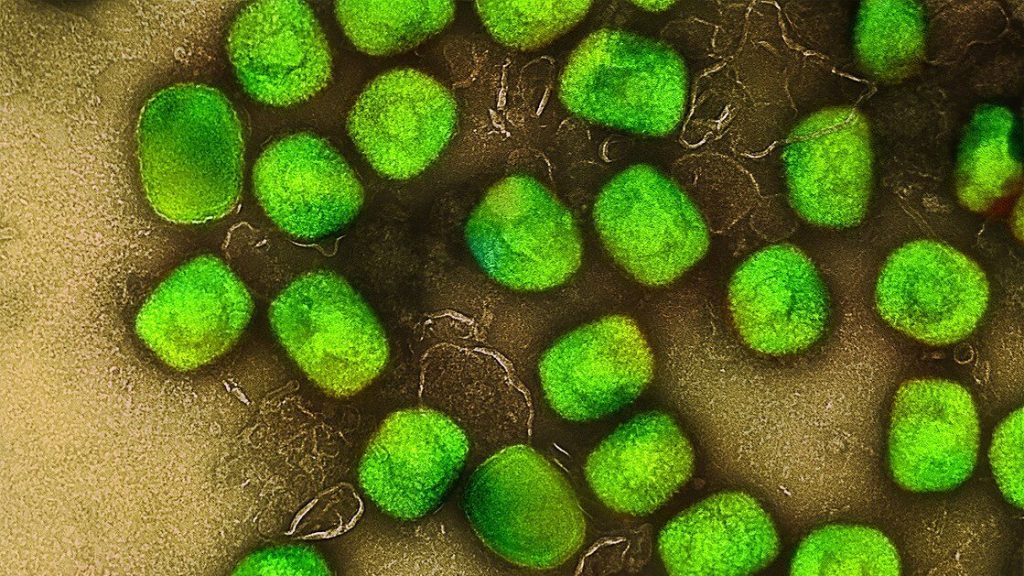
In a study published in Cell Host & Microbe, scientists studied the sensitivity of MPXV, the virus that causes mpox (formerly monkeypox) to neutralising antibodies (NAbs) generated after infection with the virus and/or vaccination with IMVANEX. They found that those who had been born before 1980 had more antibodies in response to either IMVANEX vaccination or mpox infection, highlighting the lasting protection of smallpox vaccination.
The IMVANEX vaccine has been used as pre- and post-exposure prophylaxis in high-risk populations, but its effectiveness is not yet well characterised. To analyse the sensitivity of the virus, a team of scientists led by Pasteur Institut developed two cellular tests to quantify neutralising antibodies, using either the attenuated virus as a vaccine (MVA) or an MPXV strain isolated in a recently infected individual.
In 2022-2023, an unprecedented epidemic of 87 000 cases of mpox occurred in non-endemic areas, affecting people with no direct link to travel in Central or West Africa, where the virus has historically been present. MPXV is mainly transmitted to humans by rodents, with human-to-human transmission occurring via respiratory droplets or close contact. Symptoms are less severe than those of smallpox, and the case-fatality rate is lower. MPXV is still circulating at very low levels in non-endemic areas, which is why it is important to improve characterisation and analyse the immune response of people infected with the virus or vaccinated with IMVANEX, the third-generation vaccine currently available, initially developed for smallpox.
The large number of sera analysed provided good statistical power, meaning that the analysis could be narrowed to subgroups of patients based on various criteria such as age.
The study demonstrated the role of complement, already known for other poxviruses, and the neutralising activity of the antibodies generated by infection or vaccination. Robust levels of anti-MVA antibodies were detected after infection, vaccination with the historic smallpox vaccine, or administration of IMVANEX or another MVA-based vaccine candidate. MPXV was minimally sensitive to neutralisation in the absence of complement. The addition of complement from sera enhanced detection of individuals with antibodies and increased their level of anti-MPXV antibodies. Four weeks after infection, anti-MVA and -MPXV NAbs were observed in 94% and 82% of individuals, respectively. Two doses of IMVANEX generated anti-MVA and -MPXV NAbs that were detectable in 92% and 56% of vaccinees, respectively.
The highest level of antibodies was found in individuals born before 1980 (who had therefore been vaccinated for smallpox), whether after infection or after administration of IMVANEX, highlighting the impact of historic smallpox vaccination on immune responses to infection or administration of IMVANEX. This suggests that a sort of hybrid immunity was generated in infected individuals who were vaccinated in childhood.
The number of MPXV infections has been constantly on the rise since mass vaccination for smallpox was discontinued in the 1980s. “The neutralisation assays developed in connection with this research may help define correlates of protection against infection or disease severity. The assays can also be used to conduct epidemiological surveys, assess the duration of protection conferred by previous infection or by authorised and candidate vaccines, and analyse the use of immunotherapeutic intervention. The assays represent useful tools to understand the mechanisms of multiplication of MPXV and its effects on public health, and to optimsze patient treatment,” commented Olivier Schwartz, Head of the Institut Pasteur’s Virus and Immunity Unit and last author of the study.
A massive and much-anticipated phase 3 trial of an experimental tuberculosis (TB) vaccine is set to proceed after funding for it has been secured from two large philanthropies. Wellcome and the Bill & Melinda Gates Foundation (BMGF) Wednesday announced they’d be investing a combined $550 million into the trial – around $150 million from Wellcome and the remaining from the Bill & Melinda Gates Medical Research Institute, a nonprofit subsidiary of the BMGF.
The vaccine, called M72/AS01E or just M72, made headlines in September 2018 when it was found to offer 54% protection against pulmonary TB disease in a phase 2B trial. That trial, of around 3 300 people, was conducted in South Africa, Zambia, and Kenya. Final results from that study were published in the New England Journal of Medicine in 2019 – efficacy in these final results was down to around 50%.
Medicines and vaccines are typically only brought to market once safety and efficacy have been confirmed in a large phase 3 trial. In this case, the phase 3 trial is set to have around eight times as many participants as the phase 2B trial.
26 000 study participants
“Conducted in collaboration with an international consortium of TB clinical investigators, the trial will enrol approximately 26 000 people, including people living with HIV and without TB infection, at more than 50 trial sites in Africa and Southeast Asia,” Wellcome and BMGF said in a statement announcing the trial.
They said the trial will “assess the candidate vaccine’s efficacy at preventing progression from latent TB infection to pulmonary TB”. In an online media conference on Wednesday Trevor Mundel, President for Global Health at BMGF, clarified that while most study participants will be people with latent TB infection, 4 000 people without TB infection would also be recruited. This is because establishing evidence of the vaccine’s safety in people without latent TB infection will be important if the vaccine is to be rolled out in areas with high background rates of TB without first having to test everyone for latent infection. “You’d want to be comfortable with vaccinating everyone in the community,” he said, “So we need to have that safety data in the uninfected as well in order to be able to have that usage, which will be the easiest way to use the vaccine at the end of the day.”
Mundel said that the study is scheduled to start early in 2024 and that it is expected to last for four to six years. Exactly how long the study will take will depend largely on how long it takes for 150 study participants to develop active TB – the number required for the study to have sufficient statistical power. By comparison, recruitment for the phase 2B trial started in 2014 and the first findings from that study were published in 2018.
According to the statement, additional details about the trial design and participants will be announced in the coming months.
Given that the phase 2B trial was partially conducted in South Africa and the country has substantial TB clinical trial capacity, it is almost certain that some of the 50 trial sites will be in South Africa – although know specific trial sites have yet been announced.
As pointed out in the statement, the only TB vaccine in use today, bacille Calmette-Guerin (BCG), was first given to people in 1921. It helps protect babies and young children against severe systemic forms of TB but offers limited protection against pulmonary TB among adolescents and adults. If the findings from the phase 3 trial of M72 are positive, m72 will become the first new TB vaccine in over a hundred years to be proven safe and effective.
According to the most recent figures from the World Health Organization (WHO), around 304 000 people fell ill with TB in South Africa in 2021. While TB rates are declining, they are declining relatively slowly and according to the most recent WHO World TB Report, a major technological breakthrough such as a new vaccine will be needed if ambitious TB control targets are to be met.
Announcement welcomed
“We’ve waited a long time for this study, so are happy to see the Bill & Melinda Gates Foundation and Wellcome taking up this important task,” said Patrick Agbassi, chair of the Global TB Community Advisory Board, in a comment included in the Wellcome/BMGF statement. “The question now becomes how we can enroll 26 000 people most quickly and ensure that all populations at risk of TB will ultimately be able to benefit from access to what could be the first new TB vaccine in over 100 years. A robust community engagement programme will be key, as will taking on studying this vaccine in younger adolescents, pregnant women, people with prior history of TB, and other key groups often underrepresented or left out entirely of TB trials and the benefits of scientific progress.”
Mark Harrington, executive director of New York-based advocacy organisation Treatment Action Group (TAG) said, “TAG welcomes this historic investment in TB vaccine development by Wellcome and the Bill & Melinda Gates Foundation. A Phase III clinical trial of the M72/AS01E TB vaccine candidate is a long-awaited milestone. We hope this funding commitment sparks governments and other funders to substantially increase investments in the TB vaccine pipeline, which contains a number of promising candidates in addition to M72/AS01E but faces a dire financial shortfall.”
“This Phase III trial,” Harrington said, “will take several years to complete. We encourage the Gates Foundation, Wellcome, GSK, country governments, and other partners to use this time to lay the groundwork for eventual vaccine adoption by ensuring the availability, affordability, and acceptability of M72/AS01E should it prove safe and effective.”
Initial development of M72 was driven by the pharmaceutical company GSK with support from several governments, philanthropies, and research organisations. The vaccine contains the M72 recombinant fusion protein, which the Wellcome/BMGF statement explains is derived from two Mycobacterium tuberculosis antigens (Mtb32A and Mtb39A) combined with the GSK proprietary Adjuvant System AS01E. According to the statement, GSK will continue to provide the adjuvant for the vaccine’s further development and potential launch.
NOTES: (1) The BMGF is mentioned in this article. Spotlight receives funding from the BMGF, but is editorially independent – an independence that the editors guard jealously. Spotlight is a member of the South African Press Council. (2) A representative of the Global TB Community Advisory Board is quoted in this article. Spotlight editor Marcus Low was previously a member of the Global TB Community Advisory Board.
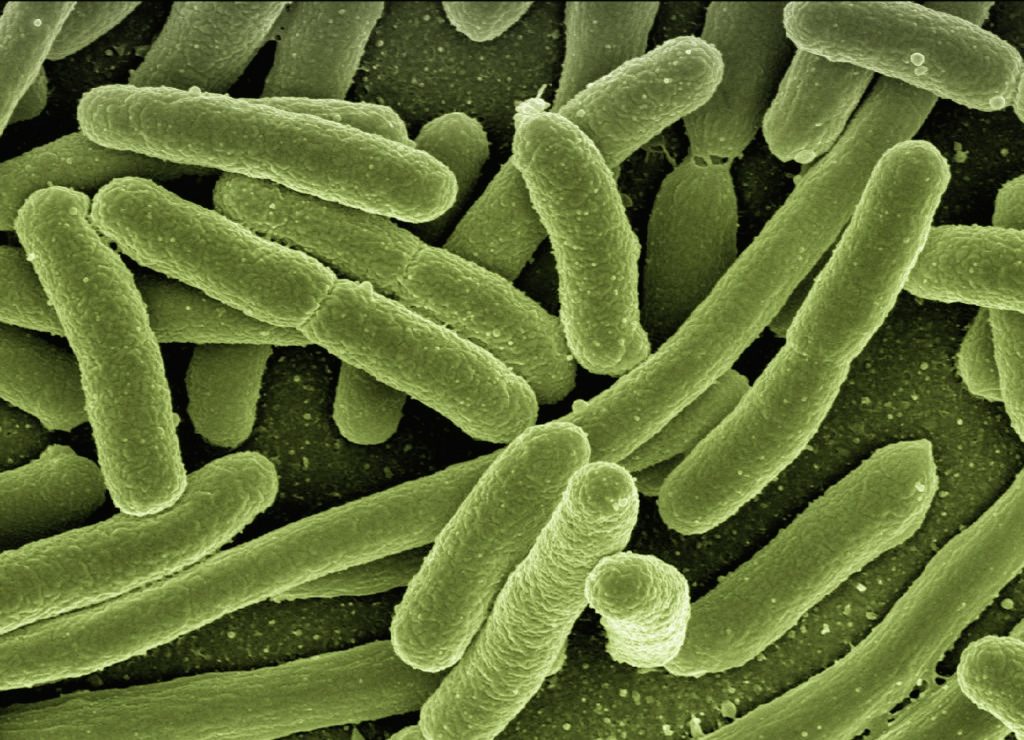
Scanning electron micrograph image of E. Coli bacteria. Credit: NIH
Scientists have found that pairing specific diets with disease-causing bacteria can create lasting immunity in mice without the costs of developing sickness, revealing a new potential vaccination strategy. Their findings, published in Science Advances, may lead to new vaccines that could promote immunity for those with diarrhoeal diseases and possibly other infections.
The body takes one of two defence strategies against bacterial infections: kill the intruders or impair the intruders but keep them around. If the body chooses to impair the bacteria, then the disease can occur without the diarrhoea, but the infection can still be transmitted – also known as asymptomatic carriage.
“We discovered that immunisation against diarrhoeal infections is possible if we allow the bacteria to retain some of its disease-causing behaviour,” says senior author Professor Janelle Ayres at Salk Institute. “This insight could lead to the development of vaccines that could reduce symptoms and mortality, as well as protect against future infections.”
In 2018, Ayres’ lab looked at how dietary interventions can create an asymptomatic infection, which Ayres calls a cooperative, asymptomatic relationship between bacteria and host. They discovered that an iron-rich diet enabled mice to survive a normally lethal bacterial infection without ever developing signs of sickness or disease. The high-iron diet increased unabsorbed glucose in the mice’s intestines, which the bacteria could feast on. The excess glucose served as a ‘bribe’ for the bacteria, keeping them full and incentivised to not attack the host.
This process produced long-term asymptomatic infection with the bacteria, leading the researchers to believe that the adaptive immune system (which ‘remembers’ infections) may be involved.
“Being able to generate lasting immunity against bacteria like C. rodentium or E. coli has not been possible using established vaccination strategies. We wanted to figure out what mechanism was sustaining this lasting immunity, so we could use that mechanism to create an impactful solution to these diarrheal diseases,” says first author Grischa Chen, a former postdoctoral researcher in Ayres’ lab.
The researchers moved to figure out how the body suppresses infection symptoms, whether infection without symptoms can create long-term immunity, and whether that immunity is reproducible as a vaccination strategy.
The team compared mice with iron-rich and normal diets after C. rodentium infection to find whether the diet impacted symptomless infection. Immediately after infection, mice fed an iron-rich diet had no symptoms whereas mice fed a normal diet did have symptoms. All mice were then put on a normal diet to see whether the asymptomatic infection would last.
Mice without functional adaptive immune systems, regardless of whether they had ever been on an iron-rich diet, could not continue maintaining a cooperative relationship with the bacteria. Although the iron-rich diet suppressed symptoms immediately after infection, the adaptive immune system was required for lasting cooperation. Importantly, the mice with functional adaptive immune systems had the disease without any symptoms, with lasting immunity, as demonstrated by survival upon reinfection after a month.
Ayres and team concluded that an iron-rich diet alone can prevent bacteria from creating deadly symptoms in mice during active infection. But a functional adaptive immune system is required for immunity against future infection in the absence of dietary supplementation.
Some bacterial strains, if mutated enough, don’t cause symptoms. To test whether such bacteria could produce lasting immunity, the team repeated their iron-diet versus normal-diet experiment in mice, but this time using bacteria that could cause disease and bacteria that could not cause disease. They found that only mice that received disease-causing, unmutated bacteria were able to support immunity upon reinfection.
The scientists note that this is only a preliminary study and people shouldn’t consume large amounts of iron after reading it. They also hope their insights will provide a basis for future research in humans and the creation of a vaccination regiment that protects and prevents against diarrhoeal illness.
In a concerning trend, a study of 17 000 people has revealed that public confidence in vaccines has plunged across sub-Saharan Africa since the COVID pandemic. The study, published in Human Vaccines & Immunotherapeutics, covered eight countries including South Africa – which saw one of the biggest falls in trust.
The findings come as the World Health Organization and UNICEF have reported the largest sustained fall in uptake of routine childhood immunisations in three decades. Six million fewer children in Africa received routine shots for diseases including tetanus, polio, diphtheria and measles over the past two years, and rising outbreaks threaten to reverse decades of progress against preventable diseases.
Previously, this was attributed to pdisruption of vaccination programs by the pandemic – however these new findings, which followed a study carried out by a team from London School of Hygiene & Tropical Medicine (LSHTM) and the Africa Centres for Disease Control and Prevention, suggest there could be other possible reasons too.
“Our study paints a worrying picture of declining vaccine confidence trends across many sub-national regions in sub-Saharan Africa, notably in the Democratic Republic of Congo, where confidence losses are particularly large,” states lead author Dr Alex de Figueirido, a Research Fellow at LSHTM.
The team’s results could be an early warning sign of wider scale loss in vaccine confidence, say the authors. Critically, regional losses in confidence – as seen in this study – could lead to clusters of non-vaccinated people which could have a negative impact on ‘herd immunity’ – the point at which a population is protected from a disease, either by enough people being vaccinated or by people having developed antibodies through having the disease.
The research involved face-to-face interviews with over 17 000 adults across eight sub-Saharan African countries: the Democratic Republic of Congo (DRC), Ivory Coast, Kenya, Niger, Nigeria, Senegal, South Africa and Uganda. The experts used sampling methods to get an accurate cross section of the population and to gain a picture of vaccine confidence at both national and regional levels.
Interviewees’ age, sex, religion, employment status and highest education level were recorded to help the researchers to analyse whether social background affected confidence in vaccines. The interviews were carried out in 2020 and again in 2022, after the pandemic.
Respondents were asked to say how strongly they agreed with statements such as ‘Vaccines are important for all ages’, ‘Vaccines are important for children’ and ‘Vaccines are safe’. They were also asked specifically about COVID vaccines, rating their agreement that COVID vaccines would be important, safe and effective – both before they had been developed (in 2020) and then after they had been developed and rolled out, in 2022.
Findings showed a fall in people’s view that vaccines are important for children across all eight countries between 2020 and 2022, particularly in DRC (20% decline), followed by Uganda (14%) and Nigeria (10.5%). In Nigeria and DRC, public confidence in vaccine safety and effectiveness also declined, and fewer people agreed that ‘vaccines are important for all ages’ in Ivory Coast, Kenya, Nigeria, South African and Uganda.
When it came to COVID vaccines, people thought they were less important in 2022 than they had in 2020 in seven out of the eight countries, with the biggest loss of trust in DRC, South Africa and Uganda. People in DRC, Kenya, Niger, Senegal and Nigeria thought that the COVID vaccine was less effective in 2022 than they had expected it to be in 2020. However, trust in the safety of the COVID vaccine stayed consistent over the two years.
In 2022, the over-60s were more likely than younger adults to agree that vaccines are generally safe, effective and important for children, but no other links were found between vaccine confidence and sex, education, employment status or religious affiliation.
“Early warning signals of confidence losses – such as those detected in this study – can provide time to respond, in the case of other epidemics, pandemics or other emerging crises,” adds co-author, Professor of Anthropology, Risk and Decision Science Heidi Larson, who is the Founding Director of the Vaccine Confidence Project at LSHTM.
“Confidence monitoring at sub-national resolutions can also provide clearer signals to the regions and groups facing confidence losses and can better prepare policymakers and stakeholders for potential losses in vaccine uptake.”
A thorough investigation is now needed to find out whether loss of confidence in COVID vaccines will trigger mistrust of other immunisation programmes, say the study authors.
“Considering global decreases in routine immunisation rates over the past two years, vaccine confidence losses could prove to be highly disruptive at this time when there are concerted efforts to address losses in routine immunization rates post pandemic. We need to understand the impact of the COVID pandemic on confidence in routine immunisation programmes, not just in Africa, but across the world,” says Dr Defigueirido.
“Understanding the role of the COVID pandemic and associated policies on wider vaccine confidence can inform post-COVID vaccination strategies and help rebuild immunisation system resilience.”
Smallpox vaccines offer continuing cross-reactive immunity to mpox (previously known as monkeypox), researchers from Karolinska Institutet in Sweden report in a study published in the scientific journal Cell Host & Microbe. The smallpox vaccine had been administered in Sweden from the early 19th century until it was discontinued in 1976 with the eradication of the disease.
During last year’s mpox outbreak, the virus spread for the first time outside Africa, causing over 85 000 cases of the disease to date. Men who have sex with men account for the most infections, with a marked skew towards the young.
The virus that causes mpox is what is known as an orthopoxvirus and is very similar to the virus that caused smallpox until the mid-1970s when it was finally eradicated. South Africa stopped its smallpox vaccinations in 1982.
Since there were data indicating that the old smallpox vaccine could protect against mpox, the researchers at Karolinska Institutet wondered if the individuals who were vaccinated decades ago against the former would have some protection against the latter owing to a remaining memory response.
“Our study shows that this is the case, which implies that the memory cells are very long-lived and that they can recognise closely related viruses such as the mpox virus and provide overlapping, or cross-reactive immunity,” says the study’s corresponding author Marcus Buggert, docent and researcher at the Center for Infectious Medicine, Karolinska Institutet.
By analysing the T-cell immune response in 105 healthy blood donors, the researchers were able to show that individuals born before 1976 had a significantly stronger immune response against both viral types. The researchers also analysed the immune response in 22 men with a recent mpox infection and showed that they also exhibited a strong immune response to the virus, which may provide future immunity.
The current study was too small to judge how much protection previous smallpox vaccination provides, but Dr Buggert refers to a recently published British observational study examining the effect of a smallpox vaccine given to risk-group males in 2022.
“This study shows that smallpox vaccine can provide about 80% protection against mpox,” he says.
The Bacillus Calmette-Guérin (BCG) for tuberculosis vaccine has a number additional beneficial effects, and is currently a recommended therapy for non–muscle-invasive bladder cancer. In a new study published in JAMA Network Open, treatment with the BCG vaccine was associated with a reduced risk of Alzheimer’s disease and related dementias.
Although previous research has suggested a link between the BCG vaccine and a lower risk of dementia, studies were limited by size, study design, or analytical methods. To conduct a more robust study, researchers followed 6467 individuals for up to 15 years after they were diagnosed with non–muscle-invasive bladder cancer.
The group included 3388 patients who underwent BCG vaccine treatment and 3079 who served as controls, matched by factors such as age, sex, and medical co-morbidities.
During follow-up, 202 patients in the BCG vaccine group and 262 in the control group developed Alzheimer’s disease and related dementias. The incidence was 8.8 per 1000 person-years and 12.1 per 1000 person-years in the respective groups.
Analyses revealed that treatment with the BCG vaccine was associated with a 20% lower risk of Alzheimer’s disease and related dementias. The protective association was greater in patients aged 70 years or older. Additionally, during follow-up, 751 patients in the BCG vaccine group and 973 in the control group died. Thus, treatment with BCG vaccine was associated with a 25% lower risk of death.
Study leader Marc Weinberg, MD, Ph.D., an Instructor in Psychiatry at MGH, said: “A vaccine like BCG, if proven effective, is a perfect example of a cost-effective, population-health–based solution to a devastating illness like Alzheimer’s disease. We are shifting our focus towards studying the potential benefits of BCG vaccination of older adults in Alzheimer’s disease–related clinical trials.”
If a causal link is found, it will be important to understand the mechanisms involved. Weinberg and his colleagues note that the BCG vaccine’s effects on the immune system may play a role.
According to new research from the Universities of Cambridge and Edinburgh, COVID vaccination protection in people with severe obesity wanes faster than in people of normal weight. The study suggests that people with obesity are likely to need more frequent booster doses to maintain their immunity.
Previous studies on COVID vaccines have suggested that antibody levels may be lower in vaccinated people who have obesity and that they may remain at higher risk of severe disease than vaccinated people with normal weight. The reasons for this have, however, remained unclear.
This study, published in the journal Nature Medicine, shows that the ability of antibodies to neutralise the virus (their ‘neutralisation capacity’) declines faster in vaccinated people who have obesity. The findings have important implications for vaccine prioritisation policies around the world.
During the pandemic, people with obesity were more likely to be hospitalised, require ventilators and to die from COVID. In this study, supported by the NIHR Bioresource and funded by UKRI, the researchers set out to investigate how far two of the most extensively used vaccines protect people with obesity compared to those with a normal weight, over time.
A team from the University of Edinburgh looked at real-time data tracking the health of 3.5 million people in the Scottish population as part of the EAVE II study. They looked at hospitalisation and mortality from COVID in adults who received two doses of COVID vaccine (either Pfizer-BioNTech or AstraZeneca).
They found that people with severe obesity (a BMI > 40kg/m2) had a 76% higher risk of severe COVID outcomes, compared to those with a normal BMI. A modest increase in risk was also seen in people with obesity (30-39.9kg/m2), which affects a quarter of the UK population, and those who were underweight. ‘Break-through infections’ after the second vaccine dose also led to hospitalisation and death sooner (from 10 weeks) among people with severe obesity, and among people with obesity (after 15 weeks), than among individuals with normal weight (after 20 weeks).
University of Edinburg leader Prof Sir Aziz Sheikh said: “Our findings demonstrate that protection gained through COVID vaccination drops off faster for people with severe obesity than those with a normal body mass index. Using large-scale data assets such as the EAVE II Platform in Scotland have enabled us to generate important and timely insights that enable improvements to the delivery of COVID vaccine schedules in a post-pandemic UK.”
The University of Cambridge team studied people with severe obesity attending the Obesity clinic at Addenbrooke’s Hospital in Cambridge, and compared the number and function of immune cells in their blood to those of people of normal weight.
They studied people six months after their second vaccine dose and then looked at the response to a third ‘booster’ vaccine dose over time. The Cambridge researchers found that six months after a second vaccine dose, people with severe obesity had similar levels of antibodies to the COVID virus as those with a normal weight – but those antibodies were less effecctive.
The antibodies’ neutralisation capacity was reduced in 55% of individuals with severe obesity were found to have unquantifiable or undetectable ‘neutralising capacity’ compared to 12% of people with normal BMI.
“This study further emphasises that obesity alters the vaccine response and also impacts on the risk of infection,” said first author Dr Agatha van der Klaauw. “We urgently need to understand how to restore immune function and minimise these health risks.”
The researchers found that antibodies produced by people with severe obesity were less effective at neutralising the SARS-CoV-2 virus, potentially because the antibodies were not able to bind to the virus with the same strength.
When given a third (booster) dose of a COVID vaccine, neutralisation capacity was restored in both the normal weight and severely obese groups. But the researchers found that immunity again declined more rapidly in people with severe obesity, putting them at greater risk of infection with time.
Experts have called for further scrutiny of a new Pfizer vaccine given during pregnancy to prevent respiratory infection in infants, after trials of a similar GSK vaccine were stopped after increased preterm birth and infant deaths. Pfizer says its vaccine is safe and effective, but experts contacted as part of an investigation published by The BMJ say that Pfizer’s trial data should be reviewed in light of the trend for preterm births seen in GSK’s trial.
Pfizer’s maternal RSV vaccine aims to protect infants from severe illness caused by the respiratory syncytial virus (RSV). RSV is very common but can be fatal, especially in young children. In 2019, an estimated 3.6% of all deaths worldwide in children aged 1-6 months were due to RSV, with 97% of these deaths occurring in low and middle income countries.
The vaccine has not yet been approved for use, but a decision by the US Food and Drug Administration is expected by August. The European Medicines Agency is also set to make a decision about the vaccine later this year.
In February 2022, GSK halted vaccination in its phase 3 trials of its maternal RSV vaccine after finding an increased risk of preterm birth in vaccinated mothers, mainly in low and middle income countries.
Pfizer published the results of an interim analysis of its phase 3 trial last month, saying that the vaccine was effective against medically attended severe RSV in children and that no safety concerns were identified.
And while the difference in preterm births in the Pfizer trials was not statistically significant, the results have raised concerns about a possible increase in preterm births, and now experts are calling for further analyses of the data and post-approval monitoring of the vaccine should the FDA approve it.
“My interpretation of all these data is that there may be a safety signal for preterm births that should be followed up on,” said Klaus Überla, director of the Virological Institute of the University Hospital Erlangen and member of the RSV working group of the Standing Committee on Vaccination (STIKO), which develops national recommendations for the use of licensed vaccines in Germany.
And a scientist at the National Institutes of Health (NIH) said the Pfizer data should be analysed using more sensitive measures such as average birth weight and subgroup analyses to detect possible signals.
Meanwhile, Cody Meissner, professor of paediatrics and medicine at the Dartmouth Geisel School of Medicine and consultant in the US Centers for Disease Control and Prevention (CDC)’s maternal RSV working group, predicts that possible adverse effects such as premature births will be “closely monitored” in assessment programs by FDA and CDC. “We need a safe vaccine,” he added.
Pfizer did not respond when asked about a possible increase in preterm births associated with its vaccine, but told The BMJ that “no imbalance of neonatal deaths was observed” in its phase 3 trial.
In a linked editorial, researchers point to challenges for RSV vaccine development and the main approaches to protection currently being pursued.
They argue that, while the burden of illness caused by RSV is substantial worldwide, it is particularly important that new vaccines and other prevention strategies are available to infants in low and middle income countries, where the greatest illness and deaths occur.
And they say further research is urgently needed “to identify the best prevention strategies for low and middle income countries, where affordability is paramount and timing of administration is complicated by the lack of predictable seasonal RSV epidemics.”
The cooler months bring with them a surge in cases of influenza or ‘flu’. Flu infection causes up to 650 000 deaths globally each year, and the highest numbers occur in sub-Saharan Africa.1
Seasonal flu is characterised by a sudden onset of fever, cough (usually dry), headache, muscle and joint pain, severe malaise, sore throat and a runny nose. The cough can be severe and can last two or more weeks.2
South Africa’s seasonal flu usually has its highest number of recorded cases between May and September each year, with over 11 000 flu-related deaths occurring in the country annually.1 It is therefore important that healthcare professionals (HCPs) and high-risk population groups such as those living with chronic illnesses do not delay getting their flu shot this winter season.
Who is at risk of contracting severe flu, and of experiencing complications?
According to the National Institute for Communicable Diseases (NICD), the people most at risk for severe/complicated influenza include:1
Pregnant women and women up to 2 weeks postpartum
Young children (particularly those under 2 years of age)
Persons over the age of 65 years
Individuals who are morbidly obese (body mass index ≥40)
immunosuppression (e.g. those on immunosuppressive medication, or who have cancer)
heart disease (e.g. congestive cardiac failure), except for hypertension
metabolic disorders (e.g. diabetes mellitus)
kidney or liver disease
neurological and neurodevelopmental conditions
abnormal production or structure of haemoglobin (e.g. sickle cell disease)
Those under 18 years receiving chronic aspirin therapy
HCPs are particularly vulnerable for contracting flu: a systematic review comparing the incidence of flu in healthy adults and HCPs found a significantly higher incidence in HCPs, since they are exposed to the virus via their patients.3 The World Health Organization (WHO) adds that “Because healthcare workers are dedicated individuals, they often come to work when they are sick, increasing the risk of transmission,” and therefore recommends that all HCPs are vaccinated against seasonal flu every autumn.3
The NICD indicates that it is particularly important to protect HCPs and ensure that they are able to continue to work and to reduce any additional burden on the health system.1
Most people recover from fever and other symptoms within a week of contracting the flu, without requiring medical attention. However, among high-risk groups, and those with serious medical conditions, flu can cause severe illness or death.2
Complicated influenza includes cases requiring hospital admission and/or with symptoms and signs of lower respiratory tract infection (hypoxaemia, dyspnoea, tachypnoea, lower chest wall indrawing and inability to feed), central nervous system involvement and/or a significant exacerbation of an underlying medical condition.1
When is the best time to get vaccinated?
Dr Lourens Terblanche, Medical Head: South Africa, Sanofi Vaccines, says: “People should ideally get vaccinated against flu before the flu season begins for the most effective coverage, although vaccination at any time during the flu season can still help protect against flu infections.”
“Influenza viruses evolve constantly, so twice a year the WHO makes recommendations to update vaccine compositions. HCPs and patients who are known to be at high risk for developing severe or complicated illness as a result of contracting the flu, should prioritise immunisation against flu every year, as recommended by the NICD,” says Dr Terblanche. “The vaccine is however available to any individual from the age of 6 months to help prevent influenza infection.”
How vaccination could protect beyond flu
Flu can impact many systems in the body, so flu vaccination can provide protection where these systems would have been affected. For example, complications of flu include a 10x higher risk of having a heart attack,4 an 8x higher risk of stroke,4 and an 8x greater risk of pneumonia in children under the age of 14,5 while persons with diabetes experience a 75% increase in glycaemic events.6
According to the US Centers for Disease Control (CDC), during the 2019-2020 season, flu vaccination averted 7.5 million cases of flu, 3.7 million medical visits, 105 000 flu-associated hospitalisations, and 6 300 deaths.7
A 2021 study by the CDC also showed that among adults hospitalised with flu, vaccinated patients had a 26% lower risk of having to go into the ICU and a 31% lower risk of death from flu, compared with those who were unvaccinated.7
“Flu vaccination is also essential considering the possible co-circulation of both the flu and SARS-Cov-2 or other respiratory pathogens. However, it is important to remember that the flu vaccine will not prevent COVID-19 and vice versa; therefore, it is important to ensure that HCPs and their patients are vaccinated against both. Simultaneous infection with flu and COVID-19 canresult in severe disease,8” says Dr Terblanche.
Current guidance from the Department of Health regarding administering flu and COVID-19 vaccinations at the same time is that this may be done, if they are given in different arms.9
The WHO reports that there are still a number of myths about the flu vaccine10 – myths to which HCPs are not immune – including that ‘Flu is not serious, so I don’t need the vaccine’. The WHO responds as follows: “As many as 650 000 people a year can die of the flu. This only represents respiratory deaths, so the likely impact is even higher. Even healthy people can get the flu, but especially people whose immune systems are vulnerable. Most people will recover within a few weeks, but some can develop complications including sinus and ear infections, pneumonia, heart or brain inflammation.”
“It is good to be aware of the myths surrounding flu vaccination in order to encourage high-risk individuals to have their flu vaccine timeously,” says Dr Terblanche.
The quadrivalent Vaxigrip Tetra vaccine produced by Sanofi Pasteur complies with the WHO’s Southern Hemisphere recommendations for the 2023 season11 and protects against the following strains:
∙ an A/Sydney/5/2021 (H1N1)pdm09-like virus;
∙ an A/Darwin/9/2021 (H3N2)-like virus;
∙ a B/Austria/1359417/2021 (B/Victoria lineage)-like virus; and
∙ a B/Phuket/3073/2013 (B/Yamagata lineage)-like virus.
4. Warren-Gash C, et al. Laboratory-confirmed respiratory infections as triggers for acute myocardial infarction and stroke: a self-controlled case series analysis of national linked datasets from Scotland. Eur Respir J. 2018; DOI: 10.1183/13993003.01794-2017
5. Kubale J, et al. Individual-level Association of Influenza Infection With Subsequent Pneumonia: A Case-control and Prospective Cohort Study. Clin Inf Dis. 2021; 73(11): e4288–e4295.
6. Samson SI, et al. Quantifying the Impact of Influenza Among Persons With Type 2 Diabetes Mellitus: A New Approach to Determine Medical and Physical Activity Impact. J Diabetes Sci Technol. 2019; 15(1):44-52.
8. Stowe J, et al. Interactions between SARS-CoV-2 and influenza, and the impact of coinfection on disease severity: a test-negative design. International Journal of Epidemiology 2021;1-10. doi: 10.1093/ije/dyab081.
The South African Health Products Regulatory Authority (SAHPRA) issued media statements on 4 August 2022 and 12 September 2022, relating to two fatal cases of Guillain-Barré syndrome (GBS) following vaccination with COVID-19 Vaccine Janssen. SAHPRA has been informed of a third fatal case of GBS following vaccination with the same vaccine.
A causality assessment of the reported case was conducted by the National Immunisation Safety Expert Committee (NISEC) using the World Health Organization’s (WHO) methodology. Following investigations, the case was classified as a vaccine product-related event. The events reported in the vaccine recipient were consistent with the case definition of GBS and no other likely cause of GBS was identified at the time of illness.
As previously communicated, GBS is a very rare but potentially severe neurological adverse event that is associated with the administration of various vaccines and other medicines and can also be triggered by some bacterial or viral infections, including SARS-CoV-2. Symptoms of GBS range from mild to severe, and may include muscle weakness, muscle pain, numbness, and tingling. In many cases, GBS resolves with no serious after-effects, but in some cases GBS can cause serious or life-threatening problems.
Regulatory authorities have previously investigated reports of GBS associated with COVID-19 vaccines. They concluded that COVID-19 Vaccine Janssen may increase the risk of GBS. GBS is therefore listed as a rare adverse event in the professional information (PI) for COVID-19 Vaccine Janssen.
Investigations and causality assessment of all reported severe adverse events following immunisation (AEFI) with all COVID-19 vaccines are ongoing. The outcomes of these investigations and causality assessments will be shared with the public as soon as they are completed.
Important points to note
COVID-19 vaccines have consistently been shown to prevent severe forms of disease, hospitalisation and death. Based on the currently available evidence, SAHPRA has determined that the benefits of COVID- 19 vaccination far outweigh the very low risk of severe adverse events, including GBS. The public are strongly advised not to delay COVID-19 vaccination if eligible in terms of the national vaccination programme.
SAHPRA urges the public to report any suspected adverse events following the use of all medicines and vaccines. Reporting can be done at a health facility or by downloading the Med Safety App (https://medsafety.sahpra.org.za/), which is available for Android and iOS phones, or by calling the COVID-19 hotline at 0800 029 999. More information regarding AEFIs reported for the COVID-19 vaccines and how to report an AEFI is available from the SAHPRA website: https://aefi-reporting.sahpra.org.za/.
More information regarding AEFIs reported for the COVID-19 vaccines and how to report an AEFI is available from the SAHPRA website: https://aefi-reporting.sahpra.org.za/.