Killer T cells about to destroy a cancer cell. Credit: NIH
Scientists at the University of Southampton have begun work on reprogramming natural killer cells to create pre-armed, long-lasting protection against common respiratory viruses including colds, flu and RSV. The approach differs from traditional vaccination, which uses weakened pathogen to train adaptive responses.
Professor of Hepatology Salim Khakoo from the University of Southampton said the technique could change how people protect themselves from flu, colds and RSV: “We’re working on creating a natural killer cell found in the lungs with a memory about how to fight the viruses immediately someone is infected. The idea is to arm our body naturally by enhancing these cells so that they can prevent infection from ever becoming established.”
Natural killer cells act as early responders that can destroy infected cells before a virus spreads, but they are short-lived. Co-lead Dr Andres Vallejo noted that learning to reprogram them could yield long-lasting versions resident in the airways, ready to respond on first exposure. The team received £2.5 million for the TRIUMPH-NK project under a £57 million Advanced Research + Invention Agency (ARIA) initiative. Success would aim for protection against most common respiratory viruses rather than single strains. Viruses such as flu, RSV and Covid remain major causes of illness and winter hospital admissions in the UK.
Study links shifts to buildup of susceptible hosts, explores similar shifts in heart-related deaths
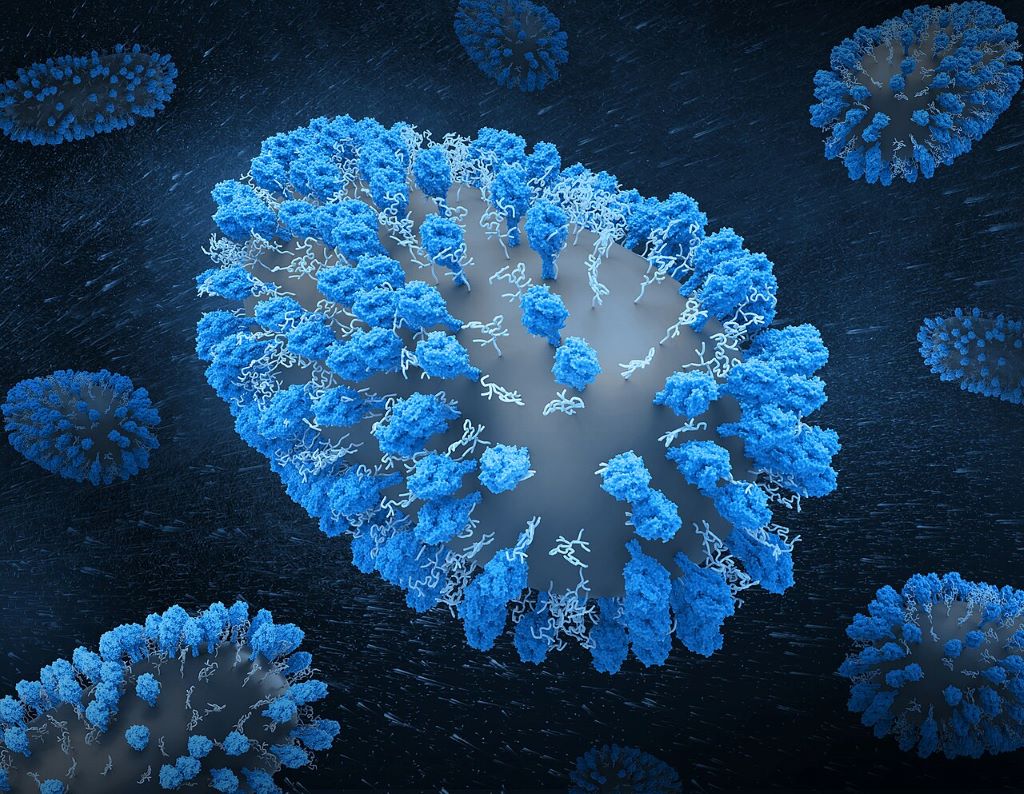
Creative layout featuring scientifically-based 3D renderings of respiratory syncytial virus (RSV). RSV is a common contagious virus that infects the human respiratory tract. Credit: NIAID
A German analysis explores what underlies shifts in the timing of seasonal surges of respiratory diseases, as well as shifts in surges of heart-related deaths, that occurred after the COVID-19 pandemic began. Michael Sieber and Arne Traulsen of the Max Planck Institute for Evolutionary Biology, Germany, present these findings in the open-access journal PLOS Global Public Health on July 15, 2026.
Rates of respiratory infections such as the flu and RSV typically peak during seasons when transmission rates rise. Rates of death from any cause – not just from infection – follow a similar seasonal pattern.
However, the drivers underlying the exact timing of these surges have been unclear. The COVID-19 pandemic provided a unique opportunity to explore these dynamics, since interventions like social distancing and masking disrupted typical transmission patterns of other respiratory diseases. Sieber and Traulsen analysed data on weekly respiratory infection rates and death rates in Germany, covering the last 14 years.
The analysis showed that, pre-pandemic, respiratory infections almost always surged for a few weeks February and March. After the pandemic began, intervention efforts tamped down infections, eliminating one seasonal surge. Once infections rose again, surges shifted to December or earlier. Now, these peak weeks are gradually resuming pre-pandemic timing.
Using well-established epidemiological modelling tools, the researchers found that population-level loss of immunity after the skipped seasonal surge led to buildup of susceptible hosts, resulting in higher transmission earlier in the season. That is, seasonal transmission variations present a window of opportunity for a surge, and the size of the pool of susceptible hosts at the start of that window determines when, exactly, the surge occurs.
Similarly, typical seasonal surges in rates of death from any cause – but particularly from cardiovascular disease – also shifted earlier post-pandemic. Thus, respiratory infections may be key drivers of the timing of seasonal surges in cardiovascular deaths. More research is needed to explore this connection, but it aligns with other evidence that respiratory infections are a significant risk factor for cardiovascular disease.
On the basis of their findings, the researchers emphasize the importance of monitoring people’s infection history and improving vaccination coverage.
The authors add: “News stories of an earlier than usual onset of the flu season during the COVID-19 pandemic motivated us to look into the available epidemiological data more closely. We were surprised by the magnitude of the shift in timing of seasonal respiratory infections in Germany, and interested in trying to predict if this would turn out to be a long-term effect of the pandemic or if we should expect a quick return to the normal seasonal timing. The most recent flu seasons confirmed that the seasonal timing indeed shifts back to normal within one or two seasons, most likely due to a return to the pre-pandemic population-levels of immunity to the most common respiratory pathogens. We were even more surprised to see that the seasonal dynamics of all-cause mortality, which is dominated by cardiovascular diseases, closely followed the shift in timing of respiratory infections. This adds to the growing evidence that respiratory infections are an important risk factor for cardiovascular problems.”
Future therapies for respiratory syncytial virus (RSV) must target both the virus and its immune response to ensure babies get the best possible outcomes, finds a new study by researchers at UCL and Great Ormond Street Hospital for Children (GOSH).
RSV is the biggest cause of serious illness in babies, with over three million hospital admissions worldwide because of the virus every year. It causes wheezing and breathing difficulties, and in the worst cases babies end up in intensive care. Despite this, treatment options for infants who develop severe disease remain extremely limited.
As part of the new study, published in Nature Communications and funded by Animal Free Research UK and UK Research and Innovation (UKRI), researchers built a new lab model of baby lungs to show why RSV makes infants so much sicker than adults and allow them to test new treatments before they reach patients.
The miniature model of a baby’s airways was created using real infant airway cells, blood vessel cells and neutrophils (a type of white blood cell that acts as the immune system’s primary response to infection).
To compare with an adult response to RSV, the research team also made a model of an adult’s airways.
Dr Claire Smith (UCL Great Ormond Street Institute of Child Health), who led the study, said: “This model allows us to watch early immune responses unfold and study them in a human setting that reflects the infant airway. That’s something animal models often struggle to capture, especially when it comes to age-specific effects.”
When the models were infected with RSV, the team found that baby airway cells attracted far more white blood cells than adult airway cells did. This influx can block babies’ small airways and make it harder for them to breathe.
Neutrophils normally circulate in the blood but enter lung tissue in response to infection. In the baby airway model, researchers found that the neutrophils that entered the lung tissue were more activated and triggered a stronger inflammatory reaction than in the adult model.
This effect depended on the immune cells physically moving through the infected tissue, not just responding to chemical signals released by it, making this type of model essential for studying it.
This suggests it’s the infant airway itself, not just the virus, that ramps up the immune response and causes damage to the lungs.
First author, Dr Machaela Palor (UCL Great Ormond Street Institute of Child Health), said: “These findings help explain why RSV is often much more severe in infants than in adults. The paediatric airway actively shapes how immune cells behave during the infection.”
The researchers then tested two antiviral drugs (remdesivir and RSV604). Both stopped the virus from multiplying, but only RSV604 also calmed the overactive immune response, reducing levels of a key inflammatory protein released by white blood cells – high levels of which are linked to more severe RSV disease in babies.
Remdesivir had no effect on this, suggesting that not all antivirals are equal when it comes to protecting the infant airway from immune-driven damage.
This suggests that treating severe RSV in babies may require more than just stopping the virus – it may also be important to calm an overactive immune response.
The researchers hope their findings and the new approach to research on RSV will accelerate the development of treatments better tailored to infants.
Dr Smith said: “Our model gives us a way to assess both sides of the problem at once. We can not only ask whether the drug stops the virus but also whether it helps control immune response in the infant airway.
“This work reinforces the idea that age matters in respiratory infection. Understanding how infant airways shape immune responses will be key to designing safer and more effective RSV treatments.”
A study led by researchers at the University of Pittsburgh and UPMC published in JAMA Network Open, a peer-reviewed journal of the American Medical Association, found that vaccination against respiratory syncytial virus (RSV) during pregnancy reduced the risk of hospitalisation in young infants by nearly 70%.
This study provides early real-world evidence from US clinical care, showing that administering one dose of the maternal RSV vaccine (RSVpreF vaccine) reduces hospitalisation related to RSV in young infants. The results are consistent with findings from RSVpreF vaccine clinical trials. The RSVpreF vaccine was approved by the US Food and Drug Administration in 2023.
Among infants younger than 3 months, maternal vaccination was associated with approximately 68% effectiveness against hospitalisation for respiratory illness caused by RSV, and 69% effectiveness against more severe lung infections also caused by the virus.
“We designed this study to focus on what matters most to families: whether their baby might end up in the hospital,” said lead author of the study, Anne-Marie Rick, MD, PhD, assistant professor of paediatrics and clinical and translational science at Pitt School of Medicine and a physician at UPMC Children’s Hospital of Pittsburgh and UPMC Magee-Womens Hospital. “The findings show a significant impact for families and for the health system, and it highlights how effective this intervention can be during the most vulnerable months of life.”
RSV is the leading cause of hospitalisation among infants in the United States. According to the Centers for Disease Control and Prevention (CDC), about 2 to 3 out of every 100 babies younger than 3 months are hospitalised each year due to RSV, with severe cases sometimes requiring oxygen support or mechanical ventilation. Until the RSVpreF vaccine’s approval, there was no reliable way to protect healthy newborns from RSV starting at birth.
The study analysed health records from infants 90 days old or younger who were hospitalised for respiratory illness in Western Pennsylvania during the 2023–2024 and 2024–2025 RSV seasons. Researchers focused on infants who were tested for RSV and compared outcomes between those whose mothers received the vaccine during pregnancy and those whose mothers did not. Infants who received monoclonal antibody protection – a separate RSV prevention option administered after birth – were excluded.
The results are part of an ongoing four-year study to evaluate the effectiveness of maternal RSV vaccination across multiple seasons. Researchers will continue to follow patients during the 2025–2026 and 2026–2027 RSV seasons, expanding the analysis to include infants up to 180 days old and assessing how long protection lasts.
“We’re continuing to follow patients to understand how well this protection holds over time and across different groups,” said Rick. “These kinds of real-world data are critical for helping families, clinicians, and policymakers make informed decisions about how best to protect infants.”
A major UK-led clinical trial has found that a treatment commonly used to help premature babies breathe offers no benefit for infants on life support with severe bronchiolitis – a seasonal viral illness that hospitalises thousands of babies each year.
Funded by a partnership between the UK’s UKRIMedical Research Council (MRC) and National Institute for Health and Care Research (NIHR), and by Chiesi Farmaceutici SpA, Italy, the Bronchiolitis Endotracheal Surfactant Study (BESS) trial is the largest-ever randomised study of surfactant for bronchiolitis.
Bronchiolitis occurs when a virus – most commonly respiratory syncytial virus (RSV) – infects a baby’s lungs. There is currently no specific treatment for RSV infection, and the illness can be especially severe in premature and newborn infants. Babies with bronchiolitis have reduced levels of surfactant in their lungs, a condition similar to that seen in babies born prematurely. Because surfactant is routinely used to help premature infants breathe more easily, the study team set out to determine whether this therapy could also benefit babies hospitalised with bronchiolitis.
The study ran across 15 children’s hospitals in England, Scotland, and Northern Ireland and involved 232 critically ill babies. However, surfactant did not reduce the time they needed to be on a ventilator (life-support breathing machine).
Professor Calum Semple OBE, the study’s lead from the University of Liverpool and Alder Hey Children’s NHS Foundation Trust, said: “The treatment was safe, but it didn’t make any difference to how long babies stayed on ventilators. We had hoped that surfactant might speed up recovery for these very sick babies, but the evidence doesn’t support this.”
Bronchiolitis is the leading reason why babies are admitted to hospital in the UK during winter. It typically affects babies under one year old and can be especially severe in those born prematurely. While most of the twenty-five thousand babies admitted will recover with oxygen and fluids, around a thousand of the most unwell require intensive care and a ventilator to support their breathing. Currently, there is no other treatment for bronchiolitis, but a vaccine is now being offered to the mother-to-be in the last months of pregnancy.
The BESS trial was designed to give families and clinicians clear answers. It ran over six winter seasons from 2019 to 2024.
Professor Semple added: “While we continue to research better ways to care for these sick babies, I urge Mums-to-be to accept the offer of the RSV vaccine during pregnancy, which will protect their newborn babies from severe bronchiolitis.”
The researchers emphasise that surfactant therapy remains essential for premature newborn babies and advocate for further studies to explore targeted treatments for bronchiolitis.
Sanofi is pleased to share that the South African Health Products Regulatory Authority (SAHPRA) has granted registration for Beyfortus® (nirsevimab), a long-acting monoclonal antibody designed to protect infants against Respiratory Syncytial Virus (RSV).
Beyfortus® is the first long-acting monoclonal antibody designed to provide protection across the RSV season for all infants, including those born at term, preterm, or with underlying conditions. It is given as a single intramuscular dose just before or during the RSV season¹ and is expected to be available before the 2026 RSV season.
RSV is one of the leading causes of Lower Respiratory Tract Infections (LRTIs) such as bronchiolitis and pneumonia in young children, and a major driver of hospitalisation in infants under one year of age.3 Globally, RSV is responsible for 20 to 40% of pneumonia and 40 to 80% of bronchiolitis hospitalised cases among infants under one year of age.2
It was estimated that in a year, RSV caused around 33 million acute lower respiratory infections in children younger than five years, resulting in 3,6 million hospitalisations and over 100 000 RSV-attributable deaths globally3. RSV-related medical costs in this age group are estimated at €4.82 billion per year, including hospital, outpatient, and follow-up care7.
In South Africa, RSV infections occur year-round with a strong seasonality from February to May4. Each year in South Africa, there are approximately 96 000 cases of RSV severe acute respiratory illnesses in children under five years of age, and among newborns under one month, about one in seven requires admission for severe RSV9. The incidence and severity of RSV LRTI are highest in infants under 6 months of age, representing 22% of all-cause hospital admissions in this age group. 41% of the LRTI-related hospitalisations are attributable to RSV.5
RSV infections also have long lasting consequences as a first episode of RSV LRTI is associated with an increased risk of subsequent LRTIs. In addition, RSV is associated with recurrent wheezing in early childhood.6
Though risk factors such as prematurity and underlying conditions will increase the probability and severity of RSV infections in children, the majority of severe RSV outcomes occur in healthy full‑term infants. They represent the majority of ICU admissions (65.8%) and mechanical ventilation cases (59.8%) among RSV‑infected infants, and globally, healthy infants account for around 57% of RSV‑related deaths.10-11 For this reason, all infants are at risk of RSV disease.
A single dose of Beyfortus® provides immediate and season-long protection, lasting for at least five months, corresponding to a typical RSV season¹. In the MELODY phase III trial*, nirsevimab reduced medically attended RSV-LRTI by 74.5% and hospitalisations by 62.1% compared with placebo,8 while the HARMONIE real-world study found an 82.7% reduction in RSV-related hospitalisations through 180 days after immunisation14. Beyfortus® demonstrated a consistent safety profile across term, preterm, and high-risk infants, with the most common adverse reactions being mild rash (0.7%), fever (0.5%), and injection-site reactions (0.3%)¹.
Beyfortus® has also demonstrated its strong public health impact in real-world settings. Following its introduction in 2024 in Chile and in 2023 in Galicia, Spain, the effectiveness of Beyfortus® against RSV-related LRTI hospitalisations was estimated to be 76.4% and 85.9%, respectively. In Chile, Beyfortus® demonstrated 49.7% effectiveness against all-cause hospitalisation. 12-13
“RSV causes a great burden on families and the healthcare systems in South Africa and worldwide,” says Diane Buron, South Africa Medical Head for Sanofi Vaccines. “It is a leading cause of infant hospitalisation during the season and Beyfortus® has the potential to change that. With only one dose, babies will be effectively protected throughout the season and thousands of cases and hospitalisations can be averted.”
“Because the majority of RSV cases are in term and healthy infants,” says Buron “proposing this innovative and effective protection to all infants will have a significant impact on the families and healthcare system.”
More than 6 million infants worldwide have now received Beyfortus®, supported by over 40 real-world studies across four continents, in both the Northern and Southern hemispheres. The introduction of Beyfortus® in South Africa is a significant advancement in paediatric respiratory protection and supports the global goal of reducing preventable infant morbidity and mortality linked to RSV8.
*The Phase 3 MELODY trial was a randomised, double-blind, placebo-controlled trial conducted across 21 countries designed to determine the safety and efficacy of Beyfortus® against medically attended LRTD caused by RSV in healthy term and late preterm infants (35 weeks gestational age or greater) entering their first RSV season, including efficacy against severe disease such as hospitalisation, through 150 days after dosing. The primary endpoint was met, reducing the incidence of medically attended RSV LRTD by 74.5% (95% CI 49.6, 87.1; P<0.001) compared to placebo. The efficacy of Beyfortus® against the secondary endpoint of hospitalization was 62.1% (-8.6, 86.8). A pre-specified pooled analysis of the Phase 3 MELODY trial showed the efficacy of Beyfortus® against medically attended RSV LRTD and medically attended RSV LRTD with hospitalisation was 79.5% (95% CI 65.9, 87.7; P<0.0001) and 77.3% (95% CI 50.3, 89.7; P<0.001), respectively.
References
1. Sanofi-Aventis South Africa (Pty) Ltd. Beyfortus® Professional Information (PI). Version E, 2025-09-18. 2. Dangor et al. (2023) – Bronchiolitis v. bronchopneumonia: Navigating antibiotic use within the lower respiratory tract infection spectrum. S Afr Med J 113(6):e709
3. Li Y et al. Global, regional, and national disease burden estimates of acute lower-respiratory infections due to respiratory syncytial virus in children younger than 5 years in 2019: a systematic analysis. Lancet. 2022; 399: 92047–64. 4. National Institute for Communicable Diseases (NICD). Respiratory Syncytial Virus (RSV). Available at: https://www.nicd.ac.za/diseases-a-z-index/respiratory-syncytial-virus-rsv/ (Accessed January 2026). 5. Wedderburn CJ et al. Risk and rates of hospitalisation in young children: A prospective study of a South African birth cohort. PLOS Glob Public Health. 2024
6. Zar HJ et al. Early-life respiratory syncytial virus lower respiratory tract infection in a South African birth cohort: epidemiology and effect on lung health. Lancet Glob Health. 2020. 7. Zhang S et al. Cost of respiratory syncytial virus-associated acute lower-respiratory infection management in young children at the regional and global level: a systematic review and meta-analysis.J Infect Dis. 2020; 222(Suppl 7): S680–S687. 8. Hammitt LL et al. Nirsevimab for prevention of RSV in healthy late-preterm and term infants.N Engl J Med. 2022; 386(9): 837–846.
9. Moyes J et al. The burden of RSV-associated illness in children aged < 5 years, South Africa, 2011 to 2016. BMC Med 21, 139 (2023).
10. Nair H, et al. Global burden of acute lower respiratory infections due to respiratory syncytial virus in young children: a systematic review and meta-analysis. Lancet. 2010;375:1545–1555. 11. Li Y, et al. Global, regional, and national disease burden estimates of RSV-associated acute lower respiratory infection in young children in 2019: a systematic analysis. Lancet. 2022;399:2047–2064
12. Razzini JL. Impact of universal nirsevimab prophylaxis in infants on hospital and primary care outcomes across two respiratory syncytial virus seasons in Galicia, Spain (NIRSE-GAL): a population-based prospective observational study. Lancet Infect Dis. 2026
13. Torres JP et al. Effectiveness and impact of nirsevimab in Chile during the first season of a national immunisation strategy against RSV (NIRSE-CL): a retrospective observational study. Lancet Infect Dis. 2025 Nov;25(11):1189-1198.
14. Munro et al. 180-day efficacy of nirsevimab against hospitalisation for respiratory syncytial virus lower respiratory tract infections in infants (HARMONIE): a randomised, controlled, phase 3b trial. Lancet Child Adolesc Health. 2025 Jun;9(6):404-412.
It is not only premature babies and children with underlying diseases who suffer from serious respiratory syncytial virus (RSV) infections. Even healthy, full-term babies are at significant risk of intensive care or prolonged hospitalisation – especially during the first three months of life. This is according to a comprehensive registry study from Karolinska Institutet published in The Lancet Regional Health – Europe.
RSV is a common cause of respiratory infections in young children and accounts for around 245,000 hospital admissions annually in Europe. Researchers have now analysed data from over 2.3 million children born in Sweden between 2001 and 2022 to find out who is at greatest risk of suffering serious complications or dying from an RSV infection.
Preventive treatment available
It is well-known that premature babies and children with chronic diseases are at increased risk of developing severe illness when infected with RSV. It is also known that children under three months of age are particularly vulnerable, but it has not been entirely clear how common severe disease is among previously healthy children. The study shows that the largest group among the children who needed intensive care or were hospitalised for a long period of time were under three months of age, previously healthy and born at full term.
“When shaping treatment strategies, it is important to take into account that even healthy infants can be severely affected by RSV,” says the study’s first author, Giulia Dallagiacoma, a physician and doctoral student at the Department of Medical Epidemiology and Biostatistics, Karolinska Institutet. “The good news is that there is now preventive treatment that can be given to newborns, and a vaccine that can be given to pregnant women.”
Starting September 10, 2025, all newborns in Sweden are being offered preventive treatment with antibodies during the RSV season. The drug works much like a vaccine and protects against severe RSV infection for about six months.
Several risk factors identified
A total of 1.7 per cent of the children in the study were diagnosed with RSV infection. Among those, just under 12 per cent (4,621 children) had a severe course of illness. The median age of children who needed intensive care was just under two months, and the majority of them had no underlying disease.
The researchers identified several factors that were linked to an increased risk of needing intensive care or dying. Children who were born in the winter, or had siblings aged 0–3 years or a twin, had approximately a threefold increased risk, while children who were small at birth had an almost fourfold increased risk. Children with underlying medical conditions had more than a fourfold increased risk of severe illness or death.
“We know that several underlying diseases increase the risk of severe RSV infection, and it is these children who have so far been targeted for protection with the preventive treatment that has been available,” says the study’s last author, Samuel Rhedin, resident physician at Sachs’ Children and Youth Hospital and associate professor at the Department of Medical Epidemiology and Biostatistics, Karolinska Institutet. “However, the study highlights that a large proportion of children who require intensive care due to their RSV infection were previously healthy. Now that better preventive medicines are available, it is therefore positive that the definition of risk groups is being broadened to offer protection during the RSV season to previously healthy infants as well.”
Respiratory syncytial virus (RSV) is a well-known cause of infections in children, but it’s understudied in older individuals. In a retrospective study published in the Journal of the American Geriatrics Society, adults aged 65 and older hospitalised for RSV in Ontario, Canada experienced significantly higher rates of adverse outcomes such as longer length of hospital stay, transfer to intensive care, and 30-day mortality, compared with patients hospitalised with influenza, urinary tract infection, or fracture.
Interestingly, RSV hospitalisation was also associated with higher rates of heart failure and atrial fibrillation up to 1-year post-discharge, regardless of prior cardiovascular conditions.
“Unlike other respiratory viruses, immunity against RSV tends to decline relatively quickly. This means that a previous infection will not afford the same long-term protection as it might for influenza or COVID-19,” said corresponding author Chris Verschoor, PhD, HSN, Foundation Research Chair in Healthy Aging at Health Sciences North Research Institute. “Our findings reinforce the importance of RSV vaccination in older adults and suggest that monitoring for signs of heart disease following an RSV illness may be pragmatic.”
Creative artwork featuring 3D renderings of respiratory syncytial virus (RSV)—a common contagious virus that infects the human respiratory tract – colourised as follows: (the viral envelope is purple, G- glycoproteins are light blue, and F-glycoproteins are orange). F-glycoproteins allow the virus to fuse with and infect human cells. Credit: NIAID/NIH
Since their introduction last year, researchers have been monitoring the real-world impact of the new respiratory syncytial virus (RSV) vaccines. In a recent commentary in The Lancet, Angela Branche, MD, an infectious diseases researcher at the University of Rochester Medical Center (URMC), details what has been learned during the vaccine’s first season.
“The evidence is clear; individuals should get vaccinated if they have conditions that place them at risk for severe disease. For older adults and those with chronic conditions, RSV should be considered as serious as the flu, and they should get vaccinated,” said Branche.
RSV is a significant cause of severe respiratory illness among older adults, especially those with underlying health conditions. Worldwide, RSV causes millions of infections, hundreds of thousands of hospitalisations, and tens of thousands of deaths annually in adults aged 60 and older. Older people with RSV are at higher risk of severe illness compared to those with influenza or COVID.
In 2023, the FDA approved three RSV vaccines for older adults. Studies have shown these vaccines to be effective, with the Pfizer, GSK, and Moderna vaccines preventing RSV pneumonia and bronchitis in more than 80% of participants.
A recent study published in The Lancet assessed the effectiveness of RSV vaccines using data from a large electronic health record network involving the Centers for Disease Control and Prevention (CDC) and multiple US healthcare systems. The study found that RSV vaccines were 80% effective in preventing hospitalisation, ICU admission, and death among adults aged 60 and older. Vaccine effectiveness was consistent across age groups, including those 75 and older, and among immunocompromised individuals. The study did not find evidence of waning vaccine protection within the season.
The uptake of the RSV vaccine in the 2023-2024 winter season was low, however. An estimated 24% of US adults aged 60 years and older received the vaccine, compared to influenza vaccination rates, which approach 50% each year for the same group. “Providers were not sure how to apply the shared clinical decision-making recommendations in the first season, and there remains a general lack of knowledge among the medical community and the public on what constitutes a risk for severe disease and who needs to be protected,” said Branche.
Based on these findings, the US Advisory Committee on Immunization Practices (ACIP), a group of medical and public health experts that advises the CDC, updated guidelines in June 2024 to recommend RSV vaccination for all adults aged 75 and older, those 60 and older in long-term care facilities or with chronic and high-risk health conditions.
“This new data enabled the ACIP to make more definitive recommendations, which will build public confidence in the effectiveness of these vaccines and make implementation a lot easier for providers and pharmacies,” said Branche.
New research shows that vaccines that target multiple strains of the RSV virus, called bivalent vaccines, may provide longer protection. URMC infectious disease experts helped lead an international study of a bivalent RSV vaccine developed by Pfizer, the results of which were recently detailed in the New England Journal of Medicine. The vaccine effectively prevented severe RSV-related lower respiratory tract illnesses over two RSV seasons, with > 80% overall efficacy. The experimental vaccine was particularly effective in individuals aged 60-79.
Respiratory syncytial virus (RSV) is the leading cause of hospitalisation in young children due to respiratory complications such as bronchiolitis and pneumonia. Yet little is understood about why some children develop only mild symptoms while others develop severe disease.
To better understand what happens in these cases, clinician-scientists from Brigham and Women’s Hospital, and Boston Children’s Hospital analysed samples from patients’ airways and blood, finding distinct changes in children with severe cases of RSV, including an increase in the number of natural killer (NK) cells in their airways.
The descriptive study, which focuses on understanding the underpinnings of severe disease, may help to lay groundwork for identifying new targets for future treatments. Results are published in Science Translational Medicine.
“As a physician, I help to care for children who have the most severe symptoms, and as a researcher, I’m driven to understand why they become so sick,” said corresponding author Melody G. Duvall, MD, PhD, of the Division of Pulmonary and Critical Care Medicine at Brigham and Women’s Hospital (BWH) and the Division of Critical Care Medicine at Boston Children’s Hospital. “NK cells are important first responders during viral infection – but they can also contribute to lung inflammation. Interestingly, our findings fit with data from some studies in COVID-19, which reported that patients with the most severe symptoms also had increased NK cells in their airways. Together with previous studies, our data link NK cells with serious viral illness, suggesting that these cellular pathways merit additional investigation.”
Duvall and colleagues, including lead author Roisin B. Reilly of the Division of Pulmonary and Critical Care Medicine at BWH, looked at samples from 47 children critically ill with RSV, analysing immune cells found in their airways and peripheral blood. Compared to uninfected children, those with severe illness had elevated levels of NK cells in their airways and decreased NK cells in their blood. In addition, they found that the cells themselves were altered, both in appearance and in their ability to perform their immunological function of killing diseased cells.
Duvall and co-authors have previously described a post-pandemic surge in paediatric RSV infections. While clinicians can only provide supportive care to the most severely sick children, vaccines to prevent RSV are now available for children 19 months and younger, adults 60 years and over, and people who are pregnant.