Category: Vaccines

A Universal Coronavirus Vaccine could Save Millions of Lives in a Future Pandemic

Photo by Mika Baumeister on Unsplash

What if in the years prior to the COVID pandemic, scientists had developed a universal coronavirus vaccine, one that targets parts common to coronaviruses, offering some protection against all strains? Would it have been of help during the pandemic?

A new study suggests if such a vaccine were available at the start of the pandemic, it could have saved millions of lives, prevented suffering, and saved billions of dollars in direct medical and other costs until the strain-specific (ie, SARS-CoV-2) vaccine went through the entire development, testing, and emergency use authorisation process that lasted 10 months.

In this study, published in The Lancet’s eClinicalMedicine, researchers show that having a universal vaccine at the start of the pandemic would have had substantial health and economic benefits under almost all scenarios tested.

In order to determine the value of investing in developing and stockpiling a universal coronavirus vaccine, the team developed a computational model that simulated the entire US population, the introduction and spread of a novel coronavirus like SARS-CoV-2 in 2020 and the resulting health (eg, infections, hospitalisations) and economic (eg, direct medical costs, productivity losses) outcomes.

The experiments simulated what would happen if a universal coronavirus vaccine was available at the start of the COVID pandemic.

Vaccinating with a universal coronavirus vaccine as a standalone intervention (e.g., no face mask use or social distancing) was cost-saving even when its efficacy was as low as 10% and only 10% of the U.S. population received the vaccine.

For example, when a universal coronavirus vaccine has 10% efficacy, vaccinating a quarter of the U.S. population within two months of the start of the pandemic averts an average of 14.6 million infections and saves over $27 billion in direct medical costs.

Such low vaccine coverage at the start of the pandemic could occur if a vaccine were only made available to certain high-risk subpopulations (eg, 65 years and older, the immunocompromised, frontline workers), similar to the approach when mRNA vaccines became available in December 2020.

“COVID-19 was the third major and serious coronavirus epidemic or pandemic following SARS in 2002 and MERS in 2012, thus, we should anticipate a fourth coronavirus outbreak within the next decade or so,” says Peter J. Hotez, MD, PhD, dean of Baylor’s National School of Tropical Medicine and co-director of the Texas Children’s Hospital Center for Vaccine Development.

“A universal vaccine is cost-effective and cost-saving and a priority for advancement.”

A universal coronavirus vaccine was also shown to be highly cost-effective even if a more specific and more efficacious vaccine came to market.

For example, the study shows if it takes four months or longer for a strain-specific vaccine to reach the market, using a universal vaccine was still cost cost-saving.

In a scenario where a strain-specific vaccine has 90% efficacy but is unavailable for two months after the start of the pandemic, the results from the model show that vaccinating only 10% of the population with a universal vaccine that has 10% efficacy at the start of the pandemic can save over $2 billion in societal costs (eg, direct medical costs and productivity losses from absenteeism). Given the time required to develop a strain-specific vaccine during a pandemic to match circulating strains of the virus, this highlights the importance of having a universal vaccine readily available as a stopgap.

“Our study shows the importance of giving as many people as possible in a population at least some degree of immune protection as soon as possible,” explains Bruce Y. Lee, MD, MBA, executive director of PHICOR and professor at CUNY SPH.

“Having a universal vaccine developed, stockpiled, and ready to go in the event of a pandemic could be a game-changer even if a more specific vaccine could be developed three to four months later.”

Generally, results from the model found that a universal vaccine would end up saving money if the cost to get a person vaccinated (eg, cost of the vaccine itself, distribution, administration, storage, research, and development) is as high as $10 390 from a societal perspective.

Source: CUNY Graduate School of Public Health and Health Policy

Why Vaccines don’t Work as Well for Some Older People

Photo by Mufid Majnun on Unsplash

Age-related changes in the immune system also play a role in variable responses to vaccines and overall lower efficacy of vaccines compared to younger adults. Researchers at The Jackson Laboratory (JAX) and UConn Health are investigating why vaccines don’t work as well in some older adults, and have published their insights in Nature.

Protection against pneumococcal infections

Infants and older adults are at greatest risk for pneumococcal infections, and case-fatality rates increase with age for reasons still not well understood. Fortunately, several vaccines developed against the polysaccharides found on the surface of Streptococcus pneumoniae, including PPSV23 (Pneumovax), are generally effective in older adults, though less in younger adults. Conjugating the polysaccharide with a protein, such as a nontoxic variant of a diphtheria toxin, can induce additional adaptive immune activation, resulting in better protection. The strategy was used to develop a new class of FDA-approved conjugated vaccines (eg, PCV13, Prevnar). Despite these advances, responses to pneumococcal vaccines still decline with age. Moreover, it remains unclear which of these two vaccines are preferable in subpopulations of older adults.

To address these gaps in knowledge, a team led by JAX Associate Professor Duygu Ucar, PhD, UConn Health Professor George Kuchel, MD, CM, and Jacques Banchereau, PhD (Immunoledge, Montclair, NJ), compared pre- and post-vaccine immune characteristics. Their findings identify the biological traits underlying variable responses to the two different vaccines. Importantly, they also reveal distinct baseline (ie, pre-vaccination) predictors that have the potential to affect vaccination strategies and lead to interventions that are more effective, by virtue of being more specific.

Efficacy indicators

A cohort of 39 pneumococcal vaccine-naïve healthy adults, all aged 60 or above, received a single dose of PPSV23 or PCV13 from May to early fall. Blood was drawn before vaccination, then one, 10, 28 and 60 days after to provide longitudinal data. Following vaccination, the researchers developed measures to quantify vaccine responses and rank donors with respect to responsiveness within the cohort. While overall responses to both vaccines were comparable, there were clear differences in baseline immune phenotypes, separating the strong and weak responders.

The baseline abundance of two specific T cell types, Th1 and Th17 cells, played an important role in PCV13 responses. Th1 cells produce molecular signals to activate early innate immune responses to pathogens, while Th17 cells also contribute to the defence response by producing a different group of inflammatory signalling molecules. For PCV13 vaccine responses, higher levels of Th1 cells showed a positive association and higher levels of Th17 cells a negative association. Thus, a pre-vaccination Th1/ Th17 ratio can be predictive of PCV13 response strength. Interestingly, women have a higher frequency of Th1 and lower frequency of Th1 7 cells compared to men and responded more strongly to the PCV13 vaccine.

From the pre-vaccination gene expression data, the researchers uncovered a gene module that included cytotoxic genes that was associated with reduced PCV13 responses, called the CYTOX signature. Single cell profiling linked this gene expression signature to mature CD16+ Natural Killer (NK) cells. The abundance of mature CD16+ NK cells in blood was associated with responses to PCV13, where weak responders had more CD16+ NK cells than strong responders. The CYTOX signature was not associated with responses to the alternative PPSV23 vaccine, however – another, distinct gene set predicted responses to PPSV23.

“Our study offers a reminder that ‘one size fits all’ approaches do not work well for older patients,” says Kuchel. “Moreover, if our findings can be replicated in other populations, they may offer remarkable opportunities for implementing care models for older adults involving Precision Gerontology that are more effective by virtue of being more precise, ultimately matching individuals with those vaccines that work best for them. Precision Gerontology represents the thematic focus of the UConn Older Americans Independence ‘Pepper’ Center award from NIH.”

Implications for disease prevention

A surprising aspect of the study is that the baseline predictors for the two available classes of pneumococcal vaccines are quite distinct and independent from each other, despite both vaccines using the same bacterial polysaccharides to provoke the protective immune response. Importantly, however, the paper shows that responses to the two vaccines can be predicted in older adults based on specific pre-vaccination characteristics, and the findings imply that individuals can be readily stratified based on which vaccine is likely to work best for them. For example, older adults with low CYTOX/CD16+ NK cell levels will likely respond well to the PCV13 vaccine, while those with high CYTOX would more likely benefit from the PPSV23 vaccine. Overall, the results have important implications for more precise vaccination strategies for pneumococcal vaccines, and potentially for other vaccines as well, to better protect older adults from infection and disease.

Source: University of Connecticut

An Ultrasonic Injection Takes the Sting out of Vaccinations

Photo by Raghavendra V Konkathi on Unsplash

An estimated quarter of adults and two-thirds of children have strong fears around needles, according to the US Centers for Disease Control and Prevention. Yet, public health depends on the willingness of people receive vaccines, typically administered by a subcutaneous injection.

Darcy Dunn-Lawless, a doctoral student at the University of Oxford’s Institute of Biomedical Engineering, is investigating the potential of a painless, needle-free vaccine delivery by ultrasound.

He will share the recent advancements in this promising technique as part of Acoustics 2023 Sydney, running Dec. 4-8 at the International Convention Centre Sydney.

“Our method relies on an acoustic effect called ‘cavitation,’ which is the formation and popping of bubbles in response to a sound wave,” said Dunn-Lawless.

“We aim to harness the concentrated bursts of mechanical energy produced by these bubble collapses in three main ways. First, to clear passages through the outer layer of dead skin cells and allow vaccine molecules to pass through. Second, to act as a pump that drives the drug molecules into these passages. Lastly, to open up the membranes surrounding the cells themselves, since some types of vaccine must get inside a cell to function.”

Though initial in vivo tests reported 700 times fewer vaccine molecules were delivered by the cavitation approach compared to conventional injection, the cavitation approach produced a higher immune response.

The researchers theorize this could be due to the immune-rich skin the ultrasonic delivery targets in contrast to the muscles that receive the jab.

The result is a more efficient vaccine that could help reduce costs and increase efficacy with little risk of side effects.

“In my opinion, the main potential side effect is universal to all physical techniques in medicine: If you apply too much energy to the body, you can damage tissue,” Dunn-Lawless said.

“Exposure to excessive cavitation can cause mechanical damage to cells and structures. However, there is good evidence that such damage can be avoided by limiting exposure, so a key part of my research is to try and fully identify where this safety threshold lies for vaccine delivery.”

Dunn-Lawless works as part of a larger team under the supervision of Dr Mike Gray, Professor Bob Carlisle, and Professor Constantin Coussios within Oxford’s Biomedical Ultrasonics, Biotherapy and Biopharmaceuticals Laboratory (BUBBL). Their cavitation approach may be particularly conducing to DNA vaccines that are currently difficult to deliver. With cavitation able to help crack open the membranes blocking therapeutic access to the cell nucleus, the other advantages of DNA vaccines, like a focused immune response, low infection risk, and shelf stability, can be better utilised.

Source: Acoustical Society of America

Half Dose of COVID Booster Yields Similar Immune Response to Full One

Photo by Gustavo Fring on Pexels

Reducing the dose of a widely used COVID booster vaccine produces a similar immune response in adults to a full-dose with fewer side effects, according to a new study published in The Lancet Regional Health – Western Pacific. The research found that a half dose of a Pfizer COVID booster vaccine elicited a non-inferior immune response to a full dose in Mongolian adults who previously had AstraZeneca or Sinopharm COVID shots. But it found half-dose boosting may be less effective in adults primed with the Sputnik V COVID vaccine. 

The research, led by Murdoch Children’s Research Institute (MCRI) and the National Centre for Communicable Diseases in Mongolia, is part of an international clinical trial investigating the different COVID booster shot approaches to help guide future vaccination strategies. 

The first batch of findings, and involving 601 participants over 18 years old from Mongolia, reports on the initial responses seen 28-days after vaccination. The study is the first of its kind to assess and compare COVID-19 vaccines widely used in low- and middle-income countries.

MCRI Professor Kim Mulholland, who also sits on the WHO SAGE committee, said the study found that fractional doses elicited an immune response that was non-inferior to a full dose with fewer side effects and was less costly.

“Fractional dosing may improve COVID booster acceptability and uptake and reduce the per-dose cost of COVID-19 booster programs,” he said. “Policymakers and immunisation advisory committees can draw upon this data to make flexible boosting schedules decisions.”

The study found that participants receiving a half dose reported fewer local reactions than those receiving full doses (60% versus 72%) including less pain and tenderness. They also reported fewer systemic reactions (25% vs 32%) including less fevers, vomiting, diarrhoea and headaches. 

The cohort will be followed up at six and 12 months with the data to answer key questions on other aspects of the immune response including the rate of waning and breakthrough infections. 

Source: Murdoch Children’s Hospital

Turning Everyday Vaccines into Cancer Killers

Photo by National Cancer Institute

A study in Frontiers in Immunology has demonstrated that, in animal models, a protein antigen from a childhood vaccine can be delivered into the cells of a malignant tumour to refocus the body’s immune system against the cancer, effectively halting it and preventing its recurrence.

Instead of using vaccines tailored with tumour-specific antigens to prime the immune system to attack a particular cancer, this method makes use of the immune system’s encounter with common vaccines. The bacteria-based intracellular delivering (ID) system uses a non-toxic form of Salmonella that releases a drug, in this case a vaccine antigen, after it’s inside a solid-tumour cancer cell.

“As an off-the-shelf immunotherapy, this bacterial system has the potential to be effective in a broad range of cancer patients,” writes senior author Neil Forbes, professor of chemical engineering, in the recently published article.

The research, carried out in Forbes’s lab, offers promise toward tackling difficult-to-treat cancers, including liver, metastatic breast and pancreatic tumours.

“The idea is that everybody is vaccinated with a whole bunch of things, and if you could take that immunisation and target it towards a cancer, you could use it to eliminate the cancer,” Forbes explains. “But cancers obviously aren’t going to display viral molecules on their surface. So the question was, could we take a molecule inside the cancer cell using Salmonella and then have the immune system attack that cancer cell as if it was an invading virus?”

To test their theory that this immune treatment could work, Forbes and team genetically engineered ID Salmonella to deliver ovalbumin (chicken egg protein) into the pancreatic tumour cells of mice that had been immunised with the ovalbumin ‘vaccine’. The researchers showed that the ovalbumin disperses throughout the cytoplasm of cells in both culture and tumours.

The ovalbumin then triggered an antigen-specific T-cell response in the cytoplasm that attacked the cancer cells. The therapy cleared 43% of established pancreatic tumours, increased survival and prevented tumour re-implantation, the paper states.

“We had complete cure in three out of seven of the pancreatic mice models,” Forbes says. “We’re really excited about that; it dramatically extended survival.”

The team then attempted to re-introduce pancreatic tumours in the immunised mice. The results were exceedingly positive. “None of the tumours grew, meaning that the mice had developed an immunity, not just to the ovalbumin but to the cancer itself,” Forbes says. “The immune system has learned that the tumour is an immunogenic. I’m doing further work to figure out how that’s actually happening.”

In preliminary research, the team previously showed that injecting the modified Salmonella into the bloodstream effectively treated liver tumours in mice. They advanced their findings with the current research on pancreatic tumours.

Before clinical trials can begin, the researchers will repeat the experiments on other animals and refine the ID Salmonella strain to ensure its safety for use in humans. Liver cancer would be the first target, followed by pancreatic cancer.

Source: University of Massachusetts Amherst

Vaccine Acceptance is Sometimes Influenced in Unexpected Ways

Photo by Mika Baumeister on Unsplash

Using simulations, researchers at Vanderbilt University have uncovered new insights into vaccine hesitancy have shown that external factors such as vaccine mandates and availability have varied and sometimes contradictory influences on people’s willingness to get vaccinated. The research was published in the journal PLOS Global Public Health, and the simulations are available to be reviewed on GitHub.

Building on a new mathematical model that represents vaccine hesitancy as a belief that can influence whether parents vaccinate their children, Nicole Creanza, assistant professor of biological sciences, and postdoctoral scholar Kerri-Ann Anderson extended their work to include the effect of external factors that affect vaccine availability, such as vaccine mandates and vaccine inaccessibility.

“Instead of modelling vaccine mandates and inaccessibility as a physical driver or barrier to vaccination, respectively, we considered their effects from a cultural perspective,” Anderson said. “We model the effects of these external factors by considering how beliefs interact with them to shape vaccination behaviours. Our data shows that a vaccine mandate has a lesser consequence on a person’s motivation to vaccinate if they already had very positive feelings about vaccines.”

The findings also demonstrate that when large groups trust vaccines, they usually get vaccinated. But if there aren’t enough vaccines, even those who trust them might not get them. In addition, when vaccine mandates are in place, it can seem like everyone is getting vaccinated. But more people than researchers expected might still be unsure about vaccines and not get them.

“We hope that our research emphasises how important it is to not generalise populations based on a single characteristic or assume populations behave similarly or beliefs have similar influences across varying circumstances,” Anderson said.

“This research provides a better understanding of how public health policies could interact with cultural dynamics to bring about unexpected outcomes,” Creanza said. The research was funded by the John Templeton Foundation, and both researchers are members of the Evolutionary Studies Initiative.

Next, Creanza and Anderson aim to make a model to explore how people respond when a new vaccine (eg for COVID), is introduced. When a novel vaccine is initially introduced, people tend to exhibit more unpredictable behaviour, even those who have confidence in established vaccines, Creanza said.

Source: Vanderbilt University

A New Nasal Vaccine could be a Defence against Strep A

Photo by CDC on Unsplash

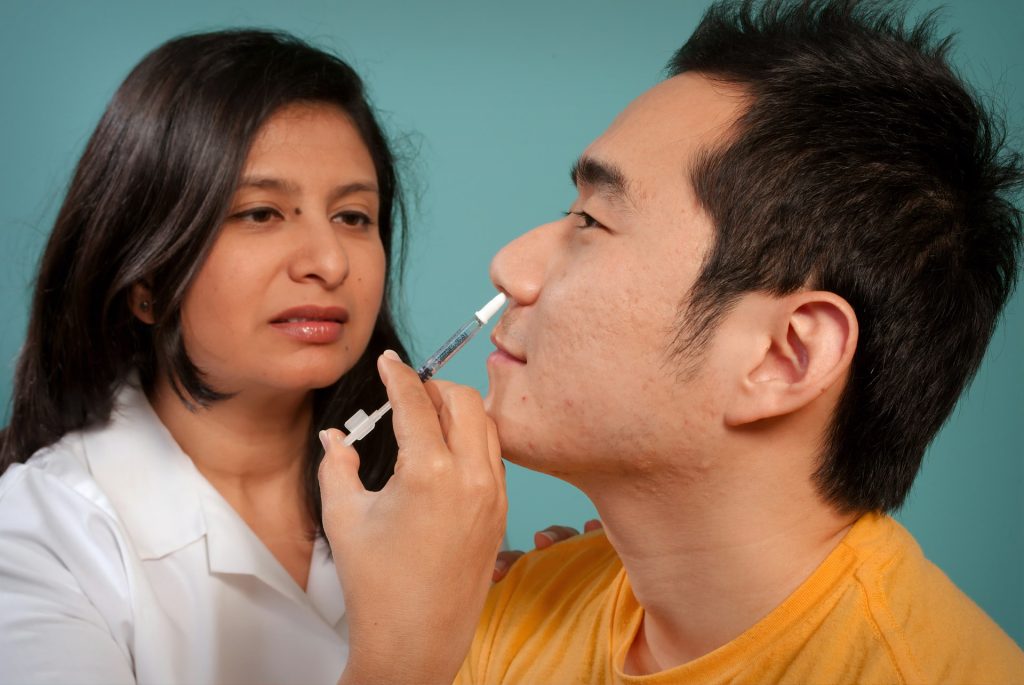
As Streptococcus A cases continue to be prevalent around the world, a new nasal vaccine could provide long-term protection from the deadly bacteria. Griffith University researchers are spearheading the development of a Strep A vaccine which is currently in Phase 1 clinical trials in Canada and quickly advancing to Phase 2 efficacy trials.

The team’s new preclinical research, recently published in Nature Communications, shows an experimental liposome-based vaccine approach incorporating a conserved M-protein epitope from Strep A and an immunostimulatory glycolipid (3D(6-acyl) PHAD) administered via the nasal passage, can provide long-term mucosal protection against Strep A.

Lead author Dr Victoria Ozberk said studies have shown most pathogens enter or colonise via the soft tissue in the upper respiratory tract, which is essentially the highway to the rest of the body.

“This has the potential to be a world-first as there are currently no subunit vaccines that target the upper respiratory tract due to a lack of licenced immunostimulants suitable for human use,” Dr Ozberk said.

“We demonstrated that a liposomal mucosal vaccination strategy can induce robust local protective immunity.”

Associate Professor Manisha Pandey, Professor Michael Good, and their team from Griffith University’s Institute for Glycomics are leading the development.

Associate Professor Pandey said the team found PHAD plays an augmenting role in inducing enduring humoral and cellular immunity, which was evident for at least one-year post-vaccination.

“The longevity of immune response is a critical hallmark of successful vaccination and therefore the findings from this study are highly significant,” she said.

Professor Good said: “In the future, this vaccine platform could pave the way for other mucosal pathogens.”

Group A Streptococcus is a global human pathogen that leads to a wide range of infections from illnesses such as mild pharyngitis and impetigo to invasive diseases such as toxic shock syndrome, necrotising fasciitis, and cellulitis.

Source: Griffith University

First-in-human Treatment with Tumour Vaccine Shows Positive Results against Gliomas

Photo by Anna Shvets on Pexels

Tumour vaccines alert a cancer patient’s immune system to proteins that are carrying cancer-typical alterations, and may prove useful in gliomas, which are resistant to most forms of treatment including immune checkpoint inhibitors. Reporting in Nature Medicine, physicians and cancer researchers have now performed a first-in human treatment of eight adult patients with advanced midline gliomas with a peptide vaccine. The vaccine, which mimicked a histone protein mutation typical of this type of cancer, proved to be safe and induced the desired immune responses against the brain tumour, with one patient experiencing remission for more than 31 months.

Cancer vaccinations depend on distinct protein structures on cancer cells by which immune cells can differentiate them from healthy one. Mutations in the tumour genome often lead to protein structures that are altered in a way typical of cancer.

Diffuse midline gliomas are among the most aggressive brain tumours. They usually occur in children and young adults near the brain stem and are therefore difficult to access surgically. Chemotherapy or radiotherapy also have limited effectiveness. In this type of cancer, mutations characteristically occur in the gene encoding histone H3 (H3K27M), a packaging protein of DNA. The mutation gives rise to a novel protein structure (a neoepitope) that can be recognised as foreign by the patient’s immune system.

“Such mutations, which occur in identical form in many patients, are rare in cancer. They literally lend themselves to the development of tumor vaccines because they occur in all cancer cells, since the mutated histone is causative for the development of midline gliomas. This means that vaccination against the mutated protein gets to the root of the problem,” explains Michael Platten, Director of the Department of Neurology at the University Medical Center Mannheim and Head of Department at the German Cancer Research Center (DKFZ).

The researchers led by Katharina Sahm and Michael Platten synthetically reconstructed the section of the histone H3 protein with the characteristic mutation. Using this peptide, they were able to curb the growth of H3K27M-mutated tumours in a mouse model. Encouraged by the results, the team decided to test the mutation-specific vaccine produced at the University of Tübingen in patients in a phase I-trial*, which is still ongoing.

In parallel, the physicians, together with colleagues from Munich, Berlin, Bonn and Münster, treated eight adult patients with the peptide vaccine in time-limited individual curative trials. These patients, who could not be enrolled in the trial protocol, suffered from diffuse midline gliomas with H3K27M mutation that progressed after standard therapy. Some of the affected individuals received therapy with immune checkpoint inhibitors in addition to tumor vaccination.

No serious side effects were observed in any of the vaccinated patients. Five of the eight treated patients developed specific immune responses against the mutant protein, which were dominated by CD4 T-helper cells. In one of the patients who had shown a strong immune response, the tumour regressed completely and she remained tumour-free for 31 months.

The vaccine peptide, which is comparatively long at 27 amino acids, worked in patients with different HLA variants. HLA proteins are responsible for the presentation of the mutant peptide on the cell surface and differ from person to person depending on their genetic background. Supported by the HI-TRON Mainz — Helmholtz Institute of the DKFZ, the researchers also observed that immune responses decreased over time, so repeated administration of the vaccine could support a sustained effect.

“We cannot make any further statements about the efficacy of the vaccination based on these treatments. In any case, the current study has given us valuable information that will help us to further optimise the development of brain tumour vaccines in the future,” explains the study’s senior author Katharina Sahm, senior physician at the Neurological University Hospital Mannheim and DKFZ researcher. A phase I-trial is currently underway to test the vaccine against the H3K27M mutation in patients with newly diagnosed midline gliomas. Evaluation is expected to begin around 2025.

Source: German Cancer Research Center (Deutsches Krebsforschungszentrum, DKFZ)

Can People Accurately Assess the Strength of Their Immune Systems?

Photo by Brittany Colette on Unsplash

People often say whether they feel like their immune system is ‘down’ – but could there be some truth to this? A recent study showed that when freshly vaccinated people self-assessed the strength of their immune response, their estimates correlated well to their measured antibody levels. They were even more accurate when their immune response was weak. The results were published in the journal Biological Psychology.

At the University of Konstanz, Stephanie psychologist Dimitroff researches the connection between our brain and our immune system. “Listen to your body,” she concludes from her study. “The field of medicine is moving towards greater patient orientation. Our findings support the idea that patients’ self-perceptions provide valuable clues about their state of health. Physicians should listen to them more.”

Communication between the immune and nervous systems

One part of our brain, the insula, receives information from the body and gives us a basic impression of its condition, which until now was assumed to be quite general in nature. Stephanie Dimitroff’s study now suggests that our brain can perceive the body’s condition more specifically than previously thought. Is it possible that our brain can assess the state of our immune system?

“Of course, our brain does not count antibodies. But our immune system is intrinsically connected to the central nervous system,” Dimitroff explains. “The immune system is regulated via this connection. And our brain also receives information from the immune system.”

This communication between the immune system and the central nervous system is key for our sense of well-being or illness. “It is important to know here: When we feel ill, for example, we have a cold, this feeling is caused quite significantly by the immune system’s communication with the central nervous system,” says Dimitroff. “The brain receives signals that something is wrong with the body and causes the feeling of illness as a result.”

The same flow of information between the immune and nervous systems can generally also take place when the body is not ill. This means it could be possible that this communication process gives us an impression of our immune system even when we are healthy. Stephanie Dimitroff’s study investigates whether this is actually the case.

Results of the study

The study looked at people who had received the COVID-19 vaccine. This group of participants was chosen because a particularly large number of people received the vaccine in the summer of 2021, when the study was conducted. 166 people between the ages of 18 and 59 participated in the study.

After vaccination, the participants in the study were able to assess surprisingly well how strongly their immune system was positioned to fight the respective illness. This was especially true for people who had developed only a few antibodies. In fact, 71% of participants who did not feel well protected after vaccination also had a below-average immune response. “Our most notable finding is that those who felt they had not produced high levels of antibodies after vaccination were often correct in their assessment.”

By contrast, participants who assessed their immune response as good were not always right. However, all of those who had a particularly strong immune response also reported feeling well protected.

Alternative interpretations

For Stephanie Dimitroff, however, it is still too early to draw any final conclusions. The psychologist is considering other possible causes, including the placebo effect. This is because communication between the brain and the immune system runs in both directions. The signals from our brain can therefore also influence our immune system. People who firmly believe in vaccination or are basically optimistic could thus actually develop a better immune defence (placebo effect) and also feel better protected. It is therefore possible that belief in the effectiveness of a vaccine is what improves its efficacy, and this could also explain the high accuracy of the self-assessments.

“Our results suggest that it is quite likely that people have a real ability to assess their own health. However, I cannot rule out that there is a combination of effects at play, including the placebo effect and/or feelings of optimism,” Dimitroff says. In her view, it would make sense to repeat the study in order to confirm the results and rule out alternative causes.

Source: University of Konstanz

Hepatitis B Vaccine at Birth can Save Thousands of Lives

By Daniel Steyn for GroundUp

The hepatitis B virus is estimated to cause about 820 000 deaths a year globally. It is one of the leading causes of liver cancer. One in 20 people in South Africa is infected with hepatitis B, yet few people know about or have been tested for the virus.

During a media briefing on Friday, organised by the Gastroenterology and Hepatology Association of Sub-Saharan Africa (GHASSA), a panel of experts stressed the need for urgent interventions to eliminate hepatitis.

There are clear solutions, the experts said: increase awareness, increase access to testing, and prevent childhood transmission through birth-dose vaccination and screening and treating pregnant women.

“We are way overdue on bringing hepatitis out of the shadows and into the light,” said Professor Mark Sonderup, from the University of Cape Town’s (UCT) academic hospital at Groote Schuur.

In South Africa, an estimated 2.8 million people have chronic hepatitis B. Liver cancer caused by hepatitis B is on the increase in Africa and worldwide. Besides cancer, the virus can cause serious liver disease.

Hepatitis B is transmitted through bodily fluids, including semen and blood. Antiretroviral treatment for chronic hepatitis B is available but only 22% of cases are diagnosed.

An estimated 76 000 children in South Africa under the age of five have hepatitis B. Children infected with hepatitis B are more likely to develop a chronic infection.

Children infect each other: the virus multiplies in the body without presenting symptoms and a drop of blood shared through play between children can transfer the virus.

“They walk around like ticking timebombs, spreading infections,” said Dr Neliswa Gogela, liver disease specialist at Groote Schuur. Hepatitis B is 100 times more infectious than HIV, said Gogela.

Children born in South Africa receive a hepatitis B vaccine at six, ten, and 14 weeks old. If a vaccine dose was given at birth, it would cut out the first six weeks during which a child could become infected. Birth-dose vaccines are government policy but it has not yet been implemented. Other African countries like Namibia have introduced birth-dose vaccines.

The virus can also be transmitted from mother to child during and after birth. Pregnant women should be screened as part of prenatal and antenatal healthcare services, said Professor Wendy Spearman, head of Hepatology at UCT. Those eligible for treatment should receive antiretrovirals to prevent transmission of the virus to the child.

Hepatitis B is a silent killer, said Professor Mashiko Sechedi, head of gastroenterology at Groote Schuur. The virus stays in the body and only presents symptoms when the disease is at an advanced stage. It can cause multifocal liver cancer which renders the liver inoperable. “In South Africa, we’re seeing young patients presenting with advanced disease,” said Sechedi.

Professor Eduard Jonas, a surgeon at Groote Schuur, said that half of the patients in Sub-Saharan Africa who are diagnosed with liver cancer die within two and a half months of diagnosis. Late diagnosis and lack of treatment capacity make liver cancer particularly deadly in Southern Africa, he said.

Screening and testing for hepatitis are not easily accessible, said Professor Geoff Dusheiko, from Kings College in London. Whereas anyone wanting to do an HIV test can go to any government clinic and receive a point-of-care rapid test, they cannot do so for hepatitis B.

Rapid tests for hepatitis B are available but have not been rolled out by the government, so the only way to do a hepatitis test through public health facilities is to take blood, which is sent to a laboratory for testing.

While HIV, malaria and TB have attracted significant attention and funding, hepatitis has not. “We need people living with hepatitis B demanding access to treatment,” said Spearman.

Republished from GroundUp under a Creative Commons Licence.

Source: GroundUp