Category: Vaccines

New Vaccine Will Save Thousands of Children from Dying of Pneumonia

Scanning electron micrograph of human respiratory syncytial virus (RSV) virions (colourised blue) and labelled with anti-RSV F protein/gold antibodies (colourised yellow) shedding from the surface of human lung epithelial A549 cells. Credit: National Institute of Allergy and Infectious Diseases, National Institutes of Health (NIH)

By James Stent for GroundUp

Respiratory syncytial virus (RSV) is a dangerous early childhood viral infection, but results of a vaccine trial promise to change things radically.

A new study published in the New England Journal of Medicine, the world’s most prestigious medical journal, on 5 April that examined the effect of an RSV vaccine on pregnant women found that it reduced the risk of severe lower respiratory tract infections in newborns by 82%.

RSV is the most common cause of acute lower respiratory infection – or pneumonia – in infants. Globally, it was responsible for just over 100,000 deaths (with a lower bound of 84,000 deaths and an upper bound of 126,000 deaths) of children under five in 2019. Of these deaths 45% were infants (younger than six months), and nearly all deaths occurred in lower income countries (half in Africa alone). In an article in Spotlight in June 2022, Professor Cheryl Cohen, head of the Centre for Respiratory Diseases and Meningitis at the National Institute for Communicable Diseases (NICD), said that, pre-COVID, RSV led to 44 615 hospitalisations and 490 deaths in children under five each year in South Africa.

South Africa is currently experiencing an RSV epidemic, with 301 cases detected this year, according to the NICD surveillance programme.

RSV causes cold-like symptoms, but can lead to severe symptoms like pneumonia. At present, there is no licensed RSV vaccine, though the virus was first identified in the 1960s.

The study was a phase three, double-blind trial (which compares a new treatment to standard care, and leads the way to regulatory approval and production) conducted in 18 countries, led by Beate Kampmann, Professor of Paediatric Infection and Immunity at the London School of Hygiene and Tropical Medicine, Shabir Madhi, Dean of the Faculty of Health Sciences and Professor of Vaccinology at the University of the Witwatersrand, and Iona Munjal, Director of Clinical Research & Development at Pfizer. It builds on earlier work by Madhi and others.

Women who were between 24 and 36 weeks pregnant were given an injection of a protein–based vaccine (RSVpreF) and a placebo. Pregnant women can passively transfer their immunity to viruses and diseases to their foetuses in utero.

They were then monitored to see if they suffered a severe RSV-associated lower respiratory tract illness that required medical attention, and if their newborns required medical attention for RSV-associated lower respiratory tract illness up to six months after birth.

A total of 7,358 women participated across the two trial groups, and 7,128 babies were monitored, and no safety concerns were identified over the course of the trial.

In November last year, Pfizer announced that it planned to submit a licence application to the US Food and Drug Administration after trials showed that the vaccine was highly effective at reducing severe RSV cases in the first 90 days of an infant’s life.

In a Twitter thread announcing the results, Madhi said that the next challenge would be to ensure that the vaccine is licensed across lower income countries, where most infant RSV deaths occur. Madhi said that there is a “moral responsibility on pharma to licence [the RSV] vaccine in LMIC [Lower and Middle Income Countries] at [an] affordable price.” Governments in poorer countries, “need to act to protect children in their counties by funding and deploying the vaccine timeously,” he said.

Madhi also informed GroundUp that coincidentally in the same issue of the New England Journal of Medicine, a medicine called nirsevimab was found to protect infants against RSV-associated hospitalisation and severe lower respiratory tract infections. Madhi and his team at Wits also participated in this trial.

This medicine is “administered as a single dose at the onset of RSV season,” Madhi explained. “The two approaches [the vaccine and nirsevimab] will be complementary.”

Republished from GroundUp under a Creative Commons Attribution-NoDerivatives 4.0 International License.

Source: GroundUp

Transforming the Way Cancer Vaccines are Designed and Made

Photo by Louise Reed on Unsplash

A new way to significantly increase the potency of almost any vaccine has been developed by researchers from the International Institute for Nanotechnology (IIN) at Northwestern University, which they describe in Nature.

The scientists used chemistry and nanotechnology to change the structural location of adjuvants and antigens on and within a nanoscale vaccine, greatly increasing vaccine performance. The antigen targets the immune system, and the adjuvant is a stimulator that increases the effectiveness of the antigen. 

“The work shows that vaccine structure and not just the components is a critical factor in determining vaccine efficacy,” said lead investigator Chad A. Mirkin, director of the IIN. “Where and how we position the antigens and adjuvant within a single architecture markedly changes how the immune system recognises and processes it.”

This new heightened emphasis on structure has the potential to improve the effectiveness of conventional cancer vaccines, which historically have not worked well, Mirkin said. 

Mirkin’s team has studied the effect of vaccine structure in the context of seven different types of cancer to date, including triple-negative breast cancer, papillomavirus-induced cervical cancer, melanoma, colon cancer and prostate cancer to determine the most effective architecture to treat each disease.   

Conventional vaccines take a blender approach   

With most conventional vaccines, the antigen and the adjuvant are simply blended and injected into a patient, giving no control over the vaccine structure, and, consequently, limited control over trafficking and processing of the vaccine components. Thus, there is no control over how well the vaccine works.  

“A challenge with conventional vaccines is that out of that blended mish mosh, an immune cell might pick up 50 antigens and one adjuvant or one antigen and 50 adjuvants,” said study author and former Northwestern postdoctoral associate Michelle Teplensky, who is now an assistant professor at Boston University. “But there must be an optimum ratio of each that would maximise the vaccine’s effectiveness.” 

Enter SNAs (spherical nucleic acids), which are the structural platform, invented and developed by Mirkin, used in this new class of modular vaccines. SNAs allow scientists to pinpoint exactly how many antigens and adjuvants are being delivered to cells. SNAs also enable scientists to tailor how these vaccine components are presented, and the rate at which they are processed. Such structural considerations, which greatly impact vaccine effectiveness, are largely ignored in conventional approaches.  

Vaccines developed through ‘rational vaccinology’ offer precise dosing for maximum effectiveness

Mirkin came up with this approach to systematically control antigen and adjuvant locations within modular vaccine architectures, and called it ‘rational vaccinology’. It is based on the concept that the structural presentation of vaccine components matters as much as the components themselves in driving efficacy.   

“Vaccines developed through rational vaccinology deliver the precise dose of antigen and adjuvant to every immune cell, so they are all equally primed to attack cancer cells,” said Mirkin. “If your immune cells are soldiers, a traditional vaccine leaves some unarmed; our vaccine arms them all with a powerful weapon with which to kill cancer. Which immune cell ‘soldiers’ do you want to attack your cancer cells?”

Building an (even) better vaccine  

The team developed a cancer vaccine that reduced tumour growth by more than four times compared to checkpoint inhibitor monotherapy, and led to a 40% extension in median survival.  

By reconfiguring the architecture of a vaccine containing multiple targets, the SNA enables the immune system to find tumour cells. The team investigated differences in how well two antigens were recognised by the immune system depending on their placement, on the core or perimeter, of the SNA structure. For an SNA with optimum placement, they could increase the immune response and how quickly the nanovaccine triggered cytokine (an immune cell protein) production to boost T cells attacking the cancer cells. The scientists also studied how the different placements affected the immune system’s ability to remember the invader, and whether the memory was long-term.  

“Where and how we position the antigens and adjuvant within a single architecture markedly changes how the immune system recognises and processes it,” Mirkin said. 

The most powerful structure throws two punches to outsmart the tumour  

The study data show that attaching two different antigens to an SNA comprising a shell of adjuvant was the most potent approach for a cancer vaccine structure. These engineered SNA nanostructures stalled tumour growth in multiple animal models.   

“It is remarkable,” Mirkin said. “When altering the placement of antigens in two vaccines that are nearly identical from a compositional standpoint, the treatment benefit against tumours is dramatically changed. One vaccine is potent and useful, while the other is much less effective.”  

Many current cancer vaccines are designed to primarily activate cytotoxic T cells, only one defence against a cancer cell. Because tumour cells are always mutating, they can easily escape this immune cell surveillance, quickly rendering the vaccine ineffective. The odds are higher that the T cell will recognise a mutating cancer cell if it has more antigens to recognise it.   

“You need more than one type of T cell activated, so you can more easily attack a tumour cell,” Teplensky said. “The more types of cells the immune system has to go after tumours, the better. Vaccines consisting of multiple antigens targeting multiple immune cell types are necessary to induce enhanced and long-lasting tumour remission.”  

Another advantage of the rational vaccinology approach, especially when used with a nanostructure like an SNA, is that it’s easy to alter the structure of a vaccine to go after a different type of disease. Mirkin said they simply switch out a peptide, a snippet of a cancer protein with a chemical handle that “clips” onto the structure, not unlike adding a new charm to a bracelet.   

Towards the most effective vaccine for any cancer type 

“The collective importance of this work is that it lays the foundation for developing the most effective forms of vaccine for almost any type of cancer,” Teplensky said. “It is about redefining how we develop vaccines across the board, including ones for infectious diseases.” 

In a previously published paper, Mirkin, Teplensky and colleagues demonstrated the importance of vaccine structure for SARS-CoV-2 by creating vaccines that exhibited protective immunity in 100% of animals against a lethal viral infection.  

“Small changes in antigen placement on a vaccine significantly elevate cell-to-cell communication, cross-talk and cell synergy,” Mirkin said. “The developments made in this work provide a path forward to rethinking the design of vaccines for cancer and other diseases as a whole.”   

Source: Northwestern University

Trial of New HIV Vaccine Ended Early due to Ineffectiveness

HIV themed candle
Image by Sergey Mikheev on Unsplash

The investigational HIV ‘Mosaico’ vaccine regimen was safe but did not provide protection against HIV acquisition, an independent data and safety monitoring board (DSMB) has determined. Based on the DSMB’s recommendation, the study will be discontinued. This follows the failure of the similar ‘Imbokodo’ vaccine in sub-Saharan Africa.

The HPX3002/HVTN 706, or ‘Mosaico’ Phase 3 clinical trial began in 2019 and involved 3900 volunteers in Europe, North America and South America. The participants were men who have sex with men (MSM) or transgender people.

The Janssen-developed vaccine was based on ‘mosaic’ immunogens, which are vaccine components featuring elements of multiple HIV subtypes, in order to induce immune responses against a wide variety of global HIV strains. The investigational vaccine regimen consisted of four injections over a year of Ad26.Mos4.HIV, with the mosaic immunogens delivered by a common-cold virus (adenovirus serotype 26, or Ad26). The final two vaccinations were accompanied by a bivalent (two-component) HIV envelope protein formulation, combining clade C gp140 and mosaic gp140 envelope proteins, adjuvanted by aluminium phosphate to boost immune responses. All study vaccinations were completed in October 2022.

In early studies, this vaccine combination induced strong antibody and T-cell responses and protected monkeys exposed to SIV, the simian cousin of HIV. The vaccines however failed to stimulate production of broadly neutralising antibodies (bNAbs) that disable multiple HIV variants, according to aidsmap. In that study, the vaccine conferred a 25.2% effectiveness in protection, but not the 50% necessary for an effective vaccine.

In its scheduled data review, the DSMB determined there were no safety issues with the experimental vaccine regimen. However, the number of HIV infections were equivalent between the vaccine and placebo arms of the study. During the clinical trial, all participants were offered comprehensive HIV prevention tools, including pre-exposure prophylaxis, or PrEP. Study staff ensured that participants who acquired HIV during the trial were promptly referred for medical care and treatment. Participants are being notified of the findings, and further analyses of the study data are planned.

The Mosaico findings track with developments in the Phase 2b ‘Imbokodo’ (HPX2008/HVTN 705) clinical trial, which was testing a similar HIV vaccine regimen in young women in sub-Saharan Africa. A DSMB determined in 2021 that the experimental vaccine regimen in that study was also safe but ineffective in protecting against HIV acquisition.

Source: NIH/National Institute of Allergy and Infectious Diseases

Mucosal Vaccines Could be the Next Step Against Respiratory Viruses

Image by Arek Socha from Pixabay

Vaccines that provide long-lasting protection against influenza, coronaviruses and respiratory syncytial virus (RSV) have proved exceptionally difficult to develop. In a new review article in Cell Host & Microbe, NIH researchers explore the challenges and outline approaches to improved vaccines and describe a promising path forward: mucosal vaccines.

Unlike the respiratory viruses that cause measles, mumps and rubella — for which vaccination or recovery from illness provides decades-long protection against future infection – flu, RSV, SARS-CoV-2 and “common cold” coronaviruses share several characteristics that enable them to cause repeated re-infections. These include very short incubation periods, rapid host-to-host transmission and replication in the nasal mucosa rather than throughout the body. This last feature – non-systemic replication – means these viruses do not stimulate the full force of the adaptive immune response, which typically takes a week or more to mount.

A next generation of improved vaccines for mucosa-replicating viruses will require advances in understanding on several fronts, the authors say. For instance, more must be learned about interactions between flu viruses, coronaviruses and RSV and the components of the immune response that operate largely or exclusively in the upper respiratory system. Over time, these interactions have evolved and led to “immune tolerance,” wherein the human host tolerates transient, limited infections by viruses that are generally non-lethal to avoid the destructive consequences of an all-out immune system attack.

The authors note that mucosal immunisation appears to be an optimal route of vaccination for the viruses of interest, when feasible. However, to develop useful mucosal vaccines, significant knowledge gaps must be filled including finding ideal vaccine formulations; determining dosage size, frequency and timing; and developing techniques for overcoming immune tolerance.

Source: NIH/National Institute of Allergy and Infectious Diseases

Increase in Global Willingness to Accept COVID Vaccines

Vaccine injection
Image source: NCI on Unsplash

Global COVID vaccine acceptance increased from 75.2% in 2021 to 79.1% in 2022, according to a new survey of 23 countries accounting for more than 60% of the world’s population, published today in Nature Medicine. It was not all good news, though: vaccine hesitancy increased in eight countries including South Africa, and nearly one in eight vaccinated respondents were hesitant about receiving a booster dose.

This third annual study reveals a wide variability between countries and suggests a need to tailor communication strategies to effectively address vaccine hesitancy.

“The pandemic is not over, and authorities must urgently address vaccine hesitancy and resistance as part of their COVID prevention and mitigation strategy,” says CUNY Graduate School of Public Health and Health Policy (CUNY SPH) Senior Scholar Jeffrey V. Lazarus. “But to do so effectively, policymakers need solid data on vaccine hesitancy trends and drivers.”

To provide these data, an international collaboration led by Lazarus and CUNY SPH Dean Ayman El-Mohandes performed a series of surveys starting in 2020 in 23 countries which were impacted significantly by the pandemic, including the United States as well as South Africa and Brazil.

Of the 23 000 respondents (1000 per country surveyed), 79.1% were willing to accept vaccination, up 5.2% from June 2021. The willingness of parents to vaccinate their children also increased slightly, from 67.6% in 2021 to 69.5% in 2022. However, eight countries saw an increase in hesitancy (from 1.0% in the UK to 21.1% in South Africa). Worryingly, almost one in eight (12.1%) vaccinated respondents were hesitant about booster doses, and booster hesitancy was higher among the 18–29 age groups.

“We must remain vigilant in tracking this data, containing COVID variants and addressing hesitancy, which may challenge future routine COVID immunisation programs,” says Dean El-Mohandes, the study’s senior author.

The survey also provides new information on COVID treatments received. Globally, ivermectin was used as frequently as other approved medications, despite the fact that it is not recommended by the WHO or other agencies to prevent or treat COVID  

Also of note, almost 40% of respondents reported paying less attention to new COVID information than before, and there was less support for vaccine mandates. 

In some countries, vaccine hesitancy was associated with being female (for example in China, Poland, Russia), having no university degree (in France, Poland, South Africa, Sweden, or the US), or lower income (in Canada, Germany, Turkey or the UK). Also, the profile of people paying less attention to the pandemic varied between countries.

“Our results show that public health strategies to enhance booster coverage will need to be more sophisticated and adaptable for each setting and target population,” says Lazarus, also head of the Health Systems Research Group at ISGlobal. “Strategies to enhance vaccine acceptance should include messages that emphasise compassion over fear and use trusted messengers, particularly healthcare workers.”

The data provided by these surveys may offer insight to policymakers and public health officials in addressing COVID vaccine hesitancy. The study follows on the heels of a global consensus statement on ending COVID as a public health threat that Lazarus, El-Mohandes and 364 co-authors from 112 countries published in Nature in November.

Source: CUNY SPH

Antibody Discovery Suggests a Possible New Vaccine for Strep A

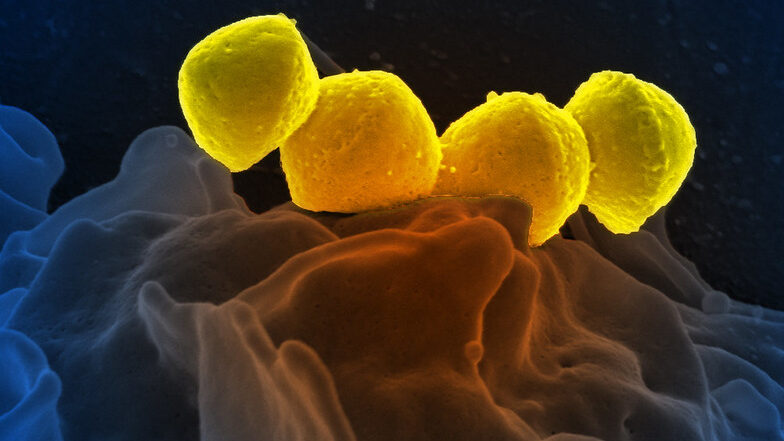
Streptococcus pyrogenese bound to human neutrophil
Streptococcus pyogenese bound to a human neutrophil. Credit: National Institute of Allergy and Infectious Diseases, National Institutes of Health

Researchers at Lund University in Sweden have discovered an antibody that could potentially protect against Strep A infection, as well as a rare form of antibody binding, that leads to an effective immune response against bacteria. The discovery could explain why so many Group A strep vaccines have failed.

The results are published in EMBO Molecular Medicine.

Group A streptococci have several ways in which they evade the body’s immune system and, when they infect us, can cause both common throat infections (strep throat), scarlet fever, sepsis, swine pox and skin infections. So far, antibiotics work against these bacteria, but should they become resistant, they will pose a major public health threat.

One strategy that the scientific community uses to find new ways of fighting bacterial infections is to create target-seeking antibodies. First, the antibodies that the body’s immune system produces in the event of an infection are mapped, and then their effect on the immune system is studied. In this way, antibodies can be identified that can be used both for preventive treatment and for treatment during an ongoing infection. It is a difficult process, though, with many attempts to develop antibody-based treatments against Strep A ending in failure.

The current study shows an unexpected way that antibodies interact with group A streptococci and, more specifically, how they hook onto the probably most important bacterial protein, the M protein, on the cell surface.

“We found that it happens in a way that has never been described before. Normally, an antibody binds via one of its two Y arms to its target protein at a single site, regardless of which of the two arms is used for binding. But what we have seen- and this is vital information – is that the two Y arms can recognise and hook on to two different places on the same target protein,” explains study author Pontus Nordenfelt.

This means that the two arms of the antibody – which are identical – can bind to two different sites on a target protein. It turns out that it is precisely this type of binding that is required for effective protection, and since it is probably rare, the researchers believe, it could explain why so many vaccine attempts have been unsuccessful. It could also be a reason why the bacteria manage to escape the immune system.

It has long been known that the streptococcal bacteria’s M protein is of great importance for how disease occurs and develops in the body. Finding an antibody that attaches to this protein, thereby flagging it up to the immune system, can prevent the bacteria from infecting the body’s cells. Since we know that the human body can fight the infection, such antibodies exist, but it is hard to locate them.

The researchers therefore focused on examining antibodies in patients who had recovered from group A streptococcal infection. They managed to identify three so-called monoclonal antibodies from a patient who recovered from a Strep A infection. Monoclonal antibodies are identical copies of each other, and in this case target a single protein (the M protein) of the group A streptococci. The researchers then investigated in animal studies whether it is possible to use the antibodies to strengthen the immune system in its fight against group A streptococcus. It turned out that the antibody with the newly discovered binding mechanism produced a strong immune response against the bacteria. The researchers have now applied for a patent based on the findings in the article, and will continue to study the antibody.

“This opens up possibilities where previous vaccine attempts have failed and means that the monoclonal antibody we used has the potential to protect against infection,” concludes study author Wael Bahnan.

Source: Lund University

To Fight the Opioid Epidemic, Researchers Create a Vaccine that Blocks Fentanyl

Photo by Pharmacy Images on Unsplash

Researchers have developed a vaccine that blocks fentanyl’s to enter the brain, thus eliminating the dangerous synthetic opioid’s “high”. The breakthrough discovery, reported in the journal Pharmaceutics, could have major implications for the rampant problem of opioid addiction by becoming a relapse prevention agent for people trying to quit using opioids.

While Opioid Use Disorder (OUD) is treatable, studies estimate that 80% of those dependent on the drug suffer a relapse. Fentanyl is 50 times stronger than heroin and 100 times stronger than morphine. Consumption of about 2mg of fentanyl (the size of two grains of rice) is likely to be fatal depending on bodyweight. Current treatments for OUD are methadone, buprenorphine and naltrexone. Naloxone is given in opioid overdose situations and can temporarily reverse the effects of the opioids.

“We believe these findings could have a significant impact on a very serious problem plaguing society for years – opioid misuse. Our vaccine is able to generate anti-fentanyl antibodies that bind to the consumed fentanyl and prevent it from entering the brain, allowing it to be eliminated out of the body via the kidneys. Thus, the individual will not feel the euphoric effects and can ‘get back on the wagon’ to sobriety,” said lead author Colin Haile, a research associate professor of psychology at University of Houston.

No any adverse side effects from the vaccine were observed in trial animals. The team plans to start manufacturing clinical-grade vaccine in the coming months with clinical trials in humans planned soon.

Fentanyl is an especially dangerous threat because it is often added to street drugs like cocaine, methamphetamine and other opioids, such as oxycodone and hydrocodone/acetaminophen pills, and even to counterfeit benzodiazepines like Xanax. These counterfeit drugs laced with fentanyl add to the amount of fentanyl overdoses in individuals who do not ordinarily consume opioids.

“The anti-fentanyl antibodies were specific to fentanyl and a fentanyl derivative and did not cross-react with other opioids, such as morphine. That means a vaccinated person would still be able to be treated for pain relief with other opioids,” said Haile.

The vaccine tested contains an adjuvant derived from E. coli named dmLT. An adjuvant molecule boosts the immune system’s response to vaccines, a critical component for the effectiveness of anti-addiction vaccines.

Therese Kosten, professor of psychology and director of the Developmental, Cognitive & Behavioral Neuroscience program at UH, calls the new vaccine a potential “game changer.”

“Fentanyl use and overdose is a particular treatment challenge that is not adequately addressed with current medications because of its pharmacodynamics and managing acute overdose with the short-acting naloxone is not appropriately effective as multiple doses of naloxone are often needed to reverse fentanyl’s fatal effects,” said Kosten, senior author of the study.

Source: University of Houston

Flu Vaccine Reduces Early Mortality in HF Patients

In a study published in The Lancet Global Health, an international team of researchers has found that influenza vaccines greatly reduce both pneumonia and cardiovascular complications in people with heart failure.

“If you have heart failure, you should get your flu shot because it can save your life – that is what we found in this study,” said the study’s principal investigator Mark Loeb. “It is underappreciated that influenza vaccine can save people from cardiovascular death.”

The study showed that over the entire year the influenza vaccine reduced pneumonia by 40% and hospitalisation by 15% in patients with HF. During influenza season in autumn and winter, the influenza vaccine reduced deaths by 20% in these patients.

Data gathered during flu season also showed the vaccine helped protect against cardiovascular complications, such as heart attacks and strokes.

Trial investigators tracked more than 5000 patients with HF in 10 countries across Africa, Asia and the Middle East, where few people have regular influenza vaccination. They received either an influenza vaccine or a placebo annually between June 2015 and November 2021.

While the flu has long been associated with an increased risk of life-threatening cardiovascular events, Loeb said that people with heart failure are already vulnerable to poor health outcomes. Patients with the condition have a 50% chance of dying within five years, while 20% are hospitalised for cardiovascular complications every year.

“Importantly, we looked at low and middle-income countries where 80 per cent of cardiovascular disease occurs and where flu vaccination rates are low.”

Salim Yusuf, executive director of PHRI and an author of the study said: “The flu shot should be part of the standard practise in people with heart failure given how simple, inexpensive and safe it is. Avoiding one sixth of deaths from heart disease and preventing hospitalizations makes it very cost effective and that can have an important public health and clinical impact.”

The study from McMaster University and partners marks the first clinical trial of the flu vaccine’s effectiveness in patients with HF.

Source: McMaster University

Limpopo Measles Outbreak Continues amid Low Vaccination Rates

Photo by CDC on Unsplash

Since 11 October 2022, the National Institute for Communicable Diseases (NICD) seven measles cases have been detected in Greater Sekhukhune District in Limpopo province within 30 days, as of 21 October. 

Infected individuals ranged from 9 months to 24 years. One child was fully vaccinated for measles, with two measles doses given in 2019. One child was unvaccinated, and the other five measles cases had unknown vaccination history. One measles case was hospitalised while one other had a complication that led to pneumonia.

District and provincial health officials have started a public health response. This includes enhanced surveillance for measles, contact tracing, screening for suspected cases using a case definition followed by collection of blood and throat swabs for measles diagnostic testing, and reviewing medical records to pick up missed cases. Vaccinations are underway for those exposed to suspected or confirmed cases.

The measles immunisation coverage data for the Greater Sekhukhune district showed a decrease of 87% to 64% for measles dose 1 and 86% to 60% for measles dose 2 from 2017 to 2022. This is below the 95% coverage needed to achieve herd immunity. A survey is being done to validate the vaccination data provided to the province and investigate factors that might be contributing to the measles outbreak.  Community awareness and health promotion by healthcare workers is continuing in the district to inform the public about the spread of measles and interventions to prevent disease. Measles vaccination has been initiated for children under 15 years to increase the measles immunity in the community and to prevent further spread of measles.

Clinicians should continue to be on the alert for measles cases, especially in Limpopo Province, as large measles outbreaks are occurring in sub-Saharan Africa, including in neighbouring countries.

Signs and Symptoms

Measles is a highly contagious disease caused by a virus of the paromyxovirus family. Patients with measles present with fever and a rash. The rash looks like small, red, flat spots over the body. The rash does not form blisters, nor is it itchy or painful. Other signs include cough, conjunctivitis and coryza. Complications of measles can include diarrhoea, dehydration, encephalitis, blindness and death. Other measles complications are pneumonia, scarring of the cornea (kerato-conjunctivitis), and rarely encephalitis. Complications are more serious in very young children (under 2 years) or who are malnourished.

Clinicians and caregivers should check children’s road-to-health booklets to ensure measles vaccinations are up to date. Suspected measles cases should be notified on the NMC system. Click here to access the Case Notification form 

Source: NICD

Flu Vaccine May Reduce Ischaemic Stroke Risk

Source: Pixabay CC0

Receiving an annual flu vaccination may be linked to a reduction in risk of ischaemic stroke, according to a study which appears online in the journal Neurology.

“Studies have shown that getting the flu increases your risk of having a stroke, but research is still being collected on whether getting the flu vaccine can help protect against a stroke,” said study author Francisco J. de Abajo, MD, MPH, PhD, of the University of Alcalá in Madrid. “This observational study suggests that those who have a flu shot have a lower risk of stroke. To determine whether this is due to a protective effect of the vaccine itself or to other factors, more research is needed.”

In their study, the researchers accessed a health care database in Spain, identifying 14 322 participants aged 40 years and over with a first stroke over a 14-year period. Each person who had a stroke was matched to five people of the same age and sex who did not have a stroke.

Then the researchers looked at whether people had received the influenza vaccine at least 14 days before the stroke or before that same date for those who did not have a stroke.

A total of 41.4% of those who had a stroke had received the flu vaccine, compared to 40.5% of those who did not have a stroke – seemingly indicating that the flu jab added to risk. But those vaccinated were more likely to be older and to have other stroke risk factors such as hypertension and high cholesterol. Once these were adjusted for, the researchers found that those who received a flu shot had a 12% reduced stroke risk.

The pneumonia vaccine was also investigated for any effect on the risk of stroke, but none was found.

“These results are yet another reason for people to get their yearly flu shot, especially if they are at an increased risk of stroke,” de Abajo said. “To be able to reduce your risk of stroke by taking such a simple action is very compelling.”

Since the study was observational, it only shows an association and cannot prove a causal link. Other unmeasured factors could also mediate stroke risk,

Source: American Academy of Neurology