Category: Medical Research & Technology

Vibration Technique Controls Strength of Lab-grown Tissues

Photo by Pawel Czerwinski on Unsplash

Researchers in McGill’s Department of Mechanical Engineering have discovered a safe and low-cost method of engineering living materials such as tissues, organs and blood clots. By simply vibrating these materials as they form, scientists can dramatically influence how strong or, weak they become.

The findings, published in the journal Advanced Functional Materials, could have a range of innovative applications, including in organ transplants, wound healing and regenerative medicine.

Good vibrations

The researchers used a speaker to apply controlled vibration, gently agitating the living materials during formation. By doing so, they found they could influence how cells organized and how strong or weak the final material became.

The technique works across a range of soft cellular materials, including blood clots made from real blood and other human tissues.

Aram Bahmani, study co-author and Yale postdoctoral fellow, conducted the research at McGill as a PhD student with Associate Professor Jianyu Li’s Biomaterials Engineering lab. Bahmani explained that strong, fast-forming blood clots are vital for use in emergencies like traumatic injuries. They’re also useful for people with clotting disorders.

“On the other hand, the same approach could help design clots that break down more easily as necessary, helping to prevent dangerous conditions like stroke or deep vein thrombosis,” he added. “Mechanical nudging allows us to make the material up to four times stronger or weaker, depending on what we need it to do.”

Why previous methods fell short

Earlier approaches to shaping living tissues relied on physical forces like magnets or ultrasound waves. While promising, these methods often fail to replicate the complexity of real tissues, which contain billions of cells and have thick, three-dimensional structures. In addition, they are often limited to specific materials, can damage healthy tissues and sometimes trigger immune responses.

The researchers’ study is the first to show that mechanical agitation, a very simple and widely accessible tool, can control the inner structure and performance of living materials in a “safe, scalable and highly tunable way.”

From the lab bench to living systems

To validate their findings, the team ran a series of tests to measure how vibration affected various cell-laden materials such as blood-based gels, plasma and seaweed-derived alginate. Using imaging and mechanical analysis, they assessed how broadly the method could be applied. Next, they tested the technique in animals.

The results showed that the technique works when applied inside the body, without harming surrounding healthy tissues.

Toward advanced medical technology

Bahmani said he believes the simple method could one day be integrated into advanced medical devices or wound-healing techniques.

“What makes this especially exciting is that our method is non-invasive, low-cost and easy to implement,” he said. “It does not rely on expensive machines or complex chemicals, meaning it could one day be built into portable medical devices, like a hand-held tool to stop bleeding, or a smart bandage that speeds up healing.” 

He noted that the method requires further testing, such as in irregular wounds or in combination with certain medications, before it can be used in real-life medical settings.

“Moving toward clinical use will require miniaturising the devices, optimising settings for different medical scenarios and completing regulatory testing to ensure safety and effectiveness in humans,” he said.

Source: McGill University

Cold Plasma Penetrates Deep into Tissue to Attack Tumours

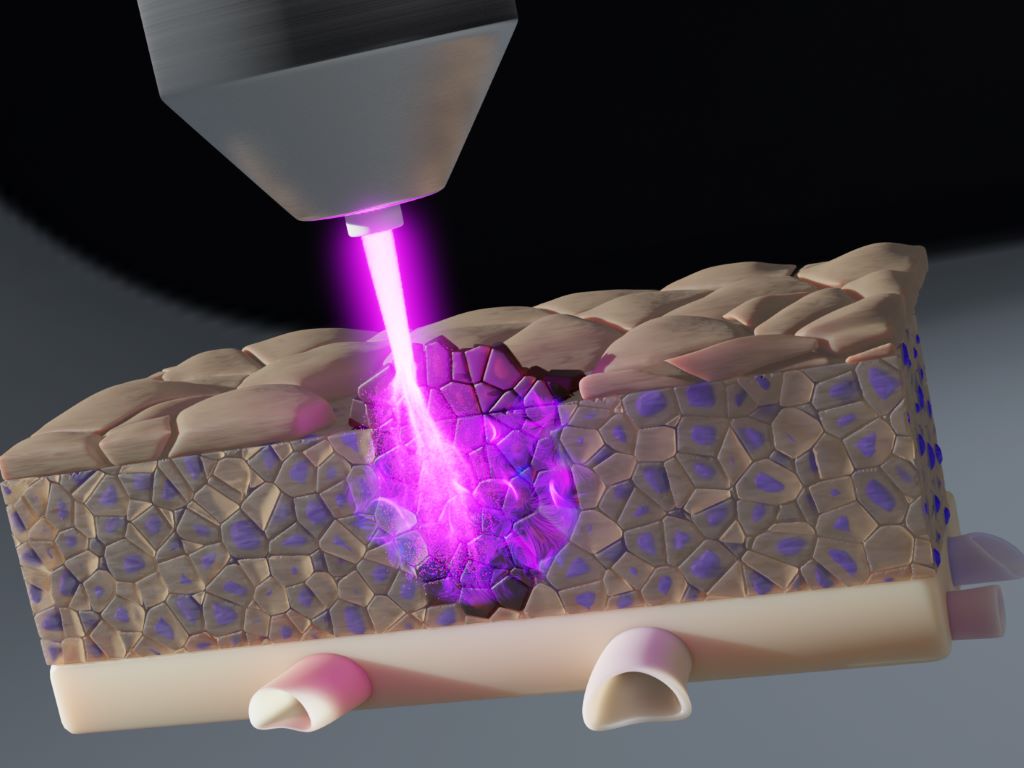
Researchers at the Leibniz Institute for Plasma Science and Technology (INP) have collaborated with partners at Greifswald University Hospital and University Medical Centre Rostock to demonstrate that cold plasma can effectively combat tumour cells even in deeper tissue layers. What is particularly noteworthy is that, by developing new tissue models, they were able to precisely investigate the effect of individual plasma components on tumour cells for the first time.

The results of the study were published in the journal Trends in Biotechnology.

What is cold plasma?

Plasma is an ionised gas that produces a large number of chemically reactive molecules known as reactive oxygen and nitrogen species. These short-lived molecules can have a strong influence on biological processes such as the growth or death of tumour cells.

New tissue models provide important insights

“The effect of plasma in tissue is very complex and little understood. We have therefore developed a 3D model made of hydrogels that mimics real tumour tissue. In this model, we were able to observe exactly how deep the molecules from the plasma penetrate – and which of these molecules are important for the effect on tumour cells,” explains Lea Miebach, first author of the study. Particularly short-lived molecules such as peroxynitrite penetrated several millimetres deep into the tissue. Hydrogen peroxide, which had previously been considered the main active ingredient in laboratory research, showed little effect: even when it was specifically removed, the effect of the plasma remained strong.

Use during surgery also conceivable

Another model investigated how well plasma could work in the follow-up treatment of tumour surgery. Residual tumour cells at the edge of an artificial surgical wound were specifically treated with plasma. The result: here too, a strong effect was observed, especially in cells that had already spread into the surrounding tissue. These findings could help to better prevent relapses after surgery.

Important step for plasma medicine

“Our results could significantly improve the medical application of plasma,” says Prof Dr Sander Bekeschus, head of the Plasma Medicine research programme at INP. “The better we understand which molecules are active in the tissue, the more precisely plasma devices can be used for specific types of cancer.”

The work was carried out using the medically approved plasma jet “kINPen”. In the long term, the method could help make therapies more effective and gentler.

Source: Leibniz-Institut für Plasmaforschung und Technologie e.V.

Podcast: Could Infrared Light Have Deeper Biological Effects than Believed?

Light transmission through the hand from an 850nm LED source. Because the tissues are relatively
thin compared with the thorax it was possible to map the spectrum here against known biological absorbers.
The images clearly show that deoxygenated blood is a key absorber. Also, bone can not be seen and hence is
relatively transparent at these longer wavelengths. Source: Jeffery et al., Scientific Reports, 2025.

In this podcast, we explore how some infrared wavelengths of sunlight can penetrate the human body – even through clothing – and have a systemic positive impact on physiological functions. Sounds like something out of science fiction, but a recent article published in Scientific Reports has demonstrated this effect in humans.

In this study, exposing the torsos of human participants to 830–860nm infrared light was found to boost mitochondrial function and ATP production. There were notable improvements in vision, despite the eyes being shielded from the infrared light. If infrared light is indeed beneficial, what does this mean for our current way of life, indoors and illuminated by LED lights – which notably lack infrared light?

No Benefits Seen from Conservative Oxygen in the ICU

Photo by engin akyurt on Unsplash

A UK trial involving 16 500 mechanically ventilated intensive care unit (ICU) patients found no 90-day survival benefit for conservative supplemental oxygen over usual oxygen therapy. Nevertheless, the study, published in JAMA, did demonstrate the accuracy and cost-effectiveness of conducting a large trial with a simple intervention.

Oxygen is one of the most commonly administered treatments to patients in ICUs, but liberal oxygen therapy to avoid the risks of hypoxaemia may lead to harm, so finding the right level could optimise outcomes. Trials to date have shown mixed results.

For COVID patients admitted to the ICU with severe hypoxaemia, survival without life support was extended with conservative oxygen therapy. In a paediatric ICU study, conservative oxygen therapy resulted in a reduction in a composite of organ support at 30 days or death. A meta-analysis of 13 trials showed no differences between liberal and conservative oxygen therapy.

Even with just a small difference in survival benefit, with tens of millions of patients mechanically ventilated in the ICU would still mean significant numbers of lives saved. Other tests of new drugs and procedures in the ICU are hampered by high cost, as Seitz et al. noted in an accompanying editorial, so this sort of trial comparing two approaches to a common therapy is much more affordable.

The UK Intensive Care Unit Randomised Trial Comparing Two Approaches to Oxygen Therapy (UK-ROX) trial was initiated to determine if there was a difference between conservative and usual oxygen therapy.

The trial randomised 16 500 patients across 97 ICUs in the UK to either conservative oxygen therapy or usual oxygen therapy, in adults receiving mechanical ventilation and supplemental oxygen in the ICU. The primary outcome was mortality at 90 days. Conservative oxygen therapy targeted a peripheral oxygen saturation (Spo2) of 90% (range, 88%-92%), while usual oxygen therapy was at the discretion of the treating clinician.

Patients were early in mechanical ventilation (median, 5 hours), were severely ill (median predicted mortality risk, 35%), had a range of critical illnesses (eg, > 5000 patients with sepsis and > 1500 patients with hypoxic-ischaemic encephalopathy) and with significant hypoxaemia (eg, > 11 000 patients with a Pao2:Fio2 ratio, consistent with acute respiratory distress syndrome). Obtaining informed consent from the patients was, of course, largely not feasible, so this requirement was waived for the study.

Exposure to supplemental oxygen was 29% lower for those in the conservative oxygen therapy group compared with the usual oxygen therapy group. Of the patients randomised to conservative oxygen therapy, 35.4% died by 90 days compared with 34.9% of patients receiving usual oxygen therapy.

No differences were seen for secondary outcomes, including ICU stay, days free of life support and mortality at various time points. No interactions for confirmed or suspected COVID, ethnicity or other illnesses were observed.

Post hoc analysis showed weak evidence of increased harm from conservative oxygen therapy among the first 10 patients in each site but no difference for the random enhanced data collection sample compared with standard data collection.

Seitz et al. pointed out that the high level of adherence to the conservative target resulted in a mean oxygen saturation of 93.3%, versus 95.1% for usual care. The differences in oxygen saturation (1.9%) and Fio2 (0.04) between the trial groups in UK-ROX were about half the magnitude of some prior trials, due to not aiming for widely separated targets, and usual care varies considerably depending on location and clinical considerations.

Therefore, the researchers concluded that the findings do not support an approach of reducing oxygen exposure by targeting an Spo2 of 90% in mechanically ventilated adults receiving oxygen in the ICU. They suggest that future research may involve using AI to determine specific situations where conservative or liberal oxygen therapy may have beneficial outcomes.

References:

Martin DS, Gould DW, Shahid T, et al. Conservative Oxygen Therapy in Mechanically Ventilated Critically Ill Adult Patients: The UK-ROX Randomized Clinical Trial. JAMA. 2025;334(5):398–408. doi:10.1001/jama.2025.9663

Seitz KP, Casey JD, Semler MW. Patient, Treatment, Outcome—Large Simple Trials of Common Therapies. JAMA. 2025;334(5):395–397. doi:10.1001/jama.2025.9657

Breakthrough in Sepsis Research: Vitamin B1 Stops Production of Lactate

Photo by National Cancer Institute on Unsplash

Scientists in Ghent, Belgium have made a major breakthrough in sepsis research. In a study on mice, the researchers demonstrate that vitamin B1 (thiamine pyrophosphate, TPP) restores mitochondrial energy metabolism, drastically reduces lactate production, and increases survival rates in sepsis. The study results were published in Cell Reports.

Sepsis, the body’s runaway reaction to an infection, affects vital organs such as the heart, lungs, liver, and kidneys, while patients experience an excessive buildup of lactic acid in the blood.

Each year, sepsis affects 49.5 million people worldwide and claims 11 million lives. To date, there is still no targeted treatment for this condition. New research from the VIB-UGent Center for Inflammation Research may now represent a breakthrough. In a study led by Professor Claude Libert, a Ghent-based research team has discovered a simple yet powerful therapeutic approach: a combination of vitamin B1 and glucose.

Vitamin deficiency causes an energetic blackout 

In 2021, the same research group had already shown that lactic acid accumulates in the blood of sepsis patients because the body can no longer efficiently clear it. Lactic acid is a metabolite that builds up in our muscles after intense physical exercise. Under normal circumstances, lactic acid is processed by the liver, but in sepsis patients, this process comes to a halt. When too much lactic acid remains in the bloodstream, the patient’s blood pressure plummets rapidly, often with fatal consequences.

With a new study, the research group has now uncovered why lactic acid is produced in such large quantities in the first place and how this can be counteracted. The answer turns out to be remarkably simple and clinically relevant: an acute shortage of vitamin B1 in the mitochondria – the cell’s energy factories – forces another molecule, pyruvate, to be converted into lactic acid.

“For the first time, we’ve been able to show that the problem in sepsis is not so much a lack of oxygen, but a fundamental biochemical defect caused by vitamin B1 deficiency,” explains Louise Nuyttens, lead author of the study. “This shuts down the entire energy network in the body and creates a vicious cycle of lactic acid production and organ damage.”

An effective treatment for sepsis 

As the next step, the researchers investigated whether they could restore energy metabolism by administering vitamin B1. In mouse models, they observed that such treatment drastically reduced lactic acid production and improved survival rates. But the real breakthrough came when they combined vitamin B1 with glucose.

“Although it seems logical to give severely ill patients extra glucose, this often leads to more lactic acid production, which is undesirable in sepsis patients. Thanks to vitamin B1, however, we were able to reprogram glucose metabolism. Glucose was safely converted into pyruvate and then into energy, rather than into toxic lactic acid,” explains Louise Nuyttens.

“The results are truly spectacular,” says Prof. Claude Libert. “In our severe sepsis animal models, nearly all mice survived with the combination of vitamin B1 and glucose. This is one of the most powerful metabolic interventions we’ve ever seen, acting on very simple mechanisms that make it quickly translatable to intensive care.”

Bad blood 

Beyond its scientific impact, the societal relevance is also significant. These new insights may offer a path toward a globally applicable therapy for a condition as deadly as heart attacks or strokes, but far less recognised.

The research group now plans further preclinical studies in larger animal models to test whether this therapy also works in patients already in an advanced stage of sepsis.

Source: VIB (the Flanders Institute for Biotechnology) 

Flawed Data on Key SARS-CoV-2 Enzyme Trips up Research

Detail from Small’s reprocessed cryo-EM data zooming in on an unoccupied area of the SARS-CoV-2 NiRAN domain. (Courtesy of Campbell lab)

The COVID pandemic illustrated how urgently we need antiviral medications capable of treating coronavirus infections. To aid this effort, researchers quickly homed in on part of SARS-Cov-2’s molecular structure known as the NiRAN domain – an enzyme region essential to viral replication that’s common to many coronaviruses. A drug targeting the NiRAN domain would likely work broadly to shut down a range of these pathogens, potentially treating known diseases like COVID as well as helping to head off future pandemics caused by related viruses.

In 2022, scientists (Yan et. al.) published a structural model describing exactly how this domain works. It should have been a tremendous boon for drug developers.

But the model was wrong.

“Their work contains critical errors,” says Gabriel Small, a graduate fellow in the laboratories of Seth A. Darst and Elizabeth Campbell at Rockefeller. “The data does not support their conclusions.”

Now, in a new study published in Cell, Small and colleagues demonstrate exactly why scientists still don’t know how the NiRAN domain works. The findings could have sweeping implications for drug developers already working to design antivirals based on flawed assumptions, and underscore the importance of rigorous validation.

“It is absolutely important that structures be accurate for medicinal chemistry, especially when we’re talking about a critical target for antivirals that is the subject of such intense interest in industry,” says Campbell, head of the Laboratory of Molecular Pathogenesis. “We hope that our work will prevent developers from futilely trying to optimise a drug around an incorrect structure.”

A promising lead

By the time the original paper was published in Cell, the Campbell and Darst labs were already quite familiar with the NiRAN domain and its importance as a therapeutic target. Both laboratories study gene expression in pathogens, and their work on SARS-CoV-2 focuses in part on characterizing the molecular interactions that coordinate viral replication.

The NiRAN domain is essential for helping SARS-CoV-2 and other coronaviruses cap their RNA, a step that allows these viruses to replicate and survive. In one version of this process, the NiRAN domain uses a molecule called GDP to attach a protective cap to the beginning of the virus’s RNA. Small previously described that process in detail, and its structure is considered solved. But the NiRAN domain can also use a related molecule, GTP, to form a protective cap. Determined to develop antivirals that comprehensively shut down the NiRAN domain, scientists were keen to discover the particulars of the latter GTP-related mechanism.

In the 2022 paper, researchers described a chain of chemical steps, beginning with a water molecule breaking a bond to release the RNA’s 5′ phosphate end. That end then attaches to the beta-phosphate end of the GTP molecule, which removes another phosphate and, with the help of a magnesium ion, transfers the remaining portion of the GTP molecule to the RNA, forming a protective cap that allows the virus to replicate and thrive.

The team’s evidence? A cryo-electron microscopy image that showed the process caught in action. To freeze this catalytic intermediate, the team used a GTP mimic called GMPPNP.

Small read the paper with interest. “As soon as they published, I went to download their data,” he says. It wasn’t there. This raised a red flag—data is generally available upon release of a structural biology paper. Months later, however, when Small was finally able to access the data, he began to uncover significant flaws. “I tried to make a figure using their data, and realized that there were serious issues,” he says. Small brought his concerns to Campbell and Darst.

They agreed. “Something was clearly wrong,” Campbell says. “But we decided to give the other team the benefit of the doubt, and reprocess all of their data ourselves.”

An uphill battle

It was painstaking work, with Small leading the charge. Working frame by frame, he compared the published atomic model to the actual cryo-EM map and found something striking: the key molecules that Yan and colleagues claimed to have seen, specifically, the GTP mimic GMPPNP and a magnesium ion in the NiRAN domain’s active site, simply were not there.

Not only was there no supporting image data, but the placement of these molecules in the original model also violated basic rules of chemistry, causing severe atomic clashes and unrealistic charge interactions. Small ran additional tests, but even advanced methods designed to pick out rare particles turned up empty. He could find no evidence to support the model previously produced by Yan and colleagues.

Once the Rockefeller researchers validated their results, they submitted their findings to Cell. “It was very important that we publish our corrective manuscript in the same journal that published the original model,” Campbell says, noting that corrections to high-profile papers are often overlooked when published in lower tier journals.

Otherwise, this confusion in the field could cause problems that reach far beyond the lab bench, Campbell adds – a costly reminder that rigorous basic biomedical research is not just academic, but essential to real-world progress. “Companies keep their cards close to their chests, but we know that several industry groups are studying this,” she says. “Efforts based on a flawed structural model could result in years of wasted time and resources.”

Source: The Rockerfeller University

For Obesity, Fitness Trackers Miss the Mark – but There’s a Fix

Photo by Kamil Switalski on Unsplash

For many, fitness trackers have become indispensable tools for monitoring how many calories they’ve burned in a day. But for those living with obesity, who are known to exhibit differences in walking gait, speed, energy burned and more, these devices often inaccurately measure activity – until now.

Scientists at Northwestern University have developed a new algorithm that enables smartwatches to more accurately monitor the calories burned by people with obesity during various physical activities.

The technology bridges a critical gap in fitness technology, said Nabil Alshurafa, whose Northwestern lab, HABits Lab, created and tested the open-source, dominant-wrist algorithm specifically tuned for people with obesity. It is transparent, rigorously testable and ready for other researchers to build upon. Their next step is to deploy an activity-monitoring app later this year that will be available for both iOS and Android use.

“People with obesity could gain major health insights from activity trackers, but most current devices miss the mark,” said Alshurafa, associate professor of behavioral medicine at Northwestern University Feinberg School of Medicine.

Current activity-monitoring algorithms that fitness trackers use were built for people without obesity. Hip-worn trackers often misread energy burn because of gait changes and device tilt in people with higher body weight, Alshurafa said. And lastly, wrist-worn models promise better comfort, adherence and accuracy across body types, but no one has rigorously tested or calibrated them for this group, he said.

“Without a validated algorithm for wrist devices, we’re still in the dark about exactly how much activity and energy people with obesity really get each day — slowing our ability to tailor interventions and improve health outcomes,” said Alshurafa, whose team tested his lab’s algorithm against 11 state-of-the-art algorithms designed by researchers using research-grade devices and used wearable cameras to catch every moment when wrist sensors missed the mark on calorie burn.

The findings will be published June 19 in Nature Scientific Reports.

The exercise class that motivated the research

Alshurafa was motivated to create the algorithm after attending an exercise class with his mother-in-law who has obesity.

“She worked harder than anyone else, yet when we glanced at the leaderboard, her numbers barely registered,” Alshurafa said. “That moment hit me: fitness shouldn’t feel like a trap for the people who need it most.”

Algorithm rivals gold-standard methods

By using data from commercial fitness trackers, the new model rivals gold-standard methods of measuring energy burn and can estimate how much energy someone with obesity is using every minute, achieving over 95% accuracy in real-world situations. This advancement makes it easier for more people with obesity to track their daily activities and energy use, Alshurafa said.

How the study measured energy burn

In one group, 27 study participants wore a fitness tracker and metabolic cart – a mask that measures the volume of oxygen the wearer inhales and the volume of carbon dioxide the wearer exhales to calculate their energy burn (in kilocalories/kCals) and resting metabolic rate. The study participants went through a set of physical activities to measure their energy burn during each task. The scientists then looked at the fitness tracker results to see how they compared to the metabolic cart results.

In another group, 25 study participants wore a fitness tracker and body camera while just living their lives. The body camera allowed the scientists to visually confirm when the algorithm over- or under-estimated kCals.

At times, Alshurafa said he would challenge study participants to do as many pushups as they could in five minutes.

“Many couldn’t drop to the floor, but each one crushed wall-pushups, their arms shaking with effort,” he said, “We celebrate ‘standard’ workouts as the ultimate test, but those standards leave out so many people. These experiences showed me we must rethink how gyms, trackers and exercise programs measure success – so no one’s hard work goes unseen.”

Source: Northwestern University

Researchers Spot Chimpanzees Using Medicinal Leaves to Perform First Aid

Social grooming between two chimpanzees in the Budongo Forest. Photograph by Dr Elodie Freymann.

Researchers monitoring chimpanzee communities in the Budongo Forest, Uganda, noticed that individuals were helping each other with wound care and hygiene. Some of the chimpanzees even used fresh, chewed leaves from plants known for their traditional medicinal uses and bioactive properties to treat their own and their companions’ wounds. Remarkably, they helped individuals they were genetically related to and individuals they weren’t, despite the potential risk from being exposed to pathogens. Researchers believe these findings could help us understand the cognitive and social foundations of healthcare. 

Researchers studying chimpanzees in Budongo Forest, Uganda, have observed that these primates don’t just treat their own injuries, but care for others, too – information which could shed light on how our ancestors first began treating wounds and using medicines. Although chimpanzees elsewhere have been observed helping other community members with medical problems, the persistent presence of this behaviour in Budongo could suggest that medical care among chimpanzees is much more widespread than we realised, and not confined to care for close relatives.  

“Our research helps illuminate the evolutionary roots of human medicine and healthcare systems,” said Dr Elodie Freymann, research affiliate at the School of Anthropology and Museum Ethnography, Oxford University, first author of the article in Frontiers in Ecology and Evolution. “By documenting how chimpanzees identify and utilise medicinal plants and provide care to others, we gain insight into the cognitive and social foundations of human healthcare behaviours.” 

The researchers studied two communities of chimpanzees in the Budongo Forest – Sonso and Waibira. Like all chimpanzees, members of these communities are vulnerable to injuries, whether caused by fights, accidents, or snares set by humans. About 40% of all individuals in Sonso have been seen with snare injuries. 

The researchers spent four months observing each community, as well as drawing on video evidence from the Great Ape Dictionary database, logbooks containing decades of observational data, and a survey of other scientists who had witnessed chimpanzees treating illness or injury. Any plants chimpanzees were seen using for external care were identified; several turned out to have chemical properties which could improve wound healing and relevant traditional medicine uses. 

During their direct observational periods, the researchers recorded 12 injuries in Sonso, all of which were likely caused by within-group conflicts. In Waibira, five chimpanzees were injured – one female by a snare, and four males in fights. The researchers also identified more cases of care in Sonso than in Waibira. 

“This likely stems from several factors, including possible differences in social hierarchy stability or greater observation opportunities in the more thoroughly habituated Sonso community,” said Freymann. 

The researchers documented 41 cases of care overall: seven cases of care for others – prosocial care – and 34 cases of self-care. These cases often included several different care behaviours, which might be treating different aspects of a wound, or might reflect a chimpanzee’s personal preferences.  

“Chimpanzee wound care encompasses several techniques: direct wound licking, which removes debris and potentially applies antimicrobial compounds in saliva; finger licking followed by wound pressing; leaf-dabbing; and chewing plant materials and applying them directly to wounds,” said Freymann. “All chimpanzees mentioned in our tables showed recovery from wounds, though of course we don’t know what the outcome would have been had they not done anything about their injuries.  

“We also documented hygiene behaviours, including the cleaning of genitals with leaves after mating and wiping the anus with leaves after defecation – practices that may help prevent infections.” 

Of the seven instances of prosocial care, the researchers found four cases of wound treatment, two cases of snare removal assistance, and one case where a chimpanzee helped another with hygiene. Care wasn’t preferentially given by, or provided to, one sex or age group. On four occasions, care was given to genetically unrelated individuals.  

“These behaviours add to the evidence from other sites that chimpanzees appear to recognise need or suffering in others and take deliberate action to alleviate it, even when there’s no direct genetic advantage,” said Freymann. 

The researchers call for more research into the social and ecological contexts in which care takes place, and which individuals give and receive care. One possibility is that the high risk of injury and death which Budongo chimpanzees all face from snares could increase the likelihood that these chimpanzees care for each other’s wounds, but more data is needed to explore this.  

“Our study has a few methodological limitations,” cautioned Freymann. “The difference in habituation between the Sonso and Waibira communities creates an observation bias, particularly for rare behaviours like prosocial healthcare. While we documented plants used in healthcare contexts, further pharmacological analyses are needed to confirm their specific medicinal properties and efficacy. Also, the relative rarity of prosocial healthcare makes it challenging to identify patterns regarding when and why such care is provided or withheld. These limitations highlight directions for future research in this emerging field.” 

Source: Oxford University

Inside the SAMRC’s Race to Rescue Health Research in SA

Mycobacterium tuberculosis drug susceptibility test. Photo by CDC on Unsplash

By Catherine Tomlinson

Health research in South Africa has been plunged into crisis with the abrupt termination of several large research grants from the US, with more grant terminations expected in the coming days and weeks. Professor Ntobeko Ntusi, head of the South African Medical Research Council, tells Spotlight about efforts to find alternative funding and to preserve the country’s health research capacity.

Health research in South Africa is facing an unprecedented crisis due to the termination of funding from the United States government. Though exact figures are hard to pin down, indications are that more than half of the country’s research funding has in recent years been coming from the US.

Many health research units and researchers that receive funding from the US National Institutes of Health (NIH) have in recent weeks been notified that their grants have been terminated. This funding is being slashed as part of the efforts by US President Donald Trump’s administration to reduce overall federal spending and end spending that does not align with its political priorities.

Specifically, the administration has sought to end spending supporting LGBTQ+ populations and diversity, as well as equity and inclusion. As many grants for HIV research have indicators of race, gender, and sexual orientation in their target populations and descriptions, this area of research has been particularly hard hit by the cuts. There have also been indications that certain countries, including South Africa and China, would specifically be targeted with NIH cuts.

On 7 February, President Donald Trump issued an executive order stating that the US would stop providing assistance to South Africa in part because it passed a law that allowed for the expropriation of land without compensation, and separately because the South African government took Israel to the International Court of Justice on charges of genocide in Gaza.

Prior to the NIH cuts, some local research funded through other US entities such as the US Agency for International Development (USAID), and the Centers for Disease Control and Prevention (CDC) were also terminated.

How much money is at risk?

“In many ways the South African health research landscape has been a victim of its own success, because for decades we have been the largest recipients of both [official development assistance] funding from the US for research [and] also the largest recipients of NIH funding outside of the US,” says president and CEO of the SAMRC Professor Ntobeko Ntusi.

Determining the exact amount of research funds we get from the US is challenging. This is because funding has come from several different US government entities and distributed across various health research organisations. But the bulk of US research funding in South Africa clearly came from the NIH, which is also the largest funder of global health research.

According to Ntusi, in previous years, the NIH invested, on average, US$150 million – or almost R3 billion – into health research in South Africa every year.

By comparison, the SAMRC’s current annual allocation from government is just under R2 billion, according to Ntusi. “Our baseline funding, which is what the national treasury reflects [approximately R850 million], is what flows to us from the [Department of Health],” he says, adding that they also have “huge allocations” from the Department of Science, Technology and Innovation. (Previous Spotlight reporting quoted the R850 million figure from Treasury’s budget documents, and did not take the additional funds into account.)

How is the SAMRC tracking US funding terminations

Ntusi and his colleagues have been trying to get a clearer picture of the exact extent and potential impacts of the cuts.

While some US funding given to research units in South Africa flows through the SAMRC, the bulk goes directly to research units from international research networks, larger studies, and direct grants. Keeping track of all this is not straight-forward, but Ntusi says the SAMRC has quite up to date information on all the terminations of US research awards and grants.

“I’ve been communicating almost daily with the deputy vice-chancellors for research in all the universities, and they send me almost daily updates,” says Ntusi. He says heads of research units are also keeping him informed.

According to him, of the approximately US$150 million in annual NIH funding, “about 40%…goes to investigator-led studies with South Africans either as [principal investigators] or as sub-awardees and then the other 60% [comes from] network studies that have mostly sub-awards in South Africa”.

Figures that Ntusi shared with Spotlight show that large tertiary institutions like the University of the Witwatersrand, the University of Cape Town, and the University of Stellenbosch, could in a worst case scenario lose over R200 million each, while leading research units, like the Desmond Tutu Health Foundation and the Centre for the AIDS Programme of Research in South Africa, could each lose tens of millions. The SAMRC figures indicate that while many grants have already been terminated, there are also a substantial number that have not been terminated.

Where will new money come from?

Ntusi says the SAMRC is coordinating efforts to secure new funding to address the crisis.

“We have been leading a significant fundraising effort, which…is not for the SAMRC, but for the universities who are most affected [and] also other independent research groups,” he says. “As the custodian of health research in the country, we are looking for solutions not just for the SAMRC but for the entire health research ecosystem.”

Ntusi explains that strategically it made more sense to have a coordinated fundraising approach rather than repeating what happened during COVID-19 when various groups competed against each other and approached the same funders.

“Even though the SAMRC is leading much of this effort, there’s collective input from many stakeholders around the country,” he says, noting that his team is in regular communication with the scientific community, the Department of Health, and Department of Science, Technology and Innovation.

The SAMRC is also asking the Independent Philanthropic Association of South Africa, and large international philanthropies for new funding. He says that some individuals and philanthropies have already reached out to the SAMRC to find out how they can anonymously support research endeavours affected by the cuts.

Can government provide additional funds?

Ntusi says that the SAMRC is in discussions with National Treasury about providing additional funds to support health researchers through the funding crisis.

The editors of Spotlight and GroundUp recently called on National Treasury to commit an extra R1 billion a year to the SAMRC to prevent the devastation of health research capacity in the country. They argued that much larger allocations have previously been made to bail out struggling state-owned entities.

Government has over the last decade spent R520 billion bailing out state-owned entities and other state organs.

How will funds raised by the SAMRC be allocated?

One dilemma is that it is unlikely that all the lost funding could be replaced. This means tough decisions might have to be made about which projects are supported.

Ntusi says that the SAMRC has identified four key areas in need of support.

The first is support for post-graduate students. “There’s a large number of postgraduate students…who are on these grants” and “it’s going to be catastrophic if they all lose the opportunity to complete their PhDs,” he says.

Second is supporting young researchers who may have received their first NIH grant and rely entirely on that funding for their work and income, says Ntusi. This group is “really vulnerable [to funding terminations] and we are prioritising [their] support…to ensure that we continue to support the next generation of scientific leadership coming out of this country,” he says.

A third priority is supporting large research groups that are losing multiple sources of funding. These groups need short-term help to finish ongoing projects and to stay afloat while they apply for new grants – usually needing about 9 to 12 months of support, Ntusi explains.

The fourth priority, he says, is to raise funding to ethically end clinical and interventional studies that have lost their funding, and to make sure participants are connected to appropriate healthcare. Protecting participants is an important focus of the fundraising efforts, says Ntusi, especially since many people involved in large HIV and TB studies come from underprivileged communities.

Ultimately, he says they hope to protect health research capacity in the country to enable South African health researchers to continue to play a meaningful and leading role in their respective research fields.

“If you reflect on what I consider to be one of the greatest successes of this country, it’s been this generation of high calibre scientists who lead absolutely seminal work, and we do it across the entire value chain of research,” says Ntusi. “I would like to see…South Africa [continue to] make those meaningful and leading pioneering contributions.”

Republished from Spotlight under a Creative Commons licence.

Read the original article.

Solving a Decades-old Mystery Behind Side Effects of Benzodiazepines

Credit: Pixabay CC0

Benzodiazepines like Valium and Xanax are often prescribed to treat anxiety, insomnia and seizures. While these drugs can be effective as a short-term treatment, researchers are trying to better understand the impact of benzodiazepines after extended use. Some experts believe long-term use of the medication may influence inflammation levels in our bodies, as previous research has shown that benzodiazepines may increase the risk of developing or worsening inflammatory conditions, like lung inflammation and inflammatory bowel disease. For years, experts have tried with little success to better understand the molecular mechanisms that may be driving these side effects. 

Now, a research team led by Virginia Commonwealth University and Columbia University has gained novel insights into a protein suspected to be involved in benzodiazepine-related inflammation. Their findings, published in PNAS, could inform strategies to improve benzodiazepine drug design as well as open new opportunities for treating inflammation-related conditions, including certain cancers, arthritis, Alzheimer’s disease and multiple sclerosis.

“Numerous attempts have been made to determine the structure and elucidate the function of this mysterious membrane protein family,” said Youzhong Guo, PhD, associate professor in medicinal chemistry and one of the lead researchers of the new study. “Now, after decades of research, we finally have promising evidence that resolves some of the mysteries around this protein and could be crucial for advancing benzodiazepine drug design.” 

Benzodiazepines produce their therapeutic effect by binding with GABAA receptors in the brain; however, the drug has an equally strong affinity to human mitochondrial tryptophan-rich sensory proteins (HsTSPO1), located on the outer membrane of mitochondria in cells. This type of protein is linked to several neurodegenerative diseases, including Alzheimer’s, and researchers have suspected that HsTSPO1 may be involved in certain side effects of benzodiazepine drugs.

Both the structure and function of this protein family have been debated within the scientific community, inhibiting efforts to understand its role in disease and develop effective therapeutics. Many scientists have theorised that HsTSPO1’s potential function is transporting cholesterol across membranes to regulate the development of steroid hormones. But Guo and Wayne Hendrickson, PhD, biochemistry professor at Columbia’s Vagelos College of Physicians and Surgeons and co-author of the new study, believed that HsTSPO1 is more likely to have a different function. 

“Tryptophan-rich sensory proteins like HsTSPO1 are found in all forms of life, from bacteria and plants to animals and humans,” said Guo, who also serves on research faculty at the VCU Center for Drug Discovery. “We know that this type of protein functions as enzymes in bacteria, and when you consider evolutionary theory, the same type of protein is likely to be an enzyme in humans as well.” 

HsTSPO1’s structure has remained unresolved for so long in part because of the methods used to analyze membrane proteins. The membrane of cells and organelles like mitochondria are composed of a lipid bilayer, with proteins either attached to or embedded within the structure. Researchers use detergents to extract and stabilize these proteins. However, the process can interfere with protein-lipid interactions that are often essential for the structural stability and functionality of these proteins. 

To overcome this challenge, Guo and his colleagues developed a detergent-free method, named the native cell membrane nanoparticles system, which uses membrane-active polymers to isolate and stabilize membrane proteins while maintaining their interactions with the native lipids. Using this technology, the researchers were able to study HsTSPO1 in a state that more closely reflects its natural cell membrane environment, revealing new insights into the protein’s structure and interactions with other compounds. 

“Protein instability caused by detergents had thwarted our previous efforts to fully characterize its structure and function,” Guo said. “However, in our analysis, we found that HsTSPO1 performed its function when cholesterol was present, demonstrating how crucial it is to study this protein in an environment that is similar to its natural habitat. Similar to if you take a fish out of the water, it’s still a fish, but it will behave very differently.”

Through this method, the research team found evidence to suggest that HsTSPO1 functions as an enzyme. They discovered that HsTSPO1 breaks down protoporphyrin IX, a compound found in oxygen-rich red blood cells, to create a novel product that the scientists have named bilindigin. This product helps control the level of “reactive oxygen species” (ROS) in our bodies, a type of compound that can lead to inflammation and kill cells if left unregulated. This finding suggests that, when valium and other benzodiazepines bind to HsTSPO1, they inhibit the protein’s ability to manage ROS levels in our cells. This may help explain why such medications cause side effects over time, though more research is needed to fully understand whether these molecular mechanisms play a part in driving adverse side effects.

“The enzyme activity that we found for HsTSPO1 both reduces the production and the neutralization of ROS,” Hendrickson said. “This discovery then provides a rationale for fresh approaches in drug discovery.” 

The new insights into HsTSPO1’s function could help pharmaceutical companies develop improved benzodiazepines. Furthermore, because of its newly discovered role in regulating reactive oxygen species, the researchers say HsTSPO1 might serve as a promising drug target for monitoring and treating neurodegenerative diseases, like Alzheimer’s, as well as other inflammation-related conditions that have connections to HsTSPO1. This includes some cancers, arthritis and MS. 

“Benzodiazepines are still widely used to treat anxiety, insomnia, seizures and other conditions. Now that we have an understanding of how HsTSPO1 works, we could potentially create better drugs with less side effects,” Guo said. “But on a larger scale, our insights into this protein could have significant implications for developing new therapeutic options for patients impacted by inflammatory diseases.”

Source: Virginia Commonwealth University