Tag: traditional medicine

Inside The Box with Dr Andy Gray | Are Complementary Medicines Effectively Regulated in South Africa?

#InsideTheBox is a column by Dr Andy Gray, a pharmaceutical sciences expert at the University of KwaZulu-Natal and Co-Director of the WHO Collaborating Centre on Pharmaceutical Policy and Evidence Based Practice. (Photo: Supplied)

By Dr Andy Gray for Spotlight

The regulation of complementary and alternative medicines in South Africa has been hotly contested in recent decades, including in court rooms. In his latest column for Spotlight, Dr Andy Gray unpacks the legal background and the current state of this still unfolding regulatory saga.

Multivitamin and mineral supplements are commonly found in many South African retail outlets, from pharmacies to health shops and supermarkets. Some outlets will stock a wider range of medicines, perhaps on shelves marked as “complementary”, or among other non-prescription medicines available for self-service.

Are these medicines regulated in the same way as other medicines, including those available on prescription?

The concept of a “call-up notice”

When South Africa’s medicines legislation was first passed in 1965, there were already many medicines on the local market which had not been assessed for safety, efficacy or quality. As all such medicines could not be immediately “called up” for registration, a stepwise approach had to be followed.

Between 1967 and the mid-1980s, medicines were identified for registration by pharmacological classification. The remnant of that approach is still evident in section 14(1) and (2): of the Medicines and Related Substances Act, 1965:

(1) Save as provided in this section or sections 21 and 22A, no person shall sell any medicine, … which is subject to registration by virtue of a declaration published in terms of subsection (2) unless it is registered.

(2) (a) The Authority may from time to time determine that a medicine, …, or class or category of medicine, … or part of any class or category of medicine, … mentioned in the declaration, shall be subject to registration in terms of this Act.

(b) Any such declaration may also relate only to medicines, … which were available for sale in the Republic immediately prior to the date on which it comes into operation in terms of paragraph (c) or only to medicines, … which were not then so available.

The declaration that a category or class of medicine is subject to registration is referred to colloquially as a “call-up notice”. A notice could be applied to those medicines already marketed, or only to those not yet marketed. Medicines which were already marketed but exempted from a full registration process were then regulated as “old medicines”. They are still subject to control according to their scheduling status and their production still needs to be in accordance with Good Manufacturing Practice. In time, new brands of some of the “old medicines” have been registered.

By the mid-1980s, the process of working through the pharmacological classifications was concluded. Thereafter, every new medicine would need to be registered before being marketed. In other words, a manufacturer or importer would need to provide sufficient evidence of the medicine’s safety, efficacy and quality to justify registration.

However, an important exception was created in 1986, which exempted homeopathic medicines from the full registration process. Two important restrictions were included. Firstly, no medical claims could be made for the medicine. Secondly, the following wording was to be included on the label of such medicine: “Homeopathic Medicine” and “WARNING: Use only as directed by a medical practitioner, pharmacist or homeopath”. The provision applied to homeopathic mother substances and so-called “minute-dose forms” made in accordance with homeopathic principles.

Broadening the scope of complementary medicines

Homeopaths are one of several complementary and traditional health professions regulated by the Allied Health Professions Council of South Africa. Medicines legislation has been amended to accommodate this wider range of complementary and traditional medicines.

A separate South African Health Products Regulatory Authority (SAHPRA) web site is dedicated to what are termed Category D medicines, also known as complementary medicines.

The General Regulations issued in terms of the Medicines Act includes a definition of complementary medicines which has two components: health supplements and medicines used in accordance with a “discipline as determined by the Authority”. The pharmacological classifications listed in Annexures 1 (human) and 2 (veterinary) medicines list the “disciplines” as Aromatherapy, Homeopathy, Phytotherapy, Traditional Chinese Medicine, Unani Medicine, Western Herbal Medicine, Combination Products and Other Herbal. The Annexures also list the types of health supplements, including amino acids, mineral, probiotics and vitamins. Two elements are important here – the nature of the substance included in the complementary medicine and the claims made in relation to that medicine.

Since 2013, the intention has been to progressively bring all complementary medicines under effective regulation, using a risk-based approach to identify those requiring registration and full assessment of safety, efficacy and quality data. The first pharmacological classifications identified were those claiming antiviral properties, and those intended to treat diabetes, cardiac conditions and cancer. However, no complementary medicines have yet been registered and the initial “call-up notices” have been repealed.

Like much of South Africa’s medicines regulatory space, this process has been affected by litigation. A challenge of the complementary medicines regulatory scheme by the Alliance of Natural Health Products (South Africa) was finally decided by the Supreme Court of Appeal in 2022. The court confirmed the finding that SAHPRA should have no regulatory power over substances and preparations that did not meet the definition of a medicine. A preparation that seeks to supplement a diet or provide a nutritional benefit is not a medicine, but a foodstuff. Draft amendments to the 2017 General Regulations, informed by the court judgment, were published for comment in March 2023, but have yet to be issued in final form.

Not a total lack of regulation

The hiatus in finalising regulations does not mean, however, that there is no regulatory control over complementary or Category D medicines. The initial “roadmap” outlined in the 2013 regulations has been replaced by a series of guidelines. The progressive, developmental approach to the regulation of complementary medicines remains in place, albeit delayed and as yet incomplete.

The overall roadmap was updated in 2021. All manufacturers, wholesalers or distributors of complementary medicines are required to be licensed by SAHPRA, but this process relies on an applicant’s “attestation of compliance with minimum requirements at the time of application and the payment of the required licence application, and desktop evaluation fees”, rather than the full Good Manufacturing Practice inspection applied to manufacturers of other medicines. However, SAHPRA reserves the right to conduct inspections where warranted. A similar approach is applied to the regulation of medical devices and diagnostic tests.

In the meantime, while no complementary or alternative medicines have been registered by SAHPRA, there is relatively strict regulation of what companies can say about the unregistered complementary medicines that they market in South Africa.

As with the 1986 exclusion for homeopathic products, all category D products which have not been registered have to include the following statement on the label: “This unregistered medicine has not been evaluated by the SAHPRA for its quality, safety or intended use”. The guideline also distinguishes between low risk and high-risk claims, in either labelling or advertising. Low risk claims are those for general health enhancement without any reference to specific diseases; health maintenance; or the relief of minor symptoms (not related to a disease or disorder).

The guideline is specific about a widely used wording: “Unregistered complementary medicines making use of the terms “Clinically proven” or any similar expression … shall also be considered to be HIGH RISK and may be subject to individual call-up in terms of section 14(2) of the Medicines Act.” Examples of acceptable low risk claims are provided, such as “Helps enhance/promote joint health”. Further guidance on the evidence to be relied upon for low risk and high-risk claims has been provided for the discipline-specific complementary medicines.

Manufacturers and importers of health supplements are only allowed to make low risk claims, and the relevant guideline provides Annexures (from Annexure A to O), showing the allowable levels and claims for each type of supplement. For example, a single component vitamin B3 (nicotinamide) product sold for adults may not contain more than 500mg per dose, and can only make a claim of “Helps to metabolise carbohydrates, fats and proteins”, “Contributes to normal growth and development” or “A factor in the maintenance of good health”.

A key document is the current guideline on the regulation of discipline-specific complementary medicines. An additional guideline was updated in 2022, which provides guidance on caffeine, menthol, camphor and cannabidiol. Low-dose cannabidiol can be sold as either a discipline-specific complementary medicine or a health supplement. At a dose not exceeding 20mg per day or 600mg per pack, it can be sold as a Schedule 0 product.

As no complementary medicines have yet been registered, none have as yet been specifically included in any of the Schedules, and they are therefore assumed to be controlled as Schedule 0 products, which can be sold in any retail outlet. One exception would be any injectable product, as those are automatically included in Schedule 3 and are prescription-only.

Important sources of information

The SAHPRA complementary medicines website provides a crucial resource which can be accessed by the public. The list of licensed complementary medicines manufacturers, importers and exporters is accessible here. There are currently 117 entries on the list. Each entry also provides a list of the products provided by that licensed entity, with details of ingredients, recommended doses and intended uses, whether discipline-specific or health supplement. The entire database is also searchable.

The site also enables anyone to lodge a complaint about a complementary medicine, including anonymous complaints.

Gaps in the system

While some progress has been made, the regulatory scheme for complementary medicines remains incomplete. Apart from finalising the regulations after the court challenge, a risk-based “call-up” process still needs to commence. Moving from an attestation process to confirmation that every manufacturer has met current Good Manufacturing Practice standards is still necessary.

Currently, the proprietary (brand) names used for complementary medicines are not pre-approved by SAHPRA, and many are in contravention of the naming guidelines applied to other medicines.

Effective oversight of advertising and marketing practices remains elusive, not only in respect of complementary medicines.

The dictum traditionally applied to consumer goods of “let the buyer beware” (in Latin, “caveat emptor”) is no longer considered appropriate. The Consumer Protection Act, 2008 seeks to protect the public against unsafe products and unfair marketing. Medicines are treated as a special category of goods, deserving closer regulatory control. The remaining gaps in the medicines regulatory system need to be plugged. One very particular gap, which has never been adequately addressed, is the regulation of African traditional medicines, which are not currently captured in the definition of Category D medicines.

 – Gray is a Senior Lecturer at the University of KwaZulu-Natal and Co-Director of the WHO Collaborating Centre on Pharmaceutical Policy and Evidence Based Practice.

Disclosure: Gray serves on three technical advisory committees at the South African Health Products Regulatory Authority.

*This column was published by Spotlight – health journalism in the public interest. Sign up to the Spotlight newsletter.

South African Hunters Chewed the Kanna Plant for Endurance: New Study Tests its Effects on Mouse Brain Chemistry

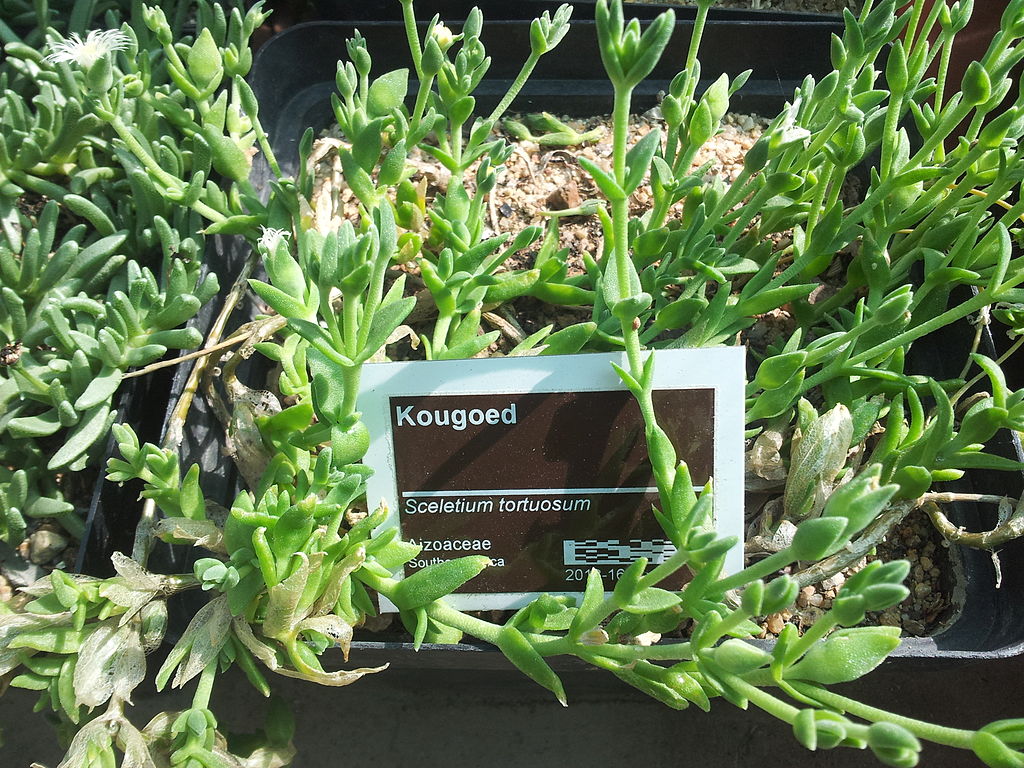
Sceletium tortuosum – Kougoed. Source: Wikimedia Commons.

Catherine H Kaschula, Stellenbosch University

Sceletium tortuosum is a little succulent plant that grows in the semi-arid Karoo and Namaqualand regions of South Africa. It has a long history of traditional use among the hunter-gatherers of the region.

The plant, known as kanna or kougoed by the San and Khoikhoi people, was mainly chewed or smoked to stay alert and suppress appetite during long hunts. The San were traditionally hunter-gatherers, while the Khoikhoi were pastoralists who herded livestock.

The name kanna (meaning “eland” in the click language of the San), has a symbolic reference to this large antelope, as the “trance animal”, which was called upon during religious and spiritual gatherings. Kougoed is Afrikaans for “something to chew”. The plant can be chewed after being dried and fermented, which is believed to intensify its effects.

The first colonial governor of the Cape colony, Simon van der Stel, in 1685 wrote about kanna in his journal:

They chew mostly a certain plant which they call Canna and which they bruise, roots as well as the stem, between the stones and store and preserve in sewn-up sheepskins.

I’m part of a group of scientists from different disciplines with an interest in this plant and we pooled our expertise to understand its effects on neurochemical concentrations in different parts of the brain.

Our studies were done in mice, so there is caution about establishing effectiveness on humans. Still, the results are striking.

As a chemist with an interest in natural products, I wanted to know which alkaloids in the plant were important in bringing about these effects.

Our latest study explored the effects of Sceletium tortuosum extracts on mouse brain chemistry.

We found that Sceletium increased the levels of certain brain chemicals which may balance mood and reduce stress. These findings lend support to the calming and mood-enhancing use of this plant in traditional medicine.

Plant chemistry

Our study examined how extracts from different chemotypes of Sceletium tortuosum can have different effects on brain chemistry. Chemotypes are groups of the same plant species that differ in the alkaloids they produce. This is because plants often produce alkaloids in response to external cues such as the weather or the presence of a plant-eating animal or pathogen.

Alkaloids are carbon-based compounds produced by plants. They are often toxic or taste bitter, making the plants less appealing or even harmful to the predators or invaders that want to eat or inhabit them. Alkaloids generally have physiological effects of use to humans. Some commonly used ones include caffeine, morphine and quinine.

We harvested two chemotypes of kanna from the Touwsrivier and De Rust regions of South Africa. These areas were chosen because of their interesting and unusual alkaloid profiles. The chemotypes were given to healthy mice as a supplement once a day for one month. The mice were monitored every day for behavioural or unexpected adverse reactions but none were noted.

At the end of the month, the levels of chemicals in the mouse brain were measured. Both the chemotypes were found to cause a marked increase in noradrenaline and a decrease in GABA in all brain regions studied. Both molecules are neurotransmitters that transmit nerve signals in the brain affecting memory, mood, attention and sleep.

This effect on noradrenaline supports kanna’s traditional use as an appetite suppressing drug. Increased noradrenergic stimulation is also the basis of many anti-depressants as well as drugs that improve attention and alertness.

We also found an impact on the brain chemicals serotonin and dopamine which may act together to balance mood and reduce stress. Serotonin affects emotional well-being and mood; dopamine motivates feelings of pleasure and satisfaction. These findings lend support to the calming and mood-enhancing use of this plant in traditional medicine.

Importantly, the control kanna extracts that did not have the interesting alkaloid profiles did not cause any of these chemical changes in the mouse brain.

Most studies on kanna have focused on the alkaloid mesembrine. The two specific chemotypes of kanna harvested from the Touwsrivier and De Rust regions of South Africa do have the mesembrine, but they are also packed with some other lesser-known or “minor” alkaloids. These differences in alkaloids may arise from a combination of geographic, environmental and inherent genetic factors found in a particular subset of plants.

Both the Touwsrivier and De Rust plants contained higher levels of alkaloids called mesembrine alcohols, which are different from mesembrine, and were barely present in the control extract. Another minor alkaloid, known as sceletium A4, was also identified as possibly being important. Mesembrine alcohols and sceletium A4 may be the ones responsible for the activity.

This suggests that the source of the plant, and the area in which it is grown, can influence its potential as a natural treatment for mood disorders and sleep.

What the results tell us

Stress, anxiety and depression pose a risk to the ability to lead a meaningful life. The World Health Organization has reported a 25% increase in anxiety and depression worldwide since the emergence of COVID-19.

Our study showed that the plant extracts had a broad noradrenergic effect in mice. But we have to be careful about making connections between results in mice and in humans. We need to explore the behavioural impact of these extracts in both mice and humans, especially in relation to sleep, alertness and mood.

The results also highlighted that without understanding the complex chemical composition of these plants, we risk overgeneralising their benefits, or worse, using them inappropriately.

Our findings have two implications.

First, they point towards a future of precision phytotherapy (use of plants for medicinal purposes), where natural remedies are tailored not just to individuals but to selecting certain plant chemotypes that produce certain combinations of alkaloids. Manipulating the growing conditions and genetic make-up of plants to optimise for alkaloid content is an age-old art.

Second, they remind us of the enormous, still largely untapped potential of African medicinal plants in global health innovation if we invest in research that honours both indigenous knowledge and scientific rigour.

As the world searches for safer, more sustainable ways to treat mental health conditions, South Africa’s kanna plant may hold secrets worth rediscovering.

Catherine H Kaschula, Senior Lecturer, Stellenbosch University

This article is republished from The Conversation under a Creative Commons license. Read the original article.

New Research Shines a Light into Dark Ages Medicine

Medieval manuscripts like the Cotton MS Vitellius C III highlight uses for herbs that reflect modern-day wellness trends. Image Credit: The British Library.

A new international research project has shown that Europe in the Dark Ages wasn’t in the dark when it came to medicine. The research, featuring faculty at Binghamton University, State University of New York reveals that people were developing health practices based on the best knowledge they had at the time – some of which mirror modern wellness trends.

“People were engaging with medicine on a much broader scale than had previously been thought,” said Meg Leja, an associate professor of history at Binghamton University who specialises in the political and cultural history of late antique and medieval Europe. “They were concerned about cures, they wanted to observe the natural world and jot down bits of information wherever they could in this period known as the ‘Dark Ages.’”

The Corpus of Early Medieval Latin Medicine (CEMLM), funded by the British Academy, has collected hundreds of medieval manuscripts containing medical material predating the 11th century. Countless manuscripts that have been left out of previous catalogs were included, nearly doubling the number of known medical manuscripts from the Dark Ages.

Some of the recipes resemble health hacks promoted by modern-day influencers, from topical ointments to detox cleanses. Have a headache? Crush the stone of a peach, mix it with rose oil and smear it on your forehead. It might sound odd, but one study published in 2017 showed that rose oil may actually help alleviate migraine pain.

Then there’s lizard shampoo, where you take pieces of lizard to help your hair become more luscious and flowing – or even to remove it, a modern-day parallel to waxing.

“A lot of things that you see in these manuscripts are actually being promoted online currently as alternative medicine, but they have been around for thousands of years,” said Leja.

Leja spent the last two years with the rest of the team preparing the new catalogue (which was just released online), reviewing manuscripts from throughout Europe, and editing and formatting the catalog. She had previously written about medieval medicine in her first book, Embodying the Soul: Medicine and Religion in Carolingian Europe.

Many of the writings were found within the margins of books totally unrelated to medicine—manuscripts on grammar, theology, poetry , etc. Leja said that this speaks to a preoccupation with the body’s health and figuring out ways to control it.

“It’s true that we do lack a lot of sources for the period. In that sense, it is ‘dark.’ But not in terms of any kind of ‘anti-science’ attitudes—people in the early Middle Ages were quite into science, into observation, into figuring out the utility of different natural substances, and trying to identify patterns and make predictions” said Leja.

The research team will continue to update the catalogue with new manuscripts and are working on new editions and translations of medical texts that could be used in teaching. Leja noted that while previously catalogues focused on texts from well-known authorities like Hippocrates, this isn’t necessarily material that people in the Dark Ages would have prioritised, and a more comprehensive catalogue will allow historians to show medicine in its fullness.

The Corpus of Early Medieval Latin Medicine (CEMLM) is available online, produced by team members from Binghamton, Fordham, St. Andrews, Utrecht, and Oslo.

Source: Binghamton University

Cinnamon Could Affect Drug Metabolism in the Body

Photo by Rens D on Unsplash

Cinnamon is one of the oldest and most commonly used spices in the world – but a new study from the University of Mississippi indicates a compound in it could interfere with some prescription medications.

In a recent study published in Food Chemistry: Molecular Sciences, the researchers found that cinnamaldehyde, a primary component of cinnamon, activates receptors that control the metabolic clearance of medication from the body, meaning consuming large amounts of cinnamon could reduce the effects of drugs.

“Health concerns could arise if excessive amounts of supplements are consumed without the knowledge of health care provider or prescriber of the medications,” said Shabana Khan, a principal scientist in the natural products centre. “Overconsumption of supplements could lead to a rapid clearance of the prescription medicine from the body, and that could result in making the medicine less effective.”

Aside from its culinary uses, cinnamon has a long history of being used in traditional medicine and can help manage blood sugar and heart health and reduce inflammation. But how the product actually functions in the body remains unclear.

Sprinkling cinnamon on your morning coffee is unlikely to cause an issue, but using highly concentrated cinnamon as a dietary supplement might.

“Despite its vast uses, very few reports were available to describe the fate of its major component – cinnamaldehyde,” Khan said. “Understanding its bioaccessibility, metabolism and interaction with xenobiotic receptors was important to evaluate how excess intake of cinnamon would affect the prescription drugs if taken at the same time.”

Not all cinnamon is equal. Cinnamon oil – which is commonly used topically as an antifungal or antibacterial and as a flavouring agent in food and drinks – presents almost no risk of herb-drug interactions, said Amar Chittiboyina, the center’s associate director.

But cinnamon bark – especially Cassia cinnamon, a cheaper variety of cinnamon that originates in southern China – contains high levels of coumarin, a blood thinner, compared to other cinnamon varieties. Ground Cassia cinnamon bark is what is normally found in grocery stores.

“In contrast, true cinnamon from Sri Lanka carries a lower risk due to its reduced coumarin content,” he said. “Coumarin’s anticoagulant properties can be hazardous for individuals on blood thinners.”

More research is needed to fully understand the role that cinnamon plays in the body and what potential herb-drug interactions may occur, said Bill Gurley, a principal scientist in the Ole Miss center and co-author of the study.

“We know there’s a potential for cinnamaldehyde to activate these receptors that can pose a risk for drug interactions,” he said. “That’s what could happen, but we won’t know exactly what will happen until we do a clinical study.”

Until those studies are complete, the researchers recommend anyone interested in using cinnamon as a dietary supplement to check with their doctor first.

“People who suffer from chronic diseases – like hypertension, diabetes, cancer, arthritis, asthma, obesity, HIV, AIDS or depression – should be cautious when using cinnamon or any other supplements,” Khan said. “Our best advice is to talk to a health care provider before using any supplements along with the prescription medicine.

“By definition, supplements are not meant to treat, cure or mitigate any disease.”

Source: University of Mississippi

Researcher Discovers Ancient Egyptian Mugs Contained Hallucinogens

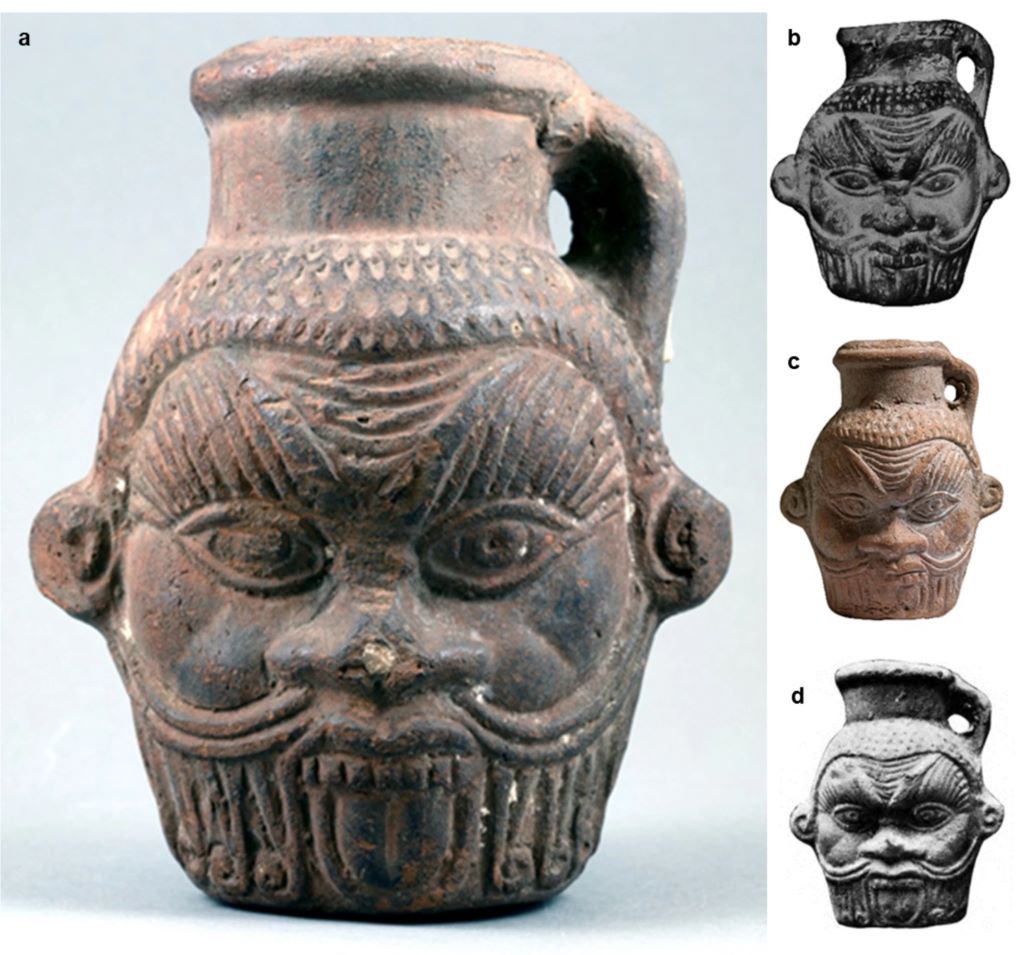
(a) Drinking vessel in shape of Bes head; El-Fayūm Oasis, Egypt; Ptolemaic-Roman period (4th century BCE − 3rd century CE), (courtesy of the Tampa Museum of Art, Florida). (b) Bes mug from the Ghalioungui collection, 10.7 × 7.9 cm (Ghalioungui, G. Wagner 1974, Kaiser 2003, cat. no. 342). (c) Bes mug inv. no. 14.415 from the Allard Pierson Museum, 11.5 × 9.3 cm (courtesy of the Allard Pierson Museum, Amsterdam; photo by Stephan van der Linden). (d) Bes mug from El-Fayum, dimensions unknown (Kaufmann 1913; Kaiser 2003, cat. no. 343). Credit: Scientific Reports, 2024

The first-ever physical evidence of hallucinogens in an Egyptian mug has been found, validating written records and centuries-old myths of ancient Egyptian rituals and practices. Through advanced chemical analyses, University of South Florida professor Davide Tanasi examined one of the world’s few remaining Egyptian Bes mugs.

Such mugs, including the one donated to the Tampa Museum of Art in 1984, are decorated with the head of Bes, an ancient Egyptian god or guardian demon worshiped for protection, fertility, medicinal healing and magical purification. Published in Nature’s Scientific Reports, the study sheds light on an ancient Egyptian mystery: The secret of how Bes mugs were used about 2000 years ago. 

“There’s no research out there that has ever found what we found in this study,” Tanasi said. “For the first time, we were able to identify all the chemical signatures of the components of the liquid concoction contained in the Tampa Museum of Art’s Bes mug, including the plants used by Egyptians, all of which have psychotropic and medicinal properties.”

The presence of Bes mugs in different contexts over a long period of time made it extremely difficult to speculate on their contents or roles in ancient Egyptian culture.

“For a very long time now, Egyptologists have been speculating what mugs with the head of Bes could have been used for, and for what kind of beverage, like sacred water, milk, wine or beer,” said Branko van Oppen, curator of Greek and Roman art at the Tampa Museum of Art. “Experts did not know if these mugs were used in daily life, for religious purposes or in magic rituals.”

Several theories about the mugs and vases were formulated on myths, but few of them were ever tested to reveal their exact ingredients until the truth was extracted layer by layer.

Tanasi, who developed this study as part of the Mediterranean Diet Archaeology project promoted by the USF Institute for the Advanced Study of Culture and the Environment, collaborated with several USF researchers and partners in Italy at the University of Trieste and the University of Milan to perform chemical and DNA analyses. With a pulverised sample from scraping the inner walls of the vase, the team combined numerous analytical techniques for the first time to uncover what the mug last held.

The new tactic was successful and revealed the vase had a cocktail of psychedelic drugs, bodily fluids and alcohol – a combination that Tanasi believes was used in a magical ritual re-enacting an Egyptian myth, likely for fertility. The concoction was flavoured with honey, sesame seeds, pine nuts, liquorice and grapes, which were commonly used to make the beverage look like blood.

“This research teaches us about magic rituals in the Greco-Roman period in Egypt,” Van Oppen said. “Egyptologists believe that people visited the so-called Bes Chambers at Saqqara when they wished to confirm a successful pregnancy because pregnancies in the ancient world were fraught with dangers. So, this combination of ingredients may have been used in a dream-vision inducing magic ritual within the context of this dangerous period of childbirth.”

“Religion is one of the most fascinating and puzzling aspects of ancient civilizations,” Tanasi said. “With this study, we’ve found scientific proof that the Egyptian myths have some kind of truth and it helps us shed light on the poorly understood rituals that were likely carried out in the Bes Chambers in Saqqara, near the Great Pyramids at Giza.”

The Bes mug is on display now at the Tampa Museum of Art and can be viewed in the exhibition, “Prelude: An Introduction to the Permanent Collection.” View a 3D model of the Bes mug produced by the USF Institute for Digital Exploration.

Herbal Compound Found to Kill TB in the Inactive State

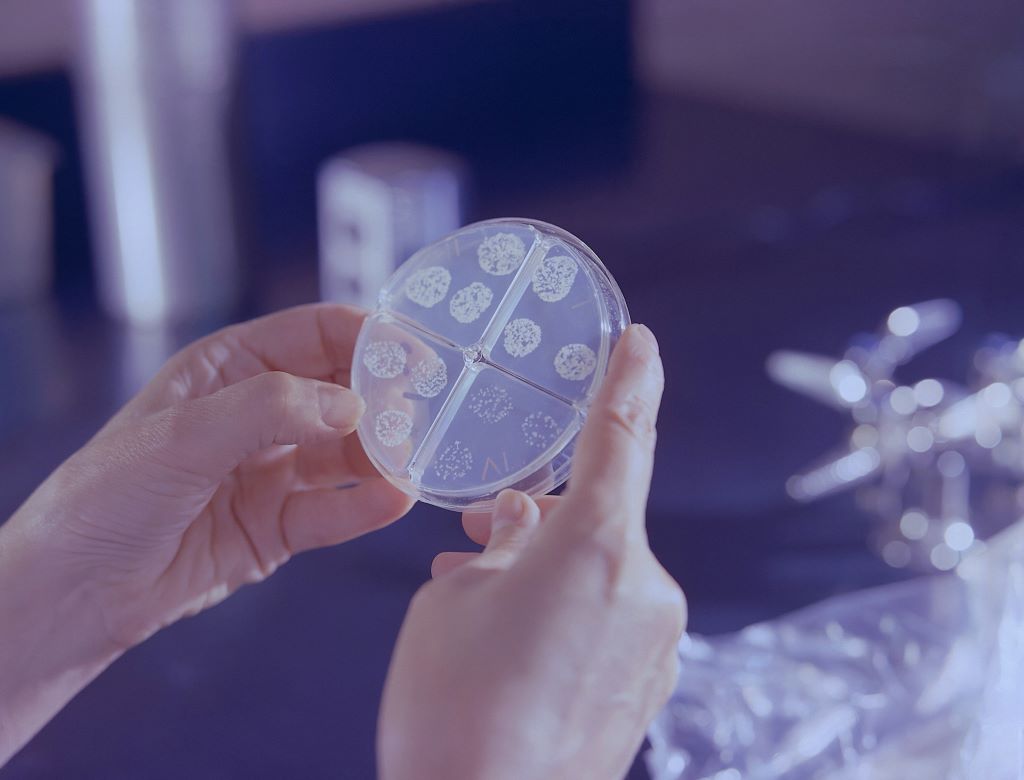
Mycobacterium tuberculosis drug susceptibility test. Photo by CDC on Unsplash

A compound found in African wormwood – a plant used medicinally for thousands of years to treat many types of illness – could be effective against tuberculosis, according to a new study available online in the Journal of Ethnopharmacology.

The team, co-led by Penn State researchers, found that the chemical compound, an O-methylflavone, can kill Mycobacterium tuberculosis, or Mtb, that causes tuberculosis in both its active state and its slower, hypoxic state, which the mycobacteria enters when it is stressed.

Bacteria in this state are much harder to destroy and make infections more difficult to clear, according to co-corresponding author Joshua Kellogg, assistant professor of veterinary and biomedical sciences in the College of Agricultural Sciences.

While the findings are preliminary, Kellogg said the work is a promising first step in finding new therapies against tuberculosis.

“Now that we’ve isolated this compound, we can move forward with examining and experimenting with its structure to see if we can improve its activity and make it even more effective against tuberculosis,” he said. “We’re also still studying the plant itself to see if we can identify additional molecules that might be able to kill this mycobacterium.”

Tuberculosis is one of the world’s leading killers among infectious diseases, according to the Centers for Disease Control and Prevention. There are about 10 million cases a year globally, with approximately 1.5 million of those being fatal.

While effective therapies exist for TB, the researchers said there are several factors that make the disease difficult to treat. A standard course of antibiotics lasts six months, and if a patient contracts a drug-resistant strain of the bacteria, it stretches to two years, making treatment costly and time consuming.

Additionally, the bacteria can take two forms in the body, including one that is significantly harder to kill.

“There’s a ‘normal’ microbial bacterial form, in which it’s replicating and growing, but when it gets stressed – when drugs or the immune system is attacking it – it goes into a pseudo-hibernation state, where it shuts down a lot of its cellular processes until it perceives that the threat has passed,” Kellogg said. “This makes it really hard to kill those hibernating cells, so we were really keen to look at potential new chemicals or molecules that are capable of attacking this hibernation state.”

Multiple species of the Artemisia plant have been used in traditional medicine for centuries, the researchers said, including African wormwood, which has been used to treat cough and fever. Recent studies in Africa have suggested that the plant also has clinical benefits in treating TB.

“When we look at the raw plant extract that has hundreds of molecules in it, it’s pretty good at killing TB,” Kellogg said. “Our question was: There seems to be something in the plant that’s really effective – what is it?”

For their study, the researchers took raw extract of the African wormwood plant and separated it into “fractions” – versions of the extract that have been separated into simpler chemical profiles. They then tested each of the fractions against Mtb, noting whether they were effective or ineffective against the bacteria. At the same time, they created a chemical profile of all of the tested fractions.

“We also used machine learning to model how the changes in chemistry correlated with the changes in activity that we saw,” Kellogg said. “This allowed us to narrow our focus to two fractions that were really active.”

From these, the researchers identified and tested a compound that effectively killed the bacteria in the pathogen’s active and inactive states, which the researchers said is significant and rare to see in TB treatments. Further testing in a human cell model showed that it had minimal toxicity.

Kellogg said the findings have the potential to open new avenues for developing new, improved therapeutics.

“While the potency of this compound is too low to use directly as an anti-Mtb treatment, it may still be able to serve as the foundation for designing more potent drugs,” he said. “Furthermore, there appear to be other, similar chemicals in African wormwood that may also have the same type of properties.”

The researchers said that in the future, more studies are needed to continue exploring the potential for using African wormwood for treating TB.

Source: Penn State

Self-medicating Gorillas and Traditional Healers Provide Clues for New Drug Discovery

Four plants eaten by gorillas, also used in Gabonese traditional medicine, have antibacterial effects

Four plants consumed by wild gorillas in Gabon and used by local communities in traditional medicine show antibacterial and antioxidant properties, find Leresche Even Doneilly Oyaba Yinda from the Interdisciplinary Medical Research Center of Franceville in Gabon and colleagues in a new study publishing September 11 in the open-access journal PLOS ONE.

Wild great apes often consume medicinal plants that can treat their ailments. The same plants are often used by local people in traditional medicine.

To investigate, researchers observed the behavior of western lowland gorillas (Gorilla gorilla gorilla) in Moukalaba-Doudou National Park in Gabon and recorded the plants they ate. Next, they interviewed 27 people living in the nearby village of Doussala, including traditional healers and herbalists, about the plants that were used in local traditional medicine. The team identified four native plant species that are both consumed by gorillas and used in traditional medicine: the fromager tree (Ceiba pentandra), giant yellow mulberry (Myrianthus arboreus), African teak (Milicia excelsa) and fig trees (Ficus). They tested bark samples of each plant for antibacterial and antioxidant properties and investigated their chemical composition.

The researchers found that the bark of all four plants had antibacterial activity against at least one multidrug-resistant strain of the bacterium Escherichia coli. The fromager tree showed “remarkable activity” against all tested E. coli strains. All four plants contained compounds that have medicinal effects, including phenols, alkaloids, flavonoids, and proanthocyanidins. However, it’s not clear if gorillas consume these plants for medicinal or other reasons.

Biodiverse regions, such as central Africa, are home to a huge reservoir of unexplored and potentially medicinal plants. This research provides preliminary insights about plants with antibacterial and antimicrobial properties, and the four plants investigated in this study might be promising targets for further drug discovery research – particularly with the aim of treating multidrug-resistant bacterial infections.

The authors add: “Alternative medicines and therapies offer definite hope for the resolution of many present and future public health problems. Zoopharmacognosy is one of these new approaches, aimed at discovering new drugs.”

Provided by PLOS

Ancient Medicinal Minerals Inspire New Tissue Repair Technology

Photo by MJ RAHNAMA

For centuries, civilizations have used naturally occurring, inorganic materials for their perceived healing properties. Egyptians thought green copper ore helped eye inflammation, the Chinese used cinnabar for heartburn, and Native Americans used clay to reduce soreness and inflammation.

Today, researchers at Texas A&M University are still discovering ways that inorganic materials can be used for healing.

In two recently published articles, Dr Akhilesh Gaharwar, a Tim and Amy Leach Endowed Professor in the Department of Biomedical Engineering, and Dr Irtisha Singh, assistant professor in the Department of Cell Biology and Genetics, uncovered new ways that inorganic materials can aid tissue repair and regeneration.

The first article, published in Acta Biomaterialia, explains that cellular pathways for bone and cartilage formation can be activated in stem cells using inorganic ions. The second article, published in Advanced Science, explores the usage of mineral-based nanomaterials, specifically 2D nanosilicates, to aid musculoskeletal regeneration.

“These investigations apply cutting-edge, high-throughput molecular methods to clarify how inorganic biomaterials affect stem cell behavior and tissue regenerative processes,” Singh said.

The ability to induce natural bone formation holds promise for improvements in treatment outcomes, patient recovery times and the reduced need for invasive procedures and long-term medication.

“Enhancing bone density and formation in patients with osteoporosis, for example, can help mitigate the risks of fractures, lead to stronger bones, improve quality of life and reduce healthcare costs,” Gaharwar said. “These insights open up exciting prospects for developing next-generation biomaterials that could provide a more natural and sustainable approach to healing.”

Gaharwar said the newfound approach differs from current regeneration methods that rely on organic or biologically derived molecules and provides tailored solutions for complex medical issues.

“One of the most significant findings from our research is the ability of these nanosilicates to stabilise stem cells in a state conducive to skeletal tissue regeneration,” he said. “This is crucial for promoting bone growth in a controlled and sustained manner, which is a major challenge in current regenerative therapies.”

Gaharwar recently received a grant for his work in using inorganic biomaterials in conjunction with 3D bioprinting techniques to design custom bone implants for reconstructive injuries.

“In reconstructive surgery, particularly for craniofacial defects, induced bone growth is crucial for restoring both function and appearance, vital for essential functions like chewing, breathing and speaking,” he said. “Inducing bone formation has several critical applications in orthopaedics and dentistry.”

“This approach not only bridges ancient practices with modern scientific methods but also minimises the use of protein therapeutics, which carry risks of inducing abnormal tissue growth and cancerous formations,” Gaharwar said. “Collectively, these findings elucidate the potential of inorganic biomaterials to act as powerful mediators in tissue engineering and regenerative strategies, marking a significant step forward in the field.”

Source: Texas A&M University

Medicinal Plants Help Keep Children Healthy in South Africa: 61 Species were Recorded

The common yellow commelina, one of the popular plants used to treat children. Photo by Bernard DUPONT via Wikimedia Commons. CC2.0

In 2021, almost 33 of every 1 000 South African children under five years old died.

This under-five mortality rate is far worse than in similar middle-income countries such as Brazil (14.4 per 1000 births), Cuba (5 per 1000), India (30.6), Indonesia (22.2) and Egypt (19.0).

South Africa’s under-five mortality rate also lags behind the UN’s Sustainable Development Goal of reducing these figures worldwide by 2030 to 25 deaths per 1000.

Significant progress has been made. In 1994, South Africa’s under-five mortality rate was 60.4 per 1000. The government’s Expanded Programme on Immunisation was one health intervention that made a difference.

However, inequalities persist. The underfunded public health sector has been stretched to serve 71% of the population.

Worldwide, many people, particularly those in rural settlements, depend on medicinal plants for their health. In August 2023, the World Health Organization held the first global summit on traditional medicine, in India.

As researchers with an interest in indigenous knowledge, we explored the use of medicinal plants as remedies against diseases among children in the North West province of South Africa.

Of the province’s population, 49.2% live below the poverty line with no access to proper housing, water and sanitation. These conditions have an impact on children’s health.

Despite the high reliance on traditional medicine by rural populations, the role of medicinal plants for the treatment of childhood diseases remains speculative and lacks systematic documentation.

Our study yielded the first comprehensive inventory of medicinal plants and indigenous knowledge related to children’s healthcare in the area.

In total, 61 plants from 34 families were recorded as medicine used for managing seven categories of diseases. Skin-related and gastro-intestinal diseases were the most prevalent childhood health conditions encountered by the study participants.

Capturing local wisdom

Evidence shows traditional health practitioners continue to play an important role in managing childhood illness in sub-Saharan Africa.

South Africa is endowed with a rich wealth of flora and is often acclaimed as a biodiversity hotspot. Thousands of plants are used for traditional medicine for the management of diverse health conditions.

In the North West, we interviewed 101 participants, including traditional health practitioners, specifically those with expertise in managing and treating diseases among children, and herbal vendors operating in the selected study areas.

Gender distribution among the participants was 78% female and 21% male. This signifies the importance of women as active custodians of indigenous knowledge related to childhood health needs.

Of the participants, 63% had completed a secondary level of education, 21.8% had no formal education and 5% had attended primary school. Although 79% of the participants lived in villages, 15.8% were based in urban areas.

The participants were asked which plants they used to treat children. Of the 61 plants identified, 89% were recorded for the first time as botanicals used for childhood-related diseases by traditional health practitioners.

Carpet plant (Geranium incanum), common yellow commelina (Commelina africana) and elephant’s root (Elephantorrhiza elephantina) were the most popular medicinal plants.

Carpet plant was used as a treatment for diverse health problems such as umbilical cord conditions, muscle fits, measles, weight loss and appetite loss.

Common yellow commelina was used as a remedy to treat skin conditions, while elephant’s root was used to treat gastrointestinal and skin diseases.

Roots and rhizomes were the parts most frequently used as treatments (40%), followed by leaves (23%) and whole plants (20%).

Boiling plants or softening them in liquid were the main preparation methods. The plant remedies were mainly administered orally (60%) and used on the skin (39%).

The study also confirmed there are similarities in indigenous practices, techniques and plant matter for specific conditions that were previously reported in other provinces: KwaZulu-Natal and the Eastern Cape.

The way forward

There is increasing support from governments for promoting traditional medicine as part of primary healthcare in African countries such as Cameroon and South Africa.

We recommend that:

  1. Government provide institutional and financial support to determine the role of herbal medicine in primary healthcare. Working with traditional health practitioners, medicinal plants must be documented and testing laboratories need to be set up to establish their efficacy and to determine appropriate dosages.
  2. Botanical gardens should be created to ensure the sustainability of plants and their continued role in providing much-needed medical care. In the North West province, 40% of the ecosystems are under severe stress, with 11 of the 61 vegetation and 14 of the 18 river types classified as threatened. Medicinal plants are mostly harvested from the wild, so it’s possible that many could face extinction from uncontrolled harvesting.

Authors

This article is republished from The Conversation under a Creative Commons license. Read the original article.

South Africa’s Traditional Medicines Should be Used in Modern Health Care

Both the Khoi and the San believed in a mythical animal, resembling a cow, whose horns were thought to have medicinal attributes. This centuries-old medicine horn contained herbal remedies used by the Khoi-san. Credit: Rodger Smith

By Zelna Booth

Traditional medicines are part of the cultural heritage of many Africans. About 80% of the African continent’s population use these medicines for healthcare.

Other reasons include affordability, accessibility, patient dissatisfaction with conventional medicine, and the common misconception that “natural” is “safe”.

The growing recognition of traditional medicine resulted in the first World Health Organization global summit on the topic, in August 2023, with the theme “Health and Wellbeing for All”.

Traditional medicines are widely used in South Africa, with up to 60% of South Africans estimated to be reliant on traditional medicine as a primary source of healthcare.

Conventional South African healthcare facilities struggle to cope with extremely high patient numbers. The failure to meet the basic standards of healthcare, with increasing morbidity and mortality rates, poses a threat to the South African economy.

In my opinion, as a qualified pharmacist and academic with a research focus on traditional medicinal plant use in South Africa, integrating traditional medicine practices into modern healthcare systems can harness centuries of indigenous knowledge, increasing treatment options and provide better healthcare.

Recognition of traditional medicine as an alternative or joint source of healthcare to that of standard, conventional medicine has proven challenging. This is due to the absence of scientific research establishing and documenting the safety and effectiveness of traditional medicines, along with the lack of regulatory controls.

What are traditional medicines?

Traditional medicine encompasses a number of healthcare practices aimed at either preventing or treating acute or chronic complaints through the application of indigenous knowledge, beliefs and approaches. It incorporates the use of plant, animal and mineral-based products. Plant-derived products form the majority of treatment regimens.

Traditional medicine practices also have a place in ritualistic activities and communicating with ancestors.

South Africa is rich in indigenous medicinal fauna and flora, with about 2000 species of plants traded for medicinal purposes. In South Africa the provinces of KwaZulu-Natal, Gauteng, Eastern Cape, Mpumalanga and Limpopo are trading “hotspots”. The harvested plants are most often sold at traditional medicine muthi markets.

Uses of medicinal plants

Medicinal plants most popularly traded in South Africa include buchu, bitter aloe, African wormwood, honeybush, devil’s claw, hoodia, African potato, fever tea, African geranium, African ginger, cancer bush, pepperbark tree, milk bush and the very commonly consumed South African beverage, rooibos tea.

The most commonly traded medicinal plants in South Africa are listed below along with their traditional uses:

Buchu – Urinary tract infections; skin infections; sexually transmitted infections; fever; respiratory tract infections; high blood pressure; gastrointestinal complaints.

Bitter aloe – Skin infections; skin inflammation; minor burns.

African wormwood – Respiratory tract infections; diabetes, urinary tract disorders.

Honeybush – Cough; gastrointestinal issues; menopausal symptoms.

Devil’s claw – Inflammation; arthritis; pain.

Hoodia – Appetite suppressant.

African potato – Arthritis; diabetes; urinary tract disorders; tuberculosis; prostate disorders.

Fever tea – Respiratory tract infections; fever; headaches.

African geranium – Respiratory tract infections.

African ginger – Respiratory tract infections; asthma.

Cancer bush – Respiratory tract infections; menstrual pain.

Pepperbark tree – Respiratory tract infections; sexually transmitted infections.

Milk bush – Pain; ulcers; skin conditions.

Rooibos – Inflammation; high cholesterol; high blood pressure.

There are many ways in which traditional medicine may be used. It can be a drop in the eye or the ear, a poultice applied to the skin, a boiled preparation for inhalation or a tea brewed for oral administration.

Roots, bulbs and bark are used most often, and leaves less frequently. Roots are available throughout the year. There’s also a belief that the roots have the strongest concentration of “medicine”. Harvesting of the roots, however, poses concerns about the conservation of these medicinal plants. The South African government, with the draft policy on African traditional medicine Notice 906 of 2008 outlines considerations aimed at ensuring the conservation of these plants through counteracting unsustainable harvesting practises.

Obstacles to traditional medicine use

The limited research investigating interactions posed should a patient be making use of both traditional and conventional medicine is a concern.

During the COVID-19 pandemic, many patients used traditional remedies for the prevention of infection or treatment.

Understanding which traditional medicines are being used and how, their therapeutic effects in the human body, and how they interact with conventional medicines, would help determine safety of their combined use.

Certain combinations may have advantageous interactions, increasing the efficacy or potency of the medicines and allowing for reduced dosages, thereby reducing potential toxicity. These combinations could assist in the development of new pharmaceutical formulations.

Sharing information

The WHO in its Traditional Medicine Strategy for 2014-2023 report emphasised the need for using traditional medicine to achieve increased healthcare.

Key role players from both systems of healthcare need to be able to share information freely.

The need for policy development is key. Both conventional and traditional medicine practitioners would need to be aware of and engage with patients on all the medicines they are taking.

Understanding the whole patient

Patients often seek treatment from both conventional and traditional sources, which can lead to side effects or duplication in medications.

A comprehensive understanding of a patient’s health profile makes care easier.

This could also prevent treatment failures, promote patient safety, prevent adverse interactions and minimise risks.

A harmonious healthcare landscape would combine the strengths of both systems to provide better healthcare for all.

Zelna Booth, Pharmacist and Academic Lecturer (Pharmacy Practice Division, Department of Pharmacy and Pharmacology, University of the Witwatersrand), University of the Witwatersrand

This article is republished from The Conversation under a Creative Commons license.

Source: The Conversation