

Tag: cold plasma

Using Cold Plasma to Repair Muscle Tissue

Targeting immune cells with cold plasma to speed healing and enhance surgical outcomes
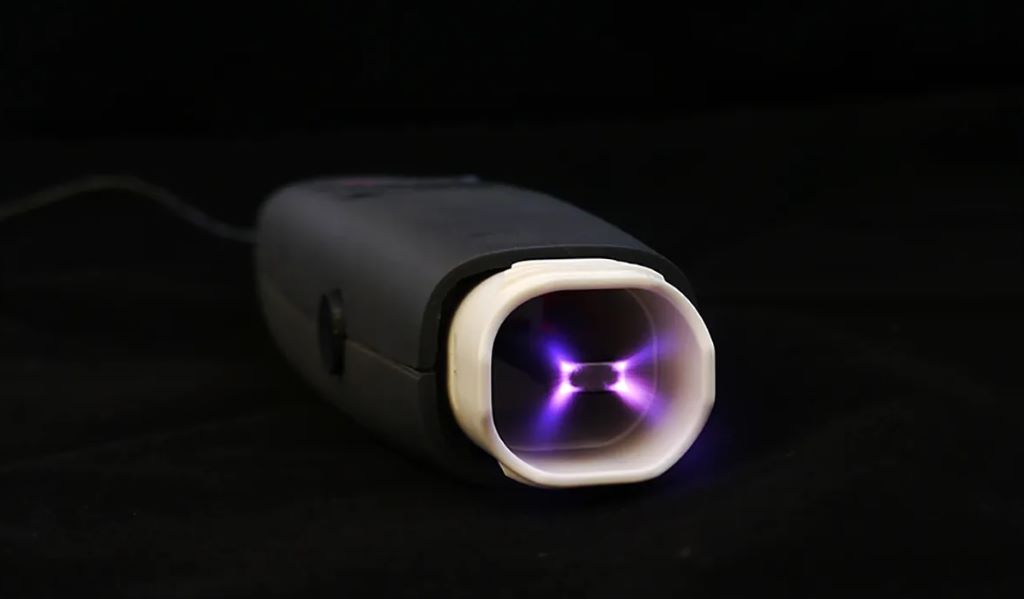
A handheld cold atmospheric plasma device. Frontiers in Dermatology, 2022. https://doi.org/10.3389/fonc.2022.918484

Cold plasma devices are increasingly used across surgical procedures, including skin rejuvenation, scar remodeling, liposuction and diabetic wounds. A recent study from Thomas Jefferson University found that using an FDA-approved cold plasma device can enhance tissue healing after surgery by activating a wound-healing response.

“Anecdotally, after receiving cold plasma treatment for dermatology procedures, patients have reported firmer and ‘younger’ feeling skin in the treatment area,” according to senior author Theresa Freeman, PhD. While several published reports support the idea that cold plasma could activate healing in cells, there was little evidence in living organisms. This motivated Dr Freeman and her team to figure out what was happening when injured muscle tissue was treated with a cold plasma device.

“We found that cold plasma produces bursts of ‘reactive species,’ which are molecules that can directly communicate with the immune cells and trigger them to start the healing process,” says Carly Smith, a recently graduated doctoral student in Dr Freeman’s lab and first author on this study.

Researchers treated rat surgical wounds with cold plasma, and within six hours, neutrophils increased in number and began repairing the wound. Cold plasma seemingly uses the natural wound-healing response to its advantage.

To understand how this spike in neutrophils could affect healing, the researchers compared cold plasma-treated to untreated rat muscle tissue at different time points. Repairing injured muscle tissue involves replacing it with new muscle or fat. Dr Freeman notes, “After six hours, plasma-treated tissue increased the expression of pathways and genes related to repairing and restoring muscle tissue. Fourteen days after treatment, plasma reduced the accumulation of fat in the healing muscle tissue. This could explain why patients said their skin feels firmer after cold plasma treatment.”

In addition to promoting healing, cold plasma can kill bacteria. In future studies, Dr Freeman hopes to combine cold plasma with standard-of-care antibiotics used in surgery to boost the healing process and prevent infections. “If we can show this combined treatment is effective, it can be used by clinicians to improve surgical outcomes,” says Dr Freeman.

By Moriah Cunningham

Source: EurekAlert!
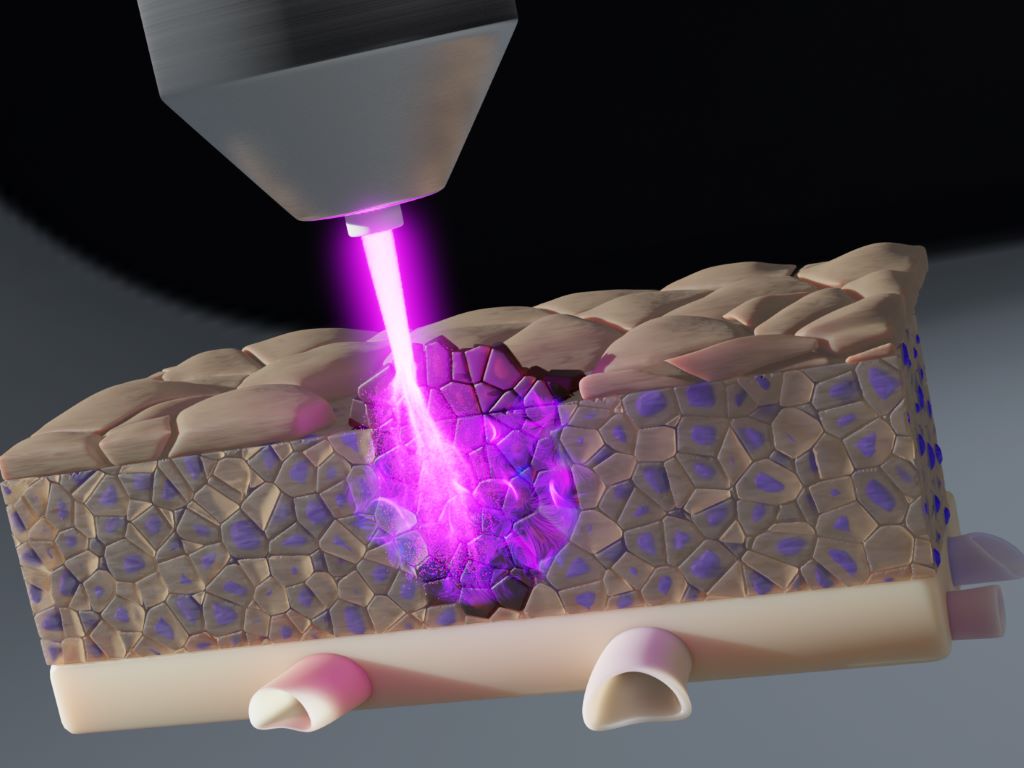
Cold Plasma Penetrates Deep into Tissue to Attack Tumours

Researchers at the Leibniz Institute for Plasma Science and Technology (INP) have collaborated with partners at Greifswald University Hospital and University Medical Centre Rostock to demonstrate that cold plasma can effectively combat tumour cells even in deeper tissue layers. What is particularly noteworthy is that, by developing new tissue models, they were able to precisely investigate the effect of individual plasma components on tumour cells for the first time.

The results of the study were published in the journal Trends in Biotechnology.

What is cold plasma?

Plasma is an ionised gas that produces a large number of chemically reactive molecules known as reactive oxygen and nitrogen species. These short-lived molecules can have a strong influence on biological processes such as the growth or death of tumour cells.

New tissue models provide important insights

“The effect of plasma in tissue is very complex and little understood. We have therefore developed a 3D model made of hydrogels that mimics real tumour tissue. In this model, we were able to observe exactly how deep the molecules from the plasma penetrate – and which of these molecules are important for the effect on tumour cells,” explains Lea Miebach, first author of the study. Particularly short-lived molecules such as peroxynitrite penetrated several millimetres deep into the tissue. Hydrogen peroxide, which had previously been considered the main active ingredient in laboratory research, showed little effect: even when it was specifically removed, the effect of the plasma remained strong.

Use during surgery also conceivable

Another model investigated how well plasma could work in the follow-up treatment of tumour surgery. Residual tumour cells at the edge of an artificial surgical wound were specifically treated with plasma. The result: here too, a strong effect was observed, especially in cells that had already spread into the surrounding tissue. These findings could help to better prevent relapses after surgery.

Important step for plasma medicine

“Our results could significantly improve the medical application of plasma,” says Prof Dr Sander Bekeschus, head of the Plasma Medicine research programme at INP. “The better we understand which molecules are active in the tissue, the more precisely plasma devices can be used for specific types of cancer.”

The work was carried out using the medically approved plasma jet “kINPen”. In the long term, the method could help make therapies more effective and gentler.

Source: Leibniz-Institut für Plasmaforschung und Technologie e.V.