Category: Lab Tests and Imaging

Tiny Wearable Auscultation Sensor Aims to be a Doctor’s Stethoscope for Every Home
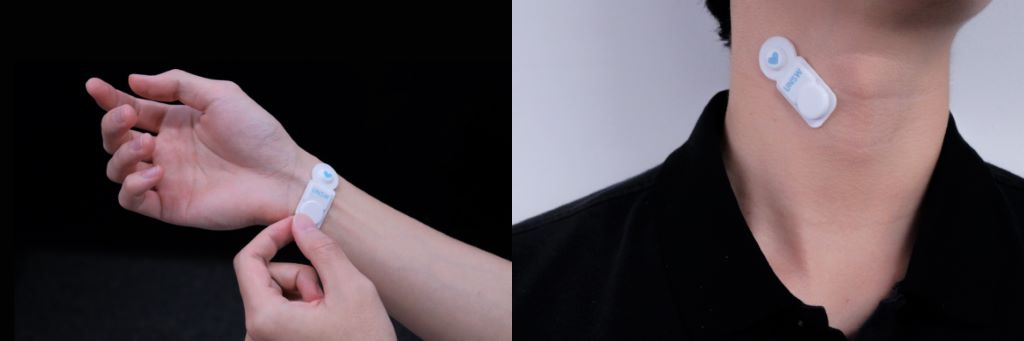
The AusculPatch is a tiny wearable sensor that weighs just 3.2 grams.

Australian researchers have developed a lightweight wearable sensor that could continuously check on people with heart and breathing problems, potentially reducing hospital visits and allowing doctors to detect problems earlier. 

The flexible sensor patch, which attaches to the chest or over peripheral arteries using medical adhesive tape, is designed to continuously capture subtle vibrations produced by the heart, lungs and, blood flow, and pulse waves. 

Researchers hope the technology could eventually help people with chronic heart and respiratory conditions track their health remotely and alert clinicians when something may be wrong before symptoms become severe.

The proof-of-concept work, led by researchers from UNSW in collaboration with clinicians and biomedical engineers, has been published in Nature Communications. 

Lead researcher and corresponding author of the paper, Scientia Associate Professor Hoang-Phuong Phan, says the goal is to create a wearable device which patients can use themselves – as a home alternative to the traditional doctor’s stethoscope.

“What we have developed is a tiny wearable device that can attach onto the human chest and hear heart sound and respiration,” A/Prof. Phan says.

“Technically, it aims to replace the stethoscope, which is normally used in clinic centres to assess cardiovascular or respiration disease.”

Addressing a growing healthcare challenge

Heart disease and chronic respiratory illnesses remain among the leading causes of death worldwide, but many patients only receive brief assessments during occasional medical appointments. A/Prof. Phan says this can create major challenges for people living in regional and remote areas, or patients reluctant to repeatedly visit hospitals and clinics.

“Normally, when patients are assessed by a doctor, they have to go to a clinic centre, and it’s not very convenient for those who live in remote areas,” he says. “Sometimes people are hesitant to go to hospital, so they wait until symptoms are clearly developed.”

By the time symptoms become serious enough to seek medical care, diseases may already have significantly worsened.

“At that stage, the disease may already have worsened, leaving poorer outcomes for patients even when treated,” says Dr Anthony Sunjaya, a medical doctor and Program Lead for Chronic Respiratory Disease at UNSW’s School of Population Health, who co-authored in this work.  “When they go to a clinic, patients often only have a 15-minute window for assessment. The danger is that the abnormalities experienced will not be fully recognised during that short period of time they are being seen.” 

How the patch works

The device, known as ‘AusculPatch’, is smaller and lighter than many existing wearable monitoring systems, weighing only 3.2 grams and measuring roughly 20x47x3 millimetres. At the centre of the patch is an ultra-thin silicon sensing element that detects tiny mechanical vibrations travelling through the skin from the heart, lungs and blood vessels.

“The heart sound propagates through the body fluid and tissue generates an acoustic pressure that vibrates the sensing element,” Tran Bach Dang, the first author and a PhD candidate from the School of Mechanical and Manufacturing Engineering says. “What the patch is doing is picking up that vibration.”

The new sensor can detect extremely low-frequency vibrations that are difficult to capture with current wearable technology. The device can detect a remarkably broad range of physiological signals, including breathing patterns, pulse waves, heart sounds and blood flow vibrations.

In tests, the AusculPatch was able to continously monitor a range of physiological markers while the wearer was undertaking regular daily tasks. Importantly, researchers say the patch was designed to minimise interference from surrounding environmental noise — a major challenge for wearable acoustic sensors.

“The sensor element is designed to shield the sound coming from one direction, typically from the human body,” Dang says. “In that way, it is less susceptible to ambient sound.”

Although tested on only a small number of healthy participants, the research paper showed the device could continue capturing clear heart sounds even in noisy environments, including during conversation and under simulated background noise conditions. 

Beyond smartwatches and fitness trackers

While consumer devices such as smartwatches and sleep trackers can already monitor heart rate and blood oxygen levels, the research team says AusculPatch captures more direct mechanical information about how the heart and lungs are functioning.

The researchers believe the technology could eventually have applications ranging from chronic disease management to sleep monitoring and general wellbeing.

The paper also highlights potential use in monitoring blood pressure, pulse waves and subtle heart valve abnormalities that are difficult to continuously track outside hospital settings. 

In laboratory and early human testing, the device showed strong agreement with clinical tools including electrocardiograms (ECGs), ultrasound scans, blood pressure monitors and digital stethoscopes. 

Researchers were also able to continuously record cardiorespiratory data over extended periods while participants walked, worked, ate meals and climbed stairs. 

AI-powered monitoring

One of the most promising aspects of the technology is the possibility of combining continuous monitoring with artificial intelligence.

Because the patch collects large amounts of physiological data over time, researchers hope machine learning systems could eventually identify patterns linked to worsening disease or emerging health problems.

“We can potentially apply machine learning to identify abnormal signal and warn the patients, and also notify their doctor,” Dr. Chi Cong Nguyen, an Associate Lecturer and a corresponding author of the paper says.

“The goal is to create a system that can automatically flag concerning changes before patients experience severe symptoms.”

Potential future applications

Beyond cardiorespiratory monitoring, the researchers also demonstrated that the patch could detect vocal cord vibrations from the throat. In proof-of-concept experiments, the team used machine learning to recognise spoken words and wirelessly control a robotic arm. While those experiments are still early-stage, the researchers say the technology could eventually support people with speech disorders or physical disabilities.

Although the technology is still in the research and testing phase, larger clinical studies are already being planned.

The team, which also includes Associate Professor Thanh Nho Do, Scientia Professor Nigel Lovell, and Professor Tracie Barber, as well as external partners, hopes to begin testing the device on around 200 patients this year.

That group is expected to include people with heart valve disease or implanted heart assist devices. Researchers then hope to scale up studies to around 1000 patients over the following years to further develop AI-assisted diagnostic tools. Regulatory approval for a medical-grade device would still take time, with A/Prof. Phan estimating a timeline of around four to five years before possible clinical deployment. However, consumer-focused wellness versions of the technology could potentially become available sooner.

Source: University of New South Wales
The Science and Challenge Behind Replacing MRI Machines

Moving a Magnetic Resonance Imaging (MRI) machine is not as simple as out with the old and in with the new. It is an engineering feat – part physics, part choreography. It is not just a machine, it is an entire system that needs structural support and specialised housing.

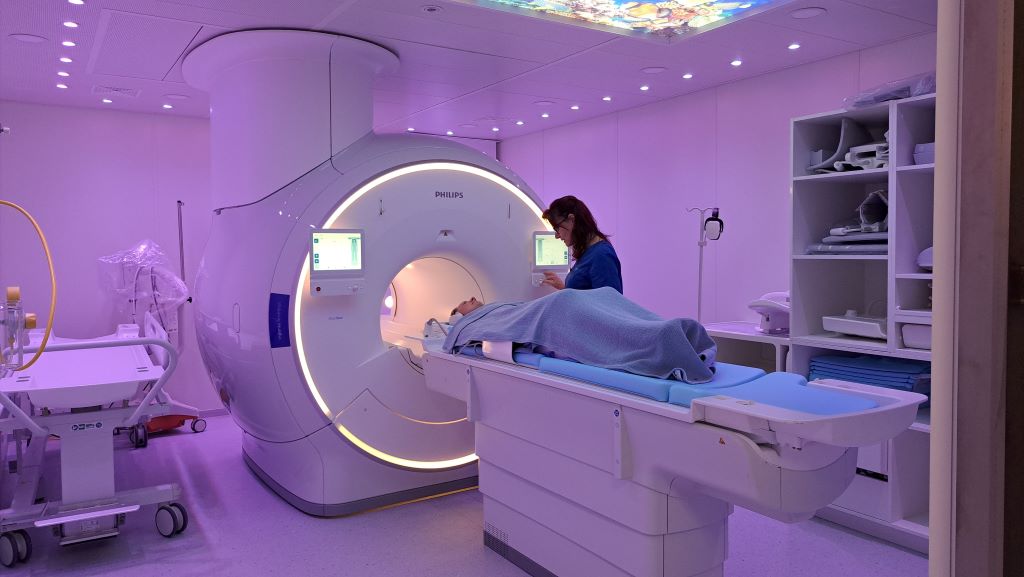
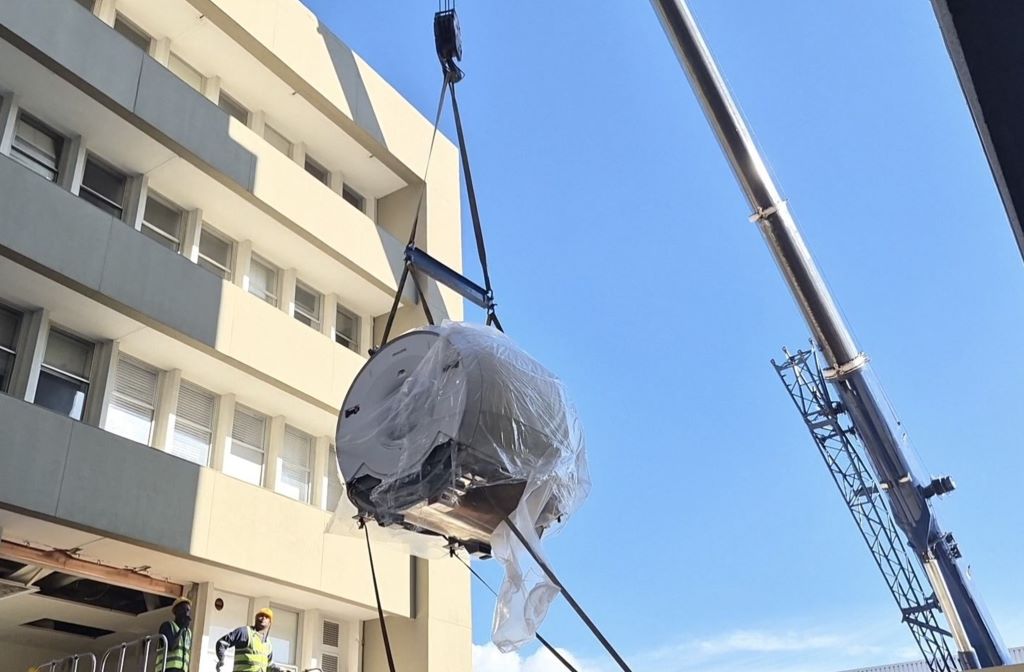
The MRI machine being hoisted into its new position.

Some Quite Interesting (QI) facts about moving an MRI machine

MRI machines are marvels of engineering, with their powerful magnets requiring precise handling and specialised support. The magnet, which is the heart of the MRI, can weigh several tonnes and must remain cold, often near absolute zero, maintained by liquid helium or other cooling methods.

‘When replacing an MRI machine, the process is carefully orchestrated, starting with meticulous planning and structural assessments,’ explains Tinus van Rooyen, Business Project Manager at SCP Radiology. The date of the move is carefully selected to coordinate the team of engineers, crane operators and logistics professionals.

‘It is far more complex than moving almost any other piece of hospital or healthcare equipment. Which is why,’ says van Rooyen, ‘removing our old MRI machine and replacing it is not quite ‘all in a day’s work’. And our practice is doing it across multiple sites over the coming months.’

The new MRI machines contain less than 1% of the scarce and non-renewable resource, helium, than that of a conventional MRI machine, improving operational efficiency and long-term sustainability. ‘The newer MRI systems use sealed magnets that, although having to be kept at a temperature of 4 Kelvin (-269.15° Celsius), require very little helium and no refilling over their lifetime’, explains van Rooyen. ‘The improvements in technology in the new machines also ensure improved image quality.’

What is an MRI machine?

MRI ready for its first patient.

The powerful magnetic field and radio waves create detailed images of the body, enabling radiologists to look at soft tissues like the brain, spine, joints and organs in extraordinary detail and without using any radiation. ‘Everything is controlled by advanced computer systems, which convert signals into detailed scans. If an MRI is listening for whispers from the body, a Faraday cage – using copper or aluminium – shields the room to ensure it’s completely silent, so these can be heard clearly.’

How heavy is an MRI machine?

Heavier than most people expect. A low helium MRI machine weighs in at around 3.3 tonnes (3 300kg) – about the weight of an elephant and is significantly less than the conventional machines. The magnet alone is about 60 000 times stronger than Earth’s magnetic field when it’s fully operational and can weigh several tonnes. It’s unsurprising that installing one is a major engineering exercise.

Why would an MRI machine be replaced – what is the usual lifespan of a machine?

The lifespan of an MRI is approximately 10 – 15 years. Replacing ageing equipment ensures access to the latest technology, including improved image quality and an enhanced patient experience. Machines can also reach End of Support (EOS). ‘This means manufacturers no longer support and maintain the unit and parts are unavailable,’ says van Rooyen. ‘It therefore becomes unreliable to keep it running. Patient care is paramount, as is minimising potential downtime and ensuring continuity of service.’

What happens when a machine is replaced?

The old one needs to be ramped down (gradually reducing the strength of the scanner’s main magnetic field to zero in a controlled way). It is then disconnected and removed.

Installation of new unit is basically a reverse of the ramping down process. Once the unit is in place, the magnet is cooled to a superconducting state, then ramped up by gradually increasing the electrical current in the magnet coils, causing the magnetic field to slowly rise. After the magnet has reached its specified strength, the magnetic field is then aligned to make it as uniform as possible, ahead of the unit being calibrated and tested.  The entire process can take up to eight weeks. Careful planning ensures continuity of service, with alternative arrangements in place where necessary.

What are the challenges and logistics during the move?

The MRI machine at the SCP Radiology branch at Mediclinic Louis Leipoldt is housed on the first floor. The challenges included building a platform outside the building, moving and lifting the units, with the external wall being removed to create access. The equipment manufacturers oversee the installation but it required a team of riggers to assist with taking out the old unit, then lifting and installing the new unit off the delivery vehicle using a crane, onto a platform and then into the building. Additional contractors are responsible for preparing the room – this includes copper cladding, drywalling, reinforced flooring (if required), painting, joinery, etc.

‘The installation of each MRI unit is unique and depends on a number of factors. In the case of this new one at Louis Leipoldt, we had to partly close off a section of the road for the unloading and lifting. Getting the MRI into the building is a display in itself. Powerful cranes are used to lift the machine, hoisting it through a specially constructed opening. Every step demands precision to avoid damaging the magnet or the building and the installation requires coordinated planning with multiple stakeholders to ensure that the project is executed safely and efficiently,’ explains Heinie Matthysen, SCP’s Facilities Manager.

‘Everything is planned in minute detail by our facilities manager,’ says van Rooyen, ‘however, we also have to factor in the Cape Town weather that has a mind of its own’.

So, you can’t install an MRI in any room?

No, there are key requirements for the machine to work effectively and safely. These include a Faraday cage, which serves two purposes: To keep external radiofrequency signals out (so that they do not interfere with the MRI) and keep MRI radiofrequency signals in (to prevent these signals from affecting other equipment).

Copper (which this cage is made of, although aluminium can also be used) is an excellent conductor of electricity, highly effective at blocking electromagnetic waves, durable and relatively easy to install as sheets or mesh.

‘The room is engineered around the scanner. Without shielding and safety systems, the images would be unreliable and the risks much higher, ‘says van Rooyen.

The three facilities having their MRI machines replaced are:

  • SCP Radiology Louis Leipoldt (at Mediclinic Louis Leipoldt in Bellville): 16 April to 3 June
  • SCP Radiology Vredenburg (at Life West Coast Private Hospital in Vredenburg):

27 June to 3 August

  • SCP Radiology Worcester (at Mediclinic Worcester in Worcester): Timelines TBC

New ‘Quantum Glass’ Improves X-ray Resolution with Less Radiation

A glass screen that moulds to the patient could allow more comfortable mammograms

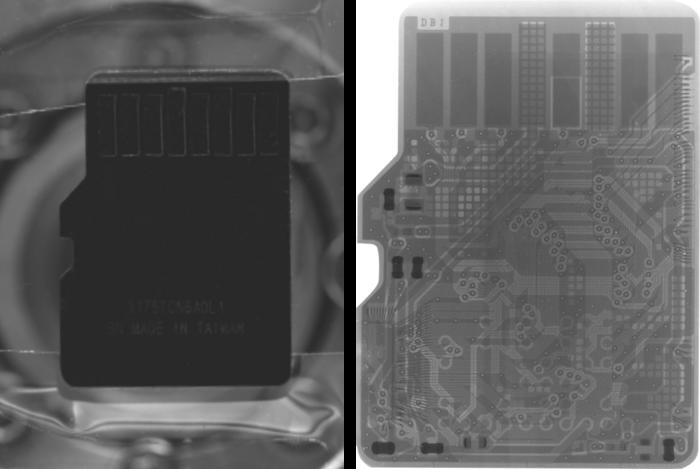
The inside of this memory card (left) is viewed in an X-ray image (right) captured with a new resolution-boosting glass screen. Credit: Adapted from ACS Energy Letters 2026, DOI: 10.1021/acsenergylett.6c00958

X-rays allow professionals to diagnose injuries or ailments and peer inside suitcases at the airport, along with a variety of other applications. A team reporting in ACS Energy Letters has improved the glass screen that “translates” between X-rays and visible light, creating an X-ray system that produces high-resolution images with less radiation – it even works underwater. The screen can be moulded into curved shapes, a feature that could one day lead to more comfortable mammograms. 

“Because our glass screens are highly efficient at converting X-rays into visible light, they can capture diagnostic images using less radiation.”

Osman Bakr. corresponding author of the paper

A screen made of glass, called a scintillator, catches X-rays that pass through an object and converts them into flashes of visible light, explains Osman Bakr, one of the paper’s corresponding authors. “The more efficient the scintillator is at this conversion, the clearer the final digital image becomes and the lower the dose of radiation required to create it,” he adds. 

To improve the efficiency of glass-based scintillators, Bakr, Mehmet Bayindir and colleagues combined nanoclusters of copper, iodine, and an organic ligand into the glass. Then they formed their new glass into screens and captured X-ray images of a memory card and a bug, revealing intricate details within. 

“By designing these materials from the bottom up, we’ve created a ‘quantum glass’ that occupies the perfect sweet spot between molecules and nanocrystals,” explains Bayindir. Bashir Hasanov, the first author of this study, adds that “this allows the screen to be as moldable as plastic while maintaining the high-performance imaging capabilities of a rigid crystal, opening a new frontier for three-dimensional X-ray diagnostics using curved surfaces.” 

The presence of water typically makes X-ray imaging extremely challenging. However, the new, highly efficient scintillator captured a very clear scan of a fish’s tail in water. In fact, the image was indistinguishable from an image taken in air. 

Another property of the new nanocluster glass is that when heated to 42 degrees Celsius, it becomes almost rubbery, allowing the researchers to form a curved screen. This could allow future researchers to create X-ray imaging systems that curve to fit a person’s anatomy – a major drawback of current mammography machines, which require breast tissue to be compressed between flat panels for a proper scan. 

“We hope to mitigate the physical discomfort of life-saving screenings like mammography, encouraging more consistent patient participation,” says Bakr. “Because our glass screens are highly efficient at converting X-rays into visible light, they can capture diagnostic images using less radiation.” The researchers anticipate that the advances in this work could pave the way for safer, more frequent screenings that can start earlier, helping to catch cancer at an earlier stage.

Source: EurekAlert!

Understanding Sports Injuries: The Role of Radiology in Diagnosis and Recovery

Photo by Andrea Piacquadio from Pexels

Sports injuries are common at all levels, from recreational athletes to elite professionals. Radiology not only helps diagnose injuries but also assists in monitoring recovery, identifying complications early and helping determine when it is safe to return to sport.

Dr Ewoudt van der Linde, a radiologist at SCP Radiology specialising in musculoskeletal (MSK) imaging and sports injuries, discusses common injuries, imaging techniques and the role radiology plays in modern sports medicine.

What is the role of a radiologist in sports injuries?

Radiologists work as part of a multidisciplinary medical team. Imaging helps distinguish between minor and more significant injuries, such as differentiating a low-grade muscle strain from a major tear or identifying ligament injuries that may require surgery.

Imaging also guides treatment decisions and, in selected cases, can be used to monitor healing and recovery, particularly in high-performance athletes.

Are there specific sports that produce distinctive injury patterns?

Yes. Running and field sports commonly result in muscle strains, ligament injuries and stress fractures. Sports involving rapid changes in direction, such as rugby or football, are often associated with knee ligament injuries and ankle sprains.

Padel, tennis and golf frequently produce overuse injuries involving tendons around the shoulder, elbow and wrist, while running and jumping sports commonly affect the Achilles tendon.

Are there particular sports injuries commonly seen in practice?

Common injuries include muscle strains, ligament sprains, tendon injuries and stress-related bone injuries. In the lower limb, ankle sprains, Achilles tendon pathology and knee ligament injuries are frequently encountered. In the upper limb, shoulder and elbow tendon injuries are common, particularly in throwing or racquet sports.

What imaging is used in sports injuries and why?

Different imaging techniques are used depending on the suspected injury:

  • X-rays are often the first step when a fracture or dislocation is suspected.
  • Ultrasound is useful for assessing tendons, muscles and soft tissues, and can also guide injections.
  • MRI provides detailed evaluation of ligaments, cartilage, muscles, tendons and bone marrow.
  • CT scans are mainly used for complex fractures or detailed bone assessment.

Is imaging important even if an injury does not seem serious?

Yes. Some injuries may appear minor but can involve underlying damage such as stress fractures, small ligament tears or early cartilage injury. Early detection may prevent worsening injury and reduce long-term complications.

Is pain a good indicator of injury severity?

Not always. Some serious injuries may initially cause only mild discomfort, while relatively minor conditions can be very painful.

How do stress fractures differ from acute or occult fractures?

  • Acute fractures usually occur after sudden injury and are often visible on X-rays.
  • Stress fractures develop gradually due to repetitive strain and may only be visible on MRI in the early stages.
  • Occult fractures are not seen on initial X-rays despite ongoing symptoms and may require MRI or CT for diagnosis. Early diagnosis is important to prevent progression to a complete fracture.

Can imaging distinguish between inflammation, overuse injuries and structural damage?

Yes. Imaging can help differentiate between low-grade inflammation or overuse changes and more significant injuries such as tendon tears, ligament ruptures or cartilage damage. This distinction is important because treatment and recovery timelines differ significantly.

Can imaging help predict recovery time and return to sport?

Imaging cannot provide an exact recovery timeline but does provide valuable information about the severity and extent of injury. In selected cases, imaging may also be used to monitor healing and assist with return-to-play decisions.

Can you discuss concussion briefly?

Concussions are common in sports such as rugby and are primarily a clinical diagnosis. Imaging is usually not required in mild cases. However, CT scans may be performed when there are concerning symptoms to exclude more serious injuries such as a brain bleed or skull fracture.

What role does Interventional Radiology play in sports injuries?

Interventional Radiology involves minimally invasive procedures performed under imaging guidance. In sports medicine, this may include image-guided injections for pain relief or aspiration of fluid collections. These procedures are typically performed using ultrasound or CT guidance and are generally less invasive than surgery.

Are there any new imaging techniques particularly useful in sports medicine?

Modern MRI techniques continue to improve and provide increasingly detailed evaluation of soft tissues, allowing earlier detection of subtle injuries. Ultrasound technology has also advanced significantly, with higher-resolution imaging and expanded use in both diagnosis and image-guided procedures.

Why is specialised MSK imaging important?

Sports injuries often involve complex anatomy and subtle findings. Subspecialised MSK radiologists develop expertise in recognising injury patterns and understanding sport-specific demands, helping provide more accurate diagnoses and clinically relevant reporting.

Don’t Blame the Iodine For Reactions to Contrast Scans

Patients may often be worried about reactions to the contrast agents used in their scans.

What is a contrast scan?

‘A contrast scan is a medical imaging test, such as a CT scan or MRI,’ says Dr Jean de Villiers, a radiologist and director of SCP Radiology, ‘that uses a special dye called a ‘contrast agent’ to make certain areas of the body easier to see. The contrast helps highlight blood vessels, organs or abnormal tissues, providing clearer and more detailed images. Dr de Villiers talks about the dye, what it is used for and debunks the myth that it is the iodine that causes allergic reactions in some people.

For MRI scans, a different type of contrast is used, which is gadolinium-based and, while allergic reactions are possible, they are extremely rare.

Why is it used?

The contrast agent shows the blood flow through arteries and veins, blockages, bleeding or abnormal growths and detailed organ structure (such as the brain, liver or kidneys).

In short, contrast helps to highlight differences between normal and abnormal tissue, improving diagnosis and treatment planning.

How is the dye administered?

The contrast agent is usually injected into a vein but, in some cases it can be swallowed or given as a rectal enema, depending on the area being examined. It temporarily changes the way radiation or magnetic fields interact with the body’s internal structures.

Is there an iodine allergy risk in a contrast scan?

This is a common concern, but it’s a bit misunderstood.

People often believe they are allergic to iodine because they may have reacted to contrast dye in the past or to shellfish, which contain iodine. However, iodine itself is not an allergen. According to radiologists and allergists, the body doesn’t mount an allergic immune response to iodine as it’s a basic element, essential to human health, particularly for thyroid function.

What causes allergic reactions in contrast scans?

The culprits are usually one of the other compounds, not iodine. Most contrast agents used in CT scans are iodinated contrast agents however, reactions tend to be linked to the chemical structure of the compound, not its iodine content.

Reactions may range from mild (nausea, itching, flushing) to more serious (difficulty breathing or anaphylactoid reactions), which mimic allergies but do not involve the immune system in the same way.

These reactions are typically caused by:

  • Concentration of the contrast agent
  • Molecular structure (ionic vs non-ionic)
  • Patient-specific factors such as history of allergies, asthma or previous reaction to contrast

Advancements in the type of contrast agent used have significantly reduced the rate of reactions in patients.

To confirm: It’s not the iodine, it’s the other compounds attached to the iodine in the dye and the body’s unique response to them. That is why patients are always asked about any previous contrast reactions, asthma or other allergies before being given the contrast injection.

‘Whether you are asked or not,’ says Dr de Villiers, it’s always best to inform the radiology team if you have had any previous allergic contrast reactions.’

Blood Protein Levels Change Greatly from Childhood to Adulthood

Blood protein levels change markedly already during childhood and adolescence, and differences between girls and boys become increasingly pronounced with age. This is shown by a new study in Nature Communications from Karolinska Institutet in collaboration with colleagues from SciLifeLab and KTH Royal Institute of Technology. The results suggest that blood protein levels change over the course of a lifetime, rendering adult reference values inadequate for children and adolescents.

In the study, the researchers analysed blood samples from 100 participants in the population-based BAMSE cohort at ages 4, 8, 16 and 24 years. Using advanced protein technology, over 5000 proteins were measured, of which just over 3500 could be tracked over time. More than half of these proteins changed with age even during childhood.

The greatest changes were observed between the ages of 8 and 16, a period that coincides with puberty. Many proteins increased sharply during this time, only to decrease again in early adulthood, whilst others showed more gradual increases or decreases from childhood to adulthood.

”Our study shows that reference values from adults cannot be used when interpreting protein levels in children and adolescents. Protein levels are strongly age-dependent even early in life, says one of the lead authors”, Sophia Björkander, assistant professor and docent at the Department of Clinical Science and Education, Södersjukhuset, Karolinska Institutet.

The researchers also identified clear gender differences. In early childhood, the differences were few, but from adolescence onwards they increased markedly. By the age of 24, around 30 per cent of proteins differed between women and men, including those linked to growth, metabolism, the immune system and reproductive processes.

”Gender differences become very clear from adolescence and early adulthood. This shows that both age and gender are fundamental biological factors that must be taken into account when proteins are used as biomarkers”, says Sophia Björkander.

Blood proteins are used as biomarkers

Today, blood proteins are widely used as biomarkers to detect, for example, inflammation, hormonal imbalance, cardiovascular disease and metabolic disorders. An important finding from the study is that different levels of proteins in children may reflect normal development rather than disease.

”By mapping protein development, we are creating a reference that can be used to identify early deviations. This opens up possibilities for risk assessment of chronic diseases and more personalised medicine”, says senior/last author Erik Melén, project leader at BAMSE and professor at the Department of Clinical Science and Education, Södersjukhuset, Karolinska Institutet.

The researchers point out that the number of participants is limited and that the results primarily apply to a relatively homogeneous population.

The study is part of the Human Disease Blood Atlas, which is a resource within the Human Protein Atlas and is based on the Swedish BAMSE cohort. The BAMSE project is jointly run by the Department of Clinical Science and Education, Södersjukhuset and the Institute of Environmental Medicine, both at Karolinska Institutet, as well as the Centre for Occupational and Environmental Medicine, Region Stockholm.

The research has been funded by, among others, the Swedish Research Council, Region Stockholm, the Swedish Heart-Lung Foundation and the Knut and Alice Wallenberg Foundation. The researchers state that there are no conflicts of interest.

Source: Karolinska Institutet

Adcock Ingram Critical Care and Olympus Partner to Expand Medical Innovation in Southern Africa

Ronald Boueri (Olympus Middle East and Africa) and Colin Sheen (Adcock Ingram Critical Care) signing the strategic partnership agreement.

JOHANNESBURG, (Apr. 23, 2026) – Adcock Ingram Critical Care (AICC), a leading manufacturer and supplier of hospital and critical care products in Southern Africa, and Olympus, a global MedTech company committed to advancing endoscopy-enabled care, are strengthening their focus on improving patient care through a strategic partnership.

The partnership will expand access to Olympus’ advanced endoscopy solutions and broader medical and surgical technologies across South Africa and the Southern African region. Through this collaboration, AICC will support healthcare professionals with innovative solutions and services for early detection, diagnosis and minimally invasive treatment, while also strengthening access to clinical support, training and education.

Olympus has appointed Adcock Ingram Critical Care as its authorised distributor in South Africa, reinforcing its commitment to delivering high-quality products, reliable service and strong local support to healthcare professionals and institutions. With a global focus on clinical excellence and a comprehensive medical and surgical portfolio, Olympus continues to partner with organisations that share its aim of improving patient safety and outcomes and elevating the standard of care in targeted disease states.

“We are confident that our collaboration with Adcock Ingram Critical Care in South Africa will enhance service levels, expand market reach, and ensure seamless access to Olympus products and expertise,” says Ronald Boueri, Vice President and Managing Director, Olympus Middle East and Africa. “Most importantly, this partnership will support healthcare professionals with the high standards of quality, service and support they rely on, while contributing to improved patient outcomes and advancing healthcare across the country.”

For decades, AICC has delivered essential medical solutions across a range of therapeutic areas, including hospital care, renal care, transfusion therapies, infusion systems, and advanced wound care. This partnership further strengthens AICC’s ability to connect global innovation with local healthcare needs, ensuring that all South Africans have access to critical, life-enhancing technologies, supported by strong clinical expertise and service.

“This partnership marks an important step forward in our ongoing commitment to improving access to quality healthcare across Southern Africa,” says Colin Sheen, Managing Director of Adcock Ingram Critical Care. “Through our collaboration with Olympus, we are equipping healthcare professionals with innovative solutions that support early detection, accurate diagnosis and minimally invasive treatment, helping to enhance clinical outcomes and strengthen healthcare delivery across the region.”

Dual Imaging Identifies Cause of Heart Attack in Patients Without Blocked Arteries

International study supports combining advanced imaging to guide diagnosis and care 

Photo by Joice Kelly on Unsplash

When Ashley Perlow felt a sharp pain shoot across her chest and into both wrists, she didn’t think it could be a heart attack. She was 36, a new mom, and otherwise healthy.

At the hospital, blood tests showed signs of a heart attack, but her arteries appeared normal.

Now, new research led by clinicians and researchers at NYU Grossman School of Medicine shows that in cases like hers, using two complementary heart imaging tests can identify the underlying cause of these heart attacks in most patients without coronary artery narrowing, helping guide diagnosis and medical treatment in a condition that often leaves patients without clear answers. The study is among the largest and most comprehensive to examine MINOCA, or myocardial infarction with non-obstructive coronary arteries, a condition that accounts for 6 to 15% of heart attacks and is about three times more common in women than men.

“When arteries are not badly blocked, it can be unclear what caused the event,” said Harmony R. Reynolds, MD, lead author and director of the Cardiovascular Clinical Research Center in the Leon H. Charney Division of Cardiology at NYU Langone Health. “What we show is that in most cases, we can find the underlying explanation, and most often it is a true heart attack. Our results support the need to do specialised imaging in all patients with MINOCA, because we could not reliably predict who will have specific imaging findings.”

The findings come from the Heart Attack Research Program (HARP), a large international, prospective study. The latest results were presented by Dr Reynolds as featured clinical research at the American College of Cardiology’s 2026 Annual Scientific Session and simultaneously published March 28 in Circulation.

Dr Reynolds and the team found that combining coronary optical coherence tomography (OCT) and a cardiac magnetic resonance imaging (MRI) identified the underlying cause of the heart event in 79 percent of study participants.

How Advanced Diagnostic Imaging Reveals the Cause

To better understand these cases in both women and men, researchers enrolled 336 patients across 28 international sites in the Unites States, Canada, and the United Kingdom. The median age of participants was 58 years, including 270 women and 66 men.

Using coronary OCT and cardiac MRI, researchers identified underlying causes, assessed how often each test provided a diagnosis, and examined differences between sexes.

During coronary OCT, a thin catheter is placed inside the coronary arteries to capture high-resolution images of the artery wall, helping detect plaque buildup or blood clots that may not appear on a standard angiogram. Cardiac MRI provides detailed images of the heart muscle, showing where damage has occurred and whether it is related to reduced blood flow, inflammation, or another cause.

Using both imaging techniques together, researchers identified a likely cause in 79% of patients.

Most (59%) had a typical heart attack mechanism related to reduced blood flow from plaque buildup, artery spasm or blood clotting, while 20% (67 patients) had conditions that mimic a heart attack, such as myocarditis, takotsubo syndrome, or other cardiomyopathies. These nonischaemic conditions require different treatment approaches than traditional heart attacks.

The new research builds on earlier work by Dr Reynolds and colleagues, published in 2020 in Circulation, that demonstrated the value of using the same imaging methods in a smaller group of women. The current study expands those findings to a larger, more diverse international population.

Implications for Patient Care

The findings provide important support for current clinical guidelines, which recommend additional imaging in these patients but have largely been based on expert consensus rather than large-scale data. The results also highlight the limitations of standard angiography, which shows blood flow but cannot detect problems within the artery wall or subtle heart muscle injuries.

The combination of OCT and cardiac MRI provided a significantly higher diagnostic yield than either test alone. The study also found that doctors cannot reliably predict which patients will benefit from one imaging test versus another based on symptoms, blood tests, or initial findings. Even patients with relatively low levels of cardiac biomarkers frequently had detectable heart damage on imaging.

“We had hoped to be able to tailor testing to individual patients,” said Dr Reynolds. “Instead, we found that comprehensive imaging is often necessary to get the full answer.”

Although MINOCA occurs more frequently in women, researchers found no significant differences in the underlying causes between women and men once the condition developed. This suggests that the disease process itself is similar once it occurs.

For Perlow, that clarity was critical. After months of unanswered questions, she was referred to Dr Reynolds at NYU Langone, where further evaluation and testing helped officially diagnose her condition as MINOCA and guide her care.

Source: NYU Langone Heath

People Who Consume Ultra-Processed Foods Have Worse Muscle Health

Thigh muscle fat identified as a potential modifiable risk factor for knee osteoarthritis

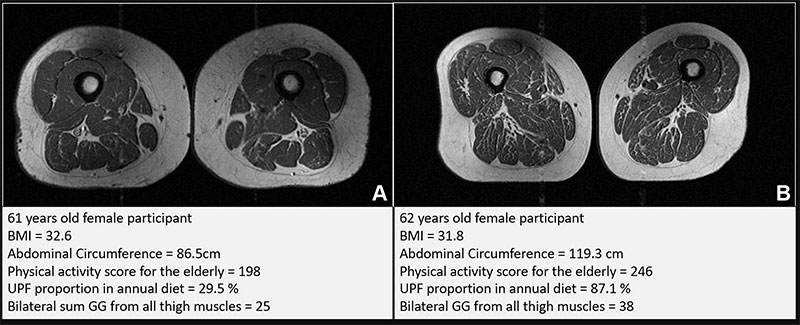
Representative axial T1-weighted spin-echo thigh MRI scans in (A) a 61-year-old female participant and (B) a 62-year-old female participant. Both participants were of similar age and body mass index (BMI, calculated as weight in kilograms divided by height in meters squared). Both had Physical Activity Scale for the Elderly scores above the mean score in the study. According to the World Health Organization definition, the participant in B qualified as having abdominal obesity (abdominal circumference ≥ 88 cm). Abdominal circumference is a measure of central obesity that captures fat distribution and serves as an indicator of cardiometabolic health. Compared with the participant in A, the participant in B had a higher proportion of ultra-processed food (UPF) in their diet (87.1% vs 29.5%) and exhibited fattier thigh muscles bilaterally, with Goutallier grade (GG) for all thigh muscles summing to 25 for the participant in A and 38 for the participant in B.

https://doi.org/10.1148/radiol.251129 ©RSNA 2026

Researchers found that a diet high in ultra-processed foods is associated with higher amounts of fat stored inside thigh muscles, regardless of calorie or fat intake, physical activity or sociodemographic factors in a population at risk for knee osteoarthritis. Results of the study were published in Radiology.

Ultra-processed foods usually have longer shelf lives and can be highly appealing and convenient. They contain a combination of sugar, fat, salt and carbohydrates which affect the brain’s reward system, making it hard to stop eating.

“Over the past decades, in parallel to the rising prevalences of obesity and knee osteoarthritis, the use of natural ingredients in our diets has steadily diminished and been replaced by industrially-processed, artificially flavored, colored and chemically altered food and beverages, which are classified as ultra-processed foods,” said the study’s lead author, Zehra Akkaya, MD, researcher and consultant for the Clinical & Translational Musculoskeletal Imaging group at University of California, San Francisco, Department of Radiology and Biomedical Imaging.

Dr. Akkaya and the research team set out to assess the relationship of ultra-processed food intake and intramuscular fat in the thigh.

For the study, researchers analyzed data from 615 individuals who participated in the Osteoarthritis Initiative who were not yet affected by osteoarthritis, based on imaging. The Osteoarthritis Initiative is a nationwide research study, sponsored by the National Institutes of Health, that helps researchers better understand how to prevent and treat knee osteoarthritis.

“Osteoarthritis is an increasingly prevalent and costly global health issue,” Dr. Akkaya said. “It constitutes one of the largest non-cancer-related health care costs in the United States and around the world. It is highly linked to obesity and unhealthy lifestyle choice.”

Of the 615 individuals, (275 men, 340 women) the average age was 60 years. On average, participants were overweight with a body mass index (BMI) of 27. Approximately 41% of the foods they consumed over the prior year were ultra-processed.

The researchers found that the more ultra-processed foods people consumed, the more intramuscular fat they had in their thigh muscles, regardless of caloric intake.

“In addition to investigating the quality of our modern diet in relationship to thigh muscle composition, in this study, we used widely available, non-enhanced MRI, making our approach accessible and practical for routine clinical use and future studies,” Dr. Akkaya said. “These MRIs do not require advanced or costly technology, which means they can be easily incorporated into standard diagnostic practices.”

Source: Radiological Society of North America

Is it Safe to Have an MRI After Hip or Knee Replacement Surgery?

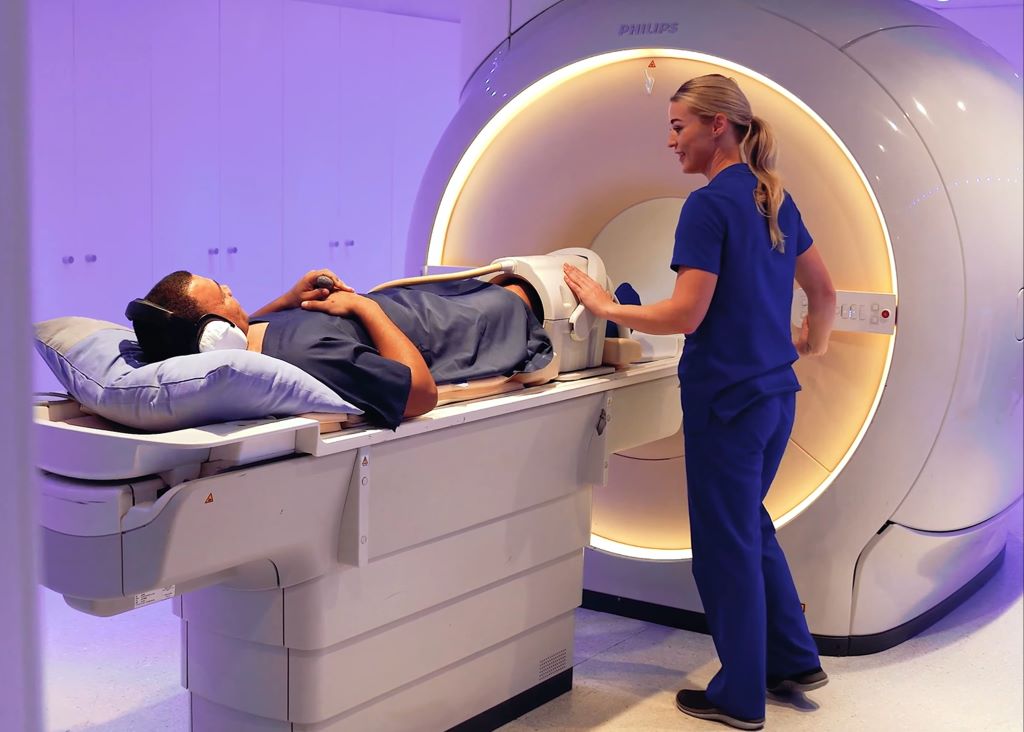
A patient with a knee replacement undergoing an MRI where modern technology reduces the distortions in the images.

It is a common concern for patients that metal implants, such as hip or knee replacements, may prevent them from having an MRI scan. In most cases, this is not true. Patients with modern joint replacements can safely undergo MRI, depending on the materials used in the implant. It is important to inform the radiology team about the implant before your scan.

Dr Jean de Villiers, a radiologist and director of SCP Radiology, answers some of the questions most frequently asked by patients, specifically around the process from referral to reporting in radiology imaging.

What is Magnetic Resonance Imaging (MRI)?

MRI is a non‑invasive imaging technique that uses powerful magnets and radio waves to create detailed images of the body’s internal structures. Unlike X‑rays or CT scans, MRI does not involve ionising radiation and is used extensively to diagnose a wide range of conditions.

Because MRI uses strong magnetic fields, many patients ask whether it is safe to have an MRI after a hip or knee replacement.

Can you have an MRI after a hip or knee replacement?

Yes, you can have an MRI scan on other parts of the body, as well as on the knee or hip where the implant is. Although some older MRI scanners may not be compatible with certain prostheses, the vast majority of MRI equipment in use today is safe and compatible with modern hip and knee implants.

How safe is MRI if the implant is made of metal?

Most implants are made from titanium or cobalt‑chromium alloys. Although these materials are metallic, they are not significantly affected by the magnetic field of an MRI scanner, nor do they heat up during the scan. Many implants also contain hard plastic components, all of which are designed to be compatible with MRI scanners. They are not attracted to the powerful magnet in the same way as older or highly magnetic materials.

Dr de Villiers explains, “The vast majority of joint replacements used today are MRI‑safe. The key is that we know about them in advance, so we can adjust the scan if needed.”

What is the main challenge with MRI and an implant?

The main challenge is image quality. Metal can sometimes cause image distortion, known as artefact, on MRI images. This may make it more difficult to assess structures close to the implant. However, modern MRI techniques have improved significantly and can often minimise these effects, allowing radiologists to assess surrounding tissues such as muscles and ligaments, and to detect complications such as infection or loosening. MRI is often the best imaging method for evaluating pain or complications after joint replacement surgery.

What happens if MRI does not produce clear diagnostic images?

In some cases, alternative imaging techniques such as CT or ultrasound may be recommended, depending on the clinical question. However, MRI remains safe and highly valuable for many patients with joint prostheses.

Are there implants that prevent you from having an MRI?

Certain implants and devices may be unsafe or require special precautions during MRI, including:

  • Implanted pacemakers
  • Intracranial aneurysm clips
  • Cochlear implants
  • Certain prosthetic devices
  • Implanted drug‑infusion pumps
  • Neurostimulators
  • Bone‑growth stimulators
  • Any other iron‑based metal implants

MRI is also contraindicated in the presence of some internal metallic objects such as bullets or shrapnel, as well as certain surgical clips, pins, plates, screws, metal sutures or wire mesh.

Having a hip or knee replacement does not automatically exclude you from having an MRI scan. With modern implants and appropriate planning, MRI is both a safe and important diagnostic tool. As technology continues to evolve, future developments are expected to further enhance MRI compatibility with hip and knee implants, making it an even more reliable tool for ongoing patient care.

It is crucial for patients to inform their healthcare providers about their joint replacement before undergoing an MRI. This allows the medical team to adjust the MRI settings and take appropriate precautions to ensure both safety and diagnostic accuracy.