Category: HIV

Positive Interim Findings on New Once-weekly HIV Treatment Pill
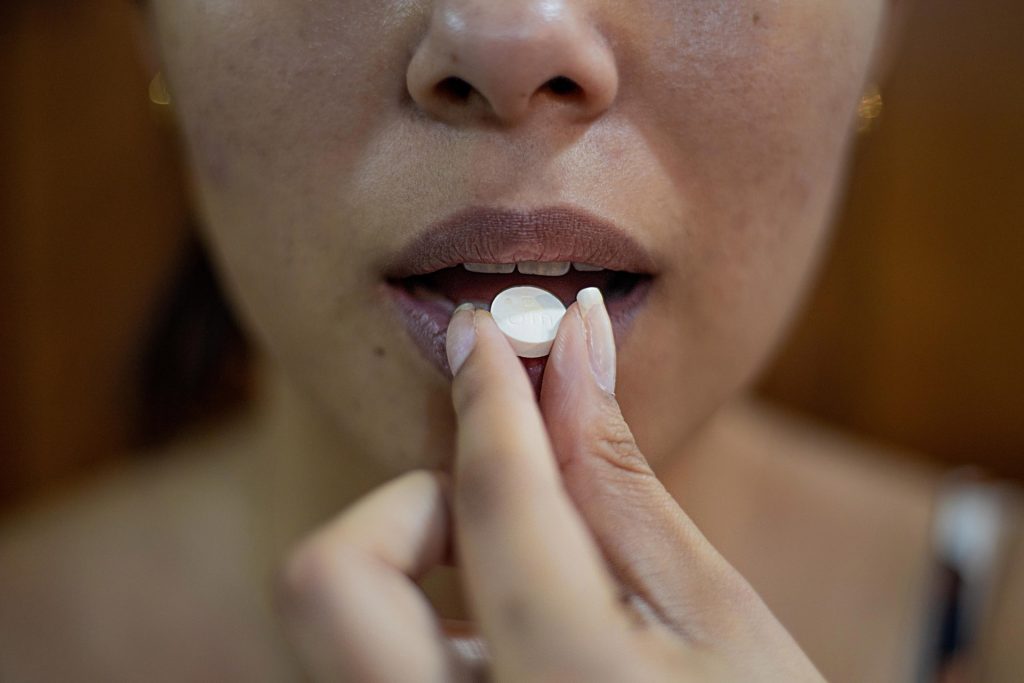
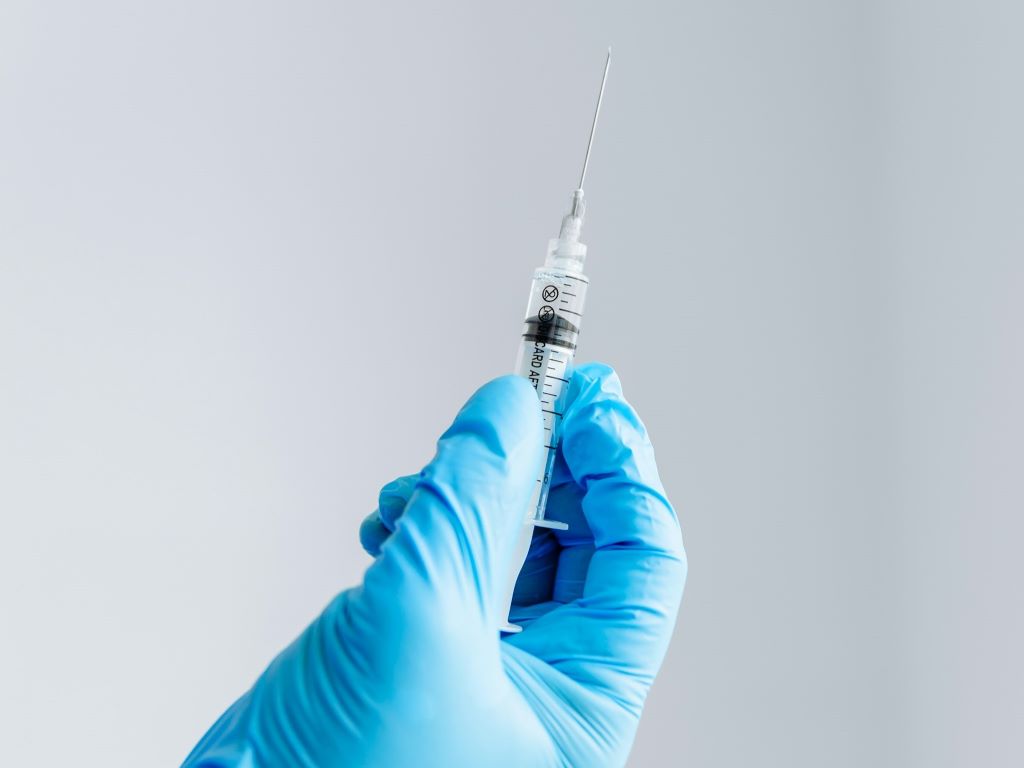
Researchers have found that a new once-weekly antiretroviral formulation appears to be as effective as the daily pills. Photo by Danilo Alvesd on Unsplash

By Marcus Low and Elri Voigt

A new antiretroviral combination pill that is taken only once a week appears to work as well as daily pills at treating HIV. This is according to interim study findings to be presented next week at the AIDS 2026 conference in Rio de Janeiro, Brazil.

Almost all of the over six million people in South Africa who are currently taking HIV treatment are taking it in the form of one tablet taken once a day. These tablets contain a combination of three different antiretrovirals, most commonly dolutegravir, lamivudine or emtricitabine, and tenofovir.

Now researchers have found that a new once-weekly antiretroviral formulation appears to be as effective as the daily pills. The new pill contains only two antiretrovirals, islatravir and lenacapavir. A different formulation of lenacapavir is used in the six-monthly HIV prevention injections being rolled out at around 10% of public sector clinics in South Africa.

“I think this is the next treatment blockbuster,” Professor Francois Venter told Spotlight this week when asked about the new once-weekly pill. Venter is the Executive Director of the Ezintsha Research Centre at the University of the Witwatersrand. He was not involved in the studies of the once-weekly pill.

“Patients are crying out for less frequent dosing, and it does not have the fiddliness and complexity, the supply line, healthcare worker training, or resistance issues of the current or immediate next generation of injectables. Imagine dispensing the same number of tablets for 6 months as previously for a month. It looks cheap to make. Low- and middle-income countries really should be taking note,” he said.

Two studies

The findings to be presented in Rio are from the first 48 weeks of two relatively large, multi-country, phase 3 studies called ISLEND-1 and ISLEND-2. Both studies will continue for another 48 weeks. The final study findings will only be reported after the full 96 weeks are completed.

The two studies have similar designs. Both started out with people who were already on antiretroviral therapy and doing well on treatment (607 people in ISLEND-1 and 624 in ISLEND-2). The researchers then switched roughly half of the people in each study over to the weekly islatravir/lenacapavir pill. The outcomes of those who switched to the weekly pill were then compared to those who didn’t switch and simply kept taking the treatment they had been taking before.

A key difference between the studies is in the control groups. In ISLEND-1, the researchers specifically recruited just people who were taking the antiretroviral combination of bictegravir, emtricitabine, and tenofovir alafenamide. In ISLEND-2, they recruited people who were taking whatever the local standard of care was (which often differs between countries). Some of the many ISLEND-2 clinical trial sites are in South Africa where the standard of care is dolutegravir, lamivudine or emtricitabine, and tenofovir.

Another notable difference between the studies is that ISLEND-1 is double-blinded, whereas ISLEND-2 is an open label study. This means that in ISLEND-1 neither study participants or their doctors know which study arm they are on – this is achieved by also giving people on the weekly arm daily placebo pills and people on the daily arm pills that look like the weekly placebo. In ISLEND-2, people know what study arm they are on and there is no need for placebos.

Both studies have a non-inferiority design, which is to say their main aim is to establish whether the weekly pill is roughly as safe and effective as existing treatments. Such designs are commonly used in HIV treatment trials given that existing treatments are already very safe and effective. The potential step forward in this research is the weekly dosing, not improved safety or efficacy against HIV.

“Developing new antiviral HIV medications remains important in order to address pill fatigue, adherence challenges, broaden treatment, with the goal of ending the HIV epidemic,” Professor Jürgen Rockstroh, lead author of the presentation of the ISLEND-1 results at AIDS 2026, told Spotlight by e-mail.

What the researchers found

The short version, as described in a conference media release, is that in both studies the weekly pill was found to be “efficacious and well tolerated and statistically non-inferior” to the controls it was measured against. In other words, based on the 48-week data, the weekly pill is passing the test so far. The findings have also been summarised in a media statement by pharmaceutical company Gilead Sciences.

The key indicator that the researchers looked at was the proportion of people whose HIV viral load was not suppressed at 48 weeks (they used a cut-off of 50 copies per millilitre of blood). If antiretroviral treatment is working well in someone’s body, one’s viral load is typically suppressed below this level.

In ISLEND-1, zero of the people on the weekly pill had a viral load above the cut-off, while one person on the bictegravir, emtricitabine, and tenofovir alafenamide study arm was above the cut-off. In ISLEND-2, one person taking the weekly pill had a viral load above the cut-off, while four people on the standard of care arm were above the threshold. Given that outcomes on the weekly pill were technically better than for the controls, it should come as no surprise that the non-inferiority thresholds were met.

Though the once-weekly pill was well-tolerated, there are some interesting nuances in the safety data. In ISLEND-1, treatment-related adverse events were very similar between the two study arms. In ISLEND-2, however, treatment-related adverse events were reported in 18% of participants treated with the once-weekly pill compared to less than 1% receiving standard of care antiretroviral regimens. Among those receiving the weekly pill in ISLEND-2, the most common treatment-related adverse events reported were headache (5%), nausea (3%) and diarrhoea (3%). There were no red flags regarding more serious treatment-related adverse events.

“It is not uncommon to see a higher rate of treatment related adverse events in the experimental arm of an open label switch study due to reporting bias. That is, when someone knows they are on a new drug, they may be more apt to believe that any new symptoms are caused by the new drug,” Dr Amy Colson, a principal investigator for both ISLEND studies at a study site in Boston in the United States, explained to Spotlight. “Of note, all treatment related adverse events in ISLEND-2 were grade 1 or grade 2.  And importantly, the rate of treatment related adverse events in the ISLEND 1 study – which was a double-blind study – was nearly identical in the islatravir/lenacapavir and bictegravir/emtricitabine/tenofovir alafenamide arms which further supports that the discrepancy in ISLEND 2 may indeed be due in part to reporting bias in the open label study.” (Adverse events are graded from 1 to 4, with 1 being the least severe. Only grade 3 and 4 adverse events are considered severe.)

“It is too early to comment on how any safety signals from the ISLEND 1 and ISLEND 2 trials will impact eligibility for future studies or eligibility for treatment outside of clinical trials.  However, safety data at week 48 from both trials was reassuring.  The overall rates of adverse events, grade 3 adverse events, serious adverse events and discontinuations due to adverse events was highly comparable between islatravir/lenacapavir and comparator groups in both trials,” Colson said.

The early data from ISLEND-2 suggests that people who switched to the once-weekly pill prefer it to the daily treatments they were taking before. According to Colson, 78% reported that they were more or much more satisfied with the weekly pill relative to their prior daily treatment and 64% reported that their prior daily treatment was more of a burden than the weekly pill. More extensive data on people’s self-reported experience of the treatment will be reported on at a future conference.

The new weekly pill is not the first long-acting form of HIV treatment, although it is the first long-acting HIV treatment in pill form. HIV treatment injections administered every two months have been available in the United States for around four years. Spotlight has previously explored in depth why we do not have these HIV treatment injections in South Africa.

Next steps

In a media statement released early in June, pharmaceutical companies Gilead Sciences and Merck (called MSD outside of the United States and Canada) indicated that they plan to file the once-weekly pill with medicines regulators “globally”. Spotlight asked both companies whether this will include filing with the South African Health Products Regulatory Authority, but neither company answered this question. Gilead has the patent on lenacapavir and Merck on islatravir. ISLEND-1 and ISLEND-2 were sponsored by Gilead. Gilead has already filed a weekly lenacapavir pill, used for HIV prevention rather than treatment, for registration with the United States Food and Drug Administration.

The companies didn’t provide details in response to Spotlight’s questions on their pricing plans and whether they would license other companies, directly or through the Geneva-based Medicines Patent Pool, to produce generic versions of the pill.

“Merck and Gilead are committed to supporting global efforts to reduce the incidence and burden of HIV by bringing forward new treatments. This includes our joint investigational long-acting oral treatment option, ISL/LEN. The single-tablet regimen represents a potential step-change in HIV treatment by offering a once-weekly oral regimen that may broaden choice for people living with HIV,” a Merck spokesperson told Spotlight by e-mail. “We remain focused on advancing the development program. If approved, our decades of experience collaborating with a range of stakeholders will help us explore pathways with the goal of facilitating rapid uptake and broad access around the world.”

Republished from Spotlight under a Creative Commons licence.

Read the original article.
Unprecedented Success for HIV Vaccine in Preclinical Study

Vaccine approach yields high numbers of HIV-neutralising antibodies in non-human primates

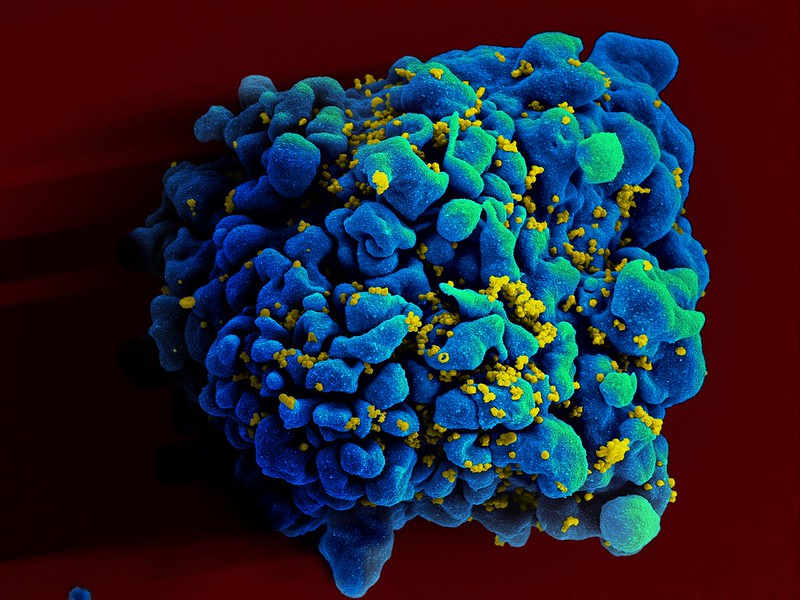
Colourised scanning electron micrograph of HIV (yellow) infecting a human T9 cell (blue). Credit: NIH

A new HIV vaccine developed by La Jolla Institute for Immunology (LJI), Scripps Research scientists, and IAVI has the potential to protect humans from developing HIV infection and AIDS. This HIV vaccine is the first to generate a high number of ‘broadly neutralising’, virus-fighting antibodies in primates.

“This feels like a huge success,” says LJI Professor and Chief Scientific Officer Shane Crotty, PhD, who co-led the research with Scripps Research Professor William Schief, PhD. “We constructed a successful vaccine from the ground up, which required a deep understanding of the immune system.”

This groundbreaking research, published in Nature, is the result of 14 years of collaboration between La Jolla Institute for Immunology and Scripps Research, as part of the Scripps Consortium for HIV/AIDS Vaccine Development (CHAVD). “This has been one of those Apollo moon mission-type projects, where there is an exceptional goal and the team has to accomplish a myriad of discoveries and inventions along the way,” says Crotty.

Outsmarting HIV

The new vaccine works by intervening in a process called B cell maturation. B cells make antibodies. Like many immune cells, B cells have an early ‘naïve’ stage before they are ready to make antibodies. B cells start to mature once they get the signal that a pathogen, such as a virus, is trying to attack. B cells see pieces of that pathogen’s molecular structure and start producing antibodies that can bind to that structure and halt infection.

It can take a little while for B cells to find the right “bullseye” on a pathogen. But B cells keep trying. As they mature, B cells tweak their antibody production, refining antibody structures to bind to a pathogen in just the right, vulnerable spots.

Scientists describe B cell development as a training process or bootcamp. In most cases, the body is left with a well-honed B cell army.

HIV is hard to beat because it doesn’t give B cells a chance to develop effective antibodies. The first problem is that HIV disguises itself from the immune system. The virus is wrapped in an ever-shifting cloak of sugar molecules, called glycans. This lets HIV sneak undetected past human cells, which are also covered in glycans.

The second big problem is that HIV mutates very quickly. “The worldwide diversity of HIV mutations is extraordinary. Even the diversity within one individual person living with HIV is dramatic,” says LJI Instructor Patrick Madden, Ph.D., who served as study co-first author with Jon Steichen, Ph.D., an institute investigator at Scripps Research.

The third problem is that HIV changes its shape when it infects human cells. Even if B cells get a glimpse of its viral structure – snap! – the structure changes.

Taken together, these problems rarely give B cells a chance to hone their antibody responses against HIV. Even if a B cell manages to make neutralising antibodies, the virus can mutate or change its shape, rendering those antibodies useless.

The LJI and Scripps Research teams spent years hunting for ‘broadly neutralising’ antibodies that can actually bind to HIV and recognise key viral structures, even if the rest of the virus mutates. These antibodies are very, very rare, but they can be found in blood samples from a small number of people living with HIV.

An effective HIV vaccine would need to prompt the immune system to make these same broadly neutralising antibodies. “How could we flip the whole immune response on its head so the rare responses become the common responses? That was a critical challenge we faced,” says Crotty.

Testing the new vaccine

It was time to go back to B cell bootcamp. The scientists studied what made the HIV-fighting B cells special. Then they reversed the process to see exactly how those B cells matured. By looking back at the maturation process, the researchers could track how the B cells changed when they saw specific pieces of the HIV structure.

The team discovered that B cells matured to make broadly neutralising antibodies after they got an early look at parts of HIV’s outer “envelope” protein. Because these viral sites sparked an immune response, scientists would call them “antigens.” 

An effective HIV vaccine would likely need to include models of these antigens. The antigens would work like mugshots of America’s most wanted. If B cells saw those antigens early and often, they would get really good at recognising and even neutralising HIV. “We were trying to mimic the progression of those neutralising antibodies,” says Madden.

In a feat of molecular engineering, the Schief Lab developed vaccine molecules that resembled the real HIV antigens. The scientists then worked with Emory National Primate Research Center, to test this potential HIV vaccine in a non-human primate species called rhesus macaques.

The researchers first administered a “priming” vaccine meant to activate each animal’s naïve B cells. The animals then received a series of “shepherding” booster shots to help their B cells develop along the right path. 

“This series of vaccinations will guide, or ‘walk’, a B cell from its naïve state to its broadly neutralising state,” says Madden.

This new type of vaccine approach is called “germline targeting” because it targets naïve B cells in their ‘germline’ or naïve form, before they begin their training process.

The scientists found that around 44 percent of the animals went on to produce broadly neutralising antibodies against HIV in their blood. These antibodies were impressively abundant. 

“We succeeded in taking ultra-rare antibody responses and turning them into common responses by the end of the vaccination process,” adds Crotty. In other research recently published, they reported a new strategy to accelerate related vaccine antibody responses [See Nature Immunology paper].

The team didn’t test whether these antibodies could prevent infection, but it’s significant that these antibodies could be found in the blood, where they could encounter and potentially block HIV.

Bringing the HIV vaccine to humans

The Crotty Lab plans to investigate how they might change the booster shot regimen to make the HIV vaccine even more effective. “It was incredible to get those results, but of course we’d like to see a response in 100 percent of the animals,” says Madden. 

Importantly, the antibodies found in the animal subjects resembled the exact kinds of broadly neutralising antibodies seen in those rare humans who made their own neutralising antibodies. It’s clear that our immune systems can make these powerful antibodies, given the right training.

“We believe this vaccine approach is even more likely to succeed in humans, because of the immunogenetics,” Crotty says.

The priming immunogen used in this study was evaluated in humans in the HVTN 144 trial and is currently being tested in the Phase 1 trial IAVI G004. IAVI, Scripps Research, the HIV Vaccine Trials Network, and partners are now advancing plans to further evaluate the full immunisation regimen in a future human clinical study.

Source: La Jolla Institute

Did US Aid Cuts Break Precisely the Things We Need Most for the Lenacapavir Rollout?

Lenacapavir is injected just under the skin, typically in the stomach area, where it forms a small depot that very slowly releases the drug over time. Photo by Elen Sher on Unsplash

By Amy Green

With a new six-monthly injection, South Africa last week launched the most promising new HIV prevention tool in years, but much of the infrastructure that made HIV prevention services accessible to high-risk groups has been dismantled over the last year. Spotlight asks whether we can successfully deliver this breakthrough technology without the trusted pathways decimated by cuts to aid from the United States.

When 29-year-old Keegan Daniels* visited a public hospital outside Cape Town earlier this year to be placed on medication to prevent HIV infection, he says he wasn’t sure what to expect, but it definitely wasn’t to be reprimanded, lectured and told that anal sex “is abnormal”.

Oral pre-exposure prophylaxis (oral PrEP) refers to antiretroviral tablets taken to prevent HIV infection. When used as prescribed, oral PrEP has been shown to reduce the risk of HIV infection from sex, including in men who have sex with men (MSM), by approximately 99%, according to a 2022 meta-analysis.

During the short consultation, Keegan claims the doctor, who appeared unfamiliar with prescribing PrEP, chastised him for addressing him as “sir” rather than “doctor”, and made assumptions about his sexual orientation.

“I am gay, but when he told me I was ‘homosexual’ instead of asking me, I felt as if I was there to be shamed instead of helped,” says Keegan, who identifies as a gay man.

Keegan tells Spotlight that he sought out oral PrEP after an experience that left him worried about his HIV risk. As a man who has sex with other men, he is also part of a population disproportionately affected by HIV. According to the World Health Organisation (WHO), men who have sex with one another are up to 26 times more likely to acquire HIV than the general population. This is largely driven by biological risk factors associated with anal sex combined with other social and structural vulnerabilities faced by this group.

The consultation became increasingly uncomfortable, Keegan says, when the doctor began discussing the importance of marriage as a method to prevent HIV and the risks associated with anal sex.

“He may not have meant it that way, but it felt like a judgement,” Keegan says.

His experience highlights long-standing concerns from activists, researchers and healthcare providers about discrimination experienced by members of marginal groups at public sector clinics. One solution to such discrimination has been to create special clinics for groups like men who have sex with men where they could access HIV treatment, prevention, and other services without judgment. But this alternative was dealt a major blow last year with the closure of many such specialised programmes funded through the United States President’s Emergency Plan for AIDS Relief (PEPFAR).

There are now concerns that the destruction of such specialised services could limit the reach and impact of the latest addition to South Africa’s HIV prevention toolkit. Last Friday, South Africa officially launched its public sector rollout of an injection that provides six months of protection against HIV infection at a time. The jab, a form of injectable PrEP, contains the antiretroviral drug lenacapavir. (See Spotlight’s special briefing on lenacapavir for more detail.)

PrEP in South Africa

The recent history is worth revisiting. South Africa became the first country in Africa to start rolling out oral PrEP back in 2016. Initially, the strategic focus of the programme was on “key populations”, groups that bear a disproportionate burden of HIV infection and who are at the highest risk of new infections. Key populations include sex workers, men who have sex with men, transgender persons, people who inject drugs and people in prisons or other similarly closed settings.

UNAIDS estimates that in Sub-Saharan Africa, key populations and their sexual partners accounted for roughly 39% of new HIV infections in 2020, despite representing a much smaller proportion of the population.

“PrEP is central to South Africa’s HIV response because treatment alone will not end the epidemic,” says National Department of Health spokesperson Foster Mohale.

“South Africa still has a very large HIV burden, with millions living with HIV and substantial ongoing new infections, especially among adolescent girls and young women, key populations, and pregnant and postpartum women,” he adds.

According to a 2024 paper published in the journal Frontiers in Reproductive Health, there were over 5.6 million oral PrEP initiations globally between 2016 and 2023. Of these, over 1.2 million occurred in South Africa.

“After a decade, South Africa is home to the largest and most successful PrEP programme in the world, even though it has not delivered the impact we wanted,” says Mitchell Warren. He is the executive director of AVAC, a US-based advocacy organisation, largely focussed on HIV prevention, that does extensive work in South Africa. Warren’s point about the impact not being what we wanted, refers to the fact that, comparatively large as our PrEP programme is, uptake has been much lower than what was hoped.

He says that the oral PrEP programme started to gain more traction around the time of the COVID-19 pandemic. “A lot of that was thanks to PEPFAR, through the support around programmatic delivery of PrEP and most notably the initiatives designed for key populations,” Warren says.

Making sense of the numbers

The most recent figures show that over 2.1 million individuals have been initiated on oral PrEP in South Africa, Mohale tells Spotlight.

However, most of these are considered to be people restarting PrEP and not new users, according to Professor Francois Venter, Executive Director of Ezintsha at Wits. He says that the real figure for overall PrEP users is closer to 500 000.

This view is roughly in line with estimates from Thembisa, the leading mathematical model of HIV in South Africa. The two types of indicators here are important to distinguish. Since many people start and then stop taking PrEP, looking just at PrEP initiations provides a very limited view. This is why Thembisa also includes estimates of the total number of people taking PrEP at specific points in time (technically the middle of each calendar year).

According to Thembisa, just over 350 000 people were taking PrEP as of mid-2025 – a slight decline compared to the 2024 number. Prior to this decline, the programme had been showing solid year-on-year growth.

Aid setback

When trying to understand why PrEP numbers stopped growing, and instead declined slightly in 2025, one very likely culprit stands out – aid cuts.

Venter argues that the relative success of South Africa’s PrEP programme was underpinned by an ecosystem of specialised key population services, most of which were funded by the United States Agency for International Development (USAID) under PEPFAR.

“Most of these 500 000 estimated PrEP users in South Africa started in these key populations programmes,” says Venter.

“But one sudden decision by the Trump administration essentially destroyed PrEP in South Africa, and because South Africa is so significant in terms of HIV incidence and prevalence, it also threw the global PrEP response into chaos.”

In February 2025, the Trump administration terminated large numbers of USAID-funded health projects and massively reduced funding for many HIV programmes. While a limited waiver allowed some treatment services to continue, HIV prevention activities were largely excluded. Programmes focussed on helping people avoid HIV infection, including many PrEP services, were among the hardest hit.

The cuts all but decimated specialised clinics and services for key populations in the country, according to Venter.

“The dismantling of the key population programme is an absolute disaster for PrEP. Clinics gone, just shut down. About 80% of the specialised key population services were funded by USAID,” says Venter.

Despite the health department’s assurances that these PrEP users from key populations will be integrated into the normal existing services in our healthcare system, he says “there is absolutely no evidence that this has happened”. Venter adds: “I suspect the vast majority stopped taking PrEP.”

Over 8 000 PEPFAR-funded staff involved in HIV programmes lost their jobs, important HIV prevention research projects were halted, civil society organisations were forced to retrench staff and attenuate their outreach programmes and, most alarmingly, thousands of PrEP users were lost in the system, according to Eugene van Rooyen, who is the Legal and Policy Advisor for the Sex Workers Education and Advocacy Taskforce (SWEAT).

“It is impossible to know exactly how many of these clients stopped taking PrEP. We did a survey late last year [2025] that showed that less than half of the former users of key populations services in Cape Town were still on treatment,” he says.

The SWEAT survey aimed to find out what happened to these individuals after the services stopped but did not disaggregate PrEP users from people on antiretroviral treatment.

“Regardless, the results are a tragedy. All those years of gaining trust in these communities, and all the millions invested in the PrEP programme, all down the drain,” Van Rooyen says.

The concerns raised by activists are echoed in findings from Ritshidze, South Africa’s largest community-led monitoring programme. Ritshidze, which surveys thousands of public healthcare users annually and monitors more than 400 healthcare facilities across the country, was established to track the quality of HIV and TB services from the perspective of people using them.

Its most recent report found early signs that the PEPFAR funding cuts may already be affecting access to HIV services. Approximately, 56% (189 out of 340) of facility staff surveyed reported reduced capacity after the PEPFAR withdrawal while reports of stigma and discrimination remained common.

Vertical services vs integration

While Keegan says he experienced stigma and challenges accessing PrEP through the general public sector, his older cousin Jason* describes an entirely different experience when he first started PrEP.

“I started PrEP three years ago at the Wits RHI Transgender Clinic in Bellville [Cape Town], it was easy, comfortable, safe. I felt empowered and had zero problems getting onto PrEP there,” says Jason, who is also a part of the MSM community. Although he doesn’t identify as a transgender person, he says the clinic staff welcomed him and his peers. It was a space that removed many of the barriers key populations face when accessing healthcare. But it was also one of the many clinics that ceased to exist after the funding cuts.

The National Department of Health maintains that “the PrEP programme has not collapsed, because it is anchored in the public health system”. Their argument has broadly been that people who went to specialist clinics should be redirected to public sector clinics. To address discrimination, provincial health departments have run several programmes aimed at sensitising clinic staff to the needs of key populations. This has included staff involved in administering the lenacapavir injection.

As for PrEP, Mohale says South Africa made “a deliberate decision to move PrEP out of the early pilots that commenced in 2016 into the broader public health system at scale”. Today, he says, “approximately 99% of public primary healthcare facilities offer oral PrEP”.

“The key success factor is that PrEP is not a vertical programme, it is integrated into primary healthcare and combination prevention,” says Mohale.

What all this means for lenacapavir

“This is not merely a medical advance. It is a practical intervention that can transform lives. It reduces barriers to adherence. It expands choice. It strengthens dignity. And it empowers people to take control of their health and their future,” President Cyril Ramaphosa said in a prepared speech at the launch of South Africa’s lenacapavir rollout last Friday.

The first phase of the rollout will see lenacapavir available in 360 health facilities across the country. This is roughly 10% of the country’s public sector clinics. While it remains to be seen how high demand will be, there are clearly limits to what level of demand can be accommodated. Initially, South Africa will only have enough lenacapavir for around half-a-million people. This is partly why specific groups like young women and girls, MSM, and sex workers are being prioritised.

Thus, in the fact that there is some prioritisation of specific groups the lenacapavir rollout partially mirrors the rollout of oral PrEP a decade ago. But unlike the initial oral PrEP rollout, specialised key population clinics will play little part.

Mohale explains that the integration of services is the philosophy underlining the rollout of the lenacapavir programme, a philosophy he says is fundamental to the success of PrEP in South Africa.

Venter disagrees: “Key population programmes exist for a reason – they work. People need verticalised services.”

Meanwhile, a statement released by a coalition of several civil society groups criticised the rollout plan of being “unambitious, low-scale, and in danger of being more about pomp than public health impact”.

“A programme that does not adequately prioritise key and vulnerable populations such as sex workers, outside of clinics, will leave those most in need of HIV prevention services, even more vulnerable,” Katlego Rasebitse, from SISONKE Movement, says in the statement.

A rollout beyond clinics?

The introduction of lenacapavir has mostly been received with resounding optimism. But some have also raised concerns and have cautioned that the rollout won’t be without obstacles.

“Getting hundreds of thousands of otherwise healthy individuals to come to public health facilities to get lenacapavir is not a likely pathway to scale. We have got to be very clear, dropping lenacapavir into clinics is not a pathway to success,” says Warren, who has also praised South Africa and the National Department of Health for launching the national injectable PrEP programme.

“There are many innovative ways to deliver PrEP outside of facilities, like mobile clinics, outreach services, among others. There is a lot of work around implementation science being done in South Africa that can be used to make this programme ambitious enough to be a global PrEP success story,” he says.

There are several implementation science research projects underway looking at innovative ways of delivering PrEP, including lenacapavir, outside of traditional settings.

Unitaid has launched a project, valued at US$22.5 million, that “will support South Africa to expand access to lenacapavir through innovative, community-based delivery and demand-generation approaches that complement national rollout through public health facilities”.

Largely focussed on reaching key populations, the project aims to generate real-word evidence on these innovative delivery models, evidence that “will help inform national scale-up”. It is exploring a range of delivery settings including pharmacies, mobile clinics and even hair salons.

‘I was trying to do the right thing’

When Keegan walked out of the doctor’s consultation room that day in April, he says that he felt angry, self-conscious and deeply uncomfortable. Instead of continuing the process to get onto PrEP, he left the hospital.

“I have been through a lot of trauma in my life, a lot of stigma because of my orientation. It took a lot for me to start healing. This experience brought me back to that space of self-doubt. I left there feeling like I’m nothing. I’m a piece of dirt,” he says.

His cousin, Jason, had an appointment the next day, at the same place for the same reason. Since the closure of the clinic in Belville, Jason had chosen to pay for his monthly PrEP pills himself, instead of facing the challenges anticipated in a regular public health facility, but he says this route had stopped being financially feasible.

“By that time, I had cooled down and Jason convinced me to go back to the hospital with him,” says Keegan.

After the mandatory blood draws and HIV testing, he filled his prescription at the hospital pharmacy.

As Keegan sat down, he says he showed Jason the box.

“That isn’t PrEP Keegan, those are pills for HIV positive people,” said Jason. He had experience with oral PrEP and recognised the ARVs by the packaging. His partner, living with HIV, uses the same medication.

After a protracted process, several conversations with nurses and the doctor. Keegan says he eventually received the correct medication. He told Spotlight that, even though he is educated and informed, he only started PrEP “through luck”. There are many other people from marginalised groups “who probably won’t have my luck”.

“What will they do?” he asked.

“I was trying to do the right thing. The responsible thing for my health. In the end, I didn’t feel like I was doing the right thing. I felt like I was being punished.”

Despite this experience, both Keegan and Jason are excited at the prospect of the twice-yearly injectable PrEP.

“You won’t catch me coming back to this hospital, but I would find a clinic that treats people well. Even if I have to drive for hours, I would, just to have this injection every six months, instead of drinking pills every day,” Keegan says.

* Names have been changed to protect the identity of sources

Republished from Spotlight under a Creative Commons licence.

Read the original article.
Most Cases of HIV Persistence in Blood After Treatment Explained by Defective Copies

Study strongly suggests that most persistent cases of viral detection, despite ideal HIV drug therapy, are not due to virus transmission or a rebound of active disease

Colourised transmission electron micrograph of an HIV-1 virus particle (yellow/gold) budding from the plasma membrane of an infected H9 T cell (purple/green).

Antiretroviral drugs for HIV infection have enabled most people living with the virus to live long and healthy lives. However, a small portion of people experience detectable – and worrisome – traces of the virus that causes AIDS despite strict adherence to long-term treatment regimens and the absence of symptoms. New findings published in Nature Communications suggest that most cases of this phenomenon, which is called non-suppressible viraemia, are explained by defective and noninfectious copies of the virus. The research was partially supported by grants from the National Institutes of Health (NIH).

The study, which involved more than 50 people, found that while traces of HIV-1 RNA can persist in blood after optimal therapy, cases of non-suppressible viraemia are driven by HIV-1 RNA with defects in a piece of the RNA known as 5’-leader.

“From a clinical perspective, this is important because people with HIV are taught that the absolute goal of their medication is to achieve undetectable viral load and they worry,” says Francesco R. Simonetti, MBChBD, PhD, the senior study author and an assistant professor of medicine in the Division of Infectious Diseases at Johns Hopkins University School of Medicine. The new findings, says Simonetti and his team, should provide relief to many people living with HIV who fear a viral rebound or who are concerned about transmitting the virus to partners despite taking effective treatment.

For the study, the investigators examined blood samples from 52 people living with HIV who had detectable loads of the virus despite taking long-term antiretroviral drug therapy.

These samples, which were assessed from 32 people and compared to an additional 20 samples, were collected between 2021 and 2025. The majority of participants were white men, between ages 58 and 68, and received care in the U.S., Canada and Denmark. The researchers found that most detectable forms of the virus, around 95%, were due to defective copies, and most defects were due to mutations or deletions in the 5’-leader region of HIV-1 RNA. This region is known to orchestrate the production of copies of the virus, but in this case the defects prevented the generation of infectious virus.

Modern antiretroviral therapies, which date back to 1996, prevent HIV from infecting new populations of immune system cells, but aren’t able to retroactively prevent previously infected cells from releasing HIV viral particles. Since those cells usually represent a small portion of infected cells after a person is on stable therapy, most people who take antiretroviral therapies are able to bring their viral loads to clinically undetectable levels in their blood. 

However, in some cases, which are estimated to occur less than 1% of the time, people may experience clinically detectable levels after taking long-term antiretroviral drug therapy. This could happen years later, or, in less frequent cases, they may have never achieved undetectable levels.

This new study offers evidence that clinicians can now study the virus in blood plasma and confirm if clinically detectable levels are due to defective copies released from one or a few T-cell clones, says Simonetti. If so, he adds, this could eliminate the need for extra medications and could prevent related complications. It could also help people living with HIV have access to surgeries or other procedures, such as hip or knee replacements or organ transplants, and participate in clinical studies if they know they have HIV under control.

The assay taht the researchers created and used to confirm the defective copies of the virus for this study is cost-effective and can be broadly used in HIV clinics and research settings. Similar to using a liquid biopsy to detect cancer mutations in DNA, the assay, which is called CLAWS (Capturing 5′ Leader Anomalies Without Sequencing), uses advanced technology to identify detectable viral loads that are due to defective copies.

“We know that these defective proviruses cannot infect new cells, but they are still clinically relevant,” says Simonetti. “Think of how many extra visits, extra drugs, extra costs and tests they’ve been causing.”

“It’s also clear from the new study that, over time on treatment, intact proviruses that make virus are pruned away, while defective ones escape the immune system,” he says. “Now we want to understand these differences in immune recognition to uncover HIV’s vulnerabilities.”

Source: John Hopkins Medicine

In The Spotlight | All You Need to Know About the Jab that Could Dramatically Reduce New HIV Infections in SA

The long-acting HIV prevention injection, lenacapavir, will become available to around half a million people in South Africa. Photo by Anna Shvets

By Marcus Low and Elri Voigt

On June 5, 2026, an HIV prevention injection will for the first time become available at some of South Africa’s public sector clinics. In this Spotlight special briefing, we pull together all you need to know about this “breakthrough” jab.

We’ve come a long way from the worst days of South Africa’s HIV epidemic, but the virus still claims over 50 000 lives per year and, even in 2026, annual new infections remain stubbornly high at over 140 000. 

Reducing the rate of new infections is not an easy task. The most effective measure is to make as many as possible of the roughly eight million people who are living with the disease non-infectious. The good news is that most people with HIV become non-infectious once they are stable on antiretroviral treatment. The bad news is that the growth of South Africa’s HIV treatment programme has slowed. The pool of infectious people thus seems set to remain relatively large. 

For people who are not living with HIV, the most effective form of protection over the years have been the correct use of condoms. Condoms also have the benefit that they protect against other sexually transmitted infections. 

But condoms aren’t the only game in town. Voluntary medical male circumcision substantially decreases men’s risk of contracting HIV, something that also provides indirect protection for women. 

And then there are antiretrovirals (ARVs) taken to prevent HIV infection. Landmark studies published in the 2010s showed that taking a tablet that contains the antiretroviral medicines tenofovir and emtricitabine could reduce someone’s risk of contracting HIV to near zero. Such tablets are commonly referred to as oral pre-exposure prophylaxis, or oral PrEP. For several years now, these HIV prevention tablets have been widely available in South Africa’s public healthcare system, although uptake has been somewhat muted. Modelling work from Thembisa, the country’s leading mathematical model on HIV and TB, suggests that only a few hundred thousand people are taking the tablets. 

The long-acting revolution 

One challenge with HIV prevention pills is that not everyone can, or wants to, take them every day. For some, taking ARVs, or being seen to take ARVs, still comes with an accompanying dose of stigma. For others, remembering to take a pill every day can be tricky. Ultimately, the incentives for healthy people without HIV to take prevention medicines simply aren’t as compelling and immediate as they are for people who already have the virus in their bodies. 

As in some other areas of medicine, one solution to this treatment adherence challenge is simply to make it more convenient to take the treatment. Many women, for example, prefer three-monthly contraceptive injections or three-yearly implants to a regular pill. There is some evidence that similar preferences apply to HIV prevention medicines. 

So-called long-acting therapies does what the name suggests – act over longer than standard periods. They could take many forms, from slow-release tablets to injections that leave a depot under the skin that slowly releases drugs into the blood stream, to small implantable devices that are typically left in the arm for several years. 

The first long-acting HIV prevention option to take the world by storm was an injection. It made headlines in 2020 when a pivotal study found it to be more effective than the daily prevention pills – the difference being largely due to better adherence, rather than differences in the ARVs used. This jab, containing the antiretroviral drug cabotegravir, provides two months of protection against HIV infection at a time.  

Two years later, the World Health Organization recommended the jab, called CAB-LA, for HIV prevention, and it was registered for use in South Africa. Rollout beyond an implementation science setting stalled however when the prices the drug’s manufacturer ViiV Healthcare was willing to sell it for were deemed unaffordable by the South African government. 

Fortunately, a new prevention jab that provides protection for three times as long as CAB-LA was on the way. In 2024, two large studies, found an injection of the antiretroviral drug lenacapavir given every six months was almost 100% effective in preventing HIV infection. These findings would later be hailed as the journal Science’s 2024 scientific breakthrough of the year. It is this “breakthrough” that is being rolled out in South Africa from June 2026.  

Two often-neglected groups in HIV research, adolescents (aged 16 and 17), and women who become pregnant while in a study, were included in clinical trials of lenacapavir. The jab was found to be safe in both populations, which means it can now be offered to adolescents and pregnant women in the South African rollout. 

Lenacapavir is injected just under the skin, typically in the stomach area, where it forms a small depot that very slowly releases the drug over time. These depots can form small lumps under the skin. Though harmless and usually not visible, it will be important that people getting the jab know to expect these “subcutaneous nodules”. The other most common side effects seen in the two pivotal studies were pain at the injection site and a skin rash. These reactions and the size of the nodules appear to decrease with subsequent injections. 

Prior to their first injection, people will first have to get an HIV test to ensure they aren’t already living with HIV. This is important since treating someone with HIV with just lenacapavir could result in the development of drug resistance. Together with the injection, people starting lenacapavir will also have to take some lenacapavir tablets for two days. Since the depot releases the injected drug very slowly, these tablets are needed to get the drug levels in the body up more quickly so that it can provide full protection as soon as possible. (The Department of Health has published a guideline document setting out how it should all work at the clinic.) 

In addition to the lenacapavir and CAB-LA jabs, there is also a long-acting vaginal ring that contains the ARV dapivirine. The ring provides one-month of protection at a time, with a three-month version also under development. The available evidence however suggests that the dapivirine vaginal ring is not as effective at preventing HIV infection as oral PrEP or the two injectable options. 

The long road to jabs at clinics 

Having the scientific evidence that an injection works is of course only one step in that jab’s long journey to the point where people can get it at clinics. An essential next step was regulatory approval, which lenacapavir received from the South African Health Products Regulatory Authority in October 2025. After regulatory approval was secured, the next question became whether a sufficient supply of the product can be procured in South Africa on acceptable terms. 

Lenacapavir is currently only being produced and marketed by the pharmaceutical company Gilead Sciences, who holds the critical patents on the product. In the US, lenacapavir is sold for around $28 000 per person per year. The Global Fund (the world’s largest multilateral funder of health in low- and middle-income countries) and PEPFAR (the United States President’s Emergency Plan for AIDS Relief) are however procuring limited stocks of lenacapavir at a lower price for use in some low- and middle-income countries. It is some of these Global Fund-procured jabs that will be used in the first phases of the lenacapavir rollout in South Africa. 

For now, largely due to the limited stocks, the local rollout will target only around half a million people at 360 clinics in areas with high HIV rates, but the plan is to scale-up considerably in the next few years. 

The South African government will likely start buying lenacapavir from generic manufacturers in 2027 or 2028. Gilead has so far issued licenses that will allow six different companies to produce lenacapavir and to sell it in 120 different countries, including South Africa.

The Gates Foundation and a partnership including UNITAID, the Clinton Health Access Initiative, and Wits RHI, have concluded separate deals with generic manufacturers that should see these generics sold for a price of no more than $40 (under R800) per person per year. This is lower than what government currently pays for oral PrEP and modelling work suggests it would be affordable for the South African government. Barring any unforeseen hiccups, the pieces are thus in place to facilitate widespread access to lenacapavir in South Africa in the coming years.  

For now, none of the generic versions of lenacapavir will be produced in South Africa. Negotiations are however under way that may eventually see a local company licensed to produce the jab. Such local production is seen as important for ensuring security of supply, although it is not clear that local companies will be able to compete with Indian generic drug-makers on price. 

At the time of writing, neither the lenacapavir or CAB-LA injections can be purchased at private sector pharmacies in South Africa. Oral PrEP can be purchased for around R300 for a month’s supply. The monthly dapivirine vaginal ring should cost in the region of R500 per ring. (These prices are based on the 30 April 2026 Single Exit Price database published by the health department.) 

How many people will want the jabs? 

One of the big unanswered questions about lenacapavir is how many people will come forward to get the jabs. We are hopeful that the Department of Health will routinely provide detailed numbers on uptake in the coming months and years.  

The initial rollout is largely clinic-based, but researchers will also be assessing how well distribution works through mobile clinics. We need not stop there of course. At the height of the COVID-19 pandemic, public sector users could access SARS-CoV-2 vaccines from nurses at private sector pharmacies. With sufficient political will, the same could be done with lenacapavir. No doubt some young people will rather get their jab at the mall than at the clinic. 

Those in control of the rollout will have to think carefully about how they promote and provide the jab. At its core, it is an empowering tool that can help people stay HIV-free, but as often is the case with HIV-linked products, there is a risk of stigma. In addition, even though lenacapavir is not a vaccine, some vaccine scepticism might well transfer over to lenacapavir since it is administered as an injection. As with any large healthcare intervention, one will not have to look far to find lenacapavir-related misinformation on social media. 

Either way, just having the jab at clinics and hoping people will come get it might not be good enough if we’re hoping to see good uptake. Fortunately, we have several research groups and NGOs in South Africa who have world-class expertise on just this type of issue. Hopefully government will draw on this unique reservoir as they adjust and shape the lenacapavir rollout. 

So what’s next 

The rollout of the lenacapavir jab in South Africa will not be the end of our HIV prevention story. Two promising products in the pipeline are a new formulation of lenacapavir that looks like it could provide a full year of protection per shot and a pill containing another antiretroviral that could provide a month of protection at a time. We are keeping a close eye on the ongoing development of these products. There are also still hopes that an effective HIV cure or vaccine might one day be developed, although this is a much longer shot than better long-acting antiretroviral formulations. 

In the meantime, though, twice-yearly lenacapavir is rightly dominating the headlines. 

Modelling suggests that over the next 20 years, an ambitious lenacapavir rollout could reduce new HIV infections by around 20% to 30%. There can be little doubt that, like condoms and antiretroviral treatment for people living with HIV, providing lenacapavir at scale makes public health sense. 

But thinking of lenacapavir mainly in terms of cost-effectiveness and public health benefits risks obscuring its more immediate and transformative human potential. For many people, especially young women, a discreet and convenient form of HIV prevention that they can control may well make the difference between contracting HIV or not. 

As experts often point out, when it comes to products that can prevent HIV, choice – as in the world of contraception – is key. Some products will work for one person, but not for others. As circumstances change, a product that might have once worked may no longer be the best option. Having more than one product in the “toolkit of prevention” makes it easier to find what actually works in people’s lives.

For years, the HIV world has been flush with rhetoric about empowering young women – a group that is profoundly affected by HIV. An ambitious lenacapavir rollout might be the most concrete realisation of those ideals yet. We simply have to get it right.   

Disclosure: The Gates Foundation is mentioned in this article. Spotlight receives funding from the Gates Foundation, but is editorially independent – an independence that the editors guard jealously. Spotlight is a member of the South African Press Council. 

Republished from Spotlight under a Creative Commons licence.

Read the original article.

Innovative Vaccine Approach Induces Broadly Neutralising HIV Antibodies

Colourised transmission electron micrograph of an HIV-1 virus particle (yellow/gold) budding from the plasma membrane of an infected H9 T cell (purple/green).

Researchers at Karolinska Institutet, in collaboration with colleagues at The Scripps Research Institute and Emory University, have developed a new vaccine strategy that has generated antibodies capable of neutralising highly divergent HIV variants. The study, published in the journal Nature, provides new insights into how the immune system can be guided towards a particularly protected part of the virus.

HIV mutates rapidly, making it difficult to develop an effective vaccine. One major challenge has been to stimulate the immune system to produce so‑called broadly neutralising antibodies that recognise parts of the virus shared by many HIV variants.

In the study, the researchers focused on a small structure located at the very top of the virus’s surface protein, known as the apex, which is important for the protein’s three-dimensional structure. The apex is similar across many HIV variants but is shielded by dense layers of sugar molecules, making such binding difficult to achieve.

“We developed a strategy in which specially designed HIV proteins were attached to tiny fat particles, known as liposomes. This enabled multiple copies of the virus’s surface protein to be presented to the immune system simultaneously, thereby strengthening the immune response”, says Mónika Ádori, researcher at Department of Microbiology, Tumor and Cell Biology, Karolinska Institutet. 

The vaccine strategy was tested in an animal model in which macaques were immunised with liposomes linked to a selected HIV protein and then given booster doses in which the protein was gradually altered. The aim was to train the immune system to recognise features that are shared across different HIV variants.

Resembles antibodies that develop in humans

With this strategy, all vaccinated animals developed antibodies that neutralised a wide range of HIV variants. When the researchers analysed the antibodies in more detail, they found that they bind to the virus’s apex in a way similar to antibodies that sometimes develop in humans after long‑term HIV infection.

“The study shows that it is possible, through vaccination, to steer the immune system towards this specific part of the HIV surface protein,” says Gunilla Karlsson Hedestam, professor at the Department of Microbiology, Tumour and Cell Biology at Karolinska Institutet and a shared senior author of the study.

“This is an important step towards understanding how an HIV vaccine could be designed. Discussions are now underway about how the strategy could be taken forward into clinical studies,” she continues.

The study was funded by the US National Institutes of Health (NIH). The researchers report no conflicts of interest.

Publication

”Vaccine generates broadly cross-neautralizing antibodies to the HIV Env apex“, Javier Guenaga, Monika Adori, Shridhar Bale, Swastik Phulera, Ioannis Zygouras, Fabian-Alexander Schleich, Xaquin Castro Dopico, Sashank Agrawal, Miyo Ota, Richard Wilson, Jocelyn Cluff, Tamar Dzvelaia, Marco Mandolesi, Wen-Hsin Lee, Agnes A. Walsh, Mariane B. Melo, Laurent Verkoczy, Darrell J. Irvine, Martin Corcoran, Ian A. Wilson, Diane Carnathan, Guido Silvestri, Andrew B. Ward, Gabriel Ozorowski, Gunilla B. Karlsson Hedestam, Richard T. Wyatt, Nature, online 29 April, doi: 10.1038/s41586-026-10429-3 

Source: Karolinska Institutet

Existing Medication Can Restore HIV-affected Immune Cells

The LiU researchers have shown that HIV exhausts the body’s immune system by overactivating it, despite effective antiviral treatment. Photo: Charlotte Perhammar

HIV exhausts the body’s immune system by overactivating it, despite effective antiviral treatment. Researchers from Linköping University have conducted cell studies showing that an existing medication restores immune cell function. The findings raise hopes that this medication could improve the health of people living with HIV.

For people living with HIV, antiviral treatment is effective in limiting the amount of virus in the blood and slowing the progression of AIDS. But the virus can stay hidden in the body for many years and contribute to premature ageing of the immune system. Despite effective treatment, the immune system is commonly impaired in people with HIV. Linköping University researchers therefore investigated how the virus causes dysregulation of the immune system.

In healthy people infected with a virus, a protein called type I interferon is activated that plays a very important role in the body’s immune system. Type I interferon is the first protection against viral infections and also ensures that other parts of the immune system kick in. Once the infection is combated, the amount of type I interferon falls back to a very low level.

In their study, the researchers show how HIV exploits the body’s type I interferon signalling to drive chronic immune activation, also when the virus is under control due to medication.

“In the case of an HIV infection, type I interferon provides protection in the first stage when the body gets infected. But if the interferon is chronically activated, an overactivation of the immune system will instead facilitate the spread of HIV in the body,” says Cecilia Svanberg, postdoctoral fellow at Linköping University and lead author of the study, published in the journal PLOS pathogens.

May be treateable

A chronically activated immune system eventually leads to several different types of cells in the immune system becoming exhausted and less effective. Two important cell types affected are dendritic cells and T cells.

The researchers’ experiments on human cells showed that the chronic activation of interferon occurs precisely when dendritic cells and T cells are in contact with each other. This opens up an opportunity to restore immune cell function.

“When we treated the cells with a medication currently used to treat another disease, this perfectly restored the function of the immune cells. It looks just like when HIV is not present,” says Cecilia Svanberg.

The medication, anifrolumab, blocks type 1 interferon and is used to treat systemic lupus erythematosus, SLE, an autoimmune disease. Other research groups have conducted studies on animals with HIV-like infections, treating them with either anifrolumab or other substances with the same function. The amount of HIV virus in the blood has decreased and the animals’ health has improved.

“Using this interferon blocker together with existing antiviral treatment could possibly improve the health of people living with HIV. We think it would be worth investigating further,” says Marie Larsson, professor of virology at Linköping University, who led the study.

By Karin Söderlund Leifler

Source: Linköping University

Landmark South African Study Shows HPV Vaccination Protects Girls Living with HIV

Photo by Elen Sher on Unsplash

In South Africa, where the burden of HIV remains high, women living with HIV face a disproportionately increased risk of cervical cancer, around six times higher than women without HIV. This heightened risk is driven by persistent infection with high‑risk strains of human papillomavirus (HPV). In settings where access to HPV vaccination, cervical screening and treatment is uneven, the impact on women’s health and lives is profound.

New research published in The Lancet Global Health provides the first population‑level evidence globally that a national HPV vaccination programme can be highly effective in a high HIV‑prevalence setting. The study was led by researchers from Wits RHI at the University of the Witwatersrand in partnership with the Kirby Institute (University of New South Wales).

The study evaluated South Africa’s free, school‑based national HPV vaccination programme, introduced in 2014, which offers HPV vaccination to girls in Grade 4 (aged nine years and older) attending public schools across the country. Crucially, the research assessed vaccine impact among adolescent girls and young women both living with HIV and without HIV, reflecting the realities of South Africa’s dual HIV and cervical cancer burden.

Until now, most evidence on HPV vaccine effectiveness in people living with HIV has come from studies where vaccination occurred after HIV infection, often after exposure to HPV and in the presence of immune suppression. This South African study, led by Professor Sinead Delany-Moretlwe at Wits RHI, Director of Research, is the first to demonstrate the real‑world impact of vaccination delivered early, before most girls are exposed to HPV, within a national public‑health programme in a high HIV‑burden context.

The findings show that the HPV vaccine provides excellent protection, including among girls living with HIV. Researchers observed substantial reductions in vaccine‑type HPV infections, demonstrating that high‑coverage HPV vaccination programmes can deliver strong population‑level benefits, even in settings with widespread HIV.

“For the first time, we can demonstrate at a population level that HPV vaccination delivered early, through a national public programme, provides excellent protection in a high HIV‑prevalence setting. This is a major public‑health success for South Africa and sends a clear message globally: investing in early, school‑based HPV vaccination can dramatically reduce future cervical cancer risk, including among girls living with HIV,” said Professor Sinead Delany-Moretlwe.

These results have major global implications. They reinforce the critical importance of early, school‑based HPV vaccination and provide compelling evidence for countries, particularly those with high HIV prevalence, to implement and sustain national HPV vaccination programmes. Such programmes have the potential to dramatically reduce cervical cancer risk, improve women’s health outcomes, and ultimately save lives worldwide.

Read the full paper

Early Treatment Helps Protect the Brains of People Living with HIV

If someone living with HIV is not on antiretroviral therapy, the virus can cause inflammation in, among other places, the brain. Photo by Anna Shvets

By Biénne Huisman

Antiretroviral therapy has shifted HIV from a fatal to a chronic condition. But neuropsychiatrists say it is imperative for people living with the virus to start treatment immediately as the “duration of untreated exposure” may cause irreversible brain damage and impact long-term cognitive health. 

It has been recognised for decades that cognitive impairment is a potential complication of HIV infection. Questions over how likely and how serious this potential complication is have become more urgent over time as the population of people living with HIV ages – ageing after all also increases the risk of cognitive decline.

There were around 1.75 million people over the age of 50 living with HIV in South Africa in 2024, according to Thembisa, the leading mathematical model of HIV in the country. This is just over 20% of the estimated eight million HIV positive people in the country. A study published in the Lancet medical journal also has the number at around 20% in sub-Saharan Africa.

This is a delicate field of enquiry as researchers walk a tightrope to avoid “the burden of double stigma”, while conceptualising the necessary tools to best diagnose brain problems and suitable interventions.

Within as little as two weeks

At Groote Schuur Hospital’s Neuroscience Institute, Professor John Joska, director of the University of Cape Town’s (UCT’s) HIV Mental Health Research Unit, explains that HIV can enter the brain within as little as two weeks after the initial infection – primarily through infected white blood cells, such as lymphocytes. If a person is not on antiretroviral therapy, the virus can cause inflammation in the brain and possibly also tissue damage.

“The brain is a protected compartment,” says Joska. “A theory as to how the virus, which is a protein particle, gets into the brain is through infected lymphocytes. This doesn’t directly infect nerve cells, what we call neurons. It infects other supporting tissues and cells in the brain, causing an inflammation which damages typically the white matter of the brain. Over time, that inflammation can cause loss of neurons, but indirectly.”

While antiretroviral therapy is crucial for clearing and suppressing HIV in all body compartments, including in the brain, he says that it does not reverse damage that occurred before the treatment was started.

“Today, people with HIV are living near normal lifespans,” he says. “The question is, will the fact that they’ve had HIV, with some duration of untreated exposure and potential loss of brain tissue, cause them to be at higher risk than the average person for developing dementias of old age – which really are mainly Alzheimer’s disease or vascular dementia.” It is these longer-term effects that are the main concern when it comes to the impact of HIV on the brain.

Part of the problem is that South Africa not only has an ageing population of people living with HIV, but many of these people would only have started treatment quite long after they contracted the virus. One key reason for this is the South African government’s reluctance to make antiretroviral treatment available in the early 2000s. It has been estimated that those delays resulted in over 300 000 avoidable deaths – they may also be contributing to brain health issues now and in the future.

From efavirenz to dolutegravir

Apart from HIV itself, some of the medicines used to treat the infection have also had an impact on the brain.

In 2019, the standard HIV treatment in South Africa changed from a three-drug combination containing an antiretroviral drug called efavirenz, to a combination containing the drug dolutegravir. This shift had mental health benefits, as evidenced in research lead by Joska’s fellow UCT Neuro-HIV researcher, Associate Professor Sam Nightingale.

Joska says: “The study looked at the period from 2017 to 2020 and the switch from efavirenz to dolutegravir based treatment. It was well known that efavirenz caused, certainly for the first two months, a bunch of psychotropic or psychological issues like nightmares or anxiety, even psychosis for some people. But our findings showed people who switched to dolutegravir actually do very well. They look more like people without HIV after eight months. So dolutegravir has been a huge advantage, not only because it’s robust, but because it’s neuro-protective.”

New models for HIV and cognitive impairment

A shift is underway in how experts are thinking about cognitive impairment in people with HIV. Some neuropsychiatrists, including Joska, are recommending a shift away from the 2007 HIV-Associated Neurocognitive Disorders model, arguing that its cognitive test scores do not adequately account for variables such as education and socioeconomic background, and that it can overdiagnose impairment. The argument is set out in an article, lead-authored by Nightingale, that was published in the journal Nature Reviews Neurology in 2023.

The authors argue that a label of cognitive impairment might cause a “double burden of stigma” for people living with HIV – affecting self-esteem, inciting fear and prompting further discrimination against persons already subject to stigma as it stands. To illustrate the point, they point out how, up until recently, people with HIV in the United Kingdom could not become airline pilots due to concerns over cognitive impairment. However, following a campaign by a pilot living with HIV, the United Kingdom’s Civil Aviation Authority removed the ban in 2022.

Nightingale and his colleagues argue that traditional test scores be used in conjunction with real-life symptoms and medical evidence of brain problems. It introduces the conceptual model of HIV-Associated Brain Injury, which refers specifically to damage caused by the virus. This distinguishes it from other causes of cognitive impairment such as depression, substance abuse, diabetes and cardiovascular disease. As Spotlight previously reported, HIV is also associated with an increased risk of depression, though this is at least partially driven by social factors.

Lower cognitive function associated with late diagnosis

At the 2026 Conference on Retroviruses and Opportunistic Infections hosted in Denver in the United States in late February, these issues were tabled at a discussion titled “When I’m 64: Neurodegeneration, Epigenetic Aging, and Cognition in Older People With HIV.”

Professor John Joska is the director of the University of Cape Town’s HIV Mental Health Research Unit. (Photo: Biénne Huisman/Spotlight)

In his presentation, Professor Alan Winston of Imperial College London, also a member of the International HIV-Cognition Working Group, and a frequent co-author alongside Joska and Nightingale, relayed existing research findings that on average, people living with HIV have lower cognitive function – including memory, attention span and executive function like planning – compared to people who don’t have HIV of the same age. He said that this manifests as an increased risk of lower grade early dementia.

Like Joska, Winston stressed that the most deteriorated cognitive function in people living with HIV is associated with untreated HIV and late HIV diagnosis. He reiterated that starting HIV treatment soon after diagnosis is protective, and that viral suppression is associated with better cognition. In groups of patients with HIV well controlled on dolutegravir-based HIV treatment, cognition appears similar to HIV negative groups, he said.

HIV clinicians need to pay better attention to the brain

In an impassioned presentation, Dr Shibani Mukerji, Associate Professor of Neurology at Harvard Medical School, argued that protecting the brain is an overlooked frontier in effective HIV treatment, and that clinicians need to pay more attention to it.

“By the time patients and clinicians notice cognitive decline – generally and in HIV – the damage to the brain is done and lives are affected negatively. People don’t raise cognitive concerns early enough due to stigma, fear, [and] lack of recognition of the issues. It is seen as ‘just getting old’,” she said.

Mukerji emphasised the need to prioritise brain health. “HIV doctors and treatment programmes are focused, almost exclusively, on viral load as the marker of successful treatment. They may be thinking laterally and consider TB and other infections, maybe cardiovascular disease – but they are definitely not paying enough attention to brain health. HIV doctors aren’t aware enough of brain health issues in people living with HIV, and even when they are, they often don’t feel comfortable diagnosing or managing it, so it is under recognised and under diagnosed.”

The perception that there is no way to manage or treat cognitive decline –generally and in people living with HIV – is wrong, she said, adding that optimising physical, mental and social health is critical for brain health.

“Almost half of dementia risk [in people in general] is linked to preventable causes,” she told conference delegates, along with a slide listing preventable causes including loss of hearing, social isolation, cardiovascular disease and depression.

She explained: “If someone has cognitive decline and for example you improve their hearing – if they have hearing issues – and you work on their social isolation, and treat their vascular disease, and treat their depression, you can see a marked improvement in their cognition.”

Ending her presentation with a twist of humour, Mukerji’s last slide referred to the session’s title, a reference to the Beatles song on aging “When I am 64”. She printed the song’s lyrics: “When I get older, losing my hair, many years from now…”, closing her talk by saying: “It’s okay to stand up and sing, in fact your doctor might prescribe it.”

Behind the Scenes: The Amazing People Driving a ‘Truly South African’ HIV Vaccine Study

Dr Sheetal Kassim, the site lead for the Desmond Tutu Health Foundation’s clinical trial site at Groote Schuur Hospital. (Photo: Nasief Manie/Spotlight)

By Elri Voigt

A cutting-edge, South African-led HIV vaccine trial built on decades of research recently kicked off in Cape Town. Spotlight unpacks what exactly is being studied, and how the resilience, tenacity and urgency of a group of dedicated South African researchers made it possible.   

Antiretroviral medicines can suppress HIV in the body and keep people healthy, but we do not yet have a viable cure for HIV or an effective vaccine. It is not for lack of trying. For decades now, researchers across the globe have been working hard to develop a vaccine against HIV. While there have been several major disappointments along the way with vaccines failing in large studies, a new clinical trial in South Africa might soon find vital answers that could reinvigorate the field.

The study was originally set to start in 2025, but researchers had to pivot and find new funders when the United States abruptly terminated much of its international research funding. After some scrambling, a stripped-down version of the study has now started. Rather than being cowed by having to delay, and reduce the size of the study, it seems that forging ahead without US support have sparked a pervasive sense of optimism.

“It feels like the most coherent, involved clinical trial I’ve ever been involved in – so that’s why I’m so excited. I feel like it’s going to lead to big things because it’s bringing so many people with it,” says Professor Penny Moore, a leading virologist who is heading up the laboratory work for the study.

That optimism is tangible at the clinical trial site in the Old Main Building at Groote Schuur Hospital in Cape Town. During our visit, one can’t help noticing how the Desmond Tutu Health Foundation’s signature rainbow logo and colourful walls and furniture breaks through the dark hospital corridors and ancient elevators.

The colourful waiting room at the Desmond Tutu Health Foundation’s clinical research site at Groote Schuur Hospital where a South African led HIV vaccine trial is taking place. (Photo: Nasief Manie/Spotlight)

Like the sugar coating on a Smartie

In the clinical trial, called BRILLIANT 011, researchers are testing two immunogens, says Dr Sheetal Kassim. She is the site lead for the Desmond Tutu Health Foundation’s clinical trial site at Groote Schuur Hospital and Principal Investigator for the trial. An immunogen is an engineered agent designed in a laboratory, she explains, to cause a specific immune response. The aim of this trial, Kassim says, is to see if these two immunogens are able to trigger the development of cells that have the potential to later become special immune cells called broadly neutralising antibodies.

Once HIV is in someone’s body, it is able to stick around mainly by taking over immune cells called CD4 cells. It evades the immune system by constantly mutating so the antibodies sent to find it don’t recognise it. Eventually the infected CD4 cells burst and die, but HIV keeps replicating, weakening the immune system.

Broadly neutralising antibodies are special antibodies that can recognise and fight a range of different HIV strains, no matter how much it has mutated, says Moore.

HIV is covered in something called glycans that make it hard for antibodies to reach it, she explains. Think of these glycans as the hard sugar coating around a Smartie. A broadly neutralising antibody can recognise the parts of the virus that won’t change when it mutates. This allows the broadly neutralising antibody to be able to reach through that hard outer coating, bind to the virus and destroy it.

Two immunogens, given at the same time

In late January, the researchers enrolled the first of an expected 20 healthy participants, who do not have HIV, and are at a low risk for getting HIV. By mid-February, seven participants had received their first shots.

It is a phase one study, which is to say it is still very early days. A phase one trial looks at the safety of a drug or vaccine in a small number of individuals, while a phase two trial looks at safety in slightly larger groups and gives some early indication of efficacy. A phase three trial is much larger and looks mainly at efficacy.

The researchers are testing the immunogenicity – essentially the ability to elicit an immune response against HIV – and safety of the two immunogens in humans for the first time.  A special adjuvant – known as SMNP – is being added to the agents to enhance their effect.

The hope is that the study results will help identify a potential vaccine candidate to test in future, larger studies, says Kassim. “We’re not going to come out of this study and say we have a vaccine that can prevent or cure HIV,” she says. “But we will have information on these immunogens that will help us in the future.”

It has already been shown that the two immunogens can target the type of antibody cells that have the potential to become broadly neutralising antibodies and essentially switch them on. Think of it as a talent finding agency, says Kassim, that can find the next “star” that can become an important broadly neutralising antibody.

The two shots are injected into the muscle of the arm on three separate visits, she says. The first is given after a rigorous health screening. The second is given one month later and the final dose is given three months later. Doing it this way, primes the immune system with the first shots and then the doses that follow boost the initial effects.

Putting ‘the puzzle pieces together’

Research studies like this one is still in the “experimental medicine” phase, Professor Linda-Gail Bekker, CEO of the Desmond Tutu Health Foundation, tells Spotlight. She says results from this study will help “put the puzzle pieces together” to get a clearer picture of which immunogens should eventually be tested in a phase three efficacy trial.

The trial is novel because of the use of two immunogens instead of one. Professor Glenda Gray, Chief Scientific Officer at the South African Medical Research Council (SAMRC), refers to it as an “ambitious and aggressive approach”. She tells Spotlight that usually researchers follow a sequential pattern, testing one immunogen, then another and eventually testing them together. The problem with this is that if they don’t work together, you’ve lost up to five years of research.

“We also have this philosophy of ‘failing fast’,” Gray says. “[I]nstead of wasting money and time and effort, we need to know whether our strategy is going to work or not in the beginning.”

A proudly South Africa trial

Beyond the cutting-edge science, it’s clear that what makes this trial so unique is the people involved.

Bekker describes the trial as “proudly South African”. She says: “It’s just terrific that we’re doing this end-to-end. We’re involving the community, the recruiters are people from the country, the people who are taking the blood are people from the country, the people who are doing the laboratory science are from the country, and we’re doing it for people in our country.”

Moore adds: “We’ve got so many people in the background working on these trials at the clinical sites and here in my lab…There’s this huge mass of people all working together on this trial.”

BRILLIANT 011 is one of 22 trials currently running at the Groote Schuur Hospital site, Henriette Kyepa the Unit Manager for the site, tells Spotlight. The doors open at 07:00 and the last participant leaves by 15:00, and since at least 40 participants are being seen each day, she describes the goings on as “bustling”.

The hospital has an illustrious medical history, with the first human heart transplant having been performed in the Old Main building – the Christiaan Barnard Heart Museum is just a few floors down.  The Desmond Tutu Foundation’s research site has been operating at the hospital for more than 10 years.

During a tour of the unit, Spotlight was led through a waiting area, pharmacy, and two nursing areas – where patient’s vitals are checked and data captured. Staff manning the different stations were busy, but friendly and took requests for photographs in their stride. There are four doctors’ rooms and a procedure room, equipped with things like a crash cart in case anyone has a bad reaction to a drug or device that’s being tested. The site also includes private counselling rooms and a purple, gender inclusive bathroom. Down the hall, there is a hospital ward and a small laboratory, which is shared with the University of Cape Town Clinical Research Unit, for patients that need timed blood draws for studies where drug levels are being monitored.

But before they come to the site, the first point of contact for many potential trial participants – for BRILLIANT 011 and other studies – are the community recruiters. This is a team of three outreach workers led by Amelia Mfiki, who is the community liaison officer for the Desmond Tutu Health Foundation and lead recruiter. Their job is to keep the local communities updated on what the site is doing, get their feedback and to find participants who fit the eligibility criteria for different studies.

If someone is interested in a study, Mfiki explains, they are sent to the site for an information session, where the trial, eligibility criteria and the commitment required to participate is clearly unpacked. If they meet the criteria and want to participate, they go through a further informed consent process and screening. With a big smile, she tells Spotlight there has been a lot of requests for information about the BRILLIANT 011 trial.

Once enrolled, clinical trial participants will spend a lot of time with the nursing staff. Among them is Viwe Soko, a senior nurse who says “making people smile” is part of his job.

How they’ll test if it works

The BRILLIANT 011 trial participants will need to come back roughly two weeks after each jab to have white blood cells – which contain the cells that can become broadly neutralising antibodies – extracted from their blood through a process called leukapheresis. This is how the researchers are looking for those “star” antibodies that have the potential to become broadly neutralising antibodies.

Basically, the leukapheresis machine draws a participant’s blood and runs it through a centrifuge that separates the white blood cells from all the other cells in the blood, explains Moore. The white blood cells are collected into a sterile blood bag, while the rest of the blood goes back into the participant. (Here’s a useful video showing how it works).

Hundreds of millions of white blood cells are collected each time a participant goes through this process, according to Moore. “The reason we need a crazy number [of cells] is because the responses that we’re looking for are rare as hen’s teeth,” she says.

The cells are then processed in the laboratory at Groote Schuur Hospital and sorted into different tubes containing 20, 50 and 100 million cells respectively, frozen, and then sent more than 1 000 km away to Moore’s laboratory at Wits University in Johannesburg.

Once there, the thawed antibodies are run through a special machine called a flow cytometer, which is able to spit out individual cells of interest via an ultra-thin stream. The cells are mixed with a dye to make them easy to spot, says Moore. Then a laser and computer, under the supervision of a highly trained scientist sorts the cells to isolate the types of antibodies they’re interested in.

These precursors of the broadly neutralising antibodies are “structurally weird”, said Moore, some of them have really long “arms” that can reach through HIV’s hard outer coating, or really short “arms” to get close to it.

At the end of the process, there might be 100 relevant cells which then go through a process called next generation sequencing. The researchers are looking for two specific genetic signatures that will show that the right antibody was produced. Moore likens this to a cell that has “a purple head and an orange arm” and is extremely rare. Once they find all the cells with these signatures, they count them.

At its core, Moore says, they’ll know the immunogens have worked if they find more “cells with purple heads and orange arms” than has been seen in other vaccine trials that only used one immunogen.

“I think this is some of the most important work I’ll ever do,” Moore says. “It feels like 20 years of basic science has finally paid off.”

She has been monitoring the antibody responses for the CAPRISA 002 cohort for the last two decades. It is within this cohort, that a handful of women living with HIV who had naturally produced broadly neutralising antibodies were discovered and since studied. This is part of the foundation on which the BRILLIANT 011 trial has been built.

Because of all the lab work and specialised equipment required, this kind of study is expensive to run. For the study period, it costs about R1 million for each participant to be in the trial, according to Gray. This trial has a budget of R25 million, the bulk of which has been supplied by the Gates Foundation. Some emergency funding from the SAMRC was used to make up the rest.

‘Nobody gets the urgency’ like South Africa

This amount is a far cry from the five-year USAID grant worth over $45 million, that was originally awarded to the BRILLIANT Consortium in 2023. This ambitious African-led Consortium, led by Gray and run out of the SAMRC, had big plans for HIV vaccine research and capacity development across Sub-Saharan Africa. As Spotlight previously reported, the Consortium planned to conduct three HIV vaccine trials, about one a year, and develop laboratory capacity for this kind of research across the African continent.

In the end, they only had the USAID grant for a year, just enough time to set everything up for BRILLIANT 001, a much flashier version of the trial that is currently running. It was set to take place at sites in Uganda, Kenya, Zimbabwe, South Africa and Nigeria, and recruit 60 participants, according to Gray.

“We were actually due to start it [BRILLIANT 001] in February of 2025. And then it was stopped,” Bekker says. “And so, we went through the five stages of grief and finally got to the point of acceptance. And with acceptance came a real sort of verve to try and find alternative funding.”

Essentially, the researchers were racing against the clock on multiple fronts.

The immunogens, which had been donated by labs in the Netherlands and the United States were already in the country and had expiration dates that meant the study could not be delayed indefinitely (in the end the study would start in time for this to no longer to be a concern).

But more importantly there was the roughly eight million people living with HIV in the country.

“I think nobody gets the urgency like a South African,” Bekker says. “It’s very real in our lives that this virus continues to devastate [and] change the lives of people we love and serve and work with. So that sense of urgency is very real within us.”

The team wrote up a new funding proposal and study protocol, which Bekker describes as a much lighter version, “pared down to the absolute bones”.  They presented this to the Gates Foundation, which agreed to provide funding for this leaner version, and the team pushed to get everything else in place.

Gray weighs in on how, just as the process was taking off again and the protocol had been submitted to the South African Health Products Regulatory Authority (SAHPRA), which has to review and approve all clinical trials conducted in the country, the adjuvant they had planned to use was recalled by the manufacturer. Luckily, they had had some warning this might happen and had a protocol using another adjuvant ready to go. And just a year after the original trial was meant to start, they were able to kick off BRILLIANT 011.

“No one works in these timelines,” says Gray, adding that part of the reason they were able to pull this off was because of how well the team works together. “Everyone puts in more than their pound of flesh, they work incredibly hard…everyone believes in the kind of programme that we’re trying to put together,” she adds.

‘I want to help my community’

Participants for the 011 trial are reimbursed for their time and travel using a SAHPRA approved model. However, Kassim says there appears to be a more altruistic motive among participants, with some sharing sentiments like: “I want to help people. I want to help my community.”

Bekker notes a similar theme that’s held true over the last two decades of HIV vaccine research. “It’s incredibly encouraging, but it’s also incredibly humbling that, in a country like ours, where people have so many other challenges, that they could … [have] an entirely altruistic motivation, that they are digging deep within themselves and saying: ‘I’m motivated because I want to see an end to the suffering’.”

“If we truly want to bring this epidemic to an end and eliminate transmission, we will need a vaccine,” says Bekker. “And imagine, a world where you could get your vaccination, at age 10 or even younger, and then not have to think about HIV ever again.”

Disclosure: The Gates Foundation is mentioned in this article. Spotlight receives funding from the Gates Foundation but is editorially independent – an independence that the editors guard jealously. Spotlight is a member of the South African Press Council.

Republished from Spotlight under a Creative Commons licence.

Read the original article.