Tag: lenacapavir

In The Spotlight | All You Need to Know About the Jab that Could Dramatically Reduce New HIV Infections in SA

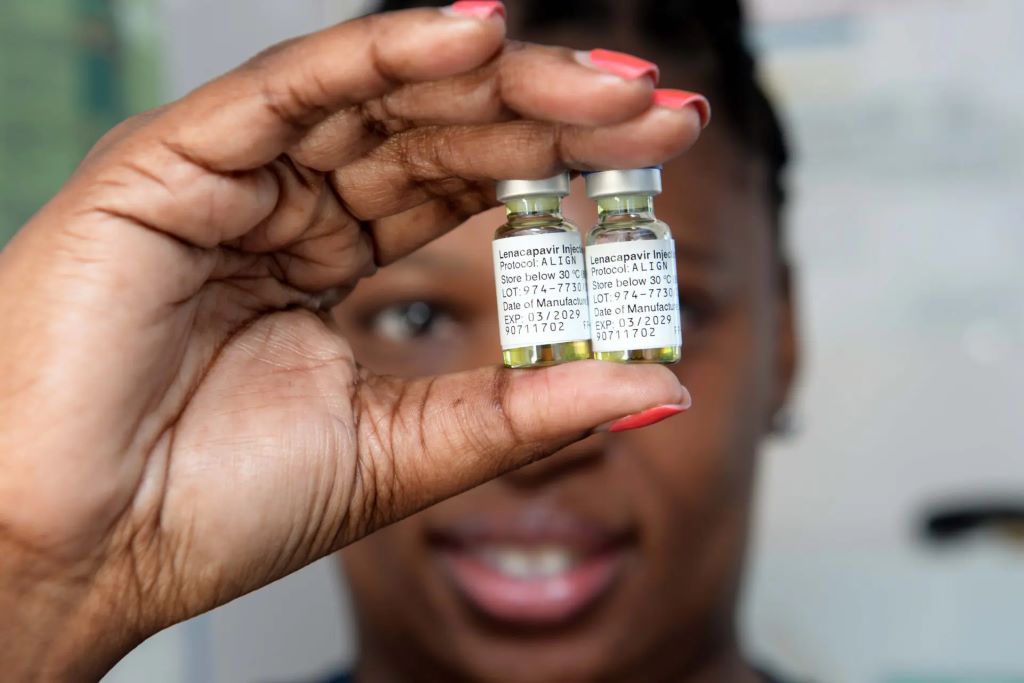
The long-acting HIV prevention injection, lenacapavir, will become available to around half a million people in South Africa. Photo by Anna Shvets

By Marcus Low and Elri Voigt

On June 5, 2026, an HIV prevention injection will for the first time become available at some of South Africa’s public sector clinics. In this Spotlight special briefing, we pull together all you need to know about this “breakthrough” jab.

We’ve come a long way from the worst days of South Africa’s HIV epidemic, but the virus still claims over 50 000 lives per year and, even in 2026, annual new infections remain stubbornly high at over 140 000. 

Reducing the rate of new infections is not an easy task. The most effective measure is to make as many as possible of the roughly eight million people who are living with the disease non-infectious. The good news is that most people with HIV become non-infectious once they are stable on antiretroviral treatment. The bad news is that the growth of South Africa’s HIV treatment programme has slowed. The pool of infectious people thus seems set to remain relatively large. 

For people who are not living with HIV, the most effective form of protection over the years have been the correct use of condoms. Condoms also have the benefit that they protect against other sexually transmitted infections. 

But condoms aren’t the only game in town. Voluntary medical male circumcision substantially decreases men’s risk of contracting HIV, something that also provides indirect protection for women. 

And then there are antiretrovirals (ARVs) taken to prevent HIV infection. Landmark studies published in the 2010s showed that taking a tablet that contains the antiretroviral medicines tenofovir and emtricitabine could reduce someone’s risk of contracting HIV to near zero. Such tablets are commonly referred to as oral pre-exposure prophylaxis, or oral PrEP. For several years now, these HIV prevention tablets have been widely available in South Africa’s public healthcare system, although uptake has been somewhat muted. Modelling work from Thembisa, the country’s leading mathematical model on HIV and TB, suggests that only a few hundred thousand people are taking the tablets. 

The long-acting revolution 

One challenge with HIV prevention pills is that not everyone can, or wants to, take them every day. For some, taking ARVs, or being seen to take ARVs, still comes with an accompanying dose of stigma. For others, remembering to take a pill every day can be tricky. Ultimately, the incentives for healthy people without HIV to take prevention medicines simply aren’t as compelling and immediate as they are for people who already have the virus in their bodies. 

As in some other areas of medicine, one solution to this treatment adherence challenge is simply to make it more convenient to take the treatment. Many women, for example, prefer three-monthly contraceptive injections or three-yearly implants to a regular pill. There is some evidence that similar preferences apply to HIV prevention medicines. 

So-called long-acting therapies does what the name suggests – act over longer than standard periods. They could take many forms, from slow-release tablets to injections that leave a depot under the skin that slowly releases drugs into the blood stream, to small implantable devices that are typically left in the arm for several years. 

The first long-acting HIV prevention option to take the world by storm was an injection. It made headlines in 2020 when a pivotal study found it to be more effective than the daily prevention pills – the difference being largely due to better adherence, rather than differences in the ARVs used. This jab, containing the antiretroviral drug cabotegravir, provides two months of protection against HIV infection at a time.  

Two years later, the World Health Organization recommended the jab, called CAB-LA, for HIV prevention, and it was registered for use in South Africa. Rollout beyond an implementation science setting stalled however when the prices the drug’s manufacturer ViiV Healthcare was willing to sell it for were deemed unaffordable by the South African government. 

Fortunately, a new prevention jab that provides protection for three times as long as CAB-LA was on the way. In 2024, two large studies, found an injection of the antiretroviral drug lenacapavir given every six months was almost 100% effective in preventing HIV infection. These findings would later be hailed as the journal Science’s 2024 scientific breakthrough of the year. It is this “breakthrough” that is being rolled out in South Africa from June 2026.  

Two often-neglected groups in HIV research, adolescents (aged 16 and 17), and women who become pregnant while in a study, were included in clinical trials of lenacapavir. The jab was found to be safe in both populations, which means it can now be offered to adolescents and pregnant women in the South African rollout. 

Lenacapavir is injected just under the skin, typically in the stomach area, where it forms a small depot that very slowly releases the drug over time. These depots can form small lumps under the skin. Though harmless and usually not visible, it will be important that people getting the jab know to expect these “subcutaneous nodules”. The other most common side effects seen in the two pivotal studies were pain at the injection site and a skin rash. These reactions and the size of the nodules appear to decrease with subsequent injections. 

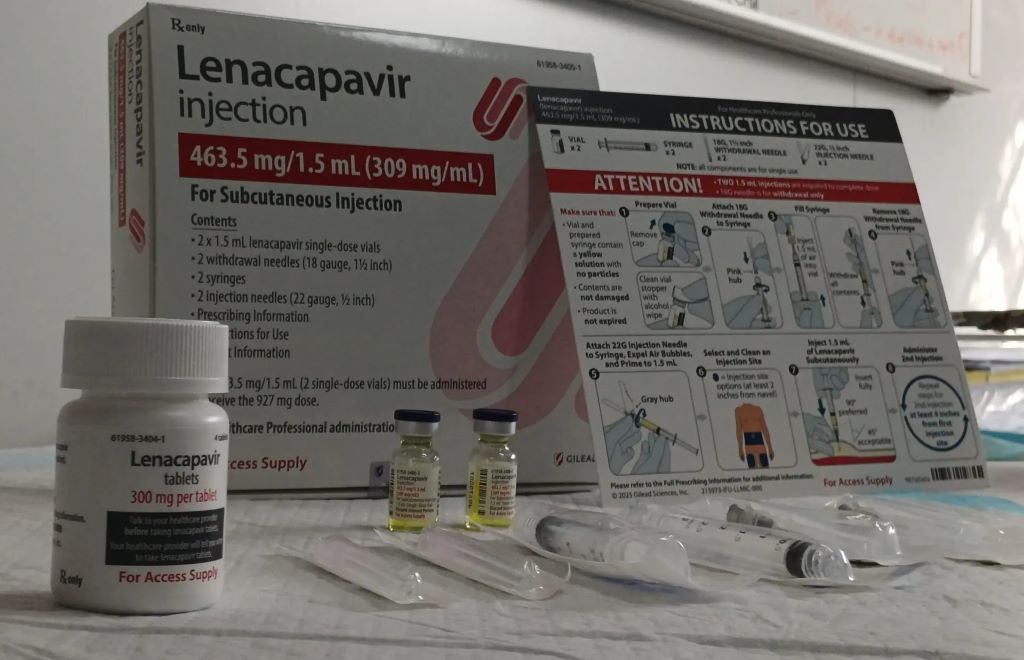
Prior to their first injection, people will first have to get an HIV test to ensure they aren’t already living with HIV. This is important since treating someone with HIV with just lenacapavir could result in the development of drug resistance. Together with the injection, people starting lenacapavir will also have to take some lenacapavir tablets for two days. Since the depot releases the injected drug very slowly, these tablets are needed to get the drug levels in the body up more quickly so that it can provide full protection as soon as possible. (The Department of Health has published a guideline document setting out how it should all work at the clinic.) 

In addition to the lenacapavir and CAB-LA jabs, there is also a long-acting vaginal ring that contains the ARV dapivirine. The ring provides one-month of protection at a time, with a three-month version also under development. The available evidence however suggests that the dapivirine vaginal ring is not as effective at preventing HIV infection as oral PrEP or the two injectable options. 

The long road to jabs at clinics 

Having the scientific evidence that an injection works is of course only one step in that jab’s long journey to the point where people can get it at clinics. An essential next step was regulatory approval, which lenacapavir received from the South African Health Products Regulatory Authority in October 2025. After regulatory approval was secured, the next question became whether a sufficient supply of the product can be procured in South Africa on acceptable terms. 

Lenacapavir is currently only being produced and marketed by the pharmaceutical company Gilead Sciences, who holds the critical patents on the product. In the US, lenacapavir is sold for around $28 000 per person per year. The Global Fund (the world’s largest multilateral funder of health in low- and middle-income countries) and PEPFAR (the United States President’s Emergency Plan for AIDS Relief) are however procuring limited stocks of lenacapavir at a lower price for use in some low- and middle-income countries. It is some of these Global Fund-procured jabs that will be used in the first phases of the lenacapavir rollout in South Africa. 

For now, largely due to the limited stocks, the local rollout will target only around half a million people at 360 clinics in areas with high HIV rates, but the plan is to scale-up considerably in the next few years. 

The South African government will likely start buying lenacapavir from generic manufacturers in 2027 or 2028. Gilead has so far issued licenses that will allow six different companies to produce lenacapavir and to sell it in 120 different countries, including South Africa.

The Gates Foundation and a partnership including UNITAID, the Clinton Health Access Initiative, and Wits RHI, have concluded separate deals with generic manufacturers that should see these generics sold for a price of no more than $40 (under R800) per person per year. This is lower than what government currently pays for oral PrEP and modelling work suggests it would be affordable for the South African government. Barring any unforeseen hiccups, the pieces are thus in place to facilitate widespread access to lenacapavir in South Africa in the coming years.  

For now, none of the generic versions of lenacapavir will be produced in South Africa. Negotiations are however under way that may eventually see a local company licensed to produce the jab. Such local production is seen as important for ensuring security of supply, although it is not clear that local companies will be able to compete with Indian generic drug-makers on price. 

At the time of writing, neither the lenacapavir or CAB-LA injections can be purchased at private sector pharmacies in South Africa. Oral PrEP can be purchased for around R300 for a month’s supply. The monthly dapivirine vaginal ring should cost in the region of R500 per ring. (These prices are based on the 30 April 2026 Single Exit Price database published by the health department.) 

How many people will want the jabs? 

One of the big unanswered questions about lenacapavir is how many people will come forward to get the jabs. We are hopeful that the Department of Health will routinely provide detailed numbers on uptake in the coming months and years.  

The initial rollout is largely clinic-based, but researchers will also be assessing how well distribution works through mobile clinics. We need not stop there of course. At the height of the COVID-19 pandemic, public sector users could access SARS-CoV-2 vaccines from nurses at private sector pharmacies. With sufficient political will, the same could be done with lenacapavir. No doubt some young people will rather get their jab at the mall than at the clinic. 

Those in control of the rollout will have to think carefully about how they promote and provide the jab. At its core, it is an empowering tool that can help people stay HIV-free, but as often is the case with HIV-linked products, there is a risk of stigma. In addition, even though lenacapavir is not a vaccine, some vaccine scepticism might well transfer over to lenacapavir since it is administered as an injection. As with any large healthcare intervention, one will not have to look far to find lenacapavir-related misinformation on social media. 

Either way, just having the jab at clinics and hoping people will come get it might not be good enough if we’re hoping to see good uptake. Fortunately, we have several research groups and NGOs in South Africa who have world-class expertise on just this type of issue. Hopefully government will draw on this unique reservoir as they adjust and shape the lenacapavir rollout. 

So what’s next 

The rollout of the lenacapavir jab in South Africa will not be the end of our HIV prevention story. Two promising products in the pipeline are a new formulation of lenacapavir that looks like it could provide a full year of protection per shot and a pill containing another antiretroviral that could provide a month of protection at a time. We are keeping a close eye on the ongoing development of these products. There are also still hopes that an effective HIV cure or vaccine might one day be developed, although this is a much longer shot than better long-acting antiretroviral formulations. 

In the meantime, though, twice-yearly lenacapavir is rightly dominating the headlines. 

Modelling suggests that over the next 20 years, an ambitious lenacapavir rollout could reduce new HIV infections by around 20% to 30%. There can be little doubt that, like condoms and antiretroviral treatment for people living with HIV, providing lenacapavir at scale makes public health sense. 

But thinking of lenacapavir mainly in terms of cost-effectiveness and public health benefits risks obscuring its more immediate and transformative human potential. For many people, especially young women, a discreet and convenient form of HIV prevention that they can control may well make the difference between contracting HIV or not. 

As experts often point out, when it comes to products that can prevent HIV, choice – as in the world of contraception – is key. Some products will work for one person, but not for others. As circumstances change, a product that might have once worked may no longer be the best option. Having more than one product in the “toolkit of prevention” makes it easier to find what actually works in people’s lives.

For years, the HIV world has been flush with rhetoric about empowering young women – a group that is profoundly affected by HIV. An ambitious lenacapavir rollout might be the most concrete realisation of those ideals yet. We simply have to get it right.   

Disclosure: The Gates Foundation is mentioned in this article. Spotlight receives funding from the Gates Foundation, but is editorially independent – an independence that the editors guard jealously. Spotlight is a member of the South African Press Council. 

Republished from Spotlight under a Creative Commons licence.

Read the original article.

Excitement Builds for Long-acting TB Treatments, but Research Still at Early Stage

Mycobacterium tuberculosis drug susceptibility test. Photo by CDC on Unsplash

By Catherine Tomlinson

Both TB treatment and TB preventive therapy involve taking lots of pills, usually for several months. Researchers are working on new long-acting formulations that might, for example, reduce an entire course of TB preventive therapy to a single injection.

The biggest HIV news of last year was that an injection containing an antiretroviral called lenacapavir provides six months of protection against HIV infection per shot. While it will be several years before the jabs become widely available, experts nevertheless hailed the development as a potential game-changer. In some countries, HIV treatment is already available as injections – containing the antiretrovirals cabotegravir and rilpivirine  – administered every two months.

Scientists working on tuberculosis (TB) are trying to replicate the successes of the HIV field and develop similarly long-acting formulations of TB medicines. The good news is that they have several exciting products under development – the bad news is that the research is still at a very early stage and the pivotal studies that will tell us if these products work are likely still years away.

But if they work, they could make a big difference to patients. That is because TB treatment and TB preventive therapy mostly still requires swallowing lots of pills over a long period of time. There is some good evidence that many people would prefer long-acting injections.

The case for long-acting TB medicines

TB preventive therapy is used to stop someone suspected of having latent TB infection from falling ill with TB. In South Africa, such preventive therapy is recommended for all close contacts of someone sick with TB. Typically, it involves taking tablets for three or six months (a one-month course has been shown to work, but is not widely available). There is research that shows that the shorter the regimen the more likely it is to be completed.

The hope is that a long-acting product might do away with swallowing tablets altogether and reduce an entire course of preventive therapy to a single injection. This is likely to be more convenient for patients as well as come with the benefit of perfect treatment completion rates.

TB preventive therapy is a simpler target for long-acting formulations than TB treatment since it typically involves only one or two drugs and treatment durations are shorter. TB treatment typically takes six or more months to complete and usually involves taking four different drugs – often four for two months and then only two for the remaining four months in what is called the continuation phase. Some of the current thinking is that the continuation phase could potentially be replaced by long-acting formulations of TB medicines. This could shorten the duration of TB treatment to just two months of taking tablets.

Not an easy nut to crack

As explained by Dr Eric Nuermberger of Johns Hopkins University, not all TB medicines available as tablets make good candidates for translation to long-acting injectable formulations. He was presenting on long-acting TB drugs at the Conference for Retroviruses and Opportunistic Infections (CROI), recently held in San Francisco.

Nuermberger outlined three key characteristics that are needed for long-acting formulations. These are low water solubility (so the drug doesn’t dissolve to quickly), low clearance in plasma (so that the body doesn’t clear the drug too quickly), and high drug potency (so that a small volume of drug can be effective for a long period of time).

One key challenge, according to Nuermberger, is that scientists do not yet have reliable biomarkers to measure the effectiveness of long-acting TB preventive therapy in phase II trials. Biomarkers, such as blood levels of certain proteins, could in theory offer scientists a faster way to assess if TB preventative therapy is working, without having to monitor clinical trial participants for long periods of time to determine treatment outcomes.

Writing in the journal Clinical Infectious Diseases, scientists working to develop long-acting TB products explained: “The inability to culture or otherwise quantify viable bacteria during latent TB infection and the lack of validated surrogate biomarkers mean that there is no opportunity to obtain initial proof of efficacy… which is usually the domain of phase 2 trials. Instead, the development of new TPT regimens requires bridging directly from preclinical studies and phase 1 trials to phase 3 trials, which are themselves long and require large numbers of participants.”

However, they added that “[t]he search for biomarkers that act as prospective signatures of risk for developing TB disease is a very active research area and an important scientific priority for the field”.

Back at CROI, Nuermberger also told participants that most products in the pipeline remain at pre-clinical stages and are still being tested in mice. He explained that differences in how depot drugs — drugs released slowly over time — work in mice and humans make it hard to apply findings from mice to humans. But modeling is being done to help bridge this gap.

‘Expanded remarkably’

Despite these challenges, Nuermberger said “the number of long-acting drug formulations in development [for TB] has really expanded remarkably in the last few years, which is a very promising development”.

The product that is furthest along in the development pipeline, but still at a very early stage of research, is a long-acting form of bedaquiline. This drug is currently used for the treatment of drug-resistant forms of TB and falls in a class of antibiotics known as diarylquinolines.

The Belgian pharmaceutical company Janssen is currently running a phase I trial of long-acting injectable bedaquiline in Austria. Phase I trials are conducted in a small group of healthy individuals to assess the safety and tolerability of an experimental medicine. In the phase 1 bedaquiline trial, researchers are investigating the safety and tolerability of different doses of long-acting injectable bedaquiline.

Several other long-acting TB medicines are being investigated in preclinical research, including long-acting versions of the TB medicines rifabutin and rifapentine, as well as the second generation diarylquinolines, TBJ-876 and TBA-587, which are under development by the TB Alliance. The second generation diarylquinolines are being tested on their own and in combination with pretomanid and telacebec.

In addition, the University of Liverpool, Johns Hopkins University, University of Southern Denmark, University of North Carolina and the US pharmaceutical company Inflamamasome Therapeutics, are all involved in pre-clinical research on long-acting formulations. These efforts are supported financially by Unitaid, the US National Institutes of Health, and the Gates Foundation.

The treatments being developed include aqueous nanoparticle suspensions, in-situ forming implants, and rod implants. Aqueous nanoparticle suspensions are drugs turned into tiny particles and delivered in a water-based solution via injection. In-situ forming implants are injected as a liquid that then solidifies into an implant under the skin. Rod implants are small, rod-shaped devices inserted under the skin with a needle-like tool after numbing the area with a local anaesthetic.

What users prefer

At CROI, delegates also learned about patient and provider preferences for long-acting TB treatment.

Dr Marcia Vermeulen from the University of Cape Town presented the results of a survey involving over 400 patients in South Africa and India, as well as 94 healthcare providers.

Seventy-five percent of healthcare workers said they would prescribe a long-acting injectable product rather than pills for tuberculosis preventative therapy if it was priced the same or lower. Similarly, 75% of patients said they would try an injectable product for TB prevention if it became available.

“As a TB survivor, I am excited about long-acting TB treatment as it doesn’t require frequent facility visits, saving a person’s time and money, and can thereby increase adherence and improve treatment outcomes,” TB Proof’s Phumeza Tisile told Spotlight.

She added that communities should be at the heart of rollout plans because they understand the needs of people affected by TB and know how to communicate effectively to encourage involvement and adoption.

Disclosure: The Gates Foundation is mentioned in this article. Spotlight receives funding from the Gates Foundation but is editorially independent – an independence that the editors guard jealously. Spotlight is a member of the South African Press Council.

Republished from Spotlight under a Creative Commons licence.

Read the original article.

Efficacy of 6-monthly HIV Prevention Jab Confirmed in Second Major Study

Photo by Raghavendra V Konkathi on Unsplash

By Elri Voigt

In June, we heard what could be this year’s biggest HIV breakthrough: a twice-yearly injection can prevent HIV infection. Findings from a second large study of the jab has now confirmed that it works. Elri Voigt goes over the new findings and unpacks the licenses that are expected to facilitate the availability of generic versions of the jab in over a hundred countries, including South Africa.

The second of two pivotal studies of a six-monthly HIV prevention injection containing the antiretroviral drug lenacapavir has confirmed that the jab works remarkably well.

The first study, called PURPOSE 1, found that the jab is safe and highly effective at preventing HIV infection in women. The second, called PURPOSE 2, found the same for cisgender men, transgender men, transgender women and non-binary people who have sex with men assigned male at birth.

Interim findings from PURPOSE 2 were presented last week at the HIV Research for Prevention (HIVR4P) conference in Lima, Peru.

The researchers compared the safety and efficacy of lenacapavir injections every six months to a daily HIV prevention pill – a combination of emtricitabine and tenofovir disoproxil fumarate, called F/TDF. The results have not yet been published in a peer reviewed journal, but is expected to be soon, according to Principal Investigator for PURPOSE 2 Dr Colleen Kelley, a professor of medicine at Emory University’s School of Medicine.

The new results come hot on the heels of findings from PURPOSE 1 – previously reported on by Spotlight and published in one of the world’s top medical journals: the New England Journal of Medicine.

In the PURPOSE 1 study, none of the 2 134 people receiving the lenacapavir injection got HIV during the study. In PURPOSE 2, there were two HIV infections among the 2 179 people receiving the injection. These numbers are dramatically better than those for HIV prevention pills and for people in the communities where the study was done who were not receiving prevention injections or pills.

These findings mean the evidence is now in place for the manufacturer, Gilead Sciences, to file with regulatory authorities to register lenacapavir injections for HIV prevention. Such registration is required before the jab can be marketed for prevention. Lenacapavir injections are already registered in some countries as a last resort treatment for HIV, but not yet in South Africa.

“Now that we have a comprehensive dataset across multiple study populations, Gilead will work urgently with regulatory, government, public health and community partners to ensure that, if approved, we can deliver twice-yearly lenacapavir for PrEP worldwide, for all those who want or need PrEP,” Daniel O’Day, the chairperson and Chief Executive Officer of Gilead said in a press release. (PrEP, or pre-exposure prophylaxis, refers to taking antiretrovirals to prevent HIV infection.)

Top line findings

The interim results presented at HIVR4P by Kelley, showed that when compared to the background HIV incidence calculated in the study, lenacapavir reduced HIV infections by 96%. And when compared to the F/TDF prevention pill, the injection reduced HIV infections by 89%.

Among the 3 265 participants enrolled in the study, 11 people acquired HIV- two of the 2 179 people who were assigned to the lenacapavir arm and nine of the 1 086 participants assigned to the prevention pill arm. This translated to HIV incidence of 0.93 per 100 person years in the prevention pill arm compared to only 0.1 per 100 person years in the lenacapavir arm.

This was compared to the background incidence, which was determined when screening eligible participants for HIV. Out of 4 634 people screened for the study, 378 or 8.2% were diagnosed with HIV. Based on further laboratory testing, it was estimated that of those 378 people, 45 or 11.9% recently acquired HIV (classified as being within the last 120 days or so). This latter group provided the background HIV incidence, which was estimated to be 2.37 per 100 person years.

This is a novel study design, Kelley told Spotlight, because this calculation was used to estimate the HIV incidence that would have occurred in a placebo group without actually enrolling a placebo group.

It’s no longer ethical to have a placebo group in HIV PrEP trials because we know that we have effective PrEP agents,” she said. “Yet, it’s almost essential to have a placebo group when you design a clinical trial so that you can really say how effective your medication, your new agent is [compared] to having nothing.”

When asked at a press conference about the two breakthrough infections in the lenacapavir arm, Kelley said the analysis for this is ongoing and will hopefully be available at a future conference and in a journal soon. She said that the two breakthrough infections in the lenacapavir arm were detected by routine testing during the study.

Principal Investigator for PURPOSE 2 Professor Colleen Kelley at the 5th HIV Research for Prevention Conference in Lima, Peru. (Photo: Nicole Bergman/IAS)

Kelley added that around 90% of participants in the two study arms were able to receive their injection on time. “So, we at least know that the injections were delivered in a timely fashion for almost all participants,” she said.

Whether or not the two infections occurred in people who had received the jabs on time and according to the study protocol will be closely watched as more study details is shared in the coming months.

To be enrolled in the study, participants had to meet several criteria. They had to be older than 16, never received HIV prevention injections before, weigh more than 35kg, have good kidney function, not have been tested for HIV in the last 12 weeks, and had to have been sexually active in the last 12 months.

All study participants were given a pill a day and an injection, those in the lenacapavir arm received two 1.5 ml lenacapavir injections every six months and a daily placebo pill, while those in the prevention pill arm received the daily F/TDF pill and a placebo injection every six months.

The study was conducted across seven countries, with 6 sites located in South Africa and others in Argentina, Brazil, Mexico, Peru, Thailand, and the United States, according to study data on Gilead’s website.

Safety data

Overall, Kelley said lenacapavir was safe and well-tolerated despite some side effects, mainly related to the injections. A total of 43 people dropped out of the study due to side effects.

The most common adverse event in the study was injection site reactions. There were more injection site reactions in the lenacapavir arm compared to the prevention pill arm. 29 people dropped out of the study because of these, 26 in the lenacapavir arm and 3 in the prevention pill arm (people in this study arm received placebo jabs).

The most common injection site reaction were subcutaneous nodules – these are harmless, usually invisible, small lumps under the skin. Nodules occur because lenacapavir is injected under the skin where it forms a drug depot. Injection site reactions and nodule size decreased with subsequent injections. This side effect and trend of decreasing reactions was also noted in the PURPOSE 1 study. Other injection site reactions were pain and erythema which is a type of skin rash.

According to Kelley, there were no serious adverse events related to injection site reactions.

When injection site reactions are excluded, according to Kelley, the other adverse events were similar across both arms, with 74% of participants in each arm experiencing an adverse event. The majority were mild or moderate.

Seven participants in each study arm dropped out due to side effects that weren’t related to injection site reactions. Those who discontinued from the lenacapavir arm will be given prevention pills for a year. This is done to protect these participants, Kelley explained, from potentially acquiring HIV when lenacapavir levels wane, as well as to reduce the risk of potential drug resistance developing.

There were a few serious adverse events, although Kelley told Spotlight she does not currently have any additional information on what these were. She explained that a serious adverse event is generally classified as something like hospitalisation, a life-threatening condition, an important medical event or adverse pregnancy outcome.

“Usually when we look at something like this, we look at the rates compared in the two arms of the study and it was 3% in the LEN [lenacapavir] arm and 4% in the F/TDF arm, so they were equal, essentially the same in both study arms,” Kelly said.

There were six deaths during the study, but none were related to the study drugs.

Next steps for lenacapavir

Now that the interim results have been announced, both studies have been unblinded and entered an open-label phase where participants have the choice of switching to or continuing with the injection.

Professor Linda-Gail Bekker, the Chief Executive Officer at the Desmond Tutu Health Foundation, recently said on a webinar hosted by the South African Health Technologies Advocacy Coalition, that study participants are now able to use the PrEP option they’d prefer – either oral PrEP or the injection. This means all participants will be able to access lenacapavir through the studies if they wanted to use it.

But it will likely be a while before anyone outside of these studies can access lenacapavir as HIV prevention.

“This is an incredible intervention. Now we have to make sure everyone can get it and that’s going to be the most important next step, ensuring that everyone who needs this drug has access,” Kelley told Spotlight.

Gilead’s generic licensing agreement and pricing

What we do know so far about the next steps for lenacapavir is that the process to allow for generic manufacturing has started. This month, Gilead released its voluntary licensing agreements with six generic companies for manufacturing cheaper versions of lenacapavir.

Dr Andrew Gray, a senior lecturer in Pharmacology at the University of KwaZulu-Natal, told Spotlight that no South African firms have been included in the voluntary licenses – four of the generic licensees are in India, one is in Pakistan, and one is in Egypt.

“In essence, they [the generic companies] are allowed to sell their generic versions in a number of identified countries, specified by Gilead,” Gray said. The agreement lists 120 countries, including South Africa.

Gilead itself will also be prioritising the registration of lenacapavir in 18 countries, which it said represent about 70% of the HIV burden in the countries named in the license. The list includes South Africa, Uganda, and Botswana. Gilead says it will start filing for registration with regulatory authorities by the end of the year.

It will be important to see how quickly Gilead seeks regulatory approval for lenacapavir with the South African Health Products Regulatory Authority (SAHPRA), Gray said. Registration with SAHPRA will be required before the injection can be rolled out in South Africa.

In putting together this timeline, we’ve spoken to several well-placed experts, but we stress that this is very much a back-of-the-envelope exercise and far from set in stone. (Infograph: Spotlight)

Some countries won’t be able to procure generics

Gilead received criticism for several omissions from the list of countries that the generic manufacturers can sell to. The US-based HIV advocacy group AIDS Vaccine Advocacy Coalition, among others, pointed out the exclusion of several countries which have high HIV incidence. Some of those countries participated in PURPOSE 2- namely Brazil, Argentina, Mexico and Peru.

A spokesperson from Gilead told Spotlight the manufacturer’s access policy included tailored approaches to ensure rapid and broad access of lenacapavir and it objectively considered the countries where a voluntary licence would provide the most benefit.

“Gilead’s voluntary licence primarily covers countries based on economic need and HIV burden, which are primarily low- and lower-middle income countries. The voluntary licence also covers certain middle-income countries with limited access to healthcare,” the spokesperson said.

Acknowledging that some middle-income countries do have a high HIV burden, Gilead is “exploring several innovative strategies to support access to LEN for PrEP (if approved), including tiered pricing, and are working with payors to establish fast, efficient pathways to help reach people who need or want PrEP”, said the spokesperson.

“Ensuring access in middle-income and upper-middle income countries, including those in Latin America, is a priority for Gilead. Planning for these countries, incorporating input from advocates and global health organizations, is ongoing and updates will be shared as discussions progress,” the spokesperson added. “Additionally, Gilead is committed to ensuring that individuals who participated in the PURPOSE studies have been offered and will be able to stay on open label lenacapavir until it is available in their country.”

The company’s decision to license generic manufacturers directly is at odds with earlier calls from several activist groups and UNAIDS to license via the UN-backed Medicines Patent Pool.

Pricing

It will also be important to see if Gilead will disclose a single exit price for the South African market, according to Gray.

In its press release announcing the voluntary licensing agreement, Gilead stated it will “support low-cost access to the drug in high-incidence, resource-limited countries through a two-part strategy: establishing a robust voluntary licensing program and planning to provide Gilead-supplied product at no profit to Gilead until generic manufacturers are able to fully support demand”.

It is too early in the process to reveal a price for lenacapavir yet, the spokesperson from Gilead told Spotlight.

“While Gilead prepares for global regulatory filings, it is too early to disclose the price of lenacapavir for HIV prevention. Our pledge is to price our medicines to reflect the value they deliver to people, patients, healthcare systems and society. For Gilead-branded lenacapavir, we do plan to price it at no profit to Gilead in 18 select high-incidence, resource-limited countries until generic manufacturers are able to fully support demand,” the spokesperson said.

Spotlight previously reported on research that estimated that if produced at sufficient volumes, the price of lenacapavir could be drastically reduced to levels likely considered affordable by the South African government. For instance, if enough volume was produced to supply 10 million people with PrEP, the price for the injection could be as low as $40 (under R800) per person per year. At the moment, Gilead supplies lenacapavir for HIV treatment in wealthy countries for about $40 000 per person per year.

Gilead’s lenacapavir product will be the first to register in South Africa and will almost certainly be the only lenacapavir product available here for several years – that is because it is expected to take generic manufacturers a few years before they can start producing generic lenacapavir. Based on calculations made for other PrEP products, it seems unlikely that the Department of Health would be willing to procure lenacapavir at a price significantly above R1 000 per person per year. The HIV prevention pill currently costs government around R800 per person per year.

Republished from Spotlight under a Creative Commons licence

Read the original article