Day: June 9, 2026

Shiga-producing E. coli Growing More Resistant to Antibiotics

Photo by CDC on Unsplash

Resistance to antimicrobial agents is rising among human infections with Escherichia coli bacteria that produce the Shiga toxin, according to a study analysing data from nearly 2000 infections in the United States between 2010 and 2021.

The increase in resistance points to a need for antibiotic stewardship in the food production chain as well as in human health, says study leader Csaba Varga, a professor of pathobiology at the University of Illinois Urbana-Champaign.

“Shiga toxin–producing E. coli is a type of foodborne bacteria that can cause anything from mild diarrhoea to very serious illness. About 100 000 people in the U.S. get sick from this strain each year, and some end up in the hospital,” Varga said. “The biggest concern is for children under five years of age, who are more likely to develop serious complications, such as kidney failure.”

Varga and graduate student Tarjani Bhatt used data reported by the U.S. Centers for Disease Control and Prevention, which collects the information through a national surveillance system. They focused on the E. coli strain O157, which produces the Shiga toxin responsible for the majority of severe illnesses. They looked at 1995 samples collected between 2010 and 2021 to see whether there was any change in antimicrobial resistance rates over time, and whether there were any patterns in age or geography.

“Most of the previous studies have looked at snapshots in time, not how resistance changes year by year. We didn’t have a clear picture of long-term trends, whether resistance was increasing, decreasing or staying the same,” Varga said. “Resistance doesn’t stay in one place; it moves through people, animals and the environment. Our study helps fill those gaps by looking at when, where and in whom resistance is emerging over time.”

The group found that, while overall resistance remains low, it has steadily increased over time – especially for the common antibiotics tetracycline and sulfisoxazole. They also found that resistance varied by geographical region and by age group, with younger adults in their 20s and 30s most likely to have infections resistant to some antibiotics.

The most mystifying aspect of the findings is that antibiotics are not typically recommended for Shiga-producing E. coli infections, Varga said. Though the treatment kills the bacteria, that action triggers the release of more Shiga toxin, making the illness more dangerous and increasing the risk for serious complications. Antibiotics are avoided unless the patient has another severe infection at the same time.  

“Even though we don’t usually treat this infection with antibiotics, we’re still seeing resistance emerging and spreading, which tells us these bacteria are being exposed to antibiotics somewhere along the way,” Varga said.

The researchers propose a “One Health” approach to the issue, taking into account not only human health and antibiotic use, but animals and environment as well, particularly because the illness is foodborne.

“Better antibiotic stewardship in agriculture, along with food safety and environmental controls, will be key to slowing this trend. What happens on farms, in food production and in the environment can directly impact human health. Prevention has to happen from farm to fork,” Varga said.

Source: University of Illinois at Urbana-Champaign

New Evidence Offers Hope for Ketogenic Therapy in Treatment of Anorexia Nervosa

Pilot trial reports reduced eating disorder and depressive symptoms in difficult-to-treat psychiatric condition

Photo from Freepik.

A pilot study published today in Communications Medicine demonstrates the potential of a new approach to treating anorexia nervosa, a disorder for which effective treatments have been significantly limited. The research from UC San Diego School of Medicine reports that a ketogenic nutritional intervention – a high-fat, low-carbohydrate, moderate-protein diet – was feasible and safe for patients with weight-normalised and mildly underweight anorexia nervosa. The ketogenic intervention was well-tolerated by participants, with high adherence rates and no significant weight loss observed throughout the program.

Furthermore, significant improvements were observed in eating disorder symptoms, with nearly 3 in 4 of study completers in the recovered range at study end, no longer meeting criteria for an anorexia nervosa diagnosis, and all completers experiencing an improvement in depression scores.

Anorexia nervosa is a devastating psychiatric disorder with among the highest mortality rate of any mental illnessin the United States, a death occurs every 52 minutes as a result of this disorder or its complications. Even after successful weight restoration, patients often struggle with persistent psychological symptoms — including body dissatisfaction, an intense fear of eating, and a preoccupation with shape — that drive an alarmingly high risk of relapse.

Study lead Guido Frank, MD, Professor of Psychiatry at UC San Diego School of Medicine, who has been studying and treating anorexia patients for over 25 years, launched this study to broaden treatment options for this high-risk population. “We urgently need new approaches to anorexia nervosa. Our work with ketogenic therapy looks beyond standard therapies and potentially at the underlying physiology of the disorder,” states Dr. Frank. “Growing evidence links anorexia nervosa to neurometabolic dysfunction, and we are hopeful that direct metabolic intervention can regulate neural function and address the psychological symptoms patients experience.”

The outpatient, nationwide, single-arm clinical study delivered a supervised 14-week ketogenic intervention, with 18 of the 22 enrolled participants (82%) completing the study. No significant change in weight was observed throughout the program (as measured by BMI). By the end of the study, 72% of study completers reached the recovered range of eating disorder symptoms as measured by eating disorder scales (Eating Disorder Examination Questionnaire, EDE-Q, and Eating Disorder Inventory-3, EDI-3) and all showed improvements in depression scores (as measured by the Beck Depression Inventory, BDI), with 72% within normal range.

For co-author Barbara Scolnick, MD, an internal medicine physician in Waban, Massachusetts, this study is the culmination of a decade-long personal journey. “The scientific inquiry that led to this research began in search of answers for my niece, Caroline Beckwith,” Dr. Scolnick shared. “Ketogenic therapy, a standard in epilepsy care, was the major catalyst, when combined with other interventions, that allowed Caroline to achieve remission after a 15-year struggle with anorexia nervosa. I am encouraged by these preliminary findings, which indicate that this treatment may provide a path forward for others like Caroline.”

While the authors acknowledge the clinical sensitivities of dietary interventions in this patient population, this study builds on prior preliminary evidence to provide proof of concept. The findings indicate that, when delivered with specialized medical supervision and trained support, ketogenic therapy holds potential for those who have failed to respond to traditional treatments.

“This study highlights the promise of dietary interventions that target normalizing underlying neurometabolic function for even the most intractable psychiatric conditions like anorexia nervosa,” said Jan Ellison Baszucki, co-founder and president of Baszucki Group, who funded the study. “We hope this work drives awareness and support for researching and delivering ketogenic therapy for eating disorders, providing new hope for patients and their families.”

A current extension of this study, for patients with both anorexia nervosa and bulimia nervosa diagnoses, is underway and recruiting participants nationally. Those interested in learning more or joining the study can find more information at the study site.

Source: Bazsucki Group

Most Cases of HIV Persistence in Blood After Treatment Explained by Defective Copies

Study strongly suggests that most persistent cases of viral detection, despite ideal HIV drug therapy, are not due to virus transmission or a rebound of active disease

Colourised transmission electron micrograph of an HIV-1 virus particle (yellow/gold) budding from the plasma membrane of an infected H9 T cell (purple/green).

Antiretroviral drugs for HIV infection have enabled most people living with the virus to live long and healthy lives. However, a small portion of people experience detectable – and worrisome – traces of the virus that causes AIDS despite strict adherence to long-term treatment regimens and the absence of symptoms. New findings published in Nature Communications suggest that most cases of this phenomenon, which is called non-suppressible viraemia, are explained by defective and noninfectious copies of the virus. The research was partially supported by grants from the National Institutes of Health (NIH).

The study, which involved more than 50 people, found that while traces of HIV-1 RNA can persist in blood after optimal therapy, cases of non-suppressible viraemia are driven by HIV-1 RNA with defects in a piece of the RNA known as 5’-leader.

“From a clinical perspective, this is important because people with HIV are taught that the absolute goal of their medication is to achieve undetectable viral load and they worry,” says Francesco R. Simonetti, MBChBD, PhD, the senior study author and an assistant professor of medicine in the Division of Infectious Diseases at Johns Hopkins University School of Medicine. The new findings, says Simonetti and his team, should provide relief to many people living with HIV who fear a viral rebound or who are concerned about transmitting the virus to partners despite taking effective treatment.

For the study, the investigators examined blood samples from 52 people living with HIV who had detectable loads of the virus despite taking long-term antiretroviral drug therapy.

These samples, which were assessed from 32 people and compared to an additional 20 samples, were collected between 2021 and 2025. The majority of participants were white men, between ages 58 and 68, and received care in the U.S., Canada and Denmark. The researchers found that most detectable forms of the virus, around 95%, were due to defective copies, and most defects were due to mutations or deletions in the 5’-leader region of HIV-1 RNA. This region is known to orchestrate the production of copies of the virus, but in this case the defects prevented the generation of infectious virus.

Modern antiretroviral therapies, which date back to 1996, prevent HIV from infecting new populations of immune system cells, but aren’t able to retroactively prevent previously infected cells from releasing HIV viral particles. Since those cells usually represent a small portion of infected cells after a person is on stable therapy, most people who take antiretroviral therapies are able to bring their viral loads to clinically undetectable levels in their blood. 

However, in some cases, which are estimated to occur less than 1% of the time, people may experience clinically detectable levels after taking long-term antiretroviral drug therapy. This could happen years later, or, in less frequent cases, they may have never achieved undetectable levels.

This new study offers evidence that clinicians can now study the virus in blood plasma and confirm if clinically detectable levels are due to defective copies released from one or a few T-cell clones, says Simonetti. If so, he adds, this could eliminate the need for extra medications and could prevent related complications. It could also help people living with HIV have access to surgeries or other procedures, such as hip or knee replacements or organ transplants, and participate in clinical studies if they know they have HIV under control.

The assay taht the researchers created and used to confirm the defective copies of the virus for this study is cost-effective and can be broadly used in HIV clinics and research settings. Similar to using a liquid biopsy to detect cancer mutations in DNA, the assay, which is called CLAWS (Capturing 5′ Leader Anomalies Without Sequencing), uses advanced technology to identify detectable viral loads that are due to defective copies.

“We know that these defective proviruses cannot infect new cells, but they are still clinically relevant,” says Simonetti. “Think of how many extra visits, extra drugs, extra costs and tests they’ve been causing.”

“It’s also clear from the new study that, over time on treatment, intact proviruses that make virus are pruned away, while defective ones escape the immune system,” he says. “Now we want to understand these differences in immune recognition to uncover HIV’s vulnerabilities.”

Source: John Hopkins Medicine

56% of New SA Stem Cell Donors Are Under 25 and Saving Lives

Photo by Elizeu Dias on Unsplash

More than half of all new stem cell donors registered in South Africa in 2025 were between the ages of 17 and 25. And, according to a growing body of medical research, they are also the most valuable donors on the planet.

Research analysing more than 10 000 stem cell transplants has found that for every ten-year increase in donor age, patient survival rates two years after transplant decline by approximately 6 to 7%. Donors aged 17 to 25 consistently provide patients with the best chance of survival. A separate long-term study found that transplants from younger donors successfully engrafted up to 30 000 stem cells that continued contributing to blood production for decades, compared to a tenfold decrease in transplants from older donors. It has also been confirmed that donor age has a greater influence on transplant success than previously assumed, with younger donors associated with improved overall survival and reduced relapse risk.

The evidence is bearing out in South Africa’s own numbers. DKMS Africa’s donor base has grown from 18 801 in 2021 to more than 173 000 by the end of 2025, a ninefold increase in four years. New sign-ups in 2025 alone reached more than 60 000, nearly double the 2023 figure. The 17 to 25 age group has led that charge, growing from 19% of new donors in 2021 to 56% in 2025. Forty percent of last year’s new donors were between 17 and 21.

Context matters: every hour, someone in South Africa is diagnosed with blood cancer. For many patients, a stem cell transplant from a matched, unrelated donor is the only viable path to survival. The match they need may already be on the registry. Or it may not exist yet.

“In South Africa, finding a compatible donor depends on human leukocyte antigen (HLA) characteristics that are inherited and vary significantly across ethnic groups. Patients have the highest probability of finding a match within a registry that reflects their own background. Currently, patients from black, coloured and Indian communities face considerably lower odds than those from communities better represented in local and international registries. A registry that grows without also diversifying fails the patients who need it most. That is why more young people of diverse backgrounds need to step forward and close this gap,” says Palesa Mokomele, Head of Community Engagement and Communications at DKMS Africa.

She adds, “This Youth Month, we need every young person who has not yet registered to know that their moment is now, and every adult who has not yet registered to ask themselves honestly: what is my excuse?”

The registration process takes minutes: a free swab kit arrives by post, is completed at home, and returned. No blood is drawn. No appointment is made. A registered donor is only contacted if they prove to be a genetic match for a patient in need, and even then, the decision to proceed remains entirely theirs. Registering is the first step. Following through, if called upon, is the one that saves a life.

To register, visit www.dkms-africa.org.

Certain Combinations of Antihypertensives Are More Tolerable, Study Finds

Credit: Pixabay CC0

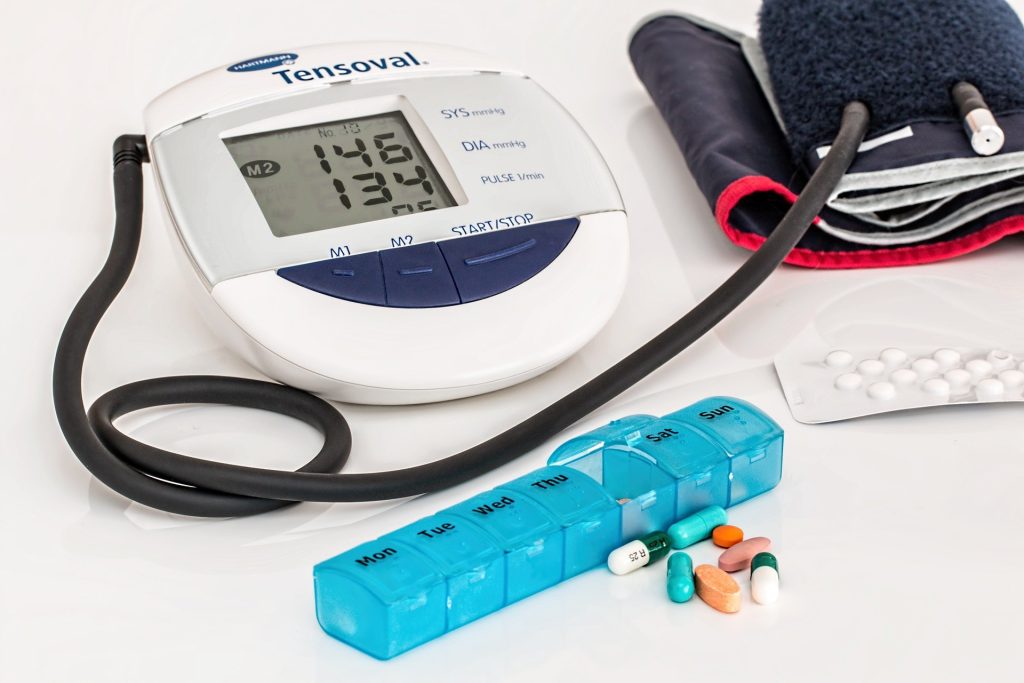
Getting patients to adhere to antihypertensive drugs is a major obstacle in controlling hypertension and cardiovascular risk. To find out which drugs or combinations of drugs have the best adherence rates, researchers conducted a comprehensive network meta-analysis of the five primary classes of blood pressure-lowering medications. The research, published in JAMA Network, examined short-term tolerability and side-effect profiles in data from over 700 clinical trials, and identifies significant variations in treatment discontinuation rates across different drug categories and combinations.

The most well-tolerated options were angiotensin II receptor blockers (ARBs), both alone and paired with calcium channel blockers – often showing fewer withdrawals than placebos. While most therapies successfully reduced headaches, they simultaneously increased instances of dizziness and hypotension-related symptoms. These findings suggest that specific combination therapies may offer better patient outcomes and superior symptomatic improvement compared to traditional single-drug treatments. Ultimately, the study provides a robust framework for clinicians to better manage patient-reported adverse events during the initial months of hypertension care.