Cipla Medpro South Africa reaffirmed its commitment to ensuring the uninterrupted supply of critical antiretroviral (ARV) medicines to the Department of Health. It is essential that people living with HIV have uninterrupted access to these life-saving medicines. Any disruption of supply puts patients at risk of developing resistance to the drugs or adversely affecting health outcomes. According to Statistics South Africa, the number of people living with HIV in the country is estimated to be approximately 8 million (12,7% of the population)[1].
Recently, two suppliers who were awarded the current antiretroviral (ARV) tender, Barrs Pharmaceuticals Industries (Pty) Ltd and Innovata Pharmaceuticals (Pty) Ltd (subsidiaries of Avacare Health), have entered business rescue.
Cipla acknowledges the uncertainty this may create within the ARV supply chain and underscores its readiness to assist in maintaining stability and continuity.
Cipla has been manufacturing tenofovir/lamivudine/dolutegravir (TLD) for the government for the past 7 years, and has been one of the main suppliers of ARVs to the government for more than 12 years. Cipla has made significant investments in its local manufacturing facility, upgrading the capacity of the ARV production line with the installation of a new Countec bottle line and have increased its tablet filing capacity by 190%. The company is able to locally produce 475 million tablets annually and has upscaled its manufacturing capabilities to ensure sufficient capacity to meet current demand and support near‑term growth, while reinforcing Cipla’s commitment to secure and reliable ARV supply.
“We have mobilised resources to help maintain equitable access to quality, affordable critical medication. Cipla confirms its willingness to support national requirements under the current tender agreement and, if needed, contribute meaningfully to any supplementary procurement processes to safeguard patient access to essential treatment. We want people to live a long and healthy life as part of our commitment to caring for life,” said Paul Miller, CEO of Cipla Africa.
“In addition, we believe this tender presents an opportunity to further advance government’s commitment to strengthening local manufacturing capacity. By ensuring greater support for locally produced medicines, future allocations could meaningfully contribute to South Africa’s industrial development agenda while maintaining continuity of supply,” said Miller.
The total ARV tender is for a period of three years, and is worth an estimated R15.5bn, of which the TLD component comprises R12.6bn.
The US government paused all foreign assistance in January 2025. This abrupt decision affected the delivery of life-saving HIV medicines and the provision of HIV prevention services to millions of people. A UNAIDS report estimates there could be an additional 6 million new HIV infections and 4 million Aids-related deaths by 2029 if the world does not act.
In November 2025, a global health initiative, The Global Fund, raised US$11.34 billion for HIV/Aids, tuberculosis and malaria. Melanie Bisnauth, a public health professional in healthcare systems strengthening and HIV/Aids leadership, discusses how far this latest funding could go and how African nations can tackle the dwindling funding for HIV/Aids control.
What is the funding status for HIV/Aids?
Raising US$11.34 billion is significant but it falls short of the US$18 billion target. The Global Fund is trying to raise US$18 billion for its work from 2027 to 2029. The Global Fund is a worldwide partnership to end the epidemic of HIV/Aids, tuberculosis and malaria and ensure a healthier, safer and more equitable future for all.
It is only a partial response to the global funding gaps.
The US pledged US$4.6 billion to the Global Fund during the fund’s summit in November 2025, on the side of the G20 meeting in South Africa. It was a reduction from its previous pledge of US$6 billion to support prevention, treatment, care and related services for the three diseases. But it is also an indication that the US has not abandoned all multilateral global health efforts. It remains the largest single contribution to the Global Fund 2027 to 2029 cycle.
The shortfall may strain existing programmes and delay expansion of life-saving interventions for HIV/Aids, tuberculosis and malaria.
HIV remains a major global public health issue, having claimed an estimated 44.1 million lives to date. An estimated 40.8 million people were living with HIV at the end of 2024, 65% of whom are in the WHO African region.
Job losses could create inefficiencies or service reductions. Building a sustainable HIV response and meeting key goals was already challenging before the sharp funding decline in 2025. Over 11 million people had unsuppressed viral loads in 2024.
Overall, while the funds raised demonstrate continued global solidarity, they are insufficient to fully compensate for the US withdrawal and broader declines in donor support.
There are potentially long-term consequences. Reduced funding and service disruptions threaten to reverse years of progress. Infections could rise, especially in communities where viral suppression was already low. Lack of service delivery and supply of treatment will weaken trust in health systems and can lead to treatment interruptions, drug resistance and poorer health outcomes.
As the Global Fund’s executive director said at the Replenishment Summit, “the old model” of development funding is over. This model is the heavy reliance on international funding like USAID and other donor organisations.
It’s essential for countries to become more self-reliant. But the statement warned that too abrupt a transition could be dangerous.
I fear that the COVID-19 pandemic has already taken a toll on the quality of care provided. Healthcare systems are already overburdened.
National governments have to step up and locally support their healthcare systems, collaborate and build together, and strengthen their health funding structures.
What should the response be for better HIV funding in Africa?
Africa’s HIV response should be multi-pronged.
After attending the Africa Summit in Geneva in May 2025, stakeholders, country representatives, donor agencies and NGOs expressed a key message: those involved in the sector should not reinvent the entire wheel. There is value in the knowledge gained from programming, technical expertise, data insights, partnerships, communities and global health networks should be used to strengthen, adapt and scale what already works.
This will ensure that Africa’s HIV response remains community-centred, evidence-driven, and resilient in the face of emerging challenges.
The global health climate has changed and communities have lost trust because of severely disrupted or even completely cut programmes. African governments must allocate their own resources for HIV programmes, through budget prioritisation, health insurance schemes, and innovative financing such as public-private partnerships. Improvements, such as integrating HIV services into primary care, using data-driven targeting, and negotiating lower drug costs can maximise impact.
Strengthening regional collaborations and pooled procurement through organisations like the African Union or regional health bodies can improve bargaining power and reduce dependency on external aid. A balanced mix of donor support, domestic financing and operational efficiency is essential to maintain gains and expand access to treatment for all in need.
It is important not to rely solely on international support or one funding body. Diversifying funding portfolios is critical.
What effects has the withdrawal of US funds had?
Reduced US contributions led to immediate financial shortfalls, threatening ongoing HIV prevention and treatment programmes.
For example, some clinic supply and services faced disruption in delivery and supply of antiretroviral therapy, and stock-outs of treatment and malaria nets.
The world is still likely to feel the impact in the coming months. For example:
Progress towards epidemic control could slow, potentially increasing illness and death.
Programmes that relied heavily on US support have already scaled back services or will do so.
Funding uncertainty remains a major concern. Governments will have to reallocate limited domestic resources or seek alternative donors.
Global health co-ordination, technical assistance and advocacy efforts may be weakened. In the past these supported robust HIV responses in Africa in progress toward the UNAIDS targets.
Reliance on fragmented funding streams will increase.
How can African countries better fund their HIV programmes?
They can take steps that involve a mix of domestic revenue generation, efficiency gains and strategic partnerships:
diversify funding through raising domestic revenue, such as earmarked taxes
expand the reach of social health insurance coverage
leverage corporate investment and innovation through public-private partnerships
negotiate pooled procurement of drugs and diagnostics regionally to reduce costs
involve communities in decision making, which will help strengthen sustainability
integrate HIV programmes into broader health systems – it improves efficiency, reducing duplication and operational costs.
Mycobacterium tuberculosis drug susceptibility test. Photo by CDC on Unsplash
A University of Virginia-led team of researchers has made a discovery that may change sepsis treatment for patients in Africa.
Over the course of five years, the researchers studied patients with HIV-related sepsis in eastern Africa, discovering that the most common cause of sepsis was tuberculosis and that treating it immediately, even before a tuberculosis diagnosis was made, significantly improved survival rates.
Sepsis, or critical illness due to infection, is the leading global cause of death, responsible for an estimated one-fifth of deaths worldwide.
“We designed a trial with colleagues in Tanzania and Uganda to look specifically at people living with HIV, who suffer higher rates of sepsis and are more likely to die when they contract it,” said Dr Scott Heysell, director of the UVA Center for Global Health Equity and the co-lead investigator of the study. “Over half of the people enrolled in this trial were ultimately found to have tuberculosis and, if they immediately received tuberculosis treatment, they were significantly more likely to survive.”
Funded by a grant from the National Institutes of Health, the research, dubbed the “ATLAS study,” was done by a team of nearly 30 doctors, nurses, pharmacists, study coordinators and statisticians, including leading HIV and tuberculosis physician-scientists, Dr Stellah Mpagama from Kibong’oto Infectious Diseases Hospital in Tanzania, and Dr Conrad Muzoora, from the Mbarara University of Science and Technology in Uganda.
“The trial is the culmination of almost 20 years of collaborative work with colleagues in Uganda and Tanzania to better understand, diagnose and manage sepsis,” said co-lead investigator Dr Christopher Moore, professor of medicine and global health equity at the UVA School of Medicine. “The results of ATLAS have broad and significant implications for the treatment of sepsis in Africa, an all too common and deadly illness, which sadly is likely to become even more common with the advent of global public health funding cuts.”
It is often difficult to diagnose tuberculosis, so the team had to use newer and more exhaustive testing, according to Heysell.
“It is a tragedy to be on the front lines and witness the excessive mortality and morbidity from sepsis and tuberculosis, particularly among people with HIV,” said Dr Tania Thomas, a contributing researcher and associate professor of infectious diseases and international health at UVA. “These are treatable conditions, but time is rarely on our side. Until we have more accurate rapid diagnostic tests for tuberculosis, we are pleased to demonstrate that the strategy of immediate tuberculosis treatment can improve survival.”
The team has received additional NIH funding this year to continue its work through a new trial at four hospitals in Tanzania and Uganda to test whether the use of hydrocortisone to reduce inflammation and improve blood pressure, and/or an immediate treatment for tuberculosis and other bacterial pathogens, will improve 28-day mortality from HIV-related sepsis.
“In programmatic settings, tuberculosis treatment was mostly the same as for people without HIV, even though their health needs are more complex,” said Dr Mpagama. “Many of these patients have multiple infections at the same time, which makes their care more challenging.”
The research is part of UVA’s Center for Global Health Equity’s effort to establish meaningful, two-sided research partnerships in Eastern Africa, according to Heysell, who is working to increase educational and research opportunities outside of the US for UVA students. This includes coordinating clinical electives for medical students and other health science students in hospitals and clinics abroad.
To that end, emergency medicine professor Dr Amita Sudhir has been promoted to inaugural director for global health training within the center. Her goal will be to increase abroad opportunities for medical students within existing partnering organisations.
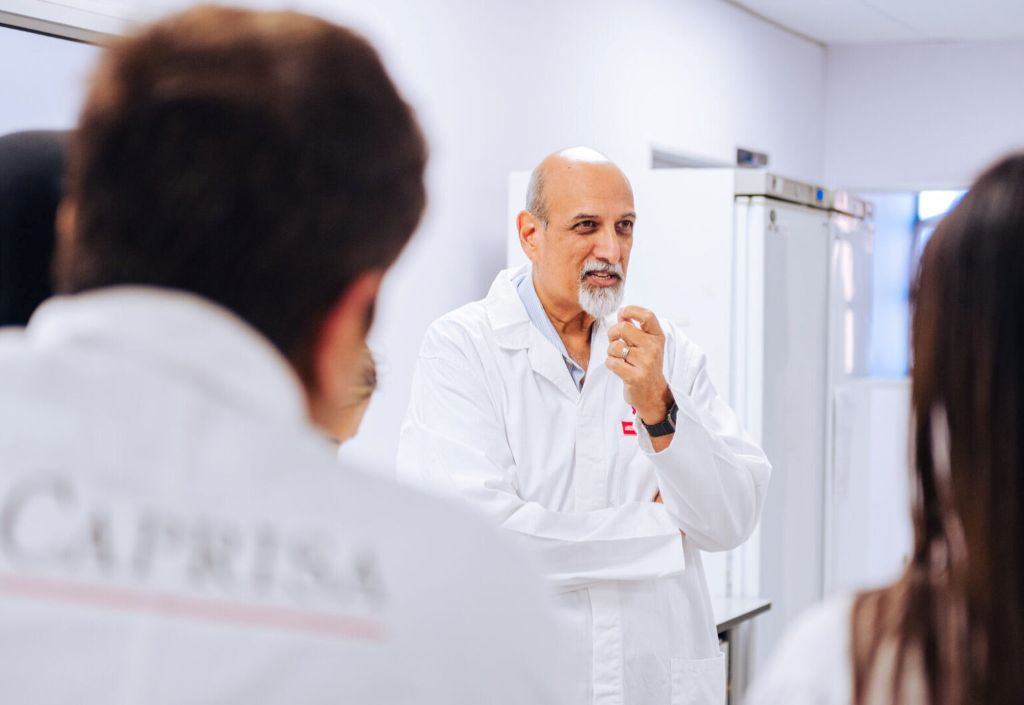
Epidemiologist Professor Salim Abdool Karim is internationally recognised for his significant contributions to research on HIV treatment and prevention. (Photo: Supplied)
By Salim Abdool Karim
As World AIDS Day 2025 swings by, CAPRISA Director Professor Salim Abdool Karim reflects on the frantic days following this year’s unprecedented cuts to health aid and research funding from the US, arguing that the deliberate disruptiveness was designed to be cruel. Nonetheless, he argues, our HIV response must now forge ahead on a path that is more affordable, sustainable and independent.
STOP WORK!
A “STOP WORK” order is immediate.
The Centre for the AIDS Programme of Research in South Africa (CAPRISA) received its first US government “STOP WORK” order from the US Agency for International Development (USAID) on 27 January 2025, imposing a 90-day suspension on a major HIV prevention research project.
A week earlier, on 20 January 2025, incoming US President Donald Trump signed an Executive Order imposing a 90-day freeze on USAID funding. Shortly thereafter, Elon Musk and his Department of Government Efficiency arrived at the USAID headquarters to systematically dismantle it and terminate most of its projects. Within 7 days, the full effect of Trump’s decision was reverberating across the world. The acute US funding cuts disrupted its foreign aid programmes that had for years worked to improve the lives of the most vulnerable communities across the globe.
The impact was instantaneous. Several US-funded projects ground to a halt. Feeding programmes for the hungry, shelter projects for those displaced by war and conflict, daycare for abandoned children and many other programmes in dozens of countries around the world were stopped. The swiftness of the implementation of the USAID dismantling caught the world off-guard.
On 3 February, Secretary of State, Marco Rubio, declared himself to be the new head of USAID, giving Musk carte blanche to destroy it. That day, I was contacted by journalists from The New York Times and from the prestigious magazine Science for information on the impact of US funding cuts on our HIV research.
On 7 February, the New York Times front page headline, “Clinical Trials Left in Lurch By Aid Freeze” informed the world of the impact of the US funding cuts on AIDS research in Africa. It described in graphic detail the impact of the funding cuts on research Dr Leila Mansoor and Dr Disebo Potloane of CAPRISA were undertaking in partnership with world-leading US scientist Dr Sharon Hillier, in developing new HIV prevention technologies for women.
Exactly a month after the initial 90-day “STOP WORK” order, we were notified that this US government funded project had been officially terminated for good. Several other large US-funded projects in South Africa, such as an HIV-vaccine development project led by Professor Glenda Gray, also received termination notices.
While the US government is perfectly entitled – as it sees fit – to stop funding for any of its projects, the deliberate disruptiveness of its implementation was sadly designed to be cruel. Musk relished his destruction of USAID with a chainsaw performance on stage at the Conservative Political Action Conference on 21 February. Ironically, the chainsaw, which he had just received as a gift from Argentine President Javier Milei, was engraved with the phrase “Viva la libertad, carajo”, which is Spanish for “Long live liberty, damn it.”
‘Disownment of science’
The Trump administration effectively dislocated the highly effective partnerships forged by the US and South African scientific communities over the past three decades. It was not simply a withdrawal of funding, but the disownment of science that rocked these research collaborations. A devaluing of science and an era of disinformation set in.
False information from the Trump administration is now rife, from debunked theories regarding autism from vaccines to the supposed dangers of paracetamol during pregnancy to the fictitious “white genocide” in South Africa or “Christian genocide” in Nigeria. This is a threat to democracy and to the decades of progress made in the AIDS pandemic.
Science, in its search for the truth, is under attack, as disinformation-based policies become official.
No time to wallow
Following the initial shock, we realised that we had zero time to wallow in this grief of sorts. CAPRISA went to work mobilising our own resources, reaching out to participants in terminated studies to offer them medical and emotional support. In March and April, our scientists routinely worked late into the night on new grant applications to research funders besides the US government. That hard work is now beginning to bear fruit as new grants begin to fill the gaps in our research funding.
These unprecedented disruptive funding cuts have been a stark reminder to never take donor funding for granted. And certainly, never to be as heavily reliant on a single donor again. While overseas development aid is intended to be altruistic, it has often come with strings attached. Those strings were a rude awakening in 2025 and has left several governments and non-governmental organisations, who were dependent on US foreign aid, in the lurch.
Scientific breakthroughs in HIV, including those by South Africa’s many highly accomplished AIDS researchers, have had widespread global impact benefitting vulnerable groups from all walks of life. Ironically, the funding cuts comes at a time when even greater resources are needed for research to successfully navigate the “last mile” on the way to the Sustainable Development Goal of ending AIDS by 2030.
As this year’s World AIDS Day theme, “Overcoming disruption, transforming the AIDS response” reminds us, this is the time to forge ahead on a path that transforms the response to one that is more affordable, sustainable and independent. As African scientists, we have already begun to take bold steps on the path to greater independence, thereby shifting our focus away from the disruption towards charting a determined path to a world without AIDS.
*Abdool Karim is the Director of CAPRISA and Pro Vice-Chancellor (Research) at the University of KwaZulu-Natal in Durban.
Note: Spotlight aims to deepen public understanding of important health issues by publishing a variety of views on its opinion pages. The views expressed in this article are not necessarily shared by the Spotlight editors.
After birth, moms and babies are required to visit healthcare facilities for essential services like immunisations, postnatal care and HIV testing. Photo by William Fortunato on Pexels
By Elri Voigt
In South Africa, many mothers and their babies have to visit the clinic more than 10 times in the first six months of the postnatal period. Early findings from an ongoing implementation science project suggests we can get this down to five. The hope is that the new approach will also help reduce HIV transmission from mothers to their babies.
Over the last two decades, South Africa has taken huge strides in reducing HIV transmission from mothers to their babies (often called vertical transmission).
Maternal deaths from non-pregnancy-related infections have decreased, because more women are taking HIV treatment, and HIV rates among babies at birth have also gone down. This has all been possible largely because of integrating HIV services with our antenatal services, Dr Jeanette Wessels, of the University of Pretoria’s Research Centre for Maternal, Fetal, Newborn and Child Health Care Strategies, told delegates at the recent Southern African HIV Clinicians Society (SAHCS) Conference.
However, a closer look at the data shows us that while vertical transmission at or before birth has come down dramatically, HIV transmission in the months after birth remains alarmingly common. This happens particularly when the mother contracts HIV in this period and the virus is then transmitted to her baby before she is diagnosed, or before the virus can be brought under control with antiretrovirals. As Wessels puts it, “our next frontier to tackle is the breastfeeding period”.
During the antenatal period (before birth), pregnant women are offered HIV tests and prevention pills or HIV treatment when they visit clinics for their pregnancy check-ups. However, during the postnatal period (after birth), HIV services are not integrated in the same way. This fragmentation of care after birth is a key driver of vertical transmissions, suggests specialist paediatrician Dr Nthabiseng Serudu-Nageng. The thinking is that the fragmentation and high number of clinic visits makes it less likely that new HIV infections in mothers will be picked up before the virus can be transmitted to their babies and that it makes it less likely that new mothers will take the HIV prevention pills or HIV treatment they might need.
Spotlight previously reported that, according to the latest estimates from Thembisa – the leading mathematical model of HIV and TB in South Africa – of the roughly 7 200 babies who contracted HIV in the country from mid-2023 to mid-2024, only about 2 500 got HIV before or at birth. This means that about 4 700 babies got HIV in the months after birth, and while some of these mothers were on antiretroviral therapy, according to the Thembisa estimates, the majority of mothers had not been diagnosed with HIV yet. Meaning a contributing factor to some of these infections is likely that many of these mothers got HIV after the birth of their babies and were unaware of it.
Wessels told delegates that around 75% of mother-to-child transmission of HIV is happening during breastfeeding, and just over one third (35%) of those are due to new HIV infections in the mother. She added that about 80% of those new infections in babies after birth happen in the first six months.
It is important to realise that in terms of absolute numbers, HIV transmission during the breastfeeding period has gone down, but proportionally more babies are getting HIV after birth, explained Professor Ute Feucht, the Director for the University of Pretoria’s Research Centre for Maternal, Fetal, Newborn and Child Health Care Strategies. Feucht is also the Community Paediatrician in the Tshwane District Clinical Specialist Team at the Gauteng Department of Health.
Clinic visits can be halved
To improve care in the postnatal period, researchers in Gauteng have launched an ambitious implementation science project called Sihamba Kunye. Their key idea is that clinic visits for mother and baby can be much better integrated and optimised. This could make it more likely that mother and baby will attend all required clinic visits and get all the healthcare services they need. The project is funded by the Gates Foundation.
During the postnatal period, said Wessels, a mother may have to come to the clinic up to 11 or 12 times in the first six months. This can be to get her baby to the necessary visits for immunisations, as well as family planning, to pick up HIV treatment or prevention pills or postnatal care for herself. Wessels was presenting early observations from the study at the SAHCS conference.
Commenting on this, Feucht, who is the study’s principal investigator, told Spotlight: “That is twice a month, and yes, with a newborn baby!”
To make matters worse, throughout these many visits, mothers and babies are often seen separately, which isn’t optimal since, as Serudu-Nageng pointed out, “whatever affects the mother directly impacts her baby, so integrating their care is essential”. She is the study’s consultant paediatrician.
“One of the biggest challenges mothers face is having to come to the clinic many times in the first six months. This has a huge impact: it affects food security, especially for unemployed mothers, its transport costs, its time away from work or home, and long waiting hours at the facility. Each visit comes with an emotional and financial cost,” said Serudu-Nageng.
“Through the Sihamba Kunye project, we are addressing this [challenge] by aligning and coordinating the mother and baby’s visits so they can be seen together, on the same day and ideally at the same service point,” she said. “This reduces the number of visits, saves time and cost for the mother, eases the workload for the facility because it means less feet through the clinic all while maintaining quality care for both mother and baby.”
By coordinating these different visits, the total number of times a mother and baby might need to go the facility is reduced to only five visits.
How it works
The researchers conducted time-and-motion studies – where industrial engineering students from the University of Pretoria followed patients around with stopwatches to time how long it took them to move through the clinic from arrival to exit. They also conducted interviews with mothers and infant pairs, had consultations with facility managers, and conducted workshops with healthcare workers, as well as created curated resources and tools to assist with the transition to offering integrated care.
Integration of services was classified into two levels, depending how much the services could be streamlined, said Serudu-Nageng. Level two integration means that a mom and her baby are seen on the same day, but at different parts of the facility and likely by different nurses. Level three integration means they are seen together, on the same day, by the same nurse.
“We worked closely with facility managers, sub-district programme managers and clinicians to redesign processes and adapt the model to fit each facility’s realities,” she said.
The time-and-motion studies helped identify bottlenecks and improve the flow and efficacy at the clinics, Serudu-Nageng said. One big time waster was that if a mom comes in with her baby and the healthcare staff only draw baby’s file but later see mom also needs care, she’ll have to go back to get her own file. To resolve this, the project recommends drawing both mom and baby’s files when they visit the facility, regardless of the reason for the visit.
One major component of integrating care, Serudu-Nageng said, was task-shifting. This is to ensure that professional nurses have the time to spend doing clinical consultations with mom and baby together, since their consultation time has essentially doubled. This means designating tasks like checking vital signs, weighing, giving immunisations and vitamin A and deworming to support staff, leaving professional nurses to do tasks only they are qualified to do.
“[T]he professional nurses can be used for other things like clinical decision making and we can rather delegate work that doesn’t require clinical decision making to lower cadres of nurses of staff,” she said. “Together, these efforts have helped facilities streamline workflow, strengthen teamwork and deliver this integrated postnatal care package for both mothers and babies.”
Another thing the researchers did was to compile two important tools that pulled together information from all the relevant national guidelines for primary healthcare – like the HIV, TB, ideal clinic and immunisation guidelines – and putting them together in one place called the the First 1000-day Roadmap. This is used alongside an Integration Wheel that helps nurses coordinate the different visits moms might need to come to the clinic for.
Wessels in her presentation explained that the roadmap has different sections categorised according to the type of visit mom and baby are at the clinic for. She gave the example of the 10-week visit, where babies normally receive some of their key childhood immunisations. One section of the roadmap will include “all the care needed for the mom, her general postnatal care, nutrition, VTP [Vertical Transmission Prevention] and screening like TB screening, STIs, mental health, her contraception and extra care”. The other section will cover all the things the baby will need.
The roadmap is used alongside the Integration Wheel, which is designed like a pregnancy wheel. The front of the wheel can spin to the visit the mom and baby are at the clinic for. “It outlines [among other things] what you do for an HIV positive mom, for an HIV negative mom, what contraception do you get every mom,” Wessels said. At the back, the wheel has information on the different visits mom and baby would still need to come to the clinic for and helps nurses align those visits.
The front of the Integration wheel can be spun to the specific visit mom and baby are at the clinic for and help align their next visits to reduce the number of times they have to come to the facility. Source: Screenshot from Professor Ute Feucht’s presentation on the Sihamba Kunye Project at the 2025 SA AIDS conference.The back of the Integration wheel shows nurses everything they need to do for both mom and baby, depending on their HIV status, baby’s age and mom’s family planning needs and postnatal care. Source: Screenshot from Professor Ute Feucht’s presentation on the Sihamba Kunye Project at the 2025 SA AIDS conference.
With these resources, according to Wessels, nurses at the participating facilities are able to align mom and baby’s visits from their six-day postnatal visit and can reduce those visits to only five in the first six months.
What’s next?
The response to the project has been very positive and created a bit of a “snowball effect”, Feucht said. “The district has actually been asking us, when can we go to the rest [of the clinics in Tshwane]?”
The first phase, she added, was to figure out what is possible in terms of integrating care and how can it be done. “[T]he next step is then taking that toolkit out to the other provinces as well.”
The research team hopes to have several publications showcasing their findings ready to present at key health conferences next year. But they also hope to see the model being more widely used in the future.
“It’s got potential to transform the postnatal period and make it as good as the antenatal period,” Serudu-Nageng said. “[I]ntegrating care and putting the patient at the centre will really, really, be great for outcomes, but for mom and baby as well.”
“Based on my experience, this approach is highly feasible within the broader public healthcare system because it builds on existing structures and staff,” she added. “It is practical and scalable, and we are hopeful that it will serve as a proof of concept for future scale-up across South Africa’s public health system.”
Disclosure: The Gates Foundation is mentioned in this article. Spotlight receives funding from the Gates Foundation, but is editorially independent – an independence that the editors guard jealously. Spotlight is a member of the South African Press Council and subject to the Press Code.
This is the first study using a combination of immunotherapies in humans. The results show promise for sustained control of the virus.
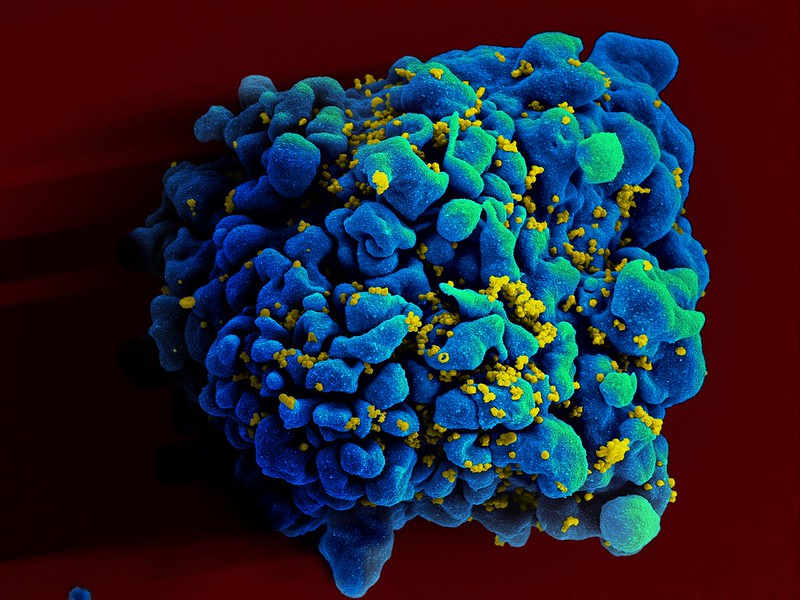
Colourised scanning electron micrograph of HIV (yellow) infecting a human T9 cell (blue). Credit: NIH
A new study from UC San Francisco shows it may be possible to control HIV without long-term antiviral treatment – an advance that points the way toward a possible cure for a disease that affects 40 million people around the world.
Treatment with a combination of experimental immunotherapy agents enabled 7 out of 10 participants to keep the virus at low levels for many months after going off antiretroviral therapy (ART).
The results appear on Dec. 1, World AIDS Day, in Nature.
The trial, which relied on a collaboration with nearly a dozen pharmaceutical companies and other partners in HIV research, offers a proof of concept that the approach could work. Although the study was small and did not include a control arm, investigators said the results are extremely encouraging.
“The majority had some evidence of control, which we believe is unprecedented,” said the paper’s co-senior author, Steven Deeks, MD, a professor of Medicine at UCSF who is in the Division of HIV, Infectious Diseases, and Global Medicine at Zuckerberg San Francisco General Hospital. “I do believe we are finally making real progress towards developing a therapy that may allow people to live a healthy life without the need of life-long medications.”
The trial was made possible by the Foundation for AIDS Research (amfAR)’s $20 million, five-year partnership with UCSF to advance AIDS cure research, launched in 2015. It was also supported by the National Institutes of Health (NIH).
Reprogramming the body’s immune system
Antiretroviral therapy (ART) was introduced in the 1990s and turned HIV infection from a death sentence into a chronic disease. But it is not a cure, and the virus stays in the body ready to reawaken as soon as someone stops taking ART.
The study was designed to test whether a triple combination of immunotherapies could reprogram the body’s immune system to control the virus after going off ART. Most of the participants had started ART soon after they acquired HIV, which helped preserve their immune response.
First, participants received a therapeutic vaccine to encourage their T cells to go after the latent HIV in their bodies. Then, they received an antibody cocktail to reduce the amount of HIV in the body. Finally, they were given another round of anti-HIV antibodies before being taken off ART.
Typically, when a person with HIV stops HIV medicines, the virus starts to rebound in about two weeks and then skyrockets. This time, only three of the 10 patients experienced the typical rapid rebound. Six maintained low levels of the virus for months, and one did not rebound at all.
The pouncing cat analogy
The investigators then examined the immune responses of those who controlled the virus to see how they did it.
“It turns out the controllers had T cells that were able to expand dramatically once they ran into the virus,” said Rachel Rutishauser, MD, PhD, an associate professor in UCSF’s Division of Experimental Medicine and co-senior author of the paper. “It’s like they were hanging out waiting for their target, kind of like a cat getting ready to pounce on a mouse.”
The treatment would need to be simplified and proved effective in much larger studies before it could replace standard HIV treatment.
“This is not the end game,” said Michael Peluso, MD, an assistant professor in UCSF’s Department of Medicine and the study’s first author. “But it proves we can push progress on a challenge we often frame as unsolvable.”
Eastern Cape HIV Programme demonstrates success in resource-constrained setting
Photo by Pexels on Pixabay
A new randomised controlled trial conducted in the Eastern Cape has shown that adding structured patient navigation to same-day antiretroviral therapy (ART) can make a meaningful difference for people newly diagnosed with HIV. The trial found that patients who received support from trained navigators were far more likely to stay in care and keep their viral load low over six months. Those with navigator support had a 79% retention rate, compared with 64% under standard care.
Among patients who achieved a viral load of fewer than 50 copies per millilitre, 64% remained in care, compared to just 39% without this extra support(1). Patient navigation combines personal support, such as home or virtual check-ins and WhatsApp reminders, with practical help like linking people to services and monitoring their progress. It was especially effective for people who started treatment on the same day as their diagnosis.
“This approach humanises HIV care. It builds a bridge between the clinic and the community, helping patients stay connected to treatment and ultimately saving lives,” said lead author Siyakudumisa Nontamo, Facility Team Lead: Care & Treatment Programme at TB HIV Care.
In August 2024 the Human Sciences Research Council released findings from the Sixth South African HIV Prevalence, Incidence, and Behaviour Survey (SABSSM VI) for the Eastern Cape. The results show that HIV prevalence in the province stabilised, moving from 15.9% in 2017 to 13.7% in 2022. This is an estimated 980 000 people living with HIV, down from about 1 million in 2017. Access to treatment has improved significantly. ART coverage increased from 67.8% in 2017 to 83.5% in 2022, meaning about 723 000 people in the province are now receiving treatment. However, gaps remain among young people: only 70.9% of adolescents and youth aged 15–24 living with HIV are on ART, compared to 84.8% of adults aged 25-49. Among females, coverage is much lower for young women (68.7%) than for women aged 25-49 (88.2%). ART use also varies across districts, ranging from 69.4% in Nelson Mandela Bay to 92.0% in Alfred Nzo(2). Nationally, the proportion of people living with HIV who are currently on antiretroviral treatment (ART) rose to 80.9% in 2022, up from 63.7% in 2017.
Despite major advances in antiretroviral therapy, retention in care remains a persistent challenge within South Africa’s HIV programme, especially in rural provinces such as the Eastern Cape. Many patients initiate treatment but later disengage due to stigma, transport difficulties, and limited ongoing support. The study shows that low-cost, human-centred interventions can significantly strengthen treatment outcomes. The trial, titled “Impact of Patient Navigation on Retention in Care and HIV Viral Load Suppression Among Newly Diagnosed Persons Living with HIV in the Eastern Cape,” compared standard HIV care to an approach where trained patient navigators provided ongoing support to patients starting antiretroviral therapy (ART). Beyond improved retention and viral suppression, the trial also showed that patients supported by navigators experienced fewer deaths and dropouts, with substantially lower losses to follow-up and reduced mortality than those receiving standard care, ultimately strengthening HIV programmes(1).
Patient navigation, in particular, helps bridge the gap by pairing practical healthcare coordination with empathy and community-based follow-up. Navigators assist patients with managing appointments, maintaining adherence, and accessing psychosocial services, thereby fostering trust, continuity, and sustained engagement in care. This approach aligns with South Africa’s national HIV strategy, which prioritises differentiated, patient-centred models of care to achieve the UNAIDS 95-95-95 targets.
At scale, TB HIV Care’s programmes are grounded in person-centred, integrated service models that reflect the real lives and needs of people affected by HIV and TB. This study reinforces TB HIV Care’s belief that support beyond clinic walls is essential for achieving lasting impact. In the 2024/25 reporting period, the organisation reached more than 1.9 million people with HIV testing services and initiated 27,873 individuals on ART, achieving a 95% viral suppression rate among clients in care.
“By bridging the gap between diagnosis and ongoing care, patient navigation aligns with our outreach for key populations and our shift toward holistic service delivery. We look forward to translating this evidence into practice, ensuring fewer people fall through the cracks and more sustain treatment success”, said Professor Harry Hausler, CEO at TB HIV Care.
Additional findings from the Sixth South African HIV Prevalence, Incidence, and Behaviour Survey (SABSSM VI) for the Eastern Cape.
In the Eastern Cape, HIV remains most common among adults aged 25-49, with a prevalence of 27.7%, and women in this age group are especially affected at 35.4% compared to 17.1% for men.
The survey also found geographic differences: HIV prevalence among men was highest in urban areas (8.7%), while among women it was highest in rural informal or tribal areas (19.8%).
By district, prevalence was highest in Chris Hani (14.4%), Amathole (14.1%), Alfred Nzo (13.9%), and lowest in Nelson Mandela Bay (9.7%).
At a national level, the survey showed that 81.4% of all people living with HIV were virally suppressed. The survey found encouraging progress in the Eastern Cape, where viral load suppression (VLS) among people living with HIV rose to 79.3% in 2022, up from 66.3% in 2017. However, children aged 0-14 years had much lower suppression levels, at 61.4%. Among people aged 15-49 years living with HIV, 78.6% were virally suppressed. Within this group, women had far higher suppression rates (83.9%) than men (65.4%).
About the Randomized Controlled Trial
The randomised controlled trial involved participants from HIV testing sites in the O.R. Tambo District (Flagstaff, Mthatha Gateway, and Tsolo Clinics). It was approved by the Eastern Cape Health Research Committee and Walter Sisulu University’s Ethics Committee. The study was supported by the Chemical Industries Education and Training Authority (CHIETA) and the South African Medical Research Council’s Strategic Health Innovation Partnerships (SHIP).
References:
Nontamo, S., Kamsu, G.T., Ndebia, E.J., et al. Impact of Patient Navigation on Retention in Care and HIV Viral Load Suppression Among Newly Diagnosed Persons Living with HIV in the Eastern Cape – South Africa. Access.
Human Sciences Research Council. Sixth South African HIV Prevalence, Incidence, and Behaviour Survey (SABSSM VI). Access.
The cancellation of US aid funding to South Africa is harming the country’s HIV response. Source: Unsplash CC0
By Marcus Low and Nathan Geffen
The number of HIV viral load tests is significantly lower than expected, according to an analysis of data from the National Health Laboratory Service which Spotlight and GroundUp obtained through the Promotion of Access to Information Act.
The number of HIV viral load tests recorded by the National Health Laboratory Service (NHLS) is significantly less than expected since February 2025. We are aware of no compelling reason to explain this except the withdrawal of US aid.
All patients in the public health system with HIV are supposed to get viral load tests regularly, usually once a year. These tests are used to determine if HIV is being suppressed successfully in their blood using ARV medicines. If the number of viral load tests declines, it likely indicates either that patients are being lost to the public health system, they are being monitored less diligently, or the system for recording viral load tests has become less accurate. Any one of these would imply a serious hit to South Africa’s public sector HIV programme.
GroundUp and Spotlight used the Promotion of Access to Information Act to request, among other things, viral load test numbers from the NHLS. We were provided a spreadsheet with the number of tests per month for each province from January 2015 to September 2025.
The current US Administration began taking steps to reduce US aid across the world after Donald Trump was inaugurated as president on 20 January 2025. Billions of rands have been withdrawn from South Africa. This caused some services, especially for vulnerable people — including gay men, sex workers and trans people— to close almost immediately, such as the Ivan Toms Centre in Cape Town and Wits University facilities in Johannesburg. US aid also funded support systems, such as data collection.
Public health experts have accused the government of being in denial about the consequences of the withdrawal of US aid. Health Minister Dr Aaron Motsoaledi has responded defiantly. In May, he stated that a record number of people had been initiated on ARVs over the previous months, a claim disputed by epidemiologists.
We asked a biostatistician to examine the NHLS data we received. She analysed the change in viral load tests by month and province over time. She found that the number of viral load tests for the period February to September this year is statistically significantly lower than what one would expect based on previous years. This confirms the view of public health experts: the withdrawal of US aid from South Africa has hit the HIV programme badly.
The decline in viral load numbers was previously reported by the Daily Maverick and Reuters for March and April. This was inevitable given the sudden withdrawal of US aid. But the new data shows that the decline has been sustained until September. The decline has occurred in every province except Limpopo.
How Viral Load Testing Performed Against Expectations, Feb–Sept 2025
Province
Predicted
Actual
Difference
% Difference
p_value
Eastern Cape
545,061
463,510
-81,551
-15
0.0007
Free State
285,423
234,671
-50,752
-18
0.0002
Gauteng
1,210,891
1,006,833
-204,058
-17
0.0002
KwaZulu-Natal
1,475,360
1,284,008
-191,352
-13
0.0001
Limpopo
419,357
441,314
21,957
5
0.1550
Mpumalanga
532,713
450,495
-82,218
-15
0.0007
North West
326,907
292,150
-34,757
-11
0.0002
Northern Cape
64,855
58,746
-6,109
-9
0.0017
Western Cape
324,074
290,011
-34,063
-11
0.0205
National
5,184,640
4,521,738
-662,902
-13
0.0003
*This table presents the expected and actual numbers of viral load tests conducted by the National Health Laboratory Service in South Africa from February to September 2025.
By looking at the change in viral load tests since 2015, a biostatistician estimated the number of viral load tests that there should have been for the period February to September 2025 using a standard linear regression model. She found that the actual number of tests declined significantly. A p-value less than 0.05 is considered statistically significant. Except for Limpopo, the p-values are substantially less than 0.05 for every province. The analysis takes into account that the NHLS suffered a data hack in 2024, and consequently, there is missing data for a few months.
An even simpler analysis also raises red flags. The absolute number of viral load tests conducted from February to September 2025 (4,521,738) is slightly lower than it was over the same period in 2023 (4,554,463) (due to a cyber attack, the NHLS’s 2024 figures are not a reliable comparison). Given that the number of people on HIV treatment is expected to increase over time and that everyone should be getting at least one viral load test per year, one would expect the number of viral load tests to have increased by a few hundred thousand since 2023.
These results show that the HIV programme has been set back. It is possible that tens of thousands of people have been lost to care. Also possible is that they are disproportionately the most vulnerable patients treated at specialist US funded facilities that closed as a consequence of the funding cuts.
Nevertheless the HIV programme is still successfully treating millions of people and South Africa is far better off than other African countries, such as Mozambique, whose response to HIV is almost entirely paid for with foreign aid.
Fewer patients have viral rebound. But is it a silver lining?
People with HIV who are on ARVs should have, after a few weeks, an undetectable amount of virus in their blood. This is what the viral load test measures. But if the ARVs stop working or a person stops taking their ARVs regularly, the virus will rebound in their blood.
The NHLS counts the number of viral load tests for which patients have more than a thousand copies of HIV per drop of blood. For these patients, the virus has rebounded in their blood.
The percentage of viral rebound cases has come down in 2025.
This might be because the standard ARV regimen has improved. A drug called dolutegravir is now part of the regimen, and it is known to do a better job of suppressing HIV than the drug it replaced a few years ago. This would be the good-news explanation, a silver lining in the data.
But it’s also possible that it’s because vulnerable patients treated in specialist clinics funded by US aid are more likely to have viral rebound and they are the ones who have been lost to the HIV programme. This would be the bad-news explanation.
At this point, we don’t have data to know which explanation of the viral rebound improvement is correct. The situation also varies substantially by province. The real picture might be a complex interaction of multiple factors.
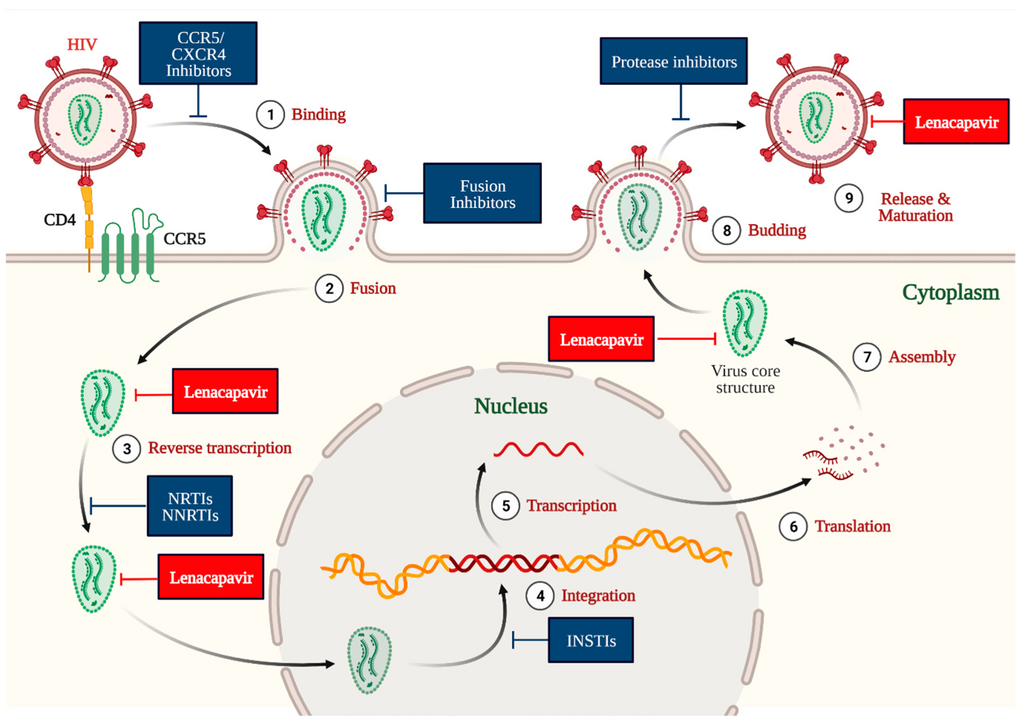
Pretoria, 27 October 2025 – The South African Health Products Regulatory Authority (SAHPRA) is pleased to announce the registration of Lenacapavir. Lenacapavir is an antiviral medicine that is recommended, in combination with safer sex practices, for pre-exposure prophylaxis (PrEP) to prevent HIV-1 infection in adults and adolescents weighing at least 35kg.
An application by Gilead was submitted to SAHPRA in March 2025. The SAHPRA review process was done in collaboration with the European Medicines for All Procedure (EU-M4all). This procedure enables the European Medicines Agency (EMA), together with the participating regulatory authorities, to provide scientific opinions on high-priority medicines, such as Lenacapavir, intended for markets outside the European Union. The benefits of this pathway are to strengthen regulatory systems and accelerate access to essential medicines.
This product, developed to prevent new HIV infections, is a six-monthly injection. There is an initiation dose of a subcutaneous injection (administered just under the skin) with tablets (taken on days 1 and 2). It is used to reduce the risk of HIV in adults and adolescents who weigh at least 35kg, are HIV negative, and are at risk of getting HIV. Lenacapavir for PrEP should always be used in combination with safer sex practices, such as using condoms, to reduce the risk of getting other sexually transmitted infections.
“The registration of Lenacapavir is a game-changer, given the high prevalence rate of HIV in South Africa. This product is the most effective HIV prevention measure thus far,” indicated Dr Boitumelo Semete-Makokotlela, CEO: SAHPRA.
Avian Bell, CEO of Quantumed South Africa, has welcomed the announcement that South Africa will begin rolling out the long-acting HIV prevention jab by March 2026. The injectable, which offers six months of protection per dose, is a major step forward in the country’s efforts to curb new HIV infections.
“This is a landmark moment for South Africa’s public healthcare landscape,” says Bell. “We are thrilled that the jab will soon be available to those who need it most. It represents a powerful tool that will help reduce the burden of HIV, especially among adolescent girls, young women, sex workers, and other high-risk communities.”
The jab, which has shown promising results in clinical trials, is expected to be a game-changer in HIV prevention. Its long-acting nature means fewer doses and improved adherence, which has historically been a challenge with daily oral PrEP (pre-exposure prophylaxis). Quantumed applauds the Department of Health’s commitment to making this innovation accessible to the public.
However, Bell cautions that while the jab is a significant advancement, it must not lead to a false sense of security. “The jab is designed to prevent HIV, but it does not offer protection against other sexually transmitted infections (STIs) such as HPV, syphilis, gonorrhoea, or chlamydia, nor does it prevent unintended pregnancies,” he explains. “We must continue to promote safe sex practices, regular STI screenings, and comprehensive sexual health education.”
Quantumed urges the public and healthcare providers to view the jab as part of a broader strategy, not a standalone solution. “We cannot afford to let our guard down,” Bell adds. “Complacency could reverse the gains we’ve made in STI prevention and reproductive health. We must continue to educate communities about the importance of condoms, routine testing, and open conversations about sexual health.”
In addition to the vaccine rollout, South Africa recently secured a $115 million emergency funding package from the United States under the PEPFAR Bridge Plan. This funding is intended to support critical HIV/AIDS services and ensure continuity of care for millions of South Africans.
“This emergency aid is a vital lifeline,” says Bell. “It will help stabilise programmes that have been under immense pressure and allow healthcare providers to continue delivering essential services, from testing and treatment to counselling and community outreach.”
However, Bell also acknowledges the broader context of this funding. Earlier in 2025, significant cuts to US aid disrupted HIV-related initiatives across South Africa. These cuts led to the closure of clinics, the suspension of research trials, and the loss of thousands of healthcare jobs. Vulnerable communities were left without access to life-saving services, and the ripple effects are still being felt.
“We must recognise that while the emergency funds are welcome, they do not undo the damage caused by earlier funding cuts,” Bell says. “We need long-term, sustainable investment in HIV prevention and treatment, not short-term fixes. The fight against HIV/AIDS is ongoing, and it requires consistent support from both local and international partners.”
Quantumed calls on government, civil society, and global stakeholders to remain steadfast in their commitment to ending HIV/AIDS. “We’ve come a long way, but the journey is far from over,” Bell concludes. “Let’s celebrate the progress, but let’s also stay focused. Innovation must be matched with education, access, and accountability. Together, we can build a future where HIV is no longer a threat — but that future depends on our actions today.”