Tag: 22/7/26

Unprecedented Success for HIV Vaccine in Preclinical Study

Vaccine approach yields high numbers of HIV-neutralising antibodies in non-human primates
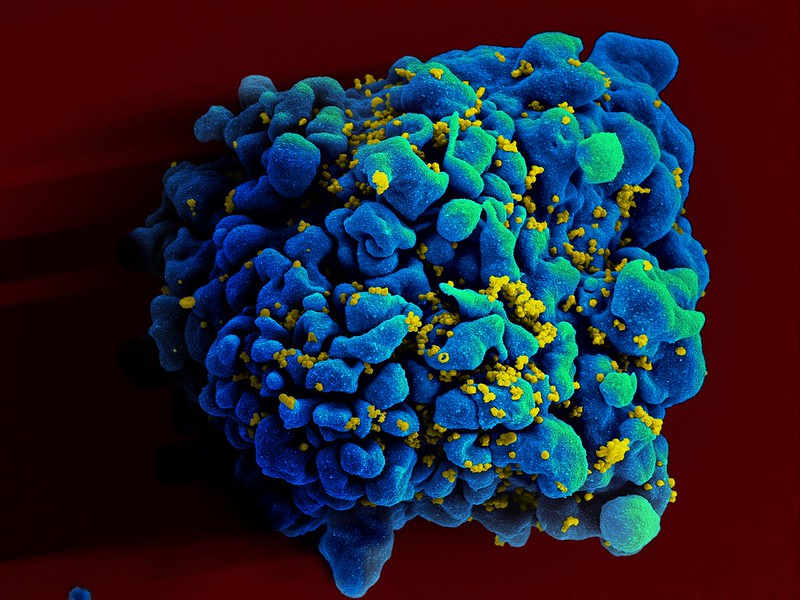
Colourised scanning electron micrograph of HIV (yellow) infecting a human T9 cell (blue). Credit: NIH

A new HIV vaccine developed by La Jolla Institute for Immunology (LJI), Scripps Research scientists, and IAVI has the potential to protect humans from developing HIV infection and AIDS. This HIV vaccine is the first to generate a high number of ‘broadly neutralising’, virus-fighting antibodies in primates.

“This feels like a huge success,” says LJI Professor and Chief Scientific Officer Shane Crotty, PhD, who co-led the research with Scripps Research Professor William Schief, PhD. “We constructed a successful vaccine from the ground up, which required a deep understanding of the immune system.”

This groundbreaking research, published in Nature, is the result of 14 years of collaboration between La Jolla Institute for Immunology and Scripps Research, as part of the Scripps Consortium for HIV/AIDS Vaccine Development (CHAVD). “This has been one of those Apollo moon mission-type projects, where there is an exceptional goal and the team has to accomplish a myriad of discoveries and inventions along the way,” says Crotty.

Outsmarting HIV

The new vaccine works by intervening in a process called B cell maturation. B cells make antibodies. Like many immune cells, B cells have an early ‘naïve’ stage before they are ready to make antibodies. B cells start to mature once they get the signal that a pathogen, such as a virus, is trying to attack. B cells see pieces of that pathogen’s molecular structure and start producing antibodies that can bind to that structure and halt infection.

It can take a little while for B cells to find the right “bullseye” on a pathogen. But B cells keep trying. As they mature, B cells tweak their antibody production, refining antibody structures to bind to a pathogen in just the right, vulnerable spots.

Scientists describe B cell development as a training process or bootcamp. In most cases, the body is left with a well-honed B cell army.

HIV is hard to beat because it doesn’t give B cells a chance to develop effective antibodies. The first problem is that HIV disguises itself from the immune system. The virus is wrapped in an ever-shifting cloak of sugar molecules, called glycans. This lets HIV sneak undetected past human cells, which are also covered in glycans.

The second big problem is that HIV mutates very quickly. “The worldwide diversity of HIV mutations is extraordinary. Even the diversity within one individual person living with HIV is dramatic,” says LJI Instructor Patrick Madden, Ph.D., who served as study co-first author with Jon Steichen, Ph.D., an institute investigator at Scripps Research.

The third problem is that HIV changes its shape when it infects human cells. Even if B cells get a glimpse of its viral structure – snap! – the structure changes.

Taken together, these problems rarely give B cells a chance to hone their antibody responses against HIV. Even if a B cell manages to make neutralising antibodies, the virus can mutate or change its shape, rendering those antibodies useless.

The LJI and Scripps Research teams spent years hunting for ‘broadly neutralising’ antibodies that can actually bind to HIV and recognise key viral structures, even if the rest of the virus mutates. These antibodies are very, very rare, but they can be found in blood samples from a small number of people living with HIV.

An effective HIV vaccine would need to prompt the immune system to make these same broadly neutralising antibodies. “How could we flip the whole immune response on its head so the rare responses become the common responses? That was a critical challenge we faced,” says Crotty.

Testing the new vaccine

It was time to go back to B cell bootcamp. The scientists studied what made the HIV-fighting B cells special. Then they reversed the process to see exactly how those B cells matured. By looking back at the maturation process, the researchers could track how the B cells changed when they saw specific pieces of the HIV structure.

The team discovered that B cells matured to make broadly neutralising antibodies after they got an early look at parts of HIV’s outer “envelope” protein. Because these viral sites sparked an immune response, scientists would call them “antigens.” 

An effective HIV vaccine would likely need to include models of these antigens. The antigens would work like mugshots of America’s most wanted. If B cells saw those antigens early and often, they would get really good at recognising and even neutralising HIV. “We were trying to mimic the progression of those neutralising antibodies,” says Madden.

In a feat of molecular engineering, the Schief Lab developed vaccine molecules that resembled the real HIV antigens. The scientists then worked with Emory National Primate Research Center, to test this potential HIV vaccine in a non-human primate species called rhesus macaques.

The researchers first administered a “priming” vaccine meant to activate each animal’s naïve B cells. The animals then received a series of “shepherding” booster shots to help their B cells develop along the right path. 

“This series of vaccinations will guide, or ‘walk’, a B cell from its naïve state to its broadly neutralising state,” says Madden.

This new type of vaccine approach is called “germline targeting” because it targets naïve B cells in their ‘germline’ or naïve form, before they begin their training process.

The scientists found that around 44 percent of the animals went on to produce broadly neutralising antibodies against HIV in their blood. These antibodies were impressively abundant. 

“We succeeded in taking ultra-rare antibody responses and turning them into common responses by the end of the vaccination process,” adds Crotty. In other research recently published, they reported a new strategy to accelerate related vaccine antibody responses [See Nature Immunology paper].

The team didn’t test whether these antibodies could prevent infection, but it’s significant that these antibodies could be found in the blood, where they could encounter and potentially block HIV.

Bringing the HIV vaccine to humans

The Crotty Lab plans to investigate how they might change the booster shot regimen to make the HIV vaccine even more effective. “It was incredible to get those results, but of course we’d like to see a response in 100 percent of the animals,” says Madden. 

Importantly, the antibodies found in the animal subjects resembled the exact kinds of broadly neutralising antibodies seen in those rare humans who made their own neutralising antibodies. It’s clear that our immune systems can make these powerful antibodies, given the right training.

“We believe this vaccine approach is even more likely to succeed in humans, because of the immunogenetics,” Crotty says.

The priming immunogen used in this study was evaluated in humans in the HVTN 144 trial and is currently being tested in the Phase 1 trial IAVI G004. IAVI, Scripps Research, the HIV Vaccine Trials Network, and partners are now advancing plans to further evaluate the full immunisation regimen in a future human clinical study.

Source: La Jolla Institute
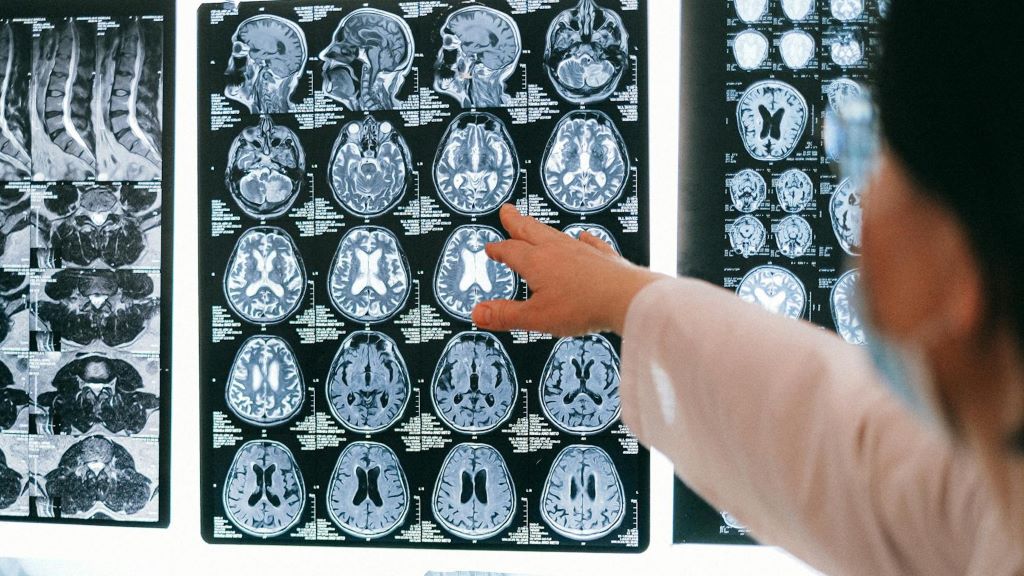
Idiopathic Intracranial Hypertension: The Role of Cerebral Venous Flow Revealed

Photo by Anna Shvets

Sometimes, doctors cannot find the cause of intracranial hypertension, a syndrome characterised by excess pressure inside the skull. Patients’ symptoms are effectively relieved by a procedure that dilates a vein in the brain… yet no one truly understands why. At the Paris Brain Institute, Stéphanie Lenck, Jean-Léon Thomas, and their colleagues have identified the mechanism behind this phenomenon. Their work, published in the journal Nature Neuroscience, sheds new light on the links between venous flow and the drainage of brain fluids, opening new therapeutic avenues.

Idiopathic intracranial hypertension (IIH) is a rare and poorly understood neurological disorder that affects 1 to 20 people per 100 000 – most often women of childbearing age. It is characterised by increased pressure inside the skull, in the absence of a tumour or any other identifiable cause. Patients typically present with a narrowing of the venous sinuses – large veins located in the dura mater, the fibrous membrane that envelops the brain and spinal cord – as well as poor circulation of brain fluids. 

Patients live with chronic headaches, often accompanied by visual disturbances, tinnitus, dizziness, and severely disabling cognitive difficulties. 

When intracranial pressure is so high that it damages the optic nerve, patients receive emergency treatment to preserve their sight. However, other symptoms—sleep disorders, attention difficulties, and chronic fatigue—are often overlooked, even though they profoundly affect quality of life, sometimes for years. We still do not know why these symptoms vary so much from one patient to another and do not always match abnormalities seen on MRI,” explains Stéphanie Lenck (AP-HP), an interventional neuroradiologist at the Pitié-Salpêtrière Hospital and a researcher at the Paris Brain Institute.

Understanding the mechanisms of the disease is therefore essential for refining diagnosis and improving patient care in the short, medium, and long term.

A Closer Look at Meningeal Lymphatic Vessels

One effective treatment for IIH involves dilating narrowed venous sinuses using a stent, a small mesh tube that restores blood flow and venous pressure in the brain. In most cases, after a brief adjustment period, intracranial pressure drops and symptoms subside. Yet the mechanism behind this improvement has remained unclear: what is the relationship between veins and intracranial hypertension? Why is this intervention so effective?

To find out more, Stéphanie Lenck, Jean-Léon Thomas, and their colleagues followed 16 female patients with IIH and 20 healthy female volunteers, all of whom underwent thorough MRI examinations. In parallel, the researchers developed and studied a mouse model with altered cerebral venous flow.

Their findings are unequivocal: the circulation of brain fluids, including cerebrospinal fluid, is closely dependent on blood flow in the venous sinuses.

The brain’s drainage and immune surveillance rely on a network of specialized vessels: the meningeal lymphatics. They line the perisinus, an anatomical space between the outer layer of the dura mater, which is attached to the skull, and the inner layer, which runs alongside the venous sinuses. These delicate, highly environment-dependent vessels only function when blood flow in the large dural veins is normal.

Jean-Léon ThomasYale University, Inserm

When the venous sinuses are narrowed, venous pressure rises upstream, and fluid circulation in the perisinus is impaired. Brain fluids accumulate, causing the brain and skull of patients to swell under pressure. In mice, the lymphatic vessels can regress until they disappear entirely. 

Because meningeal lymphatic vessels also regulate brain inflammation and immune surveillance, this regression is likely to have multiple consequences for the brain. These findings, therefore, open new avenues of research. 

Our findings could shed light on the mechanisms of sleep, a period during which the glymphatic system is activated. This waste-clearance system of the central nervous system is closely connected to the meningeal lymphatic vessels,” the researcher adds.

Draining the Brain: A Well-Oiled Machine

For the past decade, we have known that brain drainage and detoxification are partly driven by cerebrospinal fluid, which circulates through two complementary transport routes: the glymphatic system and the meningeal lymphatic vessels. This brain-cleansing system is activated during sleep, promoting a daily detoxification of the tissues. 

Essential for immune surveillance and the removal of waste, including toxic proteins, these two pathways could influence the course of several neurological conditions, such as neurodegenerative diseases, multiple sclerosis, and glioblastomas. A better understanding of how cerebral clearance works could therefore lead to new therapeutic approaches.

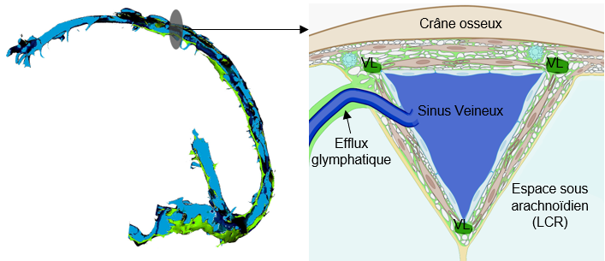
Dural venous sinuses. Left: general side view. Right: frontal section at the level of the superior sagittal sinus. The blood leaving the brain flows through the venous sinuses (in blue). These sinuses are surrounded by the perisinus, a thin region of the dura mater where small lymphatic vessels (LV) run. In this region, glymphatic fluid – responsible for clearing waste from the brain – drains before reaching the cervical lymph nodes via the lymphatic vessels.

Science, Health, and Prejudice

Idiopathic intracranial hypertension occurs mainly in obese or overweight women, following rapid weight gain. It is still unknown why. This uncertainty contributes to the stigmatization of patients, who are sometimes unfairly blamed for being responsible for their own illness. Such prejudice can lead to inadequate care, an underestimation of the severity of symptoms and a downplaying of patients’ complaints, who may then withdraw and develop depressive symptoms.

The disease remains largely underdiagnosed, probably because it is poorly understood. Too often, only the objective symptoms are considered, such as a cerebrospinal fluid leak or papilledema—that is, a swelling of the optic nerve. Yet IIH should be regarded as a neurological condition in its own right, one that has a major impact on brain function… and not as a mere collection of isolated symptoms. Patients describe their illness very well. Let us listen to them! They are highly committed and have contributed enormously to our team’s advances, notably through the AFHTIC patient association.

Stéphanie LenckInterventional neuroradiologist at the Pitié-Salpêtrière Hospital and a researcher at the Paris Brain Institute

There is probably a genetic predisposition to the disease, to which hormonal factors contribute. Moreover, in women, the meningeal lymphatic network is less developed than in men, making them more vulnerable to damage to these vessels. This may explain their over-representation in IIH – but also in other diseases, such as meningiomas.

But what link could there be between weight gain and the onset of intracranial hypertension? 

Lymphatic vessels play a key role in the transport of fats. In cases of excess weight, their function may be disrupted. There is a lead worth exploring here,” the researcher concludes.

Source: Paris Brain Institute

Some Blood Types May Have an Increased Risk of Mortality in Haemodialysis

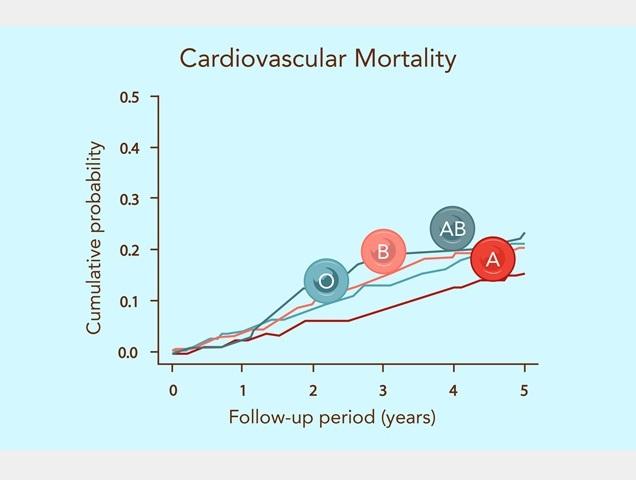
Cardiovascular mortality by blood type. Haemodialysis patients with blood type A were found to have lower risks of cardiovascular mortality. Credit: Osaka Metropolitan University

Few realise blood types could also be linked to disease risks. In the general population, people with blood type O have been reported to have a lower risk of cardiovascular disease and cardiovascular mortality. Other non-cardiovascular conditions are also associated with ABO blood types, such as certain cancers and infectious diseases. However, these numbers do not take into consideration the population of haemodialysis patients who face higher risks than the general population.

Cardiovascular disease is the leading cause of death among dialysis patients, but its relationship to blood type has often been overlooked. To address this, a research group, led by Dr Masafumi Kurajoh at Osaka Metropolitan University’s Graduate School of Medicine, conducted a large-scale prospective cohort study to examine whether the association between blood type and cardiovascular risk seen in the general population also exists in patients undergoing haemodialysis. The study included 1671 patients receiving haemodialysis at 17 medical facilities in Osaka Prefecture. Participants’ health was tracked for approximately five years, and the associations between ABO blood type and all-cause, cardiovascular, and non-cardiovascular mortality were analysed. 

By follow-up, 464 patients had died, including 278 from cardiovascular disease. The researchers found that patients with blood type A were associated with lower risks of both all-cause and cardiovascular mortality. In contrast, blood type was not associated with non-cardiovascular mortality, including deaths due to infections or malignancies.

“A particularly notable finding is that, while blood type O has been associated with lower cardiovascular risk in the general population, blood type A was associated with lower risk in dialysis patients,” said Dr Kurajoh. “These results suggest that cardiovascular disease may develop through different mechanisms in haemodialysis patients.”

More so, blood type O’s reputation of being at lower risk is partially due to lower plasma von Willebrand factor (VWF), a blood glycoprotein, and factor VIII, a blood-clotting protein. However, the result of blood type A dialysis patients having lower cardiovascular mortality risks shows that differences in VWF and factor VIII levels are unlikely to be the root cause.

“At present, our findings do not support changing treatment or prevention strategies based on blood type,” Dr Kurajoh added. “However, understanding why blood type A was associated with lower cardiovascular mortality may provide new insights into the mechanisms of cardiovascular disease in dialysis patients and help guide future preventive and therapeutic approaches.”

The findings were published in Kidney International Reports.

Source: Osaka Metropolitan University

Pregnancy Complications Linked to Long-term Risk of Peripheral Artery Disease

Study of over 2 million women finds an association between adverse pregnancy outcomes and an increased risk of PAD up to 46 years after delivery

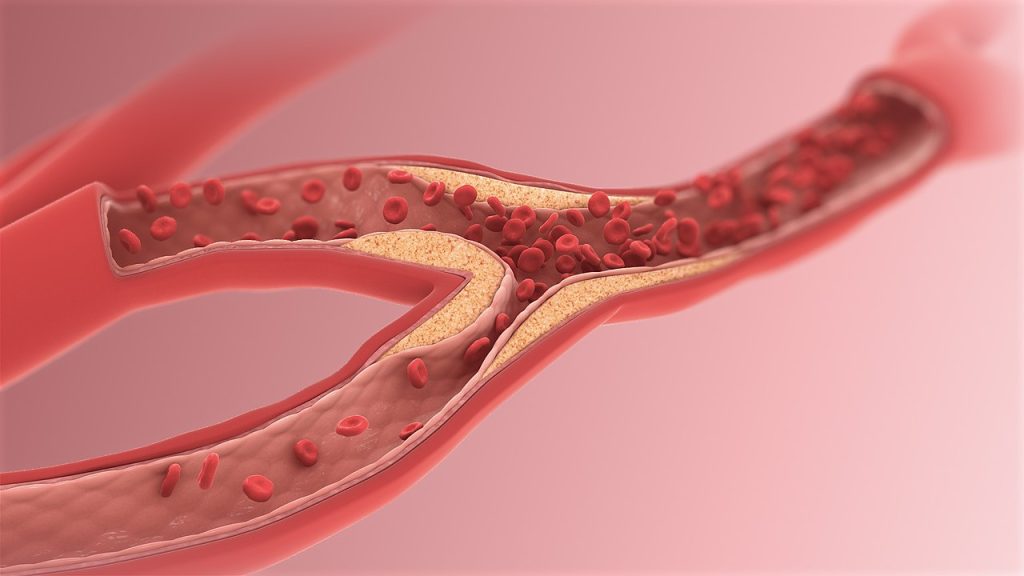
Image by Scientific Animations, CC4.0

Women who experience pregnancy complications such as gestational diabetes, preeclampsia, or preterm delivery have a significantly increased long-term risk of developing peripheral artery disease (PAD) later in life, according to a new study published July 21st in the open access journal PLOS Medicine by Casey Crump of the University of Texas, US, and colleagues.

PAD, a condition in which narrowed arteries reduce blood flow to the limbs, affects more than 230 million people worldwide and is a strong predictor of future stroke, ischaemic heart disease, and premature mortality. Adverse pregnancy outcomes have been identified as risk factors for other cardiovascular diseases, but their association with long-term PAD risk had not been well established.

In the new study, researchers analysed data from 2 201 446 women who had a singleton delivery in Sweden between 1973 and 2015, following them for PAD diagnoses from nationwide inpatient, outpatient, and primary care records through 2018. Five adverse pregnancy outcomes were examined: preterm delivery, small for gestational age, preeclampsia, other hypertensive disorders of pregnancy, and gestational diabetes.

In 54 million person-years of follow-up, 13 211 women (0.6%) were diagnosed with PAD, at a median age of 62. All five adverse pregnancy outcomes were independently associated with increased PAD risk. At 30–46 years after delivery, adjusted hazard ratios were highest for gestational diabetes (HR 3.83, 95% CI 3.20–4.59), followed by small for gestational age (HR 1.74, 95% CI 1.65–1.83), other hypertensive disorders (HR 1.61, 95% CI 1.21–2.15), preterm delivery (HR 1.58, 95% CI 1.48–1.70), and preeclampsia (HR 1.28, 95% CI 1.20–1.37). Women with multiple adverse pregnancy outcomes had further increases in risk. These findings were largely unexplained by shared familial factors in co-sibling analyses.

“Because this was a relatively young cohort, the risks of PAD following adverse pregnancy outcomes may be even higher as women reach older ages when PAD is more likely to manifest,” the authors write. “Women with pregnancy complications may warrant early cardiovascular risk assessment and long-term clinical follow-up given their higher subsequent risk of PAD.”

The authors add, “Pregnancy is a “natural stress test” that may reveal higher cardiovascular risks in early adulthood. In a population of > 2 million women, we found that all 5 major adverse pregnancy outcomes (preterm delivery, small for gestational age, preeclampsia, other hypertensive disorders, and gestational diabetes) are independently linked with higher risks of peripheral artery disease up to 46 years later. Women with pregnancy complications need early and long-term follow-up with their physician to reduce their lifetime risk of peripheral artery disease and other cardiovascular diseases.”

Provided by PLOS

Rethinking Success in Primary Healthcare

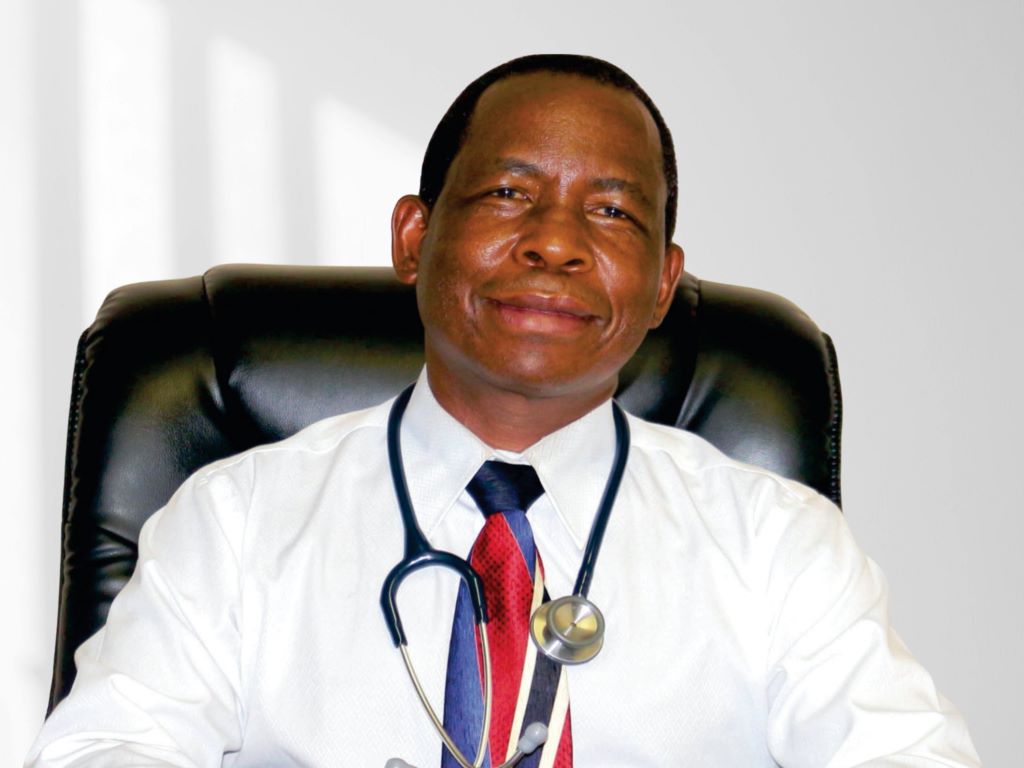
Dr David Sekete

The single greatest threat to South African primary healthcare isn’t a lack of resources or medical expertise – it’s how doctors are paid. That’s the consensus of a growing number of doctors, including Dr David Sekete, who has practised medicine in Katlehong for more than four decades. The traditional funding model, he argues, is systemically flawed, with consequences that ripple through every stage of a patient’s care.

“Many of the people I see live on modest incomes and struggle with the cost of care. Those covered by medical schemes face the same pressure from a different angle – benefits exhausted by mid-year, out-of-pocket costs remain high, and when cover runs out, GPs are left to choose between turning patients away or treating them at their own cost,” says Dr Sekete. “Over time, a doctor’s incentives and their patients’ interests drift apart. It is tempting to blame geography or poverty for these failures, but the barrier was never only location or scarcity. It is the payment model.”

In response, Dr Sekete restructured his practice entirely. Through The Value Care Team (TVCT), a programme powered by healthcare management company PPO Serve, he now receives a guaranteed, risk-adjusted monthly fee for every enrolled GEMS member, rather than billing for each consultation or procedure. Out-of-pocket costs fall away, patients can return throughout the year regardless of their benefits status, and the administrative burden of chasing schemes for payment is eliminated. The practice now operates as a single multidisciplinary facility, bringing together an optometrist, dentist, physiotherapist, psychologists, social workers, a mother-and-child unit, a dialysis centre, and on-site imaging and pathology under one roof.

This shift has fundamentally changed what the practice delivers, and nowhere is that more evident than in prevention. TVCT Care Coordinators follow up on diabetic, hypertensive and mental-health patients at home, educating entire families along the way. Weekly health talks cover diabetes, hypertension, and prostate and breast cancer; a mammography team visits monthly; and the wider team regularly takes its work into schools and churches across the community.

“Care stops being a series of emergencies and becomes something managed before it reaches crisis point,” says Lungile Kasapato, CEO of PPO Serve. “Patients who once arrived only when illness had become unavoidable now come in early, when problems are still simple and affordable to treat. This holistic approach creates a support system around the patient that simply does not exist in traditional fee-for-service models.”

The practice in Katlehong has since been awarded 100% accreditation by the Office of Health Standards Compliance, a rare achievement that proves value-based care can meet the highest quality standards. Yet adoption remains limited. Many GPs continue to favour fee-for-service, drawn by the prospect of higher individual billing, even as the system deteriorates around them: schemes cannot absorb rising claims, patients cannot afford increasingly expensive care, and healthcare moves further out of reach for ordinary South Africans.

“What Dr Sekete has built, proves that value-based care is not a theoretical ideal – it is a practical, replicable model that delivers better outcomes for patients, better sustainability for practitioners, and a more viable future for the sector,” says Kasapato. “Our ambition is to see this replicated in communities across the country.”

For GPs considering the transition, Dr Sekete is direct: get the foundations right first – a proper facility, the right staffing, a genuine multidisciplinary team, strong IT systems, and reliable laboratory and diagnostic support – then coordinate closely with the community. “What I want now is replication: pockets of excellence across the country, each one a working example others can build from. The only real question is whether the profession – and the system around it – is ready to adopt it.”