In Sub-Saharan Africa, more than 300 000 people are bitten by venomous snakes annually, 3000 of whom die – but with the underreporting that goes hand in hand with the lack of healthcare infrastructure, the real number could be as much as five times higher. Many more face amputations. Even if patients manage to make it to a clinic or hospital in time, there is no guarantee that there will be any anti-venom available to treat them. As a South African case study shows, just having antivenom in the right place is a problem even in Western Cape’s relatively well-developed healthcare system, with antivenom’s three-year shelf life and cold chain failures posing a major problem for rural healthcare centres.
But now, scientists have developed a new kind of antivenom that is effective for 17 different snake species, including mambas, cobras and a rinkhals. The study, published in Nature, makes use of a nanobody-based cocktail that targets common mechanisms across venoms – and which is also more effective at preventing the tissue damage that leads to amputations.
A huge obstacle to creating broad-spectrum antivenoms is the enormous diversity of venomous snakes and the complexity of their venoms – a single species’ venom may contain 100 toxins from multiple different protein families. Listen to our podcast to hear a deep dive into Africa’s snakebite burden and how the international team of researchers accomplished their feat:
In a tiny back room, with outdated instruments and no doctor in sight, a “hair transplant” begins. Weeks later, patients arrive at legitimate clinics with infections that won’t heal, patchy or missing hair, and permanent scarring – some even with necrotic tissue. This isn’t just happening abroad in countries like Turkey and Pakistan; South Africa has its own growing underground hair transplant industry: the so-called “dark clinics”.
These clinics operate everywhere. In mobile setups, or purely online. Many are run by unlicensed practitioners who are far from registered doctors. Many staff aren’t even legally allowed to work in the country. Regulation is patchy. Enforcement is almost impossible given that they operate for a few weeks and then disappear. And the people who pay the price? Everyday men and women desperate to fix hair loss but who are unable to afford quality and safety.
“Most people have no idea what they’re walking into when visiting one of these clinics,” says Dr Kashmal Kalan, Medical Director at Alvi Armani South Africa. “We see patients quite often who come to us after unsatisfactory or botched procedures. And yes, some cases are life-threatening. These clinics operate with no oversight, no hygiene protocols, and zero accountability.”
The harm isn’t just cosmetic. Rogue clinics routinely cut corners. Non-medical staff perform invasive procedures. Sterile instruments? Often non-existent. Infection control? Minimal. Follow-up care? None. Patients are sometimes rushed into procedures without proper consent, unaware of realistic outcomes or potential complications. What starts as a “cheap deal” can quickly spiral into months of medical interventions, emotional trauma, revision surgeries, and financial strain.
Dr Kalan explains the lure: “These clinics play on insecurity, urgency, and the desire for fast results. Social media and online payments make it easy for unqualified operators to reach people. Most patients don’t ask the hard questions. They only learn the truth when it’s too late. One patient described it as the worst mistake of his life – a promise of transformation that turned into months of pain, scarring, and regret.”
Hard truths: Red flags to watch out for
A legitimate clinic is open, accountable, and transparent. Dark clinics thrive on secrecy, pressure tactics, and the promise of cheap shortcuts. Patients must ask:
Is the surgeon fully qualified, licensed, and registered in South Africa?
Do they have a valid Health Professions Council of South Africa (HPCSA) license? Are they legally allowed to practice in South Africa?
Which technique will be used and why?
Follicular Unit Extraction (FUE), Follicular Unit Transplantation (FUT), Direct Hair Implantation (DHI) – what’s suitable for your hair type and hair-loss pattern?
How many grafts will I need, and what can I realistically expect?
Outcomes depend on donor area, hair quality, and pattern of hair loss.
What are the risks, and how are they managed?
Infection control, emergency protocols, and complication plans must be clear.
What aftercare is in place?
Who monitors healing? How frequent are follow-ups? Can you contact someone if there’s a problem?
Can I see genuine before-and-after photos?
Photos must be comparable, real, and relevant to your hair type.
Is the clinic accredited and registered with the relevant health authority?
The facility must be sterile, clean, and transparent.
Regulators such as the HPCSA and The South African Health Products Regulatory Authority (SAHPRA) try to police illegal clinics, but dark clinics operate under the radar – changing locations, staff, and online presence frequently, creating a perfect storm of vulnerability.
The only safe route: choose a qualified, certified, and accountable practitioner. Look for transparency, credentials, consultations, and thorough aftercare. Ask questions.
Dr Kalan warns: “Do your homework. Don’t chase the cheapest option. Cheap shortcuts in cosmetic procedures are rarely worth it. Your hair can be restored safely, but the damage from a dark clinic? That can scar you for life.”
The ratio of a person’s waist measurement compared to their height is more reliable than body mass index (BMI) at predicting heart disease risk, according to new research from UPMC and University of Pittsburgh physician-scientists.
This finding, published out now in The Lancet Regional Health—Americas, could reshape how clinicians and the public assess cardiovascular risk, especially for people who don’t meet the classic definition of obesity.
The team analysed data from 2721 adults who had participated in the Brazilian Longitudinal Study of Adult Health (ELSA-Brasil). The individuals had no cardiovascular disease at baseline and were followed for more than five years.
“Higher BMI, waist circumference and waist-to-height ratio at baseline were all associated with higher risk of developing future cardiovascular disease – until we adjusted for other classic risk factors, such as age, sex, smoking, exercise, diabetes, hypertension and cholesterol,” said lead author Thiago Bosco Mendes, clinical instructor of medicine at Pitt and obesity medicine fellow at UPMC. “When we did that, only waist-to-height ratio held as a predictor.”
Much of that predictive power is concentrated among individuals with a BMI under 30, which is below the classic threshold for obesity, who may not realise they are at risk for cardiovascular disease.
BMI doesn’t account for fat distribution or distinguish between harmful, visceral fat and protective, subcutaneous fat. By contrast, waist-to-height ratio (WHtR), calculated by dividing waist circumference by height, directly reflects central obesity, which is more closely linked to heart disease. That means that people with a BMI lower than 30, but a WHtR over 0.5, may be at higher risk of future coronary artery calcification, a key marker of cardiovascular disease, even in the absence of other risk factors.
“Using waist-to-height ratio as a cardiovascular screening tool could lead to earlier identification and intervention for at-risk patients who might otherwise be missed,” said senior author Marcio Bittencourt, associate professor of medicine at Pitt and cardiologist at UPMC. “It’s a simple and powerful way to spot heart disease risk early, even if a patient’s weight, cholesterol and blood pressure all seem normal.”
Study shows that resistance training outperforms endurance exercise in improving insulin sensitivity in obesity and Type 2 diabetes models.
Photo by Jonathan Borba on Unsplash
Running may help burn calories, but when it comes to preventing diabetes and obesity, pumping iron might have the edge, according to preclinical findings from Virginia Tech scientists at the Fralin Biomedical Research Institute at VTC.
The research, published in the Journal of Sport and Health Science, compared the effects of endurance and resistance exercise in mice fed a high-fat diet, a widely used model of obesity, hyperglycaemia, and Type 2 diabetes.
A team led by exercise medicine researcher Zhen Yan found that while both running and weightlifting helped the body clear excess sugar from the blood, resistance training was more effective in reducing subcutaneous and visceral fat, improving glucose tolerance, and lowering insulin resistance – key factors in preventing and managing diabetes.
“We all want to live a long, healthy life,” said Prof Yan, director of the Center for Exercise Medicine Research. “We all know the benefits of regular exercise. There is plenty of evidence in humans that both endurance exercise, such as running, and resistance exercise, such as weightlifting, are effective in promoting insulin sensitivity.”
But while both support metabolic function, a rigorous side-by-side comparison was lacking. Is one type of exercise better than the other?
What they did
To conduct the first direct, controlled comparison, members of the research team built something that had not previously existed: a mouse model of weightlifting.
In this model, mice lived in specially designed cages where food was accessed through a hinged, weighted lid. To eat, the mice had to lift the lid while wearing a small shoulder collar, causing a squat-like movement that engaged the muscle contractions people use during resistance exercise. The load was gradually increased over several days, mimicking progressive strength training.
For the endurance group, mice were given open access to a running wheel, an established model of aerobic exercise. Control groups included sedentary mice on either a normal or high-fat diet.
Over eight weeks, the researchers monitored weight gain, body composition, and fat distribution. They tested exercise capacity with treadmill runs, assessed heart and muscle function, and measured how well the mice regulated blood sugar. They also analyzed skeletal muscle tissue to study insulin signaling at the molecular level.
Using their novel model of resistance exercise, team members were able to directly compare how the two training styles affect obesity, blood glucose, and insulin sensitivity in a way that closely mirrors human exercise.
“Our data showed that both running and weightlifting reduce fat in the abdomen and under the skin and improve blood glucose maintenance with better insulin signaling in skeletal muscle,” Yan said. “Importantly, weightlifting outperforms running in these health benefits.”
Why this matters
Diabetes and obesity are major public health challenges, fuelled by sedentary lifestyles and high-fat diets. The findings underscore decades of clinical trials showing that endurance, resistance, and high-intensity interval training all reduce HbA1c while also lowering body mass index, blood pressure, and improving quality of life.
The new Virginia Tech study, which also involves collaborators from the University of Virginia, helps fill a critical gap by directly comparing voluntary running and weightlifting in a controlled, preclinical model of diet-induced obesity.
“The findings also bring good news for people who, for any number of reasons, cannot engage in endurance-type exercise,” Yan said. “Weight training has equal, if not better, anti-diabetes benefits.”
The researchers also saw changes in skeletal muscle signaling pathways that could inform new drug therapies for Type 2 diabetes.
Interestingly, the benefits of resistance training were not explained by changes in muscle mass or exercise performance, suggesting unique metabolic mechanisms at play.
Yan said the study underscores the idea that, while popular drug interventions like GLP-1 agonists can help with diabetes management and weight loss, they do not replace the unique, accessible, and comprehensive benefits of a well-balanced exercise programme.
“The take-home message is that you should do both endurance and resistance exercise, if possible, to get the most health benefit,” said Yan, who is also a professor in the Department of Human Nutrition, Foods, and Exercise in the College of Agriculture and Life Sciences at Virginia Tech.
The Supreme Court of Appeal (SCA) handed down its judgment on 16 October 2025 in the case of Itokolle-Clinix Private Hospital (Pty) Ltd v MNT obo DORM (863/2024) [2025] ZASCA 153. This judgment should serve as a caution for defendants when faced with a Calderbank offer.
The plaintiff, in the High Court, acting in her personal capacity and on behalf of her daughter (D), proved liability on the part of both Itokolle-Clinix Private Hospital (the Hospital) and a specialist obstetrician and gynaecologist, Dr Kofi Ofori Amanfo (Dr Ofori). The claim arose from her daughter being born with cerebral palsy. Both the Hospital and Dr Ofori were found by the High Court to have been negligent and that their negligence was the cause of the harm suffered by D and the plaintiff. The Hospital and Dr Ofori were found jointly and severally liable for 100% of the plaintiff’s proven damages.
A Calderbank offer is a ‘without prejudice’ offer made by a plaintiff to a defendant to save costs, and to rely on such an offer, once judgment is granted in the plaintiff’s favour, in support of claiming indemnifying or ‘punitive’ costs.
Its name comes from the English Court of Appeal’s judgment in the case of Calderbank v Calderbank [1975] 3 All ER 333 (EWCA), where it was held that there was no reason, in principle, why informal offers made outside the formal court rules could not be relied on.
Calderbank offers are approved and applied in our courts.
The High Court awarded costs on the High Court scale as between party and party to the plaintiff. The plaintiff applied to the High Court to have the costs order reconsidered, as she made a Calderbank offer before trial, indicating a willingness to settle if the defendants admitted liability for 85% of her proven damages. The offer was rejected, and the Hospital made two unacceptable counteroffers. The plaintiff therefore applied for an order awarding the plaintiff a portion of her costs up to a certain date as between party and party and the remaining costs, including those of the reconsideration application, as between attorney and own client. The High Court ordered the Hospital and Dr Ofori to pay these costs sought.
The Hospital appealed against the judgment of the High Court and against the reconsidered order for costs.
The appeal was dismissed.
Why was the plaintiff successful on the issue of costs?
A Calderbank offer made by a plaintiff to settle a matter is recognised in the same way as a formal offer made by a defendant to settle a matter in terms of the court rules. A defendant, faced with a Calderbank offer, who fails to act reasonably in rejecting the offer, is at risk of being liable to indemnify a plaintiff in respect of all legal costs incurred, or pay more than the much reduced and limited party and party costs, from the date of the Calderbank offer.
A successful Calderbank offer is, however, not an automatic entitlement to recover more costs than those ordinarily recoverable. The plaintiff made a Calderbank offer to the Hospital and Dr Ofori that was more generous to them than the order made by the High Court. To succeed in recovering the attorney-and-own client costs claimed, the plaintiff had to prove that the defendants unreasonably rejected her Calderbank offer.
The factors considered by a court when deciding whether a defendant’s conduct was unreasonable depend on the facts of each case, and a consistently applied starting point is the public interest. It is in the public interest not to waste public resources on litigation that could be avoided by settlement.
On appeal, the Hospital argued that it was reasonable to reject the Calderbank offer. It submitted that its counteroffers of 20% and 50% liability, respectively, were reasonable.
In finding that the conduct of the Hospital was unreasonable, the High Court pointed to the extent of the information available to the Hospital at the time the Calderbank offer was made that, in the circumstances, ought to have alerted the Hospital to the high risk it was taking in continuing with its defence of the case.
In deciding whether to award attorney-and-own client costs, the High Court considered the plaintiff’s financial position in comparison to the Hospital’s, noting that an order for anything less would result in the capital amount awarded as damages being significantly eroded by the portion of the costs borne by the plaintiff. The High Court concluded that the costs order sought by the plaintiff was justified because its purpose was to ‘indemnify’ her in respect of costs unjustly incurred because of the unreasonable rejection of the Calderbank offer.
On appeal, the High Court was found to have exercised its discretion judicially in making the reconsidered order for costs and, as a result, there was no basis upon which to interfere with the High Court’s discretion.
As the cost implications of prolonged litigation have become exorbitant, the risk of paying ‘punitive’ costs should be a strong motivator for a defendant to properly assess its case and the risks inherent in defending it to trial, and give serious consideration to a Calderbank offer made, before forcing a plaintiff into unnecessary or protracted litigation.
Researchers find that zeaxanthin, best known for protecting vision, can also strengthen the cancer-fighting activity of immune cells.
Zeaxanthin is a carotenoid, a type of yellow-orange pigment found in plants. It is found in food such as yellow peppers and maize. Photo by Daniel Dan on Unsplash
In a new study, researchers from the University of Chicago discovered that zeaxanthin, a plant-derived carotenoid best known for protecting vision, may also act as an immune-boosting compound by strengthening the cancer-fighting activity of immune cells. The findings, which were published in Cell Reports Medicine, highlight the potential of zeaxanthin as a widely available supplement to improve the effectiveness of cancer immunotherapies.
“We were surprised to find that zeaxanthin, already known for its role in eye health, has a completely new function in boosting anti-tumour immunity,” said Jing Chen, PhD, Professor of Medicine and senior author of the study. “Our study show that a simple dietary nutrient could complement and strengthen advanced cancer treatments like immunotherapy.”
How does this nutrient work?
The study builds on years of work by Chen’s lab to better understand how nutrients influence the immune system. By screening a large blood nutrient library, the team identified zeaxanthin as a compound that directly enhances the activity of CD8+ T cells, a crucial type of immune cell that kills tumour cells. These cells rely on a molecular structure called the T-cell receptor (TCR) to recognise and destroy abnormal cells.
The researchers found that zeaxanthin stabilizes and strengthens the formation of TCR complex on CD8+ T cells upon interacting with the cancer cells. This, in turn, triggers more robust intracellular signaling that boosts T-cell activation, cytokine production, and tumour-killing capacity.
Zeaxanthin improves immunotherapy effects
In mouse models, dietary supplementation with zeaxanthin slowed tumour growth. Importantly, when combined with immune checkpoint inhibitors – a type of immunotherapy that has transformed cancer treatment in recent years – zeaxanthin significantly enhanced anti-tumour effects compared to immunotherapy alone.
With more research, we may discover natural compounds that make today’s cancer therapies more effective and accessible.
Jing Chen, PhD
To extend the findings, the researchers tested human T cells engineered to recognise specific tumour antigens and found that zeaxanthin treatment improved these cells’ ability to kill melanoma, multiple myeloma, and glioblastoma cells in laboratory experiments.
“Our data show that zeaxanthin improves both natural and engineered T-cell responses, which suggests high translational potential for patients undergoing immunotherapies,” Chen said.
A safe and accessible candidate
Zeaxanthin is sold as an over-the-counter supplement for eye health, and is naturally found in vegetables like orange peppers, spinach, and kale. It’s inexpensive, widely available, well-tolerated and, most importantly, its safety profile is known – which means it can be safely tested as an adjunct to cancer therapies.
The study also reinforces the importance of a balanced diet. In their previous research, Chen’s group discovered that trans-vaccenic acid (TVA), a fatty acid derived from dairy and meat, also boosts T-cell activity – but through a different mechanism. Together, the findings suggest that nutrients from both plant and animal sources may provide complementary benefits to immune health.
Clinical applications of zeaxanthin
Although the results are promising, the researchers stress that the work is still at an early stage. Most of the findings come from laboratory experiments and animal studies. Thus, clinical trials will be needed to determine whether zeaxanthin supplements can improve outcomes for cancer patients.
“Our findings open a new field of nutritional immunology that looks at how specific dietary components interact with the immune system at the molecular level,” Chen said. “With more research, we may discover natural compounds that make today’s cancer therapies more effective and accessible.”
This new technology offers people with diabetes two-hour and overnight predictive notifications
The Accu-Chek SmartGuide® continuous glucose monitoring (CGM) solution provides 14 days accuratereal-time glucose values for adults living with diabetes1
Artificial intelligence (AI)-enabled algorithms can predict glucose levels up to two hours ahead and overnight, empowering users to take action before a glucose excursion occurs2 proactively
Over 4.2 million people living with diabetes were recorded in 2024, in South Africa people living with diabetes could benefit from the Accu-Chek SmartGuide® CGM solution 3
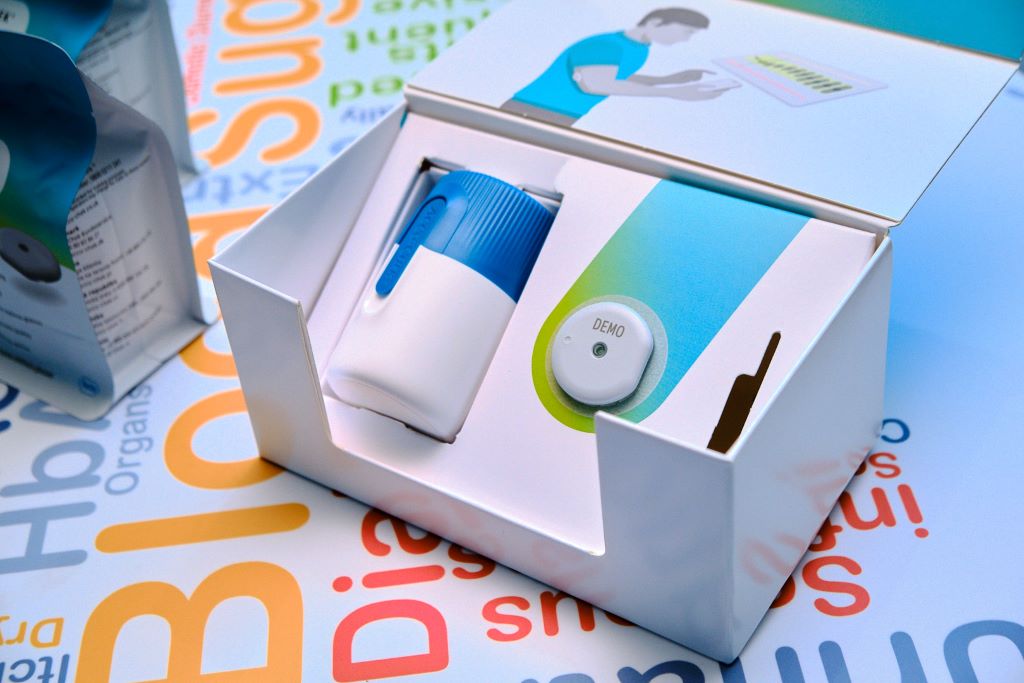
Johannesburg, 4 November 2025 – Roche (SIX: RO, ROG; OTCQX: RHHBY) announced today that its Accu-Chek® SmartGuide continuous glucose monitoring (CGM) solution is now available in South Africa. This significant milestone means that people living with diabetes over the age of 18 can now benefit from the solution’s enhanced glucose monitoring and artificial intelligence (AI)-enabled predictive insights1,2.
Diabetes is one of today’s most urgent healthcare challenges. In South Africa, 4.2 million people are living with the condition as of 2024 3. If left unmanaged, diabetes can lead to secondary complications including cardiovascular disease, kidney disease, nerve damage, blindness, lower limb amputation and mental health issues4. In a study conducted by GWI in partnership with Roche, 58% of people living with diabetes stated that they feel a mental burden associated with managing their diabetes.
Since it was introduced, CGM technology has significantly improved diabetes care5, yet a significant number of people still have difficulty keeping their glucose in the right range when using current systems.6 Hypoglycaemia is common amongst persons who have type 1 diabetes, with an annual incidence of severe hypoglycemia ranging from 3.3% to 13.5%.7
“The Accu-Chek SmartGuide CGM solution is a significant step towards providing greater peace of mind for people living with diabetes, due to the AI-enabled predictive capabilities it offers. This empowers patients to take action before undesired events occur,” said Merilynn Steenkamp, General Manager, Southern Africa, Roche Diagnostics.“Our new Accu-Chek SmartGuide® CGM solution puts the power of prediction into the hands of people living with diabetes with its integrated AI-enabled algorithms that predict glucose levels for the next 2 hours as well as imminent and nocturnal hypoglycaemia. People with diabetes should have the freedom to plan the day ahead and get a good night’s sleep at the end of it all.”
Nighttime hypoglycaemia can present a particular challenge for people with diabetes. Approximately 2-5% of deaths in people with type 1 diabetes under the age of 40 are due to episodes of very low glucose during the night8,9. The unpleasant symptoms and negative consequences of hypoglycaemia can result in actual fear of hypoglycaemia with possible significant implications for the diabetes management, metabolic control and subsequent health outcomes.10
The Accu-Chek SmartGuide® CGM solution uses AI-enabled algorithms to predict where an individual’s glucose levels are likely headed in the next 30 minutes, 2 hours, and even overnight. This means people with diabetes can move from a reactive to a proactive approach to their daily management, preparing for and managing potential episodes in advance, rather than waiting for alerts when they happen.
The Accu-Chek SmartGuide® CGM solution includes a wireless, water-resistant sensor, worn on the back of the upper arm, and the apps where the users can see their current glucose levels and their future glucose development through predictive analytics. Every five minutes, the sensor sends glucose values measured in real-time to the Accu-Chek SmartGuide app. The Accu-Chek SmartGuide® predict app then uses those glucose values and other optional information entered by the user such as food intake and insulin doses to detect patterns and predict future glucose levels. Supported by AI-trained algorithms, it provides key predictions of likely hypoglycaemia within 30 minutes as well as general estimated predictions of glucose levels within 2 hours and during a defined 7-hours nighttime period.11
Clinical studies have demonstrated the new Roche CGM solution’s high system accuracy, with an overall mean absolute relative difference (MARD) of 9.2% and 99.8% of measured glucose values falling within zones A and B on the Parkes Error Grid.1, 12 The evaluation of the predictive capabilities showed that all advanced predictive features exceeded high performance requirements as e.g. accuracy, sensitivity and specificity.13
Roche is committed to bringing improved and proactive relief to diabetes management across South Africa with the immediate availability of the Accu-Chek SmartGuide® CGM solution.
About the Accu-Chek SmartGuide® CGM solution
Accu-Chek SmartGuide® is a continuous glucose monitoring (CGM) solution developed by Roche providing accurate1 real-time glucose readings and AI-enabled predictions for different timeframes7. The solution includes three elements: the Accu-Chek SmartGuide® CGM sensor, the Accu-Chek SmartGuide® App and the Accu-Chek SmartGuide® Predict App. With an all-in-one applicator and 14-day wear time, Accu-Chek SmartGuide® is designed for people living with diabetes, 18 years of age and older. It aims at empowering people living with diabetes to be prepared for the future development of glucose levels and take preventive action by making the appropriate therapy adjustments in good time.
The Accu-Chek SmartGuide® CGM solution can be seamlessly integrated with the Accu-Chek® Care platform, offering healthcare professionals (HCPs) access to comprehensive and accurate1 therapy-relevant data provided by the CGM solution. This integration allows HCPs to analyse together with their patients how lifestyle and therapy impact their glucose levels and make more informed decisions.
About Roche
Founded in 1896 in Basel, Switzerland, as one of the first industrial manufacturers of branded medicines, Roche has grown into the world’s largest biotechnology company and the global leader in in-vitro diagnostics. The company pursues scientific excellence to discover and develop medicines and diagnostics for improving and saving the lives of people around the world. We are a pioneer in personalised healthcare and want to further transform how healthcare is delivered to have an even greater impact. To provide the best care for each person we partner with many stakeholders and combine our strengths in Diagnostics and Pharma with data insights from the clinical practice.
For over 125 years, sustainability has been an integral part of Roche’s business. As a science-driven company, our greatest contribution to society is developing innovative medicines and diagnostics that help people live healthier lives. Roche is committed to the Science Based Targets initiative and the Sustainable Markets Initiative to achieve net zero by 2045.
Genentech, in the United States, is a wholly owned member of the Roche Group. Roche is the majority shareholder in Chugai Pharmaceutical, Japan.
All trademarks used or mentioned in this release are protected by law.
References [1] Mader, J. K., Waldenmaier, D., Mueller-Hoffmann, W., Mueller, K., Angstmann, M., Vogt, G., Rieger, C. C., Eichenlaub, M., Forst, T., & Freckmann, G. (2024). Performance of a Novel Continuous Glucose Monitoring Device in People With Diabetes. Journal of diabetes science and technology, 18(5), 1044–1051. https://doi.org/10.1177/19322968241267774
[2] Simulation study, Data on file, Roche Diabetes Care GmbH, 2025.
[3] Ngassa Piotie P, Rheeder P. UP Expert Opinion: South Africa has more than 4 million people living with diabetes – many aren’t getting proper treatment. University of Pretoria Diabetes Research Centre News. 2024 Mar 11 [cited 2025 Oct 8]. Available from: https://www.up.ac.za/diabetes-research-centre/news/post_3214595-up-expert-opinion-south africa-has-more-than-4-million-people-living-with-diabetes-many-arent-getting-proper-treatment
[4] Tomic D, Shaw JE, Magliano DJ. The burden and risks of emerging complications of diabetes mellitus. Nat Rev Endocrinol. 2022 Sep;18(9):525-539. doi: 10.1038/s41574-022-00690-7. Epub 2022 Jun 6. PMID: 35668219; PMCID: PMC9169030.
[6] DeSalvo DJ, et al., Journal of Diabetes Science and Technology. 2023;17(2):322-328.
[7] Nakhleh A, Shehadeh N. Hypoglycemia in diabetes: An update on pathophysiology, treatment, and prevention. World J Diabetes. 2021 Dec 15;12(12):2036-2049. doi: 10.4239/wjd.v12.i12.2036. PMID: 35047118; PMCID: PMC8696639.
[8] Secrest AM et al. Characterizing sudden death and dead in bed syndrome in Type 1 diabetes: analysis from two childhood onset Type 1 diabetes registries. Diabet. Med. 2011. 28, 293–300.
[9] Jones J et al. Dead in bed – A systematic review of overnight deaths in type 1 diabetes. Diabetes Res Clin Pract. 2022. 191:110042.
[10] Wild, Diane et al. “A critical review of the literature on fear of hypoglycemia in diabetes: Implications for diabetes management and patient education.” Patient education and counseling vol. 68,1 (2007): 10-5. doi:10.1016/j.pec.2007.05.003
[12] Parkes Error Grid – a tool to evaluate the accuracy of glucose monitoring systems (BGM and CGM).
[13] Herrero, P., Andorrà, M., Babion, N., Bos, H., Koehler, M., Klopfenstein, Y., Leppäaho, E., Lustenberger, P., Peak, A., Ringemann, C., & Glatzer, T. (2024). Enhancing the Capabilities of Continuous Glucose Monitoring With a Predictive App. Journal of diabetes science and technology, 18(5), 1014–1026. https://doi.org/10.1177/19322968241267818.
A new breakthrough in a rare genetic disease which causes children to age rapidly has been discovered using ‘longevity genes’ found in people who live exceptionally long lives – over 100 years old. The research, by the University of Bristol and IRCCS MultiMedica, found these genes which helps keep the heart and blood vessels healthy during ageing could reverse the damage caused by this life-limiting disease.
This is the first study, published in Signal Transduction and Targeted Therapy, to show that a gene from long-lived people can slow down heart ageing in a progeria model. Also known as Hutchinson-Gilford Progeria Syndrome (HGPS), Progeria is a rare, fatal genetic condition of “rapid-ageing” in children.
HGPS is caused by a mutation in the LMNA gene, which leads to the production of a toxic protein called progerin. Most affected individuals die in their teens due to heart problems, although a few, like Sammy Basso, the oldest known person with progeria, have lived longer. Sadly, late last year (24 October) at the age of 28 Sammy passed away.
Progerin damages cells by disrupting the structure of their nucleus leading to early signs of ageing, especially in the heart and blood vessels.
Currently, the only United States Food and Drug Administration (FDA)-approved treatment is a drug called lonafarnib, which helps reduce the build-up of progerin. A newer clinical trial is now testing lonafarnib in combination with another drug called Progerinin to see if the combination works better.
In this study, researchers from Bristol Heart Institute, Dr Yan Qiu and Professor Paolo Madeddu, in collaboration with Professor Annibale Puca’s team at IRCCS MultiMedica in Italy, sought to explore whether genes from supercentenarians could help protect children with Progeria from the damaging effects of progerin.
The team focused on a ‘longevity gene’ found in centenarians, called LAV-BPIFB4. Previous research has showed that this gene helps keep the heart and blood vessels healthy during ageing.
Using mouse models genetically engineered to have Progeria, the research team were able to show early heart problems like those seen in children with the disease. The team found that a single injection of the longevity gene helped to improve heart function, specifically diastolic function.
It reduced heart tissue fibrosis and decreased the number of ‘aged’ cells in the heart. The gene also boosted the growth of new small blood vessels, which could help keep heart tissue healthy.
The team then tested the effect of the longevity gene in human cells from Progeria patients. Their findings showed adding the longevity gene to these cells reduced signs of ageing and fibrosis, without changing progerin levels directly. This suggests the gene helps protect cells from the effects of progerin, rather than removing it. Importantly, the treatment doesn’t try to eliminate progerin but instead helps the body cope with its toxic effects.
Dr Yan Qiu, Honorary Research Fellow in the Bristol Heart Institute at the University of Bristol, said: “Our research has identified a protective effect of a “supercentenarian longevity gene” against progeria heart dysfunction in both animal and cell models.
“The results offer hope to a new type of therapy for Progeria; one based on the natural biology of healthy ageing rather than blocking the faulty protein. This approach, in time, could also help fight normal age-related heart disease.
“Our research brings new hope in the fight against Progeria and suggests the genetics of supercentenarians could lead to new treatments for premature or accelerated cardiac ageing, which might help us all live longer, healthier lives.”
Professor Annibale Puca, Research Group Leader at IRCCS MultiMedica and Dean of the Faculty of Medicine at the University of Salerno, added: “This is the first study to indicate that a longevity-associated gene can counteract the cardiovascular damage caused by progeria.
“The results pave the way for new treatment strategies for this rare disease, which urgently requires innovative cardiovascular drugs capable of improving both long-term survival and patient quality of life. Looking ahead, the administration of the LAV-BPIFB4 gene through gene therapy could be replaced and/or complemented by new protein- or RNA-based delivery methods.
“We are currently conducting numerous studies to investigate the potential of LAV-BPIFB4 in counteracting the deterioration of the cardiovascular and immune systems in various pathological conditions, with the goal of translating these experimental findings into a new biologic drug.”
Radiotherapy can be safely omitted as a treatment for many breast cancer patients who have had a mastectomy and are taking anti-cancer drugs, as shown in a study published in the New England Journal of Medicine. An international trial found that patients with early-stage breast cancer who underwent a mastectomy had similar 10-year survival rates whether or not they received radiotherapy.
Experts say the findings should help guide treatment discussions, as many patients who currently qualify for radiotherapy after mastectomy under existing guidelines may not actually need it.
Outdated practice
For many patients with early-stage breast cancer treated by mastectomy and anti-cancer drugs, chest wall radiotherapy has long been standard to kill any remaining cancer cells and lower the risk of recurrence.
The practice is based on trials from the 1980s, now considered outdated, leaving uncertainty about its benefit and leading to variation in use worldwide.
The SUPREMO trial (Selective Use of Postoperative Radiotherapy after Mastectomy), led by the University of Edinburgh, studied the impact of chest wall radiotherapy in patients at intermediate risk of breast cancer returning.
International trial
The group included women from 17 countries with one to three affected lymph nodes, as well as those with none but who had other tumour features of aggressive behaviour that increase the chance of recurrence.
All 1607 patients in the study underwent mastectomy, axillary surgery – removing lymph nodes from the armpit – and modern anti-cancer therapy. They were randomly assigned to chest wall radiotherapy (808 women) or no radiotherapy (799).
Little benefit
There was no difference in overall survival of patients after ten years of follow up – 81.4% of those who received radiotherapy were still alive, compared with 81.9% of those who did not.
Radiotherapy also had no impact on disease-free survival – the length of time without any cancer returning – or on the cancer spreading from the breast around the body, the study found.
Radiotherapy had minimal impact on cancer recurring at the site of mastectomy. Nine patients who received the treatment saw their breast cancer return on the chest wall, compared with 20 who did not. Side effects from radiotherapy were mild with no excess deaths reported from cardiac causes.
Improved drugs
Experts attribute radiotherapy providing less benefit than previously thought to progressive improvements in treatment, particularly better drug treatments, which continue to reduce the chances of the cancer returning, and boost survival rates.
The research team caution that the study only looked at those with intermediate-risk breast cancer. Patients with a higher risk of their cancer returning could possibly benefit from chest wall radiotherapy, they add.
The SUPREMO trial provides no evidence to support the continued use of radiotherapy to the area of the chest wall in most patients with intermediate-risk breast cancer who have undergone a mastectomy if they are also treated with modern anti-cancer drug treatment.
Professor Ian Kunkler Institute of Genetics and Cancer, University of Edinburgh
Although reported toxicity in the trial was mild, we know that almost all patients experience some side effects of radiotherapy, that can even develop even some years after treatment. Avoiding unnecessary irradiation will reduce both treatment burden and, for example, the detrimental effects on breast reconstruction for these mastectomy patients.
Dr Nicola Russell Netherlands Cancer Institute and study coordinator on behalf of the EORTC
The international research team included scientists from the UK, Netherlands, Australia and China.
Technique may be a valuable add-on procedure for patients with weak heart function after a heart attack, say researchers
Right side heart failure. Credit: Scientific Animations CC4.0
Patients with weak heart function who receive stem cell therapy shortly after a heart attack are at lower risk of developing heart failure and related hospital stays compared with standard care, finds a clinical trial published by The BMJ.
The researchers say the findings suggest this technique may be a valuable add-on procedure for this particular group of patients after a heart attack to prevent subsequent heart failure and reduce the risk of future adverse events.
Advances in heart attack management have improved survival rates considerably, but this has also led to rising rates of subsequent heart failure. While recent studies have indicated that stem cell therapy may reduce rates of heart failure after a heart attack, clinical trials are needed to confirm these benefits.
To address this gap, the researchers set out to assess the impact of delivering stem cells directly into coronary arteries (known as intracoronary infusion) after a heart attack on the development of heart failure over three years.
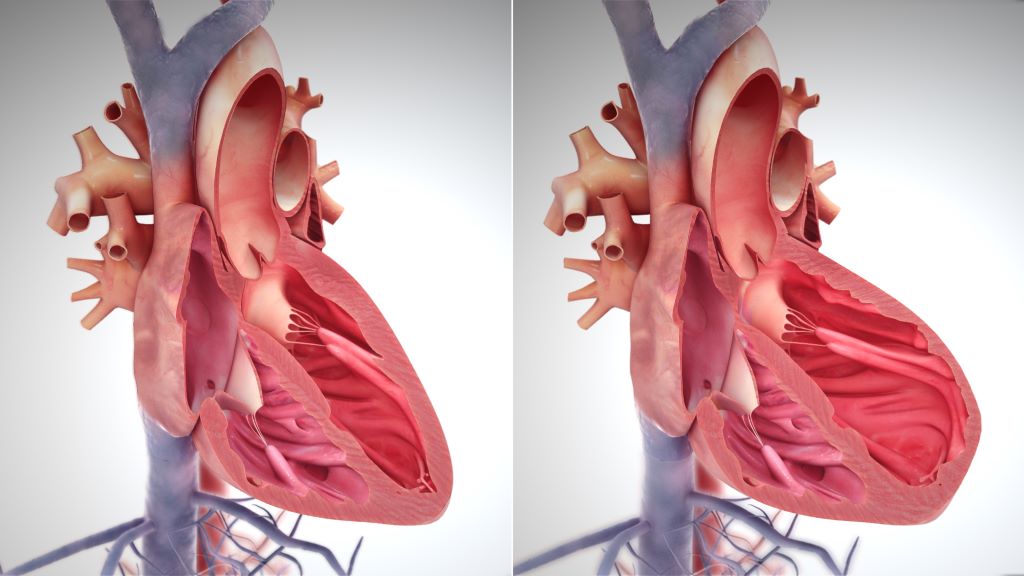
Their findings are based on 396 patients (average age 57-59 years) with no previous heart conditions at three teaching hospitals in Iran. They had all experienced a first heart attack (myocardial infarction) leading to extensive heart muscle damage and weakened heart function – where the left ventricle, the heart’s main pumping chamber, is too weak to pump blood out to the body as effectively as it should.
Of these, 136 patients in the intervention group received an intracoronary infusion of allogenic Wharton’s jelly derived mesenchymal stem cells within 3-7 days of their heart attack in addition to standard care. The remaining 260 control group patients received standard care alone.
Factors such as age, sex, baseline heart function, smoking status, obesity, existing high blood pressure, diabetes, or kidney problems were taken into account, and patients were monitored for an average of 33 months.
Compared with the control group, intracoronary infusion of stem cells was associated with reduced rates of heart failure (2.77 vs 6.48 per 100 person years), readmission to hospital for heart failure (0.92 vs 4.20 per 100 person years), and a combined measure of cardiovascular death and readmission for heart attack or heart failure (2.8 vs 7.16 per 100 person years).
The intervention did not have a statistically significant effect on readmission to hospital for heart attack (1.23 vs 3.06 per 100 person years), death from any cause (1.81 vs 1.66 per 100 person years), or cardiovascular death (0.91 vs 1.33 per 100 person-years).
However, by six months heart function in the intervention group showed a significantly greater improvement from baseline at six months compared with the control group.
This was a large trial with long term follow-up and clinically meaningful outcome measures, but the researchers acknowledge several limitations to their findings. These include the inability to do a sham procedure for the control group, which would have allowed for a double blinded study design instead of a single blinded format. Nor did they assess heart failure biomarkers or investigate the physiological effects of the intervention on heart tissue.
Nevertheless, they say these results suggest that this technique “may serve as a valuable adjunctive procedure after myocardial infarction to prevent the development of heart failure and reduce the risk of future adverse events.”
Additional trials confirming this finding are needed as well as further research “to explore the underlying mechanisms of mesenchymal stem cells therapy and to optimise its application in clinical practice,” they add.