Tag: diabetes prevention

The Cost of Inaction: Why South Africa Cannot Afford to Ignore the Diabetes Crisis

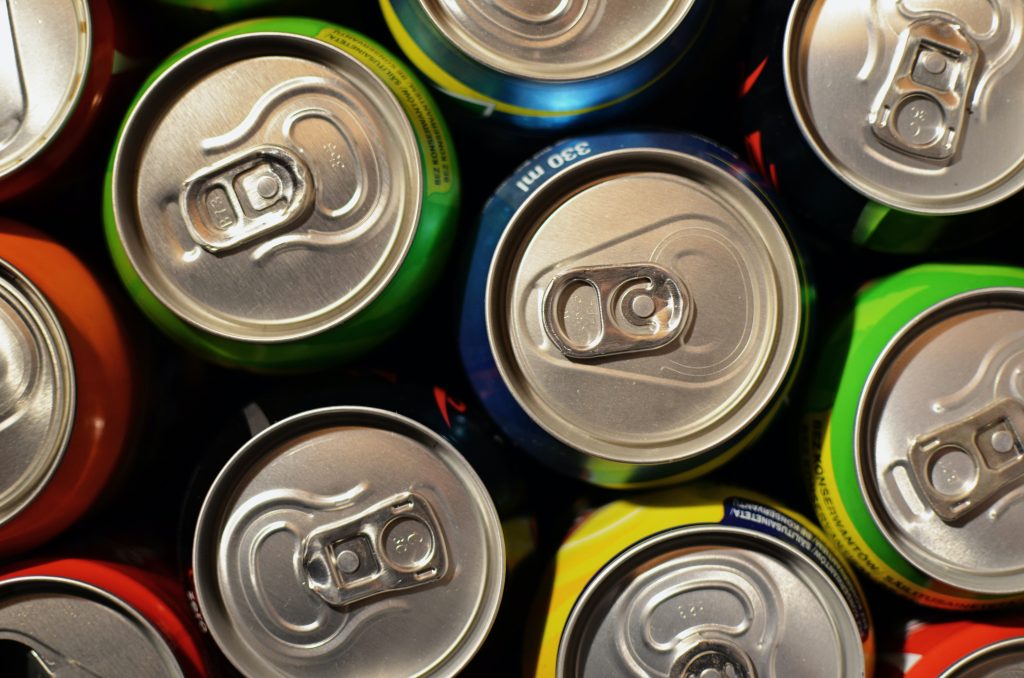
Photo by Breakingpic on Pexels

Johannesburg, 11 November 2025: As we approach World Diabetes Day on November 14, civil society organisations warn that the cost of inaction on non-communicable diseases (NCDs) such as diabetes is already being paid for in lives, livelihoods and lost potential. The Healthy Living Alliance (HEALA) is calling on the South African government to increase the Health Promotion Levy (HPL) on sugary drinks from 11% to 20%, to help curb sugary drinks consumption and reduce the financial burden on the health system from rising non-communicable diseases.

“Diabetes is now the second leading cause of death in South Africa,1 yet every year we allow preventable diseases to claim more lives,” says Nzama Mbalati, CEO of HEALA. “Raising the Health Promotion Levy is one of the simplest, most effective steps government can take to protect people’s health, especially children, who are consuming sugar at dangerous levels.”

Since the introduction of the HPL in 2018, beverage companies have reduced the sugar content of their drinks, leading to cuts in average per-capita sugar consumption. But the gains have stalled. HEALA and its partners warn that without further cuts in consumption, the policy’s impact will fade, while rates of diabetes will continue to climb.

South Africa’s obesity rate is already twice the global average, and even one sugary drink a week raises a child’s risk of obesity and diabetes.2,3 One in four diabetes cases in the country is caused by sugary drink consumption.4 These numbers are not just statistics; they represent real people and families forced to navigate lifelong illness and financial hardship.

The economic toll is equally alarming. Treating obesity related conditions such as diabetes already costs South Africa more than R33 billion each year or about 15% of total government health spending.5 Modelling by PRICELESS SA (University of the Witwatersrand) shows that increasing the levy to 20% could save approximately 72 000 lives and prevent 85 000 strokes over two decades while easing the fiscal pressure on a health system already stretched beyond capacity.5

HEALA’s new national campaign, which launched in November, brings this message to the fore in two phases. The first calls for stronger health taxes across sugary drinks, alcohol and tobacco, continuing South Africa’s proven track record of using taxation to advance public health. The second sharpens focus on raising the HPL, calling for its increase as part of a consistent, evidence-based approach to protecting lives.

Through personal stories of South Africans living with diabetes, the campaign reveals the real cost of inaction and unites civil society under the banner #OneVoice, calling on government to put public health before profit.

Alphinah Setumo, a 52-year-old mother from Mathibestad, lost both her legs and her eyesight after years of consuming sugary drinks without understanding the risks. “Back then, drinking two litres of a sugary drink a day was nothing,” she recalls. “If I had known what I know now, my life would be different.”

Mpho Thebe, a maths and science tutor from Kroonstad, tells a similar story. Once a daily consumer of fizzy drinks, he lost his left leg to diabetes at 45. Today, he walks with a prosthetic leg and teaches children about perseverance and prevention. “I thought sugar was harmless,” he says. “Now I know it can take everything from you.”

These stories mirror thousands of others across the country, where diabetes silently devastates families, especially in low-income communities where affordable, healthy food and clean water remain scarce.

The campaign, supported by actress and mother Samela Tyelbooi, urges government to act. “As a parent, I worry about how sugar can make my kids sick,” says Tyelbooi. “We need government to increase the HPL, protect our children’s future, and stop putting profit before people.”

HEALA’s coalition partners, including health advocates, researchers and civil society organisations, are speaking with one voice ahead of the Medium-Term Budget Policy Statement and the 2026 Budget Speech. Their collective message is clear: the HPL is not just another tax, it’s a health tax, like those on alcohol and tobacco, designed to save lives, prevent disease and safeguard South Africa’s future.

“This is not about taking away people’s choices, it’s about giving South Africans the chance to make healthier, more informed choices,” adds Mbalati.

Diabetes and other NCDs already account for over 50% of deaths from preventable diseases in South Africa.5,6 Without decisive fiscal measures, the burden will continue to fall on the households least able to bear it.

Globally, countries from Mexico to the UK have proven that health taxes reduce sugar consumption and improve health outcomes.

HEALA is urging citizens to join the call by signing the petition and demanding that government increase the HPL to 20%.

“We have the evidence, we have the stories, and we have the will,” concludes Tyelbooi. “Now we need action.”

Weightlifting Beats Running for Glycaemic Control, Researchers Find

Study shows that resistance training outperforms endurance exercise in improving insulin sensitivity in obesity and Type 2 diabetes models.

Photo by Jonathan Borba on Unsplash

Running may help burn calories, but when it comes to preventing diabetes and obesity, pumping iron might have the edge, according to preclinical findings from Virginia Tech scientists at the Fralin Biomedical Research Institute at VTC.

The research, published in the Journal of Sport and Health Science, compared the effects of endurance and resistance exercise in mice fed a high-fat diet, a widely used model of obesity, hyperglycaemia, and Type 2 diabetes.

A team led by exercise medicine researcher Zhen Yan found that while both running and weightlifting helped the body clear excess sugar from the blood, resistance training was more effective in reducing subcutaneous and visceral fat, improving glucose tolerance, and lowering insulin resistance – key factors in preventing and managing diabetes.

“We all want to live a long, healthy life,” said Prof Yan, director of the Center for Exercise Medicine Research. “We all know the benefits of regular exercise. There is plenty of evidence in humans that both endurance exercise, such as running, and resistance exercise, such as weightlifting, are effective in promoting insulin sensitivity.” 

But while both support metabolic function, a rigorous side-by-side comparison was lacking. Is one type of exercise better than the other? 

What they did

To conduct the first direct, controlled comparison, members of the research team built something that had not previously existed: a mouse model of weightlifting.

In this model, mice lived in specially designed cages where food was accessed through a hinged, weighted lid. To eat, the mice had to lift the lid while wearing a small shoulder collar, causing a squat-like movement that engaged the muscle contractions people use during resistance exercise. The load was gradually increased over several days, mimicking progressive strength training.

For the endurance group, mice were given open access to a running wheel, an established model of aerobic exercise. Control groups included sedentary mice on either a normal or high-fat diet.

Over eight weeks, the researchers monitored weight gain, body composition, and fat distribution. They tested exercise capacity with treadmill runs, assessed heart and muscle function, and measured how well the mice regulated blood sugar. They also analyzed skeletal muscle tissue to study insulin signaling at the molecular level.

Using their novel model of resistance exercise, team members were able to directly compare how the two training styles affect obesity, blood glucose, and insulin sensitivity in a way that closely mirrors human exercise.

“Our data showed that both running and weightlifting reduce fat in the abdomen and under the skin and improve blood glucose maintenance with better insulin signaling in skeletal muscle,” Yan said. “Importantly, weightlifting outperforms running in these health benefits.”

Why this matters

Diabetes and obesity are major public health challenges, fuelled by sedentary lifestyles and high-fat diets. The findings underscore decades of clinical trials showing that endurance, resistance, and high-intensity interval training all reduce HbA1c while also lowering body mass index, blood pressure, and improving quality of life.

The new Virginia Tech study, which also involves collaborators from the University of Virginia, helps fill a critical gap by directly comparing voluntary running and weightlifting in a controlled, preclinical model of diet-induced obesity.

“The findings also bring good news for people who, for any number of reasons, cannot engage in endurance-type exercise,” Yan said. “Weight training has equal, if not better, anti-diabetes benefits.”

The researchers also saw changes in skeletal muscle signaling pathways that could inform new drug therapies for Type 2 diabetes.

Interestingly, the benefits of resistance training were not explained by changes in muscle mass or exercise performance, suggesting unique metabolic mechanisms at play.

Yan said the study underscores the idea that, while popular drug interventions like GLP-1 agonists can help with diabetes management and weight loss, they do not replace the unique, accessible, and comprehensive benefits of a well-balanced exercise programme. 

“The take-home message is that you should do both endurance and resistance exercise, if possible, to get the most health benefit,” said Yan, who is also a professor in the Department of Human Nutrition, Foods, and Exercise in the College of Agriculture and Life Sciences at Virginia Tech. 

Source: Virginia Tech