Tag: regenerative medicine

Stem Cell Therapy Linked to Lower Risk of Heart Failure After a Heart Attack

Technique may be a valuable add-on procedure for patients with weak heart function after a heart attack, say researchers
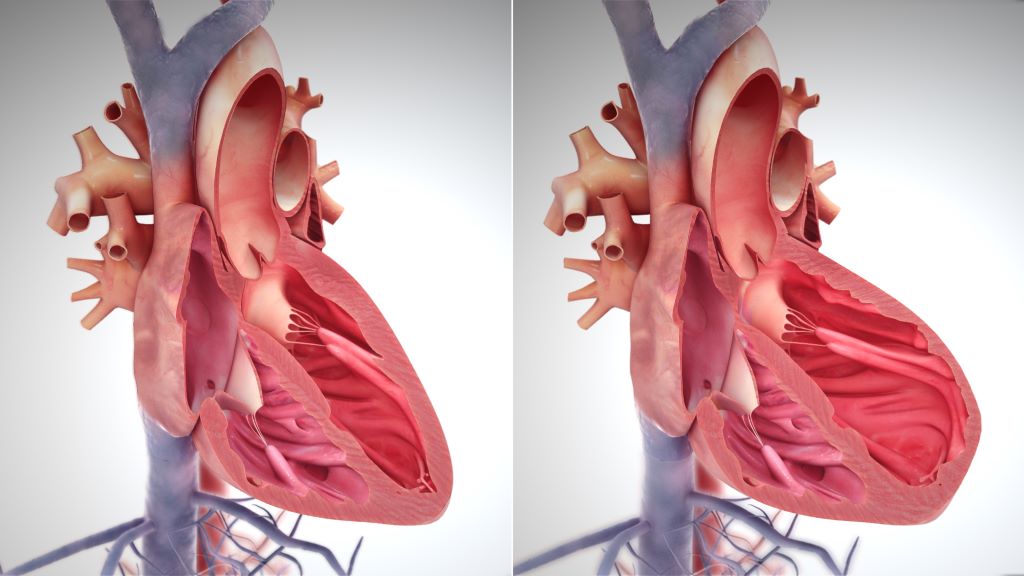
Right side heart failure. Credit: Scientific Animations CC4.0

Patients with weak heart function who receive stem cell therapy shortly after a heart attack are at lower risk of developing heart failure and related hospital stays compared with standard care, finds a clinical trial published by The BMJ.

The researchers say the findings suggest this technique may be a valuable add-on procedure for this particular group of patients after a heart attack to prevent subsequent heart failure and reduce the risk of future adverse events.

Advances in heart attack management have improved survival rates considerably, but this has also led to rising rates of subsequent heart failure. While recent studies have indicated that stem cell therapy may reduce rates of heart failure after a heart attack, clinical trials are needed to confirm these benefits.

To address this gap, the researchers set out to assess the impact of delivering stem cells directly into coronary arteries (known as intracoronary infusion) after a heart attack on the development of heart failure over three years.

Their findings are based on 396 patients (average age 57-59 years) with no previous heart conditions at three teaching hospitals in Iran. They had all experienced a first heart attack (myocardial infarction) leading to extensive heart muscle damage and weakened heart function – where the left ventricle, the heart’s main pumping chamber, is too weak to pump blood out to the body as effectively as it should.

Of these, 136 patients in the intervention group received an intracoronary infusion of allogenic Wharton’s jelly derived mesenchymal stem cells within 3-7 days of their heart attack in addition to standard care. The remaining 260 control group patients received standard care alone.

Factors such as age, sex, baseline heart function, smoking status, obesity, existing high blood pressure, diabetes, or kidney problems were taken into account, and patients were monitored for an average of 33 months.

Compared with the control group, intracoronary infusion of stem cells was associated with reduced rates of heart failure (2.77 vs 6.48 per 100 person years), readmission to hospital for heart failure (0.92 vs 4.20 per 100 person years), and a combined measure of cardiovascular death and readmission for heart attack or heart failure (2.8 vs 7.16 per 100 person years).

The intervention did not have a statistically significant effect on readmission to hospital for heart attack (1.23 vs 3.06 per 100 person years), death from any cause (1.81 vs 1.66 per 100 person years), or cardiovascular death (0.91 vs 1.33 per 100 person-years).

However, by six months heart function in the intervention group showed a significantly greater improvement from baseline at six months compared with the control group.

This was a large trial with long term follow-up and clinically meaningful outcome measures, but the researchers acknowledge several limitations to their findings. These include the inability to do a sham procedure for the control group, which would have allowed for a double blinded study design instead of a single blinded format. Nor did they assess heart failure biomarkers or investigate the physiological effects of the intervention on heart tissue.

Nevertheless, they say these results suggest that this technique “may serve as a valuable adjunctive procedure after myocardial infarction to prevent the development of heart failure and reduce the risk of future adverse events.”

Additional trials confirming this finding are needed as well as further research “to explore the underlying mechanisms of mesenchymal stem cells therapy and to optimise its application in clinical practice,” they add.

Source: BMJ Group

Healing Spinal Cord Injuries with the Help of Electricity

Heals spinal cord injuries with the help of electricity. Researchers have developed an ultra-thin implant that can be placed directly on the spinal cord. The implant delivers a carefully controlled electrical current across the injured area. In a recent study, researchers were able to observe how the electrical field treatment led to improved recovery in rats with spinal cord injuries, and that the animals regained movement and sensation. Please note that the image shows a newer model of the implant used in the study. Photo and illustration: University of Auckland

Researchers at Chalmers University of Technology in Sweden and the University of Auckland in New Zealand have developed a groundbreaking bioelectric implant that restores movement in rats after injuries to the spinal cord.

This breakthrough, published in Nature Communications, offers new hope for an effective treatment for humans suffering from loss of sensation and function due to spinal cord injury.

Electricity stimulated nerve fibres to reconnect

Before birth, and to a lesser extent afterwards, naturally occurring electric fields play a vital role in early nervous system development, encouraging and guiding the growth of nerve fibres along the spinal cord. Scientists are now harnessing this same electrical guidance system in the lab.

“We developed an ultra-thin implant designed to sit directly on the spinal cord, precisely positioned over the injury site in rats,” says Bruce Harland, senior research fellow, University of Auckland, and one of the lead researchers of the study.

The device delivers a carefully controlled electrical current across the injury site.

“The aim is to stimulate healing so people can recover functions lost through spinal cord injury,” says Professor Darren Svirskis, University of Auckland, Maria Asplund, Professor of bioelectronics at Chalmers University of Technology.

She is, together with Darren Svirskis, University of Auckland,

In the study, researchers observed how electrical field treatment improved the recovery of locomotion and sensation in rats with spinal cord injury. The findings offer renewed hope for individuals experiencing loss of function and sensation due to spinal cord injuries.

“Long-term, the goal is to transform this technology into a medical device that could benefit people living with life-changing spinal-cord injuries,” says Maria Asplund.

The study presents the first use of a thin implant that delivers stimulation in direct contact with the spinal cord, marking a groundbreaking advancement in the precision of spinal cord stimulation.

“This study offers an exciting proof of concept showing that electric field treatment can support recovery after spinal cord injury,” says doctoral student Lukas Matter, Chalmers University of Technology, the other lead researcher alongside Harland.

Improved mobility after four weeks

Unlike humans, rats have a greater capacity for spontaneous recovery after spinal cord injury, which allowed researchers to compare natural healing with healing supported by electrical stimulation.

After four weeks, animals that received daily electric field treatment showed improved movement compared with those who did not. Throughout the 12-week study, they responded more quickly to gentle touch.

“This indicates that the treatment supported recovery of both movement and sensation,” Harland says.

“Just as importantly, our analysis confirmed that the treatment did not cause inflammation or other damage to the spinal cord, demonstrating that it was not only effective but also safe,” Svirskis says.

The next step is to explore how different doses, including the strength, frequency, and duration of the treatment, affect recovery, to discover the most effective recipe for spinal-cord repair.

Source: Chalmers University of Technology

How Zebrafish Heal from Spinal Cord Injury could Help Humans

Photo by Cottonbro on Pexels

Zebrafish have a remarkable ability to heal their spinal cord after injury. Now, researchers at Karolinska Institutet have uncovered an important mechanism behind this phenomenon – a finding that could have implications for the treatment of spinal cord injury in humans.

In a new study published in Nature Communications, researchers show that the neurons of adult zebrafish immediately start to cooperate after a spinal cord injury, keeping the cells alive and stimulating the healing process.

“We have shown that the neurons form small channels called gap junctions, which create a direct connection between the neurons and enable the exchange of important biochemical molecules, allowing the cells to communicate and protect each other,” explains Konstantinos Ampatzis, a researcher in the Department of Neuroscience at Karolinska Institutet, who led the study.

The researchers will further investigate the exact mechanisms behind this protective strategy in zebrafish and hope this knowledge will lead to new ways of treating spinal cord injury in humans.

“Spinal cord injuries are a major burden for sufferers and their families,” says Konstantinos Ampatzis. “What if we could get human neurons to adopt the same survival strategy and behave like zebrafish neurons after an injury? This could be the key to developing new effective treatments.”

Source: Karolinka Institutet

Rebuilding Retinas with Nanotechnology ‘Scaffolds’

Anglia Ruskin University (ARU) researchers have found a to create a 3D ‘scaffold’ to grow cells from the retina -paving the way for potential new ways of treating a common cause of blindness. Their nanotechnology-based approached is detailed in the journal Materials & Design.

The researchers have been working on a way to successfully grow retinal pigment epithelial (RPE) cells that stay healthy and viable for up to 150 days. RPE cells sit just outside the neural part of the retina and, when damaged, can cause vision to deteriorate.

It is the first time this technology, called ‘electrospinning’, has been used to create a scaffold on which the RPE cells could grow, and could revolutionise treatment for one of age-related macular degeneration, one of the world’s most common vision complaints.

When the scaffold is treated with a steroid called fluocinolone acetonide, which protects against inflammation, the resilience of the cells appears to increase, promoting growth of eye cells. These findings are important in the future development of ocular tissue for transplantation into the patient’s eye.

Age-related macular degeneration (AMD) is a leading cause of blindness in the developed world and is expected to increase in the coming years due to an ageing population. Recent research predicted that 77 million people in Europe alone will have some form of AMD by 2050.

AMD can be caused by changes in the Bruch’s membrane, which supports the RPE cells, and breakdown of the choriocapillaris, the rich vascular bed that is adjacent to the other side of the Bruch’s membrane.

In Western populations, the most common way sight deteriorates is due to an accumulation of lipid deposits called drusen, and the subsequent degeneration of parts of the RPE, the choriocapillaris and outer retina. In the developing world, AMD tends to be caused by abnormal blood vessel growth in the choroid and their subsequent movement into the RPE cells, leading to haemorrhaging, RPE or retinal detachment and scar formation.

The replacement of the RPE cells is among several promising therapeutic options for effective treatment of sight conditions like AMD, and researchers have been working on efficient ways to transplant these cells into the eye.

Lead author Professor Barbara Pierscionek, Deputy Dean (Research and Innovation) at Anglia Ruskin University (ARU) said: “This research has demonstrated, for the first time, that nanofibre scaffolds treated with the anti-inflammatory substance such as fluocinolone acetonide can enhance the growth, differentiation, and functionality of RPE cells.

“In the past, scientists would grow cells on a flat surface, which is not biologically relevant. Using these new techniques. the cell line has been shown to thrive in the 3D environment provided by the scaffolds.

“This system shows great potential for development as a substitute Bruch’s membrane, providing a synthetic, non-toxic, biostable support for transplantation of the retinal pigment epithelial cells. Pathological changes in this membrane have been identified as a cause of eye diseases such as AMD, making this an exciting breakthrough that could potentially help millions of people worldwide.”

Source: Angela Ruskin University

Joining Circulatory Systems of Old and Young Mice Slows Aging

Photo by Kanashi ZD on Unsplash

By surgically joining together the circulatory systems of a young and old mouse, scientists were able to slow the aging process at the cellular level and lengthens the lifespan of the older animal by up to 10%. Published in Nature Aging, the Duke Health-led team also found that that the longer the animals shared circulation, the longer the anti-aging benefits lasted once the two were separated.

The findings suggest a cocktail of components and chemicals in the blood of the young contributes to vitality, and these factors could potentially be isolated as therapies to speed healing, rejuvenate the body and add years to an older individual’s life. (Joining up the circulatory systems of young and old humans should hopefully remain the stuff of dystopian science fiction novels).

“This is the first evidence that the process, called heterochronic parabiosis, can slow the pace of aging, which is coupled with the extension in lifespan and health,” said senior author James White, PhD, assistant professor at Duke University School of Medicine.

White and colleagues set out to determine whether the benefits of heterochronic parabiosis, surgically fusing two animals of different ages to enable a shared circulatory system, were fleeting, or more long-lasting.

Earlier studies at Duke and elsewhere documented anti-aging benefits in tissues and cells of the older mice after three weeks of parabiosis. These studies found that the older mice became more active and animated, and their tissue showed evidence of rejuvenation.

“Our thought was, if we see these anti-aging effects in three weeks of parabiosis, what happens if you bring that out to 12 weeks,” White said. “That’s about 10% of a mouse’s lifespan of three years.”

White said the ages of the mice were also important, with the young mouse aged four months, and the older mouse aged two years.

With follow-up during a two-month detachment period, the older animals exhibited improved physiological abilities and lived 10% longer than animals that had not undergone the procedure.

At the cellular level, parabiosis drastically reduced the epigenetic age of blood and liver tissue, and showed gene expression changes opposite to aging, but akin to several lifespan-extending interventions such as calorie restriction.

The rejuvenation effect persisted even after two months of detachment.

In human terms, the parabiosis exposure would be the equivalent of pairing a 50 year-old with an 18-year-old for about eight years, with the effects adding eight years to the person’s lifespan.

White said the experiment was designed to study if long-term exposure of young blood will cause lasting effects in the old mouse. Pairing humans for heterochronic parabiosis is obviously not practical or even ethical, he said. He also noted that other anti-aging strategies, such as calorie restriction, work better to extend longevity in mice.

“Our work points to a need to explore what factors in the circulation of youthful blood cause this anti-aging phenomenon” White said. “We have demonstrated that this shared circulation extends life and health for the older mouse, and the longer the exposure, the more permanent the changes.

“The elements that are driving this are what’s important, and they are not yet known,” White said. “Are they proteins or metabolites? Is it new cells that the young mouse is providing, or does the young mouse simply buffer the old, pro-aging blood? This is what we hope to learn next.”

Source: Duke University Medical Center

Receptor Location is Key when Rebuilding Neural Connections with Psychedelic Drugs

Source: Pixabay CC0

When using psychedelic drugs to treat mental illness, it’s all down to location when rapidly rebuilding connections between nerve cells. In their paper published in Science, scientists show that engaging serotonin 2A receptors inside neurons promotes growth of new connections – but engaging the same receptor on the surface of nerve cells does not.

The findings will help guide efforts to discover new drugs for depression, PTSD and other disorders, according to senior author David E. Olson, associate professor at the University of California, Davis.

Drugs such as LSD, MDMA and psilocybin show great promise for treating a wide range of mental disorders that are characterised by a loss of neural connections. In laboratory studies, a single dose of these drugs can cause rapid growth of new dendrites from nerve cells, and formation of new spines on those dendrites.

Olson calls this group of drugs “psychoplastogens” because of their ability to regrow and remodel connections in the brain.

Earlier work from Olson’s and other labs showed that psychedelic drugs work by engaging the serotonin 2A receptor (5-HT2AR). But other drugs that engage the same receptor, including serotonin, do not have the same growth effects.

Maxemiliano Vargas, a graduate student in Olson’s lab, Olson and colleagues experimented with chemically tweaking drugs and using transporters to make it easier or harder for compounds to slip across cell membranes. Serotonin itself is polar, meaning it dissolves well in water but does not easily cross the lipid membranes that surround cells. The psychedelics, on the other hand, are much less polar and can easily enter the interior of a cell.

They found that the growth-promoting ability of compounds was correlated with the ability to cross cell membranes.

Drug receptors are usually thought of as being located on the cell membrane, facing out. But the researchers found that in nerve cells, serotonin 2A receptors were concentrated inside cells, mostly around a structure called the Golgi body, with some receptors on the cell surface. Other types of signalling receptors in the same class were on the surface.

The results show that there is a location bias in how these drugs work, Olson said. Engaging the serotonin 2A receptor when it is inside a cell produces a different effect from triggering it when it is on the outside.

“It gives us deeper mechanistic insight into how the receptor promotes plasticity, and allows us to design better drugs,” Olson said.

Source: University of California – Davis

Intermittent Fasting May Aid Nerve Repair

A healthy neuron.
A healthy neuron. Credit: NIH

A new mouse study published in Nature showed that intermittent fasting changes gut bacteria, and increases the ability to recover from nerve damage. The fasting led to gut bacteria increasing production of 3-Indolepropionic acid (IPA), a metabolite which is required for regenerating axons.

The bacteria that produces IPA, Clostridium sporogenesis, is found naturally in the guts of humans as well as mice and IPA is found in human bloodstreams too, the researchers said. 

“There is currently no treatment for people with nerve damage beyond surgical reconstruction, which is only effective in a small percentage of cases, prompting us to investigate whether changes in lifestyle could aid recovery,” said study author Professor Simone Di Giovanni at Imperial College London.

“Intermittent fasting has previously been linked by other studies to wound repair and the growth of new neurons – but our study is the first to explain exactly how fasting might help heal nerves.”

The study assessed nerve regeneration of mice where the sciatic nerve, the longest nerve running from the spine down the leg, was crushed. Half of the mice underwent intermittent fasting (one day with food, one day without), while the other half ate freely. These diets continued for a period of 10 days or 30 days before their operation, and the mice’s recovery was monitored 24 to 72 hours after the nerve was severed. The regrown axons were about 50% greater in mice that had been fasting.

Prof Di Giovanni said, “I think the power of this is that opens up a whole new field where we have to wonder: is this the tip of an iceberg? Are there going to be other bacteria or bacteria metabolites that can promote repair?”

The researchers also studied how fasting led to this nerve regeneration. They found that there were significantly higher levels of specific metabolites, including IPA, in the blood of diet-restricted mice.

To confirm whether IPA led to nerve repair, the mice were treated with antibiotics to remove gut bacteria. They were then given gene-edited of Clostridium sporogenesis that could or could not produce IPA.

“When IPA cannot be produced by these bacteria and it was almost absent in the serum, regeneration was impaired. This suggests that the IPA generated by these bacteria has an ability to heal and regenerate damaged nerves,” Prof Di Giovanni said. 

Importantly, when IPA was administered to the mice orally after a sciatic nerve injury, regeneration and increased recovery was observed between two and three weeks after injury.

The next step is investigating spinal cord injuries in mice, along with seeing if more frequent IPA administrations increase its efficacy.

“One of our goals now is to systematically investigate the role of bacteria metabolite therapy.” Prof Di Giovanni said.

More studies will need to investigate whether IPA increases after fasting in humans and the efficacy of IPA and intermittent fasting as a potential treatment in people.

He said: “One of the questions that we haven’t explored fully is that, since IPA lasts in blood for four to six hours in high concentration, would administering it repeatedly throughout the day or adding it to a normal diet help maximise its therapeutic effects?”

Source: Imperial College

Experiment Turns Back the Age of Human Skin Cells by 30 Years

This normal human skin cell was treated with a growth factor that triggered the formation of specialised protein structures that enable the cell to move.
Credit: Torsten Wittmann, University of California, San Francisco

In a finding which could revolutionise regenerative medicine, researchers have found a way to reverse the age of human skin cells by 30 years, reversing genetic ageing measures for cells without losing their specialised function. The function of older cells was partly restored, as well as rejuvenating the molecular measures of biological age. The research was published in the journal eLife.

One of the ways regenerative medicine aims to replace damaged or old cells is by creating ‘induced’ stem cells, which differentiate into specialised cells. Currently the process is not reversible.

The new method, based on stem cell production, overcomes the problem of entirely erasing cell identity by halting reprogramming part of the way through the process. This let researchers find the precise balance between reprogramming cells, making them biologically younger, while still being able to regain their specialised cell function.

Currently, cell reprogramming takes around 50 days using four key molecules called the Yamanaka factors. The new method, called ‘maturation phase transient reprogramming’, exposes cells to Yamanaka factors for just 13 days. At this point, age-related changes are removed and the cells have temporarily lost their identity. The partly reprogrammed cells were given time to grow under normal conditions, to observe whether their specific skin cell function returned. Genome analysis showed that cells had regained markers characteristic of skin cells (fibroblasts), and this was confirmed by observing collagen production in the reprogrammed cells.

To show that the cells had been rejuvenated, the researchers looked for changes in ageing indicators. Dr Diljeet Gill, who conducted the work as a PhD student explained: “Our understanding of ageing on a molecular level has progressed over the last decade, giving rise to techniques that allow researchers to measure age-related biological changes in human cells. We were able to apply this to our experiment to determine the extent of reprogramming our new method achieved.”

Cellular ages examined included the epigenetic clock, where chemical tags present throughout the genome indicate age. Another is the transcriptome, all the gene readouts produced by the cell. According to these two measures, the reprogrammed cells matched the profile of cells that were 30 years younger compared to reference data sets.

However, ‘rejuvenated’ cells need to function as if they were younger as well as looking younger. The rejuvenated fibroblasts were able to produce more collagen proteins compared to control cells that did not undergo the reprogramming process. Fibroblasts also move into areas that need repairing. Researchers tested the partially rejuvenated cells in vitro, and the treated fibroblasts moved into the gap faster than older cells – a sign that these could be used to improve wound healing,

The method also had an effect on other genes linked to age-related diseases and symptoms, the researchers saw, indicating possible future therapies. The APBA2 gene, associated with Alzheimer’s disease, and the MAF gene with a role in the development of cataracts, both showed changes towards youthful levels of transcription.

The researchers plan to explore the mechanism behind the successful transient programming, which is not yet completely understood. It is speculated that key areas of the genome involved in shaping cell identity might escape the reprogramming process.

Dr Diljeet concluded: “Our results represent a big step forward in our understanding of cell reprogramming. We have proved that cells can be rejuvenated without losing their function and that rejuvenation looks to restore some function to old cells. The fact that we also saw a reverse of ageing indicators in genes associated with diseases is particularly promising for the future of this work.”

Professor Wolf Reik, a group leader in the Epigenetics research programme who has recently moved to lead the Altos Labs Cambridge Institute, said: “This work has very exciting implications. Eventually, we may be able to identify genes that rejuvenate without reprogramming, and specifically target those to reduce the effects of ageing. This approach holds promise for valuable discoveries that could open up an amazing therapeutic horizon.”

Source: Babraham Institute

Astronauts Will Test A Portable Bioprinter for Wounds

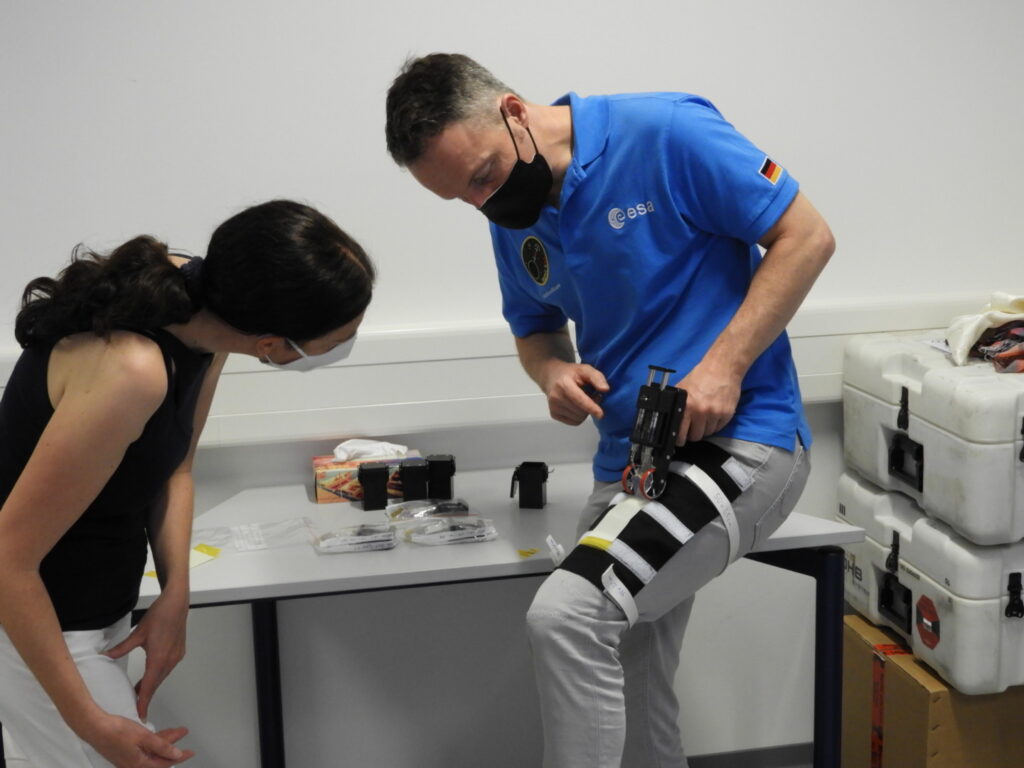
ESA astronaut Matthias Maurer is shown during preflight training for the BioPrint First Aid investigation, which tests a bioprinted tissue patch for enhanced wound healing.
Credit: ESA

A suitably advanced piece of wound care technology will be sent into orbit to the space station in the next few days: a prototype for portable bioprinter that can cover a wound area on the skin by applying a tissue-forming bio-ink that acts like a patch, and accelerates the healing process.

While the aim is to provide a effective wound treatment for astronauts millions of kilometres from the nearest hospital, such a personalised wound healing patch would also have a great benefit on Earth. Since the cultured cells are taken from the patient, immune system rejection is unlikely, allowing a safe regenerative and personalised therapy. Other advantages are the possibilities of treatment and greater flexibility regarding wound size and position. In addition, due to its small size and portability, physicians could take the device anywhere to an immobile patient if their cells were cultivated in advance.

“On human space exploration missions, skin injuries need to be treated quickly and effectively,” said project manager Michael Becker from the German Space Agency. “Mobile bioprinting could significantly accelerate the healing process. The personalised and individual bioprinting-based wound treatment could have a great benefit and is an important step for further personalised medicine in space and on Earth.”

The use of bioprinting for skin reconstruction following burns is one growing application for the technology. However, it presently requires large bioprinters that first print the tissue, allow it to mature, before it is implanted onto the patient. By testing it in the gravity-free environment of space, Bioprint FirstAid will help optimise of bioprinting materials and processes. Microgravity-based 3D tissue models are important for greater understanding of the bioengineering and bio-fabrication requirements that are essential to achieve highly viable and functional tissues. Under microgravity conditions, the pressure of different layers containing cells is absent, as well as the potential sedimentation effect of living cell simulants. The stability of the 3D printed tissue patch, and the potentially gravity-dependent (electrolyte to membrane interface) crosslinking process, can be analysed for future applications.

The Bioprint FirstAid prototype contains no cells at this point. The surprisingly simple prototype is a robust, purely mechanical handheld bioprinter consisting of a dosing device in the handle, a print head, support wheels, and an ink cartridge. The cartridge contains a substitution (in total two different substitutions, both without skin cells) and a crosslinker, which serves as a stabilising matrix. To test it out, the simulant will be applied to the arm or leg of a crew member wrapped in foil, or alternatively at any other surface wrapped in foil. On Earth, a printed sample with human cells will be tested, and the distribution pattern will be compared to the cell-free sample that was printed in space.

Source: NASA

The Secret of ‘Rejuvenating’ Blood Transfusions Between Mice

Photo by Kanasi on Unsplash

Researchers have identified an important mediator of youthfulness in mouse muscle, which explains the ‘rejuvenating’ blood transfusions effect between young and old mice. The discovery could also lead to new therapies for age-related muscle loss.

Published in Nature Aging, the study showed that circulating shuttles called extracellular vesicles, or EVs, deliver genetic instructions for the longevity protein known as Klotho to muscle cells. Reduced muscle function and repair in old mice may be driven by aged EVs, which carry fewer instructions than those in young animals.

The findings help further as to understanding why muscle regeneration capacity diminishes with age.

“We’re really excited about this research for a couple of reasons,” said senior author Dr Fabrisia Ambrosio. “In one way, it helps us understand the basic biology of how muscle regeneration works and how it fails to work as we age. Then, taking that information to the next step, we can think about using extracellular vesicles as therapeutics to counteract these age-related defects.”

Decades of research have shown that when old mice are given blood from young mice, youthful features are restored to many cells and tissues. But until now, it was unclear which components of young blood confer these rejuvenating effects.

“Amrita Sahu releaseWe wondered if extracellular vesicles might contribute to muscle regeneration because these couriers travel between cells via the blood and other bodily fluids,” said lead author Dr Amrita Sahu. “Like a message in a bottle, EVs deliver information to target cells.”

Ambrosio and her team collected serum from young mice and injected it into aged mice with injured muscle. Mice that received young serum showed enhanced muscle regeneration and functional recovery compared to those that received a placebo treatment, but the serum’s restorative properties were lost when EVs were removed, indicating that it is these vesicles which deliver the beneficial effects of young blood.

The researchers then found that EVs deliver genetic instructions, or mRNA, encoding the anti-ageing protein Klotho to muscle progenitor cells, important stem cells for muscle regeneration. EVs collected from old mice carried fewer copies of Klotho instructions than those from young mice, causing muscle progenitor cells to produce less of this protein.

With advancing age, muscle doesn’t recover from damage as well because scar tissue is laid down. In earlier work, Ambrosio and her team showed that Klotho is an important regulator of regenerative capacity in muscle progenitor cells and that this protein declines with age.

The new study shows for the first time that age-related shifts in EV cargo contribute to depleted Klotho in aged stem cells, suggesting that EVs could be developed into novel therapies for healing damaged muscle tissue.

“EVs may be beneficial for boosting regenerative capacity of muscle in older individuals and improving functional recovery after an injury,” said Ambrosio. “One of the ideas we’re really excited about is engineering EVs with specific cargoes, so that we can dictate the responses of target cells.”

Beyond muscles, EVs also could help reverse other effects of ageing. Previous work has demonstrated that young blood can boost cognitive performance of aged mice.


Source: University of Pittsburgh