Tag: heart failure

A Simple Neck Scan Could Detect Men at High Risk of Heart Failure

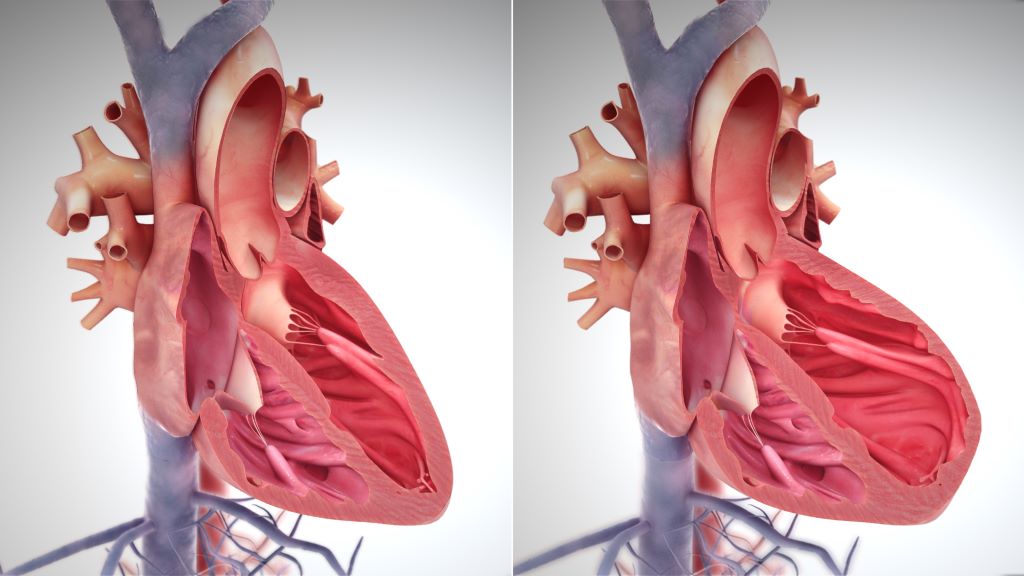
Right side heart failure. Credit: Scientific Animations CC4.0

A simple neck scan can identify men with double the risk of heart failure, according to a new study led by UCL researchers and funded by the British Heart Foundation and the National Institute for Health and Care Research.

A carotid ultrasound, like the ultrasound for pregnant women, is quick and painless, using a small handheld device moved gently over the neck to scan the arteries underneath.

When around 1600 men over the age of 70 received the scan, it showed the ‘flexibility’ of their carotid arteries – how much they stretch and expand with each heartbeat.

Researchers found that the quarter of men with the least flexible carotid arteries were 2.5 times more likely to develop heart failure than those with the most flexible carotid arteries.

These people could be encouraged by doctors to eat more healthily, do more exercise and take medications, if needed, to help reduce their risk of developing heart failure.

GPs do not currently routinely carry out the cheap and easy scan on healthy patients without symptoms. But, where GP surgeries have the capacity, offering a neck scan to older people to measure the flexibility of their arteries could help them better understand their risk of future heart failure, according to the researchers.

Having relied upon data from the British Regional Heart Study, which began in the 1970s and only involved men, researchers highlight that these findings next need to be looked at in women.

Dr Atinuke Akinmolayan (UCL Primary Care & Population Health), who is now a GP, said: “The carotid ultrasound is a safe, cheap and painless investigation, and our findings suggest it may be able to provide an early warning sign for heart failure.

“More research is needed, especially to see if this works for women, but this is something GPs could look at offering to people over the age of 60, where possible and believed needed.

“A patient who gets an ultrasound result indicating they may be at higher risk of future heart failure could have an important conversation with their doctor about lifestyle changes they could make to lower that risk.”

Doctors tend to scan the two carotid arteries, which run up either side of the neck, when someone has had a stroke or is at risk of a stroke following a transient ischaemic attack, known as a ‘mini-stroke’. A scan can identify carotid artery disease – a build-up of fatty material which can cause a stroke by breaking off and travelling into the brain or by narrowing the arteries and stopping blood reaching the brain.

However, the carotid arteries may be a red flag for heart failure also. This is because, when the carotid arteries become less flexible, they do not expand properly to let blood through. This can raise blood pressure, which forces the heart muscle to work harder. Over time, this can lead to heart failure.

The study, published in the Journal of the American Heart Association, looked at 1631 British men, aged 71 to 92, who had a carotid artery ultrasound between 2010 and 2012 as part of the British Regional Heart Study.

A carotid ultrasound, sometimes called a Doppler scan, takes an average of 15 to 30 minutes for most people, although this can vary.

A small handheld sensor is moved back and forth over the neck, generating sound waves which bounce off the arteries. That provides an echo which changes in frequency when blood flow is reduced in the blood vessels because they are narrowed by built-up fatty material.

The narrowing identified by a carotid scan can then be used to calculate the arteries’ flexibility, after factoring in other measures, including blood pressure. Researchers were able to identify the quarter of men with the least flexible carotid arteries, and the quarter of men whose carotid arteries were most flexible.

They then compared the rates of heart failure in each group  over an average of six years after their neck scans.

Even after considering other causes of heart failure, like age, weight, smoking and whether people had previously suffered a heart attack, the quarter of men with the least flexible carotid arteries had 2.5 times the risk of developing heart failure, compared to the quarter with the most flexible carotid arteries.

In a separate finding, looking at the thickness of people’s carotid arteries rather than their flexibility, the study found that men with thicker carotid arteries were more likely to have a heart attack or die from one.

For every ‘unit’ increase in the thickness of the carotid artery wall – with a unit equalling 0.16 millimetres – the risk of having a heart attack increased by about 29 per cent, even after considering other relevant factors like age and weight.

However the thickness of the carotid arteries was not found to be significantly linked to future heart failure in the study.

There are around 200 000 new cases of heart failure diagnosed every year in the UK.

It occurs when the heart is not pumping blood around the body as well as it should, most commonly when the heart muscle has been damaged – for example, after a heart attack.

Heart failure can cause extreme fatigue, shortness of breath and fainting.

Professor Bryan Williams, chief scientific and medical officer at the British Heart Foundation (BHF), who is also Chair of Medicine at UCL Institute of Cardiovascular Science, said: “The findings of this study are interesting and show that stiffening of arteries is associated with increased risk of heart failure, most likely due to the heart having to work harder against the resistance caused by these stiffer arteries.

“It is an important signal that whenever we detect such changes in the carotid arteries, we should also be thinking of the potential impact on the heart and an increased risk of heart failure – which we have treatment strategies to prevent.”

Source: University College London

Stem Cell Therapy Linked to Lower Risk of Heart Failure After a Heart Attack

Technique may be a valuable add-on procedure for patients with weak heart function after a heart attack, say researchers

Right side heart failure. Credit: Scientific Animations CC4.0

Patients with weak heart function who receive stem cell therapy shortly after a heart attack are at lower risk of developing heart failure and related hospital stays compared with standard care, finds a clinical trial published by The BMJ.

The researchers say the findings suggest this technique may be a valuable add-on procedure for this particular group of patients after a heart attack to prevent subsequent heart failure and reduce the risk of future adverse events.

Advances in heart attack management have improved survival rates considerably, but this has also led to rising rates of subsequent heart failure. While recent studies have indicated that stem cell therapy may reduce rates of heart failure after a heart attack, clinical trials are needed to confirm these benefits.

To address this gap, the researchers set out to assess the impact of delivering stem cells directly into coronary arteries (known as intracoronary infusion) after a heart attack on the development of heart failure over three years.

Their findings are based on 396 patients (average age 57-59 years) with no previous heart conditions at three teaching hospitals in Iran. They had all experienced a first heart attack (myocardial infarction) leading to extensive heart muscle damage and weakened heart function – where the left ventricle, the heart’s main pumping chamber, is too weak to pump blood out to the body as effectively as it should.

Of these, 136 patients in the intervention group received an intracoronary infusion of allogenic Wharton’s jelly derived mesenchymal stem cells within 3-7 days of their heart attack in addition to standard care. The remaining 260 control group patients received standard care alone.

Factors such as age, sex, baseline heart function, smoking status, obesity, existing high blood pressure, diabetes, or kidney problems were taken into account, and patients were monitored for an average of 33 months.

Compared with the control group, intracoronary infusion of stem cells was associated with reduced rates of heart failure (2.77 vs 6.48 per 100 person years), readmission to hospital for heart failure (0.92 vs 4.20 per 100 person years), and a combined measure of cardiovascular death and readmission for heart attack or heart failure (2.8 vs 7.16 per 100 person years).

The intervention did not have a statistically significant effect on readmission to hospital for heart attack (1.23 vs 3.06 per 100 person years), death from any cause (1.81 vs 1.66 per 100 person years), or cardiovascular death (0.91 vs 1.33 per 100 person-years).

However, by six months heart function in the intervention group showed a significantly greater improvement from baseline at six months compared with the control group.

This was a large trial with long term follow-up and clinically meaningful outcome measures, but the researchers acknowledge several limitations to their findings. These include the inability to do a sham procedure for the control group, which would have allowed for a double blinded study design instead of a single blinded format. Nor did they assess heart failure biomarkers or investigate the physiological effects of the intervention on heart tissue.

Nevertheless, they say these results suggest that this technique “may serve as a valuable adjunctive procedure after myocardial infarction to prevent the development of heart failure and reduce the risk of future adverse events.”

Additional trials confirming this finding are needed as well as further research “to explore the underlying mechanisms of mesenchymal stem cells therapy and to optimise its application in clinical practice,” they add.

Source: BMJ Group

Semaglutide and Tirzepatide Reduce Heart Failure Risk by More than 40%

Right side heart failure. Credit: Scientific Animations CC4.0

Treatment with semaglutide or tirzepatide can reduce health risks for patients with heart failure by more than 40%. These finding come from a study by researchers at the Technical University of Munich (TUM). The medication can drastically reduce the risk of being hospitalised for heart failure or dying.

Semaglutide and related medications are widely used to treat diabetes and obesity. Their potential effects beyond weight loss are now being closely studied. Still, professional societies and regulatory authorities have urged caution. With regard to treating heart failure, cardiology societies have noted that the existing evidence base remains limited.

“Together with our colleagues at Harvard Medical School, we have created a solid evidence base for using these weight-loss medications in heart failure,” says Professor Heribert Schunkert, Director of the Department of Cardiovascular Diseases at the TUM University Hospital German Heart Center. “In patients with heart failure with preserved ejection fraction, both drugs have shown a clear protective effect that supports their use. Our analysis of around 100 000 patients provides a robust basis for reassessing an indication expansion and new indication approval in heart failure.“

The study focused on heart failure with preserved ejection fraction or HFpEF, in which the heart’s ability to pump remains intact but the stiffened heart muscle does not fill properly with blood. HFpEF affects more than 30 million people worldwide. To date, there are only a few effective treatment options for this form of the disease.

Large-scale database study provides solid evidence for use in heart failure

Published in JAMA, the study examined the effects of the drugs semaglutide and tirzepatidein patients with this specific form of heart failure. The researchers analysed three national US insurance claims databases. Their models first confirmed findings from earlier trials in patients with obesity or diabetes, then extended the analysis to populations excluded from clinical trials and to additional outcomes, such as hospitalisation for heart failure and mortality.

Treatment with both drugs led to a more than 40% reduction in the risk of hospitalisation for heart failure or death compared with another diabetes drug that had shown no effect on heart failure outcomes in previous studies.

“Currently, HFpEF can be treated with a few drugs only. At the same time, an increasing number of patients suffers from obesity and diabetes, which further worsens outcomes. In Germany, heart failure is the leading cause for hospitalizations and a major driver of health care expenditure. Our study shows that these drugs are highly effective, which expands treatment options and could prevent many hospital admissions,” says Dr Nils Krüger, resident physician at the TUM University Hospital German Heart Center and lead author of the study.

Data-driven approaches to drug approval

The study drew on patient populations nearly 20 times larger than those in traditional clinical trials. This allowed researchers to capture clinical practice and demonstrate that the benefits seen in pivotal trials also apply to broader patient groups. “The future belongs to such data‑driven approaches – alongside traditional trials, they can help ensure that findings from basic research feed into patient care more quickly,” explains Prof Schunkert.

From the researchers’ perspective, such analyses are also becoming increasingly relevant for Germany. The Health Data Utilization Act provides that anonymized health insurance data will in future be made systematically available for such research projects, while strictly protecting sensitive personal data. “We use these large data to investigate the safety and effectiveness of medications in clinical practice,” says Dr Krüger.

Source: Technical University Munich

Regular Sleep Schedule May Improve Recovery from Heart Failure Hospitalisation

Photo by Cottonbro on Pexels

People recovering from heart failure should consider improving the regularity of their sleep, a study led by Oregon Health & Science University suggests. The research team found that even moderately irregular sleep doubles the risk of having another clinical event within six months, according to a study published in the journal JACC Advances. A clinical event could be another visit to the emergency room, hospitalisation or even death.

“Going to bed and waking up at consistent times is important for overall health,” said lead author Brooke Shafer, PhD, a research assistant professor in the Sleep, Chronobiology and Health Laboratory in the OHSU School of Nursing. “Our study suggests that consistency in sleep timing may be especially important for adults with heart failure.”

Researchers enrolled 32 patients who had been hospitalised for acutely decompensated heart failure at OHSU Hospital and Hillsboro Medical Center from September 2022 through October 2023. For one week following hospital discharge, participants used sleep diaries to record the time they fell asleep at night, woke up in the morning and the timing of naps they took during the day.

The participants were then categorised as regular sleepers or moderately irregular sleepers, based on their sleep patterns.

The study found:

  • Following discharge from the hospital, 21 participants experienced a clinical event over the course of six months.
  • Of that group, 13 were classified as moderately irregular sleepers compared with eight classified as having a regular sleep schedule.
  • Statistically, the irregular sleepers had more than double the risk of an event across the six-month time span.

The increased risk of a clinical event for moderately irregular sleepers remained even when accounting for possible contributing factors like sleep disorders and other underlying medical conditions. The research team says the study is among the first to examine the impact of sleep regularity in the context of heart failure, and the findings add to a growing body of evidence suggesting the importance of maintaining a regular sleep schedule.

“Improving sleep regularity may be a low-cost therapeutic approach to mitigate adverse events in adults with heart failure,” the authors conclude.

Shafer said the results strengthen the connection between sleep regularity and cardiovascular health.

“When we’re asleep and in a resting state, our blood pressure and heart rate decrease compared with daytime levels,” she said. “But variability in sleep timing may disrupt mechanisms involved in the regulation of the cardiovascular system. Irregular sleep may contribute to adverse outcomes, especially for people already affected by heart failure.”

The next step would be to scale up the research to a larger cohort of participants and see whether improving sleep regularity lowers the risk of another clinical event, she said.

Source: Oregon Health & Science University

Urinary Metal Exposure Linked to Increased Risk of Heart Failure, Landmark Study Finds

In addition to cadmium, molybdenum and zinc found to have particularly high risk increases

Right side heart failure. Credit: Scientific Animations CC4.0

A new multi-cohort study at Columbia University Mailman School of Public Health, has found that exposure to certain metals, detected in urine, is associated with a higher risk of heart failure (HF). Published in the Journal of the American College of Cardiology, it is the largest investigation of its kind to date, reinforcing the importance of reducing environmental metal exposure to reduce heart failure risk. While environmental metals are recognised as cardiovascular disease risk factors, until now the role of metal exposure in heart failure risk had remained understudied.

“Most previous studies have assessed individual metals in isolation. By examining metals as a mixture, our analysis more closely reflects real-world exposure patterns,” said Irene Martinez-Morata, MD, PhD, postdoctoral research scientist in Environmental Health Sciences at Columbia Mailman School, and lead author. “In our analysis of over 10 000 adults across diverse geographic, racial, and ethnic backgrounds, we observed consistent associations between elevated urinary metal levels and increased HF risk over long-term follow-up after accounting for other established traditional risk factors for the disease such as diabetes and obesity.”

The study pooled data from three large cohorts with more than 20 years of follow-up:

  •  MESA (Multi-Ethnic Study of Atherosclerosis), U.S. adults aged 18–85 from six urban-suburban areas in Maryland, Illinois, North Carolina, California, Minnesota and New York.
  • SHS (Strong Heart Study), American Indian adults aged 18–65 in the U.S. from Oklahoma, Arizona, North Dakota and South Dakota.
  •  Hortega Study, a general population cohort in Spain

Among the 10 861 participants, a thousand people developed heart failure. In a subset, researchers assessed left ventricular function, which measures how effectively the heart pumps blood.

Metals were measured in urine samples, which can indicate how much metal is in the body and how much is being eliminated from it. Health and lifestyle data – including medication use, cholesterol levels, blood pressure, glucose, BMI, and more – were collected via questionnaires, lab tests, and physical exams. The team used advanced machine learning models to evaluate the combined effects of five urinary metals as a mixture.

Key findings included:

  •  Higher levels for the mixture of five metals in urine: arsenic, cadmium, molybdenum, selenium, and zinc, was associated with a 55% higher risk of heart failure in rural American Indian adults (SHS), a 38% higher risk in urban and suburban diverse populations (MESA) and a 8% increased risk in adults in Spain (Hortega).
  •  In the analysis of metals individually, a doubling in the levels of urine cadmium, a toxic metal found in tobacco products, foods and industrial waste, was associated with 15% higher risk of heart failure.
  • Similarly, a doubling in the levels of molybdenum and zinc was associated with 13% and 22% higher risk of heart failure across the three cohorts. These metals have an essential function in the body, but high levels can be toxic.

“The strongest association between the 5-metal mixture and HF risk was seen in the SHS cohort,” said Martinez-Morata. “This population faces a historically high burden of contaminant metal exposure and cardiovascular disease and public health action is urgently needed.”

The sources of exposure to these metals can vary from urban and rural environments. Toxic metals such as arsenic, cadmium, and tungsten can occur as a result of mining and industrial activity leading to contamination of drinking water, foods that grow in contaminated soils, and air pollution. Many of these metals are also present in smoking devices, consumer products, and certain foods, observes Martinez and her co-authors. “Essential metals such as zinc and selenium are needed for biological functions, but high levels can be toxic.”

“We consistently found higher urinary levels of cadmium, molybdenum and zinc linked to increased heart failure risk,” noted Ana Navas-Acien, MD, PhD, Columbia Mailman School professor and chair of the Department of Environmental Health Sciences. “Even after adjusting for diabetes – a known HF risk factor – the zinc association remained significant.”

These results support the relevance of metal exposures as contributors to heart failure risk. “In ongoing research, we aim to clarify biological mechanisms and to explore the role of environmental interventions in cardiovascular disease prevention,” said Navas-Acien, who also is senior author.

“This study’s strengths include its large, diverse sample size, high-quality data, and robust, long-term follow-up,” said Martinez-Morata. “Our findings underscore the importance of continuing efforts to monitor and reduce environmental metal exposures, particularly in communities with historically high exposure levels as an innovative approach to improve cardiovascular health.”

Source: Columbia University Mailman School of Public Health

New Factor Linked to Heart Failure

Right side heart failure. Credit: Scientific Animations CC4.0

People with type 2 diabetes (DM2) are at increased risk of developing heart failure due to the presence of prominent risk factors (hypertension, obesity, coronary heart disease, etc).

Now, a study published in the journal Cellular and Molecular Life Sciences has identified a new factor linked to the development of pathological hypertrophy. The results of the study suggest that increasing the activity of the GADD45A protein could be a promising therapeutic strategy to slow the progression of this clinical condition.

A factor with a prominent role in cardiac function

The GADD45A (growth arrest and DNA damage inducible 45A) protein is a multifunctional factor associated with stress signalling and cell damage. In this study, the team assessed the role of GADD45A in cardiac function using animal models and human cardiac cells.

The main mechanisms involved in pathological hypertrophy include inflammatory processes, fibrosis, mitochondrial dysfunction, dysregulation of calcium-handling proteins, metabolic alterations, cardiomyocyte hypertrophy and cell death. Fibrosis and inflammation are key factors in the progression of this pathological cardiac hypertrophy and subsequent heart failure.

“Fibrosis, in particular, correlates directly with the development of the disease and with adverse clinical outcomes, and has a major impact on the clinical condition of the patient”, says study leader Professor Manuel Vázquez-Carrera.

The results reveal that the lack of GADD45A factor in mice triggers cardiac fibrosis, inflammation and apoptosis. These changes correlate with hyperactivation of the proinflammatory and profibrotic transcription factors AP-1 (activator protein-1), NF-κB (nuclear factor-κB) and STAT3 (signal transducer and activator of transcription 3).

According to the findings, deletion of GADD45A also caused substantial cardiac hypertrophy that negatively affected cardiac morphology and function in mice lacking this protein. Furthermore, overexpression of GADD45A in human AC16 cardiomyocytes partially prevented the inflammatory and fibrotic response induced by tumour necrosis factor-alpha (TNF-α).

“Taken together, the data presented in this study highlight an important role for GADD45A protein in the heart, as it may prevent inflammation, fibrosis and apoptosis and thus preserve cardiac function”, says Associate Professor Xavier Palomer, who also led the study.

This paper expands our knowledge of the action mechanisms of GADD45A in the body. To date, previous studies have identified the role as a tumour suppressor in cancer development, as well as its involvement in the regulation of catabolic and anabolic metabolic pathways and in the prevention of inflammation, fibrosis and oxidative stress in some tissues and organs. Finally, some studies have indicated that the modulation of GADD45A could be a suitable therapeutic strategy to prevent obesity and diabetes.​​​​​

Source: University of Barcelona

Preventing Onset and Development of Heart Failure with Preserved Ejection Fraction

Right side heart failure. Credit: Scientific Animations CC4.0

There is a natural mechanism that protects the heart from heart failure with preserved ejection fraction (HFpEF), according to findings published in Circulation. An international team of researchers at the University of Manchester, Baylor College of Medicine and collaborating institutions discovered that when the cardioprotective mechanism fails, it promotes the development of HFpEF. Restoring the mechanism prevents progression, and presents a promising therapeutic target to prevent and treat this life-threatening disease.

“HFpEF is a complex, multifactorial disease associated with metabolic stress. One of the factors involved is the toxic accumulation of lipids in heart cells,” said co-author Dr Tamer M. A. Mohamed, associate professor of surgery and director of the Laboratory for Cardiac Regeneration Baylor.

The team began by assessing gene changes in hearts from people diagnosed with metabolic stress along with various cardiovascular complications and found alterations in the expression of 488 genes. “We found particularly relevant the simultaneous reduction of the expression of genes XBP1 and EDEM2 in human HFpEF hearts,” Mohamed said.

The link between EDEM2 and other conditions has been studied, but its role in the heart remains unexplored.

“We discovered that the XBP1 protein regulates the Edem2 gene in animal models and that EDEM2 was downregulated in hearts from individuals with metabolic disorders and in mouse models,” Mohamed said. “Further evidence supported the involvement of EDEM2 and XBP1 in cardiovascular diseases and lipid regulation.”

To investigate whether XBP1 and EDEM2 were directly involved in lipid toxicity and HFpEF, the researchers removed the Xbp1 or the Edem2 gene in mice. Consequently, these mice became more vulnerable to metabolic stress-induced heart lipid toxicity and cardiac dysfunction. “It was exciting to see that restoring Xbp1 or Edem2 alleviated lipid overload in the heart and reversed HFpEF,” Mohamed said.

This comprehensive study uncovered that XBP1 and EDEM2 work together to maintain a healthy lipid balance in heart cells.

“Our findings support further study of the XBP1s and EDEM2 pathway as a promising therapeutic target for mitigating cardiac lipotoxicity and progression of HFpEF,” Mohamed said.

Source: Baylor College of Medicine

Despite Heart Failure Improvement, Continued Medication is Important

Photo by Towfiqu Barbhuiya on Unsplash

Patients who have been treated for heart failure and experience an improvement of their pump function, are still at higher risk of heart-related death or hospitalisation if they stop taking heart failure medications. This is according to a new study from Karolinska Institutet published in Circulation.

“Our finding raises awareness about the importance of implementing and not withdrawing medical treatments in daily clinical practice even if patients with heart failure experience an improvement in symptoms and pump function,” says the study’s last author Gianluigi Savarese, docent and senior lecturer at the Department of Clinical Science and Education, Södersjukhuset, Karolinska Institutet, and senior cardiologist at Södersjukhuset. 

Using data from the Swedish Heart Failure Registry, RiksSvikt, the researchers have analysed more than 8700 patients with heart failure whose heart pump function, the ejection fraction, was initially impaired (below 40%) but later improved to 40% or more.  

By linking RiksSvikt with other national registers, the researchers from Karolinska Institutet and Linköping University, Sweden, and the University of Naples, Italy, among others, were able to track hospitalisations and deaths in patients who stopped or continued various heart failure treatments. 

Increased morbidity and mortality 

The observational study shows that patients who stopped taking medication of the type RASi (renin-angiotensin system inhibitors), ARNi (angiotensin receptor-neprilysin inhibitors) or MRA (mineralocorticoid receptor antagonists) had between 36 and 38% higher risk of heart-related death or hospitalisation within one year of medication discontinuation.  

However, stopping beta-blocker medication was only associated with a higher risk in patients whose heart function had only moderately improved. 

“Our results show that heart failure medications continue to provide important benefits even when heart function has improved,” says Gianluigi Savarese. “This supports the current recommendation to continue with RASi/ARNi and MRA treatment, but also opens up the possibility of reconsidering whether beta-blockers can be discontinued in certain patients whose heart function has recovered well.” 

More tailored treatment strategies 

Since it was an observational study, no firm conclusions can be drawn about causality. It cannot be ruled out that the results were influenced by residual confounding. The researchers are now planning further studies to confirm the results. 

“Our goal is to understand how heart failure medications affect patients with improved heart function and to develop guidelines for when/if it is safe to discontinue certain treatments. This can lead to more tailored and effective treatment strategies for heart failure patients,” says Christian Basile, the study’s first author and PhD student in Gianluigi Savarese’s research group.  

Source: Karolinska Institutet

Breakthrough Research Offers Hope for Ischaemic Heart Failure

Right side heart failure. Credit: Scientific Animations CC4.0

Researchers report a groundbreaking discovery in cardiac regeneration that offers new hope for the treatment of ischaemic heart failure. Published in npj Regenerative Medicine, the study reveals a novel approach to promoting cardiomyocyte proliferation.

The paper was authored by researchers at Baylor College of Medicine, the QIMR Berghofer Medical Research Institute in Brisbane, Australia, and collaborating institutions.

“When the heart cannot replace injured cardiomyocytes with healthy ones, it becomes progressively weaker, a condition leading to heart failure. In this study, we investigated a new way to stimulate cardiomyocyte proliferation to help the heart heal,” said co-corresponding author Dr Riham Abouleisa, assistant professor in the Division of Cardiothoracic Surgery at Baylor.

Previous studies showed that calcium plays an important role in cardiomyocyte proliferation. In the current study, Abouleisa and her colleagues explored how modulating calcium influx in cardiomyocytes would affect their proliferation.

“We found that preventing calcium influx in cardiomyocytes enhances the expression of genes involved in cell proliferation,” Abouleisa said. “We prevented calcium influx by inhibiting L-Type Calcium Channel (LTCC), a protein that regulates calcium in these cells. Our findings suggest that LTCC could be a target for developing new therapies to induce cardiomyocyte proliferation and regeneration.”

The study demonstrates that both pharmacological and genetic inhibition of LTCC can induce cardiomyocyte replication and that this occurs by modulating the activity of calcineurin, a known regulator of cardiomyocyte proliferation. This innovative approach showed promising results both in human cardiac slices grown in the lab and in live animals.

Abouleisa and her colleagues’ research highlights the importance of targeting calcium signalling pathways to unlock the regenerative potential of the heart and opens new avenues for developing cardiac regenerative therapies, potentially transforming the treatment landscape for patients suffering from heart failure.

Source: Baylor College of Medicine

Why the Road for New Heart Cell Treatments is so Long

Right side heart failure. Credit: Scientific Animations CC4.0

Pathways to new treatments for heart failure take time – as long as four decades for two now accepted therapies. So, new attempts to repair scar tissue in infarcted hearts using cells or cell products need more time to develop clinical therapies that can reduce risk of death from heart failure after a heart attack.

This message is part of a critical review of cell-based and cell product-based therapies for the treatment of heart failure. The review details 20 years of completed and ongoing clinical trials. While none has gained medical approval, they have proven safe and some have shown beneficial effects.

More importantly, the reviewers note, it took longer, nearly 40 years, to optimise two current therapies to reduce mortality in heart failure: implantable cardioverter–defibrillators and guideline-directed medical therapy.

“The history of the development of life-saving medical therapies for heart failure serves as an important lesson that we should remain hopeful of the promise of cell therapy in heart failure,” Jianyi “Jay” Zhang, MD, PhD, and colleagues write in the review, “Trials and tribulations of cell therapy for heart failure: an update on ongoing trials,” published in Nature Reviews Cardiology. Zhang is professor and chair of the University of Alabama at Birmingham Department of Biomedical Engineering.

Heart failure is responsible for 13% of deaths worldwide. Half of patients with heart failure die within five years. The most common cause of heart failure is blockage of coronary arteries leading to death of the cardiomyocyte heart muscle cells. When that muscle tissue is replaced by dense scar tissue with little blood circulation, the infarcted heart loses contractile power, leading to heart enlargement, progressive loss of pumping ability, increased chance of ventricular arrhythmias and clinical end-stage heart failure.

The problem is that shortly after birth, human heart muscle cells lose their ability to divide, so a damaged infarcted heart cannot repair itself by growing new muscle cells. Thus, the simple idea behind initial cell therapies was to add or inject replacement cells to the scar area to restore muscle tissue.

The two decades since has been a long road, with bumps and turns. The three parts of the Nature Reviews Cardiology paper describe the journey. 

First is a history of the slow development, obstacles, setbacks and scepticism for two current heart failure therapies, implantable cardioverter–defibrillators and guideline-directed medical therapy. The next two sections, and main focus of the review, survey 13 completed clinical trials published in the last 12 years and 10 very recently initiated and ongoing clinical trials that are based on the lessons learned from the past 20 years of research, to assess the safety and efficacy of cell- and cell products-based therapy approaches.

While several randomised, double-blind, multicentre phase II or III trials published in the past 20 years support the concept that even a single dose of cell products has beneficial effects in patients with heart failure on optimal medical therapy, the ongoing trial are taking novel directions, Zhang says. 

These include:

  • New cell types — pluripotent stem cell-derived cardiomyocytes/ spheroids and umbilical cord-derived mesenchymal stem cells
  • Repeated intravenous injections as a noninvasive cell delivery method
  • New cell products, such as engineered epicardial cardiomyocyte patches
  • Novel cell-free products — extracellular vesicle-enriched or exosome-enriched secretomes.

“The results of these trials will continue to define and refine our understanding of cell and cell product therapy as a novel addition in the treatment of patients with heart failure,” Zhang said. 

The review acknowledges scientific criticism during the slow but consistent progress and evolution of cell therapy. Some have questioned the use of public funding to support cell therapy research for heart failure treatment, due to poorly designed or underpowered clinical trials and very modest improvements in cardiac function in preclinical studies that are not always substantiated in large-scale clinical trials.

“These criticisms must be addressed in future trials that are adequately powered and rigorously designed to ensure continued progress of the field,” Zhang said. “Critique is an essential part of science, and the basis for growth, innovation and evolution – this is no less true for the field of cell therapy.” 

Yet Zhang is confident that current research will yield clinical translation. “In the past 20 years, cell therapy has emerged and evolved as a promising avenue for cardiac repair and regeneration,” he said. “Cell therapy has encountered substantial barriers in both preclinical studies and clinical trials, but the field continues to progress and evolve through lessons learned from such research.”

Source: University of Alabama at Birmingham