Author: ModernMedia

Ultra-processed Food Intake Linked to Prediabetes in Young Adults

Researchers tracked 85 young adults over a four-year period, finding that increases in ultra-processed food consumption were linked with elevated blood sugar and early signs of diabetes risk.

Photo by Jonathan Borba

More than half of calories consumed in the United States come from ultra-processed foods (UPFs), items like fast food and packaged snacks that are often high in sodium, sugar and unhealthy fats. In adults, research has clearly linked these foods to type 2 diabetes and other conditions, but few studies have explored their effects among youth.

Now, researchers from the Keck School of Medicine of USC have completed one of the first studies to examine the link between UPF consumption and how the body processes glucose, which is known to predict diabetes risk. By tracking changes over time, they gained insights into how dietary choices may influence key biological processes.

The researchers studied a group of 85 young adults over a four-year period. They found that an increase in UPF intake was associated with a higher risk for prediabetes, or early-stage high blood sugar that can lead to diabetes. Eating more UPFs was also linked to insulin resistance, where the body becomes less effective at using insulin to control blood sugar. The study, funded in part by the National Institutes of Health, was just published in the journal Nutrition and Metabolism.

“Our findings show that even modest increases in ultra-processed food intake can disrupt glucose regulation in young adults at risk for obesity. These results point to diet as a modifiable driver of early metabolic disease, and an urgent target for prevention strategies among young people,” said senior author Vaia Lida Chatzi, MD, PhD, a professor of population and public health sciences and paediatrics and director of the ShARP Center at the Keck School of Medicine.

Early adulthood is a formative stage where people have reached physical maturity and are building habits that can persist for years. Trading packaged or restaurant meals for whole and raw foods like fruits, vegetables, and whole grains can reduce the likelihood of developing type 2 diabetes later in life.

“Young adulthood is a critical window for shaping long-term health,” Chatzi said. “By focusing on young adults, we have an opportunity to intervene early, before prediabetes and other risk factors become lifelong conditions.”

Signs of prediabetes

 The research included 85 young adults from the Metabolic and Asthma Incidence Research (Meta-AIR) study, part of the broader Southern California Children’s Health Study. Participants, aged 17–22, provided data at a baseline visit between 2014 and 2018 and a follow-up visit approximately four years later.

At each visit, participants reported everything they had eaten on one recent weekday and one recent weekend day. Researchers classified foods into two categories: UPFs (such as candy, soda, cereal, packaged spreads, flavored yogurts, and many restaurant foods) and foods that were not ultra-processed. They then calculated what percentage of each participant’s daily caloric intake came from UPFs.

The researchers also collected blood samples from participants before and after they consumed a sugary drink to test how effectively their body responded to blood sugar with insulin. They then conducted a statistical analysis to compare dietary changes with signs of prediabetes, adjusting for differences in age, sex, ethnicity and physical activity levels.

From baseline to follow-up, a 10% increase in UPF consumption was associated with a 64% higher risk for prediabetes and a 56% higher risk for problems with glucose regulation. Participants who reported eating more UPFs at their initial visit were also more likely to have elevated insulin levels at follow-up—an early sign of insulin resistance, where the body must produce more insulin to keep blood sugar in a healthy range.

Limiting ultra-processed foods

The study shows that the risks of UPFs extend to young adults, a group often overlooked in previous research.

“These findings indicate that ultra-processed food consumption increases the risk for pre-diabetes and type 2 diabetes among young adults – and that limiting consumption of those foods can help prevent disease,” said the study’s first author, Yiping Li, a doctoral student in quantitative biomedical sciences at Dartmouth College who previously worked as a researcher at the Keck School of Medicine.

Future studies with larger groups and more detailed diet tracking can help clarify which foods pose the greatest risk for young adults, the researchers said. They also plan to continue investigating the biological mechanisms behind these links, including how specific nutrients in UPFs may influence insulin and blood sugar regulation.

Source: Keck School of Medicine of USC
GLP-1 Drugs May Also Reduce Risk of Death from Colon Cancer

Photo by Haberdoedas on Unsplash

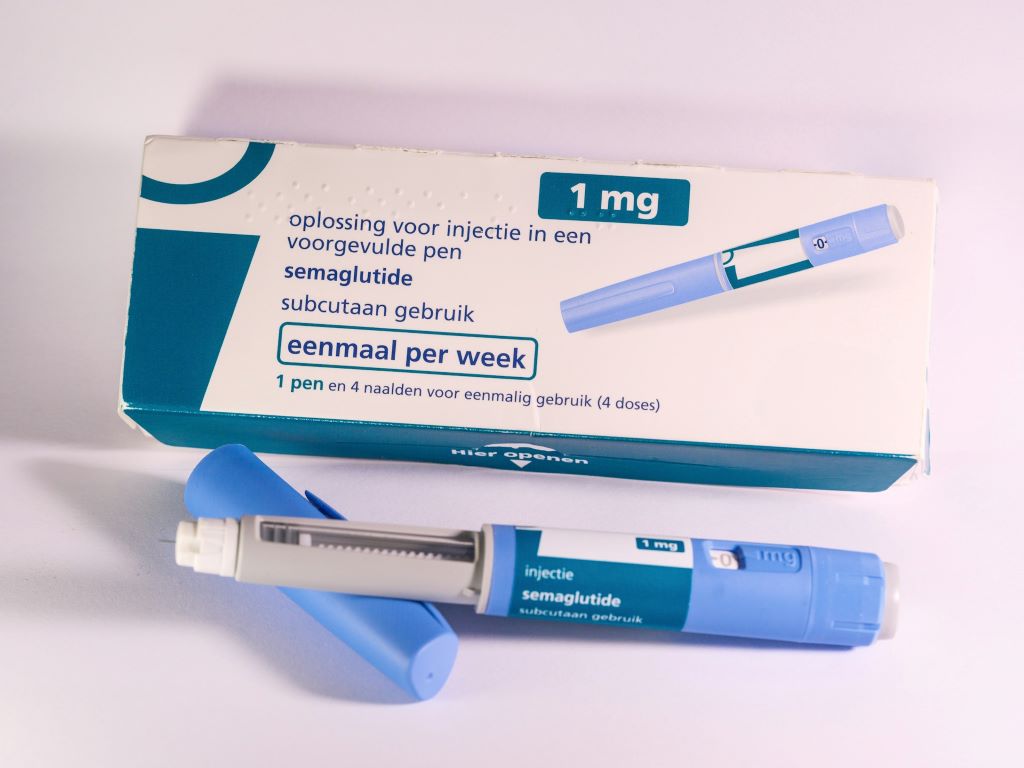
A new University of California San Diego study offers compelling evidence that GLP-1 receptor agonists may do more than regulate blood sugar and weight. In an analysis of more than 6800 colon cancer patients across all University of California Health sites, researchers found that those taking glucagon-like peptide-1 (GLP-1) medications were less than half as likely to die within five years compared to those who weren’t on the drugs (15.5% vs 37.1%).

The study, led by Raphael Cuomo, PhD, used real-world clinical data from the University of California Health Data Warehouse to assess outcomes across the state’s academic medical centres. After adjusting for age, body mass index (BMI), disease severity and other health factors, GLP-1 users still showed significantly lower odds of death, suggesting a strong and independent protective effect.

The survival benefit appeared most pronounced in patients with very high BMI (over 35), hinting that GLP-1 drugs may help counteract the inflammatory and metabolic conditions that worsen colon cancer prognosis. Researchers believe several biological mechanisms could explain the link. Beyond regulating blood sugar, GLP-1 receptor agonists reduce systemic inflammation, improve insulin sensitivity and promote weight loss – all factors that can dampen tumour-promoting pathways. Laboratory studies also suggest that GLP-1 drugs may directly prevent cancer cell growth, trigger cancer cell death and reshape the tumour microenvironment. However, the study authors emphasise that more research is needed to confirm these mechanisms and determine whether the survival benefit observed in this real-world analysis represents a direct anti-cancer effect or an indirect result of improved metabolic health.

Cuomo notes that while these results are observational, they underscore an urgent need for clinical trials to test whether GLP-1 drugs can improve cancer survival rates, especially for patients with obesity-related cancers.

The study appeared in Cancer Investigation on November 11, 2025.

Source: University of California – San Diego

Nanorobots Transform Stem Cells into Bone Cells with a Little Push

New method for the targeted production of specific cells

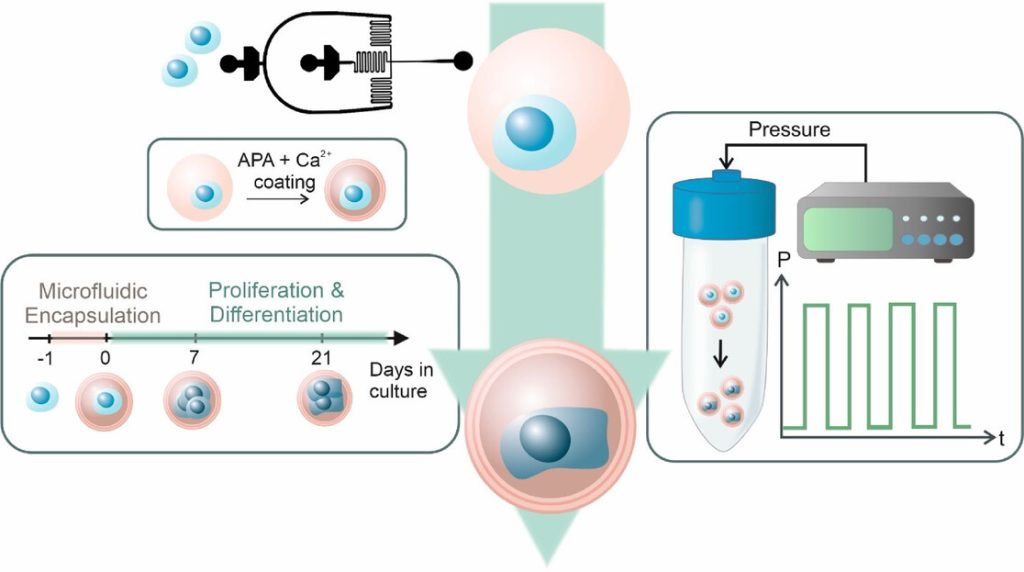
Figure 1
Schematic overview of the experimental workflow. MSCs (blue) were singly encapsulated using a microfluidic approach within calcium-crosslinked, RGD-functionalized alginate microgels (pink), followed by a secondary APA and calcium coating to enhance stability. Encapsulated cells were cultured for 21 days and subjected to cyclic hydrostatic pressure in regular cell culture media without any growth factors. Source: İyisan et al., Small Science, 2025.

For the first time, researchers at the Technical University of Munich (TUM) have succeeded in using nanorobots to stimulate stem cells with such precision that they are reliably transformed into bone cells. To achieve this, the robots exert external pressure on specific points in the cell wall. The new method offers opportunities for faster treatments in the future.

Prof Berna Özkale Edelmann’s nanorobots consist of tiny gold rods and plastic chains. Several million of them are contained in a gel cushion measuring just 60 micrometres, together with a few human stem cells. Powered and controlled by laser light, the robots, which look like tiny balls, mechanically stimulate the cells by exerting pressure. “We heat the gel locally and use our system to precisely determine the forces with which the nanorobots press on the cell – thereby stimulating it,” explains the professor of nano- and microrobotics at TUM. This mechanical stimulation triggers biochemical processes in the cell. Ion channels change their properties, and proteins are activated, including one that is particularly important for bone formation.

The research is described in Advanced Materials and Small Science.

Heart and cartilage cells: finding the correct stress pattern

If stimulation is carried out at the right rhythm and with the right (low) force, a stem cell can be reliably triggered to develop into a bone cell within three days. This process can be completed within three weeks. “The corresponding stress pattern can also be found for cartilage and heart cells,” asserts Berna Özkale Edelman. “It’s almost like at the gym: we train the cells for a particular area of application. Now we just have to find out which stress pattern suits each cell type,” says the head of the Microbiotic Bioengineering Lab at TUM.

Mechanical forces pave the way for transformation into bone cells

The research team produces bone cells using mesenchymal stem cells. These cells are considered to be the body’s ‘repair cells’. They are approximately 10 to 20 micrometres in size and are generally capable of developing into bone, cartilage or muscle cells, for example. The challenge: The transformation into differentiated cells is complex and has been difficult to control until now. “We have developed a technology that allows forces to be applied to the cell very precisely in a three-dimensional environment,” says TUM scientist Özkale Edelmann. “This represents an unprecedented advance in the field.” The researchers believe that this method can even be used to produce cartilage and heart cells from human stem cells.

Automation is the next step

For treatments, doctors will ultimately need far more differentiated cells – around one million. “That’s why the next step is to automate our production process so that we can produce more cells more quickly,” says Prof Özkale Edelmann.

Source: Technical University Munich

GLP-1 Drugs Tirzepatide and Semaglutide Provide Protection for Heart Health

Mass General Brigham researchers used real-world data to conduct a head-to-head study to investigate cardioprotective effects, finding both medications reduced risk.

Pexels Photo by Freestocksorg

A new study from Mass General Brigham provides head-to-head evidence comparing the cardioprotective effects of tirzepatide and semaglutide. The researchers found both medications reduced the risk of heart attack, stroke, and death from any cause. The study is published in Nature Medicine, with results simultaneously presented at the American Heart Association Scientific Sessions 2025.

Previous research shows that semaglutide protects against cardiovascular events like heart attack or stroke. But it wasn’t clear if tirzepatide, also commonly prescribed for type 2 diabetes, has the same cardiovascular benefits.

Researchers used US claims databases to compare the cardiovascular outcomes of nearly one million adults taking tirzepatide, semaglutide, or other medications for type 2 diabetes.

“Randomised controlled trials are often considered the reference standard in the medical evidence generation process. However, not all questions can be answered using this time- and resource-intensive method,” said first author Nils Krüger, MD, a research fellow in the Division of Pharmacoepidemiology and Pharmacoeconomics in the Mass General Brigham Department of Medicine. “Data generated in clinical practice and used secondarily for research allow us to address a wide range of clinically relevant questions time- and resource-effectively – when applied correctly. Moreover, we can study patients who reflect the reality of everyday clinical care, in contrast to the highly selected participants of randomized experiments.”

The study demonstrated a cardiovascular benefit for patients at risk for adverse cardiovascular events who had type 2 diabetes. Compared with sitagliptin, a diabetes drug that has shown neutral effects on cardiovascular outcomes, semaglutide reduced the risk of stroke and heart attack by 18 percent. Treatment with tirzepatide lowered the risk of stroke, heart attack, and death by 13 percent compared to dulaglutide, another GLP-1 receptor agonist that has been available for many years.

“Both drugs show strong cardioprotective effects. Our data also indicate that these benefits occur early, suggesting that their protective mechanisms go beyond weight loss alone,” said Krüger. The exact biological mechanisms underlying these protective effects remain unknown.

Because these medications have only recently become available, studies confirming their cardioprotective mechanisms – particularly those directly comparing the two dominant GLP-1 agents, tirzepatide and semaglutide – are still lacking.

“According to recently presented database analyses by the respective manufacturers, each company’s own drug appears to reduce cardiovascular risk much more effectively than the competitor’s,” said Krüger. “However, our study found only small differences between tirzepatide and semaglutide in cardiovascular protection among populations at risk of adverse events, underscoring that both agents provide protective benefit and could be integrated into clinical cardiovascular practice.”

“We hope that our study will help clinicians better understand how these new medications work in clinical practice. Our transparent and open science practices, including pre-registration of a public protocol and shared analytic code, are designed to support scientific discussion,” said last author Shirley Wang, PhD, an associate epidemiologist in the Division of Pharmacoepidemiology and Pharmacoeconomics in the Mass General Brigham Department of Medicine.

Source: Mass General Brigham

The Cost of Inaction: Why South Africa Cannot Afford to Ignore the Diabetes Crisis

Photo by Breakingpic on Pexels

Johannesburg, 11 November 2025: As we approach World Diabetes Day on November 14, civil society organisations warn that the cost of inaction on non-communicable diseases (NCDs) such as diabetes is already being paid for in lives, livelihoods and lost potential. The Healthy Living Alliance (HEALA) is calling on the South African government to increase the Health Promotion Levy (HPL) on sugary drinks from 11% to 20%, to help curb sugary drinks consumption and reduce the financial burden on the health system from rising non-communicable diseases.

“Diabetes is now the second leading cause of death in South Africa,1 yet every year we allow preventable diseases to claim more lives,” says Nzama Mbalati, CEO of HEALA. “Raising the Health Promotion Levy is one of the simplest, most effective steps government can take to protect people’s health, especially children, who are consuming sugar at dangerous levels.”

Since the introduction of the HPL in 2018, beverage companies have reduced the sugar content of their drinks, leading to cuts in average per-capita sugar consumption. But the gains have stalled. HEALA and its partners warn that without further cuts in consumption, the policy’s impact will fade, while rates of diabetes will continue to climb.

South Africa’s obesity rate is already twice the global average, and even one sugary drink a week raises a child’s risk of obesity and diabetes.2,3 One in four diabetes cases in the country is caused by sugary drink consumption.4 These numbers are not just statistics; they represent real people and families forced to navigate lifelong illness and financial hardship.

The economic toll is equally alarming. Treating obesity related conditions such as diabetes already costs South Africa more than R33 billion each year or about 15% of total government health spending.5 Modelling by PRICELESS SA (University of the Witwatersrand) shows that increasing the levy to 20% could save approximately 72 000 lives and prevent 85 000 strokes over two decades while easing the fiscal pressure on a health system already stretched beyond capacity.5

HEALA’s new national campaign, which launched in November, brings this message to the fore in two phases. The first calls for stronger health taxes across sugary drinks, alcohol and tobacco, continuing South Africa’s proven track record of using taxation to advance public health. The second sharpens focus on raising the HPL, calling for its increase as part of a consistent, evidence-based approach to protecting lives.

Through personal stories of South Africans living with diabetes, the campaign reveals the real cost of inaction and unites civil society under the banner #OneVoice, calling on government to put public health before profit.

Alphinah Setumo, a 52-year-old mother from Mathibestad, lost both her legs and her eyesight after years of consuming sugary drinks without understanding the risks. “Back then, drinking two litres of a sugary drink a day was nothing,” she recalls. “If I had known what I know now, my life would be different.”

Mpho Thebe, a maths and science tutor from Kroonstad, tells a similar story. Once a daily consumer of fizzy drinks, he lost his left leg to diabetes at 45. Today, he walks with a prosthetic leg and teaches children about perseverance and prevention. “I thought sugar was harmless,” he says. “Now I know it can take everything from you.”

These stories mirror thousands of others across the country, where diabetes silently devastates families, especially in low-income communities where affordable, healthy food and clean water remain scarce.

The campaign, supported by actress and mother Samela Tyelbooi, urges government to act. “As a parent, I worry about how sugar can make my kids sick,” says Tyelbooi. “We need government to increase the HPL, protect our children’s future, and stop putting profit before people.”

HEALA’s coalition partners, including health advocates, researchers and civil society organisations, are speaking with one voice ahead of the Medium-Term Budget Policy Statement and the 2026 Budget Speech. Their collective message is clear: the HPL is not just another tax, it’s a health tax, like those on alcohol and tobacco, designed to save lives, prevent disease and safeguard South Africa’s future.

“This is not about taking away people’s choices, it’s about giving South Africans the chance to make healthier, more informed choices,” adds Mbalati.

Diabetes and other NCDs already account for over 50% of deaths from preventable diseases in South Africa.5,6 Without decisive fiscal measures, the burden will continue to fall on the households least able to bear it.

Globally, countries from Mexico to the UK have proven that health taxes reduce sugar consumption and improve health outcomes.

HEALA is urging citizens to join the call by signing the petition and demanding that government increase the HPL to 20%.

“We have the evidence, we have the stories, and we have the will,” concludes Tyelbooi. “Now we need action.”

Study Highlights the Limits of AI in Heart Care

Human heart. Credit: Scientific Animations CC4.0

There are limits in applying AI to images of the heart, a new study from the Smidt Heart Institute at Cedars-Sinai reveals. The findings were published in the Journal of the American Society of Echocardiography.

Investigators trained multiple artificial intelligence models to read images from echocardiograms, a type of ultrasound test that evaluates the structure and function of the heart. Their goal was to determine whether AI could use these images to calculate measurements like inflammation and scarring that are normally obtained through another, more costly test called cardiac magnetic resonance imaging (CMRI). By examining findings from 1453 patients who had undergone both tests, they found the AI models could not accomplish this task.

“As compared to echocardiograms, cardiac MRI machines are expensive and not available for many patients, especially those in rural areas, so we had hoped that AI could reduce the need for it,” said Alan Kwan, MD, assistant professor in the Department of Cardiology in the Smidt Heart Institute at Cedars-Sinai and co-senior author of the study. “Our results showed the limited powers of AI in this area.”

Source: Cedars-Sinai Medical Center

Mortality Risk is Six Times Higher in Hospital Patients with Dyspnoea

Photo by engin akyurt on Unsplash

The risk of dying is six times higher among patients who become short of breath after being admitted to hospital, according to research published on Monday in ERJ Open Research. Patients who were in pain were not more likely to die.

The study of nearly 10 000 people suggests that asking patients if they are feeling short of breath could help doctors and nurses to focus care on those who need it most.

The study is the first of its kind and was led by Associate Professor Robert Banzett from Beth Israel Deaconess Medical Center, Harvard Medical School, Boston, USA. He said: “In hospital, nurses routinely ask patients to rate any pain they are experiencing, but this is not the case for dyspnoea. In the past, our research has shown that most people are good at judging and reporting this symptom, yet there is very little evidence on whether it’s linked to how ill hospital patients are.”

Working with nurses at Beth Israel Deaconess Medical Center, who documented patient-reported dyspnoea twice per day, the researchers found that it was feasible to ask hospital patients to rate their dyspnoea from 0 to 10, in the same way they are asked to rate their pain. Asking the question and recording the answer only took 45 seconds per patient.

Researchers analysed patient-rated shortness of breath and pain for 9 785 adults admitted to the hospital between March 2014 and September 2016. They compared this with data on outcomes, including deaths, in the following two years.

This showed that patients who developed shortness of breath in hospital were six times more likely to die in hospital than patients who were not feeling short of breath. The higher patients rated their shortness of breath the higher their risk of dying. Patients with dyspnoea were also more likely to need care from a rapid response team and to be transferred to intensive care.

Twenty-five per cent of patients who were feeling short of breath at rest when they were discharged from hospital died within six months, compared to seven per cent mortality among those who felt no dyspnoea during their time in hospital.

Conversely, researchers found no clear link between pain and risk of dying.

Professor Banzett said: “It is important to note that dyspnoea is not a death sentence – even in the highest risk groups, 94% of patients survive hospitalisation, and 70% survive at least two years following hospitalisation. But knowing which patients are at risk with a simple, fast, and inexpensive assessment should allow better individualised care. We believe that routinely asking patients to rate their shortness of breath will lead to better management of this often-frightening symptom.

“The sensation of dyspnoea is an alert that the body is not getting enough oxygen in and carbon dioxide out. Failure of this system is an existential threat. Sensors throughout the body, in the lungs, heart and other tissues, have evolved to report on the status of the system at all times, and provide early warning of impending failure accompanied by a strong emotional response.

“Pain is also a useful warning system, but it does not usually warn of an existential threat. If you hit your thumb with a hammer, you will probably rate your pain 11 on a scale of 0-10, but there is no threat to your life. It is possible that specific kinds of pain, for instance pain in internal organs, may predict mortality, but this distinction is not made in the clinical record of pain ratings.”

The researchers say their findings should be confirmed in other types of hospital elsewhere in the world, and that research is needed to show whether asking patients to rate their shortness of breath leads to better treatments and outcomes.

Professor Hilary Pinnock is Chair of the European Respiratory Society’s Education Council, based at the University of Edinburgh and was not involved in the research. She said: “Historically, the monitoring of vital signs in hospitalised patients includes respiratory rate along with temperature and pulse rate. In a digital age, some have questioned the value of this workforce-intensive routine, so it is interesting to read about the association of subjective breathlessness with mortality and other adverse outcomes.

“Breathlessness was assessed on a 0-10 scale which took less than a minute to administer. These noteworthy findings should trigger more research to understand the mechanisms underpinning this association and how this ‘powerful alarm’ can be harnessed to improve patient care.”

Source: EurekAlert!

Disagreement Between Two Kidney Function Tests Predicts Disease Risk

Photo by National Cancer Institute on Unsplash

A mismatch between two common tests for kidney function may indicate a higher risk for kidney failure, heart disease, and death, a new study shows.

Healthcare providers for decades have measured blood levels of creatinine to track the rate at which kidneys filter waste from muscle breakdown in the bloodstream. According to more recent guidelines, levels of cystatin C, a small protein made by all cells in the body, can also be used to measure kidney function. Since these two tests are influenced by different factors – including some related to disease or aging – using both markers together can provide a better measure of kidney function and risk of organ failure than either one alone.

Led by NYU Langone Health researchers, the new work reveals that many people, especially those who are sick, often have a large gap between the two readings, which may be a signal of future disease. Specifically, the global study shows that more than a third of hospitalised participants had a cystatin C-based readout of kidney function that was at least 30% lower than one based on their creatinine levels.

“Our findings highlight the importance of measuring both creatinine and cystatin C to gain a true understanding of how well the kidneys are working, particularly among older and sicker adults,” said study co-corresponding author Morgan Grams, MD, PhD. “Evaluating both biomarkers may identify far more people with poor kidney function, and earlier in the disease process, by covering the blind spots that go with either test.”

The study published online November 7 in the Journal of the American Medical Association and is simultaneously being presented at the American Society of Nephrology’s annual Kidney Week conference.

Beyond detecting signs of disease, assessing patients’ kidney function is important for calculating the appropriate dosage for cancer medicines, antibiotics, and many other drugs, says Dr Grams, Professor of Medicine at the NYU Grossman School of Medicine.

During another investigation, the results of which were published the same day, the same research team found that a record number of people worldwide have chronic kidney disease, which is now the ninth leading cause of death globally. Having new ways to spot the condition early can help ensure that patients receive swift treatment and avoid more-dramatic interventions such as dialysis and organ transplantation, says Dr Grams.

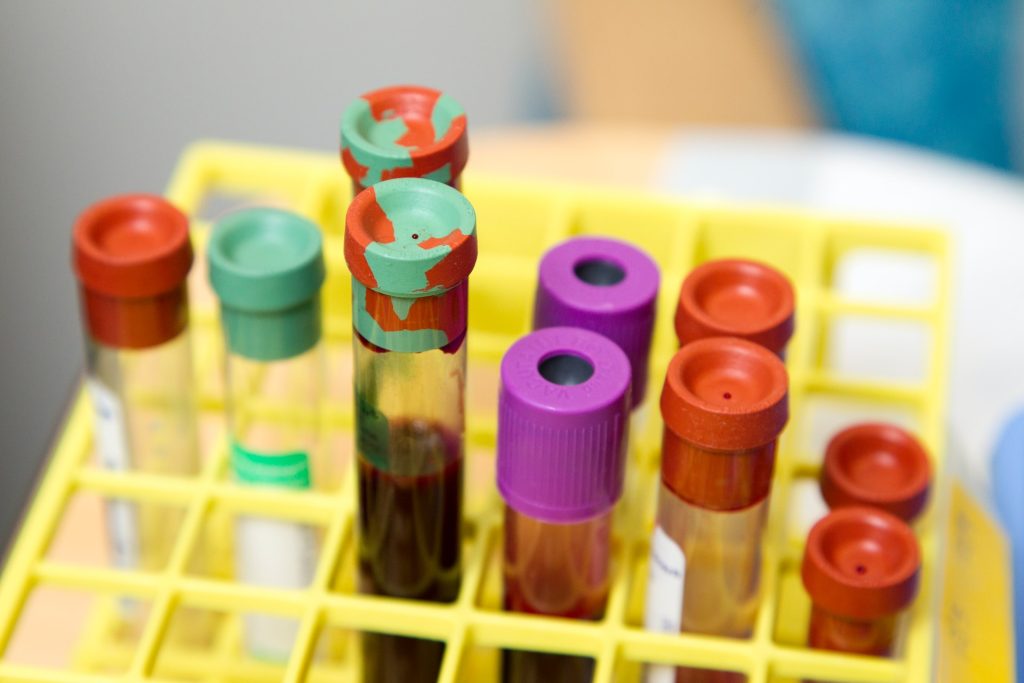
For the recent investigation, the research team analysed healthcare records, blood tests, and demographic data collected from 860, 66 men and women of a half-dozen nationalities. All participants had their creatinine and cystatin C levels measured on the same day and received follow-ups 11 years later, on average. The team considered factors unrelated to kidney function that influence the biomarkers’ readings, such as smoking, obesity, and history of cancer.

Performed as part of the international Chronic Kidney Disease Prognosis Consortium, the study is the largest to date to explore differences between the two tests and whether they may signal potential health problems, the authors say. Established to better understand and treat the condition, the consortium provides evidence for global definitions of chronic kidney disease and related health risks.

According to the new findings, those whose cystatin C-based measures of kidney filtration were at least 30% lower than their creatinine-based measures were at higher risk for death, heart disease, and heart failure than those who had a smaller difference between the two metrics. The former group was also more likely to be diagnosed with severe chronic kidney disease that required dialysis or an organ transplant. The same was found for 11% of outpatients and seemingly healthy volunteers.

Dr. Grams notes that while cystatin C testing was first recommended in 2012 by the international organization Kidney Disease—Improving Global Outcomes, a 2019 survey revealed that less than 10 percent of clinical laboratories in the United States performed it in-house. The two largest laboratories, Quest Diagnostics and Labcorp, now offer the test.

“These results underscore the need for physicians to take advantage of the fact that more hospitals and healthcare providers are starting to offer cystatin C testing,” said study co-corresponding author Josef Coresh, MD, PhD, director of NYU Langone’s Optimal Aging Institute. “Physicians might otherwise miss out on valuable information about their patients’ wellbeing and future medical concerns.”

Dr Coresh cautions that among the hospitalised Americans in the study, less than 1% were tested for cystatin C.

Source: NYU Langone Health

Withdrawal of US Aid Has Hurt South Africa’s HIV Programme

The cancellation of US aid funding to South Africa is harming the country’s HIV response. Source: Unsplash CC0

By Marcus Low and Nathan Geffen

The number of HIV viral load tests is significantly lower than expected, according to an analysis of data from the National Health Laboratory Service which Spotlight and GroundUp obtained through the Promotion of Access to Information Act.

The number of HIV viral load tests recorded by the National Health Laboratory Service (NHLS) is significantly less than expected since February 2025. We are aware of no compelling reason to explain this except the withdrawal of US aid.

All patients in the public health system with HIV are supposed to get viral load tests regularly, usually once a year. These tests are used to determine if HIV is being suppressed successfully in their blood using ARV medicines. If the number of viral load tests declines, it likely indicates either that patients are being lost to the public health system, they are being monitored less diligently, or the system for recording viral load tests has become less accurate. Any one of these would imply a serious hit to South Africa’s public sector HIV programme.

GroundUp and Spotlight used the Promotion of Access to Information Act to request, among other things, viral load test numbers from the NHLS. We were provided a spreadsheet with the number of tests per month for each province from January 2015 to September 2025. 

The current US Administration began taking steps to reduce US aid across the world after Donald Trump was inaugurated as president on 20 January 2025. Billions of rands have been withdrawn from South Africa. This caused some services, especially for vulnerable people — including gay men, sex workers and trans people— to close almost immediately, such as the Ivan Toms Centre in Cape Town and Wits University facilities in Johannesburg. US aid also funded support systems, such as data collection.

Public health experts have accused the government of being in denial about the consequences of the withdrawal of US aid. Health Minister Dr Aaron Motsoaledi has responded defiantly. In May, he stated that a record number of people had been initiated on ARVs over the previous months, a claim disputed by epidemiologists.

https://embed.bsky.app/embed/did:plc:jonfyv7sw4yyacspczyvtbrf/app.bsky.feed.post/3lpo5lttuks2f?id=7589772774055212&ref_url=https%253A%252F%252Fwww.spotlightnsp.co.za%252F2025%252F11%252F04%252Fwithdrawal-of-us-aid-has-hurt-south-africas-hiv-programme%252F&colorMode=dark

We asked a biostatistician to examine the NHLS data we received. She analysed the change in viral load tests by month and province over time. She found that the number of viral load tests for the period February to September this year is statistically significantly lower than what one would expect based on previous years. This confirms the view of public health experts: the withdrawal of US aid from South Africa has hit the HIV programme badly.

The decline in viral load numbers was previously reported by the Daily Maverick and Reuters for March and April. This was inevitable given the sudden withdrawal of US aid. But the new data shows that the decline has been sustained until September. The decline has occurred in every province except Limpopo.

How Viral Load Testing Performed Against Expectations, Feb–Sept 2025

ProvincePredictedActualDifference% Differencep_value
Eastern Cape545,061463,510-81,551-150.0007
Free State285,423234,671-50,752-180.0002
Gauteng1,210,8911,006,833-204,058-170.0002
KwaZulu-Natal1,475,3601,284,008-191,352-130.0001
Limpopo419,357441,31421,95750.1550
Mpumalanga532,713450,495-82,218-150.0007
North West326,907292,150-34,757-110.0002
Northern Cape64,85558,746-6,109-90.0017
Western Cape324,074290,011-34,063-110.0205
National5,184,6404,521,738-662,902-130.0003
*This table presents the expected and actual numbers of viral load tests conducted by the National Health Laboratory Service in South Africa from February to September 2025.

By looking at the change in viral load tests since 2015, a biostatistician estimated the number of viral load tests that there should have been for the period February to September 2025 using a standard linear regression model. She found that the actual number of tests declined significantly. A p-value less than 0.05 is considered statistically significant. Except for Limpopo, the p-values are substantially less than 0.05 for every province. The analysis takes into account that the NHLS suffered a data hack in 2024, and consequently, there is missing data for a few months.

An even simpler analysis also raises red flags. The absolute number of viral load tests conducted from February to September 2025 (4,521,738) is slightly lower than it was over the same period in 2023 (4,554,463) (due to a cyber attack, the NHLS’s 2024 figures are not a reliable comparison). Given that the number of people on HIV treatment is expected to increase over time and that everyone should be getting at least one viral load test per year, one would expect the number of viral load tests to have increased by a few hundred thousand since 2023.

These results show that the HIV programme has been set back. It is possible that tens of thousands of people have been lost to care. Also possible is that they are disproportionately the most vulnerable patients treated at specialist US funded facilities that closed as a consequence of the funding cuts.

Nevertheless the HIV programme is still successfully treating millions of people and South Africa is far better off than other African countries, such as Mozambique, whose response to HIV is almost entirely paid for with foreign aid.

Fewer patients have viral rebound. But is it a silver lining?

People with HIV who are on ARVs should have, after a few weeks, an undetectable amount of virus in their blood. This is what the viral load test measures. But if the ARVs stop working or a person stops taking their ARVs regularly, the virus will rebound in their blood.

The NHLS counts the number of viral load tests for which patients have more than a thousand copies of HIV per drop of blood. For these patients, the virus has rebounded in their blood.

The percentage of viral rebound cases has come down in 2025.

This might be because the standard ARV regimen has improved. A drug called dolutegravir is now part of the regimen, and it is known to do a better job of suppressing HIV than the drug it replaced a few years ago. This would be the good-news explanation, a silver lining in the data.

But it’s also possible that it’s because vulnerable patients treated in specialist clinics funded by US aid are more likely to have viral rebound and they are the ones who have been lost to the HIV programme. This would be the bad-news explanation.

At this point, we don’t have data to know which explanation of the viral rebound improvement is correct. The situation also varies substantially by province. The real picture might be a complex interaction of multiple factors.

This article was jointly produced by Spotlight and GroundUp.

Republished from Spotlight under a Creative Commons licence.

Read the original article.

Empagliflozin and Nasal Insulin Improve Brain Health in Early Alzheimer’s Disease

Created with Gencraft. CC4.0

A clinical trial from Wake Forest University School of Medicine shows that two widely available medications, the diabetes drug empagliflozin (Jardiance) and intranasal insulin, safely improve brain health in people with mild cognitive impairment and early Alzheimer’s disease. The study, published in Alzheimer’s & Dementia, marks the first time empagliflozin has been tested in non-diabetic patients with Alzheimer’s disease. The results show promising effects on memory, brain health and brain blood flow.

The research addresses a critical treatment gap for patients with Alzheimer’s disease. While recently approved anti-amyloid drugs represent progress, their benefits are modest, and they’re unavailable to many patients due to side effects and medical contraindications. They also don’t address the upstream metabolic and vascular problems that drive disease progression or help restore brain function after damage occurs.

“Our study suggests that targeting metabolism can change the course of Alzheimer’s disease,” said Suzanne Craft, PhD, lead investigator and professor of medicine and director of the Wake Forest Alzheimer’s Disease Research Center. “For the first time, we found that empagliflozin, an established diabetes and heart medication, reduced markers of brain injury while restoring blood flow in critical brain regions. We also confirmed that delivering insulin directly to the brain with a newly validated device enhances cognition, neurovascular health and immune function. Together, these findings highlight metabolism as a powerful new frontier in Alzheimer’s treatment.”

The four-week trial enrolled 47 older adults (average age 70) with mild cognitive impairment or early Alzheimer’s disease. Participants were randomly assigned to receive intranasal insulin alone, empagliflozin alone, both medications together or a placebo. 

Both medications were safe and well-tolerated. Treatment-related side effects were mild and similar across all groups. Participants found the nasal insulin device highly feasible to use (4.6 out of 5.0), and compliance rates exceeded 97% for both medications throughout the study.

The results revealed different benefits for each medication. Intranasal insulin improved performance on sensitive cognitive tests that detect early memory and thinking changes. Brain imaging showed insulin treatment increased the structural integrity of white matter connections and changed blood flow patterns in memory-critical regions. The treatment also reduced plasma GFAP, a marker of astrocyte (support cells that maintain healthy connections between blood vessels and brain cells) dysfunction that’s elevated in Alzheimer’s disease. 

Empagliflozin had different effects. The medication significantly lowered cerebrospinal fluid tau, a protein that forms toxic tangles in the brain in patients with Alzheimer’s disease. It also reduced neurogranin and vascular markers linked to disease progression and changed blood flow in key brain regions. Empagliflozin also increased HDL cholesterol, showing its beneficial metabolic effects work even in non-diabetic patients.

Both medications influenced multiple immune and inflammatory proteins in cerebrospinal fluid and blood. The changes suggest the drugs help activate protective immune responses while reducing harmful inflammation. Intranasal insulin particularly affected proteins involved in the nasal-olfactory plexus, a newly discovered pathway that connects the brain’s waste-clearance system to immune systems throughout the body.

The medications work differently but target overlapping problems. Empagliflozin, originally developed for diabetes, improves how the body processes glucose and sodium. That leads to better insulin sensitivity and vascular health throughout the body and brain. The drug also reduces oxidative stress and inflammation while improving how mitochondria produce energy in cells.

Intranasal insulin uses a precision delivery device to send insulin directly into the brain through the nose, bypassing the bloodstream. Once there, insulin activates receptors throughout the brain that keep synapses healthy, support blood vessel function, maintain white matter integrity, and regulate immune responses. Previous studies showed that lower doses of intranasal insulin preserved brain glucose metabolism and slowed white matter damage over 12 months.

The trial used higher insulin doses than previous studies (160 IU daily versus 40-80 IU) delivered through a cartridge pump system developed by Aptar Pharma and validated in earlier brain imaging studies. This device provides precise, reliable delivery to brain regions involved in memory and cognition. Empagliflozin was given at the standard 10 mg daily dose used for cardiovascular conditions in non-diabetic adults.

People with Alzheimer’s disease often have insulin resistance in the brain alongside vascular problems that reduce blood flow and nutrient delivery. These metabolic and vascular disruptions speed up the accumulation of amyloid plaques and tau tangles while preventing the brain from clearing these toxic proteins. Both medications tested in this trial target these upstream problems. 

“We plan to build on these promising results with larger, longer studies in people with early and preclinical Alzheimer’s disease,” Craft said. “Because empagliflozin or intranasal insulin improved tau tangles, cognition, neurovascular health and immune function, we believe these treatments could offer real therapeutic potential, either on their own or in combination with other Alzheimer’s therapies.”

The complementary effects of the two medications could make them valuable additions to combination therapy approaches. Since both drugs are already FDA-approved for other conditions with well-established safety profiles, they could reach patients faster than entirely new medications would.

Source: Wake Forest University School of Medicine