Tag: radiotherapy

Gene Analysis Predicts Breast Cancer Response to Chemotherapy

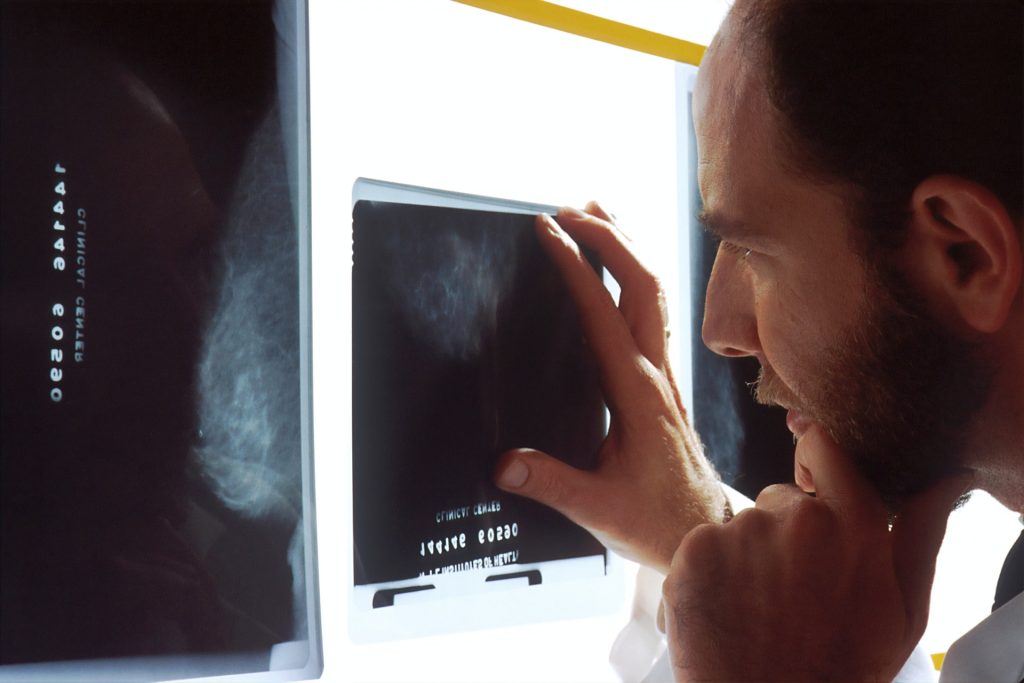
Photo by National Cancer Institute on Unsplash

A new study from Karolinska Institutet shows that gene analysis of breast cancer tumours can identify patients who do not benefit from chemotherapy given before surgery. The findings, published in the journal Nature Communications, could in the long term contribute to more personalised treatment.

The study included 179 patients with hormone dependent, HER2 negative breast cancer who took part in the Swedish PREDIX LumB trial. Before surgery, all patients received both treatments, but in different sequences. They were given either chemotherapy followed by hormone blocking therapy together with the drug palbociclib, which slows the division of cancer cells, or the reverse sequence.

When the researchers analysed the results, they found that the treatments led to similar reductions in tumour size overall. Survival was also similar regardless of whether treatment started with chemotherapy or with palbociclib and hormone blocking therapy.

Not all tumours responded

At the same time, the analyses showed that there was a subgroup of tumours with a poorer response to chemotherapy but a better response to palbociclib in combination with hormone‑blocking therapy.

To understand why some tumours did not respond to chemotherapy, the researchers analysed tumour gene expression, how active different genes are in the tumour, in tissue samples taken before treatment started. Based on these analyses, they developed a model called CDKPredX, which can identify tumours that respond poorly to chemotherapy but better to palbociclib combined with hormone blocking therapy.

“Today, we lack reliable ways to determine in advance which patients will actually benefit from chemotherapy before surgery. Our results show that tumour gene expression can provide important information in this respect,” says first author Alexios Matikas, docent at the Department of Oncology‑Pathology, Karolinska Institutet. 

The model is based on patterns of gene expression in the tumour, including genes involved in cell division, hormone signalling and the immune system. When the researchers tested the model in other patient groups, they observed similar patterns.

Further studies are needed

“In the longer term, this type of analysis could help patients avoid treatments that do not benefit them, such as chemotherapy, and instead receive treatment that has a better chance of working. At the same time, further studies are needed before the method can be used in clinical practice,” says senior author Theodoros Foukakis, professor at the same department. 

The researchers emphasise that the study is exploratory and that the genetic analysis is not yet ready for clinical use. Nevertheless, the results provide new insights into why different tumours respond differently to treatment.

Source: Karolinska Institutet

One‑week Radiotherapy Course Effective for Early‑stage Breast Cancer

New UK research has found that a one-week course of post-surgery radiotherapy is just as safe and effective as the traditional three-week course for people with early-stage breast cancer. 

The FAST-Forward trial, led by Keele’s Professor Murray Brunt and sponsored by The Institute of Cancer Research, London, followed more than 4000 patients for a decade after their treatment.  

The 10-year results of this phase III randomised trial, funded by the National Institute for Health and Care Research (NIHR) and published in the Lancet Oncology, show that a shorter, five-day radiotherapy schedule provides the same level of cancer control as the traditional three-week treatment.  

These findings build on previous five-year results that have already driven a shift in clinical practice. Since 2020, it is estimated that tens of thousands of people in the UK have already benefited from the shorter course on the NHS. Researchers expect this approach will also reduce the burden on people undergoing treatment for breast cancer worldwide and expand access to life-saving radiotherapy.  

Breast cancer is one of the most common cancers globally, and radiotherapy plays a critical role in reducing the risk of recurrence after surgery. A shorter treatment course is not only more convenient for patients – it also reduces hospital visits and eases pressure on radiotherapy services, making treatment more accessible.  

The research team compared the traditional schedule of 15 treatments over three weeks with two shorter schedules that used five treatments over one week. The two shorter courses gave slightly different amounts of radiation to allow the research team to work out the best dose.   

After 10 years, cancer coming back in the treated breast was very low in all three groups: 3.6% for the standard three-week treatment, 2.9% with the one-week treatment with a slightly higher dose, 2.1% with the one-week treatment with a slightly lower dose.   

The lower dose one-week treatment had side effects that were very similar to the standard approach, with no increase in long-term breast or chest wall changes. Because of this, this dose and schedule are now the recommended option.  

Professor Murray Brunt, chief investigator of the FAST-Forward study and Professor of Clinical Oncology at Keele University, said: “These 10-year results provide definitive long-term evidence that one-week radiotherapy given at an appropriate dose to the breast is a safe, effective, and more practical option for people with breast cancer. 

“By reducing treatment from 15 sessions to just five, we can offer patients the same excellent cancer control with fewer hospital visits, less disruption to their daily life, and reduced pressure on healthcare services. This approach has already transformed practice in the UK and has the potential to improve access to life-saving treatment for people with cancer worldwide. 

“Hearing patients talk about how much it helps to only need one week of radiotherapy has been really encouraging for everyone involved.”  

Professor Judith Bliss, Professor of Clinical Trials at The Institute of Cancer Research, London, who co-led the trial, said: “The FAST-Forward trial is transforming cancer treatment by reducing standard breast radiotherapy from 3 weeks to just one week, without compromising effectiveness.  

“The streamlined schedule has made radiotherapy more accessible, particularly for people who find it difficult to attend hospital and those in lower-income countries.”  

“The FAST-Forward trial is part of a long-term programme of research into improving breast cancer radiotherapy at The Institute of Cancer Research (ICR).  

“These final 10-year results mark a significant milestone in breast cancer treatment and reinforce the growing shift toward more efficient radiotherapy approaches. The success of FAST-Forward has led to the ongoing NIHR-funded FAST-Forward Boost trial, which is investigating whether more extensive radiotherapy – including an additional ‘boost’ dose for some patients – can also safely be delivered in five days.  

Professor Anthony Gordon, Director for NIHR’s Health Technology Assessment (HTA) Programme, added: “The legacy of the FAST-Forward trial is clear to see, with thousands of women benefiting from shorter courses of radiotherapy and fewer hospital visits, helping the health and care sector to achieve more effective and efficient use of resources. The new 10-year results show the benefit of investing in high-quality, long-term research to improve the health and wealth of the nation.  

“NIHR’s research aims to tackle the most urgent health and social care challenges, targeting the areas of greatest need and where the most significant impact can be made. The findings from the FAST-Forward trial have already made a considerable difference to the treatment regimens that breast cancer patients undergo, making them more efficient, while at the same time, easing pressure on NHS services.”

Source: Keele University

Secondary Blood Cancers from Chemo- and Radiotherapy are Increasing

Study from Japan finds rising rates, especially after breast cancer treatment

Photo by Tima Miroshnichenko on Pexels

Some therapies used to treat cancer may increase the risk of later developing cancers that affect the blood. A population-based study in Japan has revealed a gradual increase in the rates of therapy-related acute myeloid leukaemia (tAML) in recent years, especially after breast cancer treatment. The findings are published by Wiley online in CANCER, a peer-reviewed journal of the American Cancer Society.

tAML is an aggressive cancer of the blood and bone marrow that develops after prior chemotherapy or radiation for an earlier, primary cancer, likely arising in part due to DNA damage from these treatments. To assess whether tAML is increasing as a post-cancer therapy complication as the number of cancer survivors increases, investigators analysed data from the Osaka Cancer Registry pertaining to patients in Japan who were diagnosed with AML between 1990 and 2020.

Among 9,841 patients with AML, 636 (6.5%) had tAML. The annual tAML incidence increased from 0.13 per 100,000 population in 1990 to 0.36 per 100,000 population in 2020. The proportion of tAML cases in overall AML cases almost doubled.

The most common primary cancer that was treated before tAML developed was another form of blood cancer (23.1%), followed by breast cancer (14.6%), colorectal cancer (11.5%), and gastric cancer (8.7%). The distribution of primary cancers changed over time, with a prominent increase in breast cancer and a decrease in gastric cancer.

“The study provides an important step towards better understanding how the nature of tAML is changing with the increasing number of cancer survivors,” said lead author Kenji Kishimoto, MD, PhD, of the Osaka International Cancer Institute.

Source: Wiley

Internal Y90 Radiotherapy for Liver Cancer does not Increase Toxicity

Human liver. Credit: NIH

New research from a University of Cincinnati Cancer Center study found external beam radiation therapy (EBRT) is safe to administer to patients with liver cancer even after they undergo a targeted internal radiation therapy with Yttrium-90 (Y90).

Led by first author Sarah Feldkamp, MD, and senior author Jordan Kharofa, MD, the research was published in the American Journal of Clinical Oncology.  Feldkamp explained that while traditional EBRT delivers radiation from a machine outside the body, Y90 provides carefully aimed treatment for liver cancer through microscopic beads injected into the blood supply. 

The location and size of each tumour help clinicians decide which radiation approach to take with each patient. But following Y90, doctors questioned whether the treatment exhausted the liver’s radiation tolerance, meaning additional EBRT could lead to toxicity.

In the study, the team reviewed 94 patients with liver cancer treated with EBRT from 2016 to 2024, including 15 who were additionally treated with Y90.

“EBRT can be delivered after Y90 without an increase in toxicity,” said Feldkamp, a resident in the Department of Radiation Oncology in UC’s College of Medicine. “These results, though not particularly surprising to our team given collective personal experience, do contradict commonly held assumptions by others in the field.” 

Kharofa said the study offers “meaningful reassurance” that EBRT can be offered after Y90 when treatment is carefully individualized to each patient.

“That expands the options we can offer patients with residual or recurrent disease, and I think it will change how some clinicians approach this sequencing question,” said Kharofa, senior advisor and chair of the Protocol Review and Monitoring System at the Cancer Center and professor in the Department of Radiation Oncology in UC’s College of Medicine.

“This research suggests that having had Y90 in the past doesn’t automatically close the door on radiation as a next step,” he continued. “The key is working with a team experienced in individualizing treatment plans, and that’s exactly the kind of care we aim to provide.”

Feldkamp noted that the relatively small size of this patient population makes a follow-up study or larger clinical trial more difficult. However, other institutions conducting similar single- or multisite reviews could provide more clarity on liver toxicity following radiation treatment for liver cancer.

By Tim Tedeschi

Source: University of Cincinatti

Hormone Therapy of Little Benefit with Radiotherapy after Prostate Surgery

Findings could help patients avoid side significant effects and improve quality of life

Credit: Darryl Leja National Human Genome Research Institute National Institutes Of Health

A new study led by UCLA Health investigators suggests that adding hormone therapy to post-operative radiotherapy may provide little survival benefit for most men with prostate cancer, especially for those with very low PSA levels before treatment. 

The researchers found that for men with low PSA levels prior to radiotherapy, adding hormone therapy, whether short-term or long-term, did not improve overall survival. Men with higher PSA levels before radiation may see modest improvements in survival and metastasis-free survival, suggesting hormone therapy may be beneficial primarily for this higher-risk group.

The results were published in The Lancet and presented by Dr Amar Kishan, professor and executive vice chair of radiation oncology at the David Geffen School of Medicine at UCLA, during the plenary session of the American Society of Clinical Oncology Genitourinary Cancers Symposium in San Francisco. 

“Hormone therapy, which impacts the ability of testosterone to stimulate prostate cancer growth and repair, has been shown to improve outcomes when combined with radiotherapy in men whose prostates are still intact. However, whether it has a similar benefit for men receiving radiotherapy after prior surgery has remained unclear,” said Kishan, first author of the study and co-director of the cancer molecular imaging, nanotechnology and theranostics program at the UCLA Health Jonsson Comprehensive Cancer Center. “At the same time, hormone therapy carries significant side effects, including severe fatigue, hot flashes, sexual dysfunction, weight gain, bone loss and metabolic changes that can increase cardiovascular risk. Our findings show that for most men with detectable but low PSA levels (<0.5 ng/mL), after surgery to remove the prostate, post-operative radiotherapy is highly effective on its own. By safely omitting hormone therapy in these patients, we can potentially spare them months of treatment that may substantially affect their quality of life without extending survival.”

To better understand the impact of hormone therapy in this setting, the researchers conducted a large-scale, individual patient-level meta-analysis through the MARCAP Consortium, an international collaboration co-led by Kishan that is designed to evaluate long-term outcomes across randomized clinical trials.

The team analysed data from 6057 men enrolled in six randomised trials comparing post-operative radiotherapy alone to radiotherapy combined with either short-term (4-6 months) or long-term (24 months) hormone therapy. By pooling individual patient data rather than relying on summary trial results, investigators were able to examine outcomes in greater detail, including how pre-radiation PSA levels influenced treatment benefit.

Patients were followed for a median of nine years, allowing researchers to assess long-term overall survival, metastasis-free survival and recurrence outcomes. The analysis also enabled direct comparisons between short-term and long-term hormone therapy to determine whether extending treatment duration improved outcomes.

The researchers found that overall, 83.6% of men who received post-operative radiotherapy alone were alive after 10 years, compared with 84.3% for those who received post-operative radiotherapy plus hormone therapy.

Researchers found that pre-radiotherapy PSA levels, a measure of prostate-specific antigen in the blood after prostatectomy, played a crucial role. Men with low PSA levels before radiotherapy (≤0.5 ng/mL) saw no benefit from hormone therapy. In contrast, men with higher PSA levels showed modest improvements in survival, suggesting that hormone therapy may only be worthwhile for those with elevated PSA. 

The study also examined the duration of hormone therapy. Short-term therapy did not improve overall survival, though it slightly reduced the risk of cancer spreading. Long-term therapy showed a small survival benefit, particularly for men with higher PSA levels after prostatectomy. However, the team’s statistical analysis demonstrated that extending short-term therapy to long-term therapy did not further improve survival, although it did modestly lower the risk of metastasis.

“Our goal is always to treat the cancer while minimizing harm,” said Kishan. “This study helps us move toward more personalised care for men with prostate cancer. By better identifying who truly benefits from hormone therapy, we can make treatment smarter, reduce unnecessary interventions and focus on improving patients’ overall well-being.”

Building on those findings, ongoing research is working to further refine that approach. Trials such as the BALANCE Trial aim to pinpoint biomarkers that can identify which men are most likely to benefit from hormone therapy after surgery, helping tailor treatment decisions even more precisely.

Source: UCLA Health

Improving Understanding of Female Sexual Anatomy for Better Pelvic Radiotherapy

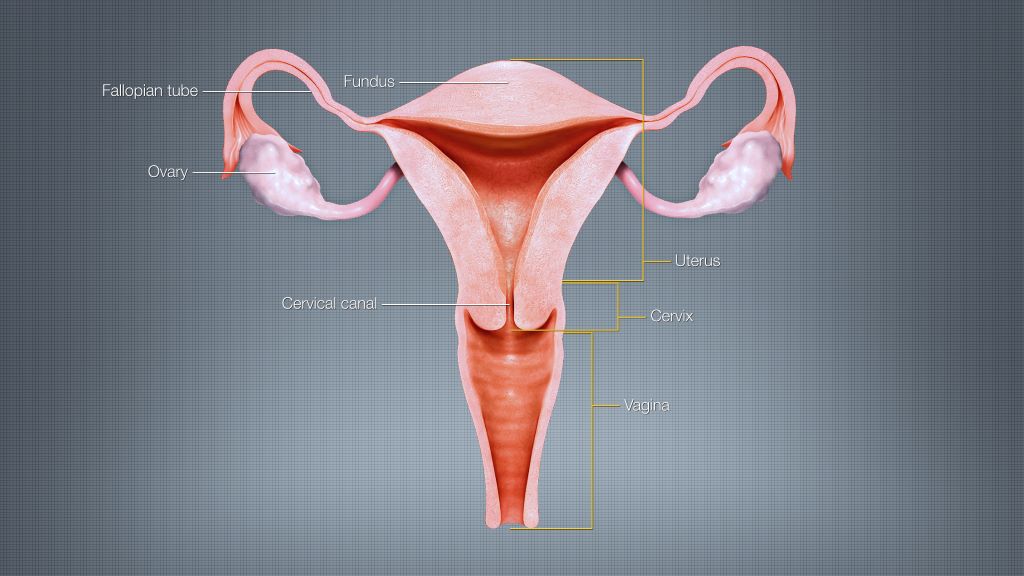
Female reproductive system. Credit: Scientific Animations CC4.0 BY-SA

Researchers at the Icahn School of Medicine at Mount Sinai, in collaboration with other leading institutions across the country, have published an innovative study that provides radiation oncologists with practical guidance to identify and protect female sexual organs during pelvic cancer treatment.  

Published in the latest issue of Practical Radiation Oncology, this study addresses a long-standing gap in cancer care by bringing key female sexual anatomy into consideration during routine radiotherapy planning and survivorship research. 

The study, “Getting c-literate: Bulboclitoris functional anatomy and its implications for radiotherapy,” synthesises current scientific knowledge and pairs it with original anatomic dissection, histology, and advanced imaging analysis. The work focuses on the bulboclitoris, a female erectile organ (consisting of the clitoris and the vestibular bulbs) that plays a central role in sexual arousal and orgasm and can be exposed to radiation during treatment for pelvic cancers. 

“Pelvic radiotherapy can be life-saving, but it can also affect sexual function and quality of life,” said Deborah Marshall, MD, MAS, Assistant Professor, Departments of Radiation Oncology and Population Health Science and Policy at the Icahn School of Medicine at Mount Sinai; Division Chief of Women’s Health, Department of Population Health Science and Policy; and senior author of the study. “Compared to male sexual anatomy, female erectile structures have been largely invisible in standard radiation workflows. Our goal was to provide clinicians with a practical anatomy-grounded way to change that.” 

Using detailed anatomic and radiologic correlation, the research team demonstrates how the bulboclitoris and related neurovascular structures can be identified on standard CT and MRI scans and consistently outlined (or “contoured”) for radiotherapy planning. This step-by-step guidance makes it feasible for clinicians to measure radiation dose to these tissues and begin linking exposure to patient-reported outcomes related to arousal and orgasm. 

“This work builds upon our previous knowledge that the clitoris is not just an external structure,” Dr. Marshall said. “It includes an entire internal organ comprised of erectile tissues located just outside the pelvis, and those tissues matter for sexual health and, in particular, for female sexual pleasure. Once clinicians can reliably see and measure them, we can begin to ask better questions, have better conversations with patients, and ultimately deliver better care.” 

Sexual function outcomes after pelvic radiotherapy have historically been understudied in women, limiting counselling, toxicity prevention strategies, and equitable survivorship care. By establishing a shared, standardised approach to identifying the bulboclitoris, the study lays the groundwork for future research to develop dose-volume constraints and mitigation strategies, as other organs at risk are managed in radiation oncology. 

For clinicians, the framework enables routine contouring and dose reporting using CT alone when necessary, with MRI improving soft-tissue visualization when available. In the absence of prospective dose-response data, the authors recommend minimising radiation dose to the bulboclitoris when oncologically appropriate, using an “as low as reasonably achievable” approach. 

For patients, the work supports more informed conversations about potential sexual side effects of pelvic radiotherapy, including changes in arousal, sensation, orgasm, lubrication, or pain. This research also promotes more personalized treatment planning that considers female sexual health and pleasure as a legitimate and important component of cancer survivorship. 

Next steps include prospective research through Mount Sinai’s STAR program, deeper mapping of neurovascular anatomy relevant to sexual function, expanded educational resources for oncology and radiology teams, and improved patient-reported outcome measures that reflect diverse sexual practices and experiences. 

Source: Mount Sinai

Strong Evidence for Effectiveness of Metastasis-directed Radiotherapy in Prostate Cancer

Photo by Jo McNamara

Metastasis-directed therapy (MDT) significantly improved outcomes in patients with oligometastatic prostate cancer, according to a new study from researchers at The University of Texas MD Anderson Cancer Center published today in Lancet Oncology.

The study is a first-of-its-kind meta-analysis of individual patients across all available randomised clinical trials evaluating the addition of metastasis-directed radiation therapy to standard-of-care treatment.

According to corresponding author Chad Tang, MD, associate professor of Genitourinary Radiation Oncology, gathering level one evidence of the benefits of MDT in this cancer type has been a challenge due to several factors. Most significant among them are that only a small number of patients have oligometastatic cancer – meaning they have multiple metastases but not enough to be considered widely metastatic – and the relative indolence of oligometastatic disease.

“If we can identify and treat this disease in the narrow window before it spreads too far, we know that patient outcomes are significantly better. But gathering this data is difficult,” Tang said. “By bringing together all available patient data from randomized clinical trials, we have provided the best evidence to date that MDT improves patient outcomes.”

What is MDT and what is the significance of this study on oligometastatic prostate cancer?

Broadly, MDT can include multiple treatment approaches. In this setting, the most common form of MDT is radiation therapy, which targets metastases at a stage when cancer has begun to spread but hasn’t yet spread widely. This approach potentially brings several benefits to patients, such as delaying the time to progression and limiting the need for more aggressive therapies that will further impact quality of life.

The most common form of MDT is stereotactic body radiation therapy (SBRT), a type of very precise radiation therapy. In previous studies, like the Phase II EXTEND trial presented in 2024, MDT significantly improved progression-free survival (PFS). 

These and similar findings have led to widespread adoption of MDT in the oligometastatic setting, despite the lack of level one evidence.

To try and address that lack of data, researchers from several institutions created a global consortium, known as X-MET, to gather the data from all randomized trials for analysis at MD Anderson. Individual patient data from seven trials were ultimately included in this meta-analysis, known as WOLVERINE.

What were the results of the study?

This study, which included 574 men, showed a significant benefit for the patients receiving the MDT arm in PFS, radiographic PFS, and castration resistance-free survival.

Patients in the MDT arm gained a median of 7.6 months before disease progression, 4.9 months before radiographic disease progression, and 2.5 months before developing castration-resistance disease, compared to patients receiving standard of care alone. These findings were consistent across the individual trials and in the aggregated data.

Additionally, there were no significant differences in safety between the treatment arms. No grade five toxicities were observed in either arm, and any adverse effects above grade two were similar between the two arms.

“We hope that this dataset will lay the groundwork for future Phase III trials, which hopefully will show an overall survival benefit for these patients,” Tang said. “However, what this data does already show is the best evidence to date that MDT significantly benefits patients without adding any notable safety risks.”

Source: The University of Texas MD Anderson Cancer Center

Research Finds Protein Behind Radiotherapy-induced Skin Damage

The protein Dickkopf 3 plays a key role in the development of radiation-induced fibroses – and could be a promising target for novel therapies

Picture by Macrovector on Freepik

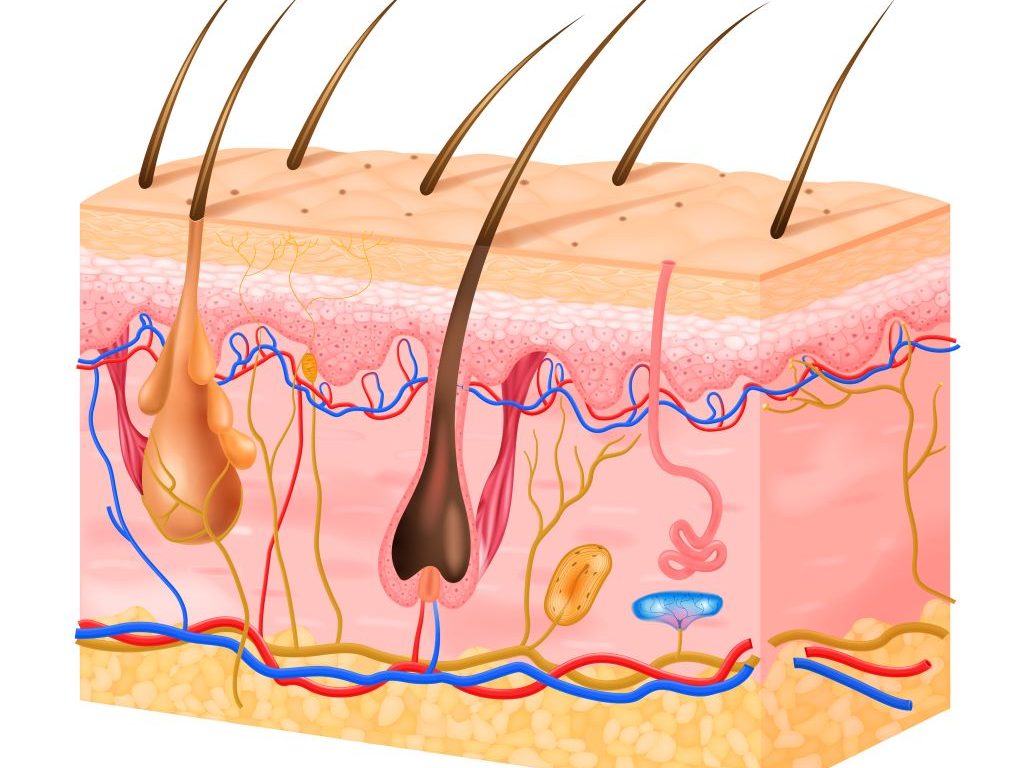
Radiotherapy is one of the main treatment forms for cancer. Among its most common side effects is skin damage, right up to chronic inflammations and fibroses. At present, such long-term damage can only be treated symptomatically and leads to thickened, painful, or sensitive skin for months to years after the radiation treatment. A team led by LMU immunologist Professor Peter Nelson (LMU University Hospital) and Roger Sandhoff and Peter E. Huber from the German Cancer Research Center (DKFZ) has identified a protein called Dickkopf 3 (DKK3) as a main cause of long-term skin damage after radiotherapy – a decisive step for the development of novel, more targeted therapy options.

The results were published in Signal Transduction and Targeted Therapy.

By investigating mouse models and human cells and tissue samples, the researchers demonstrated that DKK3 is activated after radiotherapy in a certain group of skin cells that are responsible for skin renewal. This activity triggers a chain reaction which promotes inflammations and the formation of scar-like tissue and leads to chronic skin damage. The key findings were driven by the work of LMU students, Li Li and Khuram Shehzad. Their efforts were essential in identifying DKK3 as the critical molecular mediator and in establishing the mechanistic framework presented in the paper. “We also observed similar processes in the kidney,” says Nelson. “This indicates that the activation of DKK3 is a fundamental mechanism that promotes fibrosis in various tissues.”

According to the researchers, these findings underscore that DKK3 represents a promising new treatment target. “Drugs that block DKK3 could one day help prevent or reduce long-term skin damage after radiotherapy and thus improve the quality of life of cancer patients and survivors,” says Nelson. The researchers are currently investigating, moreover, whether this approach could also contribute to the prevention of scar formation in other organs.

Source: Ludwig Maximilian University of Munich

Targeted Radiation During Surgery Reduces Pancreatic Cancer Recurrence

Image of a what is targeted with radiation. Red represents the pancreatic tumor, which is contacting with a major nearby artery. Yellow represents the Baltimore Triangle, which is now targeted in all patients, in addition to red volume. Credit: Amol Narang, M.D.

Using targeted radiation during surgery – referred to as intraoperative radiation – to eliminate pancreatic cancer cells that have spread to areas around the pancreas, investigators at Johns Hopkins have been able to reduce the recurrence rate around the pancreas to 5%. This is believed to be the lowest ever reported for this population of patients, according to a preliminary study by the team from the Johns Hopkins Kimmel Cancer Center.

The study was presented at the American Society for Radiation Oncology annual meeting in September 2025.

The study enrolled 20 patients with borderline resectable or locally advanced pancreatic cancer. Patients received presurgical chemotherapy and radiation targeted to shrink the tumours away from the blood vessels. Then, during surgery to remove their tumours, patients received another dose of precisely targeted radiation using a robotic device that carries small radioactive beads inserted through catheters. The device enabled the team to pinpoint a triangular area near the pancreas, where recurrences commonly occur. Only one of the 20 patients experienced a recurrence around the pancreas at the 24-month mark – a major achievement for a cancer that, until recently, had lagged behind other cancers in treatment success.

By the time most pancreatic cancers are diagnosed, the tumours have spread to affect important blood vessels around the pancreas. Historically, patients with pancreatic cancers whose blood vessels were affected could not undergo surgical removal of their tumours. But in the past decade, clinicians at the Johns Hopkins Kimmel Cancer Center’s Skip Viragh Center for Pancreas Cancer Clinical Research and Patient Care have pioneered new approaches that use chemotherapy and radiation to shrink the tumours away from blood vessels, enabling more patients to undergo surgical removal of their tumours.

However, many of these patients continued to experience tumor recurrences, and Amol Narang, M.D., associate professor of radiation oncology and molecular radiation sciences, and his colleagues sought to determine why.

The team learned that the pancreatic cancer cells were spreading along nerves near the pancreas to a fatty, nerve-dense triangular area just above the pancreas, which Narang calls the “Baltimore triangle.” When he and his colleagues started targeting the Baltimore triangle with radiation before surgery to kill these stray cancer cells, pancreatic cancer recurrence rates in their patients dropped from 47% to 12% at two years post-surgery. Yet, in the 12% who experienced recurrences around the pancreas, the recurrences continued to occur in the Baltimore triangle.

To further lower recurrence rates, Narang and his colleagues decided to deliver an additional round of Baltimore triangle-targeted radiation to patients during surgery after removal of the pancreatic tumour. He explained that, during the surgery, surgeons remove a part of the duodenum, next to the pancreas, making it easier to access the Baltimore triangle without risking harm to surrounding organs. The combination of radiation targeted to the Baltimore Triangle prior to surgery as well as intraoperative radiation to the triangle during surgery allowed Narang to deliver ablative doses of radiation to this region.

“The combination of intraoperative radiation and targeting the Baltimore triangle has gotten us to a 5% recurrence rate, which is the lowest-ever reported recurrence rate around the pancreas for this population of patients to our knowledge. But I think we can drop to 0% in our next study,” Narang says. “We must do whatever we can to prevent recurrences from happening, because when pancreatic cancer comes back, it is often incurable. These results give us hope, though, that this can be done for a cancer where even decade ago, most thought this wasn’t possible.”

The only recurrence in the study occurred in the part of the Baltimore triangle that the team had difficulty reaching during the intraoperative treatment. Currently, the team is developing strategies to target this hard-to-reach part of the triangle, with the hopes of reducing recurrences to zero. Once they’ve mastered that refined approach, they would like to team up with other cancer centres across the US to run a larger clinical trial to confirm their results. 

Source: Johns Hopkins Medicine

Single-dose Radiation Before Surgery Can Eradicate Breast Cancer

These two magnetic resonance imaging (MRI) scans were taken 10 months apart. On the left, the blue arrow points to the edge of a breast tumour, and the red arrow locates a biopsy clip, which appears as a black dot. The MRI on the right, which includes the biopsy clip, shows the tumour is gone after a single, targeted dose of radiation and antihormone therapy.

A single, targeted high dose of radiation delivered before other treatments could completely eradicate tumours in most women with early-stage, operable hormone-positive breast cancer, according to a study led by UT Southwestern Medical Center researchers. The findings, published in JAMA Network Open, could shift the paradigm for patients with the most common form of breast cancer, who typically undergo surgery before a regimen of radiation therapy.

“This is a major advance in the field,” said study leader Asal Rahimi, MD, Professor of Radiation Oncology. “This treatment protocol provides patients a significant time savings, spares a lot of their tissue from irradiation, and allows them to still undergo any type of oncoplastic surgery they may choose, all while very effectively treating their disease.”

Like patients with other forms of cancer, those with breast cancer are typically treated with a combination of surgery to remove tumours, medications such as hormone blockers, chemotherapy, and radiation, often in that order. In addition, many patients choose to have breast reconstructive surgeries before radiation treatment.

Having targeted radiation prior to surgery has several benefits, including a more than 100-fold smaller volume of tissue being irradiated compared with whole breast radiation; one day of radiation compared with up to 6.5 weeks of radiation, creating a huge time savings for patients; and more options for patients seeking reconstructive surgery, explained Dr Rahimi.

Early-stage, hormone-positive breast cancer accounts for 60–75% of all breast cancers. Seeking a more time-efficient way to treat these patients, Dr Rahimi and her colleagues tested a strategy in which 44 patients started treatment with a single dose of targeted radiation. While typical radiation therapy protocols call for 1.8–2.67Gy per day for 16 to 33 days, the researchers divided the study participants into three groups and gave each patient a single dose of 30, 34, or 38Gy. The volunteers then went on hormone-blocking drugs and waited a median of 9.8 months until they underwent surgery to remove any residual tumour tissue.

In 72% of study participants, the surgeons found no residual tumor left, indicating that patients had a “pathological complete response.” An additional 21% of patients had a “near complete response,” meaning that their cancer was more than 90% eliminated.

Further analysis showed that time to surgery was the best predictor of response. The longer patients waited to undergo surgery, the more likely their tumours were to disappear, regardless of the radiation dose or tumour size. These results were probably due to the time it takes cells to die or be removed by the immune system after radiation therapy, Dr Rahimi explained.

This new treatment protocol could hold significant advantages over the current gold standard, said Marilyn Leitch, MD, Professor of Surgery. For example, being able to wait to schedule surgery will allow patients to plan for the disruption it brings to their lives. The radiation course lasts a single day rather than weeks. Plus, in the future, this new approach may eliminate the need for surgery in some patients.

“Much of the current research in breast cancer is looking at ways to reduce the extent of surgery, radiation, and/or medical therapy that is required to completely treat early-stage breast cancer. It is very exciting to be part of innovative research that can improve the quality of life of our cancer patients and minimize the extent of treatment they require,” Dr Leitch said.

The research team is currently enrolling patients in a phase two clinical trial. “If the results mirror the ones from this study, an initial targeted dose of radiation could become a new treatment option for patients with small, early-stage, hormone-positive breast cancer,” Dr Leitch said.

Source: UT Southwestern Medical Center