Tag: aerobic exercise

Weightlifting Beats Running for Glycaemic Control, Researchers Find

Study shows that resistance training outperforms endurance exercise in improving insulin sensitivity in obesity and Type 2 diabetes models.

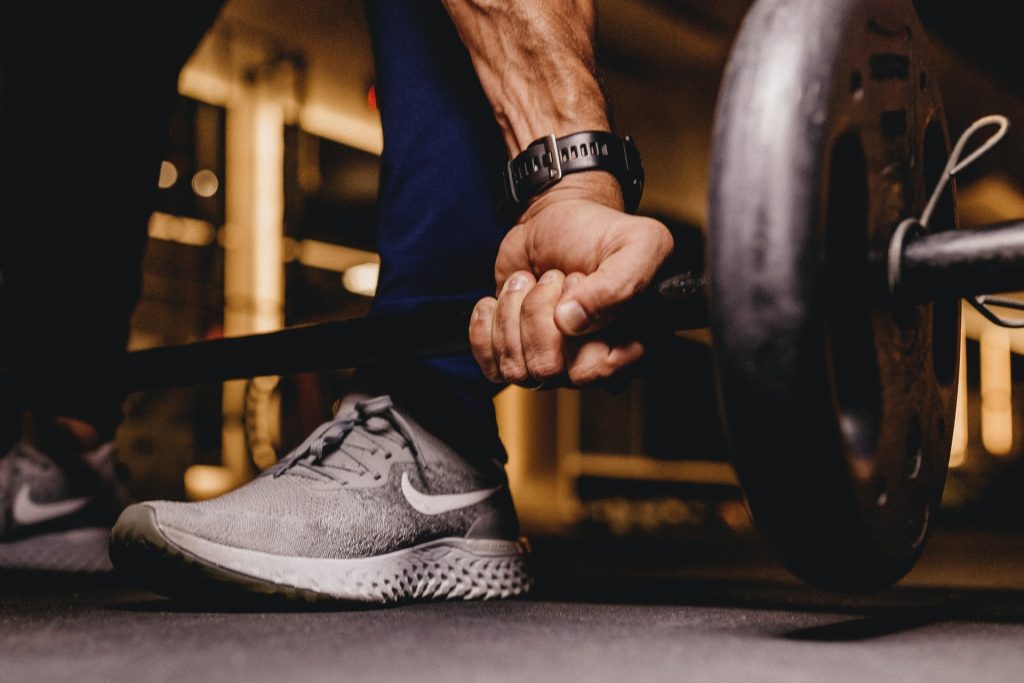
Photo by Jonathan Borba on Unsplash

Running may help burn calories, but when it comes to preventing diabetes and obesity, pumping iron might have the edge, according to preclinical findings from Virginia Tech scientists at the Fralin Biomedical Research Institute at VTC.

The research, published in the Journal of Sport and Health Science, compared the effects of endurance and resistance exercise in mice fed a high-fat diet, a widely used model of obesity, hyperglycaemia, and Type 2 diabetes.

A team led by exercise medicine researcher Zhen Yan found that while both running and weightlifting helped the body clear excess sugar from the blood, resistance training was more effective in reducing subcutaneous and visceral fat, improving glucose tolerance, and lowering insulin resistance – key factors in preventing and managing diabetes.

“We all want to live a long, healthy life,” said Prof Yan, director of the Center for Exercise Medicine Research. “We all know the benefits of regular exercise. There is plenty of evidence in humans that both endurance exercise, such as running, and resistance exercise, such as weightlifting, are effective in promoting insulin sensitivity.” 

But while both support metabolic function, a rigorous side-by-side comparison was lacking. Is one type of exercise better than the other? 

What they did

To conduct the first direct, controlled comparison, members of the research team built something that had not previously existed: a mouse model of weightlifting.

In this model, mice lived in specially designed cages where food was accessed through a hinged, weighted lid. To eat, the mice had to lift the lid while wearing a small shoulder collar, causing a squat-like movement that engaged the muscle contractions people use during resistance exercise. The load was gradually increased over several days, mimicking progressive strength training.

For the endurance group, mice were given open access to a running wheel, an established model of aerobic exercise. Control groups included sedentary mice on either a normal or high-fat diet.

Over eight weeks, the researchers monitored weight gain, body composition, and fat distribution. They tested exercise capacity with treadmill runs, assessed heart and muscle function, and measured how well the mice regulated blood sugar. They also analyzed skeletal muscle tissue to study insulin signaling at the molecular level.

Using their novel model of resistance exercise, team members were able to directly compare how the two training styles affect obesity, blood glucose, and insulin sensitivity in a way that closely mirrors human exercise.

“Our data showed that both running and weightlifting reduce fat in the abdomen and under the skin and improve blood glucose maintenance with better insulin signaling in skeletal muscle,” Yan said. “Importantly, weightlifting outperforms running in these health benefits.”

Why this matters

Diabetes and obesity are major public health challenges, fuelled by sedentary lifestyles and high-fat diets. The findings underscore decades of clinical trials showing that endurance, resistance, and high-intensity interval training all reduce HbA1c while also lowering body mass index, blood pressure, and improving quality of life.

The new Virginia Tech study, which also involves collaborators from the University of Virginia, helps fill a critical gap by directly comparing voluntary running and weightlifting in a controlled, preclinical model of diet-induced obesity.

“The findings also bring good news for people who, for any number of reasons, cannot engage in endurance-type exercise,” Yan said. “Weight training has equal, if not better, anti-diabetes benefits.”

The researchers also saw changes in skeletal muscle signaling pathways that could inform new drug therapies for Type 2 diabetes.

Interestingly, the benefits of resistance training were not explained by changes in muscle mass or exercise performance, suggesting unique metabolic mechanisms at play.

Yan said the study underscores the idea that, while popular drug interventions like GLP-1 agonists can help with diabetes management and weight loss, they do not replace the unique, accessible, and comprehensive benefits of a well-balanced exercise programme. 

“The take-home message is that you should do both endurance and resistance exercise, if possible, to get the most health benefit,” said Yan, who is also a professor in the Department of Human Nutrition, Foods, and Exercise in the College of Agriculture and Life Sciences at Virginia Tech. 

Source: Virginia Tech

Gender Equality Universally Linked to Physical Capacity

Photo by Andrea Piacquadio on Pexels

Fitness amongst young adults varies widely from one country to another, and is strongly associated with both socioeconomic development and gender equality, a new study from Karolinska Institutet published in the Journal of Sport and Health Science reports. The results indicate that levels of development and gender equality in a society can affect differences in physical capacity and therefore public health in general.

Cardiorespiratory fitness (CRF) is an important factor of health and life-expectancy. For this present study, researchers systematically reviewed data from 95 studies in 24 countries involving a total of over 119 000 adult participants.  

CRF is measured by what is known as the VO2peak, which is the highest oxygen uptake a body achieves during physical exertion.  

The group, which included researchers from KI and Shanghai University of Sport, studied correlations between CRF, the Human Development Index (HDI) and the Gender Inequality Index (GII).  

HDI is a measure of societal parameters like education, income and life-expectancy, while GII reflects differences between women and men in terms of health, education and labour. 

Clear correlation in women 

The results show that people in countries with a higher HDI were, on average, fitter, a correlation that was particularly salient amongst women, where young women in countries with a medium HDI had a higher VO2peak than women in countries with a low HDI (31.2 versus 28.5mL/kg/min). However, a further HDI increase from medium to high gave only small improvements. 

“Our results suggest that societal structures impact greatly on people’s access to exercise and thus their fitness levels,” says the study’s lead author Nicolas Pillon, researcher at the Department of Physiology and Pharmacology, KI. 

The study also shows that higher gender equality (a lower GII) correlates with a higher level of fitness in both women and men. Again, the difference was the most notable amongst young women, who in countries with high gender equality had on average a 6.5mL/kg/min higher VO2peak than their peers in countries with low gender equality. 

“Our results underpin the importance of societal interventions and guidelines that reduce social and gender-related hindrances to physical exercise but point out that more research is needed from countries with a lower HDI, and on the obstacles facing different ethnic and socioeconomic communities,” says Barbara Ainsworth, researcher at Shanghai University of Sport and head of the study. 

Source: Karolinska Institutet

Aerobic Exercise may Help Prevent the Brain Fog from Chemotherapy

Clinical trial reveals improved self-reported cognitive function in women with breast cancer who started an exercise program when initiating chemotherapy.

Photo by Ketut Subiyanto on Pexels

Many women who receive chemotherapy experience a decreased ability to remember, concentrate, and/or think – commonly referred to as “chemo-brain” or “brain fog” – both short- and long-term. In a recent clinical trial of women initiating chemotherapy for breast cancer, those who simultaneously started an aerobic exercise program self-reported greater improvements in cognitive function and quality of life compared with those receiving standard care. The findings are published by Wiley online in CANCER, a peer-reviewed journal of the American Cancer Society.

The study, called the Aerobic exercise and CogniTIVe functioning in women with breAsT cancEr (ACTIVATE) trial, included 57 Canadian women in Ottawa and Vancouver who were diagnosed with stage I–III breast cancer and beginning chemotherapy. All women participated in 12–24 weeks of aerobic exercise: 28 started this exercise when initiating chemotherapy and 29 started after chemotherapy completion. Cognitive function assessments were conducted before chemotherapy initiation and after chemotherapy completion (therefore, before the latter group started the exercise program).

Women who participated in the aerobic exercise program during chemotherapy self-reported better cognitive functioning and felt their mental abilities improved compared with those who received standard care without exercise. Neuropsychological testing – a performance-based method used to measure a range of mental functions – revealed similar cognitive performance in the two groups after chemotherapy completion, however.

“Our findings strengthen the case for making exercise assessment, recommendation, and referral a routine part of cancer care; this may help empower women living with and beyond cancer to actively manage both their physical and mental health during and after treatment,” said lead author Jennifer Brunet, PhD, of the University of Ottawa.

Dr Brunet noted that many women undergoing chemotherapy for breast cancer remain insufficiently active, and there are limited exercise programs tailored to their needs. “To address this, we advocate for collaboration across various sectors – academic, healthcare, fitness, and community – to develop exercise programs specifically designed for women with breast cancer,” she said. “These programs should be easy to adopt and implement widely, helping to make the benefits of exercise more accessible to all women facing the challenges of cancer treatment and recovery.”

Source: Wiley