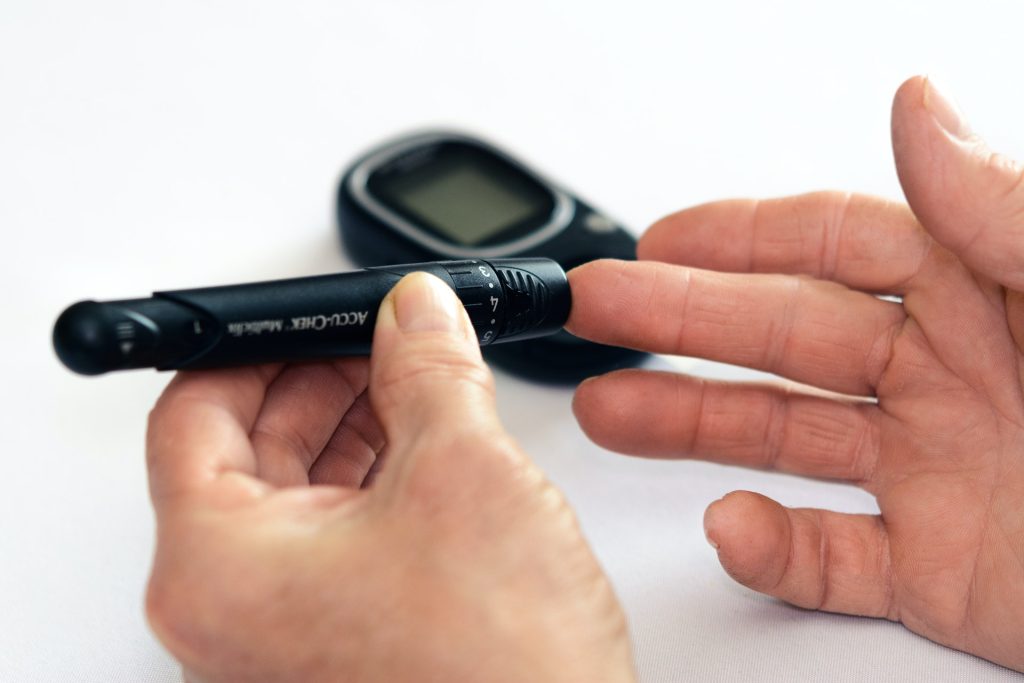
Tag: blood glucose monitoring

Patients Left Vulnerable as Diabetes Supplies Dwindle
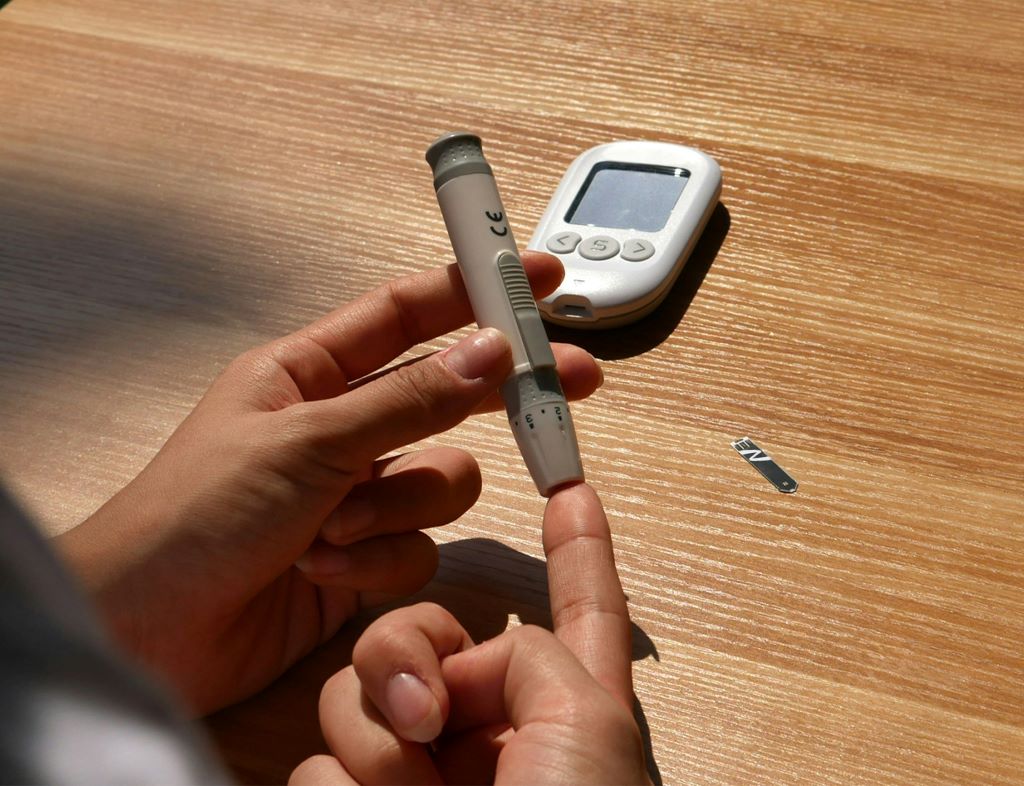
Photo by isens usa on Unsplash

By Joan van Dyk

Getting to grips with rising diabetes rates is arguably one of the most urgent tasks for South Africa’s public healthcare system, but the setbacks keep coming. While some communities are facing shortages of blood sugar meters and insulin pens, a smaller wave of insulin vial shortages is now on the horizon.

In August, activist Eksoda Mazibuko was sure that years of community organising had finally yielded tangible results for people with diabetes in Hluvukani, a town in Mpumalanga.

The 35-year-old had just received R50 000 from Good Morning Angels, Jacaranda FM’s community upliftment project. It was more than enough for him to buy blood sugar meters and test strips for the fifty-person support group he runs at Tintswalo Hospital in Acornhoek, where stock had run out.

When the body can’t make or use insulin – the hormone that keeps blood sugar in check – people have to watch their levels, so they know how to eat and medicate themselves. It’s a process held together by medicines and an ecosystem of tools ⁠such as meters, strips, pens, lancets, needles, syringes, which unravels when one part is missing. Over time, poorly controlled blood sugar causes cumulative damage to one’s body that can result in severe complications such as amputation, blindness, kidney damage, and stroke.

Most people who take pills to treat diabetes need monitoring from time to time, but for the majority of those who are on insulin treatment, it is essential. People with diabetes who are taking insulin must check their blood sugar levels multiple times a day. To do this, they need glucometers – devices that measure the sugar levels in a drop of blood. But access to glucometers is a challenge. Spotlight previously reported that not everyone who needs these home testing devices is given one and those who do receive them rarely get enough test strips and lances to enable proper monitoring of their blood sugar levels.

Without tests and test strips, people in Hluvukani had no way of knowing how to adjust their insulin. Injecting the wrong amount could in extreme cases result in someone going into a coma or dying.

Mazibuko himself, who was diagnosed in 2003 and has always needed insulin, knows how terrifying it can be when monitoring tools are out of reach.

When the devices and test strips finally arrived, he shared a celebratory photo on social media. Excited messages streamed in on WhatsApp, but among them was an upsetting note from a government pharmacist: “You should have asked me before you ordered.”

Unbeknownst to the hospital staff that helped Mazibuko choose the device, the national government’s supplier would be changing, as it does every three years or so when a new tender is awarded. That means state pharmacies would soon stock a different kind of test strip.

Glucometers generally can’t interpret test strips from a different brand or model, so the glucometers that he’d already started to hand out would soon be useless.

“They were already open so I couldn’t send them back. After I worked so hard to get those machines for my community members,” said Mazibuko. “It was heartbreaking.”

According to a report from the Clinton Health Access Initiative, in poorer countries companies make most of their profit on the test strips rather than the glucometers used to read the strips. Spotlight understands that some companies go as far as giving away the devices to lock people into using their specific test strips. According to Cathy Haldane, who leads the non-communicable diseases team at FIND (a global diagnostics alliance), there have been some efforts toward encouraging universal interoperability of test strips, but these efforts haven’t gathered much steam.

Why diabetes is still a national guessing game

South Africa is one of the few countries that buys blood glucose meters and test strips en masse, but there are still lots of people who are treated with insulin who don’t have access to them.

One reason for this is that the national health department buys machines and strips for the public sector but it’s up to provinces to manage stock at pharmacies and clinics, explains Haldane.

A lack of good quality diabetes data could be making harder for health department staff to predict how much they’ll need, she says. Unlike the country’s digital HIV & TB tracking system, there’s no centralised database for diabetes and other chronic diseases such as high blood pressure and cancer. As Spotlight previously reported in-depth, there is a serious lack of reliable diabetes data for South Africa. Haldane says, “that’s how people on insulin treatment who should get a machine and monthly test strips end up going without”.

Not having reliable data leaves national planners, doctors and nurses in the dark about how many people need blood sugar monitors, where the system is failing and how the country is faring against targets outlined in the health department’s action plan for chronic diseases, which lapses in 2027. The plan states that by 2027, the health department wants at least 50% of people receiving care for diabetes to have their blood sugar under control. The available data though, all from pockets of academic research, suggests that we are falling far short of this target.

The diabetes data that is available paints a harrowing picture.

According to a StatsSA report on non-communicable diseases, diabetes was the leading underlying cause of death for women and second biggest underlying cause of death for men in 2018. While other reports suggest that diabetes is lower on the list of top killers, it clearly does claim many lives in the country. The International Diabetes Federation estimates that about half of people with diabetes in South Africa haven’t been diagnosed.

If trends continue, 2018 research suggests the treatment, management and complications of type two diabetes could cost the government as much as R35-billion by 2030.

In rural KZN, insulin pen stockouts persist

Meanwhile, more than 700 kilometers from Hluvukani, in KwaZulu-Natal’s rural King Cetshwayo district, some healthcare staff are using their own money to help keep diabetes services going.

Indira Govender, a doctor affiliated with the Rural Doctors Association of South Africa (Rudasa) who works in the area, says clinic managers are often the ones buying new batteries for blood sugar meters used in the facility and by patients.

The devices use the coin-like batteries also used in some watches, which aren’t easy to find in far flung areas.

Govender worries about the patients on insulin who still have to use a glass vial and syringe to inject themselves. “Not everybody has a fridge to store the insulin in. People struggle to draw up the right amount of insulin, sometimes because they can’t see well,” says Govender.

South Africa ran out of pens in 2024 when the health department’s longtime supplier, Novo Nordisk, stopped manufacturing pens prefilled with the cheapest form of insulin. The news came as global demand surged for one of Novo Nordisk’s long-acting diabetes medicines, semaglutide, because it was shown to also be effective for weight loss. Semaglutide is also provided in pens rather than vials.

In a 2024 letter to Novo Nordisk’s chief executive officer, MSF demanded that the pharma giant either ensure continued supply of the cheapest insulin pens in South Africa or that it offer a newer kind of pen at $1 each. That’s the amount that MSF’s research found would cover production costs, a fair profit margin and an allowance for tax.

The newer pens are filled with a form of insulin that takes effect faster and lasts for longer than previous versions. Novo Nordisk signed a deal in May in which it commits to providing these pens to South Africa until 2027. The department was charged just under $4 (around R75) per pen.

At the government clinic where Govender works in KwaZulu-Natal, however, insulin pens have reportedly not returned to pharmacy shelves.

“We haven’t had pens here since at least 2024,” says Govender.

The KwaZulu-Natal health department did not respond to Spotlight’s queries about the delivery delays.

Local consequences of global disruptions

While some communities are still waiting for insulin pens, a smaller wave of vial shortages is on its way for South Africa, according to an October circular.

Novo Nordisk told the health department to expect six to eight week delays in the delivery of short-acting, medium-acting and longer-acting insulin sold in 10ml vials. The department did not respond to Spotlight’s queries, but the circular listed four alternative prefilled pens that are available and expects stock to stabilise by January 2026.

One of the listed alternatives, Novo Nordisk’s NovoMix30, is also on a list of insulin pens and vials that will be discontinued in 2026, according to a directive issued by the health ministry in New Zealand.

No such directive has been issued by South Africa’s health department. Candice Sehoma, advocacy advisor for MSF Access in Southern Africa, says she would be surprised if the country avoids it.

It’s part of a concerning pattern of shortages of essential medicines worldwide, she says.

“We’re seeing more and more companies deprioritising insulin and discontinuing affordable medicines,” says Sehoma.

When there’s insulin but no food

While his stock of test strips lasts, Mazibuko takes them along when he visits members of his support group in Hluvukani.

They could technically find matching strips in the private sector, but they’re likely to be too expensive. A 2024 study found that for someone earning South Africa’s minimum wage, a single blood-sugar test in the private sector costs more than an hour of work, and a month of basic diabetes supplies can swallow three full days’ wages.

Many of the people on Mazibuko’s route are facing far more serious problems than the loss of glucometers. Those who aren’t working are often not taking their medication well either, Mazibuko says. “They don’t have food so they skip breakfast and also skip their insulin because they’re scared.”

Injecting insulin on an empty stomach can cause a sudden blood sugar crash that could lead to dizziness, confusion or a seizure.

Mazibuko is working on a skills programme to help these people make a living that might also protect them from lapses in basic supplies at government health facilities, which he claims happens often.

“Sometimes you go to the clinic, they tell you that they’ve run out of insulin, or they tell you to buy your own needles and syringes. You will have to do that with borrowed money,” says Mazibuko.

The Mpumalanga health department also did not respond to Spotlight’s requests for comment.

Republished from Spotlight under a Creative Commons licence.

Read the original article.
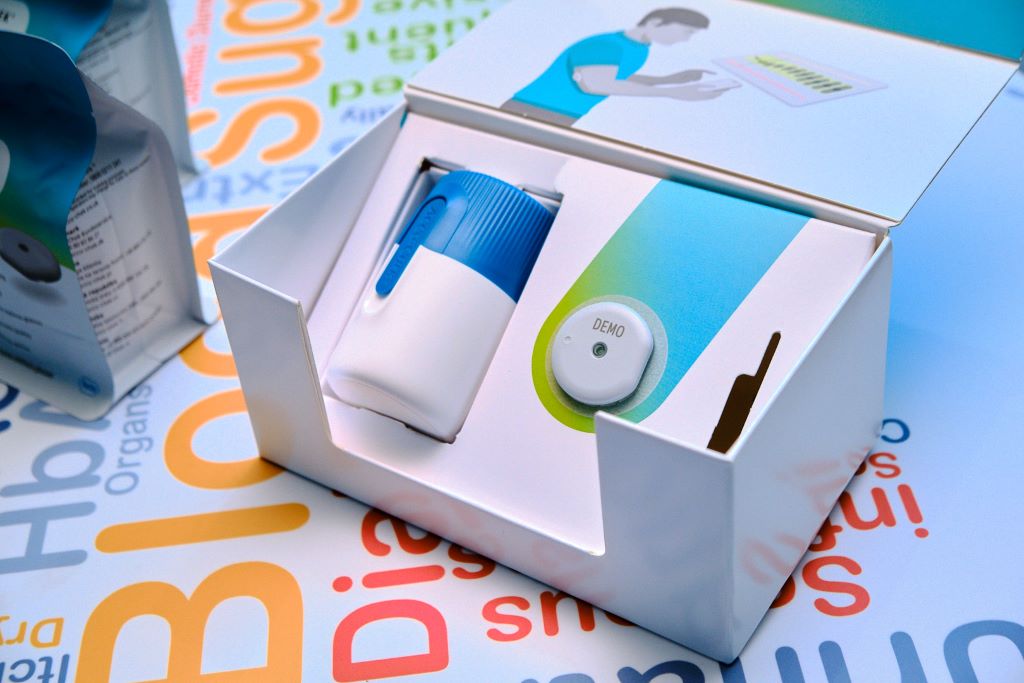
Roche Launches First AI-enabled Continuous Glucose Monitor in South Africa

This new technology offers people with diabetes two-hour and overnight predictive notifications

  • The Accu-Chek SmartGuide® continuous glucose monitoring (CGM) solution provides 14 days accuratereal-time glucose values for adults living with diabetes1      
  • Artificial intelligence (AI)-enabled algorithms can predict glucose levels up to two hours ahead and overnight, empowering users to take action before a glucose excursion occursproactively
  • Over 4.2 million people living with diabetes were recorded in 2024, in South Africa people living with diabetes could benefit from the Accu-Chek SmartGuide® CGM solution 3

Johannesburg, 4 November 2025 – Roche (SIX: RO, ROG; OTCQX: RHHBY) announced today that its Accu-Chek® SmartGuide continuous glucose monitoring (CGM) solution is now available in South Africa. This significant milestone means that people living with diabetes over the age of 18 can now benefit from the solution’s enhanced glucose monitoring and artificial intelligence (AI)-enabled predictive insights1,2.     

Diabetes is one of today’s most urgent healthcare challenges. In South Africa, 4.2 million people are living with the condition as of 2024 3. If left unmanaged, diabetes can lead to secondary complications including cardiovascular disease, kidney disease, nerve damage, blindness, lower limb amputation and mental health issues4. In a study conducted by GWI in partnership with Roche, 58% of people living with diabetes stated that they feel a mental burden associated with managing their diabetes.

Since it was introduced, CGM technology has significantly improved diabetes care5, yet a significant number of people still have difficulty keeping their glucose in the right range when using current systems.6 Hypoglycaemia is common amongst persons who have type 1 diabetes, with an annual incidence of severe hypoglycemia ranging from 3.3% to 13.5%.7 

“The Accu-Chek SmartGuide CGM solution is a significant step towards providing greater peace of mind for people living with diabetes, due to the AI-enabled predictive capabilities it offers. This empowers patients to take action before undesired events occur,” said Merilynn Steenkamp, General Manager, Southern Africa, Roche Diagnostics. “Our new Accu-Chek SmartGuide® CGM solution puts the power of prediction into the hands of people living with diabetes with its integrated AI-enabled algorithms that predict glucose levels for the next 2 hours as well as imminent and nocturnal hypoglycaemia. People with diabetes should have the freedom to plan the day ahead and get a good night’s sleep at the end of it all.”

Nighttime hypoglycaemia can present a particular challenge for people with diabetes. Approximately 2-5% of deaths in people with type 1 diabetes under the age of 40 are due to episodes of very low glucose during the night8,9. The unpleasant symptoms and negative consequences of hypoglycaemia can result in actual fear of hypoglycaemia with possible significant implications for the diabetes management, metabolic control and subsequent health outcomes.10

The Accu-Chek SmartGuide® CGM solution uses AI-enabled algorithms to predict where an individual’s glucose levels are likely headed in the next 30 minutes, 2 hours, and even overnight. This means people with diabetes can move from a reactive to a proactive approach to their daily management, preparing for and managing potential episodes in advance, rather than waiting for alerts when they happen.

The Accu-Chek SmartGuide® CGM solution includes a wireless, water-resistant sensor, worn on the back of the upper arm, and the apps where the users can see their current glucose levels and their future glucose development through predictive analytics. Every five minutes, the sensor sends glucose values measured in real-time to the Accu-Chek SmartGuide app. The Accu-Chek SmartGuide® predict app then uses those glucose values and other optional information entered by the user such as food intake and insulin doses to detect patterns and predict future glucose levels. Supported by AI-trained algorithms, it provides key predictions of likely hypoglycaemia within 30 minutes as well as general estimated predictions of glucose levels within 2 hours and during a defined 7-hours nighttime period.11

Clinical studies have demonstrated the new Roche CGM solution’s high system accuracy, with an overall mean absolute relative difference (MARD) of 9.2% and 99.8% of measured glucose values falling within zones A and B on the Parkes Error Grid.1, 12 The evaluation of the predictive capabilities showed that all advanced predictive features exceeded high performance requirements as e.g. accuracy, sensitivity and specificity.13

Roche is committed to bringing improved and proactive relief to diabetes management across South Africa with the immediate availability of the Accu-Chek SmartGuide® CGM solution.

About the Accu-Chek SmartGuide® CGM solution

Accu-Chek SmartGuide® is a continuous glucose monitoring (CGM) solution developed by Roche providing accurate1 real-time glucose readings and AI-enabled predictions for different timeframes7. The solution includes three elements: the Accu-Chek SmartGuide® CGM sensor, the Accu-Chek SmartGuide® App and the Accu-Chek SmartGuide® Predict App. With an all-in-one applicator and 14-day wear time, Accu-Chek SmartGuide® is designed for people living with diabetes, 18 years of age and older. It aims at empowering people living with diabetes to be prepared for the future development of glucose levels and take preventive action by making the appropriate therapy adjustments in good time.

The Accu-Chek SmartGuide® CGM solution can be seamlessly integrated with the Accu-Chek® Care platform, offering healthcare professionals (HCPs) access to comprehensive and accurate1 therapy-relevant data provided by the CGM solution. This integration allows HCPs to analyse together with their patients how lifestyle and therapy impact their glucose levels and make more informed decisions.

About Roche

Founded in 1896 in Basel, Switzerland, as one of the first industrial manufacturers of branded medicines, Roche has grown into the world’s largest biotechnology company and the global leader in in-vitro diagnostics. The company pursues scientific excellence to discover and develop medicines and diagnostics for improving and saving the lives of people around the world. We are a pioneer in personalised healthcare and want to further transform how healthcare is delivered to have an even greater impact. To provide the best care for each person we partner with many stakeholders and combine our strengths in Diagnostics and Pharma with data insights from the clinical practice.

For over 125 years, sustainability has been an integral part of Roche’s business. As a science-driven company, our greatest contribution to society is developing innovative medicines and diagnostics that help people live healthier lives. Roche is committed to the Science Based Targets initiative and the Sustainable Markets Initiative to achieve net zero by 2045. 

Genentech, in the United States, is a wholly owned member of the Roche Group. Roche is the majority shareholder in Chugai Pharmaceutical, Japan. 

For more information, please visit www.roche.com.

All trademarks used or mentioned in this release are protected by law.


References
[1] Mader, J. K., Waldenmaier, D., Mueller-Hoffmann, W., Mueller, K., Angstmann, M., Vogt, G., Rieger, C. C., Eichenlaub, M., Forst, T., & Freckmann, G. (2024). Performance of a Novel Continuous Glucose Monitoring Device in People With Diabetes. Journal of diabetes science and technology, 18(5), 1044–1051. https://doi.org/10.1177/19322968241267774

[2] Simulation study, Data on file, Roche Diabetes Care GmbH, 2025.

[3] Ngassa Piotie P, Rheeder P. UP Expert Opinion: South Africa has more than 4 million people living with diabetes – many aren’t getting proper treatment. University of Pretoria Diabetes Research Centre News. 2024 Mar 11 [cited 2025 Oct 8]. Available from: https://www.up.ac.za/diabetes-research-centre/news/post_3214595-up-expert-opinion-south africa-has-more-than-4-million-people-living-with-diabetes-many-arent-getting-proper-treatment

[4] Tomic D, Shaw JE, Magliano DJ. The burden and risks of emerging complications of diabetes mellitus. Nat Rev Endocrinol. 2022 Sep;18(9):525-539. doi: 10.1038/s41574-022-00690-7. Epub 2022 Jun 6. PMID: 35668219; PMCID: PMC9169030.

[5] Carlson AL, et al., Diabetes Technol Ther., 2017 May;19(S2):S4-S11. doi: 10.1089/dia.2017.0024

[6] DeSalvo DJ, et al., Journal of Diabetes Science and Technology. 2023;17(2):322-328.

[7] Nakhleh A, Shehadeh N. Hypoglycemia in diabetes: An update on pathophysiology, treatment, and prevention. World J Diabetes. 2021 Dec 15;12(12):2036-2049. doi: 10.4239/wjd.v12.i12.2036. PMID: 35047118; PMCID: PMC8696639.

[8] Secrest AM et al. Characterizing sudden death and dead in bed syndrome in Type 1 diabetes: analysis from two childhood onset Type 1 diabetes registries. Diabet. Med. 2011. 28, 293–300.

[9] Jones J et al. Dead in bed – A systematic review of overnight deaths in type 1 diabetes. Diabetes Res Clin Pract. 2022. 191:110042. 

[10] Wild, Diane et al. “A critical review of the literature on fear of hypoglycemia in diabetes: Implications for diabetes management and patient education.” Patient education and counseling vol. 68,1 (2007): 10-5. doi:10.1016/j.pec.2007.05.003

[11] Glatzer et al., 2024. Journal of diabetes science and technology, 18(5), 1004–1008. https://doi.org/10.1177/19322968241267765

[12] Parkes Error Grid – a tool to evaluate the accuracy of glucose monitoring systems (BGM and CGM).

[13] Herrero, P., Andorrà, M., Babion, N., Bos, H., Koehler, M., Klopfenstein, Y., Leppäaho, E., Lustenberger, P., Peak, A., Ringemann, C., & Glatzer, T. (2024). Enhancing the Capabilities of Continuous Glucose Monitoring With a Predictive App. Journal of diabetes science and technology, 18(5), 1014–1026. https://doi.org/10.1177/19322968241267818.

Simpler Blood Glucose Monitoring to Delay or Prevent Onset of Diabetes

Photo by Photomix Company on Pexels

The highs and lows of blood glucose aren’t just an energy rollercoaster; they could be a key to detecting diabetes risk early and spare a needle prick or two.

Researchers at the University of Tokyo have identified a simple, noninvasive method for assessing blood glucose regulation – an essential factor in diabetes risk. Their approach, based on continuous glucose monitoring (CGM) data, could improve early detection and risk assessment for diabetes without relying on blood samples and expensive or complex procedures.

The study is published in Communications Medicine.

Often called a “silent epidemic,” diabetes is an increasingly prevalent global health concern, with significant health and economic consequences. Early detection of impaired glucose regulation – an intermediate stage between normal blood glucose levels and diabetes – is essential for preventing or delaying the onset of Type 2 diabetes. Conventional diagnostic tools, however, often miss early signs because they rely on periodic blood samples rather than continuous monitoring.

“Traditional diabetes tests, while useful, do not capture the dynamic nature of glucose regulation under physiological conditions,” said Shinya Kuroda, a professor at the University of Tokyo’s Graduate School of Science and co-author of the current study.

To find a more practical alternative, the team turned to CGM, a wearable technology that continuously tracks glucose levels in real time, providing a clearer picture of blood glucose fluctuations in everyday life. Their goal was to identify a CGM-based method for estimating glucose handling capacity, which maintains stable levels, without invasive procedures.

The team analyzed 64 individuals without a prior diabetes diagnosis, using a CGM device, oral glucose tolerance tests (OGTT), and clamp tests that are used to assess insulin sensitivity and glucose metabolism. They then validated their findings with an independent dataset and mathematical simulations.

Their analysis showed that AC_Var, a measure of glucose-level fluctuations, strongly correlates with the disposition index, a well-established predictor of future diabetes risk. Moreover, the researchers’ model, which combines AC_Var with glucose standard deviation, outperformed traditional diabetes markers – such as fasting blood glucose, HbA1c and OGTT results – in predicting the disposition index.

“By analysing CGM data with our new algorithm, we identified individuals with impaired glycaemic control – even when standard diagnostic tests classified them as ‘normal,’” said Kuroda. “This means we can potentially detect issues much earlier, creating an opportunity for preventive interventions before diabetes is diagnosed.”

The team also showed that the method was more accurate than conventional diagnostic indicators in predicting diabetes complications such as coronary artery disease. To facilitate broader access to this approach, the research team has developed a web application that allows individuals and health care providers to easily calculate these CGM-based indices.

“Our ultimate goal is to provide a practical, accessible tool for widespread diabetes screening,” Kuroda said. “By enabling early detection of glucose regulation abnormalities, we hope to prevent or delay disease onset and reduce long-term complications.”

Source: University of Tokyo

Continuous Glucose Monitors can Overestimate Blood Sugar Levels

Photo by Photomix Company on Pexels

Continuous Glucose Monitors (CGMs) are growing in popularity but new peer-reviewed research, published in The American Journal of Clinical Nutrition, from the University of Bath, suggests they may not be as accurate as many believe. Originally designed to help people living with diabetes manage their blood sugar, these devices are now being used by the health-conscious to track how different foods affect their glucose levels.

The study, from the University’s Centre for Nutrition, Exercise and Metabolism and funded by innocent drinks, warns that CGMs could be overestimating blood sugar levels in healthy adults, leading to unnecessary dietary changes.

The research measured blood sugar responses in healthy volunteers (non-diabetic, within a healthy BMI range) using two methods: a CGM (the Abbot Freestyle Libre 2,  a commercially available device, also provided on the NHS) and the gold standard finger-prick test.

The research aimed to assess the accuracy of CGMs in measuring responses to various fruit-based products, ranging from whole fruit to smoothies.

The findings were striking. The CGM consistently reported higher blood sugar levels compared to finger-prick tests.

Key Findings

When participants consumed a smoothie, the Abbott Freestyle Libre 2 CGM overestimated the GI by 30%, reporting a GI of 69 (medium) compared to the traditional test result of 53 (low).

Whole fruit was misclassified as medium or high-GI foods by CGMs, while the finger-prick test showed they were low-GI. This could lead users to mistakenly believe that fruit could cause harmful spikes in blood sugar.

CGMs overestimated the time spent above the blood sugar level threshold recommended by Diabetes UK, by nearly 400%, potentially causing unnecessary worry for people whose blood sugar is actually well-controlled.

The research also debunked the common myth that blending fruits into a smoothie raises their GI. Whether eaten whole or blended, fruits like apples, bananas, mangoes, and oranges remained low on the glycaemic index.

The research concludes that CGMs are unlikely to be a valid method to determine whether a food is high or low-GI.

Professor Javier Gonzalez from the Department for Health said: “CGMs are fantastic tools for people with diabetes because even if a measurement isn’t perfectly accurate, it’s still better than not having a measurement at all. However, for someone with good glucose control they can be misleading based on their current performance. For healthy individuals, relying on CGMs could lead to unnecessary food restrictions or poor dietary choices. If you want to assess your blood sugar accurately, traditional methods are still the way to go. We want to better identify the sources of the error in CGMs so that we can improve their performance in the future and have active research on this topic.”

According to Professor Javier Gonzalez from the University of Bath, the inaccuracy of CGMs can be attributed to several factors:

“CGMs may be inaccurate because they measure glucose in the fluid surrounding your cells, not directly in your blood. This can lead to discrepancies due to factors like time delays, blood flow, and how glucose moves between different parts of the body.”

Source: EurekAlert!