Researchers at The University of Texas MD Anderson Cancer Center found new evidence that BRAF, a protein commonly involved in cancer, plays a key role in developing, amplifying and maintaining chronic pain caused by nerve damage. Using BRAF inhibitors reduced pain sensitivity in preclinical models, suggesting the therapeutic potential of this approach for treating chronic nerve pain.
“Our findings identify the cancer-promoting protein BRAF as a key driver of pathological pain signaling following nerve injury,” Pan said. “Because BRAF inhibitors are already approved for cancer treatment, this discovery raises the possibility of rapidly repurposing existing therapies to reduce the level of pain signals entering the spinal cord and improve patient quality of life.”
How does nerve injury cause chronic pain?
Chronic nerve pain, or neuropathic pain, can come from injury, disease or even life-saving cancer treatments. This pain can be intense and persistent, and it responds poorly to conventional pain medications, negatively affecting patient quality of life.
Protein channels in the brain and spinal cord, known as NMDA receptors, help nerve cells communicate. After nerve injury, these NMDA receptors can become hyperactive, amplifying pain signals. To identify potential mechanisms, the researchers explored the role of BRAF on NMDA receptor activity.
What did the researchers find in this study?
Using preclinical models of nerve injury, the researchers discovered that BRAF moved from peripheral sensory nerve cells to their terminals inside the spinal cord, where it activated molecular signals to increase NMDA receptor activity. They also found a correlation between BRAF signaling proteins and NMDA receptors in human spinal cord samples.
These initial results suggested that targeting BRAF could help reduce activity in the NMDA receptors to reduce pain.
Does targeting BRAF reduce pain?
In the preclinical models, the BRAF inhibitor vemurafenib and the MEK inhibitor selumetinib reduced sensitivity to touch, pressure and heat but did not change normal response in models without nerve injury.
Deleting the Braf gene also resulted in less persistent pain sensitivity. Conversely, activating BRAF directly caused pain sensitivity in models that did not have nerve injury, highlighting the key role of BRAF in starting and maintaining neuropathic pain.
What does this mean for patients who have nerve injury and chronic pain?
These results are preclinical, and researchers will need to further examine the appropriate dosing, delivery methods and possible side effects of BRAF inhibitors prior to clinical trials in humans. The researchers also hope to understand how nerve injury triggers the translocation of BRAF from the nerves to the spinal cord.
However, these results suggest that BRAF signalling is associated with NMDA receptor activation in the spinal cord and that currently available BRAF inhibitors have therapeutic potential to treat neuropathic pain.
Emergency diagnosis occurred in more than 20% of patients across multiple conditions, including Parkinson’s disease, schizophrenia, and coronary heart disease
Photo by Mat Napo on Unsplash
Patients diagnosed with conditions after an emergency hospital admission or an emergency room visit face a higher risk of death than those diagnosed in non-emergency settings, according to a large population-based study by Emma Whitfield and colleagues from University College London, UK, published August 25th in the open access journal PLOS Medicine.
Cancer diagnoses following emergency hospital care are known to be associated with advanced disease and poor prognosis. However, less is known about the frequency and prognostic outcomes of emergency diagnosis in other conditions.
Using linked primary care, hospital, and mortality records from England for 1.7 million patients diagnosed with one of 13 conditions between 1999 and 2019, the researchers assessed how often patients received a diagnosis following emergency hospital care and compared subsequent outcomes with those of patients diagnosed through non-emergency routes. Conditions included chronic obstructive pulmonary disease (COPD), inflammatory bowel disease (IBD), Parkinson’s disease, multiple sclerosis (MS), rheumatoid arthritis, celiac disease, and schizophrenia.
Emergency diagnosis was common across multiple conditions. More than one in five patients were diagnosed following an emergency presentation in nine of the 13 conditions examined, including more than 30% of patients with Parkinson’s disease and 35% of those with COPD. Across most conditions, patients diagnosed as an emergency experienced substantially poorer outcomes, including higher mortality and longer hospital stays during the year after diagnosis.
After accounting for factors such as age, year of diagnosis, socioeconomic deprivation, comorbidities, and healthcare setting, emergency diagnosis remained strongly associated with an increased risk of death within one year. This association was evident even in conditions that generally have a favourable prognosis, including celiac disease and IBD.
The study shows that emergency diagnosis is a common phenomenon across diverse diseases and is consistently associated with worse outcomes. Future research is needed to understand disease-specific and broader health system factors that contribute to emergency diagnosis as well as whether reducing emergency diagnoses or improving care for patients diagnosed through emergency pathways can lead to better outcomes.
Dr Emma Whitfield, first author, states, “We showed that emergency diagnosis occurred across a wide range of conditions and was consistently associated with a greater risk of death and more time in hospital in the year after diagnosis. Often emergency diagnosis will represent the best standard of care, as illnesses can develop rapidly or have few warning signs. However, the scale of our findings suggest others may reflect difficulties obtaining timely assessment, investigation, or specialist care.
“Behind these figures are patients and families experiencing an unexpected hospital admission, a new diagnosis, and, sometimes, a much more difficult year afterwards.
“Understanding why emergency diagnosis happens could help us identify where earlier diagnosis may be possible or additional support might make a difference.”
Prof Georgios Lyratzopoulos, senior author, notes, “Our study was triggered by a concept initially developed in the field of cancer epidemiology which we have applied across a diverse range of other conditions. The consistency of the findings suggests that emergency diagnosis deserves greater attention by researchers and policymakers across disease areas, and a health system-wide approach.
“Cancer policy has shown the value of monitoring emergency diagnosis, but there is currently little comparable evidence for other conditions. Our study provides a starting point for understanding the scale of the issue beyond cancer, although further research is needed before emergency diagnosis can be used as a quality measure in other disease areas.”
Immunotherapies such as CAR T cell therapy are used primarily to treat cancer. In the future, these patient-specific therapies, manufactured from patients’ own immune cells, could also help cure autoimmune diseases. Six patients with particularly severe rheumatoid arthritis have now received this treatment at Charité – Universitätsmedizin Berlin. In Nature Medicine, the researchers report the results from the world’s first clinical trial of its kind: Disease activity decreased substantially in all participants. By the end of the observation period, three of the patients no longer required any medication for rheumatoid arthritis.
Rheumatoid arthritis is a chronic disease in which the immune system mistakenly attacks the body’s own joints. This causes recurrent inflammation and joint swelling and, as the disease progresses, can lead to joint damage. Currently available treatments can usually keep the inflammation under control, but do not cure the disease. Patients therefore require lifelong medication, including anti-inflammatory drugs and medications that suppress the immune system, with all the associated side effects.
In some patients, even several of the newer treatments fail to produce an adequate response. Doctors then call the disease treatment-refractory. For those affected, this means persistent pain, restricted mobility and a substantial impact on quality of life. “One reason could be disease driving B cells – memory cells of the adaptive immune system that may survive in the lymph nodes, bone marrow or joint tissue after an infection, where they produce harmful antibodies directed against the body’s own tissues and repeatedly reignite the inflammation,” explains Prof David Simon, who designed the trial for this patient group together with Prof Gerhard Krönke at Charité’s Department of Rheumatology and Clinical Immunology.
The researchers hope that CAR T cells, patients’ own immune cells genetically modified in the laboratory, could selectively track down the disease driving B cells, even deep within tissues, reset the pathological B-cell memory as fully as possible and thereby effectively give the B-cell system a fresh start.
Cell therapy resets the immune system
Originally developed for cancer treatment, CAR T cells are now being used more widely. In cancer treatment, patients’ immune cells are given a kind of “training” to specifically recognise and eliminate tumour cells; in autoimmune diseases, the aim is instead to direct immune cells toward disease driving memory cells. “The identifying marker on many B cells, both abnormal B cells in cancers of the blood or lymphatic system and disease driving B cells in rheumatoid arthritis, is the surface molecule CD19. You could think of it as a kind of ‘name tag’” explains David Simon. “To enable CAR T cells to detect and eliminate the disease-causing cells, we equip patients’ own immune cells with a receptor that acts like a search sensor for CD19.”
For this type of CD19 CAR T-cell therapy, T cells are first collected from the patient’s blood. These are immune cells that normally recognize and eliminate infected or abnormal cells. In the laboratory, the cells are genetically modified and equipped with the key recognition feature: a chimeric, or artificial, antigen receptor, known as a CAR, that binds specifically to the CD19 molecule. Before the modified immune cells can be returned to the patient in a single infusion, a short course of preparatory chemotherapy is required to create space in the immune system. This temporarily reduces the number of certain immune cells so that the CAR T cells can then multiply effectively and carry out their function. Once returned to the body, the modified immune cells begin searching for the CD19 marker and specifically attack cells that carry it. In doing so, they temporarily eliminate all CD19-positive B cells, allowing the immune system to reset and helping to eliminate even long-lived disease-driving B cells in the joints that would otherwise be difficult to reach.
Will the approach work in difficult-to-treat rheumatoid arthritis?
For the world’s first clinical trial to evaluate the safety and efficacy of a CD19 CAR T-cell therapy in rheumatoid arthritis, the research team at Charité initially enrolled six patients with particularly severe disease. The three women and three men, aged 31 to 69, had received up to eight targeted or biologic therapies over the previous ten years, none of which had been sufficiently effective.
The key question was whether CAR T cells can track down the disease-driving B cells in the joints and whether the treatment is not only effective but also safe. For the researchers, the results from the first part of the COMPARE trial are highly encouraging: “Disease activity decreased markedly in all six patients. During follow-up of up to one year, three patients were in sustained remission without any medication for rheumatoid arthritis,” reports Gerhard Krönke, who leads the joint Clinical Rheumatology research group at Charité and the German Rheumatology Research Center (DRFZ), a Leibniz Institute. “This is particularly remarkable given that none of the established treatments had previously been able to relieve their symptoms adequately.”
The cell therapy appears to have done more than temporarily curb inflammation in the joints: the modified immune cells also tracked down and eliminated disease-promoting B cells in deeper reservoirs such as the bone marrow, lymph nodes and joint tissue. At regular follow-up visits over the subsequent twelve months, the research team found that levels of the autoantibodies characteristic of rheumatoid arthritis had declined sharply.
David Simon adds: “When the B-cell system later recovered, predominantly naïve B cells that had not yet been shaped by the disease returned. In contrast, the B cells directed against the body’s own tissues that had been present before treatment were no longer detectable in almost all patients, an indication that the treatment may indeed be able to reset the pathological immune memory.” Protective antibodies from previous vaccinations, for example against chickenpox or tetanus, remained detectable. Despite the profound depletion of B cells, protective antibody memory appears to be largely preserved. However, any longer-term effects of the therapy on the immune system still need to be investigated.
Early successes, but still some way to go
The trial shows that, in some patients, a single CAR T-cell treatment can lead to a sustained symptom-free period without medication – a state of disease inactivity known as remission. For selected patients with rheumatoid arthritis who have not responded adequately to treatment, it may in the future be possible to reset the pathological immune memory in a targeted way and thereby stop the persistent inflammation, instead of having to suppress it continuously with drugs.
Nevertheless, CAR T-cell therapy for autoimmune diseases, and for rheumatoid arthritis in particular, remains experimental. There is not yet any long-term experience with this treatment. In addition, responses to the therapy varied among patients in the current trial: some did not achieve a complete response, and in one case the disease returned after an initial medication-free period of remission. In contrast, the researchers consider the safety data obtained thus far to be encouraging. “After the participants received the CD19 CAR T cells, we observed only a temporary, mild-to-moderate cytokine release syndrome (CRS) in all participants, which was readily manageable. There were no severe neurological complications or other serious adverse events, and infections were rare,” explains Dr Marie Luise Hütter-Krönke, Medical Director of the Hematology Early Clinical Trial Unit at Charité’s Department of Hematology, Oncology and Cancer Immunology.
In a second phase of the trial involving ten additional patients, the researchers will compare the new treatment approach with a drug already approved for rheumatoid arthritis that also targets B cells. In this way, they aim to determine whether CAR T cells have a stronger and longer-lasting effect and whether they can indeed reset immune memory. If the new concept is confirmed in this and other, larger trials, it could ultimately become an alternative for patients whose lives are severely affected and for whom no adequate treatment is currently available.
Meta Platforms, the parent company of Facebook and Instagram, has agreed to a record-breaking $18-billion (over R300-billion) settlement in the United States following legal action alleging that its platforms contributed to harm among children and teenagers and failed to do enough to protect young users. The settlement, which involves almost all U.S. states, mandates specific safeguards including default daily limits, nighttime lockouts, and the disabling of notifications during school hours.
While Meta has denied any wrongdoing, the settlement has intensified an already urgent global debate about children’s digital safety. Around the world, governments are taking action, from Australia’s nationwide ban on under-16s to Brazil’s parental consent requirements, the UK’s proposed restrictions, and similar measures being considered in many other countries.
However, as governments and courts grapple with how platforms should protect young users, Pretoria based, Professor Anke de Beer believes the solution must start earlier and closer to home: with education. She is the founder of the Smart Device Licence, a pioneering South African programme designed to teach children and teenagers how to use smart devices safely, responsibly and with greater awareness of the risks they may encounter online before they are given unrestricted access.
“When you give your child a smart device, you don’t just give them access to the world. You give the world access to your child,” says Prof Anke. “The Smart Device Licence is about turning that access into a valuable skill for navigating the digital world responsibly.”
Why this matters now
Children are entering the digital world at increasingly young ages, often gaining access to social media, online gaming, messaging platforms and other digital environments before they fully understand the risks involved. Concerns around cyberbullying, inappropriate content, privacy, online exploitation, excessive device use and digital addiction have made children’s online safety an increasingly important issue for families, schools and policymakers. The latest record action against Meta is one of several developments internationally placing greater scrutiny on how technology platforms operate.
But platform regulation and landmark settlements are only part of the solution. Children also need to know how to navigate the digital world before they are given a device.
A personal mission becomes a national programme
Prof Anke’s journey from housewife to academic and activist was sparked by a deeply personal family experience involving gaming addiction and its devastating consequences. The experience opened her eyes to the potential risks of unrestricted digital access and the importance of equipping children with the knowledge to make safer choices. What began as a family’s fight for survival became a broader mission to help protect South Africa’s young people.
The Smart Device Licence was developed with input from professionals working across education, psychology and child protection, with the aim of providing children with practical skills they can use in their everyday digital lives, filling the gap left by slow-moving regulation and corporate settlements.
How the Smart Device Licence works
The Smart Device Licence is an interactive e-learning programme covering:
Digital citizenship
Privacy protection
Cyberbullying recognition
Responsible social media use
Healthy device habits
Online safety
Understanding digital risks
There are two levels:
Junior Licence: Designed for primary school learners, focusing on healthy device habits, responsible digital behaviour and avoiding harmful online content.
Senior Licence: Designed for high school learners, covering privacy, adult content, sharing personal images or messages, cyberbullying, responsible online communication and the psychology of digital addiction. Learners complete modules, quizzes and practical exercises. Those who complete the programme receive an official Smart Device Licence certificate. Schools including Rabboni Christian School in Brits are already using the platform. The programme is voluntary. The licence is an educational milestone, not a legal requirement.
Expanding access
The Smart Device Licence is available to schools, parents and learners across South Africa.
“The conversation about children’s digital safety is becoming impossible to ignore,” says Prof Anke. “But we should not wait for a court case, legislation or a crisis, whether in the US or here at home, before we prepare our children. The best time to teach a child how to use a smart device responsibly is before they receive one.”
The licence fee is R115, including VAT, providing access to the programme’s modules, exercises and quizzes. Content will be updated regularly to reflect emerging technologies, digital trends and relevant developments.
A study identifies PANK1 as a previously unknown target of SGLT2 inhibitors, revealing how the medications boost energy production and improve heart function.
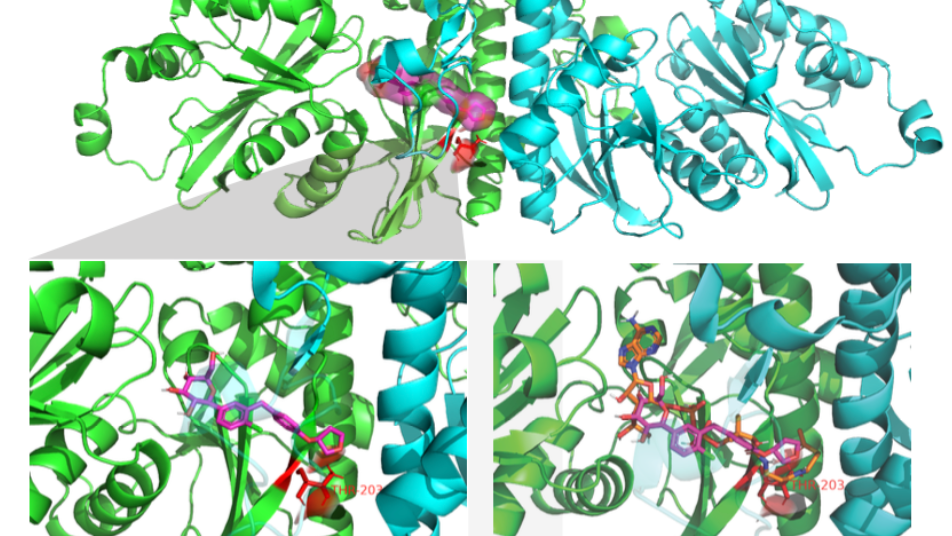
Top: ribbon model of PANK1 dimer. Bottom left: zoom-in of pantothenate binding to PANK1. Bottom right: super-imposed binding of AcCoA, showing extension into the PANK1 enzymatic pocket. Credit: University of Pennsylvania
Researchers have discovered that SGLT2 inhibitors, a class of drugs originally developed to treat diabetes and now widely used for heart failure, work by activating a key enzyme that helps heart cells produce and use energy more efficiently. The study, published in Science, potentially solves a longstanding gap in knowledge about these drugs and opening the door to potential new treatments for heart failure.
The study, led by researchers in the Perelman School of Medicine at the University of Pennsylvania, found that SGLT2 inhibitors directly activate an enzyme called PANK1 in heart cells. This activation boosts production of coenzyme A (CoA), a molecule essential for converting nutrients into energy. Researchers found that increasing CoA production improved the ability of human heart cells to contract and relax, two critical functions that are impaired in heart failure.
“Our findings suggest these drugs are helping the failing heart restore its energy-producing capacity,” said senior author Zoltan Arany, MD, PhD, the Samuel Bellet Professor of Cardiology and chair of Physiology at Penn Medicine. “We identified PANK1 as a direct target of these medications and found that activating this pathway makes heart cells work better. This may explain many of the remarkable benefits patients experience with these drugs.”
Figuring out why it works
For years, physicians have known that SGLT2 inhibitors significantly reduce hospitalisations and deaths among heart failure patients, but have struggled to explain exactly why, because the drugs were designed to target the SGLT2 protein which is found in the kidneys, not the heart.
Using human heart tissue from transplant recipients and donors, the researchers found that SGLT2 inhibitors increased the heart’s ability to use multiple fuel sources, including sugars, fats, amino acids, and ketones. The drugs also increased levels of CoA, which plays a central role in cellular energy production. To identify how that happened, the team traced the effect back to PANK1, an enzyme that regulates the first and most important step in CoA production. The researchers demonstrated that the drugs physically bind to PANK1 and activate it.
“The evidence was especially compelling when we found that activating PANK1 alone reproduced many of the benefits of the drugs, while blocking the pathway largely eliminated those benefits,” said Nicholas Forelli, MD, an internal medicine resident in the Arany lab and co-author of the study. “We cannot completely rule out other contributing mechanisms, but the data strongly support PANK1 as a major driver.”
The discovery may also help explain why SGLT2 inhibitors often begin benefiting heart failure patients within days of starting treatment.
Exciting possibilities ahead
Despite years of research into these medications, the role of PANK1 had gone unnoticed. “Honestly, no one thought to look,” Arany said. “Researchers knew these drugs were doing something important in the heart, but the target responsible for those effects had remained elusive.”
The findings could have important implications for future drug development. While SGLT2 inhibitors are highly effective, they can cause side effects such as urinary tract infections, dehydration, and, in rare cases, diabetic ketoacidosis. “One of the most exciting possibilities is developing drugs that directly target PANK1,” Arany said. “That could allow us to capture the heart benefits while potentially avoiding some of the side effects associated with current therapies. We’re actively working on that now.”
The first-ever European Society of Cardiology Guidelines on the management of cardiovascular disease and chronic kidney disease have been developed in collaboration with the European Renal Association. The new guidelines were published online in the European Heart Journal [1] and presented at ESC Congress 2026 on 29 August.[2]
Chronic kidney disease (CKD) is defined as the presence of abnormalities of kidney structure or function present for at least 3 months, with implications for health.[4] It has been estimated there are around 100 million people in Europe with CKD,[5] all of whom are at increased risk of a wide range of cardiovascular diseases (CVD) as a result of their kidney problem.
“The disability and lifetime lost to each disease are profound, but CKD can accelerate CVD and vice versa, resulting in cardiovascular events and the need for dialysis much earlier in life,” said Task Force Chair, Associate Professor Kevin Damman from University Medical Centre Groningen, Netherlands. “The good news is that there have been major advances over the last few years, which mean there are now several simple treatments that can substantially lower the risk of both cardiovascular and kidney complications.”
Task Force Chair, Professor William Herrington from the University of Oxford, UK, noted: “Many patients with CKD are treated by the cardiology community and the new ESC Guidelines aim to increase the use of kidney function and urine albumin testing in patients with CVD. With improved screening, more at-risk patients can be identified and the most appropriate treatments for both CKD and CVD can be prescribed.”
The Task Force developed the ‘STAMP on CKD’ acronym, which stands for: Screen, Triage, Address CKD Risk, Modify CVD management and Plan health services. The first step is screening all patients with CVD at diagnosis for CKD using blood and urine tests (estimated glomerular filtration rate from blood creatinine plus urine albumin-to-creatinine ratio). A key message on triage is the accurate assessment of risk of kidney failure and accurate assessment of CVD risk using validated scoring systems that incorporate kidney function.
Addressing risk means ensuring the early use of proven cost-effective risk-modifying therapies that have been shown to slow CKD progression and reduce the risk of cardiovascular events. “Early use of drugs called RAS inhibitors and SGLT2 inhibitors alongside statin-based therapy are particularly important and effective,” explained Associate Prof. Damman.
The guidelines highlight key areas where modifications to CVD management are needed in the context of CKD, including recommendations for medications that are permitted in patients who may not be able to clear standard treatments from their bodies due to decreased kidney function.
Finally, appropriate planning of health services ensures that services are set up to recognise high-risk patients and provide timely access to care from cardiologists and nephrologists. “Active and efficient communication between specialties is often necessary due to the complexities associated with CKD,” noted Prof. Herrington. “Engagement of patients and family/caregivers in the multidisciplinary care process also helps to ensure patients’ priorities are met, improve their experience and promote patient-centred care.” A version of the new guidelines for patients aims to give individuals the knowledge and confidence to be involved in shared decision-making with healthcare providers.[3]
The Task Force Chairs concluded, “CVD and CKD are major burdens on patients, healthcare systems and society. The key messages in these guidelines should be noted by all relevant healthcare stakeholders and policymakers, and research planned to fill several gaps in the evidence. Raising awareness will help realise the hope that the guidelines will lead to important individual and societal improvement for those with, or at risk of, CVD and CKD.”
References
[1] 2026 ESC Guidelines for the management of cardiovascular disease and chronic kidney disease. Eur Heart J. 2026. doi:10.1093/eurheartj/ehag098.
[3] ESC Guidelines for the management of cardiovascular disease and chronic kidney disease: What patients need to know. Available on the Patient Versions of ESC Guidelines webpage.
[4] Kidney Disease Improving Global Outcomes CKD Work Group. KDIGO 2024 Clinical Practice Guideline for the Evaluation and Management of Chronic Kidney Disease. Kidney Int. 2024;105:S117–S314.
[5] GBD Chronic Kidney Disease Collaboration. Global, regional, and national burden of chronic kidney disease, 1990-2017: a systematic analysis for the Global Burden of Disease Study 2017. Lancet. 2020;395:709–733.
Studies in the behavioural and brain sciences reporting a major sex-dependent effect – that a drug, treatment or other intervention is more effective in one sex than another – are supported by appropriate evidence less than 25% of the time, an analysis finds.
The Proceedings of the National Academy of Sciences (PNAS) published the analysis of 200 recent articles with a claim of a sex- or gender-dependent effect in the title. The articles included studies on human and non-human subjects and spanned six brain-related research areas: behavioural sciences, clinical neurology, neurosciences, psychiatry, psychology and substance abuse.
“We found that studies in psychology had the highest rate of appropriate evidence – 39% of the published papers included statistical evidence to support the claim of a sex difference,” says Donna Maney, corresponding author of the study and professor of psychology at Emory University. “Research in neuroscience had the lowest rate of appropriate evidence, at just 18%.”
The low rate of appropriate evidence in neuroscience is particularly troubling, Maney says. She notes that claims of sex-dependent effects are more numerous in neuroscience, where such reports are currently being published at triple the rate seen in any other field.
“The high number of reports seen in neuroscience may be due to bias – neuroscientists looking harder for sex differences than other scientists,” Maney says. “But most current evidence shows that the brain is one of the least sexually differentiated organs in the body.”
Maney’s team was particularly alarmed by the number of calls for changes in clinical approaches that were based on faulty analyses. Many of the 200 articles they reviewed, for example, called for sex-specific approaches to suicide prevention, stress-related psychiatric disorders, substance-use disorder and psychopathy – all without providing statistical comparisons of effects across sex.
First author of the PNAS paper is Madeline Olivier, who did the work as an Emory student and has since graduated with a BS in psychology.
Summary of findings
In 24% of the 200 papers, the effect compared statistically across sex and the results supported the claim of a sex-dependent effect.
In 9%, the researchers tested for a sex difference, but the results were missing.
In 9.5%, the sex difference in the effect was reported as not statistically significant, which was incompatible with the claim in the title.
In 57.5%, the sexes were not statistically compared — the researchers did not test the claim in the title at all.
A logical error
Maney is a neuroscientist who studies hormonal and genetic influences on behaviour. For more than a decade, she has also focused on investigating how sex differences are tested for and reported in biomedical research.
One issue she emphasises is that, instead of comparing the sexes directly with each other, researchers often test for the effect in each sex separately. Although it might make sense on the surface, the practice reduces the number of subjects to the point where a real effect can be missed. If the effect is detected in one sex but missed in the other, researchers are vulnerable to a logical error: that the effect differs between the sexes, when they have not been directly compared.
To show that the sexes differ, females and males must be directly compared with each other in a statistical test. Most of the articles analysed by Maney and colleagues for the current PNAS paper did not do that. Instead, the researchers relied on the individual, within-sex tests – an invalid way of comparing the sexes that produces the illusion of a difference up to 50% of the time. “It’s no better than flipping a coin,” Maney says.
It’s also easy to miss true sex differences with a subgroup approach. For example, men and women could respond differently to a treatment but when the sample is divided in half and tested separately, the effect could be missed in both.
Maney cites the classic example of a large clinical trial showing that aspirin significantly reduced mortality from heart attacks. To illustrate the problem with the subgroup error, cardiologist Peter Sleight reanalysed the data by dividing participants into subgroups according to their astrological signs. Once the trial was split into 12 zodiac groups, the benefit of aspirin was no longer statistically detectable among the Libras and Geminis.
Sleight’s “findings” demonstrated how dividing a large group into subgroups can make a real effect disappear in some of the groups, even when the treatment is clearly beneficial.
“This problem is not new,” says Maney. “I made the error myself until I learned about it. “Many researchers don’t receive training in how to test whether an effect differs between two groups.”
A simple solution
To provide evidence that an effect differs by sex, the effect must be statistically compared between males and females, Maney emphasises. Only that approach can show sufficient evidence for a sex difference.
She designed an open-source tool, housed on the web at sexdifference.org, to help guide researchers to verify sex-specific effects.
Maney’s interests extend beyond statistical sex comparisons.
“Ultimately,” she says, “I would like to see researchers not treat sex as the most important variable in a biomedical study. Variation in participants’ weights, ages or habits, for example, likely explains variation in the effect of a treatment better than which sex category they are in.”
Researchers explore brain patterns through different ages to pinpoint where memories get mixed up
Photo by Fakurian Design on Unsplash
Memory loss is usually thought of as something to address as a person ages. Slip-ups like forgetting someone’s name or recognising a familiar face but not remembering where you know them from are often viewed as issues that arise later in life.
New research by a team at Binghamton University reveals why memory shifts as we age – and that shift happens earlier in life than most people think, potentially at middle age.
“This is one of a growing list of studies highlighting that the period of middle age is really important for memory functioning and shouldn’t be ignored. For a long time, most studies have been focused on young adults versus older adults,” said Binghamton Associate Professor of Psychology Ian McDonough, co-author of a new study published in Cerebral Cortex.
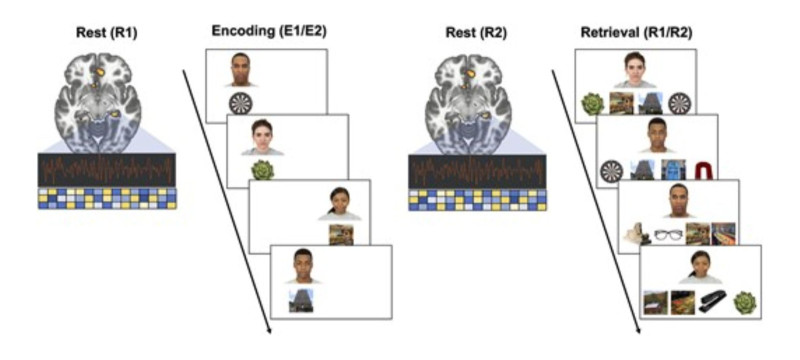
McDonough and postdoctoral associate Destaw Mekbib tested a group of approximately 60 adults ages 18 to 74 by showing them faces paired with various objects and scenes. After a five-minute rest period, participants completed a memory test where they were prompted to pick the correct object or scene for each face – all while an MRI machine took readings of their hippocampal activity.
McDonough said the test mirrors how memories are formed. First, the brain records the new memory. Then, over a short period, the hippocampus replays the memory to stabilise it. Later, the brain retrieves the memory when needed.
The question the researchers had, however, was how aging affects the continuity of the information passing between those stages.
“We’re seeing a big decline in memory accuracy from the 20- to 30-year-old age group, to people in their 50s. Some of these hippocampal processes already start to decline by midlife,” McDonough said. “That suggests middle age is really a transition point.”
Image Credit: Figure 1. Overview of the experiment. Reprinted from Mekbib and McDonough (2026), Cerebral Cortex, 36(7), bhag114, https://doi.org/10.1093/cercor/bhag114, used under CC BY-NC 4.0..
In the context of this research, middle-aged participants often paired a face with the wrong object or scene. They had recalled that they had seen it before, but not which pairing was correct, almost as an “I’ve seen something like this before” phenomenon.
“It becomes hard because now all of these images on the screen during the test seem familiar,” McDonough said. “They know they’ve seen all of these before, but now what they have to remember is that specific link. And that’s where, as people age, they start to really show these errors.”
In comparing how younger and older people access memories, the researchers assumed that older adults would show weaker hippocampal activity, but this wasn’t exactly the case. What they did find was more interesting. When young adults made mistakes in the memory tests, it was because their brains were not activating the original memory patterns, which was expected.
However, when older adults made mistakes, their brains showed strong reactivation of those memory patterns.
“The more they reactivate the hippocampus that’s consistent with encoding, the more likely they are to make these memory errors,” McDonough said. “So instead of that reactivation pattern being associated with better memory, it’s associated with those errors.”
McDonough said it’s not yet known why older adults can show strong hippocampal reactivation while making memory errors. Future follow-up studies could look at memory encoding, consolidation, and retrieval at the individual level, and explore how brain stimulation after learning impacts memory.
He noted that researchers should focus more on people in middle age, following them over many years, given this new information that memory can shift earlier in life.
“We really don’t have a good scientific understanding of what is happening in middle age, because the brain is not declining uniformly across this time, with some regions declining faster than others,” McDonough said. “Finding when those tipping points are is going to be important.”
Researchers from Amsterdam UMC, in collaboration with other hospitals, have successfully completed the first-ever Phase 3 study of an in vivo CRISPR therapy. In this large-scale, double-blind Phase 3 trial, 80 patients with hereditary angioedema were randomised to receive either the CRISPR therapy or a placebo. CRISPR therapy is a medical technique that allows doctors to precisely modify errors in cellular DNA to treat specific hereditary diseases.
Danny Cohn, leader of the research, is highly enthusiastic: “The study demonstrates that the therapy is genuinely effective and safe. This confirmation is exactly what regulatory authorities need to approve the very first in vivo CRISPR gene editing treatment for the market.”
The findings were presented today at the annual congress of the European Academy of Allergy and Clinical Immunology in Istanbul, and simultaneously published in The New England Journal of Medicine.
Significant Reduction in Attacks
The study evaluates a one-time CRISPR treatment for hereditary angioedema, a rare disorder characterised by recurrent and potentially dangerous swelling. Internist Danny Cohn explains: “This is the first time CRISPR therapy has been applied in vivo within a large, double-blind, international Phase 3 trial. A total of 80 patients were randomised to receive either lonvoguran-ziclumeran or a placebo.”
The primary outcome was measured between weeks 5 and 28 following a single intravenous infusion. The results heavily favoured the active treatment, showing an 87% relative reduction in attacks. Furthermore, 62% of treated patients remained attack-free without any maintenance therapy, compared to just 11% in the placebo group. Key secondary outcomes were also strongly positive: the need for on-demand treatment fell by 89%, moderate-to-severe attacks decreased by 91%, and quality-of-life scores showed a distinctly greater improvement compared to the placebo.
Cohn notes that trial participants tended to take medication at the earliest sign of a potential swelling. “Consequently, we cannot be certain if all reported swellings were actual attacks,” Cohn says. “We anticipate that the number of completely attack-free patients will rise now that participants know they received the active treatment. This awareness will likely give them the confidence to forego on-demand therapy.”
A Single, One-Time Treatment
The implications for patients are profound, suggesting that a severe, chronic condition can potentially be managed long-term with a single intervention. Cohn: “Patients may no longer need continuous preventative medication, sparing them from the associated side effects. Furthermore, this can alleviate treatment burden, reduce drug dependency, lessen the anxiety of future attacks, and ultimately improve quality of life.”
Paving the Way for Future Genetic Therapies
In terms of safety, the treatment appears to be well-tolerated. The most frequent side effects were mild infusion-related reactions, headache, fatigue, and back pain, all of which resolved quickly. No serious adverse events were reported in the treatment group.
“This makes the results exceptionally relevant; it is not just effective, it is safe,” Cohn emphasises. He adds that data from 37 participants from the Phase 1 and 2 trials show the treatment remains just as effective and safe four years after administration. “This study opens doors to in vivo CRISPR treatments for patients with other hereditary disorders. Inserting, deleting, or repairing a gene – it is all possible with CRISPR technology.”
Lenacapavir is administered via two injections of 1.5ml each in the buttocks, thigh, abdomen or upper arm. (Photo: Nasief Manie/Spotlight)
By Biénne Huisman for Spotlight
From counselling about small nodules to overcoming people’s fears of needles, Spotlight takes the pulse of a new HIV prevention injection’s rollout in the Western Cape.
At Cape Town’s Philippi Village, beside a rainbow-emblazoned mobile clinic, Olwam Plaatjie says she switched from the two-monthly cabotegravir HIV prevention injection to the six-monthly injectable lenacapavir. Despite small nodules forming at the two jab sites on her abdomen, the 20-year-old is delighted with the new HIV prevention medicine.
Plaatjie, who is from Crossroads and who started taking cabotegravir injections three years ago, says: “I see many people who are HIV positive. Many of them are girls. Guys often don’t even want to be tested; my boyfriend didn’t want to go for HIV tests. So that’s why I started to have a fear. I was like, you know, maybe there is something he is hiding.”
Plaatjie is one of a stream of young women now taking their health in their own hands as they personally implement HIV prevention strategies, thanks to national government and research campaigns aimed at this vulnerable group.
According to Foster Mohale, spokesperson for the National Department of Health, as of 23 August, there have been 3 641 initiations of lenacapavir, or LEN for short, across the 22 government clinics in the province that are offering the injection. Nationally, the number stood at 47 934.
Due to severely constrained supply, lenacapavir is for now only being rolled out to 360 health facilities across six provinces (Free State, Limpopo, and Northern Cape are not currently included). Gauteng accounts for over a third of facilities and KwaZulu-Natal for around a quarter. The Western Cape’s 22 facilities makes up only around 6% of the total. The selection of facilities was in part informed by how well facilities had been doing in the provision of HIV prevention pills, currently available in almost all the country’s public sector health facilities.
Mohale said the three clinics with the highest administrations in the Western Cape as of August 26, were the Khayelitsha Community Health Centre, Michael Mapongwana Community Health Centre, in Khayelitsha, and Nolungile Community Health Centre, also in Khayelitsha.
Uptake in adolescent girls and young women
Asked about the high uptake in this area, Director of Service Priorities Coordination for the Western Cape Government Department of Health and Wellness, Hilary Goeiman, pointed out the community’s large population of adolescent girls and young women, who are being targeted in the medicine’s roll-out strategy.
“Nolungile Community Day Centre has demonstrated strong clinical leadership and effective implementation of the programme, successfully integrating lenacapavir into routine HIV prevention services,” she said.
On the demographics of the administrations, Goeiman said: “Most recipients are women, in line with the initial rollout focus on adolescent girls and young women, women of reproductive age, and pregnant and breastfeeding women who are at substantial risk of HIV acquisition.”
Mohale said 258 pregnant women had been initiated on lenacapavir at the 22 clinics across the Western Cape, since June.
Science in tandem with government
Meanwhile, Plaatjie was part of an initial cohort of 15- to 35-year-olds who received lenacapavir jabs in February, as part of a study spearheaded in the area by the Desmond Tutu Health Foundation. The study, called ALIGN, will evaluate implementation strategies for lenacapavir and how to encourage continued use.
The research is unfolding in collaboration with the Western Cape Department of Health and Wellness and the National Department of Health, but with a separate stock of the drug, independently sourced by the scientists. Social behavioural expert at the foundation, Elzette Rousseau, says their goal is to enrol at least 1 500 people on lenacapavir and to follow them for 18 months. She adds that at this stage, their data is still too limited to have any clear findings.
Cool, but a fear of needles
At Philippi Village, next to Plaatjie, Lutho Windvoel reflects on lenacapavir. He says that to his knowledge, men can be afraid of injections, and thus of HIV prevention through jabs. But, to him the benefit of protection over six months outweighs a fear of needles. “It’s just cool,” says Windvoel, who is wearing a black T-shirt with a pink teddy bear graphic.
At Philippi Village in Cape Town, a rainbow-emblazoned mobile clinic operated by the Desmond Tutu Health Foundation provides Lenacapavir injections. From left to right: Olwam Plaatjie, Sinovuyo Plaatjie, Lutho Windvoel, and Okuhle Trinity Potelwa. (Photo: Nasief Manie/Spotlight)
“LEN makes life easier. People are excited. Before, I took PrEP tablets daily but I worried that I would forget.”
Also in the conversation is Sive Mphambaniso, youth reference engagement facilitator at the Desmond Tutu Health Foundation. On a fear of injections, particularly among men, Mphambaniso agrees: “Most of them [men], when we talk about injections, they’re like, ‘nah.’ Many men are afraid of needles. Especially when we talked about cabotegravir when it arrived. So many of them preferred to take the oral PrEP, actually. Until the six month injection came in. Now people are saying, ‘it’s better for me to just have the guts to take the injection, rather than taking pills every day’. It’s the promise of six months that makes you just say, ‘Now let me have the guts to do this thing’.”
On some men being resistant to HIV testing or prevention, he says: “To be honest, it’s a struggle. And talking to men about HIV prevention, it’s quite a challenge, but it is happening. And I would say it is better for them to come to the mobile clinic rather than to go to a traditional clinic. Sometimes men don’t like people to think that they are sick. So they come here, it’s quite quick and it’s efficient.”
From the researchers’ side, Rousseau pointed out that one in four of their clients for lenacapavir had been men, “similar numbers to those accessing oral PrEP,” she says.
Small nodules that disappear
Speaking to Spotlight, Plaatjie and Windvoel, along with Sinovuyo Plaatjie, 22, and Okuhle Potelwa, 19, who were also in the initial cohort in the study led by the Desmond Tutu Health Foundation, agree that small nodules formed under the skin where the lenacapavir was injected. “It was like small bumps,” said Plaatjie. “It’s not even visible, but you can just feel it when you touch yourself. And it’s not sore.”
Lenacapavir is administered via two injections of 1.5ml each in the buttocks, thigh, abdomen or upper arm. Speaking to Spotlight, the four recipients say the nodules had not been painful, and that the bumps started growing smaller after about a month and eventually disappeared. They did not experience any other side effects.
Inside the “Tutu teen truck” mobile clinic parked at Philippi Village, nurse Zimasa Zwide elaborates on the nodules. “Most of the time they form immediately, especially on the slimmer people,” she says. “So what I normally do when I’m injecting people, I ask them to feel the nodules so that they won’t be surprised at home later. They get smaller with time and they disappear depending on the body of each participant. And most of them are not reporting any pains.”
However, at a workshop hosted by the Bhekisisa Centre for Health Journalism at the end of August, Spotlight heard from two lenacapavir users, who did report initial pain along with “bumps” at the injection sites – for a few weeks following administration. At some facilities, icepacks are used to numb the injection site, either before or after the injection is administered, or both.
Glass vials of pale yellow liquid
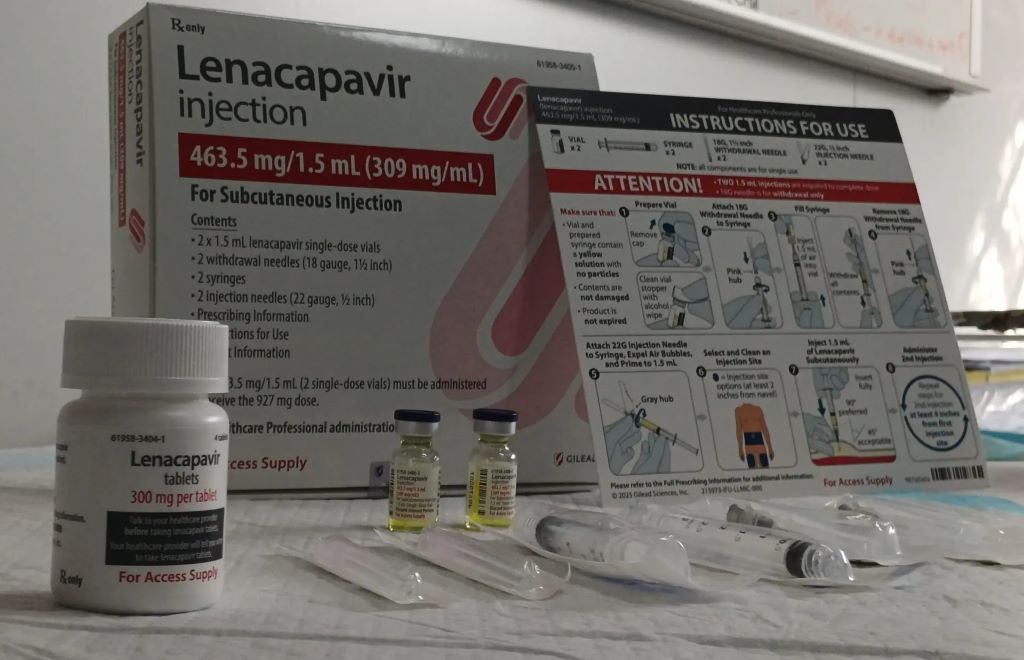
During our conversation, Zwide opens a lenacapavir dosing kit. Inside there are two syringes, two glass vials of pale yellow liquid, and a plastic container with tablets.
She says: “It’s two injections. One on each side of the abdomen, well depending on the injection site that they are choosing. And two tablets which are taken on the day of the injection, plus two tablets that I give them to take home, and which needs to be taken exactly 24 hours later. The tablets, it’s a form of speeding up the absorption process of the lenacapavir.”
If these steps are followed, she says, a recipient is fully protected against HIV three days later. The recipient needs to visit the clinic a month later for an HIV test and follow-up treatment. Zwide says the most patients she have injected with lenacapavir in her mobile clinic in a day were around six or seven people. This is her maximum capacity, she says, as the required administration takes around two hours per person.
Demand for the jab
On demand for the jab, Zwide says: “On a daily basis, there are a lot of people who are interested in lenacapavir. When we started rolling out LEN, there were a couple of participants who were coming in, even ones who were older than 35. Unfortunately, in our service, we take from 15 to 35 years, so we couldn’t give them. But luckily as it was now rolled out at the local clinics, we can refer them to Phumlani Clinic [three kilometres away].” Phumlani Clinic is one of the 22 facilities in the Western Cape offering the injection.
Contents of a Lenacapavir injection kit, including the drug vials, syringes, needles and instruction pamphlet, alongside a plastic pill container holding lenacapavir tablets. (Photo: Elri Voigt/Spotlight)
Responding to Spotlight’s questions around education on lenacapavir and demand creation in South Africa, Rousseau spoke highly of government’s rollout efforts.
“The national launch of lenacapavir in early June has created great demand and awareness of lenacapavir,” she says.
In addition, Mphambaniso points out the value of creating awareness about HIV prevention strategies and lenacapavir on channels that reach young people, specifically social media like TikTok.
Goeiman explained distribution of the medicine around the country. “Lenacapavir is procured centrally by the National Department of Health and distributed to provinces through phased deliveries. The Department continues to actively manage available stock to ensure equitable access throughout the phased rollout.” Technically, the department is procuring the medicines from the pharmaceutical company Gilead Sciences using money from the Global Fund (a large multinational donor).
For now, lenacapavir supply in South Africa remains highly constrained. That is expected to change once generic versions of the drug are registered and marketed in South Africa. Gilead have granted several companies licenses to produce generics. One of those, the Indian pharmaceutical company Hetero, has already filed a lenacapavir generic with the South African Health Products Regulatory Authority.
It seems plausible that the first lenacapavir generics will be approved in the first half of 2027 and indications are that the Department of Health will be quick to move to procuring lenacapavir generics on tender. Once that happens, the programme should expand rapidly with the aim of eventually covering all public healthcare facilities in the country.