Tag: clinical guidelines

New ESC Guidelines Recommend all Heart Disease Patients are Tested for Kidney Disease

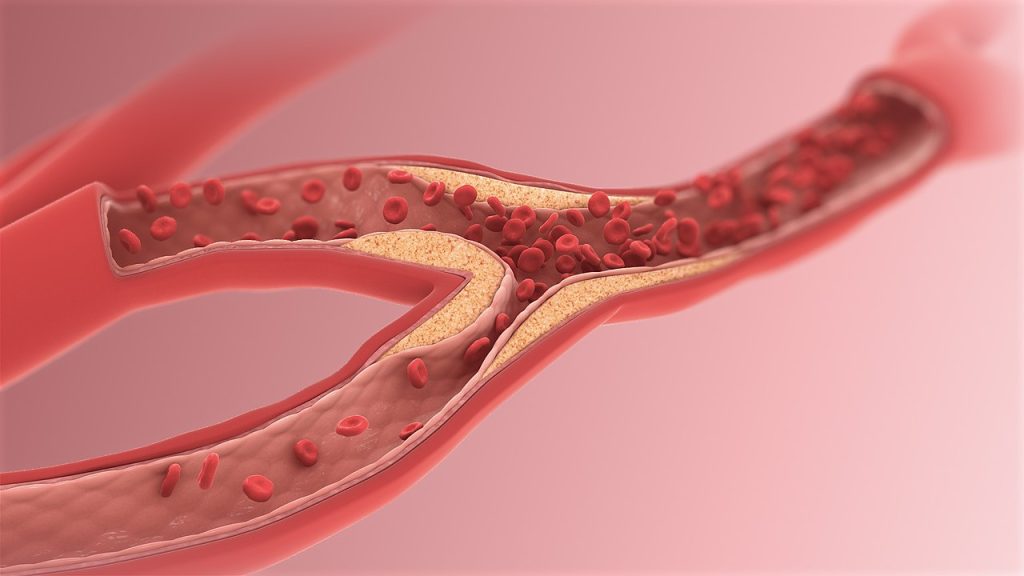
Chronic kidney disease (CKD). Credit: Scientific Animations CC4.0

The first-ever European Society of Cardiology Guidelines on the management of cardiovascular disease and chronic kidney disease have been developed in collaboration with the European Renal Association. The new guidelines were published online in the European Heart Journal [1] and presented at ESC Congress 2026 on 29 August.[2] 

Chronic kidney disease (CKD) is defined as the presence of abnormalities of kidney structure or function present for at least 3 months, with implications for health.[4] It has been estimated there are around 100 million people in Europe with CKD,[5] all of whom are at increased risk of a wide range of cardiovascular diseases (CVD) as a result of their kidney problem. 

“The disability and lifetime lost to each disease are profound, but CKD can accelerate CVD and vice versa, resulting in cardiovascular events and the need for dialysis much earlier in life,” said Task Force Chair, Associate Professor Kevin Damman from University Medical Centre Groningen, Netherlands. “The good news is that there have been major advances over the last few years, which mean there are now several simple treatments that can substantially lower the risk of both cardiovascular and kidney complications.” 

Task Force Chair, Professor William Herrington from the University of Oxford, UK, noted: “Many patients with CKD are treated by the cardiology community and the new ESC Guidelines aim to increase the use of kidney function and urine albumin testing in patients with CVD. With improved screening, more at-risk patients can be identified and the most appropriate treatments for both CKD and CVD can be prescribed.” 

The Task Force developed the ‘STAMP on CKD’ acronym, which stands for: Screen, Triage, Address CKD Risk, Modify CVD management and Plan health services. The first step is screening all patients with CVD at diagnosis for CKD using blood and urine tests (estimated glomerular filtration rate from blood creatinine plus urine albumin-to-creatinine ratio). A key message on triage is the accurate assessment of risk of kidney failure and accurate assessment of CVD risk using validated scoring systems that incorporate kidney function. 

Addressing risk means ensuring the early use of proven cost-effective risk-modifying therapies that have been shown to slow CKD progression and reduce the risk of cardiovascular events. “Early use of drugs called RAS inhibitors and SGLT2 inhibitors alongside statin-based therapy are particularly important and effective,” explained Associate Prof. Damman. 

The guidelines highlight key areas where modifications to CVD management are needed in the context of CKD, including recommendations for medications that are permitted in patients who may not be able to clear standard treatments from their bodies due to decreased kidney function.  

Finally, appropriate planning of health services ensures that services are set up to recognise high-risk patients and provide timely access to care from cardiologists and nephrologists. “Active and efficient communication between specialties is often necessary due to the complexities associated with CKD,” noted Prof. Herrington. “Engagement of patients and family/caregivers in the multidisciplinary care process also helps to ensure patients’ priorities are met, improve their experience and promote patient-centred care.” A version of the new guidelines for patients aims to give individuals the knowledge and confidence to be involved in shared decision-making with healthcare providers.[3] 

The Task Force Chairs concluded, “CVD and CKD are major burdens on patients, healthcare systems and society. The key messages in these guidelines should be noted by all relevant healthcare stakeholders and policymakers, and research planned to fill several gaps in the evidence. Raising awareness will help realise the hope that the guidelines will lead to important individual and societal improvement for those with, or at risk of, CVD and CKD.” 

References

[1] 2026 ESC Guidelines for the management of cardiovascular disease and chronic kidney disease. Eur Heart J. 2026. doi:10.1093/eurheartj/ehag098. 

[2] 2026 ESC Guidelines for the Management of Cardiovascular Disease and Chronic Kidney Disease presented at ESC Congress 2026 on 29 August from 13:45 to 15:00 in Munich, the Main Auditorium (Hall B3). 

[3] ESC Guidelines for the management of cardiovascular disease and chronic kidney disease: What patients need to know. Available on the Patient Versions of ESC Guidelines webpage

[4] Kidney Disease Improving Global Outcomes CKD Work Group. KDIGO 2024 Clinical Practice Guideline for the Evaluation and Management of Chronic Kidney Disease. Kidney Int. 2024;105:S117–S314.  

[5] GBD Chronic Kidney Disease Collaboration. Global, regional, and national burden of chronic kidney disease, 1990-2017: a systematic analysis for the Global Burden of Disease Study 2017. Lancet. 2020;395:709–733. 

Source: European Society of Cardiology

New WHO Guidelines: Up to 45% of Dementia Risk Could Be Prevented or Delayed

Photo by Jusfilm on Unsplash

The World Health Organization (WHO) has released updated guidelines on reducing the risk of cognitive decline and dementia, providing countries with evidence-based recommendations to help prevent or delay the onset of dementia across the life course.

Dementia is a condition caused by brain diseases and affects memory, thinking and the ability to function. More than 57 million people live with dementia worldwide and nearly 10 million people get newly diagnosed every year. Alzheimer disease is the most common form of dementia and is estimated to account for 60–70% of cases.

While there is no cure for dementia, up to 45% of the risks can be attributed to modifiable risk factors such as tobacco, alcohol use, social isolation, physical inactivity, air pollution and noncommunicable diseases (NCDs), including high blood pressure and diabetes. Beyond health, dementia affects a person’s independence, dignity and safety.

“We know more today than ever before about what drives dementia risk, and these guidelines translate that knowledge into action,” said Dr Tedros Adhanom Ghebreyesus, WHO Director-General. “Countries now have clear, evidence-based recommendations they can put into practice immediately to protect people’s cognitive health.”

WHO’s new guidelines reflect the latest evidence and innovations in dementia risk reduction providing proven interventions that can effectively lower dementia risk through early awareness and timely action. They represent an important opportunity to reduce the burden of dementia in the coming decades through stronger integration of services for noncommunicable diseases, mental health and brain health.

Reducing risk, preventing illness

The updated guidelines reflect significant growth in the evidence base since WHO first issued recommendations on dementia risk reduction in 2019. They provide consolidated recommendations on addressing unhealthy behaviours, managing medical conditions, and reducing exposure to environmental factors that may contribute to cognitive decline and dementia.

The guidelines recommend several healthy behaviours and lifestyle interventions to reduce dementia risk, including cognitive training and cognitive stimulation and engagement in social activities for adults who have normal cognition or are experiencing mild cognitive impairment.

The updated advice also includes interventions that reduce risk of NCDs, including increasing physical activity, stopping tobacco use, reducing alcohol consumption, adopting a healthy diet, and a new recommendation to reduce exposure to air pollution.

Management of cardiometabolic conditions such as hypertension, diabetes, and high cholesterol can also help reduce dementia risk. Further, hearing aids may be offered as part of risk-reduction strategies.

As an intervention to reduce the risk of cognitive decline and/or dementia, the guidelines do not recommend supplementation with vitamins B and E, omega-3 polyunsaturated fatty acids (PUFA) and multivitamins/minerals in the absence of a diagnosed deficiency, due to the lack of evidence of any potential benefits to outweigh unexpected harmful effects. 

Human and economic cost

Dementia affects an individual’s ability to live independently, work and function, while placing substantial burdens on families and carers. It carries a major economic loss, costing the global economy an estimated US$ 1.3 trillion annually. About half of this cost is driven by unpaid care provided by families and friends. Understanding risk factors and taking action to prevent dementia can improve health and quality of life, helping people live longer, healthier and more independent lives.

Source: World Health Organization

New Cholesterol Guidelines Aim to Stop Heart Disease Earlier

Image by Scientific Animations, CC4.0

Doctors should consider treating high cholesterol much earlier and more aggressively than they have in the past, according to a new perspective by Weill Cornell Medicine, New York-Presbyterian and Yale School of Medicine investigators. The updated 2026 cholesterol management guidelines from the American College of Cardiology and the American Heart Association encourage doctors to identify risk earlier and intervene before heart attacks and strokes happen. Heart disease remains the leading cause of death in the United States.

The perspective, published May 19 in the Journal of the American College of Cardiology, highlights the role and potential for primary care clinicians to implement the guidelines, while also acknowledging the challenges they may face.

“Primary care clinicians are really the backbone of patient care, especially when it comes to cardiovascular prevention. Due to our longitudinal relationships with patients we are uniquely positioned to reinforce healthy behaviours related to diet, exercise, sleep and smoking,” said Dr Madeline R. Sterling, associate professor of medicine at Weill Cornell and an internist at NewYork-Presbyterian/Weill Cornell Medical Center, and lead author of the perspective. Dr Sterling also served as the Inaugural Chair of the Primary Care Science Committee at the American Heart Association. “Primary care clinicians can screen patients earlier, assess lifetime cardiovascular risk and consider additional risk factors to enhance their management of dyslipidaemia.”

Dr. Erica S. Spatz, associate professor of cardiology and epidemiology at Yale School of Medicine, also co-authored the perspective.

In the past, treatment decisions often focused on whether someone was likely to have a heart attack or stroke within the next 10 years. However, even younger adults with moderately elevated cholesterol may benefit from earlier intervention if they carry other hidden risks, the authors said.

To better identify those risks, the new guidelines recommend that doctors look beyond standard cholesterol tests and use newer tools including measuring lipoprotein(a), or Lp(a), a genetically inherited cholesterol-related particle linked to heart disease, as well as coronary artery calcium (CAC) scans that can detect silent plaque buildup in the heart’s arteries.

Overall, the guidelines recommend a more aggressive approach to lipid management, including a focus on the cumulative damage cholesterol can cause over a lifetime. This may include starting a statin medication earlier along with lifestyle changes.

But implementing these recommendations may be challenging in practice, Dr Sterling said

Primary care clinicians often must address competing medical concerns during office visits, which tend to be short. Explaining lifetime cardiovascular risk, advanced cholesterol testing and preventive medications can require detailed conversations that need to occur over time and in concert with cardiologists and other specialists.

Experts also worry that without careful implementation, these advances could widen existing health disparities. Some advanced tests and newer cholesterol-lowering medications may not be covered by insurance or readily available in all communities.

Drs Sterling and Spatz say successful adoption will likely require better insurance coverage, improved electronic health record tools, patient education efforts, and stronger collaboration between primary care clinicians and specialists, including research and implementation efforts.

The guidelines also promote team-based care, where nurses, pharmacists and specialists help patients manage medications and reach cholesterol targets.

Ultimately, a multi-pronged approach will be necessary for the guideline recommendations to be consistently translated into practice, Dr Sterling said.

Source: Weill Cornell Medicine

New Resistance-Training Guidelines Emphasise Consistency over Perfection

Photo by John Arano on Unsplash

The first major update to resistance-training guidelines in 17 years delivers one clear message: any amount of resistance training improves strength, muscle size, power and physical function.

The new recommendations, published by the American College of Sports Medicine (ACSM) as a Position Stand, are based on 137 systematic reviews involving more than 30 000 participants, making them the most comprehensive resistance-training guidelines to date.

“The best resistance training programme is the one you’ll actually stick with,” says Stuart Phillips, distinguished professor in the Department of Kinesiology and an author on the Position Stand. “Training all major muscle groups at least twice a week matters far more than chasing the idea of a ‘perfect’ or complex training plan. Whether it’s barbells, bands, or bodyweight, consistency and effort drive results.” 

This update has been a long time coming. ACSM last published a Position Stand on resistance training for healthy adults in 2009, predating the explosion of research on muscle health, aging and the role of strength in long-term wellbeing.

“The new document reflects that surge in evidence and expands its recommendations to include more people and more types of training than ever before,” Phillips says.

A central theme of the new Position Stand is that the most meaningful gains come from a simple shift: moving from no resistance training to any form of it. While training variables such as load, volume, or frequency can be fine-tuned, the primary goal for most adults should be to build a consistent routine.

One of the greatest changes is the recognition that meaningful results don’t require a gym. Elastic bands, bodyweight training and home-based routines offer clear and measurable improvements in strength, muscle size and functional performance.

Rigid rules and prescriptive ideal programs are no longer supported by evidence, explains Phillips. Instead, personal goals, enjoyment, and long-term adherence matter most, especially for adults looking to stay strong, healthy and functional as they age. 

Athletes and highly trained individuals will still require more specialized, sport-specific programs, but for the average adult, the message is simple: find a resistance-training routine you enjoy and stick with it.

The full ACSM Position Stand is now available in Medicine & Science in Sports & Exercise. 

Source: EurekAlert!

New Guideline: Preventing a First Stroke may be Possible

Updated clinical recommendations, including lifestyle changes, prevention strategies and treatment options, to reduce the risk of a first stroke outlined in a new guideline from the American Stroke Association

Credit: American Heart Association

Healthy lifestyle behaviours, such as good nutrition, smoking cessation and being physically active, along with routine health screenings and managing risk factors for cardiovascular disease and stroke with medication, can help prevent individuals from having a first stroke. Screening for stroke risk and educating people on how to lower their chances of having a stroke ideally begin with their primary care professional and include evidence-based recommendations, according to a new clinical guideline from the American Stroke Association, and published in the journal Stroke.

“The most effective way to reduce the occurrence of a stroke and stroke-related death is to prevent the first stroke – referred to as primary prevention,” said Chair of the guideline writing group, Cheryl D. Bushnell, MD, MHS, FAHA, professor and vice chair of research in the department of neurology at Wake Forest University School of Medicine. “Some populations have an elevated risk of stroke, whether it be due to genetics, lifestyle, biological factors and/or social determinants of health, and in some cases, people do not receive appropriate screening to identify their risk.”

The “2024 Guideline for the Primary Prevention of Stroke” replaces the 2014 version and is a resource for clinicians in implementing a variety of prevention strategies for individuals with no prior history of stroke. The new guideline provides evidence-based recommendations for strategies to support brain health and prevent stroke throughout a person’s lifespan by improving healthy lifestyle behaviours and getting preventive care.

“This guideline is important because new discoveries have been made since the last update 10 years ago. Understanding which people are at increased risk of a first stroke and providing support to preserve heart and brain health can help prevent a first stroke,” said Bushnell. 

Key stroke prevention recommendations include regular health screenings, identifying risk factors, lifestyle interventions and medications, when indicated.

Identifying and managing risk factors

Unidentified and unmanaged cardiovascular disease risk factors can cause damage to arteries, the brain and the heart years before cardiovascular disease and stroke occur. Primary care health professionals should promote brain health for patients through stroke prevention education, screenings and addressing risk factors from birth to old age.

Modifiable risk factors for stroke, such as high blood pressure, overweight and obesity, elevated cholesterol and elevated blood sugar, can be identified with physical exams and blood tests. These conditions should be addressed with healthy lifestyle and behavioural changes and may include medications for select patients. Antihypertensive medications to reduce blood pressure and statin medications to lower cholesterol can help to reduce the risk of first stroke in adults with increased cardiovascular disease risk and those receiving CVD care. A new recommendation is consideration of glucagon-like protein-1 (GLP-1) receptor agonist medications, which are FDA-approved to reduce the risk of cardiovascular disease in people with overweight or obesity and/or Type 2 diabetes.

Healthy lifestyle behaviours

The most common, treatable lifestyle behaviours that can help reduce stroke risk are detailed in the Association’s Life’s Essential 8 cardiovascular health metrics. They include healthy nutrition, regular physical activity, avoiding tobacco, healthy sleep and weight, controlling cholesterol, and managing blood pressure and blood sugar. The guideline recommends that adults with no prior cardiovascular disease, as well as those with increased risk, follow a Mediterranean dietary pattern. Mediterranean dietary programs have been shown to reduce the risk of stroke, especially when supplemented with nuts and olive oil.

Physical activity is also essential for stroke risk reduction and overall heart health. Physical activity can help to improve important health measures such as blood pressure, cholesterol, inflammatory markers, insulin resistance, endothelial function and weight. The guideline urges health care professionals to routinely screen patients for sedentary behaviour, a confirmed risk factor for stroke, and counsel them to engage in regular physical activity. The Association reinforces the U.S. Department of Health and Human Services Office of Disease Prevention and Health Promotion’s recommendation that adults get at least 150 minutes per week of moderate-intensity aerobic activity or 75 minutes per week of vigorous aerobic activity, or a combination of both, preferably spread throughout the week.  

Health equity and stroke risk

New to the guideline is an emphasis on social determinants of health and the impact they have on stroke risk. Social determinants of health are non-medical factors, including education, economic stability, access to care, discrimination, structural racism and neighborhood factors (such as the lack of walkability, lower availability of healthy food and fewer health resources), that contribute to inequities in care and influence overall health. Health care professionals should ensure patient education is available for various educational and language levels, and advocate for their patients by choosing treatments and medications that are effective and affordable.

Health care professionals are also encouraged to connect patients to resources that help address health-related social needs such as food and housing insecurity, refer them to programs that support healthy lifestyle changes and direct them to support programs that may help defray health care costs including medication expenses.

New sex- and gender-specific recommendations

The guideline also includes some new gender- and sex-specific recommendations for women. Health professionals should screen for conditions that can increase a woman’s risk of stroke, including use of oral contraceptives, high blood pressure during pregnancy, other pregnancy complications such as premature birth, endometriosis, premature ovarian failure and early onset menopause. Treatment of elevated blood pressure during pregnancy and within six weeks of delivery is recommended to reduce the risk of maternal intracerebral haemorrhage.

Transgender women and gender-diverse individuals taking oestrogens for gender affirmation may also be at an increased risk of stroke. Evaluation and modification of any existing risk factors are needed to reduce the risk of stroke for these individuals.

“Implementing the recommendations in this guideline would make it possible to significantly reduce the risk of people having a first stroke. Most strategies that we recommend for preventing stroke will also help reduce the risk of dementia, another serious health condition related to vascular issues in the brain,” said Bushnell.

The writing group notes that writing recommendations focused on preventing a first stroke was challenging. There are limitations to some of the evidence that informed the guideline, including that many clinical trials enrolled adults who have already had a cardiovascular event that may include a stroke. The writing group also identified knowledge gaps to help inform topics for future research.

The guideline highlights the need for risk assessment in primary stroke prevention and includes the use of risk prediction tools to estimate risk for atherosclerotic cardiovascular disease so that patients receive timely prevention and treatment strategies. The Association has recently developed a new Predicting Risk of Cardiovascular Disease Events (PREVENT) risk calculator as a screening tool that can help inform preventive treatment decisions. The PREVENT calculator can estimate 10-year and 30-year stroke and heart disease risk in individuals starting at age 30 – a decade earlier than the Pooled Cohort Equations, another CVD risk calculator.

According to the American Stroke Association, learning the warning signs of stroke and preventative measures are the best way to avoid strokes and keep them from happening again. The abbreviation F.A.S.T. – for face drooping, arm weakness, speech difficulty, time to call 911 – is a useful tool to recognise the warning signs of stroke and when to call for help.

This guideline was prepared by the volunteer writing group on behalf of the American Stroke Association and is endorsed by the Preventive Cardiovascular Nurses Association and the Society for Vascular Surgery. The American College of Obstetricians and Gynecologists supports the clinical value of this document as an educational tool.

Since 1990, the American Stroke Association has translated scientific evidence into clinical practice guidelines with recommendations to improve cerebrovascular health. The “2024 Guideline for the Primary Prevention of Stroke” replaces the 2014 “Guidelines for the Primary Prevention of Stroke.” This updated guideline is intended to be a resource for clinicians to use to guide various prevention strategies for individuals with no history of stroke. The Association supports the development and publication of clinical practice guidelines without commercial support, and members volunteer their time to the writing and review efforts.

Source: American Heart Association

New Guidance Available for Peanut Desensitisation Therapy

Photo by Corleto on Unsplash

Based on focus groups with children and young people with peanut allergy, experts have published guidance for clinicians working in the UK’s National Health Service (NHS) to help them safely and equitably implement Palforzia® peanut oral immunotherapy. Their recommendations are published in Clinical & Experimental Allergy.

In 2022, the National Institute for Health and Care Excellence in the UK recommended the use of Palforzia® – which has defatted peanut powder as its active ingredient – for desensitising children and young people with peanut allergy in the NHS.

The new consensus guidance will inform and support healthcare professionals as they implement Palforzia® for desensitisation and as they gradually increase peanut dosing in patients.

“It is great we can now offer an actual treatment for peanut allergy, rather than just recommend avoidance and educate patients on how to recognise and manage reactions, but the challenge in our current NHS is how we can provide this to eligible patients equitably, regardless of where they live and their backgrounds,” said corresponding author Tom Marrs, PhD, of Guy’s and St Thomas’ NHS Foundation Trust. “This guidance outlines what NHS services need to be able to offer this treatment at scale and to advocate for patients so that we can develop best-practice models.”

Source: Wiley

For Healthy Adults, New Guideline Recommends only Daily Allowance of Vitamin D

Guideline recommends vitamin D higher than the recommended daily allowance for children, pregnant people, adults over 75 and adults with prediabetes

Photo by Michele Blackwell on Unsplash

Healthy adults under the age of 75 are unlikely to benefit from taking more than the daily intake of vitamin D recommended by the Institutes of Medicine (IOM) and do not require testing for vitamin D levels, according to a new Clinical Practice Guideline issued today by the Endocrine Society. For children, pregnant people, adults older than 75 years and adults with high-risk prediabetes, the guideline recommends vitamin D higher than the IOM recommended daily allowance.

Vitamin D use and blood vitamin D levels have been associated with many common diseases. However, whether vitamin D supplementation lowers the risk of these diseases and what vitamin D blood levels are needed for better health have been debated for years.

In this new guideline, the panel of experts established guidelines for vitamin D use and testing for vitamin D levels in healthy persons without established indications for vitamin D treatment or testing. The guideline relied on clinical trials to develop the recommendations.

The guideline, titled “Vitamin D for the Prevention of Disease: An Endocrine Society Clinical Practice Guideline,” was published online and will appear in the August 2024 print issue of The Journal of Clinical Endocrinology & Metabolism (JCEM), a publication of the Endocrine Society.

“The goal of this guideline was to address the vitamin D requirements for disease prevention in a generally healthy population with no underlying conditions that would put them at risk of impaired vitamin D absorption or action,” said Marie Demay, M.D., of Harvard Medical School and Massachusetts General Hospital in Boston, Mass. Demay is the chair of the panel that developed the guideline. “Healthy populations who may benefit from higher dose vitamin D supplements are those 75 and older, pregnant people, adults with prediabetes, and children and adolescents 18 and younger, but we do not recommend routine testing for vitamin D levels in any of these groups.”

Key recommendations from the guideline include:

  • We suggest against vitamin D supplements at doses beyond the reference dietary intakes recommended by the IOM in healthy adults under 75 years old.
  • We identified the following populations that may benefit from supplementation above the intakes recommended by the IOM because of the potential to reduce specific health risks:
    • Children and adolescents 18 and younger—potential to prevent nutritional rickets and to reduce the chance of respiratory infections.
    • Individuals 75 and older—potential to lower mortality risk.
    • Pregnant people—potential to reduce risk of pre-eclampsia, intra-uterine mortality, preterm birth, small-for-gestational age birth and neonatal mortality.
    • People with prediabetes—potential to reduce progression to diabetes.
  • In adults ages 50 years and older who have indications for vitamin D supplementation or treatment, we suggest daily, lower-dose vitamin D instead of non-daily, higher-dose vitamin D.
  •  We suggest against routine testing for 25-hydroxyvitamin D levels in any of the populations studied, since outcome-specific benefits based on these levels have not been identified. This includes 25-hydroxyvitamin D screening in people with dark complexion or obesity.

Even though the evidence on the role of vitamin D in health and disease has increased over the last decade, the panel noted many limitations in the available evidence. For example, many of the large clinical trials were not designed for several of the outcomes that they reported, and the studied populations had vitamin D blood levels that most would consider adequate to begin with. Based on insufficient evidence, the panel could not determine specific blood-level thresholds for 25-hydroxyvitamin D for adequacy or for target levels for disease prevention.

Source: The Endocrine Society

New Southern African HIV Guidelines Released Online

Photo by National Cancer Institute on Unsplash

The Southern African HIV Clinicians Society has just released their updated 2023 guidelines for Antiretroviral Therapy in Adults. These updates reflect the changing treatment paradigms of the current era, specifically the consolidation towards dolutegravir- and darunavir-based treatment regimens, rather than efavirenz- or lopinavir-ritonavir based ones.

They are optimised for accessibility and are available in a PDF format for download, or are viewable as an online version directly on the website. The online version is in an easily navigable form, with the menu guiding readers to the different modules.

The new guidelines also incorporate numerous other changes to ensure that they stay up-to-date and helpful to the healthcare workers who use them. Some of the key changes include:

• Recommendation to shift most patients to a dolutegravir-based regimen if possible.

• For patients requiring a protease inhibitor (PI), recommendation for darunavir as the PI of choice, and for lopinavir/ritonavir to only be considered where a PI is required to be co-administered with rifampicin-based tuberculosis treatment.

• New recommendations on the move away from routine use of zidovudine (AZT) in second-line therapy in favour of recycling tenofovir or, inpatients with renal dysfunction, abacavir.

• Advice on how to assess the increase in serum creatinine seen with dolutegravir/tenofovir fixed dose therapy.

• Guidance on the role of tenofovir alafenamide; TAF.

• Inclusion of enhanced baseline screening for tuberculosis and sexually transmitted infections.

• Expansion of the module on HIV and mental health.

While many antiretroviral therapy (ART) guidelines are available internationally, the current guidelines have been written to address issues relevant to Southern Africa. Only treatment and diagnostic options available in Southern Africa are included. These guidelines also consider affordability because of the region’s low- and middle-income countries. The guideline authors also recognise and addressed the need to bridge the gap in treatment recommendations between public and private sector programmes, as many patients transition between the two sectors for treatment.

New WHO Guideline Advises Against Non-sugar Sweeteners for Weight Management

The World Health Organization (WHO) has released a new guideline on non-sugar sweeteners (NSS), which recommends against using NSS to control body weight or reduce the risk of noncommunicable diseases (NCDs).

This comes as WHO conducts its first review of obesity management guideline in more than two decades. Last week, Francesco Branca, WHO director of nutrition and food safety, had also warned that weight-loss drugs such as Wegovy are “not a silver bullet” in tackling obesity.

The recommendation is based on the findings of a systematic review of the available evidence which suggests that use of NSS does not confer any long-term benefit in reducing body fat in adults or children. Results of the review also suggest that there may be potential undesirable effects from long-term use of NSS, such as an increased risk of type 2 diabetes, cardiovascular diseases, and mortality in adults.

“Replacing free sugars with NSS does not help with weight control in the long term. People need to consider other ways to reduce free sugars intake, such as consuming food with naturally occurring sugars, like fruit, or unsweetened food and beverages,” says Francesco Branca, WHO Director for Nutrition and Food Safety. “NSS are not essential dietary factors and have no nutritional value. People should reduce the sweetness of the diet altogether, starting early in life, to improve their health.”

The recommendation applies to all people except individuals with pre-existing diabetes and includes all synthetic and naturally occurring or modified non-nutritive sweeteners that are not classified as sugars found in manufactured foods and beverages, or sold on their own to be added to foods and beverages by consumers. Common NSS include acesulfame K, aspartame, advantame, cyclamates, neotame, saccharin, sucralose, stevia and stevia derivatives.

The recommendation does not apply to personal care and hygiene products containing NSS, such as toothpaste, skin cream, and medications, or to low-calorie sugars and sugar alcohols (polyols), which are sugars or sugar derivatives containing calories and are therefore not considered NSS.

Because the link observed in the evidence between NSS and disease outcomes might be confounded by baseline characteristics of study participants and complicated patterns of NSS use, the recommendation has been assessed as conditional, following WHO processes for developing guidelines. This signals that policy decisions based on this recommendation may require substantive discussion in specific country contexts, linked for example to the extent of consumption in different age groups.

The WHO guideline on NSS is part of a suite of existing and forthcoming guidelines on healthy diets that aim to establish lifelong healthy eating habits, improve dietary quality and decrease the risk of NCDs worldwide.

Source: WHO

First Guideline for Heart Complications in Childhood Cancer Treatment

Photo by National Cancer Institute on Unsplash

Experts led by researchers from the Murdoch Children’s Research Institute have created the world’s first international clinical guidelines to help prevent and treat heart complications in children undergoing cancer treatment.

Published in JACC:Advances, the guidelines cover cardiovascular disease assessment, screening and follow-up, for paediatric patients receiving cancer treatment with new molecular therapies, immunotherapy, chemotherapy and radiotherapy.

The expert consensus has defined the high-risk group of cancer patients who should undergo a heart check-up, standardised an approach to screening and surveillance during treatment and provided recommendations to protect vulnerable young hearts.

Murdoch Children’s Associate Professor Rachel Conyers said while international guidelines to monitor poor heart side effects during therapy exist for adult patients, none were specific to children.

Associate Professor Conyers said the success of new cancer drugs had increased the chances of cardiac side effects that occur early on during therapy, sometimes within days, which warranted closer heart health surveillance and earlier monitoring.

“Recent advances in treating childhood cancer have resulted in survival rates of more than 80 percent. However, improving serious health outcomes in survivors remains an important and essential focus and prevention is key,” she said.

“Heart complications are a leading cause of death for childhood cancer survivors, second only to cancer relapse. Modern treatments including precision medicine have broadened the agents that can cause heart problems.”

Childhood cancer survivors are 15 times more likely to have heart failure and eight times more likely to have heart disease than the general population.

Associate Professor Conyers said the guidelines would be an indispensable tool for clinicians to significantly reduce the harmful impact of cancer drugs on children’s hearts.

“The guidelines are a major advance for the cardio-oncology field as before this there was no defined approach for surveillance or follow up of pediatric patients during treatment despite new therapeutics having early heart complications such as high blood pressure, abnormal heart beats and heart failure,” she said.

The Australian and New Zealand expert group consisted of pediatric and adult cardiologists and pediatric oncologists who undertook a Delphi consensus approach across 11 areas of cardio-oncology care. The Australian New Zealand Children’s Oncology Group endorsed the study with the guidelines useful for any tertiary institutes treating pediatric oncology patients or initiating cardio-oncology clinics.

Source: Murdoch Children’s Research Institute