Tag: 1/9/26

With over 3 600 Western Cape Users, Lenacapavir is “Cool”
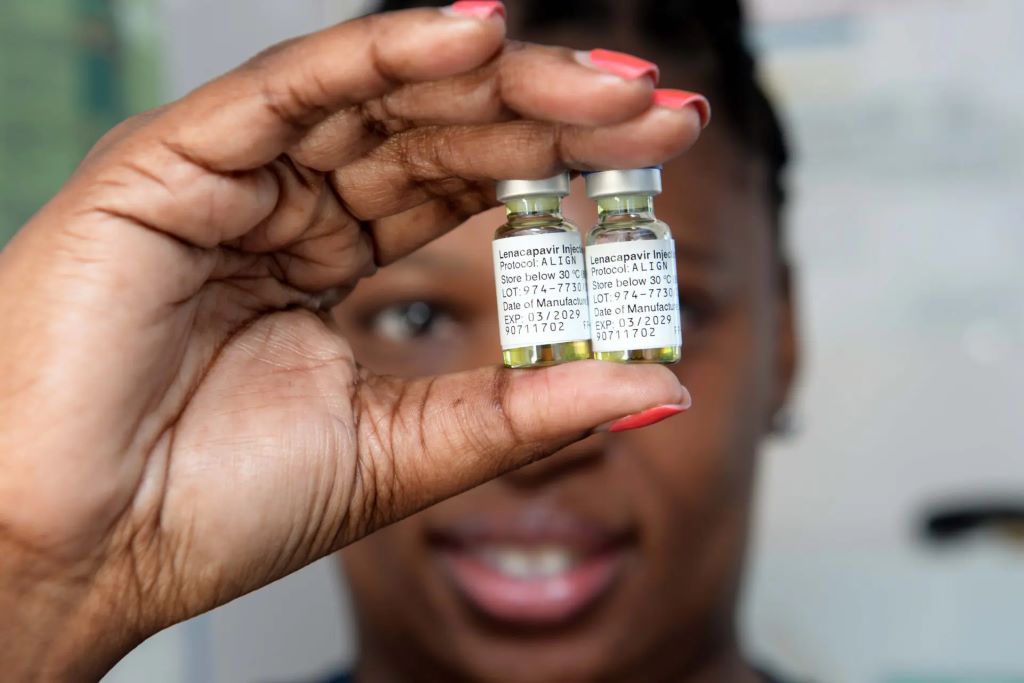
Lenacapavir is administered via two injections of 1.5ml each in the buttocks, thigh, abdomen or upper arm. (Photo: Nasief Manie/Spotlight)

By Biénne Huisman for Spotlight

From counselling about small nodules to overcoming people’s fears of needles, Spotlight takes the pulse of a new HIV prevention injection’s rollout in the Western Cape.

At Cape Town’s Philippi Village, beside a rainbow-emblazoned mobile clinic, Olwam Plaatjie says she switched from the two-monthly cabotegravir HIV prevention injection to the six-monthly injectable lenacapavir. Despite small nodules forming at the two jab sites on her abdomen, the 20-year-old is delighted with the new HIV prevention medicine.

Plaatjie, who is from Crossroads and who started taking cabotegravir injections three years ago, says: “I see many people who are HIV positive. Many of them are girls. Guys often don’t even want to be tested; my boyfriend didn’t want to go for HIV tests. So that’s why I started to have a fear. I was like, you know, maybe there is something he is hiding.”

Plaatjie is one of a stream of young women now taking their health in their own hands as they personally implement HIV prevention strategies, thanks to national government and research campaigns aimed at this vulnerable group.

According to Foster Mohale, spokesperson for the National Department of Health, as of 23 August, there have been 3 641 initiations of lenacapavir, or LEN for short, across the 22 government clinics in the province that are offering the injection. Nationally, the number stood at 47 934.

Due to severely constrained supply, lenacapavir is for now only being rolled out to 360 health facilities across six provinces (Free State, Limpopo, and Northern Cape are not currently included). Gauteng accounts for over a third of facilities and KwaZulu-Natal for around a quarter. The Western Cape’s 22 facilities makes up only around 6% of the total. The selection of facilities was in part informed by how well facilities had been doing in the provision of HIV prevention pills, currently available in almost all the country’s public sector health facilities.

Mohale said the three clinics with the highest administrations in the Western Cape as of August 26, were the Khayelitsha Community Health Centre, Michael Mapongwana Community Health Centre, in Khayelitsha, and Nolungile Community Health Centre, also in Khayelitsha.

Uptake in adolescent girls and young women

Asked about the high uptake in this area, Director of Service Priorities Coordination for the Western Cape Government Department of Health and Wellness, Hilary Goeiman, pointed out the community’s large population of adolescent girls and young women, who are being targeted in the medicine’s roll-out strategy.

“Nolungile Community Day Centre has demonstrated strong clinical leadership and effective implementation of the programme, successfully integrating lenacapavir into routine HIV prevention services,” she said.

On the demographics of the administrations, Goeiman said: “Most recipients are women, in line with the initial rollout focus on adolescent girls and young women, women of reproductive age, and pregnant and breastfeeding women who are at substantial risk of HIV acquisition.”

Mohale said 258 pregnant women had been initiated on lenacapavir at the 22 clinics across the Western Cape, since June.

Science in tandem with government

Meanwhile, Plaatjie was part of an initial cohort of 15- to 35-year-olds who received lenacapavir jabs in February, as part of a study spearheaded in the area by the Desmond Tutu Health Foundation. The study, called ALIGN, will evaluate implementation strategies for lenacapavir and how to encourage continued use.

The research is unfolding in collaboration with the Western Cape Department of Health and Wellness and the National Department of Health, but with a separate stock of the drug, independently sourced by the scientists. Social behavioural expert at the foundation, Elzette Rousseau, says their goal is to enrol at least 1 500 people on lenacapavir and to follow them for 18 months. She adds that at this stage, their data is still too limited to have any clear findings.

Cool, but a fear of needles

At Philippi Village, next to Plaatjie, Lutho Windvoel reflects on lenacapavir. He says that to his knowledge, men can be afraid of injections, and thus of HIV prevention through jabs. But, to him the benefit of protection over six months outweighs a fear of needles. “It’s just cool,” says Windvoel, who is wearing a black T-shirt with a pink teddy bear graphic.

At Philippi Village in Cape Town, a rainbow-emblazoned mobile clinic operated by the Desmond Tutu Health Foundation provides Lenacapavir injections. From left to right: Olwam Plaatjie, Sinovuyo Plaatjie, Lutho Windvoel, and Okuhle Trinity Potelwa. (Photo: Nasief Manie/Spotlight)

“LEN makes life easier. People are excited. Before, I took PrEP tablets daily but I worried that I would forget.”

Also in the conversation is Sive Mphambaniso, youth reference engagement facilitator at the Desmond Tutu Health Foundation. On a fear of injections, particularly among men, Mphambaniso agrees: “Most of them [men], when we talk about injections, they’re like, ‘nah.’ Many men are afraid of needles. Especially when we talked about cabotegravir when it arrived. So many of them preferred to take the oral PrEP, actually. Until the six month injection came in. Now people are saying, ‘it’s better for me to just have the guts to take the injection, rather than taking pills every day’. It’s the promise of six months that makes you just say, ‘Now let me have the guts to do this thing’.”

On some men being resistant to HIV testing or prevention, he says: “To be honest, it’s a struggle. And talking to men about HIV prevention, it’s quite a challenge, but it is happening. And I would say it is better for them to come to the mobile clinic rather than to go to a traditional clinic. Sometimes men don’t like people to think that they are sick. So they come here, it’s quite quick and it’s efficient.”

From the researchers’ side, Rousseau pointed out that one in four of their clients for lenacapavir had been men, “similar numbers to those accessing oral PrEP,” she says.

Small nodules that disappear

Speaking to Spotlight, Plaatjie and Windvoel, along with Sinovuyo Plaatjie, 22, and Okuhle Potelwa, 19, who were also in the initial cohort in the study led by the Desmond Tutu Health Foundation, agree that small nodules formed under the skin where the lenacapavir was injected. “It was like small bumps,” said Plaatjie. “It’s not even visible, but you can just feel it when you touch yourself. And it’s not sore.”

Lenacapavir is administered via two injections of 1.5ml each in the buttocks, thigh, abdomen or upper arm. Speaking to Spotlight, the four recipients say the nodules had not been painful, and that the bumps started growing smaller after about a month and eventually disappeared. They did not experience any other side effects.

Inside the “Tutu teen truck” mobile clinic parked at Philippi Village, nurse Zimasa Zwide elaborates on the nodules. “Most of the time they form immediately, especially on the slimmer people,” she says. “So what I normally do when I’m injecting people, I ask them to feel the nodules so that they won’t be surprised at home later. They get smaller with time and they disappear depending on the body of each participant. And most of them are not reporting any pains.”

However, at a workshop hosted by the Bhekisisa Centre for Health Journalism at the end of August, Spotlight heard from two lenacapavir users, who did report initial pain along with “bumps” at the injection sites – for a few weeks following administration. At some facilities, icepacks are used to numb the injection site, either before or after the injection is administered, or both.

Glass vials of pale yellow liquid

During our conversation, Zwide opens a lenacapavir dosing kit. Inside there are two syringes, two glass vials of pale yellow liquid, and a plastic container with tablets.

She says: “It’s two injections. One on each side of the abdomen, well depending on the injection site that they are choosing. And two tablets which are taken on the day of the injection, plus two tablets that I give them to take home, and which needs to be taken exactly 24 hours later. The tablets, it’s a form of speeding up the absorption process of the lenacapavir.”

If these steps are followed, she says, a recipient is fully protected against HIV three days later. The recipient needs to visit the clinic a month later for an HIV test and follow-up treatment. Zwide says the most patients she have injected with lenacapavir in her mobile clinic in a day were around six or seven people. This is her maximum capacity, she says, as the required administration takes around two hours per person.

Demand for the jab

On demand for the jab, Zwide says: “On a daily basis, there are a lot of people who are interested in lenacapavir. When we started rolling out LEN, there were a couple of participants who were coming in, even ones who were older than 35. Unfortunately, in our service, we take from 15 to 35 years, so we couldn’t give them. But luckily as it was now rolled out at the local clinics, we can refer them to Phumlani Clinic [three kilometres away].” Phumlani Clinic is one of the 22 facilities in the Western Cape offering the injection.
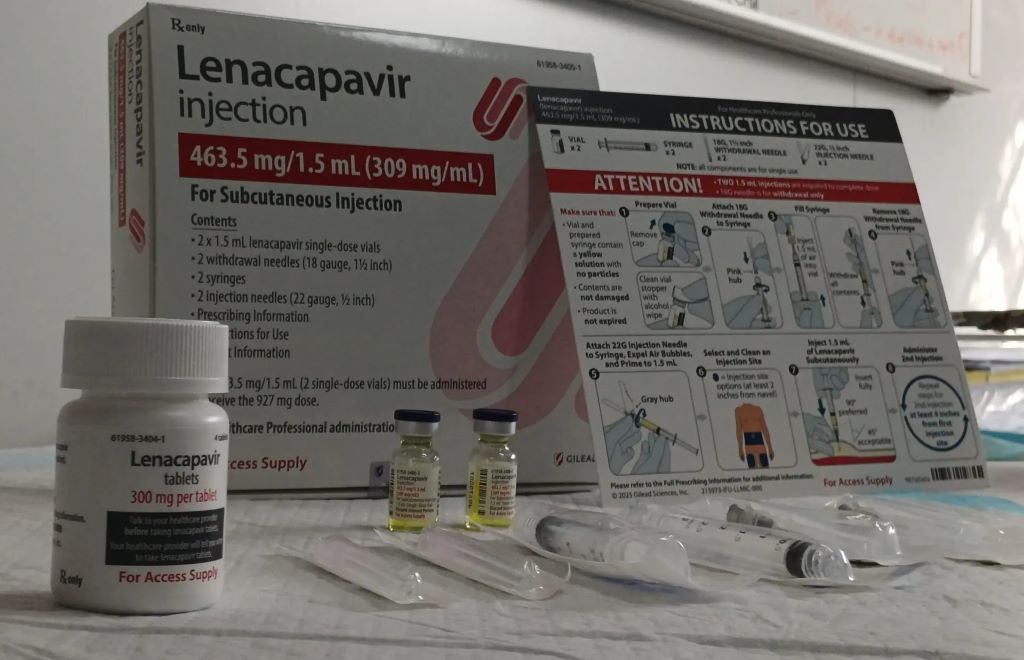
Contents of a Lenacapavir injection kit, including the drug vials, syringes, needles and instruction pamphlet, alongside a plastic pill container holding lenacapavir tablets. (Photo: Elri Voigt/Spotlight)

Responding to Spotlight’s questions around education on lenacapavir and demand creation in South Africa, Rousseau spoke highly of government’s rollout efforts.

“The national launch of lenacapavir in early June has created great demand and awareness of lenacapavir,” she says.

In addition, Mphambaniso points out the value of creating awareness about HIV prevention strategies and lenacapavir on channels that reach young people, specifically social media like TikTok.

Goeiman explained distribution of the medicine around the country. “Lenacapavir is procured centrally by the National Department of Health and distributed to provinces through phased deliveries. The Department continues to actively manage available stock to ensure equitable access throughout the phased rollout.” Technically, the department is procuring the medicines from the pharmaceutical company Gilead Sciences using money from the Global Fund (a large multinational donor).

For now, lenacapavir supply in South Africa remains highly constrained. That is expected to change once generic versions of the drug are registered and marketed in South Africa. Gilead have granted several companies licenses to produce generics. One of those, the Indian pharmaceutical company Hetero, has already filed a lenacapavir generic with the South African Health Products Regulatory Authority.

It seems plausible that the first lenacapavir generics will be approved in the first half of 2027 and indications are that the Department of Health will be quick to move to procuring lenacapavir generics on tender. Once that happens, the programme should expand rapidly with the aim of eventually covering all public healthcare facilities in the country.

This article was first published by Spotlight – health journalism in the public interest. Sign up to the Spotlight newsletter.

Patients are Missing out on the Cardiovascular Benefits of Antihypertensives

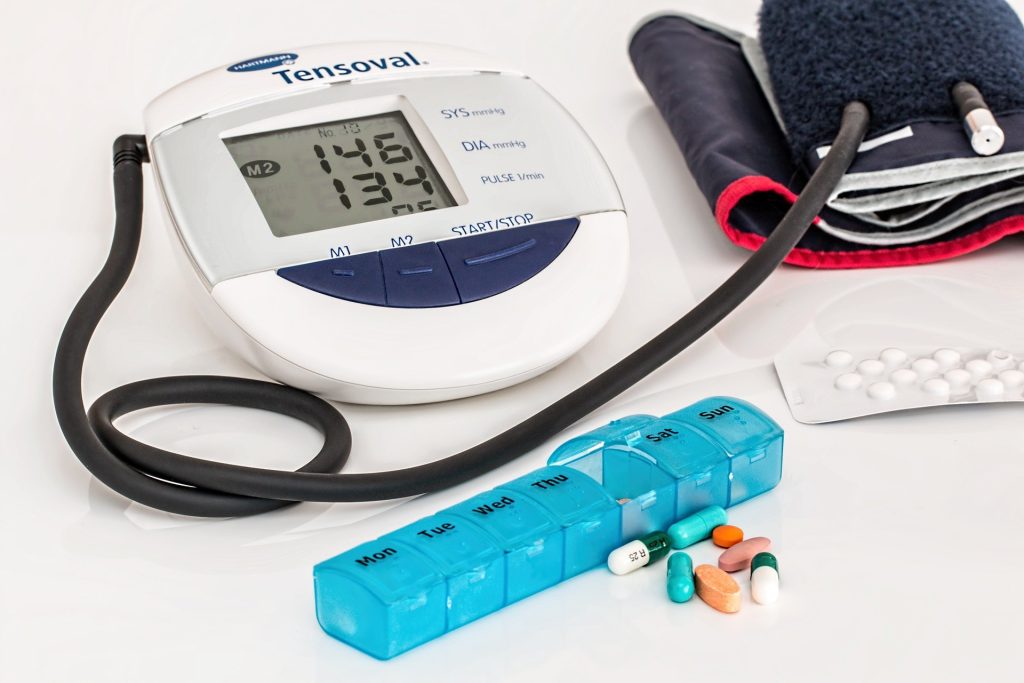
Credit: Pixabay CC0

The true impact of missing doses of blood pressure-lowering medication will be demonstrated in a presentation at ESC Congress 2026.[1] 

Approximately 1.4 billion adults worldwide aged 30–79 years are estimated to have high blood pressure (hypertension),[2] one of the most significant risk factors for disease burden.[3] Despite the proven benefits of blood pressure-lowering medication in reducing cardiovascular events, around half of patients do not take them as prescribed.[4] 

“We have evidence that poor adherence to antihypertensive medication is associated with worse outcomes,[5]” explained presenter, Miss Qianqian Yang from the University of Oxford, UK. “However, previous data has come from observational studies and could be confounded by other factors. We undertook an analysis of randomised trial data to assess the true impact of adherence on the benefits of antihypertensive treatment.” 

A meta-analysis was conducted of patient-level data from 91 339 participants in nine trials where an antihypertensive regimen (intervention group) was compared with another treatment (comparator group: either placebo or a less-intensive regimen). Participants who took at least 80% of their assigned treatment were classified as having higher adherence, while those who took less than 80% were classified as lower adherence. 

“A decline in adherence over time was apparent, even in the structured setting of trials,” noted Miss Yang. Overall, the proportion of patients classified as having higher adherence was 88% in the first year and only 79% by year five. 

In patients with higher adherence, systolic blood pressure was reduced by 5.2mmHg in the intervention group vs. the comparator group. In patients with lower adherence, the reduction was only 3.0mmHg. 

Next, the researchers studied the impact of adherence on major cardiovascular disease defined as stroke, myocardial infarction or ischaemic heart disease and heart failure causing death or hospitalisation.  

The incidence of major cardiovascular disease was significantly reduced by 11% in the intervention group vs the comparator group in patients with higher adherence, but there appeared to be no significant reductions in patients with lower adherence. 

“Notably, our results reinforce the saying that ‘drugs don’t work in patients who don’t take them.’ Patients with lower adherence derived little or no cardiovascular benefit, whereas those with higher adherence had greater reductions in blood pressure and prevention of cardiovascular events,” said Miss Yang. 

According to the authors, adherence assessment and education should be more prominent in hypertension management. In addition, strategies that help improve adherence should be promoted. These include simplifying regimens, using single-pill combinations to reduce the medication burden and using longer-acting agents where the effect of an occasional missed dose is less. 

Commenting on the findings, Professor Felix Mahfoud, Chair of the ESC Communication Committee, said: “For years, we have neglected non-adherence to medication as a cause for uncontrolled hypertension. Assessment of adherence should become a routine part of hypertension care so patients do not miss out on life-saving benefits. As healthcare providers, we are here to have open, non-judgemental conversations with our patients about any barriers they may have to taking medication, to help improve adherence.” 

References

[1] ‘Adherence to antihypertensive therapy and cardiovascular outcomes: an individual participant data meta-analysis of randomised controlled trials’ presented during the New therapeutic strategies targeting renin-angiotensin-aldosterone system in hypertension session at ESC Congress 2026 on 30 August from 08:15 to 09:45 in Room Vienna (ICM). 

[2] World Health Organization, 2025. Global report on hypertension 2025-High stakes: turning evidence into action.  

[3] GBD 2023 Disease and Injury and Risk Factor Collaborators. Burden of 375 diseases and injuries, risk-attributable burden of 88 risk factors, and healthy life expectancy in 204 countries and territories, including 660 subnational locations, 1990−2023: a systematic analysis for the Global Burden of Disease Study 2023. Lancet. 2025;406:1873−1922. 

[4] Abegaz TM, Shebab S, Gebreyohannes EA, et al. Nonadherence to antihypertensive drugs: A systematic review and meta-analysis. Medicine (Baltimore). 2017;96:e5641. 

[5] Chowdury R, Khan H, Heydon E, et al. Adherence to cardiovascular therapy: a meta-analysis of prevalence and clinical consequences. Eur Heart J. 2013;34:2940−2948. 

Source: European Society of Cardiology

Women’s Health Matters Conference 2026 Puts Women’s Health at the Centre Of South Africa’s Healthcare And Workplace Agenda

The inaugural Women’s Health Matters Conference 2026, sponsored by Discovery Health, will take place on Thursday, 3 September 2026, at GIBS Business School in Johannesburg. Supported by Spar Group, the event will bring together leaders from healthcare, business, academia and civil society to tackle some of the most pressing health issues facing women in South Africa today.

Across a full-day programme, delegates will explore women’s health at every stage of life, from reproductive health, pregnancy and childbirth to menopause, cancer prevention and mental wellbeing. Discussions will also shine a spotlight on critically important issues that continue to receive insufficient attention, including period poverty, endometriosis and the health impact of gender-based violence.

Dr Noluthando Nematswerani, Chief Clinical Officer at Discovery Health and headline sponsor of the conference, will open the programme with an address on Women’s Health Through the Life Course. Her presentation will highlight the importance of data-driven insights, prevention, early intervention and equitable access to care in improving health outcomes for women across their lifespan.

“Supporting women’s health requires a life-course approach. Improved outcomes are achieved through a strong focus on health promotion, disease prevention, early intervention, and timely access to appropriate care. It also demands a coordinated response from healthcare systems, employers, and communities that reflects the changing needs and challenges women experience throughout their lives. Discovery is proud to support a platform that unites these stakeholders around meaningful, action-oriented solutions,” says Dr Nematswerani.

The conference programme will move beyond awareness and explore the practical actions required to transform healthcare systems, workplaces, communities, and public policy in support of women’s health.

Key conference discussions will include:

Women’s Health Across the Life Course Exploring prevention, early intervention and access to care across reproductive health, maternity care, cancer, mental health and midlife health.

Pregnancy and Birth in South Africa Addressing high-risk pregnancies, preventable complications, informed decision-making and respectful maternity care.

Period Poverty and Access to Dignity Examining the affordability of menstrual products, menstrual health education, stigma, and the role of schools, workplaces, government and public-private partnerships in improving access.

The Endometriosis Diagnosis Gap Exploring the impact of delayed diagnosis on chronic pain, fertility, treatment outcomes and women’s participation in the workplace.

The Menopause-Ready Workplace Focusing on manager education, employee support, healthcare benefits and practical workplace interventions to better support women during menopause.

Closing the Women’s Cancer Care Gap Covering screening, early diagnosis, treatment access, survivorship and the role of employers and healthcare funders in improving outcomes.

GBV Is a Women’s Health Crisis Examining the physical and mental health consequences of gender-based violence, and the importance of survivor-centred healthcare, support services and prevention strategies.

SPAR will place a special focus on period poverty through a session led by Mpudi Maubane, National PR, Communications and Sponsorship Manager at SPAR, titled “Period Poverty: Dignity Should Not Depend on Income.”

“Period poverty extends far beyond access to menstrual products. When girls and women are unable to manage menstruation safely and with dignity, it affects school attendance, workplace participation, confidence and future opportunities. Addressing this challenge requires solutions that combine access, education and sustained partnerships to ensure that menstruation never becomes a barrier to full participation in society,” says Maubane.

The discussion will continue in a panel session titled “From Products to Policy: What It Will Take to End Period Poverty,” which will explore how business, government, educational institutions and community organisations can collaborate to develop sustainable, long-term solutions.

The programme features contributions from leading experts and advocates in women’s health, including clinical psychologist and founder the CBT group Dr Colinda Linde, obstetrician and gynaecologist Dr Sumayya Ebrahim, menstrual health activist Candice Chirwa, reproductive medicine specialist Prof Zozo Nene, menopause researcher and practitioner Dr Nicole Jaff, Co-CEO Tiko Benoit Renard, and  head of oncology risk management and care coordination, discovery health Dr Kagiso Seripe.

The Women’s Health Matters Conference is expected to bring together between 200 and 250 stakeholders, including healthcare professionals, medical schemes and insurers, corporate and HR leaders, government representatives, NGOs, academics, researchers, workplace wellbeing practitioners and women leaders.

The conference will conclude with a forward-looking session, “From Awareness to Action,” focused on identifying practical commitments and collaborative actions that healthcare providers, employers, policymakers and communities can take forward beyond the event to create meaningful and lasting change in women’s health.

Event Details

Event: Women’s Health Matters Conference 2026 Date: Thursday, 3 September 2026 Registration: 08:30 Conference: 09:00 – 17:00 Venue: GIBS Business School, Johannesburg Headline Sponsor: Discovery Health

Discovery Health’s registered wellness providers will be on-site from 08:00 to 19:00, offering a complimentary Wellness Health Screening Experience for all attending delegates and guests. This includes glucose, cholesterol, blood pressure and BMI checks. Conference delegates will have the opportunity to gain valuable insights into their health and wellness throughout the day.

To buy tickets please email James@creativespacemedia.co.za

GLP-1s do not Cause Major Psychiatric Harm, Review Shows

Photo by Haberdoedas on Unsplash

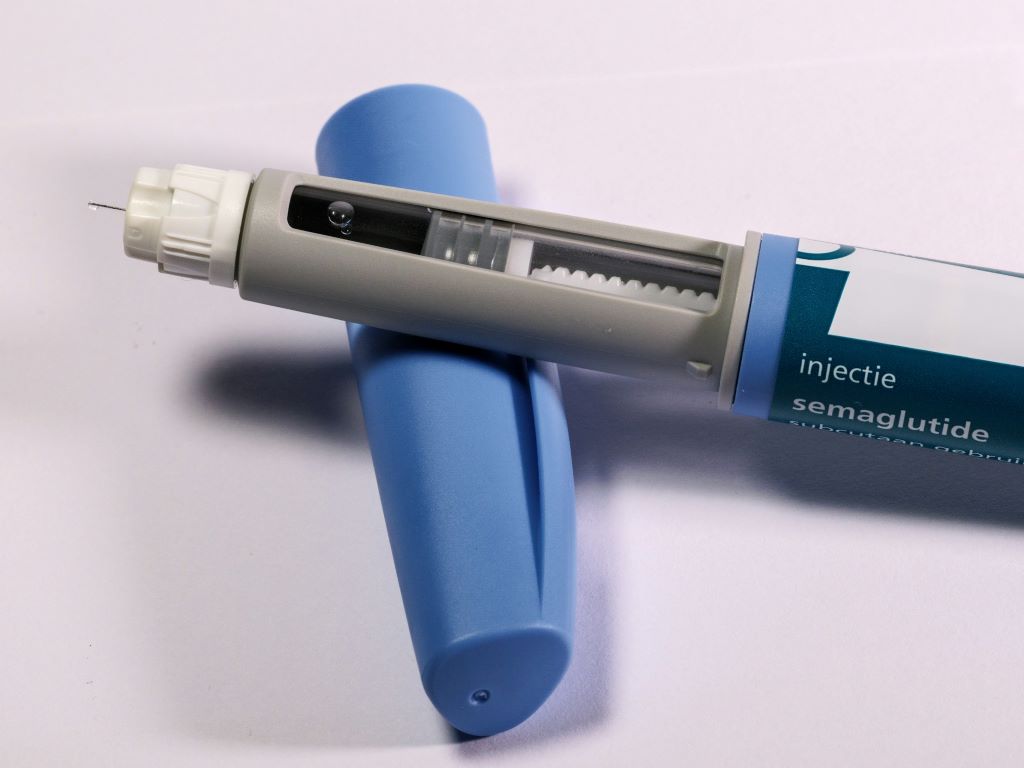
There is no link between the widely used diabetes and obesity medications known as GLP-1 receptor agonists and increased suicidal thoughts, depression or other serious psychiatric harm based on an integrative review of current scientific evidence conducted by researchers at New Mexico State University and the University of Nevada, Las Vegas.

The review, published in the journal Diabetology, traced the earliest concerns raised over GLP-1 RA therapies and found that after subsequent investigations, the medications do not increase psychiatric risk.

“GLP-1 RAs have become a cornerstone treatment for Type 2 diabetes and obesity, now used by tens of millions of patients worldwide,” said Jagdish Khubchandani, a professor of public health at NMSU, who co-authored the study with Kavita Batra, executive director of medical research and scholarly activities at the UNLV Kirk Kirkorian School of Medicine.

Reports that GLP-1s might trigger suicidal ideation, depression or anxiety began appearing  soon after the medications gained mainstream popularity. Those reports then prompted formal safety reviews by the U.S. Food and Drug Administration and the European Medicines Agency, beginning in 2023.

The research team analyzed five years of mechanistic, pharmacovigilance, observational and regulatory evidence to trace how early reports were investigated and how the scientific and regulatory consensus shifted over time. Earlier this year, the FDA removed its suicidality warning from GLP-1 medications.

“When reports of depression and suicidal thoughts first surfaced with GLP-1 RA use, they came from patients and doctors voluntarily reporting what they saw, and such reports can raise a question, but can’t answer it,” Batra said. “Since then, studies following millions of patients, including a pooled analysis of 91 clinical trials, have found no increase in psychiatric risk. But an answer for millions isn’t an answer for everyone. The right response is to screen and check in with each patient, not to take an effective treatment off the table.”

The review found that early warning signals were largely tied to one drug from selected patient groups, while larger controlled studies often pointed in contradictory directions – something the research team attributes to study design rather than the drugs themselves.

Khubchandani said spontaneous adverse-event reports can be skewed by media attention, by the fact that people with obesity and diabetes already have higher baseline rates of depression and suicidality, and by more frequent medical visits among treated patients that create more opportunities for symptoms to be reported. Controlled studies that account for these factors do not show exceptionally high risks, he added.

Still, the review found that some groups using GL-P1s may need closer monitoring. Patients already taking antidepressants or benzodiazepines showed a substantially amplified reporting signal for suicidal ideation, suggesting that any residual risk may be concentrated among those with pre-existing psychiatric vulnerability rather than the general patient population.

“Depression is more common in people with Type 2 diabetes than in the general population, and it works in both directions: Depression makes diabetes harder to manage, and diabetes makes depression more likely,” Batra said. “So, the mood symptoms a patient reports on any diabetes medication may have been there long before the prescription. That’s exactly why asking about mental health should be a routine part of diabetes care, not a special step reserved for when a drug is under suspicion.”

Khubchandani said the pace of research on GL-P1 medications needs to catch up with their pace of usage, particularly among groups like adolescents, those with serious mental illnesses and other groups underrepresented in clinical trials to date.

 “Just like for several other medications, the decision to use GLP-1 RA should include individualized screening of patients for psychiatric history and suicidality before starting treatment, watching more closely for patients with a history of mood disorders or concurrent psychiatric medication use, and educating patients and caregivers to report mood changes promptly,” Khubchandani said.

To read the review, visit https://www.mdpi.com/2673-4540/7/8/144.

Source: New Mexico State University