Year: 2023

‘No Need to Panic’ Over NHI, Says Discovery CEO
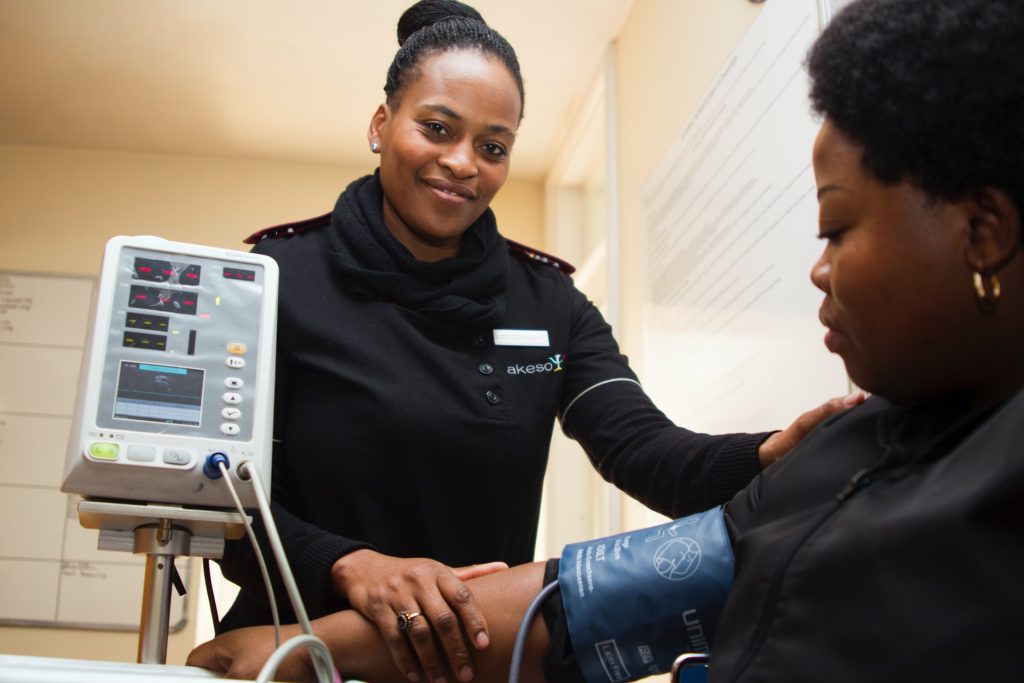
Photo by Hush Naidoo on Unsplash

On Tuesday, June 13, South Africa’s National Assembly approved the National Health Insurance (NHI) Bill, signing this new law into effect in the face of strong expert objections. The CEO of Discovery Health, Dr Ryan Noach, said that at the moment there is “no need to panic” over NHI, although overwhelming negativity was a major concern. . This was reflected in Quicknews polls results, with 98% of respondents expressing skepticism over NHI implementation.

Speaking in an interview with Newzroom Afrika, he responded to comments that the implementation of the NHI would devastate the private healthcare sector, which he said “sounds like a panicky reaction”.

While he did not say that NHI implementation would be without consequences, the chief executive of the country’s largest private medical scheme reminded viewers that, even with NHI as promulgated now, there was still a long way to go before there was any impact on private healthcare schemes or systems.

Health Minister Dr Joe Phaahla hailed the Bill: “This is one of the most revolutionary pieces of legislation presented to this house since the dawn of our democracy in 1994.” Briefing the media, he was bullish on existing issues of corruption and mis management in healthcare, saying “Those issues must be dealt with.” He pointed to a number of “good examples” of institutions.

But serious questions about the impact, implementation and feasibility of the extraordinarily expensive and far-reaching Bill have yet to be answered.

The impact of Section 33

Dr Noach noted that one important point regarding the Bill is Section 33, which “talks about the full implementation of NHI before any impact on medical schemes.” Essentially, the NHI would have to be fully in place before the healthcare and health insurance sectors would be affected.

He added that the Department of Health’s expected that NHI would take some 10 to 15 years to fully implement after its promulgation. Speaking with the experience of a scheme that provides for 4 million people, he said that it is already a huge amount of work, and the task of catering to the entire population of South Africa would be even greater.

Dr Noach notes that as for the necessary financing bill for the NHI, it is nowhere to be seen. Little said about it by the Treasury, which has only noted that it is “nascent”. As the population contributes GDP of 8.5% to healthcare, the assumption seems to be that this 8.5% would simply be redirected into a NHI scheme, which is not likely to happen.

Medical funds are contributed from medical schemes after tax, are well-protected by schemes, and as trust funds they essentially belong to the members. By law no-one can take away access to those funds: it would be like taking away people’s pension funds.

No parallel with any other country’s public health scheme

This singular NHI fund would essentially be a monopoly, and there were also no other examples of this to be found anywhere in the world. Even with the UK’s NHS, 12% of the population opts for private medical insurance. No other countries exclude by law the participation of private insurance and private funders. The annual spend would be R500bn to R700bn, and the NHI would disburse this to about 100 000 healthcare providers – assuming that the healthcare market would remain in its present form, which would likely suffer.

The biggest short term risk of the Bill would be the emigration of skilled healthcare professionals from a very negative sentiment emerging among in that grouping.

Meanwhile, those working in the public sector are battling under corruption and a lack resources while those in the private sector are extremely concerned. According to a Quicknews poll which ran for the month of June, 97.78% of the 90 respondents agreed with the South African Medical Association’s objections to the Bill.

In early 2022, a Quicknews poll had found that 81% of respondents had either considered emigrating due to the NHI Bill or were actively planning to do so.

Dr Noach says that “we are doing everything we can to calm the health professionals, partner them and work with them and reassure them, because we do believe that the outcome here could be optimistic.” A version of NHI would be welcomed.

As for the eventual fate of medical aid scheme under Section 33, once the Minister determines that NHI is fully implemented (and it is unclear how that would be determined), only those services not covered by NHI would be covered by medical aid schemes – though there is no indication at this stage of what would be covered.

An alternative approach to NHI

Before this can even be implemented, the government needs to find R200 billion to fix the public healthcare system, something which Dr Noach applauds as a priority.

He described an alternative NHI, with policy reform one in both private and public healthcare to create a “multi-funded environment”, something which Discovery’s actuarial work had found to be a better fiscal option. The NHI has many favourable qualities, which are smart and feasible, he continued.

The current monopolistic approach to NHI would create a single pot of money which would be the largest fund in the country by far – with its attendant risks.

Notes: Updated to reflect latest Quicknews poll results and to include Dr Joe Phaahla’s comments on the Bill.

New Study Finds Depression Risk with Hormonal Contraceptive Use

The possibility that contraceptive pills might have negative effects on mental health and even lead to depression has long been debated. Now, evidence published in Epidemiology and Psychiatric Sciences shows that contraceptive pills are in fact linked to depression, with teenage girls at particularly increased risk.

This study is one of the largest and widest-ranging to date, following more than a quarter of a million women from UK Biobank from birth to menopause.

The researchers collected data about women’s use of contraceptive pills, the time at which they were first diagnosed with depression and when they first experienced symptoms of depression without receiving a diagnosis. The method of contraception studied was combined contraceptive pills, which contain progestogen and oestrogen. Progestogen prevents ovulation and thickens the cervical mucus to prevent sperms from entering the uterus, while oestrogen thins the uterine lining to hinder the implantation of a fertilised egg.

“Although contraception has many advantages for women, both medical practitioners and patients should be informed about the side-effects identified in this and previous research,” says Therese Johansson at Uppsala University, one of the researchers leading the study.

According to the study, women who began to use contraceptive pills as teenagers had a 130% higher incidence of symptoms of depression, while the corresponding increase among adult users was 92%.

“The powerful influence of contraceptive pills on teenagers can be ascribed to the hormonal changes caused by puberty. As women in that age group have already experienced substantial hormonal changes, they can be more receptive not only to hormonal changes but also to other life experiences,” Johansson says.

The researchers were also able to see that the increased incidence of depression declined when the women continued to use contraceptive pills after the first two years. However, teenage users of contraceptive pills still had an increased incidence of depression even after stopping using the pill, which was not observed in adult users of contraceptive pills.

“It is important to emphasise that most women tolerate external hormones well, without experiencing negative effects on their mood, so combined contraceptive pills are an excellent option for many women. Contraceptive pills enable women to avoid unplanned pregnancies and they can also prevent illnesses that affect women, including ovarian cancer and uterine cancer. However, certain women may have an increased risk of depression after starting to use contraceptive pills.”

The findings of the study point to a need for healthcare professionals to be more aware of possible links between different systems in the body, such as depression and the use of contraceptive pills. The researchers conclude that it is important for care providers to inform women who are considering using contraceptive pills of the potential risk of depression as a side-effect of the medicine.

“Since we only investigated combined contraceptive pills in this study, we cannot draw conclusions about other contraceptive options, such as mini pills, contraceptive patches, hormonal spirals, vaginal rings or contraceptive rods. In a future study, we plan to examine different formulations and methods of administration. Our ambition in comparing different contraceptive methods is to give women even more information to help them take well-informed decisions about their contraceptive options,” Johansson says.

Source: Uppsala University

Which IV Fluids to Use in Sepsis… and When Not to Use Them

Photo by Marcelo Leal on Unsplash

In the leading Journal of the American Medical Association, two researchers outline how to use intravenous fluids to treat sepsis, a deadly condition that affects nearly a third of all ICU patients. Despite the fact that IV fluid therapy is a cornerstone of sepsis treatment, it’s not always a sure bet – in fact, as the authors outline in their paper, giving IV fluids can sometimes worsen sepsis.

Which fluids to give, how much to give and when have been fiercely debated for years.  

“This is an intervention that is cheap and easy to use and it can be life-saving, but it can also be harmful for patients if too much fluid is given,” explains first author Fernando Zampieri, a newly recruited assistant professor at University of Alberta.    

The new JAMA article sums up the latest science on the phases of sepsis and how much IV fluid to give at each stage of treatment. 

“It’s aimed at the clinician who works on the wards, who works in community hospitals, who works in emergency departments, explaining the mechanisms to assess whether patients are responding or not and decide whether more fluid needs to be given,” says Sean Bagshaw, professor and chair of critical care medicine, who co-wrote the paper with Zampieri and Matthew Semler of Vanderbilt University.

“These are really fundamental issues that have been challenging for clinicians to reconcile and have long been controversial, so this concise review bundles all recent evidence together,” Bagshaw says.

A complex and life-threatening condition

One in four patients who develop sepsis die from it, and it’s responsible for 11 million deaths per year, Zampieri estimates. Sepsis is an extreme response by the body to an infection, leading to a drop in blood pressure and thus a lack of oxygen circulation. Death occurs when oxygen-deprived organs such as the brain, kidneys or liver fail. 

Treatment almost always includes administering intravenous fluids, along with other interventions such as antibiotics and medications to boost blood pressure and oxygen delivery to tissues. The goal is to restore circulation without causing edema, or swelling, which can also be harmful to organs. 

Sepsis can occur at any time in life from infancy to old age, says Bagshaw. Zampieri points out that sepsis is not really one disease, but a complex condition with multiple causes. 

“When we talk about sepsis, you can be talking about things as different as a young woman with an infection after delivery all the way through to an elderly patient with a urinary tract infection. Those are two completely separate sources of infection, and the patient’s other conditions make treatment more complicated,” he says.

Zampieri says there are numerous clinical trials underway to refine sepsis treatment, but much is still unknown. Zampieri himself has been involved with trials in Brazil to determine whether slower fluids make a difference to clinical outcomes, to compare the efficacy of using saline versus a balanced solution (Plasma-Lyte 148), and to find out whether measuring lactic acid, which is produced when the body is starved of oxygen, is a good indicator of whether enough fluids have been given.

Digging for evidence to improve practice

Zampieri plans to continue his program of clinical trials and also wants to help physicians and health systems adopt best treatment practices as they are verified. Eventually he hopes to develop an accurate bedside test, such as using ultrasound, to better determine what level of fluids a patient requires.  

“Clinical trials are the best way to provide evidence that will change practice,” he says.

Bagshaw expects sepsis treatment to improve rapidly over the next decade thanks to such work.

“It took us 30 or 40 years to get to this point, and I think there’s still lots of questions to be answered about how best to individualise the resuscitation strategies amongst patients with life-threatening infection and sepsis,” Bagshaw says. “My hope is that Fernando will help catalyse some of those advances here at the U of A.”

Source: University of Alberta

Autistic Adults Have Higher Risks of Injury and Disease

Photo by Andrew Neel on Unsplash

A large-scale registry study found that older autistic adults have a significantly higher risk of injury, especially self-inflicted, and physical conditions such as type 2 diabetes, anaemia, heart failure and COPD. The findings were published in The Lancet Healthy Longevity.

“We found an increased disease burden in middle-aged and older autistic adults, both men and women, irrespective of the presence of intellectual disability,” says Shengxin Liu, doctoral student at Karolinska Institutet. “Our findings point up the need to improve the support and care of older autistic adults.”

In the population-based study, the KI researchers linked different national registers and compared the risk for five types of injury and 39 age-related physical conditions in people over the age of 45. Of the four million-plus people born between 1932 and 1967, 1930 women and 3361 men had an autism diagnosis. For each physical condition, they evaluated the 25-year cumulative incidence and the relative risk in autistic people compared with non-autistic people of the same sex and age.

Seven-fold risk of self-harm

Autistic people had a higher risk of four of five studied injures, for which self-harm accounted for the greatest risk increase, followed by poisoning, falls and other physical injuries.

“The risk of self-harm was worryingly high, a full seven times higher than in non-autistic people,” says Liu. “Reasons behind this remain largely unknown. One possible contributing factor could be mental health conditions that commonly co-occur with autism, such as anxiety and depression.”

The researchers also found a risk increase for 15 physical conditions. For example, autistic people had three times the risk of anaemia and glucose dysregulation and almost double the risk of heart failure, type 2 diabetes, and COPD (chronic obstructive pulmonary disease).

Multiple contributory factors

“We now need to find out the cause of these associations and how they are affected by factors such as biology, age when diagnosed with autism, psychotropic treatment and psychosocial environment,” says the study’s last author Mark Taylor, senior researcher at the Department of Medical Epidemiology and Biostatistics, Karolinska Institutet. “But most importantly, researchers, health services and policymakers need to cooperate to make sure that older autistic adults have a better quality of life.”

Since this was an observational study, no causal relationships can be ascertained, and the researchers were not able to take into account variables such as socioeconomic status. Furthermore, given that the study used Swedish registers, it is difficult to make generalisations to other countries.

Source: Karolinska Institutet

Small Study Finds Medical Cannabis is ‘Life Changing’ in Tourette Syndrome

Photo by Kindel Media on Unsplash

In JAMA Network, researchers have published the first robust clinical study proving that medicinal cannabis effectively treats the debilitating effects of Tourette syndrome. Their findings show a statistically and clinically significant reduction in motor and vocal tics in as little as six weeks.

The researchers’ analysis found a significant association between levels of cannabis in the bloodstream and the response to active treatment.

THC (tetrahydrocannabinol) is the psychoactive compound in cannabis that produces a ‘high’ effect, while CBD (cannabidiol) is a non-psychoactive compound. Both are used medicinally in Australia.

Study co-author Professor Iain McGregor, the Academic Director of the Lambert Initiative, said: “We were delighted to be able to work with Professor Mosley and this team to deliver this important clinical trial showing the efficacy of oral THC and CBD in treating Tourette syndrome. 

“This is such a difficult syndrome to treat. It severely impacts the quality of life of 1 in 100 young Australians. It is gratifying to know that our result provides strong evidence of an alternative treatment method for these patients in need.

“While there are well-known concerns about the side effects of THC on cognition and mental health, this trial demonstrates that careful dosing with THC in an oral formulation is very well tolerated in a relatively young patient group.”

The study involved testing 22 adult patients with severe Tourette symptoms. In the double-blind study, participants received both medicinal cannabis oil and a placebo over two six-week blocks.

“This is the first rigorous and methodical trial of medicinal cannabis to be undertaken in a sufficiently large group of people to make definitive conclusions about its effectiveness,” said neuropsychiatrist Dr Philip Mosley, who led the clinical trial.

“It shows that medicinal cannabis can reduce tics by a level that makes a life-changing difference for people with Tourette syndrome and their families.

“In addition, we found that other symptoms associated with Tourette syndrome in our participants also reduced, particularly symptoms of obsessive compulsive disorder and anxiety.”

Tourette syndrome affects about 1% of the population and is four times more common in men than women. The neurological disorder often begins in childhood and is characterised by involuntary movements and vocalisations, or tics.

“Cannabis interacts with specific receptors on nerve cells in the brain that are part of the body’s own ‘endocannabinoid’ system,” Dr Mosley said.

“Effectively, stimulation of these receptors tightens a leaky filter that now stops the involuntary movements and vocalisations from getting out and being expressed by our participants.”

Source: University of Sydney

Biomarkers Suggest That an Old Antihistamine Could Reverse MS

Source: CC0

A decade after scientists identified an over-the-counter antihistamine as a treatment for multiple sclerosis, researchers have developed an approach to measure the drug’s effectiveness in repairing the brain, making it possible to also assess future therapies for the devastating disorder. Their study is published in PNAS.

The UC San Francisco researchers, led by physician-scientist Ari Green, MD, who together with neuroscientist Jonah Chan, PhD, first identified clemastine as a potential MS therapy, used MRI scans to study the drug’s impact on the brains of 50 participants in a clinical study.

In the brain, water trapped between the thin layers of myelin that wrap nerve fibers cannot move as freely as water floating between brain cells. This unique property of myelin allowed imaging experts to develop a technique to compare the difference in myelin levels before and after the drug was administered, by measuring the so-called myelin water fraction, or the ratio of myelin water to the total water content in brain tissue.

In their study, the researchers found that patients with MS who were treated with clemastine experienced modest increases in myelin water, indicating myelin repair. They also proved that the myelin water fraction technique, when focused on the right parts of the brain, could be used to track myelin recovery.

“This is the first example of brain repair being documented on MRI for a chronic neurological condition,” said Green. “The study provides the first direct, biologically validated, imaging-based evidence of myelin repair induced by clemastine. This will set the standard for future research into remyelinating therapies.”

Myelin increased even after medication was stopped

In the study, patients with MS who enrolled in the ReBUILD trial were divided into two groups: the first group received clemastine for the first three months of the study and the second group received clemastine only in months three to five. Using the myelin water fraction as a biomarker, the researchers found that myelin water increased in the first group after participants received the drug and continued to increase after clemastine was stopped. In the second group, the myelin water fraction showed decreases in myelin water in the first portion of the study, under the placebo, and a rebound after participants received clemastine.

The findings corroborate the results of a previous study with the same 50 patients that had found the allergy medication reduced delayed nerve signalling, potentially alleviating symptoms.

In the current study, researchers looked at the corpus callosum, a region of the brain with a high myelin content that connects the right and left hemispheres. They found that significant repair occurred outside the visible lesions typically associated with MS. This underscores the need to focus on myelin repair beyond these lesion sites.

Clemastine works in this setting by stimulating the differentiation of myelin-making stem cells. This places the medication a generation ahead of existing MS drugs that work by dampening the activity of the immune system, calming inflammation and reducing the risk of relapse. It still isn’t ideal, though, making the water fraction measurement an important tool in developing better therapeutics.

“Clemastine can only be partially effective at the doses we can use,” said Green, who is also a neuro-ophthalmologist and chief of the Division of Neuroimmunology and Glial Biology in the UCSF Department of Neurology. “It can be sedating, which may be especially undesirable in patients with MS. We are hopeful better medications will be developed, but clemastine has proven to be the tool to show remyelination is possible.”

Proposed future research will examine clemastine’s potential in treating brain injury in premature infants, who often experience myelin damage. 

Source: University of California San Francisco

Antibiotic-resistant Bugs Claim Over 200 000 Infants Globally per Year, Finds Major Study

Photo by Christian Bowen on Unsplash

By Adele Baleta for Spotlight

“The death of a child affects us all. Witnessing the loss of a newborn baby who has sepsis is terribly traumatic, especially so when antibiotics used to treat the child are ineffective,” says neonatologist Professor Sithembiso Velaphi.

“It’s very heavy for a mother to carry her baby, give birth, watch as her newborn gets seriously sick from infection, suffers while being pricked with drips and pumped with drugs to try and save the child – only for her to leave the hospital empty handed. It’s painful,” says Velaphi, who is the head of Paediatrics at Chris Hani Baragwanath Academic Hospital in Johannesburg.

Professor Sithembiso Velaphi, head of Paediatrics at Chris Hani Baragwanath Academic Hospital in Johannesburg. PHOTO: Kim Cloete for GARDP

Nurses and doctors feel sad and crushed too when they cannot save a newborn’s life because of antibiotic resistance to bacterial infections. “We need to prioritise the development of antibiotics to treat these babies. For us, success is seeing a baby get better and going home,” he says.

Velaphi was speaking to Spotlight about a landmark global observational study published in the journal  Plos Medicine (June 8) which found that many neonates (within 60 days of birth) get life-threatening bloodstream infections, or sepsis, and are dying because the antibiotics used to treat them are not effective. This is the first global overview to assess the extent of the problem. Spotlight last year reported on interim findings from the same study.

The study, called NeoOBS, led by the Global Antibiotic Research and Development Partnership (GARDP) recruited more than 3 200 babies in 19 hospitals in 11 countries – South Africa, Kenya, Uganda, Thailand, Vietnam, India, Greece, Italy, Bangladesh, Brazil, and China.

The researchers reported great variability in mortality rates of babies with sepsis across the 19 hospitals, ranging from 1% to 27.3%.

Sepsis affects up to 3 million babies a year globally. Importantly, the study’s 80 authors estimate that 214 000 newborns die every year from sepsis that has become antibiotic resistant, and this is mostly in low- to middle-income countries (LMIC). Many survivors suffer from neurodevelopmental problems. Treatment options have become increasingly limited as about 40% of infections are reported to be resistant to standard antibiotic treatments.

Many infections acquired in hospital

Almost 60% of infection-related deaths were due to infections acquired at the 19 hospitals under review. Klebsiella pneumoniae was the most common pathogen isolated.

Of the 40 antibiotics approved for use in adults since 2000, only four have included dosing information for neonates in their labelling. Currently, 43 adult antibiotic clinical trials are recruiting patients, compared to only six trials recruiting neonates, researchers say.

New antibiotic treatments are urgently needed, especially in LMICs where almost 1 in 5 babies with sepsis died. Premature babies are particularly vulnerable to infections because of their immature immune systems.

More than 200 different antibiotic combinations were used by hospitals included in the NeoOBS study, with repeated switching of antibiotics due to high resistance to treatments. This showed a pattern of limited use of the World Health Organization’s recommended first-line treatment.

Many doctors have had to opt for last-line antibiotics such as carbapenems because of the high degree of antibiotic resistance in their units or because they were the only treatment available.

Outlining various challenges, Velaphi says the risk of infections is very high in hospital settings where there is often a shortage of nurses, beds, and space between patients making it difficult to stop the spread of infection.  Chris Hani Baragwanath has an 18-bed Intensive Care Unit (ICU) that is almost always full and when the situation is desperate there is a spillover of patients into the high-care area. The pressure on the facility is huge and the influx of people from other countries has made it even more challenging, he says.

“There is a major problem of infection control, specifically related to high-risk babies – sick babies with complications who need interventions such as drips and even surgery. This increases the chances of infection. “More than 70% of all deaths ascribed to prematurity at the hospital were due to hospital-acquired multi-drug resistant infections,” he says.

The NeoSep 1 trial

The authors say the NeoOBS study has yielded “a wealth of high-quality data” needed to design trials for much-needed and appropriate treatments for sepsis in babies. Encouragingly, and building on from the observational study the first global hospital-based neonatal sepsis trial called NeoSep 1 is underway in Kenya and South Africa. Chris Hani Baragwanath is taking part in the trial together with Tygerberg Hospital in Cape Town and KEMRI, Kilifi County Hospital in Kenya. It’s planned that the trial will be expanded to other countries and regions in 2024 with the aim of recruiting 3 000 newborns.

A Personalised Randomised Controlled Trial (PRACTical) design will be used. According to GARDP and partners the design is a new way of comparing antibiotic treatments for neonatal sepsis. In addition, doctors can choose treatment regimens that are likely to work well for newborns in their specific hospital settings.

Researchers say the development pipeline for new antibiotic treatments is limited and the lack of a universal, effective standard of care creates huge challenges in conducting research to tackle neonatal sepsis. The PRACTical design has been specifically developed to address these challenges in important public health emergencies such as neonatal sepsis. (You can read more about how this type of trial works in the Lancet.)

The trial will compare the safety and efficacy of three new combinations of older antibiotics (fosfomycin-amikacin, flomoxef-amikacin, and flomoxef-fosfomycin) against the current standard of care. It will also assess and validate the doses of two antibiotics (fosfomycin and flomoxef) for use in newborns. The trial will also evaluate new combinations of generic antibiotics.

“We are hoping the trial will provide robust evidence that the antibiotic combinations are safe and effective and that this will lead to a change in both WHO and local treatment guidelines,” says Christina Obiero, Principal Investigator for the NeoSep1 trial for KEMRI at Kilifi County Hospital in a statement.

Severity and recovery scores

Principal Investigator for the NeoSep1 trial at Tygerberg Hospital, Professor Adrie Bekker tells Spotlight, “We have so few antibiotics that work effectively against these very sick babies. And even for those that we have, we are still not 100% sure how to dose these drugs to get accurate concentrations in the blood and to also make sure that the outcomes in these babies are as good as can be. This trial will help give us confidence that we are delivering more effective treatment.”

Bekker who is also Professor in the Division of Neonatology, Department of Paediatrics and Child Health at Stellenbosch University says a positive outcome of the NeoOBS study is the development of two important tools which can be used in ICUs globally.

The first is the NeoSep Severity Score which is a compilation of common symptoms and signs that can occur in a baby with clinical sepsis. The second is the NeoSep Recovery Score, which will assist clinicians in deciding if they can stop antibiotics earlier.

The tools are expected to help prevent the often excessive and inappropriate use of antibiotics for over too long a period, which compounds the problem of antibiotic resistance globally.

Diagnosis in older age groups, children, and adults, is generally easier.

“It’s sometimes difficult for a clinician to know whether a baby actually has neonatal sepsis because it can present very subtly and not always with the same symptoms,” Bekker explains.

The blood culture is the gold standard for diagnosing neonatal sepsis, but Bekker says only around 10% of blood cultures will grow an organism even if the baby has sepsis, making it very difficult to get a diagnosis. “And because it’s such an aggressive disease and a baby can die very quickly from it, clinicians tend to rather over-treat than under-treat. That is correct but, just as important as it is to start antibiotics quickly, it’s important to stop them if they are not necessary. The NeoSeps Severity score will help doctors identify babies that are at very high risk from sepsis and those that would need treatment immediately.

Velaphi says a major challenge is the time it takes for an outcome of the blood culture and the general protocol is to start antibiotics immediately. Waiting between 24 to 48 hours can be too late for a child who may have sepsis and could die. On the other hand, antibiotics may be given to children who do not have sepsis and this adds to the frequency of antibiotic resistance. “So, you are damned if you do and you are damned if you don’t.”

He says we need new diagnostic tests that are reliable and that have a high degree of sensitivity and specificity. “We need antibiotics that work to reduce mortality,” he adds.

Republished from Spotlight under a Creative Commons NoDerivatives 4.0 Licence.

Source: Spotlight

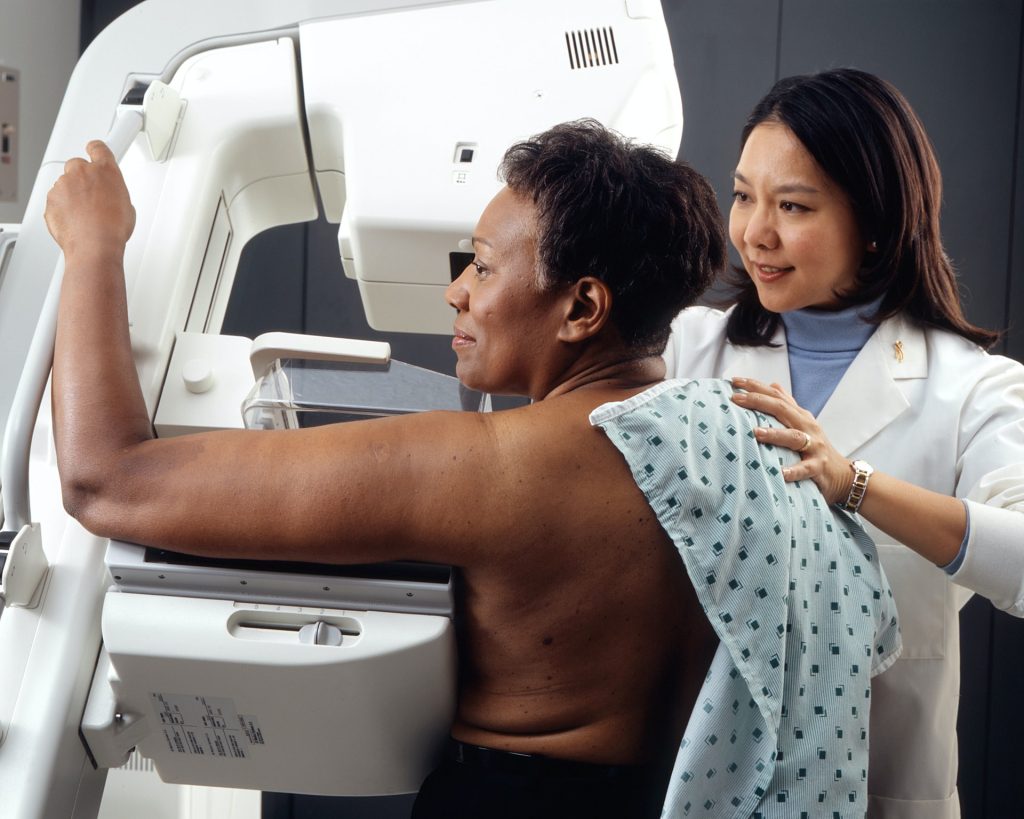
How Accurate is Supplemental Ultrasound in Breast Cancer Screening Failures?

Photo by National Cancer Institute on Unsplash

Dense breast tissue, which contains a higher proportion of fibrous tissue than fat, is a risk factor for breast cancer and also makes it more difficult to identify cancer on a mammogram. Many US states have enacted laws that require women with dense breasts to be notified after a mammogram, so that they can choose to undergo supplemental ultrasound screening to improve cancer detection. A recent study published by Wiley online in CANCER, a peer-reviewed journal of the American Cancer Society, evaluated the results of such additional screening to determine its benefits and harms to patients.

Although supplemental ultrasound screening may detect breast cancers missed by mammography, it requires additional imaging and may lead to unnecessary breast biopsies among women who do not have breast cancer. Therefore, it is important to use supplemental ultrasound only in women at high risk of mammography screening failure – in other words, women who develop breast cancer after a mammogram shows no signs of malignancy.

Brian Sprague, PhD, of the University of Vermont Cancer Center, and his colleagues evaluated 38 166 supplemental ultrasounds and 825 360 screening mammograms without supplemental ultrasounds during 2014–2020 at 32 US imaging facilities within three regional registries of the Breast Cancer Surveillance Consortium.

The team found that 95.3% of supplemental ultrasounds were performed in women with dense breasts. In comparison, 41.8% of mammograms without additional screening were performed in women with dense breasts.

Among women with dense breasts, a high risk of interval invasive breast cancer was present in 23.7% of women who underwent ultrasounds, compared with 18.5% of women who had mammograms without additional imaging.

The findings indicate that ultrasound screening was highly targeted to women with dense breasts, but only a modest proportion of these women were at high risk of mammography screening failure. A similar proportion of women who received only mammograms were at high risk of mammography screening failure.

“Among women with dense breasts, there was very little targeting of ultrasound screening to women who were at the highest risk of a mammography screening failure. Rather, women with dense breasts undergoing ultrasound screening had similar risk profiles to women undergoing mammography screening alone,” said Dr Sprague. “In other words, many women at low risk of breast cancer despite having dense breasts underwent ultrasound screening, while many other women at high risk of breast cancer underwent mammography alone with no supplemental screening.”

Clinicians can consider other breast cancer risk factors beyond breast density to identify women who may be appropriate for supplemental ultrasound screening. Publicly available risk calculators from the Breast Cancer Surveillance Consortium are available that also consider age, family history, and other factors (https://www.bcsc-research.org/tools).

Source: Wiley

How Well do Patients Understand Probabilities in Medical Results?

Photo by Cottonbro on Pexels

To communicate medical results to patients, who may find them hard to understand, is a challenging task – especially when it comes to making sense of statistical information. An interdisciplinary team of scientists has published a study in PLOS ONE investigating how communication between doctors and patients about actual risks can be made more effective.

“Even doctors sometimes have difficulties in determining the right predictive value. And if the data is difficult for the doctor to interpret, it’s even harder to communicate the information accurately to patients in a way they will understand,” says study author and mathematics educationalist Karin Binder.

The following case will serve as an example: A patient has just received a conspicuous sonographic finding of his thyroid. Does this mean he has thyroid cancer? Not necessarily, because there is a certain probability that the result of the examination will be positive even though the patient does not have thyroid cancer.

To explain to patients what the statistical picture looks like after such a positive test result, there are two approaches. One of them requires some lateral thinking, while the other is much easier to interpret from the patient’s perspective, as the researchers were able to demonstrate.

Bayesian vs diagnostic information

The commonly used Bayesian approach proceeds from the number of patients who actually have the disease. First of all, the doctor explains how frequently the disease occurs overall – for example: “out of 1000 patients, 50 have thyroid cancer.” Then the doctor lays out: a) for how many of these patients with thyroid cancer, the test result is positive (20 out of 50) and b) how many people who do not have thyroid cancer nonetheless have a positive test result (110 out of the remaining 950).

This is generally the information the doctor either knows or can easily research. Positive tests as a proportion of people with the disease is also known as sensitivity – a term that may be familiar from the COVID pandemic, when it was used, for example, as a quality criterion for rapid tests. Unfortunately, however, positive tests as a proportion of people with the disease is often confused with people with the disease as a proportion of positive tests! And these two percentages can greatly differ depending on the situation.

So what do the numbers quoted above mean in relation to a person with a positive test result? How many people who test positive actually have the disease? If for you the answer is not immediately apparent, you are not alone: Without further information, only 10% of participants were able to calculate how many people with positive results actually had the disease.

“Diagnostic” communication of information proceeds very differently: First of all, the doctor explains how many patients have positive test results, irrespective of whether they actually have the disease or not. In our example, this would be 130 people with a conspicuous thyroid ultrasound (out of 1000 people examined). Next, the doctor explains how many of these people with positive tests actually have the disease (20 out of 130) and how many of the people with negative test results have the disease (30 out of 870).

The relevant information is contained here directly and without the need for mental arithmetic: If my result is positive, then the probability is a 20 out of 130 that I actually have thyroid cancer. When communicated in this form, 72% of study participants were capable of arriving at this conclusion, compared to 10% with the Bayesian approach.

How to best communicate statistical information?

“With Bayesian communication, moreover, participants were considerably slower in reaching the correct result, if they got there at all,” says Karin Binder. “And in busy doctor’s offices and hospitals, this time is often not available.” The team of authors therefore calls on doctors to use diagnostic information communication more readily in future. This would go some way to avoiding confusion, misinterpretation, and wrong decisions.

It would be even better, however, to take the time to give patients a full picture of the situation, containing both diagnostic and Bayesian information. Only this can explain the surprising phenomenon whereby even a medical test with outstanding quality criteria can have very limited predictive power under certain circumstances (eg, routine screenings).

Source: Ludwig Maximilian University of Munich

The Three Global Challenges Surgeons Need to Tackle

Photo by Jafar Ahmed on Unsplash

Despite significant advances over the last 30 years, surgical research is still limited to comparing the benefit of one technique over another. It can be founded on assumptions that a new device or approach is always better – leading to poorly evaluated devices and procedures having negative effects on patients.

Writing in The Lancet, experts from the NIHR Global Health Research Unit for Global Surgery GlobalSurg Collaborative – a programme backed by funding from the NIHR (National Institute for Health and Care Research) – propose three priority areas for surgery:

Access, equity, and public health must be recognised as crucial issues for surgery.

In 2015, five billion people did not have access to safe and affordable surgical care. Of those who did, 33 million individuals faced catastrophic health expenditure in payment for surgery and anaesthesia. During the COVID-19 pandemic, over 28 million cases of elective surgery are likely to have been cancelled. Surgery has a key role in addressing the most important and growing global health challenges, such as trauma, congenital anomalies, safe childbirth, and non-communicable diseases.

Inclusion and diversity must improve in both surgical research and the profession.

Women, minoritised groups, and patients from low-income and middle-income countries remain under-represented in clinical practice and major research work. Advancing inclusion and diversity will ensure a research agenda that delivers pragmatic, simple, and context-specific research that reflects the needs of all patients.

Climate change is the greatest global health threat facing the world.

Surgical theatres are some of the most energy and resource intense areas of a hospital. Surgical practice relies on many single-use, non-biodegradable products as well as anaesthetic gases that have a large environmental footprint. Moving towards net-zero operating practices could reduce health-sector carbon emissions and allow surgeons and policy makers to reassess how surgery fits into a wider health system.

Comment co-author Dmitri Nepogodiev, from the University of Birmingham, said: “Richard Horton, Editor-in-Chief of The Lancet, once described surgical research as ‘a comic opera performance’. That was in 1996 and things have changed significantly since then.

“However, truly improving lives requires surgical researchers to use the next quarter of a century to tackle the most pressing questions on equity and access, the role of surgery in public health, and sustainability.

“Despite the problems of large waiting lists and an economic squeeze on health systems, surgeons must focus on these priority areas — placing surgery as a leader in medical specialties and demonstrating its value as a fundamental element of universal health care.”

The experts note that large, randomised controlled trials with well-defined endpoints are now more usual in surgical research, whilst exploration into the placebo effect, has led to a fundamental re-examination of the benefits of some surgical procedures and whether they benefit patients at all.

Surgeons and anaesthetists have developed successful international collaborative research efforts that have enabled rapid recruitment of participants and globally relevant studies and trials, while following internationally set standards of clinical trial practice. Surgeons can now provide reliable answers to crucial questions in operative surgery, and their research has improved patient care and resource use in health systems.